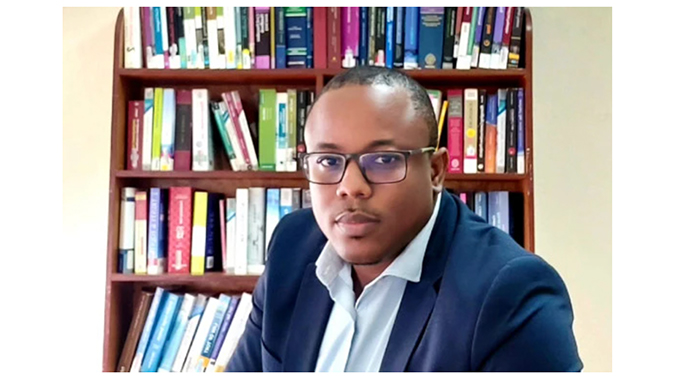
A heated debate has emerged in St. Vincent and the Grenadines over the eligibility of two NDP candidates, who hold dual Canadian and Vincentian citizenship, to stand for parliamentary elections. The controversy stems from differing interpretations of constitutional provisions, particularly sections 25 and 26 of the Constitution of St. Vincent and the Grenadines, which outline qualifications and disqualifications for representatives and senators.
分类: politics
-
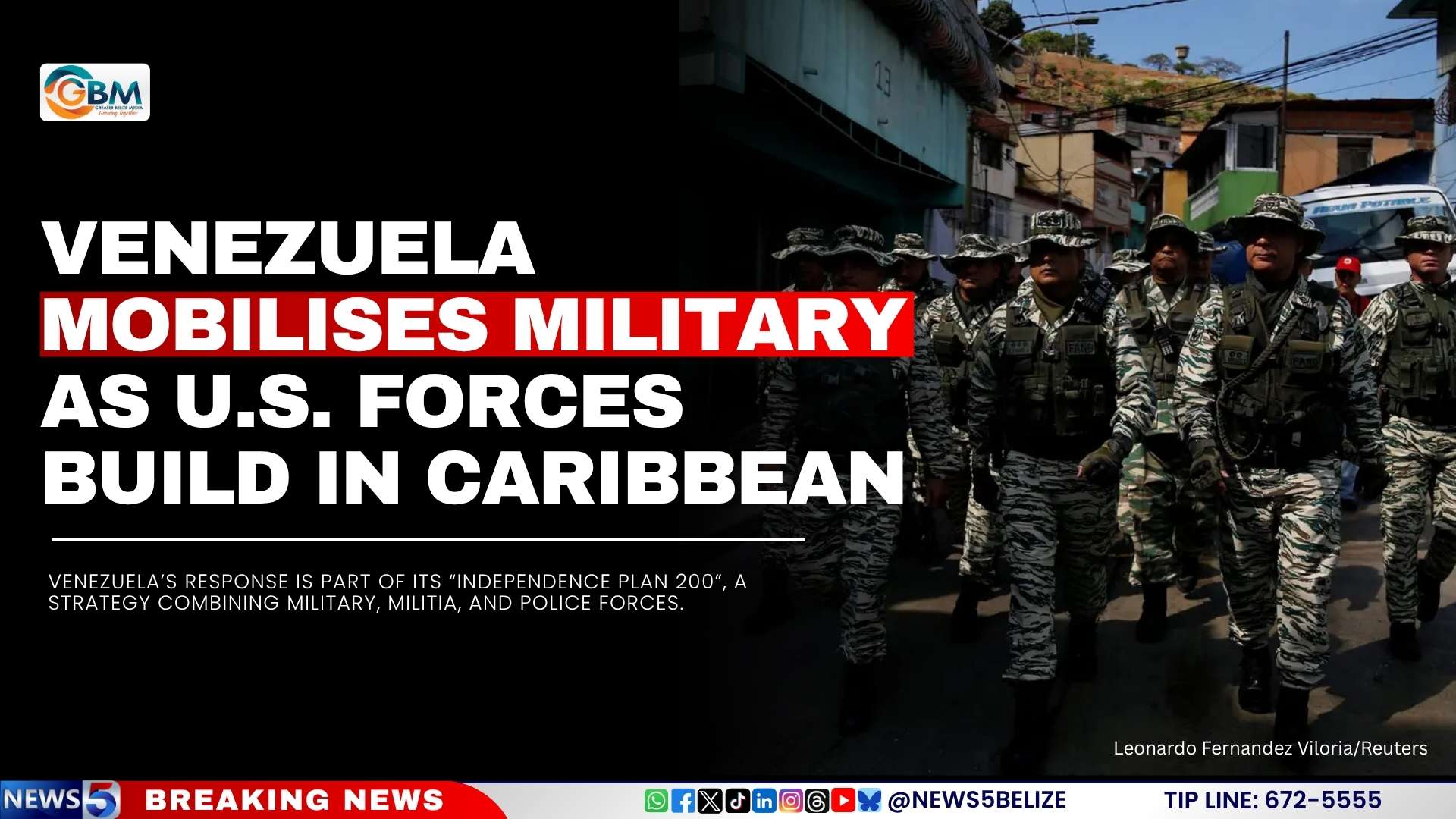
Venezuela Mobilises Military as US Forces Build in Caribbean
Venezuela has initiated a comprehensive military mobilization in reaction to the increasing deployment of US forces in the Caribbean. Defense Minister Vladimir Padrino López declared the activation of land, air, naval, and reserve units, labeling the move as a countermeasure against what he termed an ‘imperialist threat.’ This strategic maneuver, directed by President Nicolás Maduro, also involves the Bolivarian Militia, a civilian reserve established by the late President Hugo Chávez. The escalation follows the arrival of the USS Gerald R. Ford, the US Navy’s largest aircraft carrier, accompanied by a formidable strike group comprising warships, fighter jets, and thousands of military personnel. While the US justifies its deployment as a crackdown on drug trafficking, Venezuelan authorities perceive it as a veiled attempt at regime change. President Trump has recently acknowledged CIA activities in Venezuela and previously hinted at potential military interventions, although US officials assert no immediate plans for such actions. Venezuela’s military response is part of its ‘Independence Plan 200,’ a comprehensive strategy integrating military, militia, and police forces. Despite Maduro’s claim of over 8 million reservists, experts remain skeptical about both the numbers and their operational readiness. CNN reports that the US military presence in the region now surpasses 15,000 personnel.
-
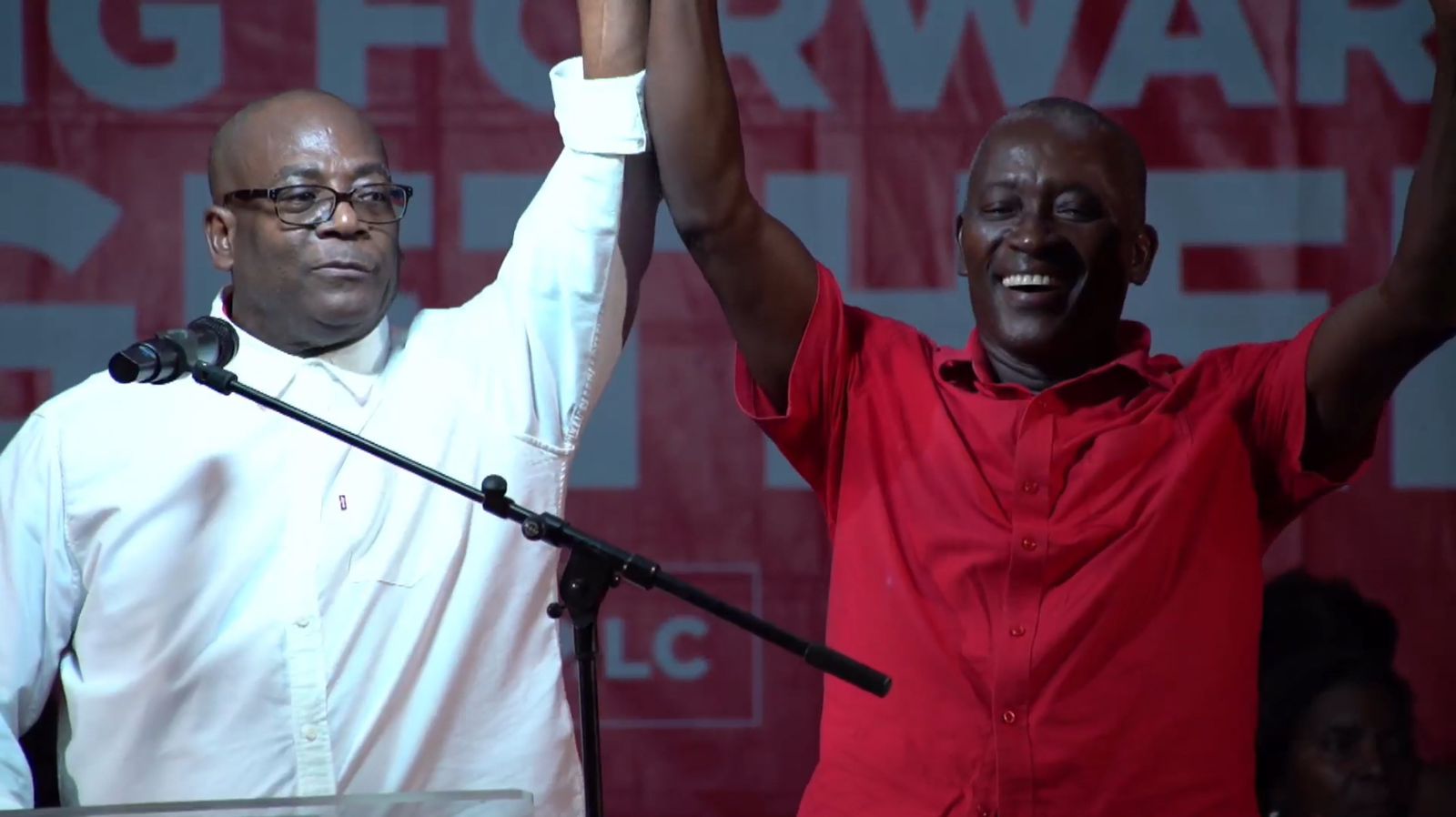
‘He is a leader who divides’: Estephane lambastes Chastanet
In a dramatic political shift, former United Workers Party (UWP) MP Edmund Estephane publicly declared his support for the Saint Lucia Labour Party (SLP) during a rally in La Caye, Dennery on November 12. Estephane, who previously represented Dennery South from 2006 to 2021, delivered a blistering critique of the UWP’s leadership, particularly targeting party leader Allen Chastanet and deputy leader Guy Joseph. He accused them of squandering their opportunity to govern and vowed they would never lead the country again. Estephane’s decision to switch allegiance follows a period of intense backlash, including death threats, after he appeared at an SLP event earlier in the campaign season. At the rally, he urged constituents to re-elect incumbent Alfred Prospere and endorsed his brother, John Paul Estephane, for the Babonneau seat. In a symbolic gesture, Estephane removed his white shirt to reveal a red one, signaling his new political alignment with the SLP. “The mood is red,” he concluded, marking a definitive break from his former party.
-
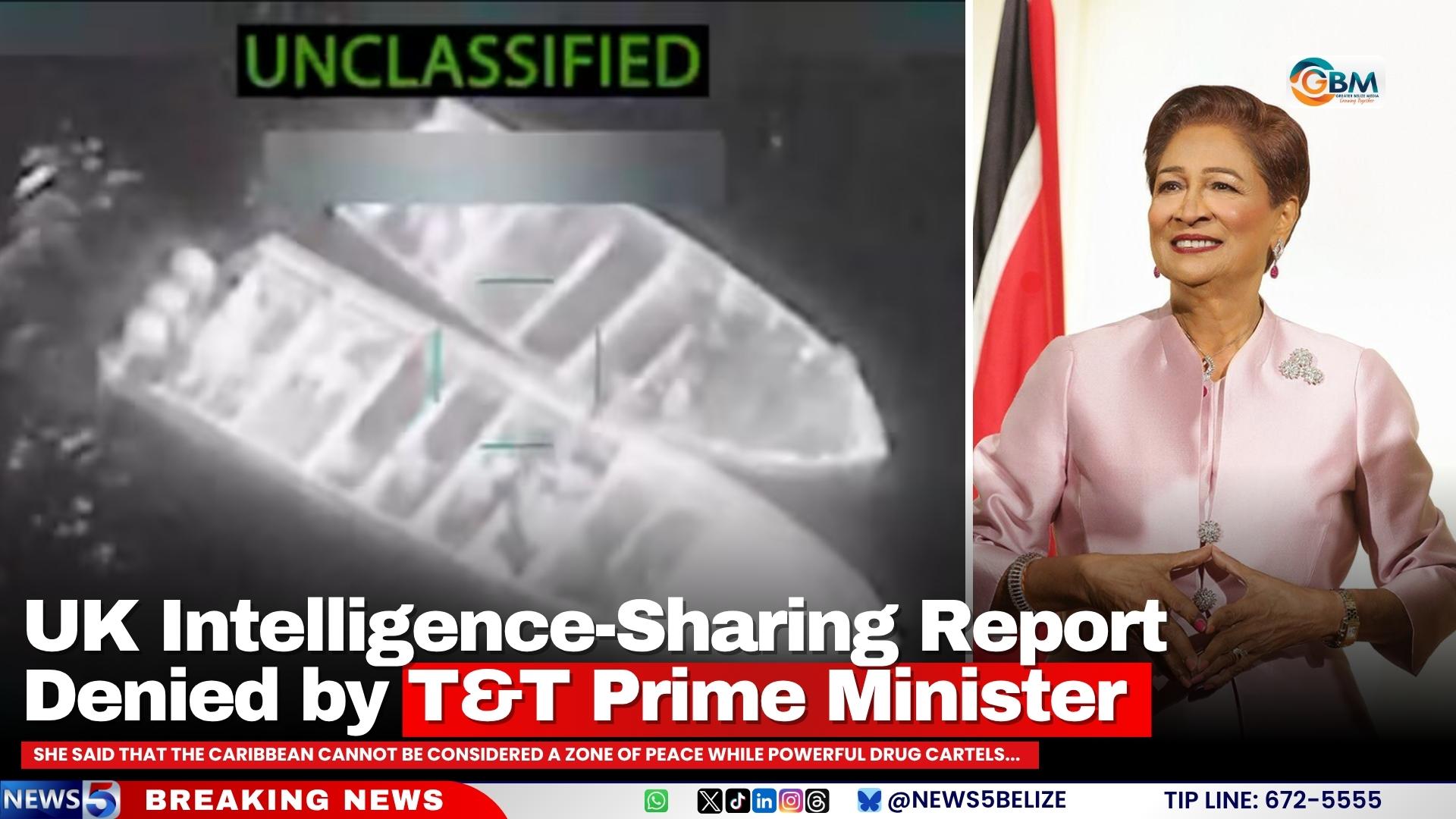
UK Intelligence-Sharing Report Denied by T&T Prime Minister
Trinidad and Tobago Prime Minister Kamla Persad-Bissessar has vehemently denied a CNN report alleging that the United Kingdom is withholding intelligence from the United States regarding anti-drug operations in the Caribbean. In a statement posted on X (formerly Twitter) on Thursday, Persad-Bissessar labeled the report as ‘fake news’ and accused it of being part of a broader effort to undermine regional efforts to combat narco-trafficking and organized crime. She emphasized that U.S. Secretary of State Antony Rubio has also refuted the claims internationally. The Prime Minister criticized local media outlets for irresponsibly circulating the false report, stressing her government’s commitment to maintaining strong cooperation with the U.S. in addressing transnational criminal networks. Persad-Bissessar highlighted the ongoing challenges posed by drug cartels, which continue to destabilize the Caribbean, and underscored efforts to enhance national security systems to combat drug trafficking, firearms smuggling, and human trafficking. She warned that illicit trade has fueled decades of violence and instability in the region. The CNN report had claimed that the UK paused intelligence sharing with the U.S. due to concerns over the legality of military strikes against suspected drug vessels in the Caribbean, which reportedly resulted in numerous casualties and prompted skepticism from other U.S. allies, including Canada and Colombia.
-
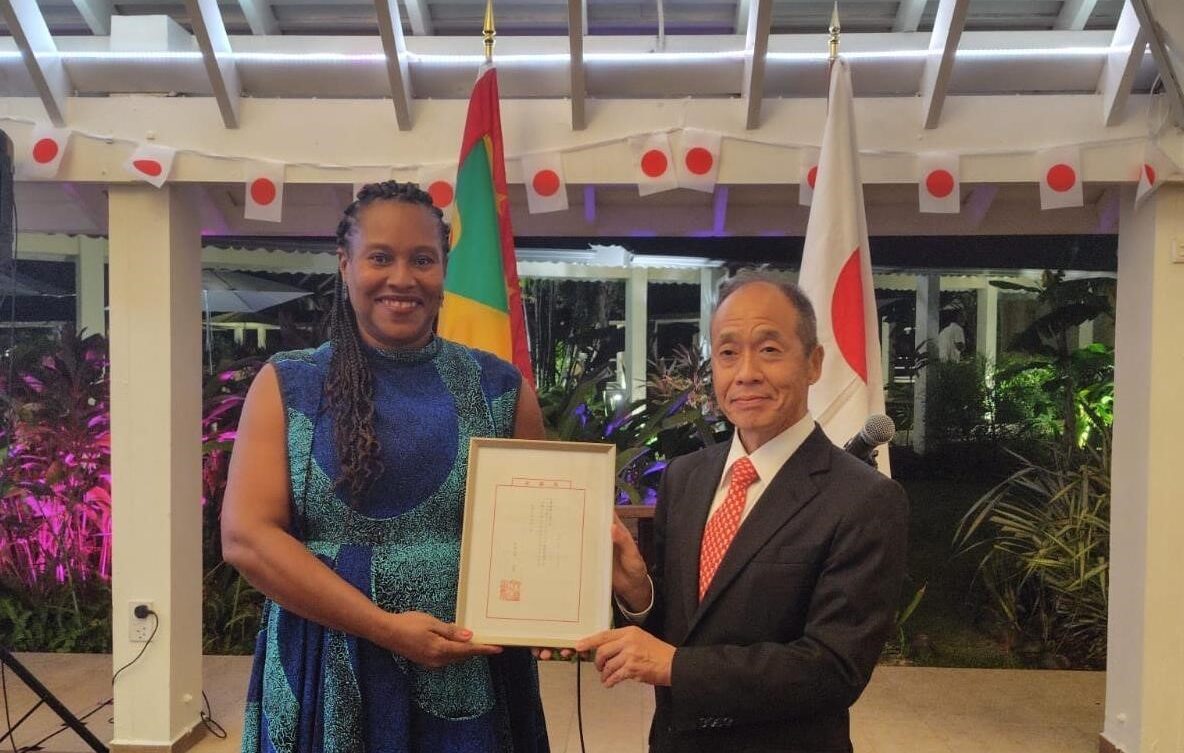
Appointment of Honorary Consul of Japan in St George’s, Grenada
On November 12, 2025, Dr. Akima Umezawa, the Ambassador of Japan, announced the historic appointment of Dr. Nicole Phillip as the first Honorary Consul of Japan in Grenada. The official ceremony, held at the Radisson Grenada Beach Resort in St. George’s, was attended by senior government officials, members of the Diplomatic Corps, and other distinguished guests. Ambassador Umezawa highlighted the significance of this appointment in deepening the 50-year diplomatic relationship between Japan and Grenada, which he referred to as a ‘golden jubilee.’ He underscored the multifaceted cooperation between the two nations, including Grenada’s participation in Expo 2025 Osaka, Japan’s support for sargassum countermeasures, vocational training expansion, and media tours showcasing Japan’s ODA facilities. Dr. Phillip, currently the Acting Director of the University of the West Indies Global Campus, was praised for her academic leadership and contributions, positioning her as a key figure in fostering future bilateral relations. Acting Prime Minister Phillip Telesford also commended the appointment, celebrating the enduring friendship between the two countries. Dr. Phillip expressed her gratitude for the opportunity to contribute to strengthening ties and pledged to build on the foundation of mutual cooperation. The ceremony concluded with a captivating performance by Yosuke Irie, a renowned Japanese Shakuhachi artist, adding a cultural touch to the event.
-
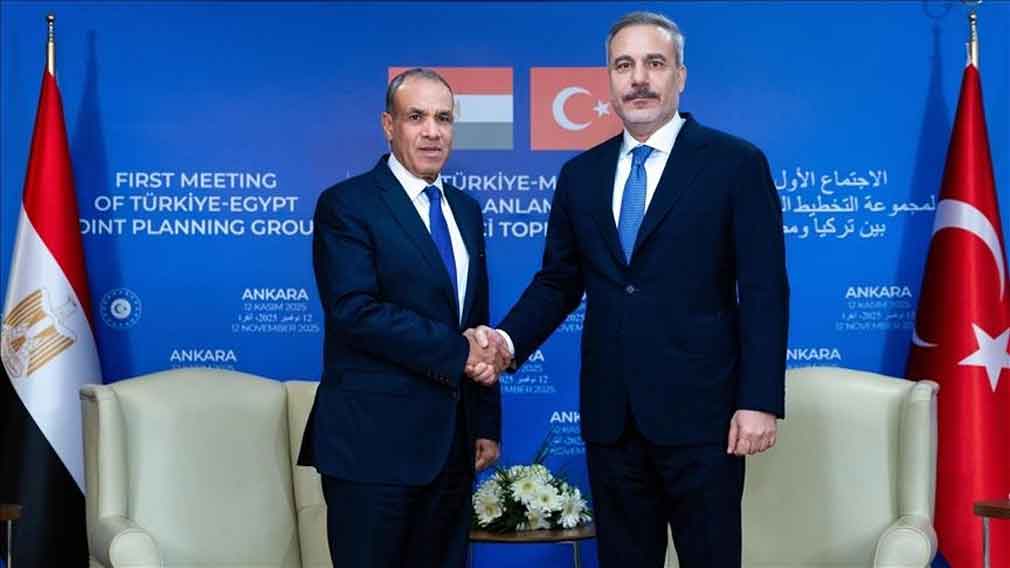
Türkiye and Egypt support Sudan’s sovereignty, territorial integrity
In a significant diplomatic move, the Foreign Ministers of Türkiye, Hakan Fidan, and Egypt, Badr Abdel-Aty, have signed a joint declaration following the inaugural meeting of the Joint Planning Group in Ankara. This bilateral mechanism, co-chaired by both ministers, was established under a joint declaration signed by Turkish President Recep Tayyip Erdoğan and Egyptian President Abdel Fattah al-Sisi on February 14, 2024, in Cairo. The primary objective of this mechanism is to lay the groundwork for the next meeting of the High-Level Strategic Cooperation Council. At the regional level, the Foreign Ministers emphasized the necessity of fostering peace and stability in the Middle East. They highlighted the outcomes of the Sharm El-Sheikh Peace Summit, held on October 13, 2025, and discussed a comprehensive plan to end the conflict in Gaza. Both nations reaffirmed their support for the Palestinian people and expressed their backing for the upcoming International Conference on the Recovery and Reconstruction of the Gaza Strip, which is set to take place in Egypt.
-
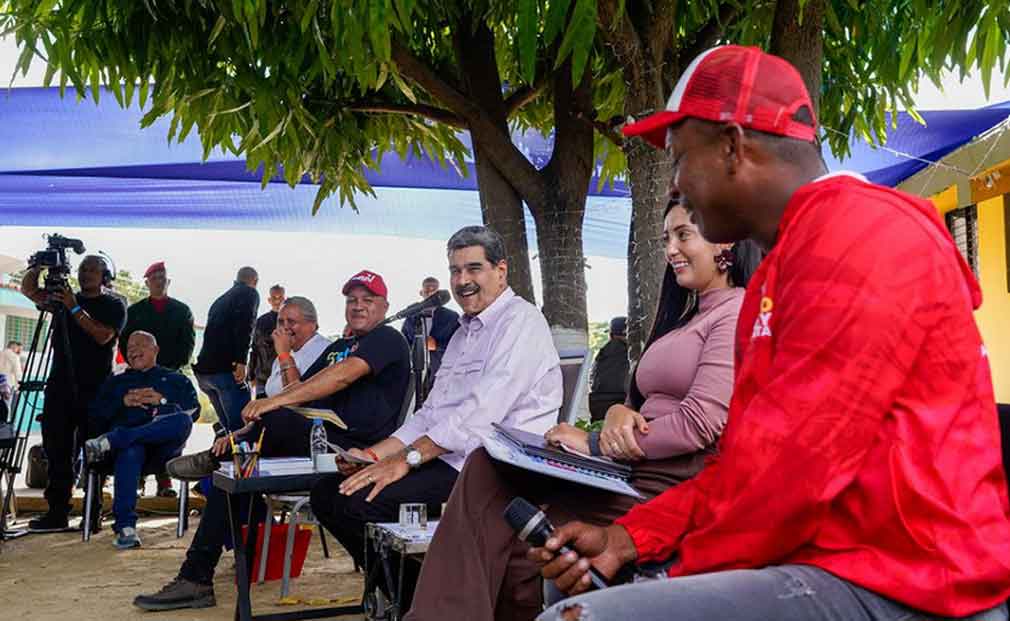
Venezuela ends election of Bolivarian Base Committees
In a significant move to reshape its grassroots organization, Venezuela’s ruling party, the United Socialist Party of Venezuela (PSUV), is transitioning from individual to collective leadership. President Nicolas Maduro described this shift as the emergence of a ‘new organizational theory of the Bolivarian Revolution,’ aimed at empowering the people and inspiring others to adopt similar models. The announcement was made during Maduro’s weekly TV program, ‘Con el Mazo Dando,’ where PSUV Secretary General Diosdado Cabello confirmed the conclusion of the CBBI (Bolivarian Committees of Integral Struggle) elections and the proposal of a committee to oversee this leadership transformation. Maduro revealed that 145,465 CBBI units were established over the weekend, with over three million Venezuelans participating in forming these foundational structures. These committees are expected to revolutionize party activities at the grassroots level. The swearing-in ceremony for more than 260,000 CBBI members nationwide is set for November 15, with the goal of mobilizing over six million individuals committed to nation-building. The next phase involves creating the Network of Comprehensive Base Bolivarian Committees, which will pave the way for establishing over 47,000 Community Commands across the country.
-
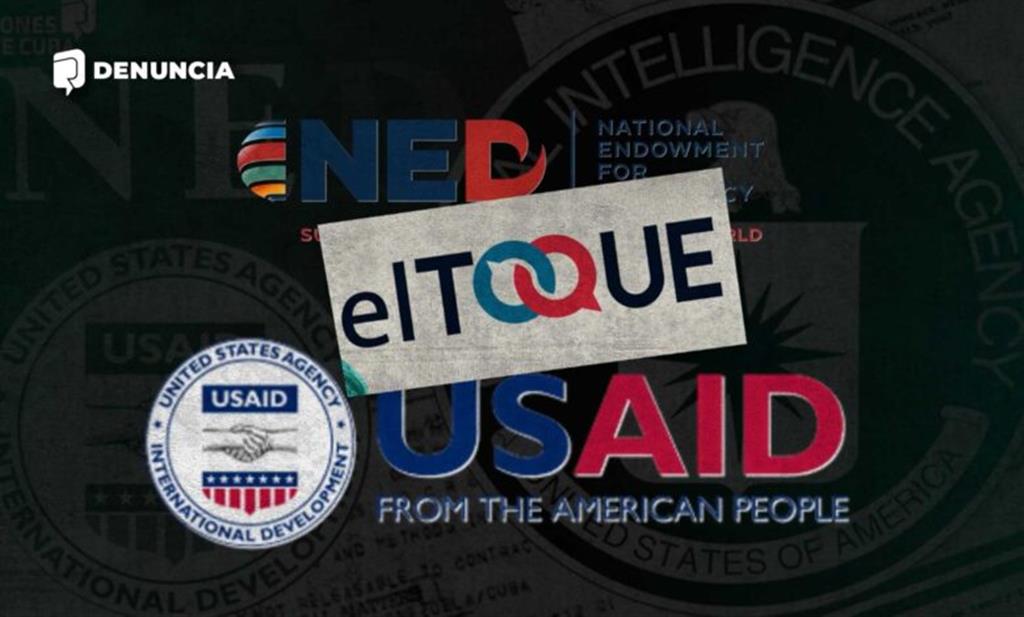
Cuba condemns comprehensive economic warfare program from US
In a recent broadcast on the Razones de Cuba (Reasons of Cuba) program, the Cuban government leveled serious allegations against what it described as a coordinated scheme of currency trafficking and tax evasion. The operation, allegedly orchestrated by Cuban-born individuals based in the United States and other countries, is said to be funded by US taxpayer money. The accusations specifically targeted El Toque, a digital media outlet that claims independence and provides economic, legal, and public service information to Cuban communities. The program highlighted the allocation of funds to Media Plux Experience and Mas Voces Foundations, companies registered under the name of El Toque’s director, Jose Jasan Nieves. These funds are reportedly used to promote non-state economic actors and facilitate illegal currency trafficking in Cuba. The broadcast also presented evidence of actions taken in 2024 by Xavier Billingsley, Deputy Chief of Public Affairs at the US Embassy in Havana, and implicated several individuals in operations aimed at exacerbating Cuba’s inflationary crisis. Cuban officials asserted that these allegations corroborate Foreign Minister Bruno Rodriguez’s October 2023 statement, which detailed Cuba’s investigation into the national inflationary phenomenon and its ties to a broader US-led economic warfare campaign. Razones de Cuba, a web platform established 15 years ago, continues to challenge narratives propagated by hegemonic media, positioning itself as a counterpoint to mainstream discourse.
-
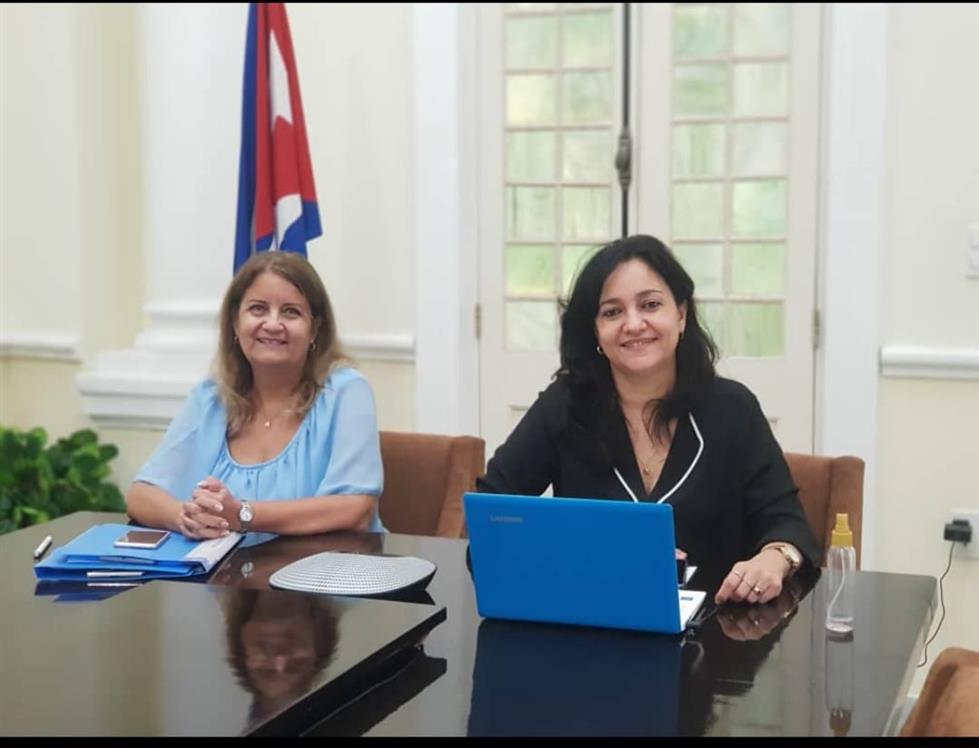
Cuba elected member of UNESCO Governing Councils
The 43rd session of the UNESCO General Conference, held in the historic city of Samarkand, Uzbekistan, witnessed the election of three new members to the Governing Council of the UNESCO International Institute for Higher Education in Latin America and the Caribbean (IESALC). Among the elected representatives were Cuba’s Maria Victoria Villavicencio, Uruguay’s Jose Maria Passarini, and Saint Vincent and the Grenadines’ Janeil Henry-Rose. These individuals will serve on the Council from 2025 to 2029, joining specialists from Brazil, Grenada, and Venezuela to form a regionally balanced team dedicated to academic collaboration and educational excellence. Cuba’s re-election to the Council underscores its enduring commitment to higher education, regional integration, and international cooperation. IESALC, the sole UNESCO Category I institute focused on higher education, plays a pivotal role in advancing inclusive, accessible, and quality education in Latin America and the Caribbean, aligning with the Sustainable Development Goals (SDGs). Cuba’s leadership in regional higher education is further highlighted by its early ratification of the Global Convention on the Recognition of Higher Education Qualifications and its participation in the Regional Convention for Latin America and the Caribbean. This election reaffirms Cuba’s influential role in fostering South-South cooperation and sustainable development in the region.
-
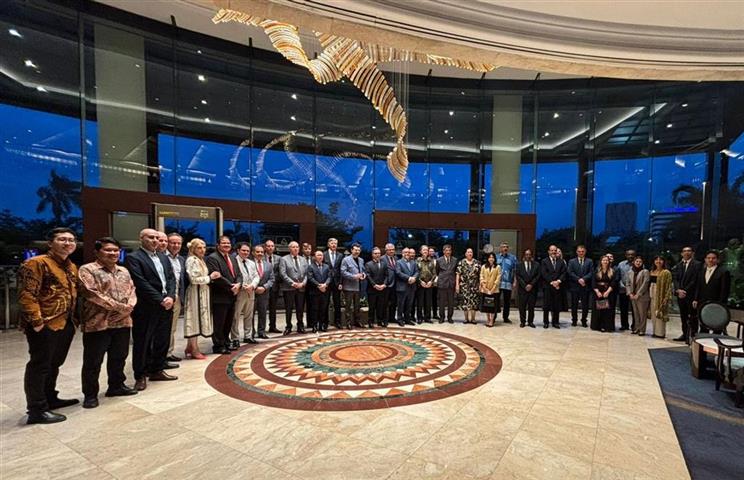
Indonesia: Diplomat highlights ASEAN’s defense of Cuban sovereignty
In a significant diplomatic gathering, Ambassador Gonzalez emphasized ASEAN’s unwavering support for Cuba’s annual resolution at the United Nations General Assembly (UNGA), which calls for the termination of the United States’ economic, financial, and commercial blockade. The ambassador’s remarks were delivered during a meeting with ASEAN member country representatives, attended by Deputy Secretary-General Nararya Soepaptro, at Jakarta’s Ciputra Hotel. This event coincided with the 5th anniversary of Cuba’s accession to the Treaty of Amity and Cooperation in Southeast Asia (TAC). Gonzalez highlighted that November 10 marked a pivotal moment in Cuba’s diplomatic history, symbolizing a new era of relations with ASEAN based on mutual respect, solidarity, and peaceful cooperation. She stressed that the TAC signing was not merely symbolic but a robust affirmation of principles, making Cuba the first Caribbean nation and the fifth in Latin America to join the treaty. This move, she noted, reinforced Cuba’s dedication to multilateralism, non-intervention, and conflict resolution. Gonzalez also pointed out that the treaty’s signing during the Covid-19 pandemic demonstrated Cuba’s commitment to addressing shared global challenges such as public health, climate change, and natural disasters.