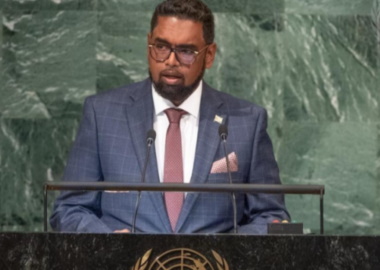
In a significant diplomatic development, Guyana has expressed its support for the United Nations Security Council’s adoption of a resolution endorsing former U.S. President Donald Trump’s 20-point peace plan for Gaza. President Irfaan Ali, in a statement on his Facebook page, emphasized Guyana’s principled stance in voting in favor of the resolution, which aims to solidify the existing ceasefire and foster sustainable peace for the Palestinian people. He also commended the United States for its leadership in this initiative. The resolution, approved on Monday, provides a UN mandate for Washington’s vision to rebuild Gaza after two years of conflict described by the international community as a genocide against Palestinians. This marks a notable diplomatic achievement for the Trump administration, which had faced isolation at the UN due to its unwavering support for Israel. The resolution calls for the deployment of an International Stabilisation Force to demilitarize and govern Gaza, alongside the establishment of a ‘Board of Peace’ to oversee the peace process. The vote saw 13 members in favor, with Russia and China abstaining, influenced by support from several Arab and Muslim nations. Guyana has consistently advocated for a peaceful resolution to the Gaza conflict, with President Ali urging the UN to prioritize principle over power in addressing global crises. He reiterated Guyana’s commitment to a two-state solution as the only viable path to resolving the Israeli-Palestinian conflict, condemning the destruction in Gaza as a systematic slaughter and displacement of Palestinians.
分类: politics
-
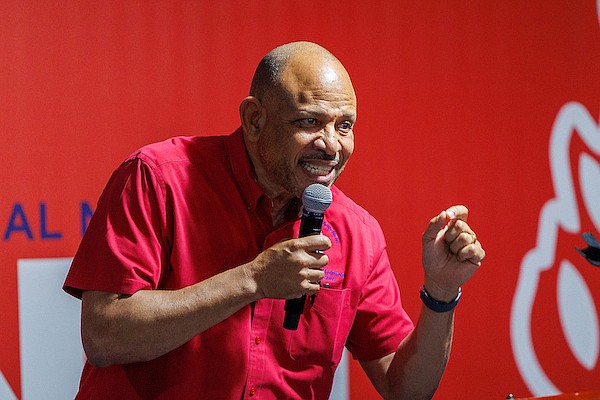
FNM calls for removal of Golden Isles Returning Officer Neil Campbell
The Free National Movement (FNM) has formally requested the removal of Neil Campbell as Returning Officer for the Golden Isles constituency, citing concerns over his suitability and alleged conflicts of interest. In a letter addressed to Parliamentary Commissioner Harrison Thompson, FNM Leader Dr. Duane Sands emphasized the party’s ‘serious concerns’ about the integrity of the electoral process, particularly following challenges during and after advanced polling. The FNM contends that Mr. Campbell should have recused himself voluntarily, given his public admissions of personal ties to key political figures, including Prime Minister Philip ‘Brave’ Davis and FNM Leader Michael Pintard. The party is urging his replacement with ‘a more suitable public officer’ to ensure the election’s fairness and credibility. Meanwhile, the Progressive Liberal Party (PLP) has dismissed the FNM’s claims as ‘reckless,’ accusing the opposition of fabricating the confrontation during Monday’s advance poll. The PLP has expressed full support for the Parliamentary Commissioner and warned against undermining public trust in the electoral system. Mr. Campbell, for his part, has vehemently denied allegations of bias, asserting that his personal relationships have never influenced his professional duties. The dispute stems from a chaotic standoff on Monday, where FNM and Coalition of Independents supporters blocked the removal of ballot boxes, alleging breaches in transport protocols. Election officials maintain that the process was conducted lawfully, with all agents witnessing and approving the sealing of the boxes. The FNM has pledged to raise further concerns in upcoming meetings with election officials, underscoring the heightened political tensions surrounding the electoral process.
-
Doctor jailed 30 years for criticizing Maduro in WhatsApp message
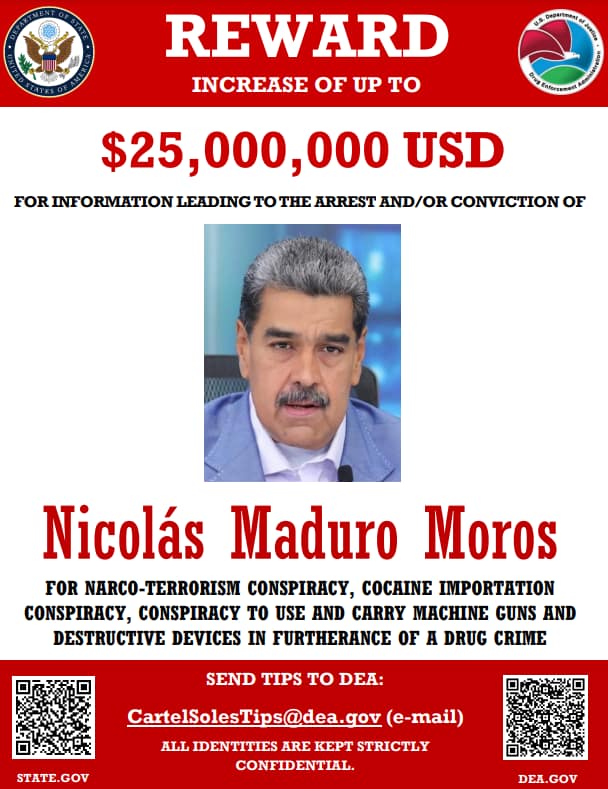
A Venezuelan court has handed down a 30-year prison sentence to a doctor for allegedly criticizing President Nicolas Maduro’s government in a WhatsApp audio message, according to human rights organizations. Marggie Orozco, a 65-year-old physician, was convicted of charges including treason, incitement to hatred, and conspiracy after local community leaders reported her for what was deemed a disloyal communication. The specifics of the message and its intended recipient remain undisclosed. Orozco was arrested in August 2024 in San Juan de Colon, a town in western Venezuela, during a period of political turmoil following Maduro’s controversial reelection. The opposition and numerous international entities have labeled the election as fraudulent. Maduro’s disputed victory sparked widespread protests, leading to the arrest of 2,400 individuals, though most were released within months. In the aftermath, Maduro called on his supporters to identify and report so-called “fascists,” a term frequently used to describe opposition members. Orozco has reportedly suffered two heart attacks while in detention, according to Venezuela’s JEP rights NGO. The Foro Penal NGO estimates that approximately 882 individuals are currently held as “political prisoners” in Venezuelan jails.
-
Constitutional crisis: why NDP must win 10 seats on Nov. 27
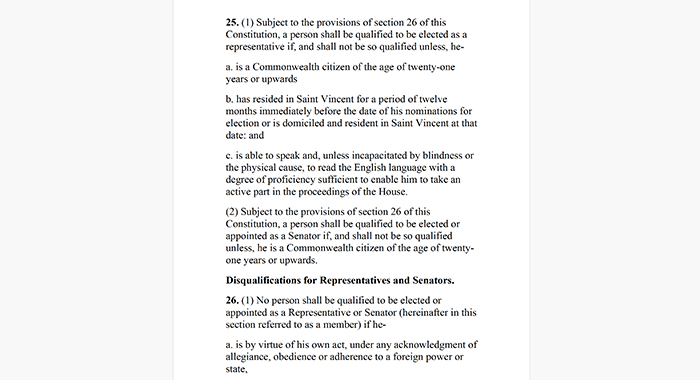
The candidacy of two representatives from the New Democratic Party (NDP) in St. Vincent and the Grenadines (SVG) has been challenged by the Unity Labour Party (ULP). The ULP alleges that the candidates, Dr. Godwin Friday and Mr. Fitzgerald Bramble, hold Canadian citizenship, which they argue disqualifies them from contesting the upcoming general elections on November 27. The challenge centers on Section 26 of the SVG Constitution, which prohibits individuals under any acknowledgment of allegiance, obedience, or adherence to a foreign state from holding parliamentary office. Despite the challenge, both candidates were successfully nominated. The ULP may pursue legal action, which, if successful, could disqualify the candidates and force them to vacate their seats if elected. The case hinges on whether Canada, as a Commonwealth member, is considered a foreign state under SVG law. Legal precedents in the Caribbean suggest that dual citizenship can disqualify candidates, as it may create divided loyalties. The outcome of this challenge could significantly impact the election results, particularly in the Northern Grenadines and East Kingstown constituencies. The NDP risks losing votes in these areas if the candidates are disqualified, potentially altering the political landscape of SVG.
-
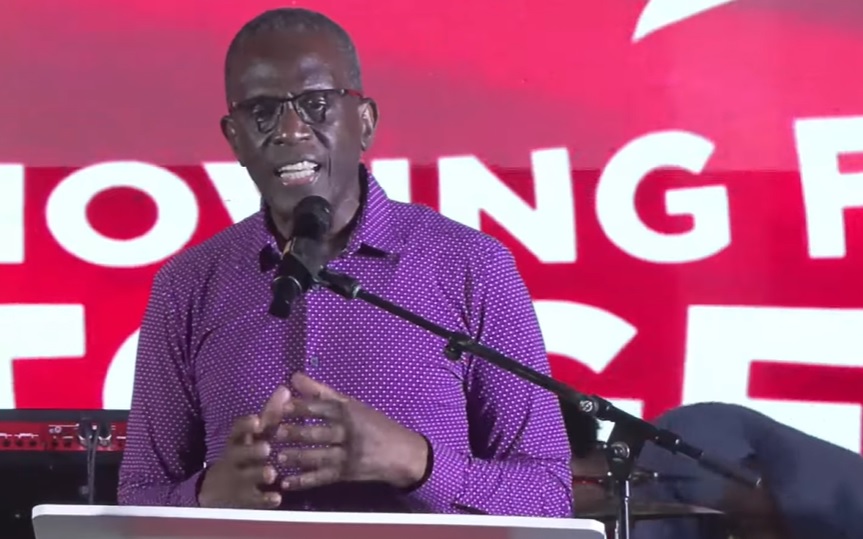
PM defends St. Jude handover, cites delivery record
During a routine press conference on Monday, Prime Minister Philip J. Pierre addressed the public’s concerns regarding the recent handover ceremony of St. Jude Hospital. In response to opposition claims questioning the hospital’s readiness, Pierre firmly stated that the facility is fully completed and has been officially transferred to the Ministry of Health for commissioning. He highlighted that key sections of the hospital, including the administrative block, kitchen, laundry, and physiotherapy ward, are already operational, with a significant portion of the hospital’s equipment having arrived. Pierre emphasized that the hospital is poised to become a modern healthcare facility, with commissioning and accreditation processes set to occur concurrently. However, he did not provide a specific timeline for the completion of these processes.
When questioned about his confidence and that of the Saint Lucia Labour Party (SLP) ahead of the December 1 elections, Pierre expressed his faith in divine providence and the electorate. He pointed to the government’s documented achievements, including a 34-page booklet detailing their accomplishments across various sectors. Pierre urged the public to allow the SLP to continue its work, citing their proven track record of delivering on promises. Additionally, he reaffirmed his commitment to granting Saint Lucians a VAT-free day in December if re-elected, attributing this possibility to the government’s strong revenue performance. Pierre explained that the economy has exceeded expectations, enabling the government to return a portion of the revenue to the public as a gesture of appreciation for their contributions to the nation’s economic success.
-
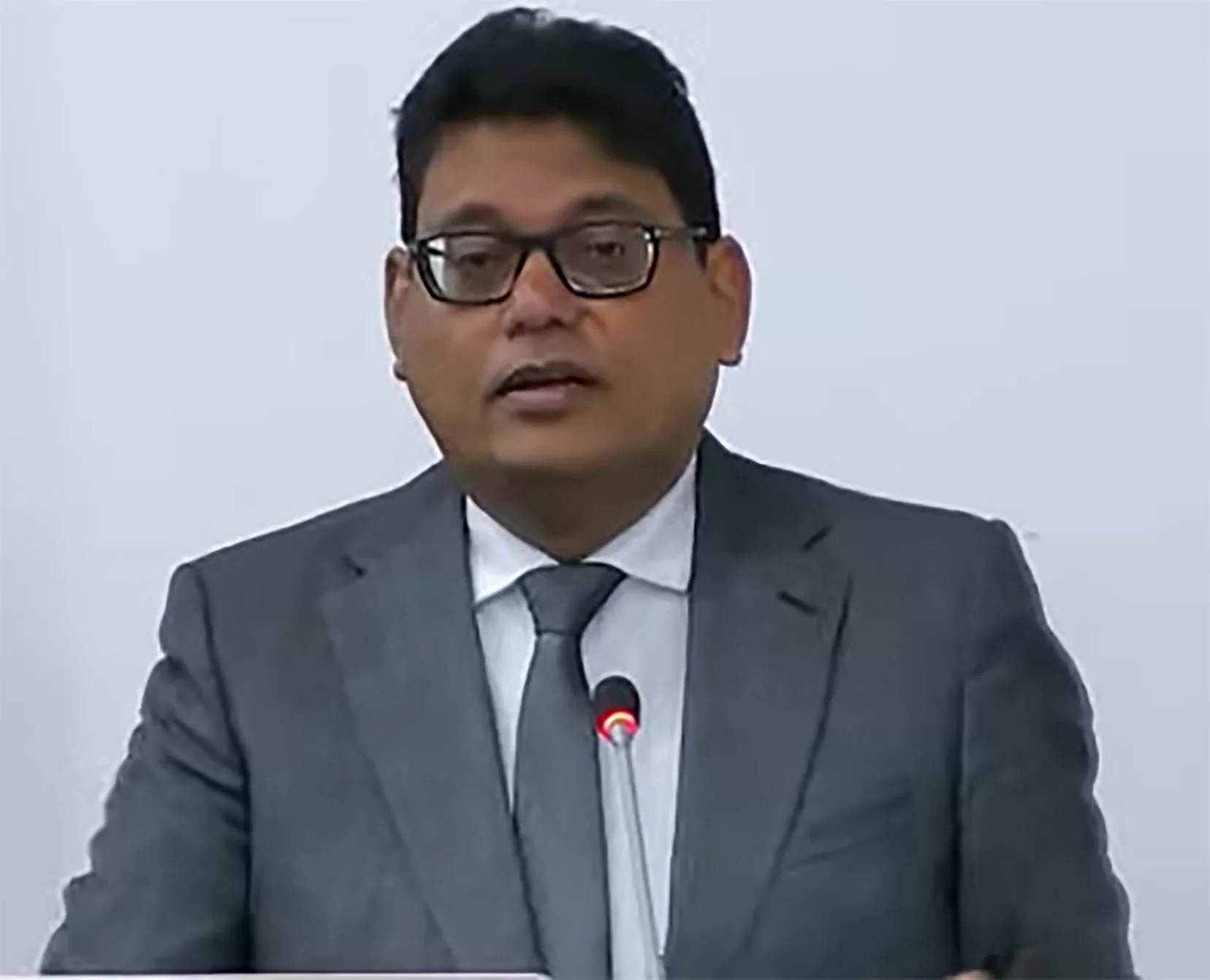
Gajadien vraagt PG onderzoek naar onbevoegde beslissingen en corruptie bij BBS
Asiskumar Gajadien, a parliamentarian from the VHP party, has formally requested Suriname’s Attorney General, Garcia Paraghsingh, to initiate a criminal investigation into alleged irregularities surrounding recent promotions within the Surinamese Security and Support Service (BBS). Gajadien’s appeal is rooted in serious indications that legal protocols were violated, decisions were made without proper authority, and potential corrupt practices may have occurred.
-
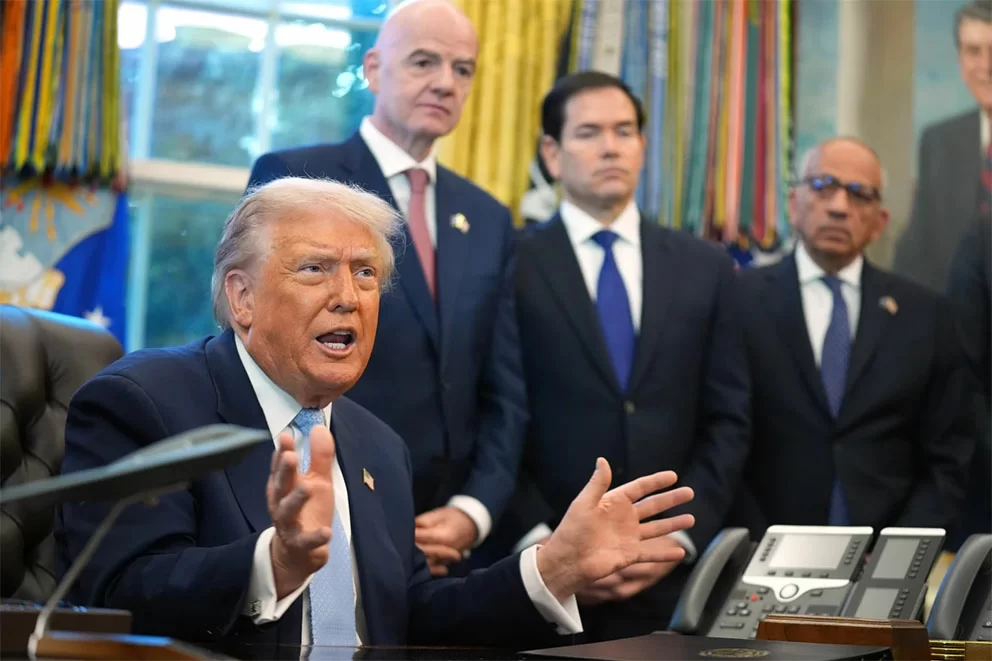
Trump opent de deur voor mogelijke gesprekken met Venezuela
President Donald Trump has not ruled out military action against Venezuela, even as he hinted at possible diplomatic discussions with Venezuelan leader Nicolás Maduro. During a press briefing at the White House, Trump reiterated his willingness to engage in talks with Maduro but emphasized that military intervention remains a viable option. ‘I’m not ruling anything out,’ Trump stated, addressing reporters in the Oval Office. He accused Maduro of causing significant harm to the United States through drug trafficking and migration from Venezuela. ‘He has not been good for the United States, so we’ll see what happens,’ Trump added. The remarks have heightened uncertainty about the Trump administration’s next steps toward Maduro’s regime, which the U.S. has recently accused of leading a criminal organization. The arrival of the USS Gerald R. Ford and accompanying warships in the Caribbean over the weekend, coupled with U.S. military strikes on suspected drug vessels, has been framed as part of an anti-drug operation. However, analysts and Venezuelan opposition figures view these actions as increasing pressure on Maduro. Geoff Ramsey, an expert at the Atlantic Council, noted that the Trump administration could swiftly shift its approach, drawing parallels to diplomatic talks with Iran preceding military strikes on its nuclear facilities in June. Meanwhile, Maduro has yet to respond to Trump’s comments, and Venezuelan citizens expressed a mix of skepticism and hope regarding potential dialogue. ‘If the dialogue happens, I hope the government keeps its word this time,’ said Gustavo García, a 38-year-old shopkeeper in Caracas. ‘We need to be serious. They’re used to talking but not keeping agreements. You can’t mess around with Trump.’
-
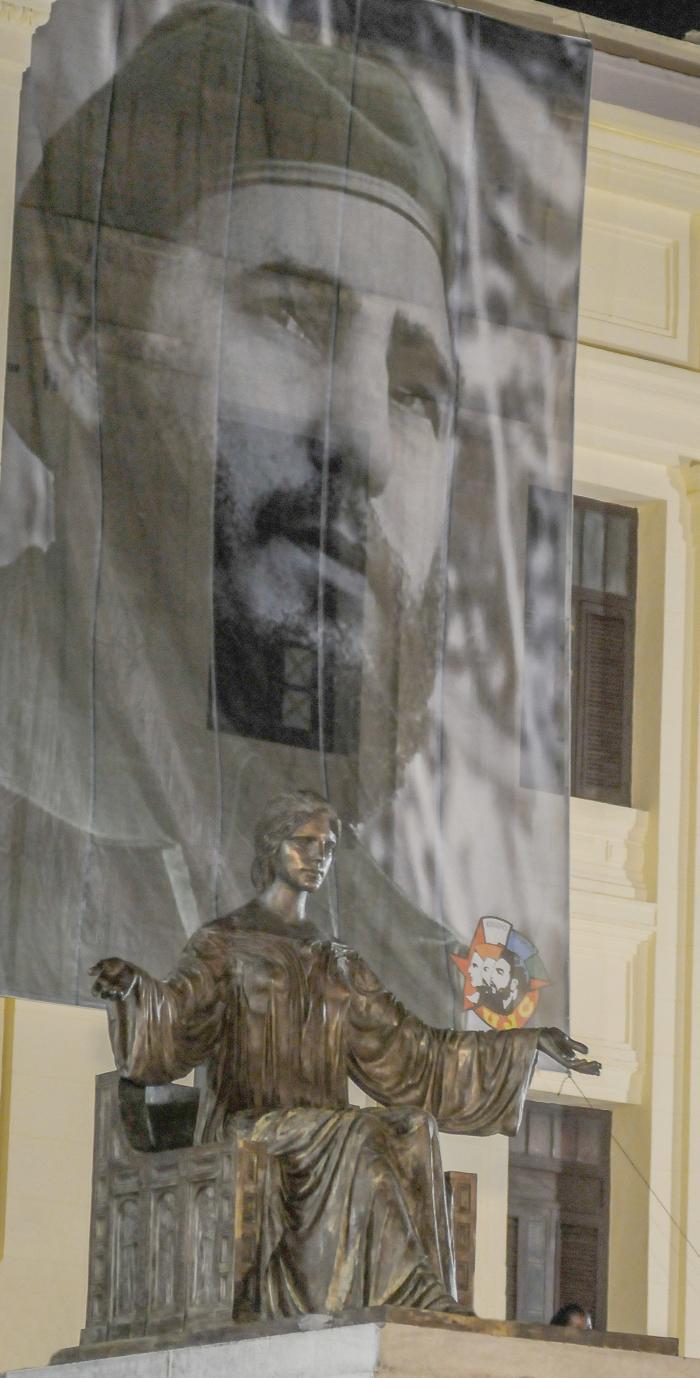
A speech like a sound of a Bugle
The Aula Magna of the University of Havana recently hosted a significant event commemorating the 20th anniversary of Fidel Castro’s historic speech. On November 17, 2005, Castro delivered a powerful message, warning of the greatest dangers facing the Revolution while expressing unwavering confidence in the youth. The event was attended by prominent figures, including Miguel Díaz-Canel Bermúdez, President of the National Defense Council; Manuel Marrero Cruz, Prime Minister; and Roberto Morales Ojeda, Secretary of Organization of the Central Committee of the Party, alongside José Ramón Machado Ventura, Commander of the Rebel Army. Litza Elena González Desdín, National President of the Federation of University Students (FEU), highlighted the enduring impact of Castro’s legacy on her generation. She emphasized that studying Castro’s history, work, and thought has instilled a sense of responsibility in young Cubans to tackle contemporary challenges. González Desdín also urged students to engage in the ‘One University, One Task’ program, which aims to connect university students with projects contributing to the country’s socioeconomic development, particularly in the centennial year of Castro’s birth.
-
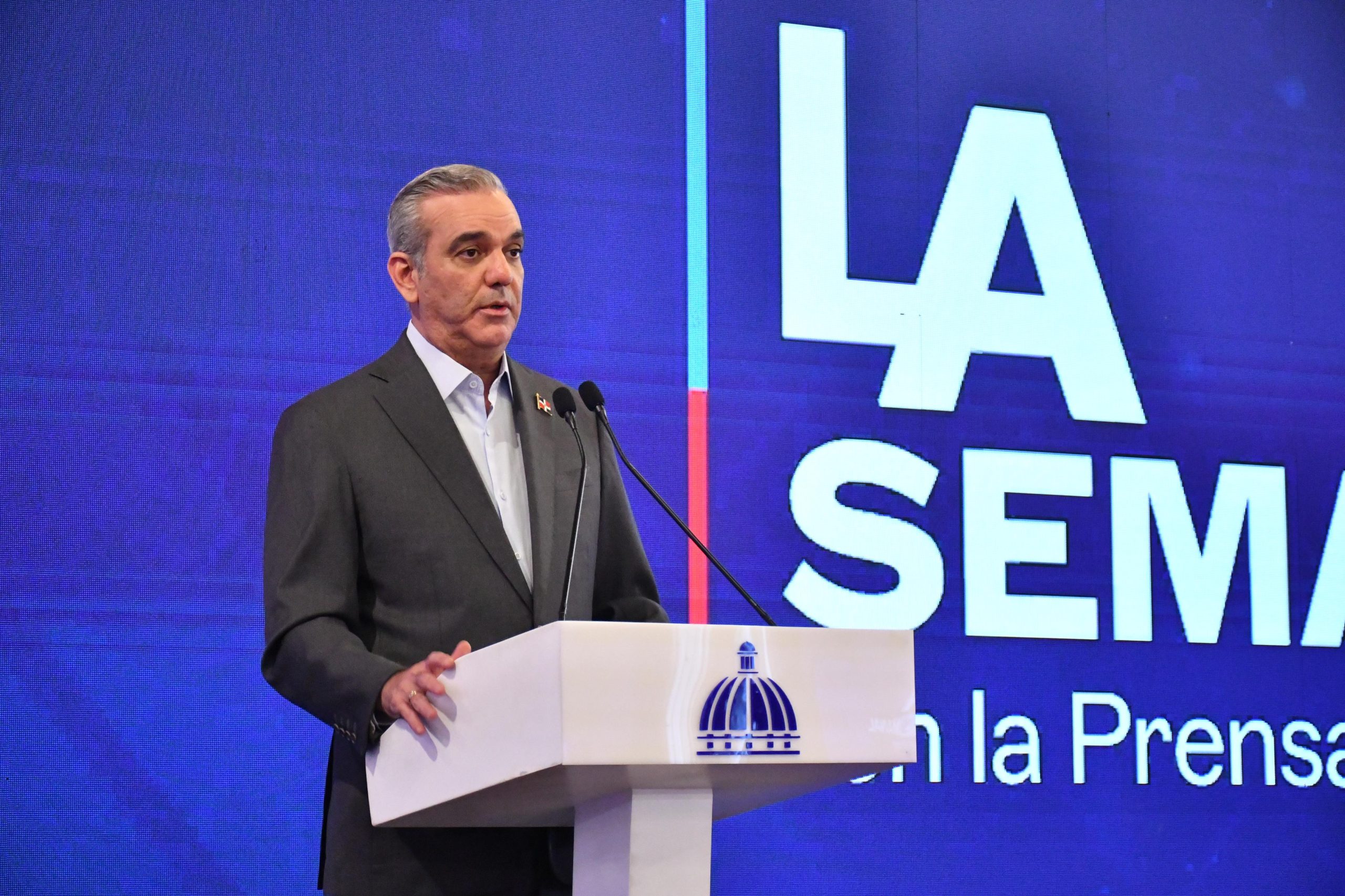
Abinader: new Summit of the Americas date depends on consensus with U.S. and allies
Santo Domingo – President Luis Abinader announced on Monday that a new date for the postponed Summit of the Americas has yet to be finalized. The decision, he stated, will be made in collaboration with the United States and other participating nations. Speaking during ‘LA Semanal con la Prensa,’ Abinader revealed that prior to the postponement, approximately ten to eleven countries had confirmed their attendance, with several others still undecided. The Dominican government is currently evaluating the most opportune timing for the summit, particularly as many nations in the region are engaged in ongoing electoral processes. Abinader highlighted that scheduling the event after these elections would enable newly elected or re-elected presidents to participate with fresh mandates and greater availability. He further stressed that the final decision will be coordinated with key regional partners, including the United States and Brazil.
-

Agriculture Minister Mai Resigns Amid Scandal and U.S. Pressure
Belize’s political landscape faced a significant upheaval on November 17, 2025, as Agriculture Minister Jose Abelardo Mai resigned amidst a storm of controversy and international pressure. Mai’s resignation was confirmed by News Five, following his submission of a resignation letter to Prime Minister John Briceño. Reports suggest that the U.S. Embassy in Belize played a role in exerting pressure leading to his departure. The resignation comes in the wake of allegations from a Mexican news outlet, which accused Mai of involvement in criminal activities—claims he vehemently denies, labeling them as “defamatory” and politically motivated. Mai has even threatened legal action against what he calls “fake news” and opposition operatives. Adding to the controversy, the Agriculture Ministry recently faced scrutiny over a $7,000 invoice for two bulletproof vests. While some speculated the purchase was linked to cartel threats against Mai, officials clarified it was related to an armed robbery investigation. Mai’s resignation marks a pivotal moment for the Briceño administration, with Opposition Leader Tracy Panton demanding transparency from the Prime Minister. Panton expressed concerns over what she described as the “unravelling of a corrupt regime,” emphasizing the need for the government to address issues of national security and sovereignty. She called for a public explanation from the Prime Minister regarding the circumstances behind Mai’s resignation, highlighting the lack of clarity from the administration.