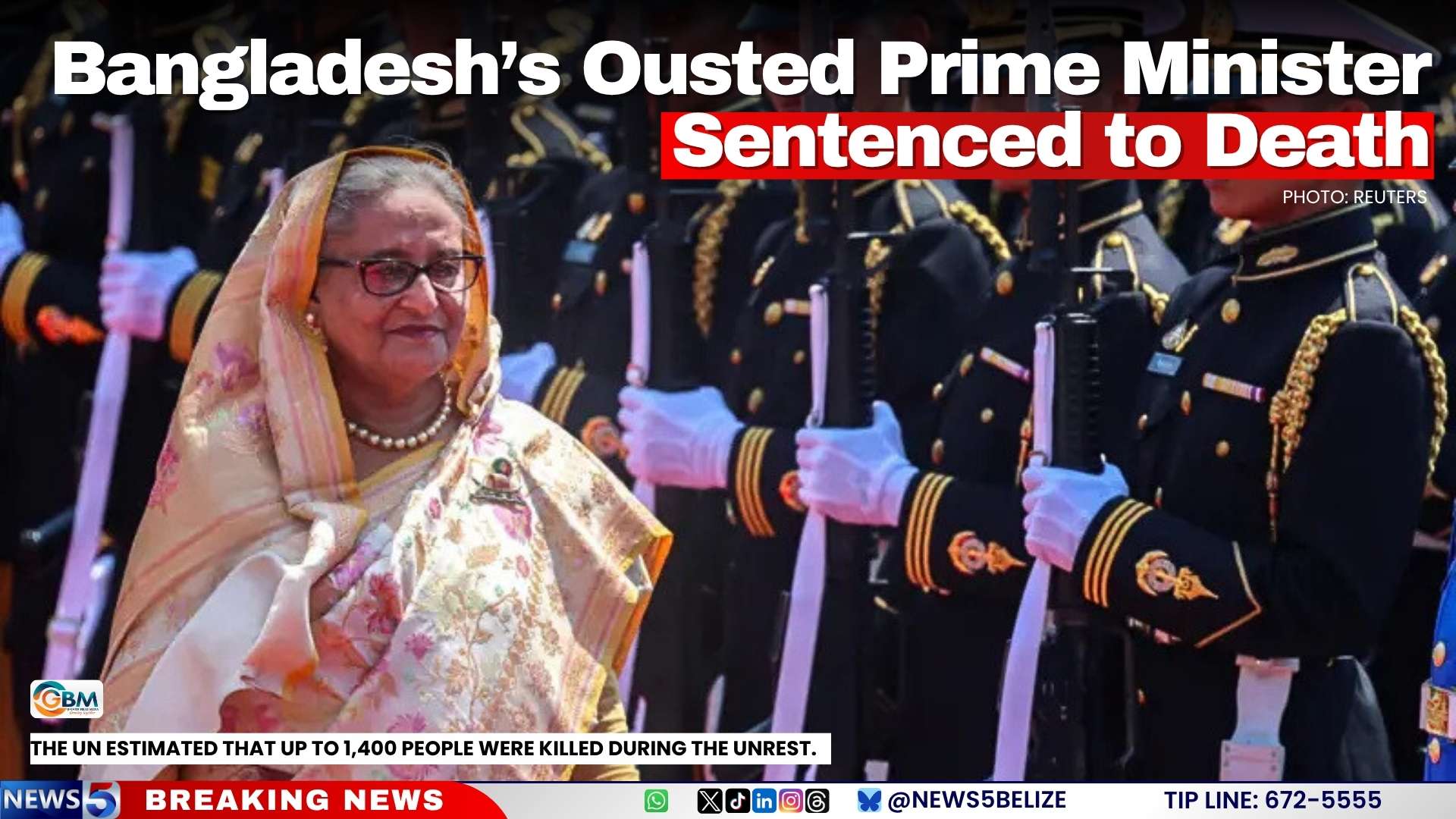
In a landmark verdict, Bangladesh’s former Prime Minister Sheikh Hasina has been sentenced to death by the International Crimes Tribunal (ICT) for her role in the violent suppression of student protests in 2024. The court found her guilty of crimes against humanity, including incitement and failure to prevent the deadly crackdown, which the United Nations estimates claimed up to 1,400 lives, primarily due to gunfire by security forces. Hasina, who has been living in exile in New Delhi, India, since being ousted in August 2024, denounced the verdict as “biased and politically motivated” in a statement released through a public relations firm. She also claimed she was denied a fair trial, stating, “I was given no fair chance to defend myself in court, nor even to have lawyers of my own choice represent me in absentia.” The ICT also sentenced former Home Affairs Minister Asaduzzaman Khan to death, while a former police chief received a five-year sentence after cooperating as a state witness. The court held Hasina accountable for inciting violence, issuing orders, and failing to take punitive measures against the perpetrators. Bangladesh’s interim government has requested her extradition from India, though New Delhi has yet to respond. The case has drawn international attention, raising questions about justice, political motivations, and the legacy of Hasina’s leadership.
分类: politics
-
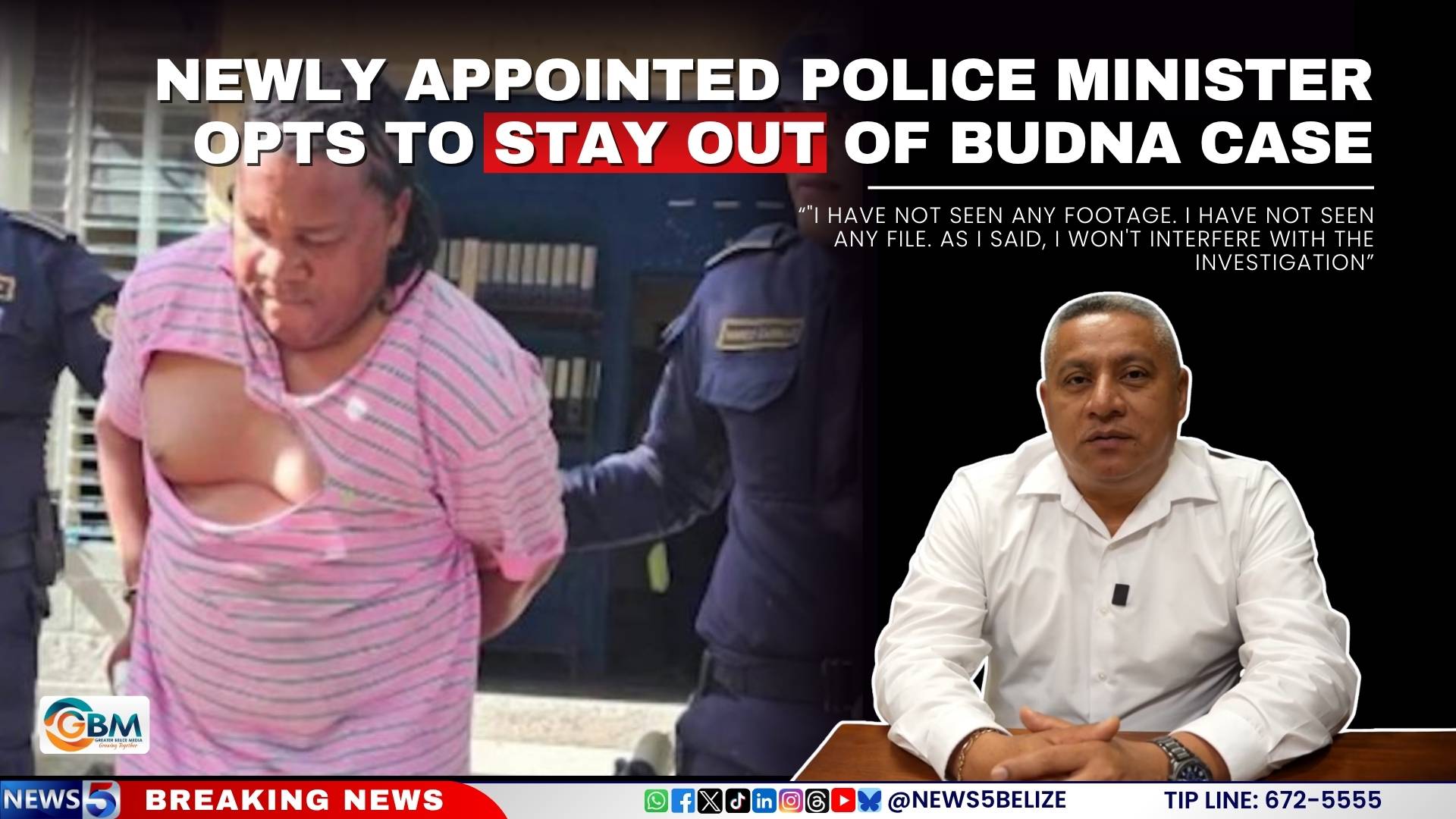
Newly Appointed Police Minister Opts to Stay Out of Budna Case
In a significant development, Oscar Mira, the newly appointed Minister of Home Affairs, has announced his decision to refrain from intervening in the ongoing Joseph Budna investigation. Mira emphasized that he will leave all decisions to the Director of Public Prosecutions (DPP), Cheryl-Lynn Vidal, respecting the independence of the legal process. Speaking to Plus TV, Mira stated, ‘I will not interfere with the investigation or the DPP’s guidance. This matter is in her hands, and I trust her judgment.’
Mira, who previously served as the National Defence Minister, assumed the role of Police Minister after his predecessor, Henry Charles Usher, declined the Home Affairs portfolio. The Budna case, which has been under intense public scrutiny for months, is one of the first major challenges Mira faces in his new position. The investigation was prompted by video footage that allegedly implicated the police department in Budna’s kidnapping.
Despite the gravity of the case, Mira confirmed that he has not reviewed any related materials, including the controversial footage or investigation files. ‘I have not seen any footage or files. My role is to ensure the process remains unbiased and independent,’ he reiterated.
Meanwhile, DPP Cheryl-Lynn Vidal expressed her dissatisfaction with the police investigation file submitted to her office, describing it as containing ‘less than nothing.’ Vidal told reporters on November 12 that the file lacked sufficient evidence to support arrests, citing limited and uncertain witness accounts. ‘I was expecting nothing, but what I received was even worse,’ she remarked, highlighting the challenges in pursuing charges at this stage.
The Budna case continues to draw public attention, with calls for transparency and accountability growing louder. Mira’s decision to distance himself from the investigation underscores his commitment to upholding the integrity of the legal process.
-

STATEMENT: UWP calls for reinstatement of a birth certificate and photo ID in confirmation process
The United Workers Party – Team Dominica has issued a pressing appeal to the Electoral Commission, urging the immediate withdrawal or reversal of SRO 39. The party advocates for the reinstatement of SRO 27 of 2025, which permits the use of a birth certificate alongside a photo ID for voter confirmation. This call comes in response to the potential disenfranchisement of thousands of Dominicans who either lack the IDs mandated by SRO 39 or face significant challenges in obtaining them. The party warns that the Commission’s oversight could lead to the removal of eligible voters from the electoral list, undermining the integrity of the democratic process. Additionally, the party highlights the logistical hardships faced by voters in remote villages such as Morne Prosper, San Sauveur, and Warner, where confirmation centers are absent. In the Roseau North Constituency, the largest in Dominica, only two centers are available, forcing communities to incur additional costs and inconvenience to confirm their voter status. To address these issues, the party proposes that enrollment officers rotate across constituencies during the confirmation period, ensuring accessibility and minimizing costs for voters. Furthermore, the party calls for the immediate resumption of new voter registration in alignment with Article 17 (1) of the Registration of Electors Act 2025, which mandates continuous registration. The United Workers Party emphasizes that the Commission’s failure to act promptly could severely damage the electoral process, preventing thousands of eligible Dominicans from exercising their right to vote. The party urges swift action to safeguard the nation’s democratic traditions and ensure the fairness of future elections.
-
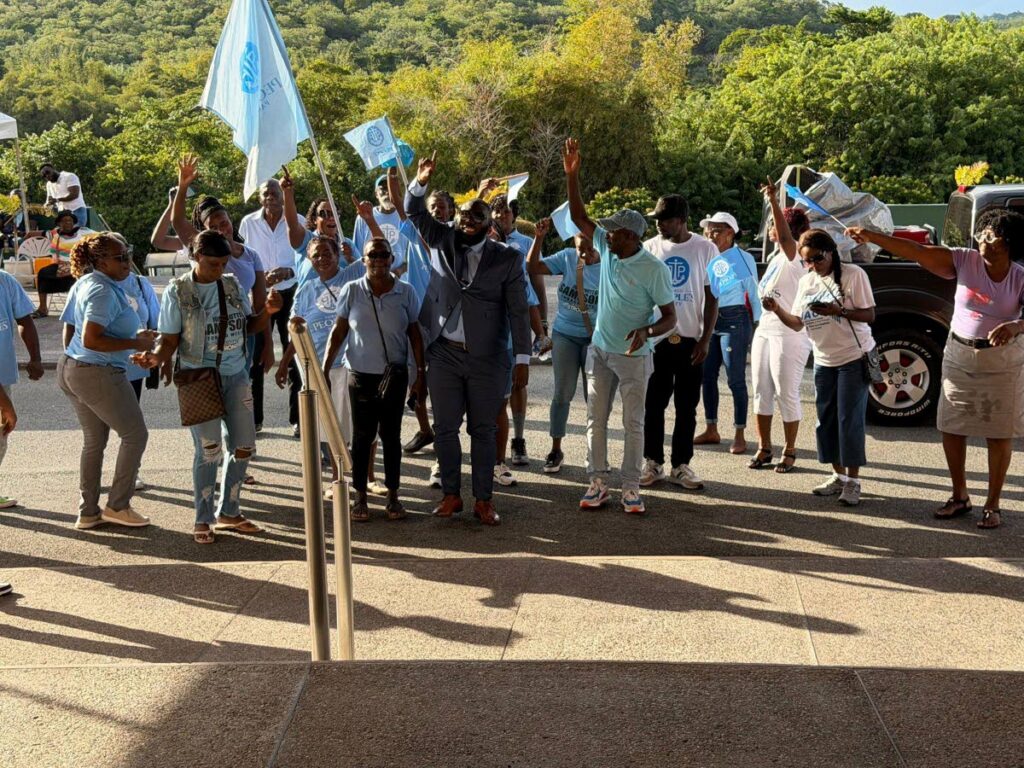
TPP closes screening for THA elections
The Tobago People’s Party (TPP) concluded its intensive screening process for nominees on November 17, marking a significant step toward the upcoming Tobago House of Assembly (THA) elections. The final day of screenings, held at the Shaw Park Cultural Complex, saw a vibrant display of support for candidates, including Trevor James, who arrived with a motorcade, music trucks, and enthusiastic flag-waving supporters. The screening, led by Chief Secretary Farley Augustine, began on November 13, following the dissolution of the assembly to pave the way for fresh elections scheduled between January 12 and February 12, 2026. Among the nominees vying for seats in key electoral districts such as Scarborough/Mt Grace, Mt St George/Goodwood, and Signal Hill/Patience Hill were Trevor James, Arnel Keron Des Vignes, and Gerad Sebro. James, the Secretary of the Division of Infrastructure, Quarries and Urban Development, expressed confidence in his re-selection, emphasizing his commitment to developing a new sporting ecosystem and advancing the Scarborough Development Plan. Other candidates, including Megan Morrison and Marlon Radgman, highlighted their priorities, ranging from infrastructure improvements to addressing coastal erosion and unemployment. The final list of 15 successful nominees is expected to be announced by the end of the week, setting the stage for a competitive election season.
-
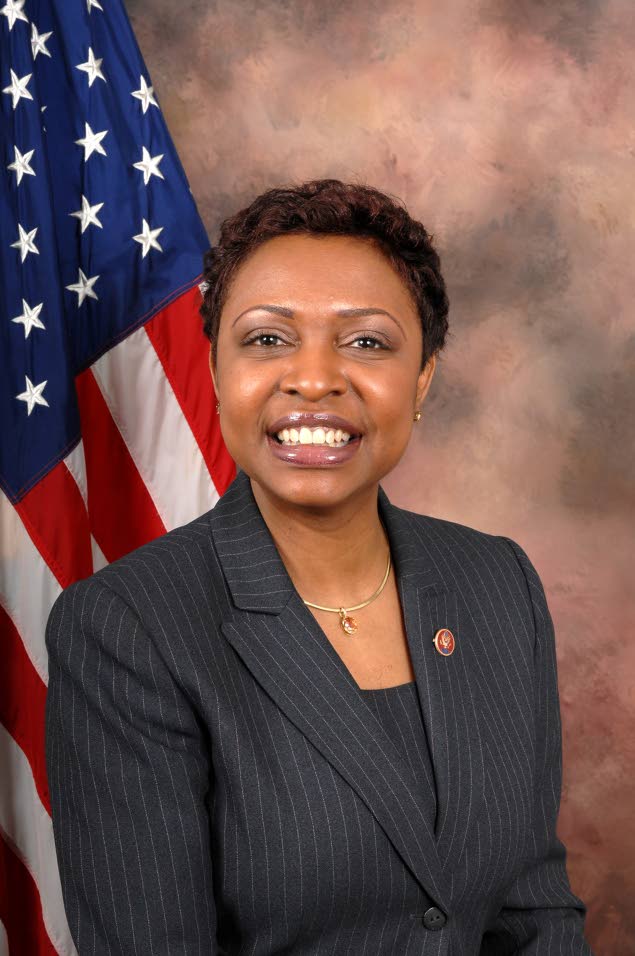
Caribbean-American congresswoman votes to release Epstein files
In a significant move, Caribbean-American Democratic Congresswoman Yvette Clarke has announced her support for the US House of Representatives’ resolution to release documents related to the alleged sexual abuse and trafficking of underage girls by Jeffrey Epstein. Clarke, representing New York’s 9th Congressional District, emphasized that the vote marked the end of a prolonged effort to obstruct the release of these files. The resolution passed almost unanimously in the House, with only one Republican objection, and was swiftly approved by the Senate, paving the way for President Donald Trump’s signature. Clarke, who chairs the Congressional Black Caucus, accused Trump and his Republican allies of deliberately delaying the process, describing their eventual support as a tactical retreat rather than a genuine change of heart. She asserted that the release of the Epstein files is crucial for holding accountable those involved in the heinous crimes and ensuring justice for the victims. Democratic Congressman Adriano Espaillat, the first Dominican Republic-American in the House, echoed Clarke’s sentiments, labeling the situation a White House cover-up and stressing the importance of transparency. Senate Democratic Leader Chuck Schumer also highlighted the resolution’s role in exposing Epstein’s enablers and providing closure for survivors. The move has reignited debates about accountability and the influence of powerful figures in obstructing justice.
-
A tale of two PNM leaders
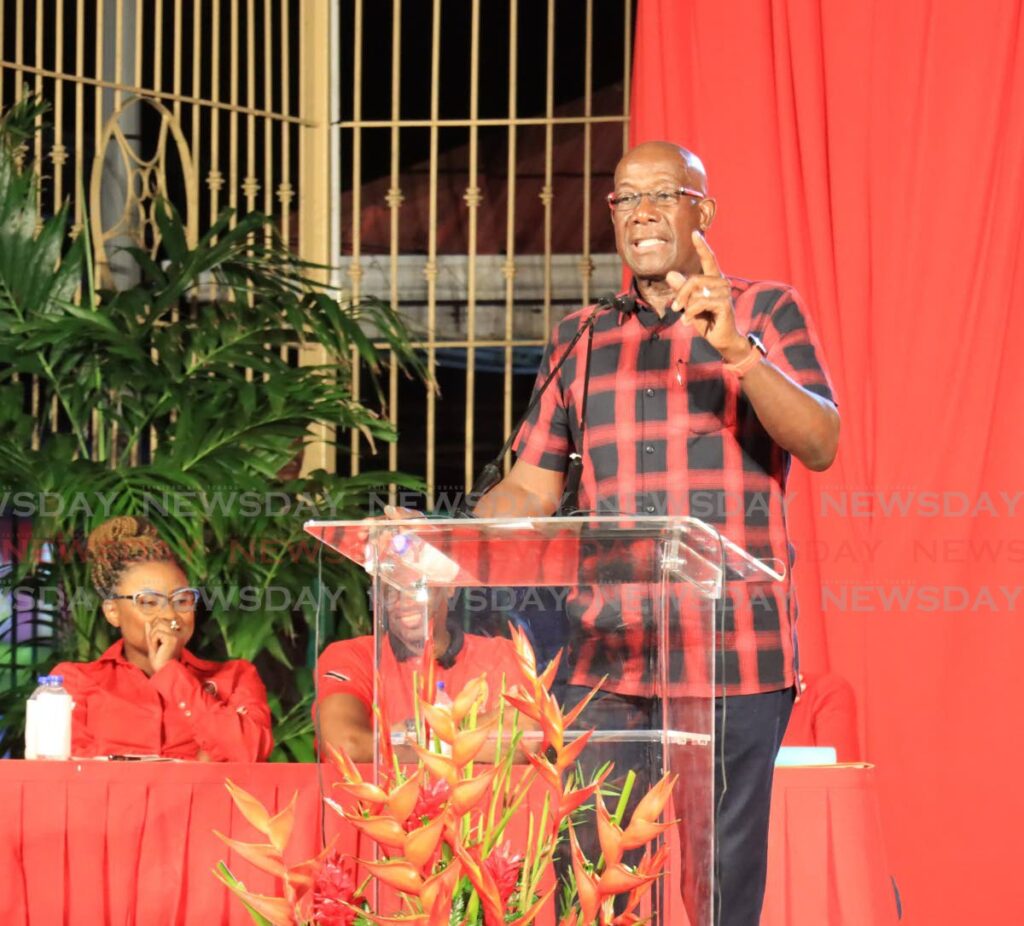
The recent actions of former Trinidad and Tobago Prime Minister and PNM leader, Dr. Keith Rowley, have sparked significant political discourse. On November 17, Dr. Rowley hosted a media conference at his Diego Martin residence under the banner of the ‘Office of the Former Prime Minister,’ a title that does not officially exist. This move has raised eyebrows and concerns about his intentions to institutionalize his post-retirement influence on public affairs. While Dr. Rowley, as a private citizen, retains the right to free expression, his frequent interventions and press conferences have created a sense of disarray within the PNM. Current Opposition Leader Pennelope Beckles appears increasingly sidelined as Dr. Rowley continues to dominate the political narrative. His prolific commentary, including numerous Facebook posts, contrasts sharply with Ms. Beckles’ more collaborative approach. This dynamic not only undermines her leadership but also weakens the PNM’s strategic coherence. The situation highlights a broader issue in democratic governance, where the presence of multiple figureheads can dilute a party’s message and effectiveness. Dr. Rowley’s persistent public presence, while legally permissible, raises questions about his political judgment and the legacy of his governance.
-
What are the Epstein Files?
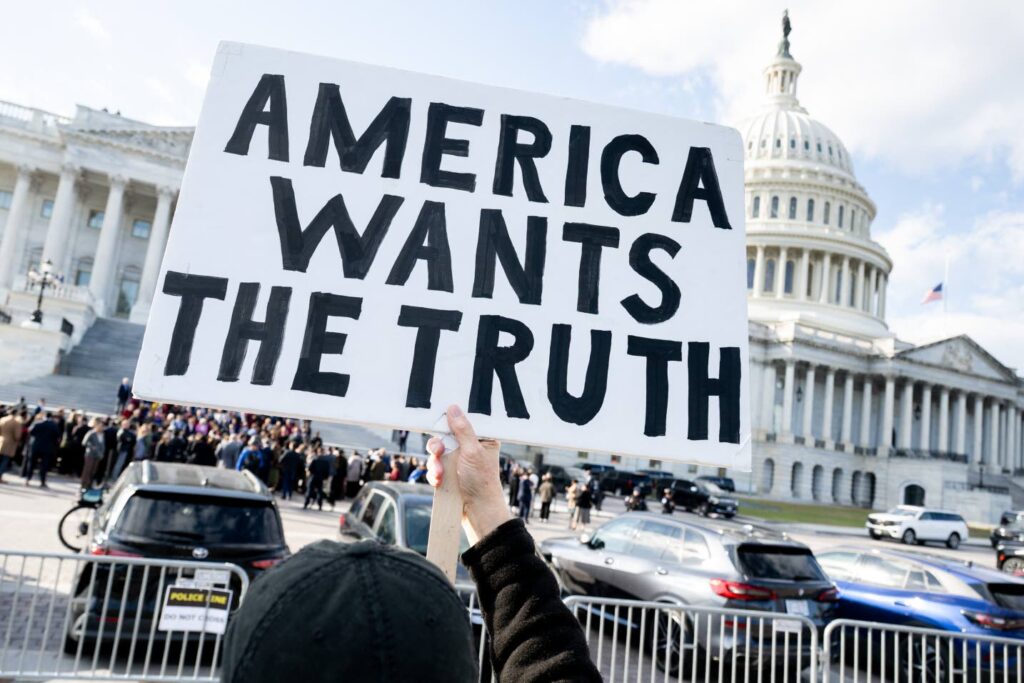
WASHINGTON, DC, United States — The long-sealed ‘Epstein Files,’ a subject of intense speculation and public curiosity, are now on the verge of being made public. On Tuesday, both the US House of Representatives and the Senate took decisive steps to mandate the release of government documents tied to the investigation of Jeffrey Epstein, the convicted sex offender who died in prison in 2019 while awaiting trial for sex trafficking of underage girls. His death did little to quell the controversy surrounding his connections to high-profile figures, including former President Donald Trump, business executives, and celebrities. The Epstein Files encompass a vast collection of evidence gathered by the Justice Department and the FBI during investigations that led to Epstein’s 2008 conviction for procuring a minor for prostitution and his subsequent indictment in New York. While only a fraction of these materials has been disclosed to date, recent revelations have emerged from emails surrendered by Epstein’s estate. The newly passed Epstein Files Transparency Act requires the release of all unclassified records, documents, communications, and investigative materials related to Epstein and his accomplice Ghislaine Maxwell within 30 days. Maxwell, currently serving a 20-year sentence for recruiting underage girls for Epstein, remains the only person convicted in connection with the disgraced financier. However, Trump’s supporters have long alleged that ‘deep state’ elites shielded Epstein’s associates in the Democratic Party and Hollywood. Earlier this year, the FBI and DOJ sparked political outrage by releasing a memo stating that no further evidence from the Epstein files would be disclosed, citing a lack of credible evidence of blackmail or a ‘client list.’ Despite uncovering over 300 gigabytes of data and physical evidence, the agencies found no grounds to investigate uncharged third parties. Trump, who initially campaigned on releasing the Epstein Files, reversed his stance upon taking office but recently supported their disclosure as Congress moved to vote on the matter. Before this shift, Trump ordered Attorney General Pam Bondi to investigate Epstein’s ties to prominent Democrats, including former President Bill Clinton. This move could complicate the release of certain materials, as the House Bill permits withholding information that might jeopardize active federal investigations or prosecutions.
-
Return of Vision 2020 with revitalisation plan
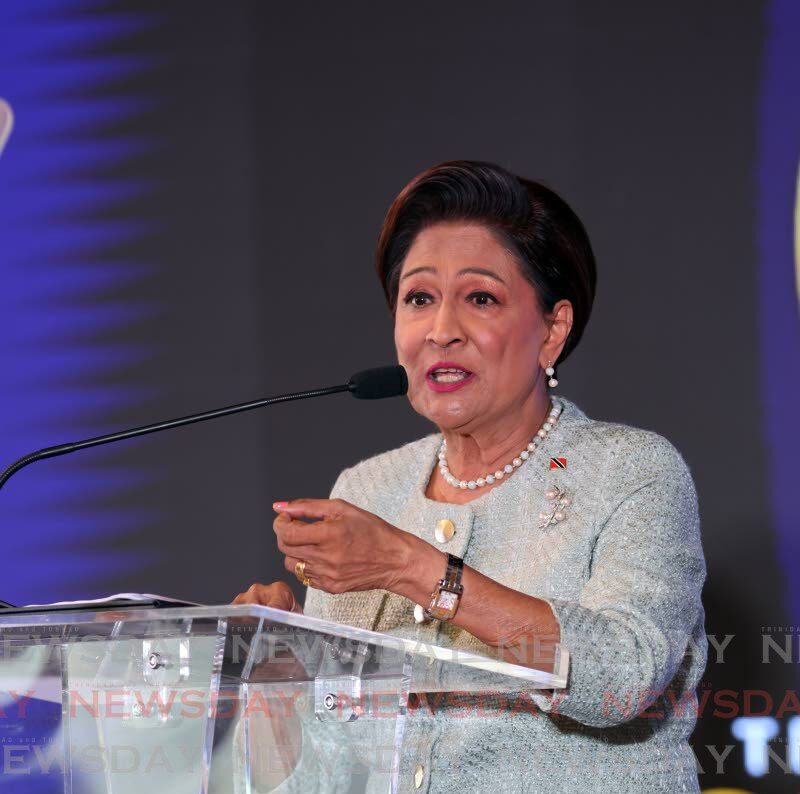
In a recent announcement, Trinidad and Tobago’s Prime Minister Kamla Persad-Bissessar unveiled the ambitious Revitalisation Blueprint, promising a transformative economic overhaul. The plan includes the creation of 50,000 new jobs, the establishment of an “innovation corridor,” the conversion of Carrera Prison into a resort, and the development of a 500-acre “prison campus” at Tamana. Additionally, the government anticipates a surge in foreign investment to fuel these initiatives. However, critics argue that this blueprint bears a striking resemblance to Vision 2020, a similar plan introduced two decades ago by former Prime Minister Patrick Manning, which ultimately failed to materialize. The parallels between the two plans are undeniable, with the only notable update being the Tamana prison campus, ironically proposed on lands originally designated for science and technology under Vision 2020. Skepticism deepens as the 2025-2026 fiscal budget lacks any allocated funding for these projects, raising questions about their feasibility. Without clear financial backing, legislative groundwork, or detailed timelines, the blueprint risks becoming another unfulfilled promise. Critics highlight the government’s history of grand announcements without concrete results, pointing to ongoing challenges such as a shrinking manufacturing base, sluggish private sector investment, and security instability. Until the administration presents a measurable, costed, and time-bound plan supported by actual budgetary allocations, the Revitalisation Blueprint remains a well-written dream lacking financial substance. Citizens are urged to hold the government accountable, ensuring that vision does not devolve into illusion.
-

Italy to toughen rape law to include non-consensual sex
In a historic display of cross-party unity, Italian lawmakers have taken a significant step toward redefining sexual violence in the country’s penal code. On Wednesday, Members of Parliament voted to expand the definition of rape to include non-consensual acts, a move that marks a rare collaboration between Prime Minister Giorgia Meloni’s far-right Brothers of Italy party and opposition leader Elly Schlein’s centre-left Democratic Party (PD). The proposal, which now awaits Senate approval, aims to simplify the prosecution of sexual assault by eliminating the requirement for victims to prove physical coercion, threats, or abuse of authority. Currently, Italy’s legal framework defines rape solely through these criteria, a standard that advocates argue places undue burden on survivors. The amendment, spearheaded by PD MP Laura Boldrini, seeks to shift the focus of trials to the perpetrator’s conduct rather than the victim’s actions. Boldrini emphasized that the reform is crucial to countering persistent societal prejudices that often blame women for the violence they endure. The proposed law does not alter the existing penalty for rape, which remains a prison sentence of six to twelve years. This legislative push follows a series of controversial court rulings in recent years, including a case where a man’s acquittal was overturned after an appeals court rejected the initial verdict that the victim, a 17-year-old, should have anticipated assault because she was not a virgin. The lower house’s Justice Commission approved the amendment last week, with direct support from both Meloni and Schlein, signaling a potential turning point in Italy’s approach to addressing sexual violence.
-

IR expert hopes for US-Venezuela dialogue
Recent statements by US President Donald Trump and Venezuelan President Nicolas Maduro have sparked cautious optimism for a potential de-escalation of tensions between the two nations in the Caribbean. Maduro, during his television program ‘Con Maduro’ on November 17, expressed willingness to engage in talks with US officials, a sentiment echoed by Trump, who confirmed Venezuela’s request for formal discussions. Caribbean Policy Consortium co-chairman Prof Anthony Bryan emphasized the importance of dialogue, stating, ‘Dialogue is always better than sabre rattling.’ These developments come amidst a significant US military presence in the region, including the arrival of the aircraft carrier USS Gerald R Ford and its strike group. The deployment, which began in August, has been framed by the US as part of anti-narcotics efforts, though critics, including the UN and European Union, have raised concerns about extra-judicial killings. Trinidad and Tobago Prime Minister Kamla Persad-Bissessar has supported the US military presence while reaffirming her country’s sovereignty and refusal to be used as a launchpad for attacks on Venezuela.