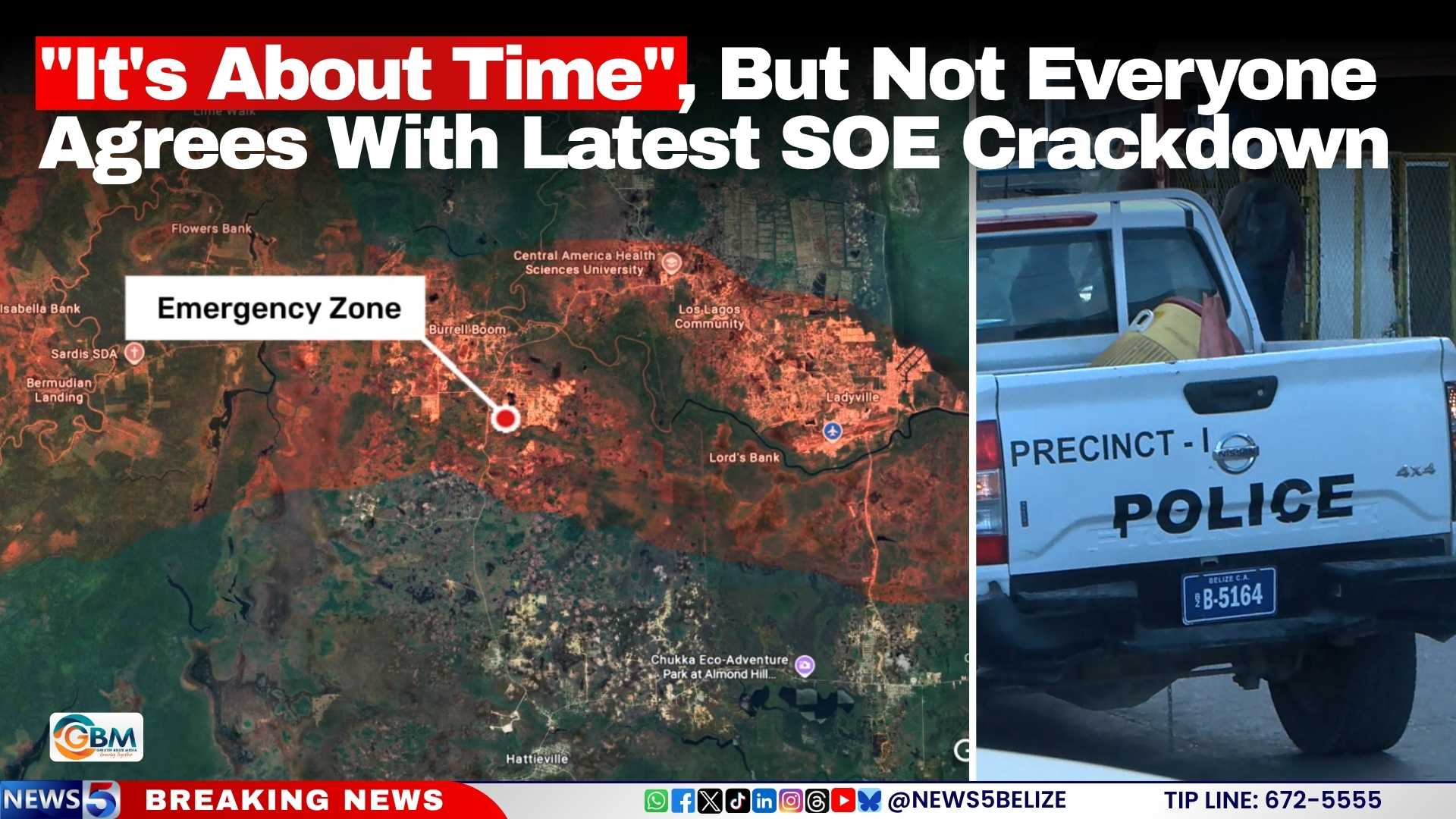
In the wake of a devastating wave of retaliatory shootings that left Belize City on edge and communities shaken, Belizean authorities have enacted a 30-day State of Emergency (SOE) granting expanded police and military powers to crack down on urban violence, a move that has sparked fierce public debate across the Central American nation. The emergency declaration, formally issued this past Friday, came in direct response to a rapid string of deadly violent incidents that upended daily life in the capital, leaving residents hypervigilant and pushing officials to implement sweeping emergency measures to regain control of public safety. Under the terms of Statutory Instrument 50 of 2026, the new policy extends broad new authority to law enforcement officers and Belize Defence Force soldiers deployed in high-risk affected zones: these powers include conducting warrantless searches of private property, detaining suspects for up to 30 days without formal charges, and immediately shutting down any business that authorities suspect of being tied to violent criminal activity. As of this week, nine adult suspects have already been taken into custody and transferred to Belize Central Prison to await processing under the new emergency framework. Speaking to reporters on Monday, Commissioner of Police Dr. Richard Rosado moved quickly to reassure law-abiding residents that the extraordinary measures are deliberately targeted, not broad-reaching. “The SOE is specific to certain individuals and does not affect the law-abiding citizen in any way,” Rosado emphasized, adding that the operation is focused solely on dismantling violent criminal networks that have been driving the recent surge in shootings. The emergency order is set to remain in force for an initial 30-day period, with the National Development retaining the authority to extend the declaration if officials deem it necessary to maintain public order. Public reaction to the crackdown has been deeply split along competing concerns over public safety and civil liberties. Many Belizeans took to social media to voice enthusiastic support for the aggressive intervention, with many arguing that long-overdue action against criminal groups is long overdue. “It’s about time… These criminals are not thinking about us,” one widely shared online comment read, capturing the sentiment of residents who have grown exhausted by persistent gang violence in the city. But critics have pushed back forcefully against the expanded police powers, raising alarms over the potential for abuse of authority and violations of constitutional due process. One prominent online critic questioned, “Holding a person for up to 30 days? Wrong on so many levels,” adding that the policy grants individual officers unchecked power to close businesses based on nothing more than unproven suspicion. These concerns echo unresolved controversies from a prior SOE declared in 2020, when a group of detained men successfully challenged their detentions in court, arguing that the measures were unconstitutional and unjustified. That 2020 SOE also saw multiple formal accusations of excessive force and abuse of power against responding officers. Even some members of the public who support the goal of cracking down on violence have shared measured concerns about how officers will implement the new powers. “Well-intended, law-abiding citizens have no issues with these SI measures; however, there is valid concern as to whether the majority of police officers can remain civil as they execute their duties. Hoping for a successful operation,” one commenter noted, capturing the ambivalence of many residents caught between fears of violence and fears of overreach. As the 30-day operation gets underway, the Belizean public will be watching closely to see whether the SOE delivers on its promise of curbing violence without eroding the civil rights of ordinary residents.
分类: politics
-

Senator Jamila Kirwan Reflects on Family Loss and Resilience During Swearing-In Ceremony
At Monday’s formal Senate swearing-in ceremony, newly reappointed Senator Jamila Kirwan opened a heartfelt address that wove personal grief, family resilience, and a bold call for greater female political engagement into one memorable speech. Fresh from the April 30 general election that sealed her return to the Upper House, Kirwan centered her remarks on remembering her late mother, known affectionately as Mama Lucy, who passed away recently after a period of illness.
-
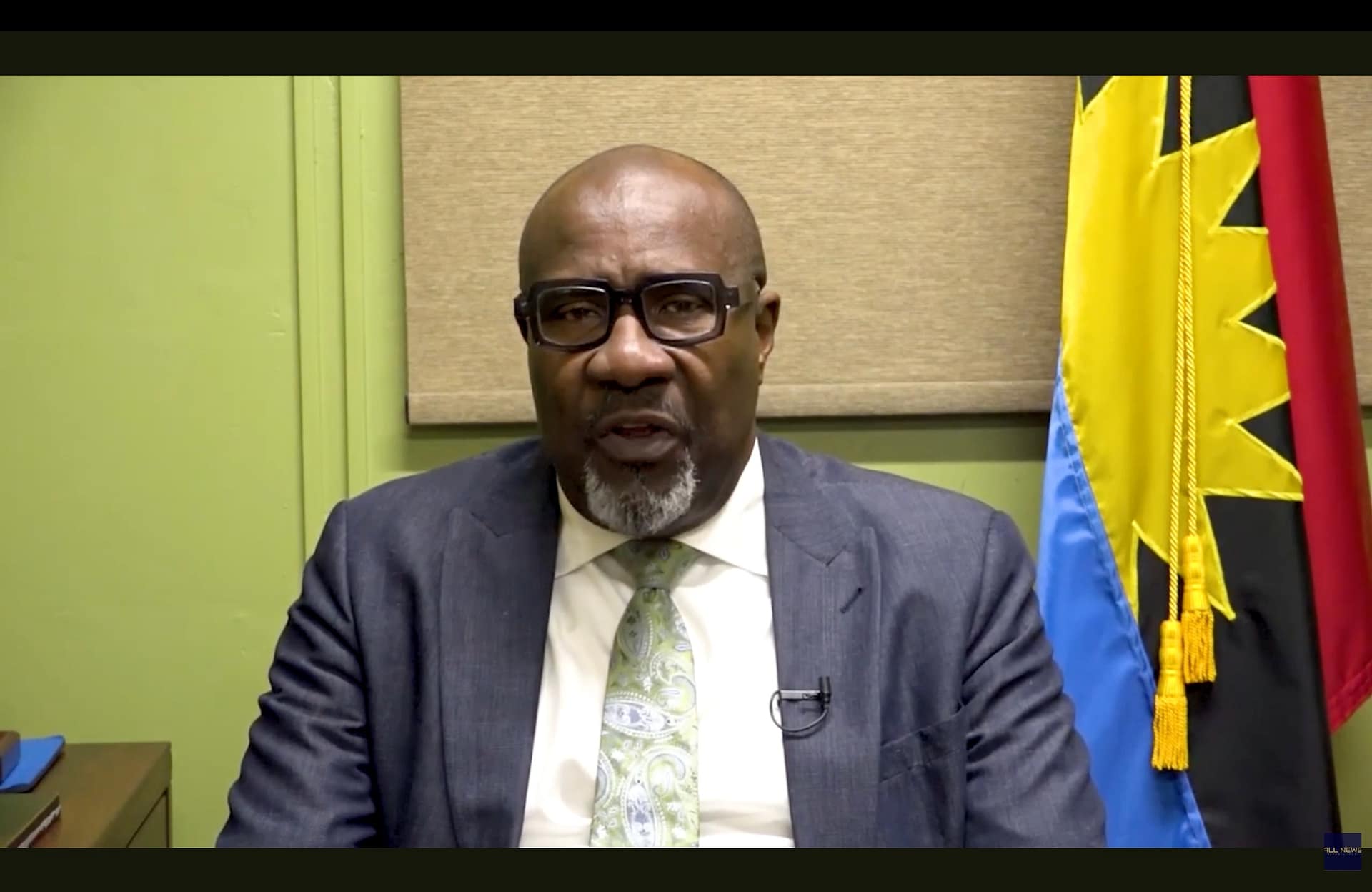
ABEC Chairman responds to allegations in the public
The Antigua and Barbuda Electoral Commission (ABEC) has issued a forceful, unqualified rejection of baseless, damaging claims made by its former chairman Bruce Goodwin during a recent appearance on Louisa Tully’s *Eye on the Issues* current affairs program. In his televised remarks, Goodwin targeted the institutional independence of ABEC and questioned the democratic legitimacy of the general election held on April 30, 2026.
ABEC has emphasized that the accusations put forward by Goodwin are severe, completely unsubstantiated, and lack any shred of credible supporting evidence, demanding that the claims be thrown out in full. The electoral body has clearly affirmed that all of its governing policies, operational frameworks, and procedural workflows adhere strictly to national law, maintain full transparency, and uphold unwavering institutional independence. Contrary to Goodwin’s claims, ABEC says it has not been co-opted by the sitting government, is not controlled by any partisan political faction, and its electoral systems have no improper ties to any state apparatus for underhanded purposes. Any claims suggesting otherwise are described by the Commission as false, sensational, and deeply irresponsible.
The organization expressed particular disappointment that the misleading claims originated from a former ABEC chairman, an individual who should be fully aware of the constitutional significance of the commission’s independent status and the severe harm that unsubstantiated public misinformation can inflict on public trust in democratic institutions. ABEC stresses that this type of fact-free, inflammatory public commentary does not qualify as constructive public service. Instead, it frames the remarks as a direct assault on the integrity of the entire national electoral process.
ABEC further reaffirmed that all of its operational conduct, procedural protocols, and internal decision-making align with globally accepted democratic standards, and remain fully open to independent review. Local, regional, and international observer groups that monitored the 2026 general election have already verified the transparency and integrity of the commission’s work, a reality that attempts to discredit the body through sensational, unproven claims cannot change, the statement says.
The commission also fully rejects the unfair implications cast on the Supervisor of Elections, sitting ABEC commissioners, and the commission’s hardworking staff and scrutineers. These election officials carried out their constitutional duties with professionalism, integrity, and relentless dedication, ABEC says, and they deserve full protection for their professional reputations against falsehood, implied slander, and politically motivated misrepresentation.
In its official statement, ABEC outlined a clear path for anyone claiming electoral misconduct: any individual holding credible evidence of wrongdoing must submit that evidence to the appropriate legally authorized body for investigation. The commission says that spreading unproven serious accusations through public platforms, done deliberately to stoke public suspicion and damage the reputations of democratic institutions, constitutes a reckless abuse of free public commentary and undermines the norms of responsible democratic participation.
The electoral body has called on the general public of Antigua and Barbuda to dismiss Goodwin’s claims entirely, urging voters not to confuse unsubstantiated rhetoric, repeated falsehoods and deliberate provocation with actual proof of misconduct. ABEC remains fully committed to upholding its constitutional and statutory mandate, and will continue to adhere to the highest standards of impartiality, legal compliance, transparency, and professional electoral administration. The commission says it will not accept the deliberate erosion of constructive public discourse through false claims and manufactured political scandal.
Finally, ABEC is demanding that Goodwin issue a full retraction of his unfounded, irresponsible, and damaging remarks. The commission has confirmed that it utterly rejects these false claims, and will pursue all necessary legal action to defend its institutional independence, its electoral officials, and the integrity of Antigua and Barbuda’s democratic electoral process.
-
Jamilla Kirwan Reappointed as Independent Senator Following Swearing-In Ceremony
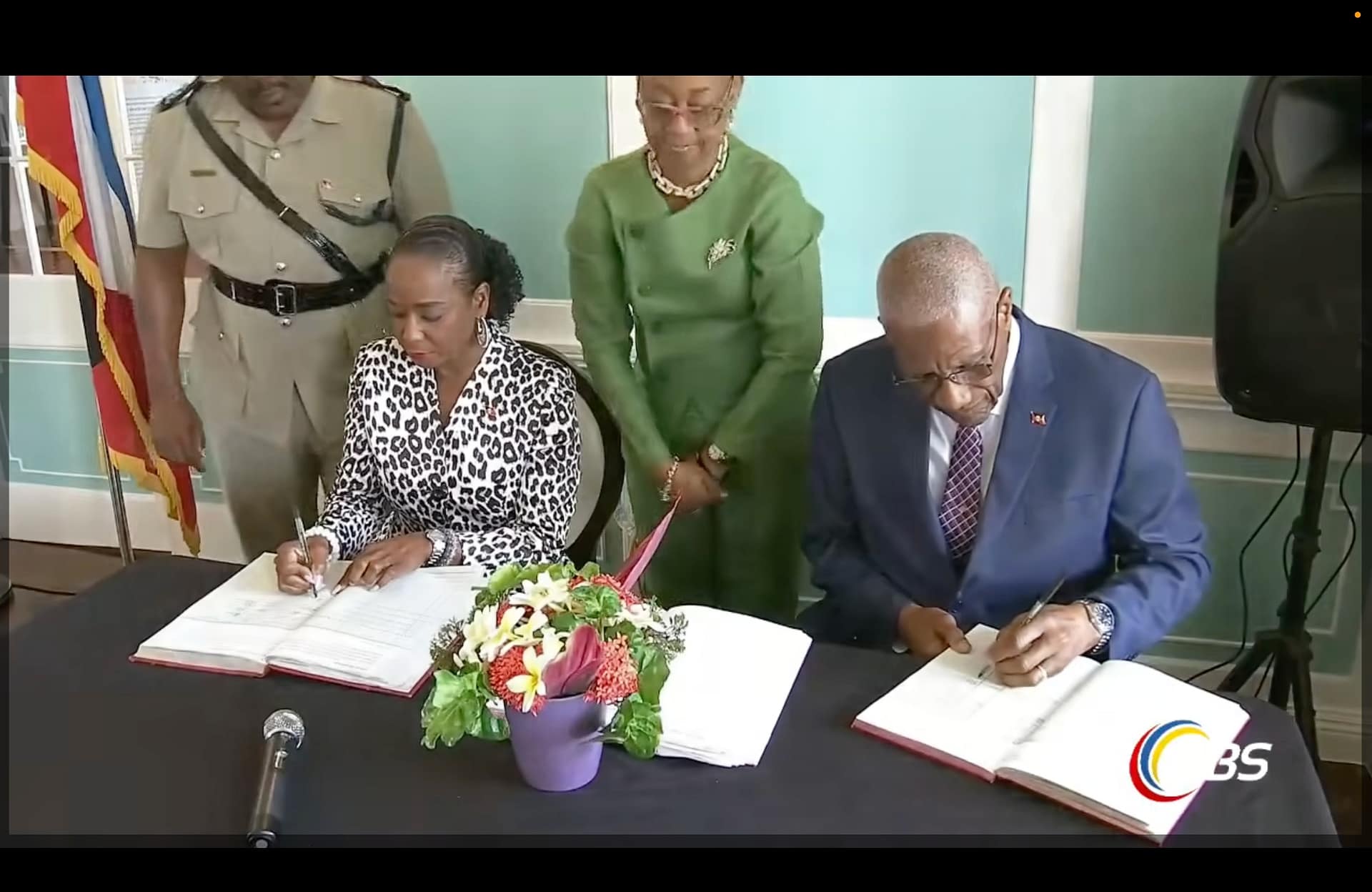
On Monday, Antigua and Barbuda marked a key constitutional milestone at Government House, where independent legislator Jamilla Monique Kirwan was officially sworn in for a second term in the nation’s Senate. The reappointment was formalized during a formal ceremony led by Governor General Sir Rodney Williams, who framed Kirwan’s return to the upper legislative chamber as a clear demonstration of broad confidence in her proven capabilities, distinct policy perspectives and longstanding commitment to public service. The appointment adheres to strict constitutional parameters laid out in Section 28(4) of Antigua and Barbuda’s founding law, which grants the Governor General authority to select one independent senator from the nation’s community of accomplished, public-facing leaders. This provision is intentionally designed to guarantee that marginalized voices and community interests that would otherwise lack representation receive a platform in the Senate. Kirwan first joined the legislative body via an initial appointment in November 2025, and her return brings the total Senate membership back to its full 17-seat composition. The chamber’s makeup balances political representation across the ideological spectrum: it includes 10 senators appointed by the ruling government, four nominated by the parliamentary opposition, and three independent appointees selected outside party structures. In his ceremonial address, Governor General Williams pushed back against the common misconception that public service amounts to merely holding a title. True public service, he emphasized, demands consistent dedication, intentional personal sacrifice, and a deliberate choice to leverage one’s unique skills and lived experience for the benefit of the nation and its people. Williams specifically highlighted the distinct, critical burden that falls to independent senators, noting that their core mandate is to ensure that the concerns and hopes of all citizens – particularly those who feel their voices are ignored or sidelined in mainstream legislative debate – are given careful, full consideration when bills are debated and drafted. “An independent senator must therefore be guided not merely by opinion, but by conscience… not merely by policy, but also by people,” Williams stated. The ceremony also paused to acknowledge the heavy personal grief that accompanied Kirwan’s reappointment, with Williams noting that the swearing-in took place just days after the passing of Kirwan’s mother, who he described as one of the senator’s most unwavering supporters and a constant source of personal and professional encouragement. “As her family prepares to lay her mother to rest later this week, we acknowledge the emotional weight that accompanies a moment like this,” Williams said, extending formal condolences on behalf of himself and his wife, Lady Williams. Williams went on to reaffirm the Senate’s foundational role in Antigua and Barbuda’s system of governance, noting that the upper house serves as a critical check on legislation, facilitating balanced, thorough scrutiny of national policy issues before they become law. Closing his address, Williams offered a charge to the newly reappointed senator, encouraging her to continue approaching her legislative duties with the core values of integrity, humility, compassion, and moral courage that have marked her prior service. He expressed confidence that Kirwan would uphold the trust placed in her by the constitutional system and the Antiguan and Barbudan people throughout her new term.
-
Guyana, Venezuela and the battle for global narrative
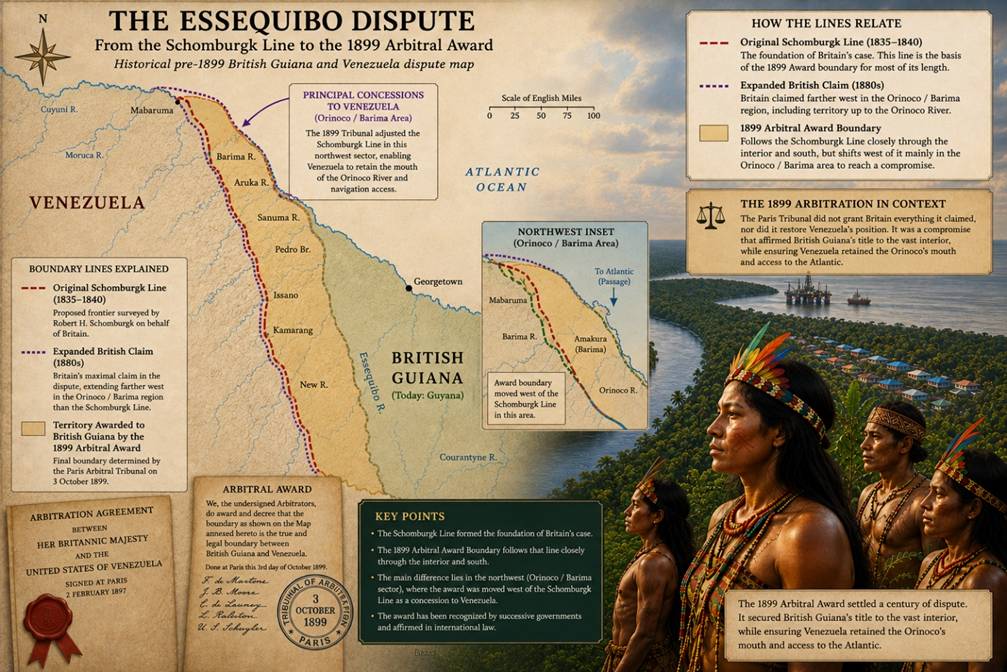
Over the past ten years, Guyana — a small South American nation of less than one million people — has experienced an economic transformation unmatched anywhere in the world. The discovery of massive offshore oil reserves catapulted it to the title of the globe’s fastest-growing economy, and President Irfaan Ali has projected that the coming decade will bring even more rapid progress across infrastructure, energy, technology, and broad national development. But beneath this unprecedented wave of growth looms a long-simmering existential threat: the decades-long border dispute with neighboring Venezuela that remains unresolved to this day.
Venezuela claims nearly two-thirds of Guyana’s sovereign territory, including the resource-rich Essequibo region, a claim that has stood for more than a century. For years, the dispute remained largely frozen in diplomatic gridlock, but it has now reached a pivotal moment: the case has finally come before the International Court of Justice (ICJ) at The Hague for formal adjudication, despite Venezuela’s continued refusal to recognize the court’s jurisdiction over the matter.
Based on legal precedent, historical records, and established patterns of state practice, most independent observers agree that Guyana holds an overwhelmingly strong position. Historical evidence underscores this advantage: when the 1899 Arbitral Award that established the current border was issued, Venezuela publicly celebrated the outcome as a victory, having gained control of both banks of the strategically critical Orinoco River. The settlement went unchallenged by Caracas for more than 60 years. In all engagements over the decades since, including the 1966 Geneva Agreement process, Guyana has maintained a posture of responsible statecraft: it acknowledges Venezuela’s differing position while steadfastly upholding its own sovereignty and territorial integrity.
Venezuela’s leadership, however, has increasingly signaled that it recognizes the weakness of its legal arguments before the ICJ. In response, Caracas has adopted a two-pronged strategy that pairs formal legal submissions with a broad diplomatic and public relations campaign centered on a narrative of post-colonial injustice. Venezuela argues the 1899 arbitral process was manipulated by the British Empire, which held significant influence at the time, leaving a weak, vulnerable Venezuela outmaneuvered and stripped of its rightful territory. This framing resonates emotionally and politically across the Global South, where many nations still carry the lingering scars of colonial exploitation and unequal power dynamics.
This diplomatic campaign has entered a new, more aggressive but strategically polished phase following the international isolation that defined former president Nicolás Maduro’s administration. The change in Venezuela’s global posture has opened space for its current leadership to refine its messaging: the tone is now more measured and sophisticated, crafted to appeal to global audiences and multilateral institutions, but the core of its expansionist claim to Essequibo remains entirely unchanged. The high-profile personal intervention of acting president Delcy Rodríguez underscores this new approach.
In a choreographed televised address over the weekend, Rodríguez announced she would travel to The Hague to personally lead Venezuela’s representation in the ICJ case, framing the trip as a duty to defend Venezuela’s “inalienable rights.” She appeared in person before the court on Monday, a move many analysts described as a deliberate, confrontational public relations stunt, given Venezuela’s longstanding refusal to accept the ICJ’s jurisdiction. The gesture sent an unmistakably defiant message to both the court and the global public.
In her closing statement, Rodríguez made an extraordinary blunt repudiation of the court’s authority: she explicitly stated Venezuela would not accept any ruling that upholds the validity of the 1899 Arbitral Award. “Even if the court were to declare the award valid, Venezuela would be unable to comply with such a ruling,” she argued, claiming any outcome against Venezuela’s position would itself violate the 1966 Geneva Agreement and international law. To many observers, this high-stakes political theatre is a clear reflection of Venezuela’s awareness that its legal and historical case is weak: the spectacle of nationalist defiance is intended to compensate for gaps in the factual and legal record.
Facing this coordinated public relations offensive, Guyana has two clear paths forward: it can quietly and actively counter Venezuela’s narrative, or stand by and allow the ICJ’s eventual ruling to speak for itself. Most regional and diplomatic analysts agree Guyana would benefit from building its own counter-narrative rooted in Global South post-colonial experience, rather than allowing Venezuela to monopolize anti-colonial rhetoric.
Guyana is itself a post-colonial developing nation, vastly smaller than its neighbor: just 83,000 square miles against Venezuela’s 384,000, and a population of less than one million against Venezuela’s 28.6 million. This reality directly undermines Venezuela’s claim that the 1899 Award was the product of an unfair power imbalance. If historical asymmetry alone were accepted as grounds to reopen settled international borders, nearly every frontier across the developing world would be vulnerable to revisionist claims from larger neighbors.
Guyana’s diplomatic messaging should therefore center on one core principle: post-colonial justice cannot justify overturning long-settled international borders whenever historical grievances are invoked. Beyond messaging, Guyana should work to deepen ties beyond its traditional Caribbean allies — where it already serves as a leading voice for regional unity — to include members of the African Union, ASEAN, and moderate Latin American governments. The broader framing should be clear: this dispute is not a remnant of British colonial rivalry with Venezuela, but a test of the principle that small-state sovereignty, international stability, and the rule of international law must be upheld regardless of size.
Throughout the dispute, Guyana has maintained a posture of dignified restraint committed to the international legal process, a position that has already earned it the moral high ground. If the ICJ rules in Guyana’s favor, as widely expected, Guyana’s post-ruling strategy will be critical: a triumphalist framing that casts the outcome as a humiliation for Venezuela would likely harden nationalist sentiment in Caracas for generations, making any long-term resolution impossible. Instead, a measured, statesmanlike approach would lower the political cost for Venezuelan leaders to gradually moderate their position over time. Any future provocations from Venezuela should continue to be addressed through established multilateral channels: the ICJ, United Nations, Caricom, the Commonwealth, the Organization of American States, and formal diplomatic dialogue.
If Guyana maintains this principled, restrained approach, it could emerge from the dispute far stronger than it entered: with its sovereignty internationally reinforced, growing investor confidence, elevated diplomatic stature, and broader recognition as a responsible defender of the rules-based international order. A ruling in Guyana’s favor would also bring much-needed stability to its booming offshore oil sector, supporting long-term economic growth and development. In the end, the dispute could position Guyana as a global example of how small states can defend their sovereignty successfully, not through military force, but through a commitment to law, diplomacy, and international legitimacy.
-

Senator Morgan says audit highlights $11 billion in Hurricane Melissa recovery spending
KINGSTON, Jamaica — In the wake of Hurricane Melissa’s destructive passage across the island, a senior Jamaican government official has pushed back against public scrutiny over unspent disaster donations, framing a new real-time audit from the Auditor General’s Department as proof the administration is delivering meaningful relief to affected communities while validating plans for a dedicated national reconstruction agency.
Marlon Morgan, a government senator and parliamentary secretary in the Ministry of Information, outlined key findings from the ongoing audit Tuesday: the government has already committed more than $11.3 billion to 420 active Hurricane Melissa relief and recovery contracts, a figure that far outpaces the $1.4 billion in unspent disaster donations flagged in the Auditor General’s preliminary report.
Morgan emphasized that while the report correctly notes unspent funds held by the Office of Disaster Preparedness and Emergency Management (ODPEM) — which has spent less than 2% of the $1.44 billion in total donations allocated to it for the response — the far larger volume of active recovery spending demonstrates the government’s commitment to supporting storm-impacted residents.
“What is instructive is that the $1.4 billion in donations cited in the Auditor General’s Report as being unspent so far is exponentially outstripped by the massive $11.3 billion that is actually being spent on various relief and recovery initiatives,” Morgan said. “There can be no denying that in spite of bureaucracy-related red tape which delays project implementation and the expenditure of available funds, the Government has utilised practical and situationally appropriate mechanisms to deliver timely and effective relief for citizens affected by Hurricane Melissa, while ensuring value for money.”
Morgan framed the real-time audit itself as a critical step toward upholding government transparency and accountability to the Jamaican public. He added that the audit’s findings clearly underscore the scope of the government’s ongoing recovery work, noting that the document references the full $11.3 billion in active spending across 420 separate contracts. He also characterized the audit, which uncovered ODPEM’s low spending rate on donations, as a timely and important assessment that highlights the need for administrative reform.
Crucially, Morgan tied the audit’s findings of bureaucratic delays to the government’s push for the new National Reconstruction and Resilience Agency (NaRRA), which recently completed parliamentary debate. He praised Prime Minister Andrew Holness and his cabinet for their foresight in creating the new agency, which is designed to cut through red tape and speed up post-disaster recovery and long-term resilience work.
Morgan stressed that the audit contains no findings of corruption or improper misappropriation of funds, noting that its core observations around implementation delays merely confirm longstanding public frustrations with bureaucratic gridlock that has held back national growth.
“The Jamaican people should note that the report does not contain any scandalous or damning finding of loss and/or corruption, and in many respects, reaffirms the bureaucracy-related challenges that many Jamaicans are already aware of, and understandably so, have grown impatient with,” he explained. “The public is fully aware that our country’s growth and development are being inhibited, in part, by our stark implementation challenges. What the Auditor General Report underscores is that it cannot be business as usual. It affirms that NaRRA will go a far way in helping Jamaica efficiently and effectively utilise available funds in improving the quality of life of the Jamaican people.”
Morgan added that the recent parliamentary debate over NaRRA served an important public education purpose, giving Jamaicans a clearer picture of how outdated bureaucratic processes — particularly around public procurement — are stifling national progress. He noted that the audit’s findings directly reinforce the arguments the government made during the debate in favor of reform.
“As a Government, we did our research and presented data making the case that there is a better way forward in pursuit of reconstruction and resilience building — a 21st-century, fit-for-purpose way that will have positive impact and deliver transformational results in a timely fashion, while ensuring transparency, probity and accountability,” Morgan said.
He reminded the public that the audit represents a snapshot of ongoing work, rather than a final assessment of the full recovery effort. “I wish to emphasise the fact that the Report in question is the product of a real-time audit, which is a snapshot in time, and as such, it should be appreciated that post-Hurricane Melissa relief and recovery activities are ongoing; they are not at an end.”
-
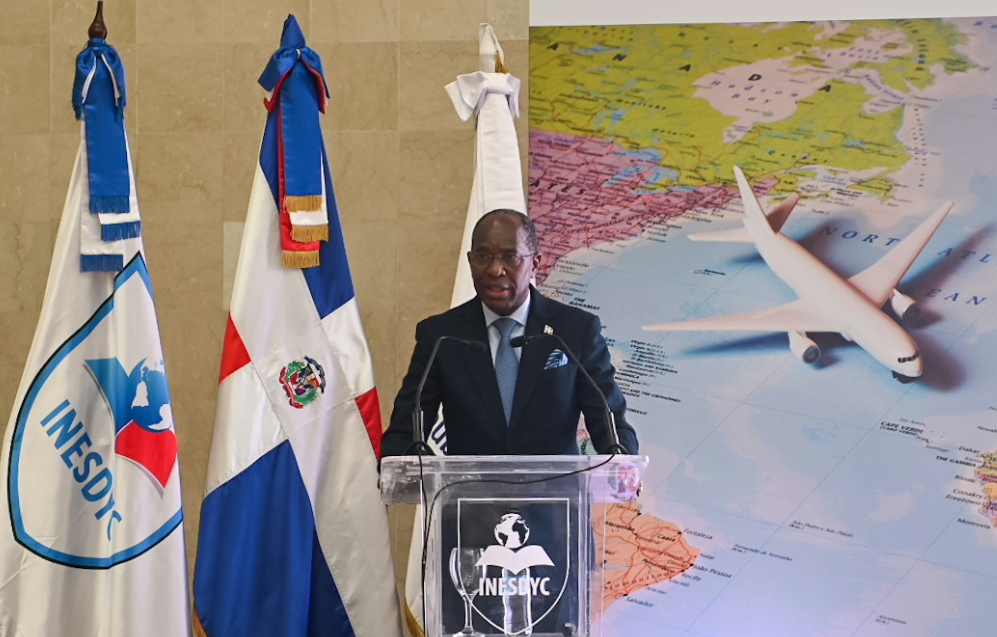
MITUR and MIREX train diplomats to promote tourism and investment
In a strategic move to elevate the Caribbean nation’s standing as a top-tier global tourism and investment hub, the Dominican Republic’s Ministry of Tourism and Ministry of Foreign Affairs have jointly rolled out a pioneering “Tourism Training for Diplomats” initiative.
The intensive upskilling program, which is being hosted by the country’s Institute of Higher Education in Diplomatic and Consular Training and will run through May 21, brings together a diverse cohort of active Foreign Service members, senior government officials, and leading industry experts. Over the course of the program, participants will engage in a structured schedule of interactive lectures and hands-on workshops covering a wide range of critical tourism-focused topics, from modern tourism governance and targeted investment attraction to expanding international air connectivity, advancing sustainable tourism practices, and refining strategic global communication strategies.
Speaking on the launch of the program, Dominican Tourism Minister David Collado emphasized that the new initiative underscores the central role the tourism sector plays as a core pillar of the nation’s ongoing economic and social development. The roster of expert speakers lined up for the course includes Vice Minister Carlos Peguero, veteran Ambassador José Rafael Espaillat, alongside senior representatives from ProDominicana, the country’s national trade and investment promotion agency, and UN Tourism, the United Nations’ specialized agency for travel and tourism.
At its core, the training program is designed to equip Dominican diplomatic personnel with targeted, practical tools they can use in their global postings to drive new foreign investment into the country’s tourism ecosystem, secure new and expanded international air routes to key source markets, and ultimately solidify the Dominican Republic’s competitive position as a leading Caribbean tourism destination on the global stage.
-

MSMEs must be at centre of economic growth, says Hylton
KINGSTON, Jamaica — In a landmark address during this week’s Sectoral Debate in the House of Representatives, Anthony Hylton, the Jamaican Opposition’s spokesman on Trade, Industry and Global Logistics, laid out a bold new economic development plan that puts micro, small and medium-sized enterprises (MSMEs) at the center of the country’s next growth phase.\n\nHylton opened his remarks by framing the Opposition’s policy approach as rooted in practical, tangible action that delivers immediate, visible benefits to citizens while building robust foundations for long-term systemic transformation. “On this side of the House, we believe Jamaica’s next phase of development must focus on practical, achievable initiatives that deliver visible benefits while laying the foundation for long-term transformation,” Hylton told parliamentarians. He emphasized that unlocking the untapped productive potential of the nation’s MSME sector is the cornerstone of this vision.\n\nHylton argued that the current status of MSMEs in Jamaica is unsustainable: these enterprises carry a disproportionate share of the country’s employment and innovation burden, yet remain confined to the margins of the national economy. He noted that in high-performing global economies, MSME expansion is enabled by fully integrated support ecosystems, where access to financing, efficient logistics infrastructure, digital business platforms, targeted technical assistance, and expanded market channels operate in seamless alignment to fuel growth.\n\nTo address gaps in Jamaica’s current support framework, Hylton announced the Opposition’s backing for a dedicated National MSME Growth and Export Programme. This initiative would deliver low-interest financing tied directly to production output, develop shared manufacturing and agro-processing facilities that cut overhead costs for small operators, and embed end-to-end support for packaging upgrades, international standards certification, digital commerce adoption, and export market preparation.\n\nBeyond targeted programming, Hylton called for a creative repurposing of existing national infrastructure to better serve entrepreneurs and local production. He offered one high-impact proposal: reimagining the Postal Corporation of Jamaica as a National SME Incubator and E-Commerce Platform. “Our post offices should no longer exist merely as traditional mail facilities. They can become digital business hubs, export gateways, fulfilment centres, and logistical support systems serving entrepreneurs in every parish across Jamaica,” he explained. In partnership with the private sector, Hylton said this conversion would dramatically reduce one of the most prohibitive barriers to small business success: the lack of affordable access to logistics networks, digital payment systems, modern technology, and global market connectivity.\n\nHylton also called for a structural overhaul of the Jamaica Business Development Corporation, pushing the agency to shift away from its current administrative focus and evolve into an active market-maker. Under this new mandate, the corporation would work directly to secure international retail partnerships for local goods, expand global shelf space for the “Things Jamaican” brand, and connect small domestic businesses to flexible blended financing opportunities that fit their needs.\n\nRejecting the idea that sustainable widespread prosperity can be driven solely by a small cohort of large corporations, Hylton insisted that long-term success depends on empowering thousands of individual Jamaicans to produce, innovate, scale their operations, and compete in global export markets.\n\nTurning to Jamaica’s logistics and trade advantage, Hylton acknowledged the country’s valuable geographic positioning as a strategic trade hub, but stressed that location alone is not enough to deliver inclusive growth. He called for urgent, decisive action to develop integrated logistics parks connected to existing ports, national highways, airports, and industrial zones. These parks would be designed to attract manufacturing, assembly, warehousing, and distribution operations, while Special Economic Zones would be reoriented from isolated, disconnected enclaves to engines of broad-based growth that benefit surrounding local communities. “Every logistics investment must create opportunities for Jamaican suppliers, truckers, technicians, contractors, and workers,” Hylton said.\n\nHe also made the case for modernizing Jamaica’s logistics governance system, noting that the Port Community System (PCS) developed under the national Logistics Hub framework must move beyond its current status as a limited data testing space. Instead, Hylton stressed, it must operate as a unified coordinating mechanism that brings together customs authorities, shipping lines, freight forwarders, trucking operators, warehouses, terminal managers, and industry regulators into a single, transparent, accountable system.\n\nHylton concluded by warning that none of these proposed economic transformations can succeed without intentional investment in workforce readiness and human capital development. He emphasized that economic growth must uplift, not bypass, local communities, outlining a second key initiative: a Community Enterprise Link Programme. This program would ensure that major industrial and logistics developments create tangible opportunities for nearby communities through local supplier sourcing, targeted supplier development programs, expanded access to public and private procurement opportunities, business mentorship, and direct community investment.\n\n“Growth must not remain concentrated among the few. It must create pathways into ownership, entrepreneurship, and upward mobility for ordinary Jamaicans across every parish of this country,” Hylton said.
-
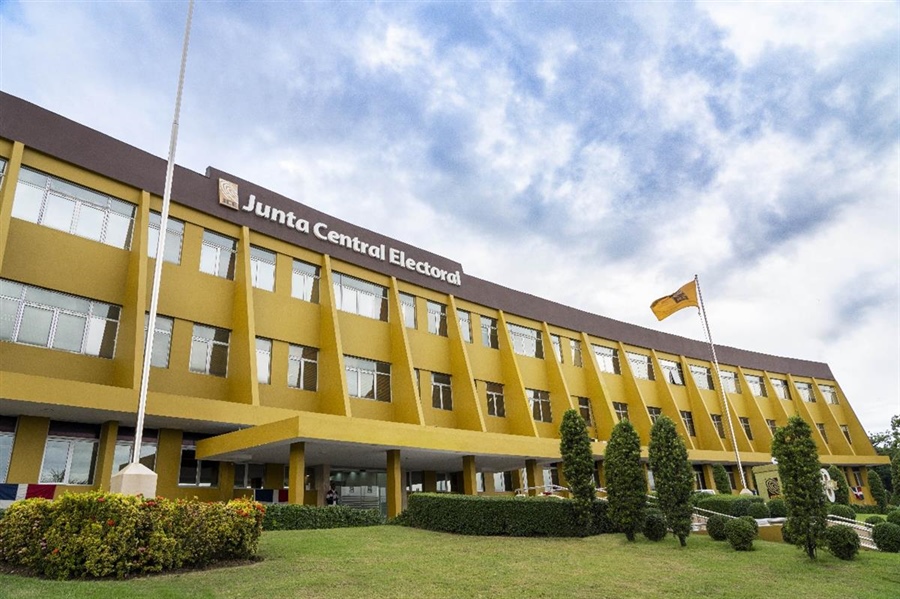
Dominicans abroad can now schedule ID renewal appointments
In a significant administrative update aimed at streamlining services for its global diaspora, the Central Electoral Board (Junta Central Electoral, JCE) of the Dominican Republic has launched a new online appointment platform that allows Dominican citizens residing outside the country to schedule renewals for their national identity and voter cards.
Unlike previous systems that often restricted scheduling based on an individual’s birth month, the newly launched service removes this limitation entirely. All eligible Dominican citizens living abroad, regardless of when they were born, can now reserve a preferred date and time to process their updated identification documents through the centralized platform.
JCE officials have underscored the far-reaching benefits of maintaining an up-to-date national identification card. A current, valid ID streamlines a wide range of critical activities for citizens, from completing government-related administrative procedures to accessing both public sector services and private sector offerings, as well as ensuring that all personal records on file with electoral and national authorities reflect accurate, current information.
To schedule an appointment, eligible citizens only need to access the JCE’s official website, where the user-friendly scheduling portal is hosted, making the process of updating identification documents far more accessible for the Dominican diaspora spread across the globe.
-
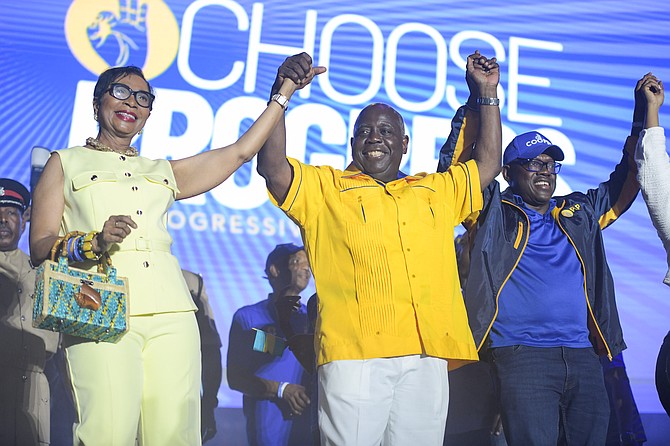
Landslide for Brave
The Bahamas has witnessed a seismic shift in its long-running political cycle, after Prime Minister Philip “Brave” Davis led the Progressive Liberal Party (PLP) to an unprecedented second consecutive general election victory — a feat not achieved by any ruling party in nearly three decades.
The outcome of the contest was nothing short of a landslide. Unofficial vote tallies confirmed the PLP secured 32 out of the 41 contested parliamentary seats, a result that nearly mirrored the party’s overwhelming 2021 win. In that election, the PLP took 32 of 39 seats and ousted the Free National Movement (FNM) from power after a single term in office. This year’s resounding win stands as a clear public endorsement of Davis’ first-term administration, and a decisive rejection of the FNM, which failed to convince Bahamian voters that it deserved to reclaim power after just one term as the parliamentary opposition.
The PLP’s dominance was most pronounced on New Providence, the country’s most populous island, where the party held all but two constituencies: Freetown and Killarney. Before Davis’ historic win, the last party leader to secure back-to-back election victories was former Prime Minister Hubert Ingraham, who led his party to wins in both 1992 and 1997.
Despite the historic victory, the result comes alongside a notable observation: voter turnout hit an all-time low for general elections in the Bahamas, opening up public debate over whether the PLP’s overwhelming seat share stems from broad popular support, inherent weaknesses in the opposition FNM, widespread voter apathy, or a combination of all three factors. Davis himself acknowledged the lower-than-expected turnout, noting that low participation is never healthy for a democratic society, and emphasized the need for future action to ensure all eligible voters feel their ballot makes a meaningful difference.
Even with low turnout, the voters who cast ballots delivered an unambiguous result. The PLP ran a short but fiercely aggressive campaign centered on its first-term record, which the party framed around post-pandemic economic recovery, restored international confidence in the Bahamian economy, increased foreign direct investment, expanded economic opportunity for citizens, and a platform of unfinished work that required a second mandate to complete. Throughout the campaign, Davis and PLP candidates repeatedly urged voters to return the party to office to see their agenda through.
In his victory address to supporters, Davis framed the win as more than just a political victory for his party. “Tonight is a political victory, but this is truly a victory for the whole country,” he said. “For the first time in almost a generation, we have a historic opportunity. Let us make the most of it.” He added, “I will begin our second term as I began the first with a humble spirit and with a heart full of gratitude. Thank you for your trust and faith in me. I will not let you down.”
Even before unofficial results were finalized, Davis had privately expressed confidence that the PLP would secure its historic consecutive win. PLP insiders noted that reports from on-the-ground poll workers indicated strong enthusiasm among voters who turned out, even as overall participation lagged. As early results began to come in, supporters gathered at PLP headquarters broke into cheers, particularly when early counts showed the party leading in key battleground constituencies including Pinewood and Tall Pines.
As the night went on, the full scale of the PLP’s victory became clear. Incumbent PLP representatives celebrated at their constituency offices, thousands of supporters flooded Nassau’s Clifford Park, and celebratory motorcades crossed New Providence. Despite intermittent rain, crowds danced in the streets and honked car horns in celebration across the island.
Davis used his victory speech to reach out to opposition supporters, calling for national unity and emphasizing that he would serve all Bahamians regardless of their vote. “To the Bahamians who voted today but did not vote for us, I want you to know I’ve listened to you. I’ve heard you. I want you to know that I will continue to work hard for all Bahamians,” he said. He pledged to deliver on every campaign promise with unwavering commitment, saying, “I will deliver the party’s promises with every bone in my body and every beat in my heart.”
Davis emphasized that the election result sent an unambiguous message about the direction Bahamian voters want for their country. “You voted because you believe that together we can make some of the big changes that would fulfil our missions we share for our Bahamas,” he said. “We all want a country that has more opportunities, a country where safety and prosperity belong to all Bahamians. You want a country in which all of you and your children and grandchildren will thrive.”
The PLP’s renewed mandate comes as the Bahamas continues to grapple with pressing domestic challenges, including a high cost of living, strained public healthcare systems, and persistent inflation. Davis first took office in 2021 amid similarly severe economic headwinds, including mounting national debt, stagnant growth caused by the COVID-19 pandemic, and ongoing recovery efforts from the devastating Hurricane Dorian that struck the country in 2019. For his second term, Davis has campaigned on a broad policy agenda that includes expanded worker protections, stricter immigration enforcement, a new migrant health insurance scheme, integration of artificial intelligence into public services, expanded vocational training opportunities for workers, expanded housing support, and a range of other social and economic programs.