分类: politics

  • China and the Dominican Republic: an alliance that drives trade, investment and technology

    China and the Dominican Republic: an alliance that drives trade, investment and technology

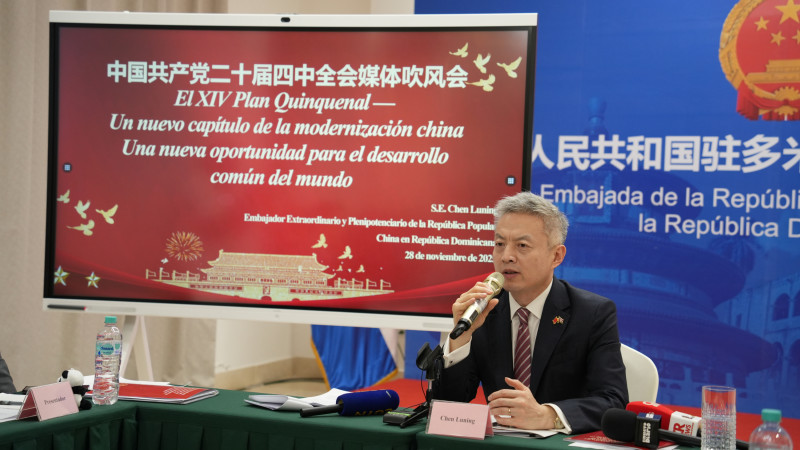
    SANTO DOMINGO – Chinese Ambassador Chen Luning articulated a vision of strengthened bilateral cooperation during a reception for Dominican journalists at the Chinese Embassy last Friday. Framing the relationship as a cornerstone of China’s regional strategy, the ambassador detailed significant advancements across trade, investment, and agriculture since diplomatic relations were formalized seven years ago.

    Ambassador Luning emphasized that the Dominican Republic is viewed in Beijing as both a trusted friend and a pivotal partner for expanding China’s presence in the Caribbean and Central America. He reported that mutual political trust has consistently deepened, creating a stable foundation for collaboration guided by the principles of “mutual respect, equal treatment, and mutually beneficial cooperation.”

    Economically, China firmly holds its position as the Dominican Republic’s second-largest trading partner, with bilateral trade surpassing $5 billion. Notably, trade volume saw a 2.3% increase in just the first three quarters of 2025. This growth is propelled by heightened interest from Chinese manufacturers, with several companies establishing operations in free trade zones in Santiago, San Pedro de Macorís, and Las Américas. The ambassador cited the nation’s political stability and investment-friendly policies as key drivers.

    Agricultural cooperation represents another strategic pillar. A flagship project with Bioarroz in Bonao, where Chinese technicians are introducing hybrid rice seeds and advanced cultivation techniques in collaboration with the Dominican Ministry of Agriculture, has yielded “good results” over its four-year duration. Opportunities for further collaboration in fruit, coffee, and cocoa production, alongside the introduction of Chinese agricultural machinery, were also highlighted.

    Beyond commerce, China’s contributions to Dominican public welfare were underscored, most visibly through the donation of 120 ambulances that have “effectively strengthened emergency response capabilities” across the country.

    Concluding his remarks, Ambassador Luning positioned this bilateral alliance within China’s broader global economic framework. He outlined China’s monumental growth, noting its $20 trillion GDP and its role as the top exporter of automobiles, lithium batteries, and renewable energy components. He also highlighted the Belt and Road Initiative’s impact in Latin America, having generated over one million jobs through 200 infrastructure projects, with regional trade ballooning to $500 billion.

  • Three-Way Showdown for UDP Chair as Party Prepares for Pivotal UDP Convention

    Three-Way Showdown for UDP Chair as Party Prepares for Pivotal UDP Convention

    The United Democratic Party stands at a critical juncture as it prepares for its national convention, an event poised to determine the party’s strategic direction and leadership composition. Scheduled to commence with voter registration at 9:00 AM, the convention will feature elections for five executive positions, though the chairmanship race has emerged as the primary focal point of political intrigue.

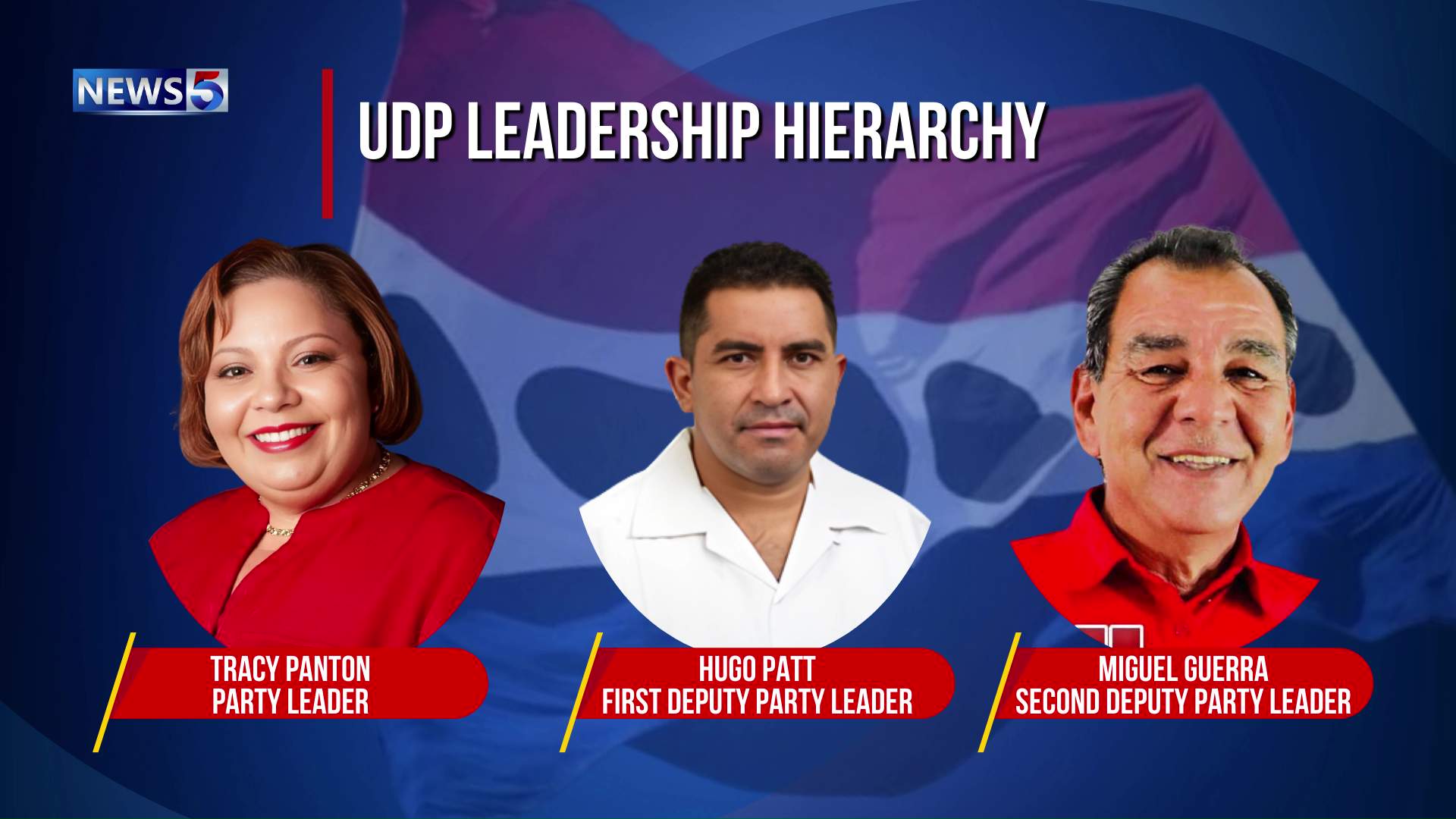
    Three prominent figures—Roosevelt Blades, Sheena Pitts, and John Saldivar—are contending for the influential chairman role, each bringing distinct visions for the party’s future. Meanwhile, the upper echelons of leadership appear set for uncontested endorsement, with Tracy Panton expected to retain her position as Party Leader, supported by deputies Hugo Patt and Miguel Guerra.

    The vice chairmanship contest features two candidates from southern constituencies: John Castillo of Dangriga and Ivan Williams from Silk Grass Village. Convention proceedings will follow traditional protocols, including the invocation, national anthem, and presentations of standard bearers from across the nation.

    Adding significance to the event, Lady Kathy Esquivel will deliver the keynote address, her participation underscoring the convention’s importance in either consolidating party unity or exposing underlying tensions. The outcome of these leadership contests will undoubtedly shape the UDP’s trajectory as it positions itself for future political challenges.

  • UDP Gathers for Pivotal Convention and Policy Shift

    UDP Gathers for Pivotal Convention and Policy Shift

    BELIZE CITY – The United Democratic Party (UDP) is poised for a transformative reorganization as it convenes its critically anticipated national convention. This gathering represents far more than a routine leadership election, marking instead a comprehensive strategic overhaul for Belize’s primary opposition force.

    Delegates will deliberate on six foundational motions designed to fundamentally reshape the party’s structure and direction. The most consequential proposal seeks to amend the party constitution to significantly expand its delegate base, a move aimed at broadening internal democracy and representation.

    Complementing this structural change, five additional policy motions will establish dedicated frameworks for youth engagement, women’s inclusion, economic development strategy, and the party’s overarching policy platform. These initiatives collectively signal the UDP’s commitment to modernization and reconnection with the Belizean electorate.

    The convention will culminate in leadership elections with a potential maximum of 521 votes in play, representing full participation from all eligible members. The electoral college includes senators, municipal representatives from the San Ignacio/Santa Elena Town Council, including the mayor, and members of the central executive committee.

    In a significant development, Acting Chairman Alberto August announced he will not seek reelection to any leadership position, describing the role of party chairman as “an extremely heavy load to carry” for those seriously committed to fulfilling its responsibilities. His departure adds an additional layer of significance to the leadership transition.

    The convention outcomes will determine whether the UDP can emerge as a strengthened, unified political force capable of providing the strong opposition that Belize requires according to party leadership. This gathering represents the most substantial organizational reset in the party’s recent history.

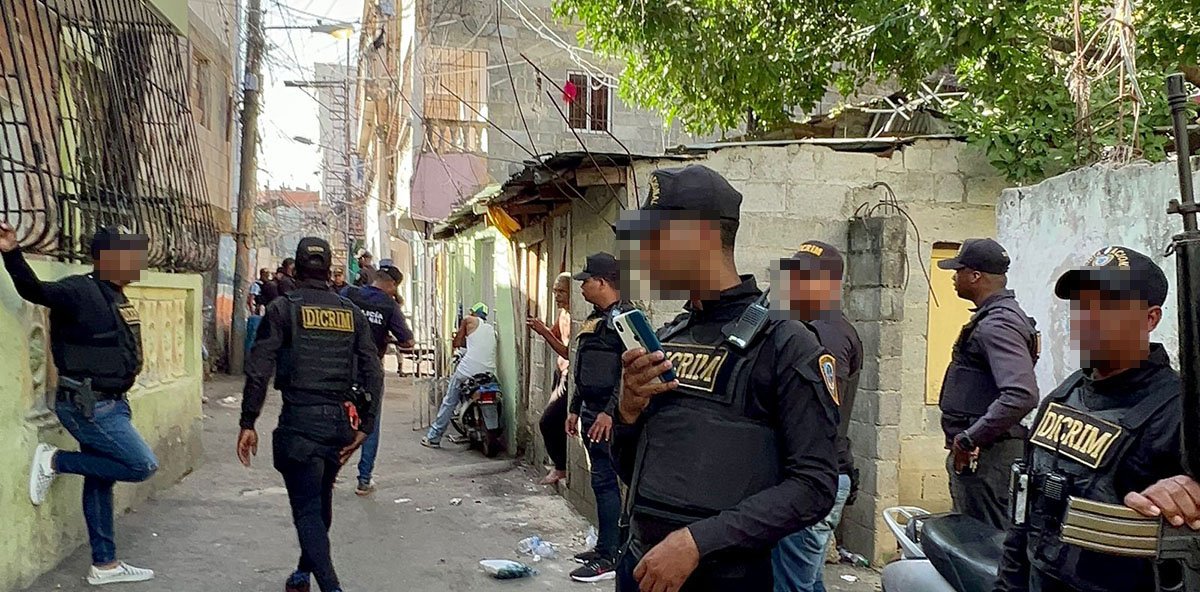
  • Worrying: Political scientist asserts that DICRIM has become distorted and is generating fear among the population

    Worrying: Political scientist asserts that DICRIM has become distorted and is generating fear among the population

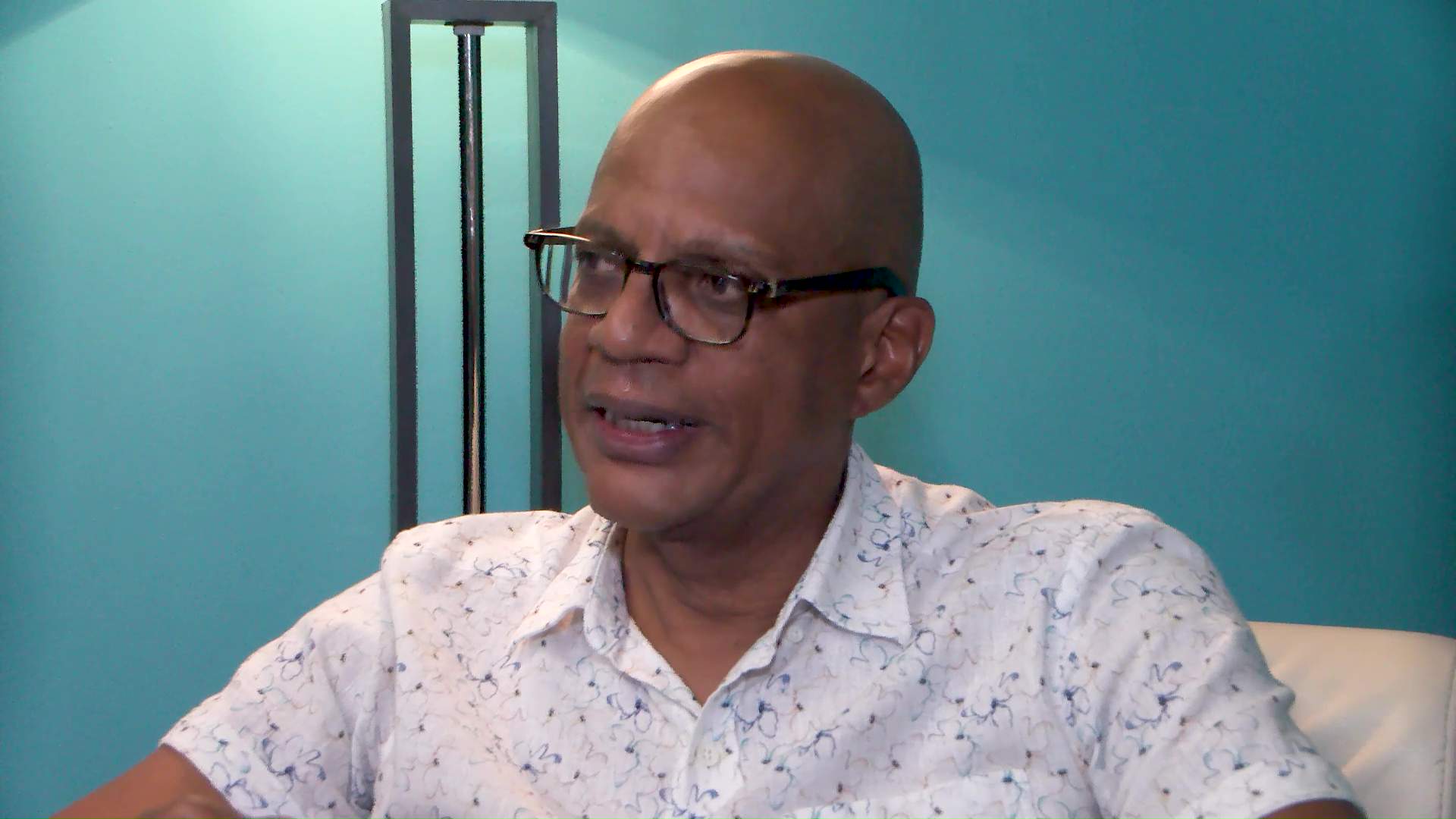
    Prominent Dominican political scientist and left-wing leader Francisco Miguel Herrera has issued a forceful call for the comprehensive reform of the National Police’s Central Directorate of Criminal Investigation (DICRIM), characterizing the agency as fundamentally “distorted” from its original purpose. Herrera, a recognized social activist from Francomacorisano, contends that what was established as a scientific investigative body operating under Public Prosecutor oversight has transformed into an institution perceived by citizens as repressive and abusive.

    The agency’s original mandate centered on conducting methodical, evidence-based criminal investigations under prosecutorial direction, with specific responsibilities including crime scene preservation, evidence collection, and suspect identification to ensure judicial due process. However, Herrera presents compelling statistics demonstrating a severe credibility crisis: 66.5% of Dominicans identify crime as the nation’s primary concern, while 64.5% report avoiding leaving home due to safety fears—despite official reports showing a 38% reduction in robberies between 2022 and 2023.

    Herrera emphasizes that the current public perception directly contradicts institutional objectives, with DICRIM’s presence generating fear rather than security. He argues that the directorate requires immediate reorientation toward its foundational mission through several concrete measures: implementing scientific rigor in criminal investigations, ensuring operational alignment with public interest, analyzing criminal behavior within police ranks, establishing coordination protocols with relevant ministries and social organizations, and creating incentive systems for credible informants.

    The left-wing leader maintains that the National Police leadership bears responsibility for restoring DICRIM’s original function as a crime-solving entity rather than what he describes as an instrument of fear and repression, asserting that contemporary Dominican society demands this fundamental institutional mindset shift.

  • Liberation 9/21 Urges End to Israeli Visa Waiver in Belize

    Liberation 9/21 Urges End to Israeli Visa Waiver in Belize

    A newly established advocacy organization named Liberation 9/21 is intensifying pressure on Belizean authorities to nullify a 2011 immigration provision that permits Israeli nationals visa-exempt entry for ninety-day periods. The group frames its campaign as a moral imperative rather than an administrative matter, citing United Nations documentation and human rights assessments that characterize Israeli military operations in Gaza as meeting international definitions of genocide.

    Since initiating its petition drive in September, the movement has garnered 764 signatures, strategically timing its advocacy to coincide with Belize’s observance of the International Day of Solidarity with the Palestinian People on November 29th.

    Dr. Dylan Vernon, representing Liberation 9/21, articulated the organization’s position: “Our foundational action represents solidarity with the Palestinian people. International bodies including the UN have documented approximately seventy thousand Palestinian casualties since Israel’s incursion into Gaza. While Israeli tourist numbers in Belize remain modest, the current visa waiver enables entry without proper vetting procedures.”

    Vernon emphasized Israel’s compulsory military service requirement, suggesting visitors might include individuals who participated in Gaza operations. “We urge the government to eliminate this waiver, requiring visa applications that would enable proper screening. This aligns with Belize’s commitment to the 1948 Genocide Convention and the National Assembly’s 2021 solidarity resolution regarding Palestine. This action represents a logical progression in demonstrating our nation’s principled stance by preventing potential entry of those who may have facilitated genocide in Gaza.”

  • 9/21 Says Scrapping Israeli Waiver Won’t Impact Tourism Numbers

    9/21 Says Scrapping Israeli Waiver Won’t Impact Tourism Numbers

    A significant policy debate is unfolding in Belize regarding visa requirements for Israeli passport holders. Tourism sector representatives have expressed concerns that eliminating the current waiver could adversely affect visitor statistics. However, advocacy group Liberation 9/21 contends that the demographic impact would be minimal.

    Dr. Dylan Vernon, representing Liberation 9/21, presented compelling statistics indicating Israeli tourists constitute less than 1% of Belize’s arrivals even during peak tourism months. Detailed analysis reveals Israeli visitors accounted for merely 0.011% of total arrivals over the past two years.

    The proposed policy shift would not prohibit Israeli entry but would institute a formal visa application and vetting process. This approach, according to advocates, aligns with Belize’s broader foreign policy objectives while maintaining reasonable access.

    This movement forms part of a larger international pattern, with nations including Colombia and Barbados reportedly evaluating similar diplomatic measures. The visa requirement initiative serves dual purposes: implementing standardized immigration protocols and raising global awareness about the Palestinian situation.

    Liberation 9/21 recently presented a formal petition to Immigration Minister Kareem Musa, who will bring the matter before cabinet deliberations. This potential policy change would represent another significant step in Belize’s foreign policy approach, following the nation’s previous decisions to sever diplomatic relations with Israel and participate in International Court of Justice proceedings regarding Palestinian issues.

    Advocates position Belize as potentially joining other nations in demonstrating solidarity with Palestinian civilians during ongoing conflicts, seeing the visa policy change as a logical continuation of the country’s established diplomatic trajectory.

  • President overlegt met traditioneel gezag over koninklijk bezoek en beleidsdossiers

    President overlegt met traditioneel gezag over koninklijk bezoek en beleidsdossiers

    President Jennifer Simons of Suriname convened a comprehensive dialogue with traditional leaders from Indigenous and Tribal communities on Wednesday, focusing primarily on preparations for the imminent state visit of King Willem-Alexander and Queen Máxima of the Netherlands. The meeting served as a strategic coordination session ahead of the monarchs’ scheduled engagement with Suriname’s traditional leadership cadre.

    Edgar Dikan, Advisor on Land Rights and Decentralization at the Presidential Cabinet, reported near-complete attendance from traditional authorities, including representatives from all six tribal groups. While the Association of Indigenous Village Chiefs in Suriname (VIDS) was notably absent, several delegates from Southern Suriname participated in the discussions.

    Dikan emphasized the consultative nature of the gathering, stating: “President Simons prioritized this careful deliberation given the diplomatic significance of the royal encounter during the state visit.” The presidential advisory team—specializing in land rights and decentralization matters—was formally introduced to the traditional leaders during the proceedings, according to Suriname’s Communication Service.

    The dialogue maintained sharp focus on immediate logistical preparations rather than substantive policy decisions. “Today’s priority was short-term coordination given the King’s arrival within days,” Dikan explained. Participants agreed to resume broader consultations shortly after the royal visit concludes. The Dutch royals are scheduled to arrive in Suriname on Sunday evening.

    Future discussions will elaborate on the policy frameworks outlined by President Simons regarding land rights and decentralization. Dikan highlighted these issues’ critical importance for interior communities: “Since these regions maintain close administrative cooperation with district commissioners and governance services, achieving broad policy consensus is essential. This fosters greater local ownership and enhances implementation success rates.”

  • Diplomacy : New Ambassador of Haiti to the Bahamas

    Diplomacy : New Ambassador of Haiti to the Bahamas

    In a significant diplomatic development, the Republic of Haiti has formally established its new ambassadorial representation in the Commonwealth of the Bahamas. On Friday, November 28, 2025, Dern Jovens Bonhomme presented his credentials as Haiti’s newly appointed Ambassador Extraordinary and Plenipotentiary to Her Excellency Cynthia A. Pratt, the Governor General of the Bahamas and official representative of His Majesty King Charles III.

    The credential presentation ceremony, conducted with full diplomatic protocol, signifies the official commencement of Ambassador Bonhomme’s mission in the Bahamian capital. This diplomatic act reinforces Haiti’s strategic commitment to enhancing its diplomatic footprint within the Caribbean Commonwealth network while strengthening bilateral relations across multiple areas of mutual interest.

    In his inaugural address, Ambassador Bonhomme articulated Haiti’s renewed dedication to fostering constructive intergovernmental dialogue, safeguarding national interests, and expanding the scope of Haitian-Bahamian cooperation. The ambassador emphasized that this collaborative framework would operate under principles of mutual respect, regional solidarity, and sustainable partnership development.

    The accreditation establishes a new chapter in bilateral relations, particularly focused on deepening economic and cultural exchanges, developing joint initiatives, and providing enhanced consular support for the substantial Haitian community residing in the Bahamas. This diplomatic reinforcement occurs amid ongoing regional efforts to address shared challenges and capitalize on emerging opportunities within the Caribbean basin.

  • Repatriation operations Meeting with Haiti: Migration officials assure that the human rights of immigrants are respected

    Repatriation operations Meeting with Haiti: Migration officials assure that the human rights of immigrants are respected

    In a significant diplomatic engagement, Vice Admiral Luis Rafael Lee Ballester, Director General of Migration (DGM), convened high-level discussions with consular officials from the Haitian Embassy. The meeting, attended by intelligence and migration control directors, focused on operational protocols governing migrant interdiction and detention center management.

    Minister Counselor Ralph Giraldo Raphael led the Haitian delegation during talks that centered on the strict application of General Migration Law 285-04 and its implementing regulations. Vice Admiral Lee Ballester provided comprehensive assurances that all migration operations are conducted within this legal framework, emphasizing the institution’s commitment to procedural compliance.

    The migration authority chief reiterated that DGM personnel, along with supporting military and police forces, consistently prioritize the protection of human rights for immigrants in irregular status. He further expressed the DGM’s readiness to maintain ongoing dialogue and bilateral cooperation with Haitian authorities on matters within the institution’s jurisdiction.

    Addressing the broader regional context, officials highlighted the Dominican Republic’s critical role in ensuring effective and transparent immigration controls aligned with national, bilateral, and international agreements. This discussion occurred against the backdrop of projected record deportation numbers for 2025, following directives from the National Security Council.

    Operational details revealed that repatriation processes continue through established border crossings at Dajabón, Elías Piña, Jimaní, and Pedernales during regular operating hours. These procedures involve coordinated efforts between DGM Migration Control personnel, Dominican armed forces, and state security agencies to ensure orderly transfers to Haitian authorities.

    The Haitian delegation included Dr. Hipólito Dolis from Legal and Immigration Affairs, Consul General Stephen Junior Cherefant based in Santiago de los Caballeros, Consul Fito Zephieren, and Vice Consul Marie Danielle Lundi. The DGM was represented by General Pilot Juan Carlos Vicente Pérez and Colonel Manuel de Jesús Carrasco Guerrero.

  • Early voting begins for sick and shut-ins, special services

    Early voting begins for sick and shut-ins, special services

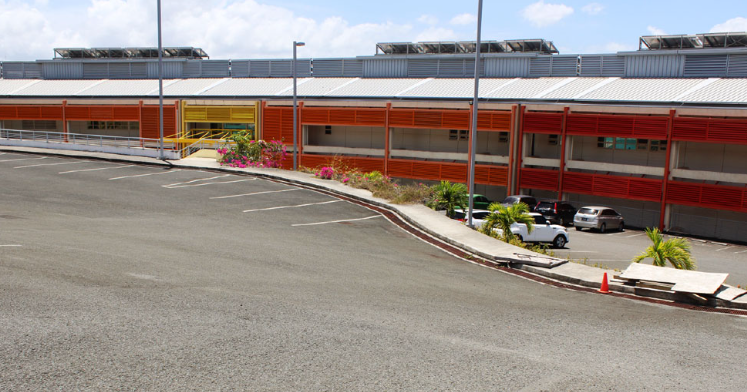
    Saint Lucia implemented comprehensive early voting measures on Friday to guarantee democratic participation for all eligible citizens ahead of Monday’s general election. Electoral Department teams initiated special mobile voting services at major healthcare facilities including OKEU Hospital, Tapion Hospital, and St. Jude Hospital, alongside registered elderly care homes. The operation commenced at 6:30 a.m. and continued through 6:00 p.m., extending voting accessibility to bedridden patients and guardians of children in pediatric wards.

    Election officials specified that qualification for this special voting process required individuals to be both mentally competent and confined to bed since before December 1. The Electoral Department attributed the successful implementation to extensive preliminary preparations and collaborative efforts with facility administrators, reporting minimal operational challenges.

    Concurrently, members of essential services including police, fire, and correctional officers commenced their voting process on Friday morning. Designated polling stations were established at strategic locations: Gros Islet Fire Station in the North, Police Training School in Castries, Vieux Fort Divisional Headquarters, and Soufriere Fire Station.

    Voting patterns varied across locations, with Soufriere experiencing initially sluggish turnout that gradually intensified toward midday. Despite most officers maintaining discretion regarding their electoral choices, external observations confirmed the process remained orderly throughout. All participants from both voting groups were mandated to present valid identification documents such as passports, National IDs, or driver’s licenses to exercise their franchise.