分类: politics

  • Belizeans “Own BTL,” Espat Calls for Consultation

    Belizeans “Own BTL,” Espat Calls for Consultation

    BELIZE CITY – In a striking divergence from his party’s stance, Infrastructure Development and Housing Minister Julius Espat has forcefully advocated for comprehensive national consultations regarding Belize Telemedia Limited (BTL), asserting that Belizeans constitute the genuine owners of the telecommunications giant despite its corporate structure.

    Espat challenged the prevailing argument that BTL’s status as a privately operated entity negates the necessity for public consultation, emphasizing that majority government ownership inherently makes Belizeans stakeholders deserving of meaningful input. The minister articulated his position during a recent press engagement, highlighting fundamental concerns about monopoly control and consumer protection.

    ‘Consultation is never sufficient in these matters,’ Espat stated. ‘There exists a significant misconception that privately-publicly owned companies are exempt from consulting the Belizean people. This perspective is fundamentally flawed – either we own this enterprise or we do not. Since we indeed own it, management must seek our perspectives before making consequential decisions.’

    The minister revealed that Cabinet’s reluctance to establish a definitive position stemmed from awaiting completion of comprehensive consultations, including media input. He specifically noted concerns about how monopoly control could adversely affect media organizations and broader consumer interests.

    Espat further elaborated on competition principles: ‘From my earliest understanding, I have believed in competitive markets. The very existence of multiple telecommunications companies exemplifies this principle. While any commercial entity naturally desires monopoly control – whether Channel 7, Channel 5, or Plus TV – such arrangements rarely serve consumer interests optimally.’

    Regarding Prime Minister John Briceño’s potential conflict of interest concerning BTL matters, Espat confirmed the Cabinet collectively determined recusal was unnecessary despite the Premier’s offer to step aside during deliberations. ‘It was a Cabinet decision,’ Espat noted, ‘and I respect all perspectives presented, though the majority concluded recusal was not required.’

  • Julius Espat Says BTL Merger Could Help or Hurt PUP

    Julius Espat Says BTL Merger Could Help or Hurt PUP

    Infrastructure Minister Julius Espat has openly acknowledged the significant political implications surrounding the proposed merger between Belize Telemedia Limited (BTL) and Speednet, indicating the outcome could either strengthen or severely damage the ruling People’s United Party’s standing. In recent statements, Minister Espat emphasized that the government’s approach to this major national issue hinges on one critical factor: conducting thorough and meaningful public consultations before reaching any final decision.

    Espat, who serves as Minister of Infrastructure Development and Housing, revealed the complexity of the cabinet deliberations while maintaining confidentiality regarding specific discussions. ‘We have our opinions in Cabinet that we share quite frankly,’ Espat stated, ‘but those are Cabinet discussions and decisions under our laws that we should not be speaking publicly about.’

    The Minister acknowledged significant opposition to the merger concept while noting that BTL leadership remains strongly convinced of its benefits. Drawing parallels to architectural design that requires proper ventilation, Espat stressed the need for transparent dialogue to address public concerns. ‘If you have a concern, let us have more consultation, let us sit with the people and convince them,’ he advocated.

    Espat highlighted the political dimension, noting that politicians succeed by demonstrating leadership through genuine public engagement. ‘Politically we could come out of this in a positive or negative light,’ he cautioned. ‘It is how you convince people. How does a politician win? By putting in the work and convincing people his leadership and ideas are positive.’

    The Minister concluded that the ultimate outcome—both politically and nationally—will depend on whether government leaders adequately consult with the public and honestly address the concerns being raised about the telecommunications merger.

  • FLASH : TPS revocation blocked by the courts, Trump will appeal to the Supreme Court

    FLASH : TPS revocation blocked by the courts, Trump will appeal to the Supreme Court

    In a significant legal development on February 2nd, 2026, Federal Judge Ana C. Reyes issued a temporary stay halting the Trump administration’s attempt to terminate Temporary Protected Status (TPS) for over 350,000 Haitian nationals residing in the United States. The ruling represents a major setback for immigration officials seeking to end humanitarian protections granted following Haiti’s devastating 2010 earthquake.

    The judicial intervention stems from a class-action lawsuit filed by Haitian immigrants who contended that forced repatriation would expose them to extreme danger. Haiti currently faces a severe humanitarian crisis characterized by widespread gang violence, kidnappings, and limited government control over vast territories, conditions that prompted the United Nations to declare a state of emergency.

    In her comprehensive 87-page opinion, Judge Reyes—appointed by former President Joe Biden—determined that Homeland Security Secretary Kristi Noem violated constitutional due process guarantees and equal protection principles under the Fifth Amendment. The ruling notably suggested that Secretary Noem’s decision appeared “substantially likely” motivated by “hostility to nonwhite immigrants,” indicating potential racial bias in the termination process.

    Legal representatives from Bryan Cave Leighton Paisner, the firm advocating for the plaintiffs, hailed the decision as recognizing “the grave risks Haitian TPS holders would face if forced to return” while allowing them to “continue their lives, contributing to their communities, and supporting their families” as originally intended by congressional legislation.

    The Department of Homeland Security immediately signaled its intention to escalate the matter to the nation’s highest judicial authority. Tricia McLaughlin, DHS spokesperson, declared: “Supreme Court, here we come,” characterizing the ruling as “illegal activism for which we will be vindicated.” This stance aligns with previous administration actions regarding Venezuelan TPS beneficiaries, where the Supreme Court permitted status termination during appellate review.

    The temporary reprieve offers uncertain protection for Haitian immigrants, as precedent suggests the Supreme Court may ultimately allow the administration to proceed with TPS termination while legal challenges continue through the judicial system.

  • ComPol Denies Blocking UDP Protest Permit

    ComPol Denies Blocking UDP Protest Permit

    BELIZE CITY – Police Commissioner Dr. Richard Rosado has formally addressed mounting speculation regarding protest permits and police preparedness following recent demonstrations in Belize. The Commissioner explicitly denied allegations that the police department rejected the United Democratic Party’s application to protest outside the National Assembly Building.

    In an official statement delivered on February 2, 2026, Commissioner Rosado clarified the procedural details: ‘I was briefed that an application to protest was received on Friday afternoon. The application did not state the date. The commanding officer then informed the person who brought the application that a date needs to be stated.’

    The Commissioner explained that after consultation with party leadership, the applicant subsequently submitted a properly documented application for Wednesday, which received official approval. ‘Otherwise it is totally untrue,’ Rosado emphasized regarding claims of permit denial.

    Addressing concerns about police readiness following last week’s demonstration outside BTL headquarters, where officers appeared outnumbered, Rosado outlined the department’s calibrated response strategy: ‘We have a protocol in place for public order demonstrations. For us to escalate, certain things should have happened to warrant moving to the next stage.’

    The Commissioner reaffirmed the department’s commitment to balancing protest rights with public safety: ‘The Police department does recognize the right of individuals or groups to protest, but they must do so within the context of the law.’ Regarding last week’s event, Rosado noted that while the situation escalated, it remained ‘at a manageable level that uniform personnel could manage.’

    The clarification comes amid heightened political tensions and increased public scrutiny of protest management procedures in Belize.

  • Projecten tot  US$ 150.000 mogelijk voor Surinaamse landbouwers

    Projecten tot US$ 150.000 mogelijk voor Surinaamse landbouwers

    Suriname’s agricultural sector is set to receive significant support through a new cooperation agreement with Turkey’s official development agency. During a high-level meeting between Suriname’s Minister of Agriculture, Livestock and Fisheries Mike Noersalim and Turkish Ambassador Ayse Selcan Sanli, both parties established a framework for agricultural development projects worth approximately $150,000.

    The Turkish Cooperation and Coordination Agency (TIKA), operating under Turkey’s Ministry of Culture and Tourism, will facilitate the initiative. The partnership will prioritize specific sectors identified by Suriname, including cassava, highland rice, and banana production. Both officials acknowledged Suriname’s logistical challenges but reaffirmed their commitment to strengthening the country’s agricultural infrastructure.

    Minister Noersalim proposed implementing projects in collaboration with TIKA and an experienced regional development partner, citing Peru and Colombia as potential candidates. TIKA confirmed its role as a bridge builder, connecting Surinamese institutions with Turkish and international knowledge centers through their agricultural experts.

    The development program focuses on capacity building through specialized training programs for both technicians and farmers, emphasizing climate resilience, food security, and value addition to raw products. Global examples of TIKA’s projects include greenhouse construction (as implemented in Montenegro), agricultural production support, and administrative unit development. The agency also provides direct assistance to vulnerable communities, including indigenous groups and women’s cooperatives, through equipment donations for processing products such as blackberries into juice or jam.

    The application process requires Suriname to take initiative by submitting priority projects to TIKA for feasibility assessment before presentation to headquarters. Approved projects will receive support through in-kind donations of equipment and machinery, requiring detailed specifications and need justifications.

    Minister Noersalim highlighted critical shortages in specialized personnel, particularly veterinary assistants, and emphasized the need for accelerated vocational training. Agro-processing stimulation remains a high priority to add value to local products like tropical fruits. Specific focus areas include mango, banana, cassava, and highland rice, alongside revitalizing traditional crops including cocoa, coffee, citrus, pineapple, and passion fruit.

    The agreement concludes with LVV appointing a focal point to formalize one or two concrete project proposals according to TIKA procedures. Technical online discussions will follow, with plans to organize a joint working group meeting to advance the partnership.

  • WIN, APNU, PPPC govt clash on amount of oil money in budget, cost of living

    WIN, APNU, PPPC govt clash on amount of oil money in budget, cost of living

    Guyana’s National Assembly witnessed a fierce political confrontation on Monday as the opposition We Invest in Nationhood (WIN) and A Partnership for National Unity (APNU) clashed with the ruling People’s Progressive Party Civic (PPPC) government over the allocation of oil revenues in the record GYD$1.558 trillion 2026 national budget and its perceived failure to address escalating living costs.

    In his inaugural parliamentary address, WIN frontbencher Dr. Andre Lewis launched a comprehensive critique of the budget framework, arguing that it disproportionately relies on volatile oil earnings without establishing contingency plans for potential revenue shortfalls. “The budget depends heavily on oil revenues at a time when global oil prices are uncertain and projected to decline,” Lewis stated, emphasizing the absence of clear fiscal safeguards should petroleum income diminish unexpectedly.

    The opposition leader further challenged the government’s characterization of the spending plan as “People-Centred,” noting persistent challenges including inflated food prices, unregulated transportation costs, and inadequate housing availability. Lewis contended that coastal, riverain, rural, and mining communities continue experiencing stark disparities in service delivery, infrastructure quality, and economic opportunity despite the budget’s comprehensive scope.

    Public Works Minister Juan Edghill offered a robust defense of the government’s fiscal strategy, clarifying that only GY$495 billion—approximately 31.8% of the total budget—derives from petroleum revenues. “That’s the total amount of oil money that is financing this budget,” Edghill asserted, directly countering opposition claims of excessive hydrocarbon dependency.

    The minister characterized the budget as a “social contract of inclusion” deliberately designed to channel resources toward working families, small enterprises, agricultural producers, public servants, and marginalized communities. Edghill highlighted substantial allocations including GY$183 billion for education, GY$161 billion for healthcare, GY$113.2 billion for agricultural and food security initiatives, and GY$196.1 billion for transformational transport infrastructure.

    APNU representative Vinceroy Jordan joined the critique, dismissing the government’s proposed GY$5,000 pension increase and GY$3,000 public assistance boost as insufficient measures that fail to genuinely prioritize citizen welfare. Jordan advocated for a 35% salary increase for public servants—suggesting 25% as a minimum acceptable compromise—and emphasized that substantial agricultural investment represents the most viable pathway to reduce food prices and enhance national food security.

    Minister Edghill concluded by underscoring the government’s comprehensive infrastructure investments in drainage systems, road networks, bridges, ferry services, and airstrips, arguing that these developments indirectly reduce living costs by improving transportation efficiency and market accessibility, particularly in remote regions.

  • Panton: Constituency Funds Should Match “Greatest Need”, Not Voter Numbers

    Panton: Constituency Funds Should Match “Greatest Need”, Not Voter Numbers

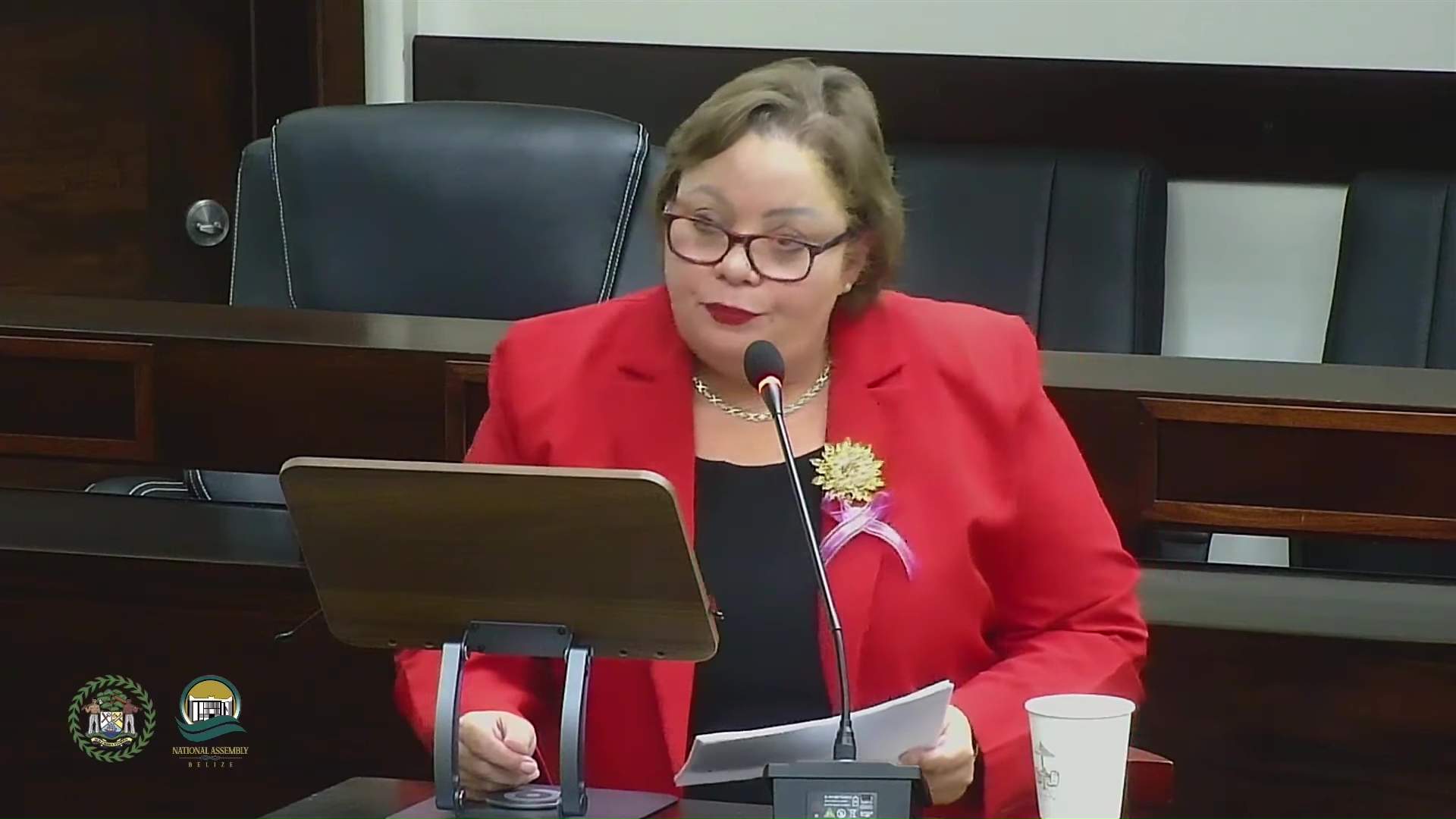
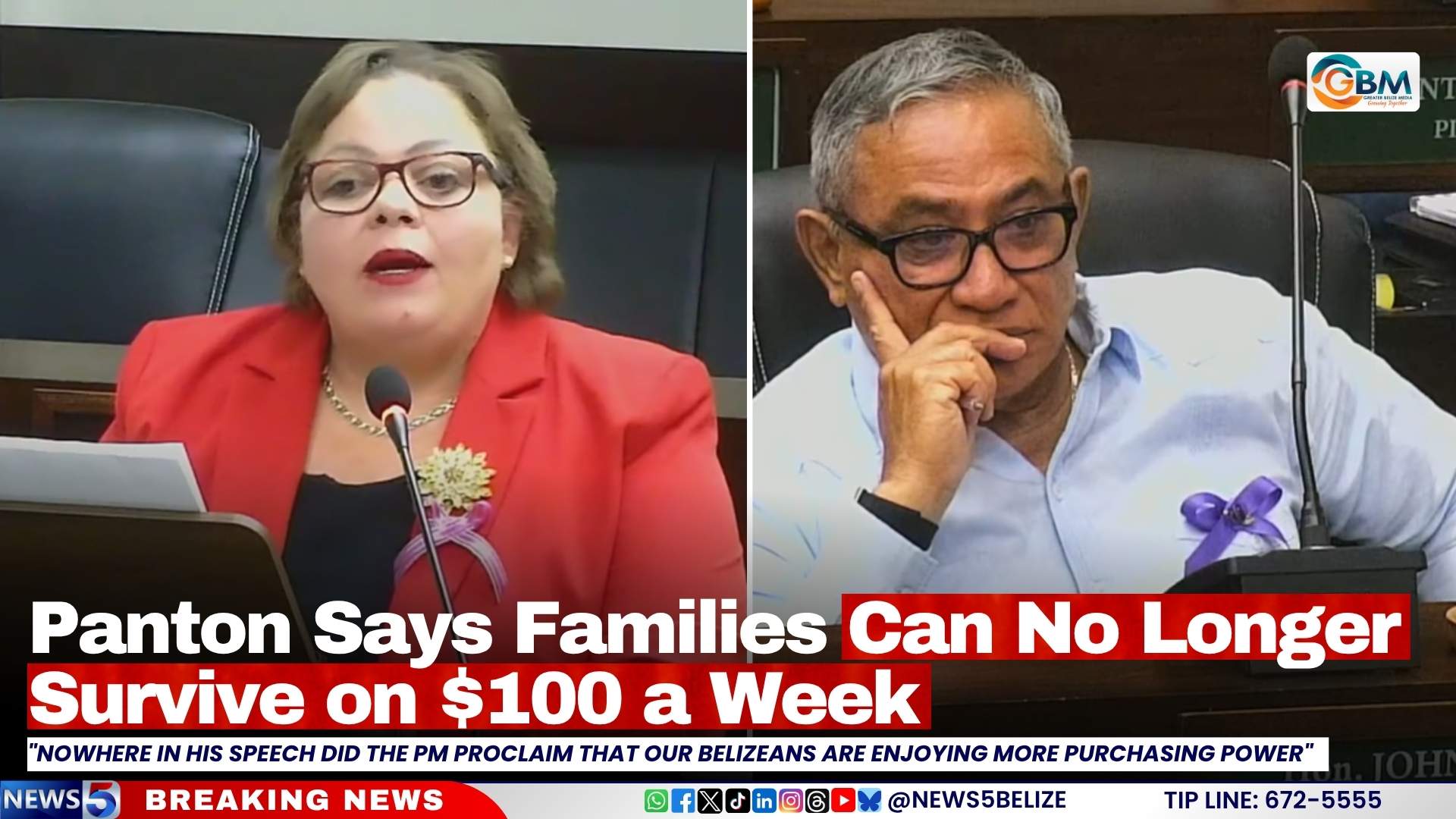
    In a recent television appearance, Belize’s Opposition Leader Tracy Panton launched a substantive critique against the current methodology for distributing Constituency Development Funds (CDF), advocating for a needs-based allocation system rather than the existing voter-based formula.

    During her interview on ‘Open Your Eyes,’ Panton explicitly rejected Prime Minister John Briceño’s premise that CDF should be proportionate to voter registration numbers within constituencies. She articulated an alternative philosophy for resource distribution: “The fundamental justification should be based on where the greatest need exists—that’s where you should concentrate the greatest resources.”

    The controversy gained quantitative substance through Freedom of Information Act disclosures obtained by Jerry Enriquez, revealing that Panton’s Albert constituency receives $10,000 monthly—approximately $3 per registered voter. Panton characterized this disproportionate allocation as “crazy,” particularly when contrasted with the Stann Creek West constituency, which despite being the nation’s most populous, receives only $20,000 monthly ($1.82 per voter).

    Panton detailed her constituency’s responsible utilization of these funds, emphasizing investments in healthcare services, educational support, housing repairs, funeral assistance, and community infrastructure projects including restoration work at the Anglican Cathedral Church. “We maintain complete financial accountability,” she noted. “We’re mandated to submit detailed monthly expenditure reports to the Ministry of Finance.”

    The Opposition Leader framed the allocation disparity within broader concerns about governmental priorities, expressing particular frustration about healthcare accessibility. “We’re debating marginal differences in per-voter funding while our citizens cannot access primary healthcare,” she stated, referencing the $50 million National Health Insurance program investment alongside troubling infant mortality rates at the Karl Heusner Memorial Hospital.

    Panton’s critique expanded to encompass overall governance priorities, emphasizing the government’s fundamental obligation to deliver services to taxpayers. She issued a compelling call to action for Belizean citizens to advocate for electoral redistricting, asserting that current practices demonstrate the government’s “zero regard for the well-being of its citizens” and result in systematic underservice of the population.

  • Fernandez wint presidentschap Costa Rica, partij boekt ruime parlementaire meerderheid

    Fernandez wint presidentschap Costa Rica, partij boekt ruime parlementaire meerderheid

    In a sweeping electoral triumph, right-wing populist candidate Laura Fernandez has secured Costa Rica’s presidency with a commanding lead, capturing nearly 45% of votes with 88% of ballots counted. The protégé of incumbent President Rodrigo Chaves has successfully avoided a runoff election while her Sovereign People’s Party (PPSO) is projected to secure 30 out of 57 parliamentary seats—a substantial legislative gain that promises significant governance advantages.

    Addressing supporters in San José, Fernandez declared the dawn of a new political era, proclaiming the end of Costa Rica’s ‘second republic’ and the beginning of a ‘third republic.’ She committed to continuing President Chaves’ hardline security policies and populist agenda, despite constitutional prohibitions on immediate presidential reelection. Fernandez indicated she would incorporate Chaves into her administration in an unspecified capacity.

    Her primary opponent, centrist politician Álvaro Ramos, conceded after securing approximately one-third of votes, pledging conditional support while maintaining critical oversight. Progressive candidate Claudia Dobles trailed significantly with less than 5% voter support.

    The election occurred against a backdrop of escalating security concerns, with murder rates reaching record highs during Chaves’ presidency. Despite this, Chaves maintained remarkable 58% approval ratings, with many citizens citing security and public health as paramount concerns.

    Fernandez’s victory aligns with a broader regional trend of right-wing populist ascendancy across Latin America, mirroring recent electoral successes in Chile, Ecuador, and Honduras. Political analysts attribute her triumph largely to potent security rhetoric that resonated with voters’ safety concerns.

    Since her election, Fernandez has prioritized strengthening security forces and combating corruption—key campaign pledges. Her administration has announced plans for enhanced legislation against organized crime and investments in modern policing technology.

    The international community has responded with mixed reactions: some nations welcome the outcome as potential stabilization, while others express concerns about possible civil rights restrictions and democratic erosion given Fernandez’s populist approach and association with Chaves’ controversial repressive measures.

    Significant economic challenges persist, with inflation and unemployment remaining pressing issues. While Fernandez has committed to fostering economic growth and job creation, specific policy details remain undefined, leaving economic stakeholders awaiting concrete implementation plans.

  • Ali downplays impact of CARICOM’s differences

    Ali downplays impact of CARICOM’s differences

    In a significant address to Belize’s National Assembly on Monday, Guyana’s President Irfaan Ali reframed internal disagreements within the Caribbean Community (CARICOM) not as a weakness, but as a fundamental strength of the 15-member regional bloc. Speaking during a three-day state visit, President Ali articulated a vision where divergent perspectives are essential for robust decision-making, directly addressing recent tensions among member states.

    The President’s remarks arrive amidst a backdrop of visible policy splits, particularly concerning regional security. He implicitly referenced the recent positions of Guyana and Trinidad & Tobago, which endorsed United States-led actions against narco-terrorism in the Caribbean Sea. This stance contrasted with the traditional regional aspiration of maintaining a ‘zone of peace,’ a concept recently questioned by Trinidadian Prime Minister Kamla Persad-Bissessar, who had previously labeled CARICOM as ‘not a reliable partner.’

    Emphasizing CARICOM’s five-decade resilience, Dr. Ali called for a renewed commitment to strengthen the community. ‘It is now incumbent upon us to make the community stronger, more responsive, and better equipped to serve both the collective and national interests of our peoples,’ he stated, underscoring the necessity for the bloc to adapt to a complex global landscape.

    To illustrate the benefits of regional cooperation, President Ali pointed to the recently concluded partnership between the European Union and MERCOSUR (the Southern Common Market). He presented this inter-regional agreement as a model, demonstrating how such collaborations can expand market access, bolster economic resilience, and amplify the influence of participating states in response to global uncertainties. His visit to Belize culminated in the signing of several bilateral agreements focused on tourism, technology, education, and agricultural cooperation.

  • Belize PM calls for talks to prevent Cuban humanitarian crisis

    Belize PM calls for talks to prevent Cuban humanitarian crisis

    Belizean Prime Minister John Briceño has issued a compelling appeal for immediate diplomatic dialogue to prevent an impending humanitarian crisis in Cuba, where critical petroleum supplies are rapidly diminishing. The Prime Minister’s declaration came during a joint session of Belize’s National Assembly, convened in honor of Guyanese President Irfaan Ali’s state visit.

    Briceño emphasized the urgent need for good faith negotiations to forestall a manufactured humanitarian disaster, stating such an outcome would be neither moral nor lawful. He reaffirmed Belize’s unwavering solidarity with the Cuban people during this period of escalating energy insecurity.

    The current fuel shortage traces its origins to recent geopolitical developments involving Venezuela. The capture and extradition of Venezuelan President Nicolás Maduro and his wife by United States military forces has disrupted oil shipments to Cuba, creating a precarious supply situation. Maduro faces trial in New York on charges related to drug trafficking and weapons possession.

    In contrast to the growing pressure from Washington to isolate Cuba, Mexican President Claudia Sheinbaum has announced her government’s intention to dispatch humanitarian assistance to the island nation this week.

    Meanwhile, Guyana’s position appears increasingly complex. Despite historical benefits from thousands of Cuban scholarships and healthcare personnel, the South American nation has recently strengthened ties with the United States. This strategic realignment includes moves to terminate the Cuban medical brigade program, responding to US concerns that such agreements potentially facilitate human trafficking. Guyana’s foreign policy shift occurs amid ongoing territorial disputes with Venezuela over the Essequibo Region and adjacent Atlantic waters.