分类: politics

  • OPINION:  Politics is not a one man show

    OPINION:  Politics is not a one man show

    In contemporary political discourse, a paradigm shift is occurring that challenges the traditional conception of leadership as a solitary endeavor. Political analysts and governance experts increasingly emphasize that effective governance represents a multifaceted collaborative process rather than a singular performance.

    The architecture of modern governance necessitates intricate systems of checks and balances, diverse expertise, and institutional frameworks that extend far beyond individual capability. Democratic systems particularly rely on distributed power structures, legislative collaboration, judicial oversight, and active civic participation to function optimally.

    Historical evidence demonstrates that nations thriving under collective leadership models consistently outperform those dependent on centralized authority. The complex challenges of globalization, technological disruption, and transnational issues require multidisciplinary approaches that no single individual can comprehensively address.

    Contemporary political theory increasingly recognizes that sustainable governance emerges from institutional strength rather than charismatic authority. This perspective acknowledges that while leadership remains crucial, it operates within ecosystems of expertise, accountability mechanisms, and participatory democracy.

    The most resilient governments worldwide share common characteristics: robust civil services, independent judiciaries, free press institutions, and engaged electorates. These components create governance networks that withstand individual shortcomings and ensure continuity beyond political cycles.

    This evolving understanding has significant implications for political education, voter expectations, and leadership development. It suggests that cultivating effective governance requires investing in institutions, promoting collaborative skills, and valuing diverse perspectives within decision-making processes.

  • Questions about some portfolios as 17-member Cabinet sworn in

    Questions about some portfolios as 17-member Cabinet sworn in

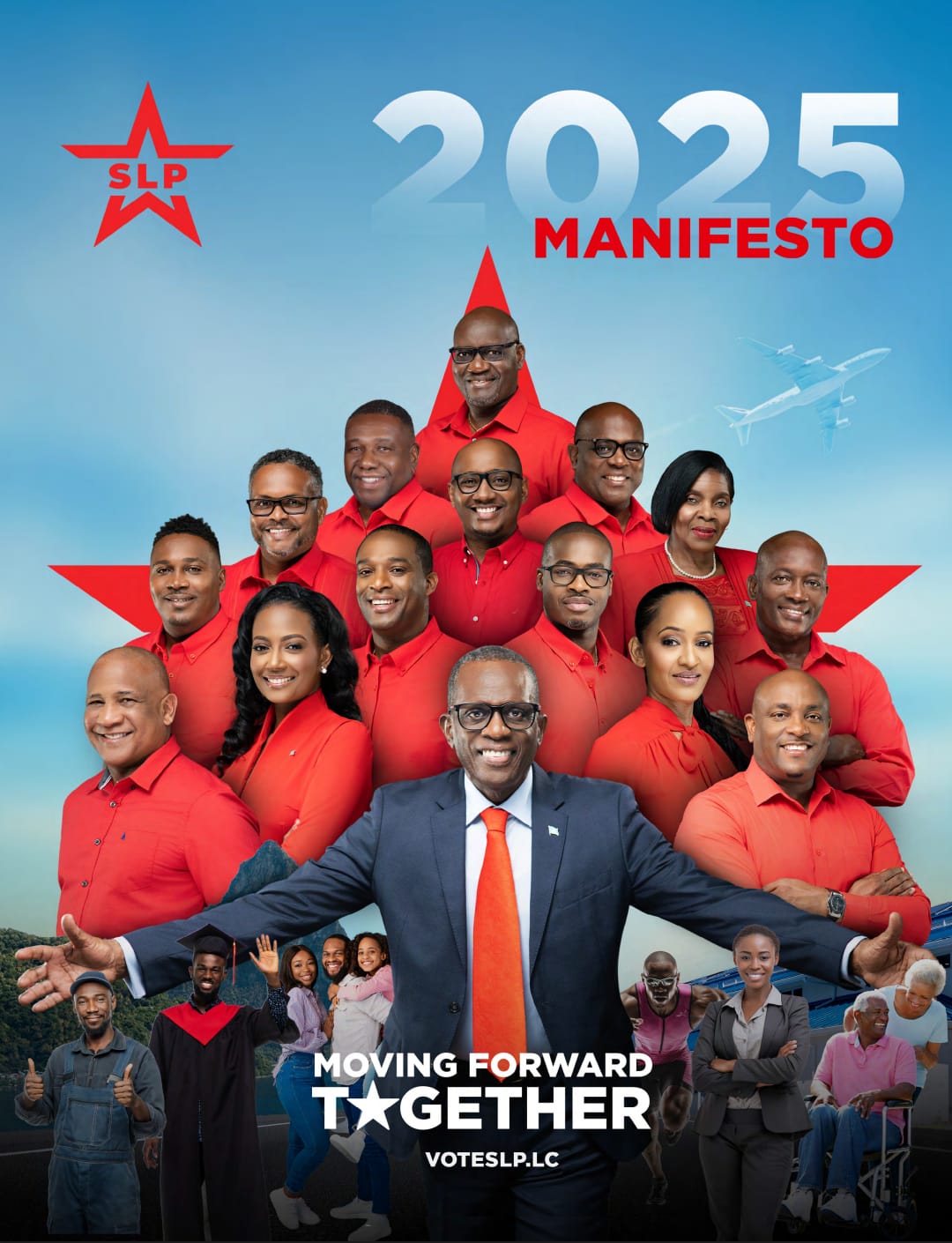
    St. Vincent and the Grenadines witnessed the inauguration of a new 17-member cabinet on Tuesday, marking the commencement of Prime Minister Godwin Friday’s administration following his New Democratic Party’s decisive 14-1 electoral victory on November 27. The swearing-in ceremony occurred strategically one day before the NDP’s 50th anniversary, symbolizing the party’s return to power after extensive periods in opposition.

    Prime Minister Friday, 66, assumes multiple critical portfolios including Finance, Legal Affairs & Justice, Economic Planning, and Private Sector Development. The cabinet features several notable appointments: Attorney General Sarah Louise Mitchell, daughter of NDP founder Sir James Mitchell, despite her previous unsuccessful parliamentary bid; Deputy Prime Minister Major St. Clair Leacock, 73, overseeing National Security and Immigration; and Daniel Cummings leading Health & Wellness and Energy after shadowing these areas for over a decade.

    The administration maintained the educational ministry separation implemented by the previous Unity Labour Party government, which governed for 25 years before its recent defeat. However, this continuation has sparked scrutiny regarding portfolio distribution. Observers noted the absence of dedicated ministries for information, ecclesiastical affairs, and questioned the placement of civil aviation, consumer affairs, and public service responsibilities.

    Notably, the education sector now involves three ministers: Phillip Jackson as primary minister, Senator Lavern King as junior minister for Education, Vocational Training, Innovation and Digital Transformation, and Terrance Olliverre handling Higher Education alongside Grenadines Affairs, Local Government, Airports and Seaports. This structure prompted former education minister Curtis King to publicly critique the arrangement on social media, generating mixed reactions from support to mockery.

    The complete cabinet includes ministers responsible for Foreign Affairs, Agriculture, Social Welfare, Gender Affairs, Housing, Youth and Sports, Fisheries, Tourism, and a Minister of State in the Prime Minister’s Office, forming a comprehensive governance team for the nation’s next five-year term.

  • Eye On The Economy: Beyond the Throne Speech, Prospects

    Eye On The Economy: Beyond the Throne Speech, Prospects

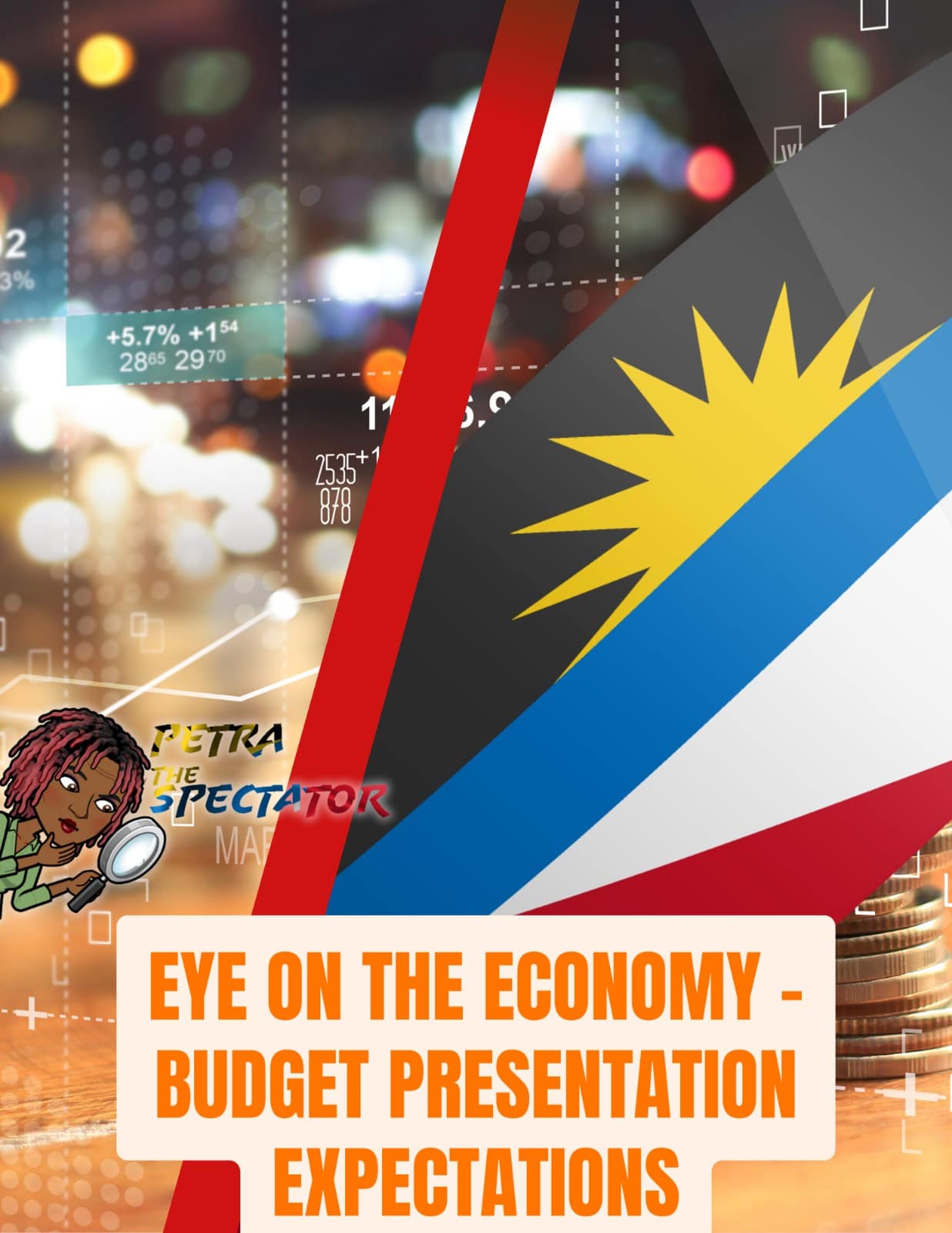
    As Antigua and Barbuda transitions from ceremonial vision to practical implementation, all eyes are on the forthcoming 2026 Budget Presentation to determine how the government’s ambitious Throne Speech declarations will materialize into actionable reality.

    In the Westminster parliamentary tradition, the Throne Speech establishes the government’s strategic direction through broad policy pillars and national aspirations, while the Budget Speech serves as the operational blueprint detailing financial allocations, implementation timelines, and concrete mechanisms for execution. This year’s Throne Speech notably departed from previous versions by adopting a more focused approach centered on longstanding priorities: water and road infrastructure enhancement, LIAT revitalization, institutional reform acceleration, Barbuda’s development, and UWI Five Islands Campus expansion.

    The critical challenge now lies in bridging the gap between political vision and practical delivery. The 2026 Budget must provide transparent answers regarding inflationary management strategies, revenue base strengthening measures, and specific timelines for infrastructure projects. Public skepticism remains high regarding the EC$100 million road bond announced in February 2025, particularly following legislative amendments that increased vehicle registration fees without clear communication about fund utilization.

    Infrastructure demands immediate attention, with water reliability concerns persisting despite recent desalination improvements. The Budget must outline sustained investment in production, storage, and distribution systems with clear performance indicators. Similarly, road rehabilitation progress has lagged behind public expectations, requiring urgent clarification on project sequencing and funding allocation.

    Institutional reform represents perhaps the most significant test of governmental capacity. Years of personnel reshuffling in Customs, Inland Revenue, and Immigration departments have failed to produce meaningful systemic change. The Budget must demonstrate serious commitment to modernization through dedicated investment in compliance tools and professional reform units capable of executing the Cabinet’s long-promised transformation agenda.

    Digital government initiatives require measurable advancement beyond rhetorical promises. Citizens expect concrete, incremental progress toward improved service delivery, efficiency, and accessibility rather than repeated platitudes about digital transformation.

    Aviation sector development carries substantial economic implications, particularly regarding the restructured LIAT (LIAT Air). The Budget should clarify financial commitments and outline plans for expanding maintenance, repair, overhaul (MRO) services, crew training, and transit operations. The unresolved matter of severance payments for former LIAT employees also demands resolution.

    Social services face mounting pressure from an aging population experiencing increased life expectancy coupled with higher prevalence of chronic illnesses. Budget 2026 must strengthen safety nets through enhanced elderly care programs, regulated senior care facilities, expanded community health outreach, and improved coordination between social services and public health agencies. Support for vulnerable groups—including low-income families, persons with disabilities, unemployed youth, and single-parent households—requires clear financing mechanisms for existing assistance programs.

    Barbuda’s development continues as a national priority, with expectations for balanced growth that incorporates environmental protection, administrative upgrades, and sustainable tourism alongside infrastructure expansion.

    Positive economic catalysts include CHOGM 2026 hosting, which promises significant activity across hospitality, transport, and retail sectors. Sports tourism driven by CPL, the Antigua & Barbuda Falcons, and expanded WICB headquarters activities continues attracting high-yield visitors and global media exposure.

    Climate resilience must form a central pillar of economic planning despite limited financial resources. Recent hurricane devastation across the region underscores the existential threat of escalating climate risks, necessitating prioritized investment in infrastructure strengthening and early-response capacity.

    The ultimate measure of Budget 2026’s success will be its ability to translate national ambitions into tangible improvements in citizens’ daily lives through credible financing plans, realistic sequencing, and demonstrable institutional capacity. The population awaits evidence of progress rather than repetition of promises.

  • Geen akkoord na vredesgesprek: oorlog in Oekraïne blijft voortduren

    Geen akkoord na vredesgesprek: oorlog in Oekraïne blijft voortduren

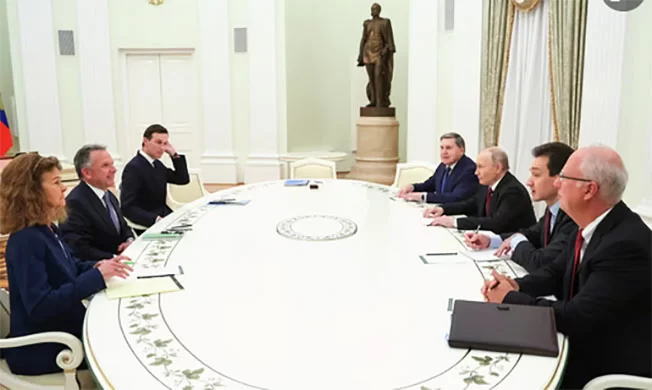
    High-stakes diplomatic negotiations between a high-level American delegation and Russian President Vladimir Putin concluded after five hours of intensive discussions without achieving a breakthrough on ending the conflict in Ukraine. The Kremlin confirmed the lack of substantive progress following the meeting.

    According to Russian officials, while certain American proposals were deemed ‘acceptable,’ critical elements concerning territorial disputes were firmly rejected. The talks centered on a Western-backed peace initiative and security guarantees for Ukraine’s future status.

    The most significant obstacles emerged regarding Ukraine’s potential membership in military alliances and international recognition of Russian-controlled territories. Moscow maintained its unwavering position against making concessions on regions it considers strategically vital.

    Despite diplomats characterizing the discussions as ‘constructive,’ they acknowledged ‘substantial work remains’ before any concrete agreement could materialize. The absence of immediate resolutions highlights the profound complexity of the geopolitical divide.

    Military analysts caution that without resolving these fundamental conflicts—particularly those involving territorial sovereignty and political status—the prospect of sustainable peace remains distant. The ongoing conflict continues unabated despite these diplomatic efforts.

  • Scores of public servants welcome new PM to Administrative Complex

    Scores of public servants welcome new PM to Administrative Complex

    In a ceremonial transition of power, newly elected Prime Minister Godwin Friday received a warm reception from civil servants upon his arrival at the Administrative Complex in Kingstown on Monday. The historic moment marked his inaugural day at the Office of the Prime Minister following his party’s decisive electoral victory.

    Cabinet Secretary Kattian Barnwell-Scott and Permanent Secretary in the Ministry of Foreign Affairs Sandy Peters-Phillips were among the senior officials present to greet the incoming administration. Friday addressed the assembled crowd—comprising media representatives and supporters of his New Democratic Party (NDP)—with a blend of enthusiasm and measured apprehension regarding the magnitude of his new responsibilities.

    “This building represents my first day on the job!” Friday announced to the gathering. “While I approach this role with some trepidation given its immense scope, I am confident that the dedicated staff will enhance my effectiveness from day one. We stand united in our commitment to serve the people.”

    The Prime Minister, who simultaneously secured his sixth parliamentary term representing Northern Grenadines, emphasized the dawn of a new political era for St. Vincent and the Grenadines. His swearing-in ceremony occurred last Friday, merely one day after the NDP’s landslide 14-1 electoral triumph that left former Prime Minister Ralph Gonsalves as the sole Unity Labour Party (ULP) representative retaining parliamentary presence.

    Friday articulated an ambitious governance agenda during his media engagement, pledging immediate action on campaign commitments. These include reducing Value Added Tax from 16% to 13%, implementing bonus salary payments, elevating Public Assistance to EC$500 monthly, and reinstating public sector workers terminated under previous COVID-19 vaccine mandates—all within a 60-day implementation framework.

    The Prime Minister assured public servants of job security, describing them as “the backbone of any administration” while encouraging autonomous decision-making within their mandates. He revealed that Cabinet ministers would receive their official directives during Tuesday’s swearing-in ceremony, with permanent secretaries providing crucial operational support across ministries.

    Friday concluded with a forward-looking statement: “We require collective effort now more than ever. With the public’s overwhelming mandate, my sole preoccupation remains delivering tangible results for the people of St. Vincent and the Grenadines without unnecessary delay.”

  • President affirms Colombia faces threats and calls for unity

    President affirms Colombia faces threats and calls for unity

    During a landmark visit to the conflict-affected municipality of El Tarra in Norte de Santander, Colombian President Gustavo Petro delivered a powerful address from the village of Bracitos while inaugurating new educational facilities. The president issued a stark warning against escalating global violence, specifically referencing alarming statements from world leaders concerning invasions and missile threats.

    President Petro characterized the current international climate as a dangerous departure from diplomacy toward ‘barbarism,’ emphasizing that such paths inevitably lead to destruction. He positioned Colombia as a nation that must demonstrate global leadership in peacebuilding, stating that its people ‘never bow their heads’ or ‘kneel before anyone.’

    The president articulated a vision of Colombia leading humanity toward peaceful coexistence through practical implementation of ‘effective love’ principles—a doctrine originally advanced by revolutionary priest Camilo Torres Restrepo. This philosophy emphasizes tangible acts of solidarity over mere theoretical compassion.

    Petro specifically addressed the long-troubled Catatumbo region, declaring it should become territory belonging to and thriving for working people—both campesinos and urban laborers alike. He confirmed that beginning January 2024, youth from this historically marginalized area will access higher education through newly established technical, technological, and university programs at the El Tarra College-University institution.

  • Visumprocedure moet menselijker, ticketprijzen moeten omlaag

    Visumprocedure moet menselijker, ticketprijzen moeten omlaag

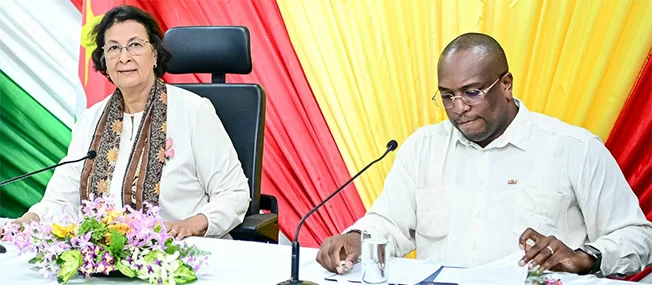
    Surinamese President Jennifer Simons and Foreign Minister Melvin Bouva have declared the resolution of visa restrictions and exorbitant flight tariffs as urgent national priorities in bilateral relations with the Netherlands. The announcement came during a presidential press conference held Wednesday at the Commewijne district commissioner’s office.

    President Simons revealed that the recent Dutch state visit to Suriname highlighted the severe hardships faced by Surinamese citizens navigating the current visa application process. “The prolonged waiting periods, poor physical conditions at application centers, and documentational ambiguity are fundamentally inhumane and require immediate reform,” Simons stated.

    The administration identified two primary pressure points: short-term emergency visas (for medical emergencies, bereavement, or urgent family matters) and regular visa applications. President Simons confirmed that Suriname will formally submit a visa liberalization request to the European Commission—a move that could eventually grant Surinamese citizens visa-free travel to Europe’s Schengen area. The Netherlands has committed to diplomatically supporting this initiative in Brussels.

    Concurrently, both nations are collaborating on procedural improvements including enhanced information dissemination, reduced processing times, and more dignified treatment of applicants.

    Foreign Minister Bouva addressed the parallel issue of escalating airfares on the Paramaribo-Amsterdam route, dominated by KLM Royal Dutch Airlines. He characterized the prices as “prohibitively expensive for most Surinamese citizens” and attributed the problem to insufficient market competition and unfavorable peak-season pricing mechanisms.

    “We are actively negotiating with multiple airlines to break the current market monopoly,” Bouva announced. “Surinamese people deserve affordable connections to maintain family ties and business relationships.”

    President Simons framed these dual challenges as matters of human dignity and national sovereignty: “When visa applications become demeaning and air travel becomes unaffordable, it strikes at the heart of families, impedes cultural exchange, and restricts economic development. We approach these discussions as equals seeking partnership, not dependency, but the freedom of movement for our citizens must be respected.”

    Immediate next steps include:
    – Formal submission of visa liberalization request to European Commission
    – Diplomatic support from Netherlands in Brussels negotiations
    – Market diversification talks with alternative airlines
    – Enhanced guidance for visa applicants regarding documentation requirements
    – Short-term improvements in humane treatment during visa processing

    The government emphasized that resolution of these issues remains critical for maintaining cultural connectivity and economic cooperation between the two nations.

  • Govt ‘to turn derelict buildings into climate-resilient homes’

    Govt ‘to turn derelict buildings into climate-resilient homes’

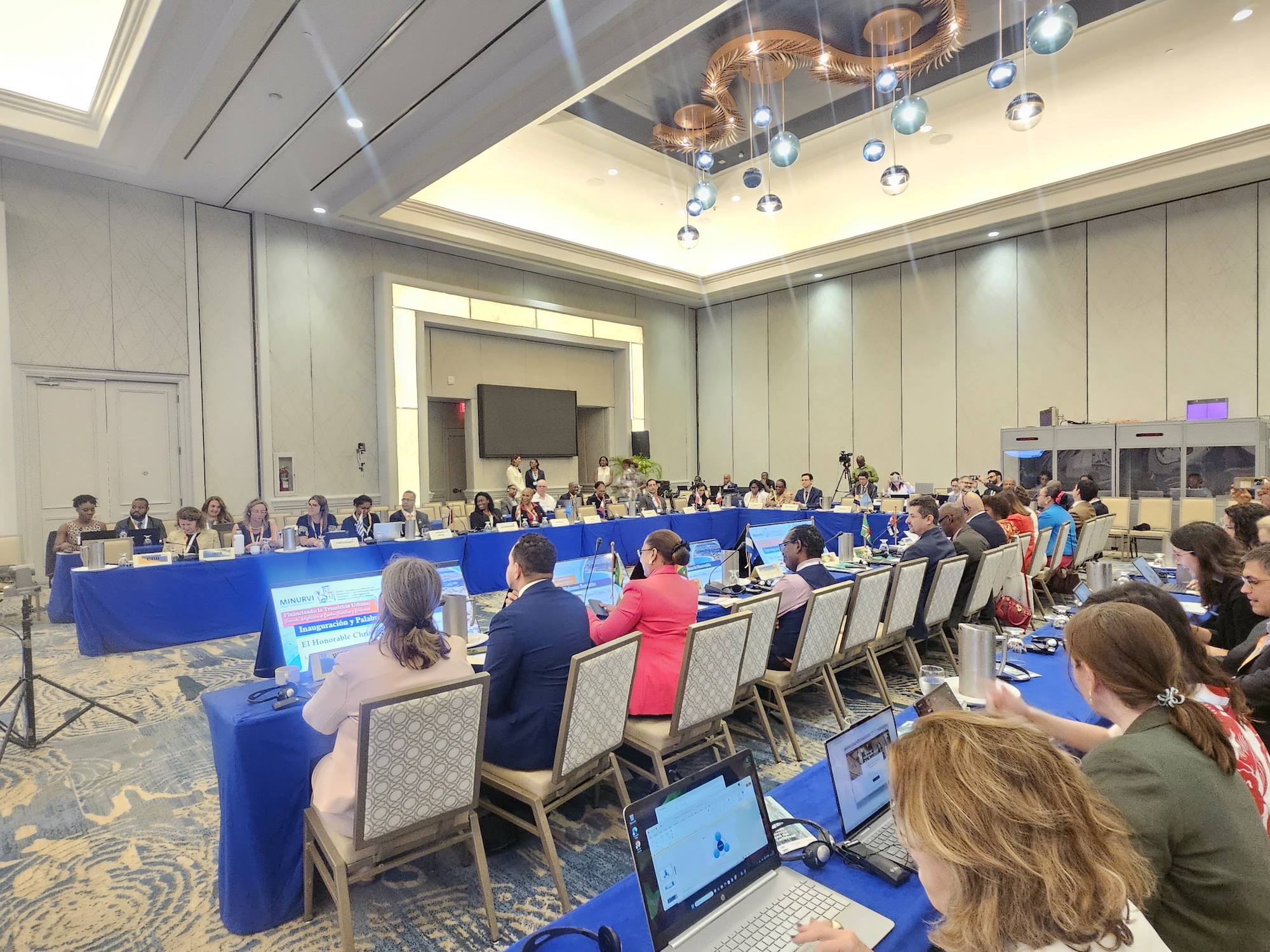
    Barbados is accelerating innovative strategies to transform derelict structures and vacant lands into sustainable housing solutions, positioning urban renewal as a cornerstone of climate adaptation policy. Acting Prime Minister Dr. William Duguid unveiled this initiative while addressing the 34th general assembly of MINURVI, the Forum of Ministers and High-Level Authorities of Housing and Urban Development of Latin America and the Caribbean.

    Dr. Duguid delivered a compelling argument for rethinking urban infrastructure in the era of climate change, stating that existing systems were designed for environmental conditions that no longer exist. “As we build for the future, we must build for the new climate reality,” he emphasized. “This means constructing with greater emphasis on resilience—not just in roads, but in buildings and housing infrastructure as well.”

    The minister connected recent extreme weather events, including Hurricane Melissa’s devastation in Jamaica and Cuba, to the urgent need for adaptive urban planning. He highlighted how strategic reuse of underutilized assets could simultaneously address housing shortages, attract private investment, and create more robust urban environments.

    Barbados’s Ministry of Housing, Lands and Maintenance is already advancing several policies in this direction. In collaboration with the Inter-American Development Bank, officials are conducting technical studies on repurposing vacant lots and abandoned buildings within urban corridors for future housing development.

    Housing Minister Chris Gibbs reinforced the critical timing of these initiatives, noting that climate impacts have become a “global equalizer” leaving all nations operating with heightened vulnerability. He emphasized the alignment between these urban adaptation strategies and recent climate discussions at COP30 in Belém, Brazil.

    The regional significance of these efforts was further underscored by José Manuel Salazar Xirinachs, executive secretary of the UN Economic Commission for Latin America and the Caribbean. In a pre-recorded address, he warned that housing deficiencies across the region leave millions exposed to climate risks while exacerbating existing challenges of inequality and weak governance structures.

  • Legal Firestorm Over Police Transfer Raises Accountability Questions

    Legal Firestorm Over Police Transfer Raises Accountability Questions

    A contentious legal battle has erupted within the Belize Police Department, challenging the legitimacy of a high-ranking official’s administrative authority. Commissioner of Police Dr. Anthony Rosado faces formal judicial scrutiny following allegations of wielding personnel transfers as instruments of retaliation rather than operational necessity.

    The controversy centers on the abrupt reassignment of a Police Constable from a specialized gang intelligence unit to a remote substation in Mahogany Heights. Legal representatives from Myles & Banner have issued a formal demand letter asserting this transfer constitutes unlawful punishment rather than routine administrative procedure. The constable’s relocation reportedly resulted in the loss of critical allowances and potentially derailed his career progression.

    According to court documents, the transfer appears connected to the officer’s disclosure of sensitive information pertaining to the high-profile Joseph Budna kidnapping investigation. The legal challenge cites multiple procedural irregularities, including the November implementation date falling outside standard July-August transfer windows and alleged violation of departmental policies explicitly prohibiting transfers as disciplinary measures.

    Legal precedent establishes that the Commissioner’s transfer authority, while extensive for officers below Inspector rank, must align with principles of fairness and reasonableness. The petition references landmark cases including Troy Bainton v. Commissioner of Police (2023) and Arzu vs. Commissioner of Police (2019), where courts previously intervened in instances of alleged power abuse.

    The constable’s attorneys contend their client had secured a performance-based agreement for promotion to Inspector, making the transfer particularly damaging to his professional trajectory. They characterize the reassignment as an act of bad faith intended to isolate and intimidate an officer for fulfilling his duties.

    Unless the decision is reversed by Friday, judicial review and injunction proceedings will commence, potentially establishing new boundaries for administrative authority within Belize’s law enforcement hierarchy. This case raises fundamental questions about accountability mechanisms, transparency in policing operations, and the permissible exercise of institutional power.

  • Belize Police Department Rethinks Crime-Fighting in a Digital Age

    Belize Police Department Rethinks Crime-Fighting in a Digital Age

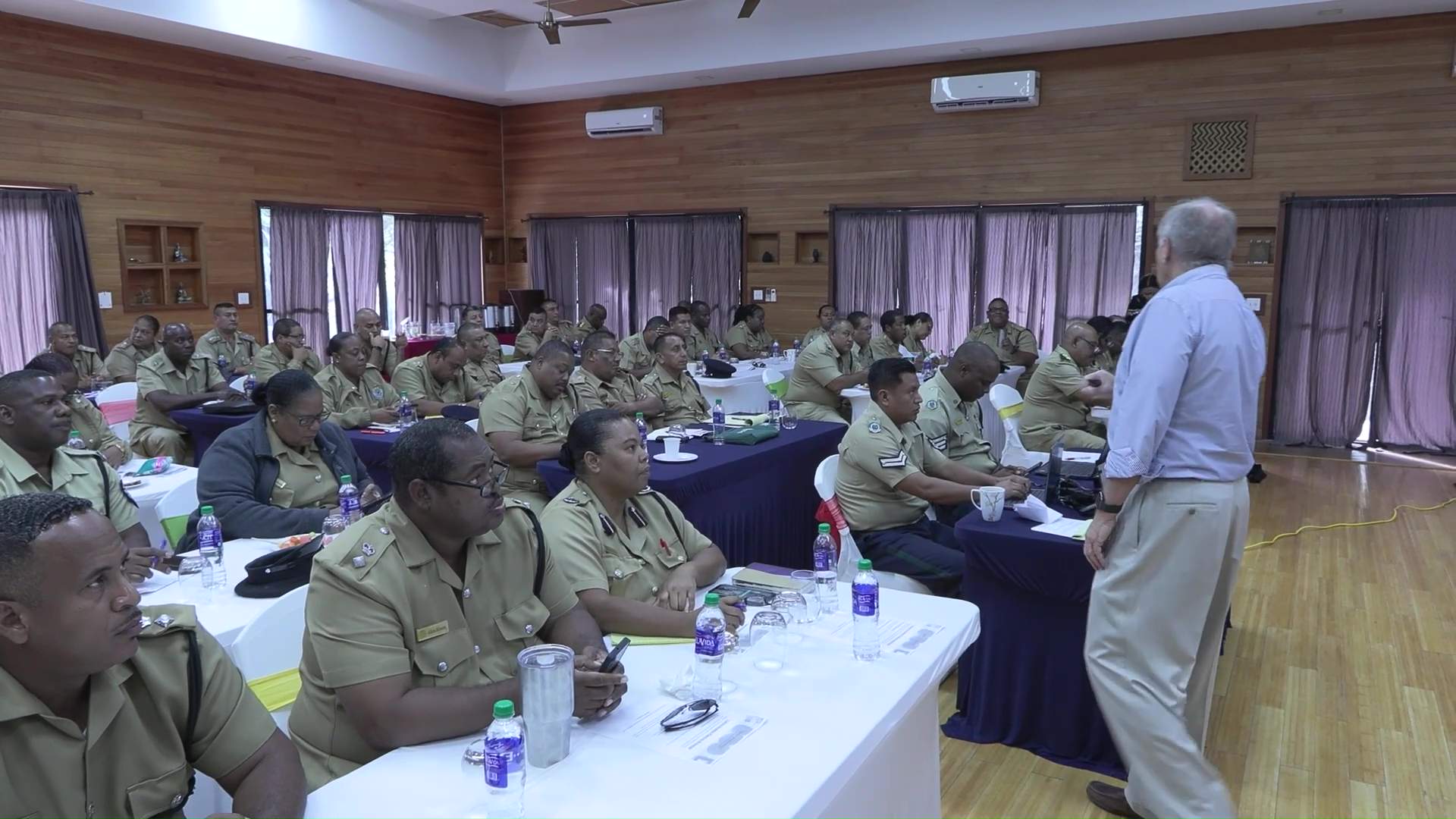
    Facing an unprecedented transformation in criminal activity, the Belize Police Department has initiated a comprehensive strategic planning workshop to address the complexities of modern law enforcement. Deputy Commissioner Bart Jones emphasized that this initiative represents a critical juncture for the department’s institutional development and operational modernization.

    The policing landscape has undergone radical changes with the emergence of borderless cybercrime and sophisticated transnational criminal networks. Commissioner Jones highlighted how criminal operations have increasingly migrated to digital platforms and social media, creating challenges that traditional policing methods are ill-equipped to handle simultaneously with rising public expectations for security and service.

    This strategic workshop serves as a platform for departmental leadership to evaluate emerging threats, reassess response protocols, and develop forward-looking strategies. The sessions focus on aligning operational tactics with the department’s core mission while incorporating technological adaptation and coordinated response mechanisms.

    Commissioner Jones framed the initiative as essential for organizational survival rather than mere administrative procedure. ‘Strategic planning transcends managerial exercise—it represents our toolkit for maintaining effectiveness and leadership within an increasingly complex security environment,’ he stated during the proceedings.

    The department’s commitment extends beyond tactical adjustments to encompass broader principles of integrity, professional competence, and purposeful vision in serving the Belizean public amid rapidly evolving criminal methodologies and societal expectations.