分类: politics

  • Sheinbaum leads event marking seven years of transformation in Mexico

    Sheinbaum leads event marking seven years of transformation in Mexico

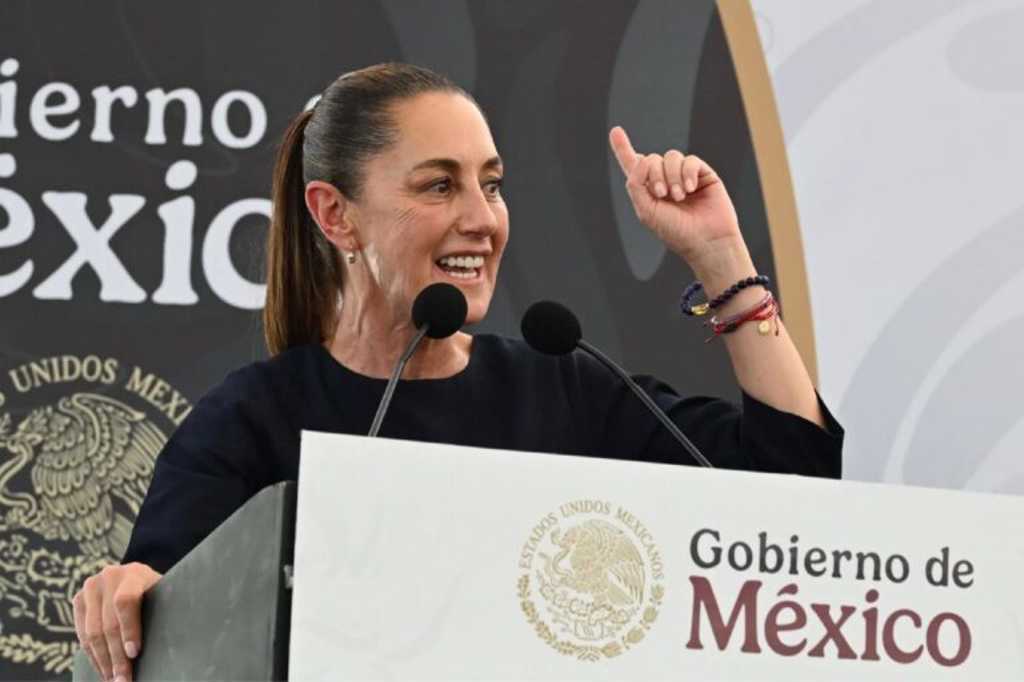
    President Claudia Sheinbaum has articulated a robust defense of Mexico’s ongoing Fourth Transformation movement during a pivotal address in Mexico City’s Zócalo Square. The speech, delivered to supporters at 11:00 a.m. local time, served both as a reflection on seven years of progressive governance and a clarion call for continued national reform.

    In her remarks, Sheinbaum positioned the current administration as the institutional continuation of a grassroots movement that initially fought for political change from outside government structures. ‘Previously, our movement struggled for national transformation from beyond the corridors of power,’ the President noted. ‘Today, we persist in this mission from within government, utilizing different instruments to effect change on a daily basis.’

    The address comprehensively addressed the philosophical underpinnings of the reform agenda, emphasizing governance through humility and republican austerity. Sheinbaum highlighted the administration’s core principles, stating, ‘Our governance model prioritizes three essential pillars: the absolute eradication of corruption, the preservation of national sovereignty, and maintaining modest governance practices that respect public resources.’

    The President’s appearance comes amid what she characterized as ‘a barrage of coordinated campaigns’ and malicious slander targeting the Fourth Transformation movement over recent weeks. Through social media channels, Sheinbaum had previously amplified her invitation to the Zócalo gathering, framing it as both a celebration of achievements and a strategic response to mounting criticism against her administration’s revolutionary policies.
  • VS werkt aan inreisverbod burgers uit meer dan 30 landen

    VS werkt aan inreisverbod burgers uit meer dan 30 landen

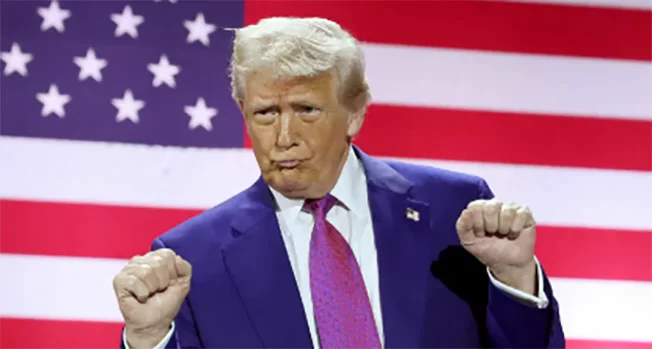
    The United States government is preparing a substantial expansion of its travel restriction policies that would bar citizens from more than thirty additional countries from entering the nation. Homeland Security Secretary Kristi Noem revealed the planned measures during a Thursday interview with Fox News, though she declined to provide specific details regarding which nations would be affected.

    This announcement represents the latest in a series of increasingly stringent immigration measures implemented by the Trump administration over recent months. In June, President Trump signed a proclamation that completely barred citizens from twelve countries while imposing severe restrictions on travelers from seven others. These restrictions apply to both immigrants and temporary visitors, including students, tourists, and business travelers.

    Secretary Noem emphasized that countries lacking stable governance structures or those unable to adequately verify identity and security information risk being added to the expanded list. “If a nation cannot vouch for the identity of its citizens, why should we admit those individuals into our country?” she questioned during the interview.

    The potential expansion comes amid heightened political pressure following the deadly attack on two National Guard members in Washington, DC. The suspect, an Afghan national who entered the United States through a resettlement program in 2021, allegedly underwent insufficient screening according to administration critics. In response, President Trump announced that immigration from “all Third World countries” would be “permanently paused” without specifying which nations this designation encompassed.

    Since returning to the White House in January, the Trump administration has implemented an immigration enforcement-centered policy approach. Federal agents have been deployed to major cities, and asylum seekers have been systematically turned away at the southern border. While the administration’s focus has primarily emphasized deportations and enhanced border security, the potential travel ban expansion signals a new effort to restrict legal entry pathways into the United States.

    Earlier reports from Reuters, citing an internal document, indicated that the administration was considering barring citizens from an additional 36 countries, though it remains unclear whether this proposal aligns with Secretary Noem’s recent announcement.

  • St. Lucia PM promises continuation of policies of his first administration

    St. Lucia PM promises continuation of policies of his first administration

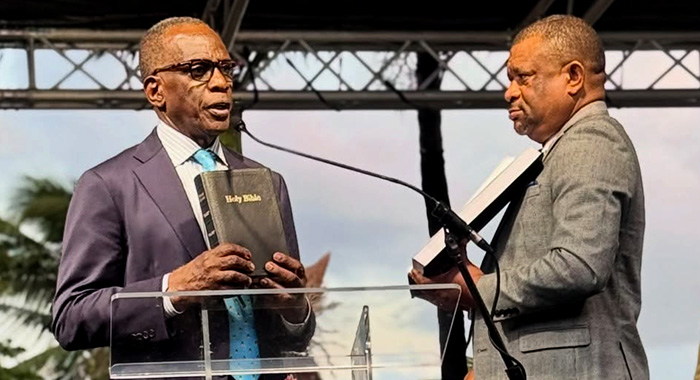
    CASTRIES, St. Lucia – Phillip Joseph Pierre assumed office as St. Lucia’s 12th prime minister on Friday, marking a significant political milestone following his party’s decisive victory in Monday’s general elections. The swearing-in ceremony, conducted by Governor General Sir Errol Charles at the official Morne residence overlooking the capital, inaugurated Pierre’s second consecutive term—a feat unmatched by any political party in St. Lucia over the past two decades.

    The 71-year-old leader expressed profound gratitude to the nation’s electorate for delivering the St. Lucia Labour Party (SLP) a commanding parliamentary majority of 14 out of 17 seats. Two additional seats were secured by independents previously aligned with Pierre’s administration, while the opposition United Workers Party retained only one seat under outgoing leader Allen Chastanet.

    Pierre’s inauguration attracted regional dignitaries including the prime ministers of Antigua and Barbuda, Barbados, Dominica, Grenada, and St. Kitts-Nevis, alongside former St. Vincent and the Grenadines premier Ralph Gonsalves, underscoring the event’s diplomatic significance.

    In his acceptance address, Prime Minister Pierre outlined a governance vision centered on social equity and youth empowerment. “We cannot develop a dual society where any demographic is allowed to go adrift,” he asserted, emphasizing targeted interventions for vulnerable populations and disenchanted young males susceptible to gang influence.

    The administration plans to implement an impactful public investment program featuring critical infrastructure upgrades at Hewanorra International Airport and water supply systems, complemented by enhanced citizen security initiatives. Pierre simultaneously cautioned against societal negativity and division, advocating for zero tolerance toward deviant behaviors while promoting national unity.

    Foreign policy will maintain active engagement with the Organisation of Eastern Caribbean States and CARICOM, guided by principles of regional sovereignty and peace. The new cabinet is scheduled for announcement and swearing-in next week, formally commencing Pierre’s mandate to execute campaign promises through progressive policy implementation.

  • Foreign Minister Says Help is Available for Budna

    Foreign Minister Says Help is Available for Budna

    Belize’s Foreign Minister Francis Fonseca has publicly addressed allegations made by Joseph Budna, a Belizean national currently incarcerated in Guatemala, who claims his government has abandoned him. Minister Fonseca provided a detailed rebuttal during a recent press engagement, outlining the comprehensive consular assistance provided to the detainee.

    Contrary to Budna’s assertions of neglect, Fonseca confirmed that embassy officials have maintained consistent contact and have undertaken multiple supportive measures. ‘Our embassy staff have personally visited Mr. Budna and provided him with all necessary contact information,’ Fonseca stated. ‘They made it explicitly clear that he should reach out whenever he requires assistance.’

    The Foreign Minister emphasized that while weekly visits aren’t standard protocol, the embassy has ensured Budna receives critical medical supplies for an unspecified health condition and offered legal support. ‘They explicitly told him they would facilitate legal representation, but he indicated he had retained his own attorney,’ Fonseca added.

    This diplomatic response comes after Budna utilized prison telephone privileges to publicly criticize what he characterized as inadequate consular support from Belizean authorities. The case highlights the complex challenges of providing consular services abroad and the communication gaps that can emerge in international detention situations.

    Minister Fonseca concluded by reaffirming the government’s commitment to citizen welfare overseas: ‘He has all their contact details. If he needs any assistance whatsoever, he can contact them directly and they will respond promptly.’

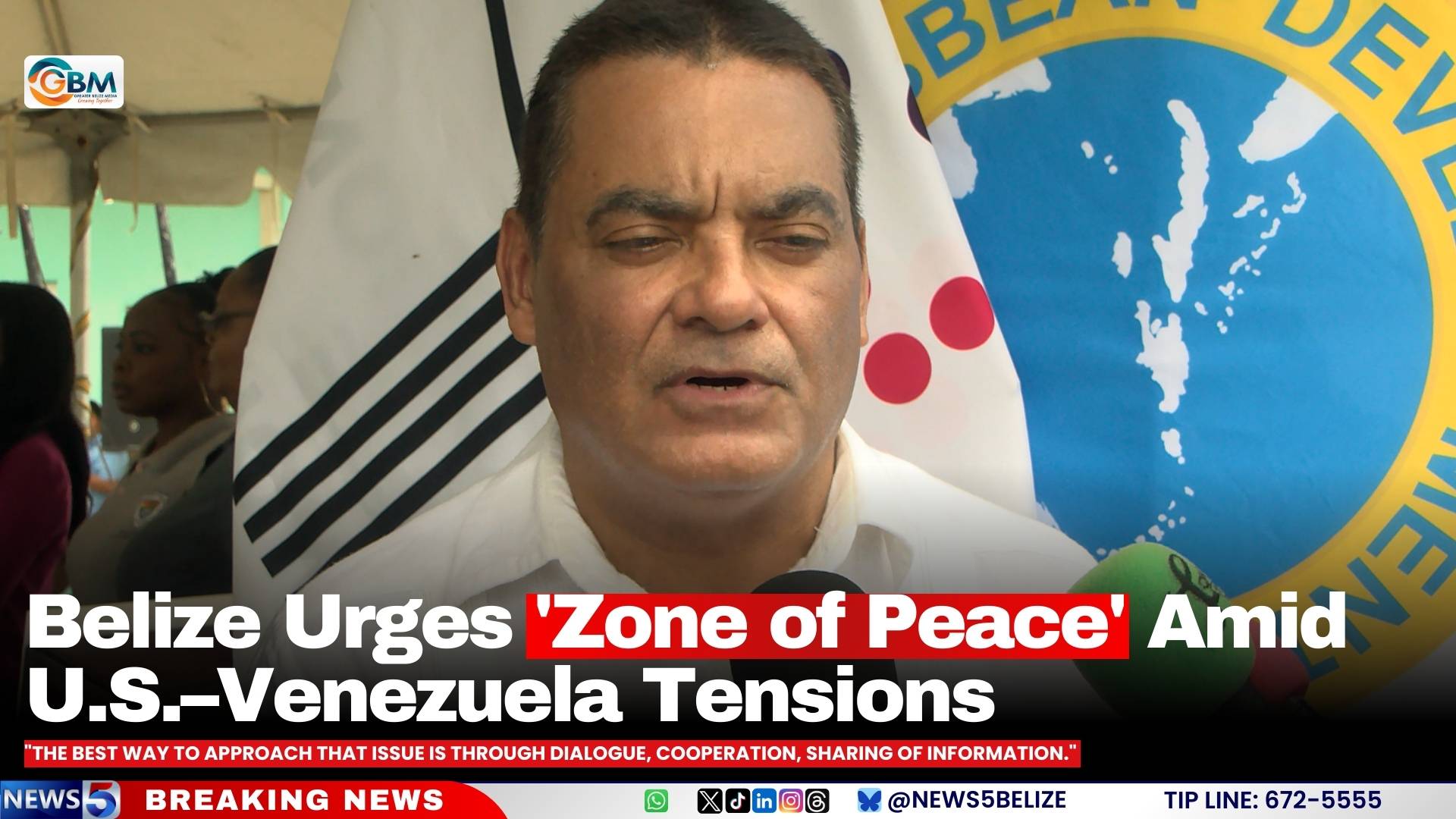
  • Belize Urges ‘Zone of Peace’ Amid U.S.–Venezuela Tensions

    Belize Urges ‘Zone of Peace’ Amid U.S.–Venezuela Tensions

    Amid escalating regional tensions stemming from U.S. counter-narcotics operations, Belize has issued a compelling appeal for maintaining the Caribbean as a demilitarized zone. Foreign Affairs Minister Francis Fonseca articulated his nation’s position on December 5, 2025, emphasizing peaceful resolution mechanisms over military confrontation.

    Minister Fonseca explicitly stated Belize’s diplomatic stance: “Our fundamental position maintains that the Caribbean must persist as a zone of peace. We vigorously advocate against any militarized interventions within Caribbean waters, which would inevitably destabilize regional economies and adversely impact vital tourism sectors.”

    While acknowledging the severe challenges posed by transnational drug trafficking networks, the minister highlighted Belize’s ongoing collaboration with U.S. authorities through intelligence sharing and border security cooperation. He stressed that military action represents an counterproductive approach to addressing complex criminal enterprises.

    The diplomatic intervention follows confirmation by U.S. officials of twenty-two separate maritime engagements in Caribbean and Eastern Pacific waters since September, resulting in significant casualties. Particularly concerning to observers has been the reported employment of ‘double tap’ tactics—where secondary strikes target survivors of initial engagements—raising serious allegations of extrajudicial operations and potential violations of international humanitarian law.

    Belize’s foreign policy approach prioritizes multilateral dialogue, intelligence coordination, and cooperative security measures as the most effective paradigm for addressing transnational criminal organizations while preserving regional stability and economic vitality.

  • Antigua and Barbuda Government Elevates Women to Key Diplomatic and Political Posts

    Antigua and Barbuda Government Elevates Women to Key Diplomatic and Political Posts

    ST. JOHN’S, ANTIGUA AND BARBUDA – In a significant move toward gender-inclusive governance, Prime Minister Gaston Browne has announced a series of high-level appointments placing women in critical diplomatic and legislative positions. This strategic initiative underscores the administration’s dedication to transforming gender equality from principle into practice by leveraging female expertise in international relations and national policymaking.

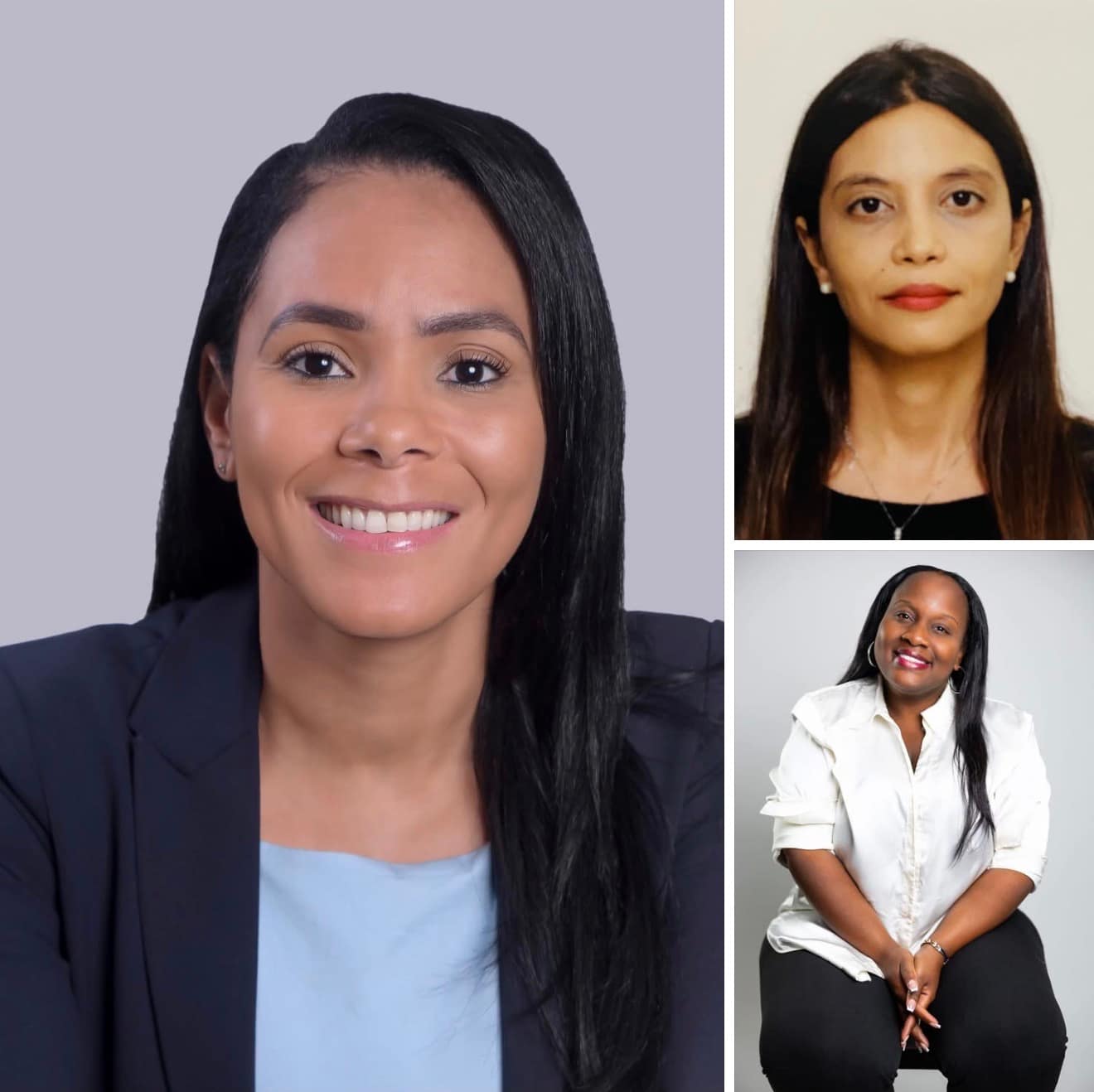
    The newly appointed officials include Marie Louise Francis, an accomplished attorney with extensive U.S. legal experience, who has been designated Senior Trade, Investment and Diaspora Officer at the Consulate General in Miami. She is expected to assume the role of Consul General early in the new year.

    Zeina Hechme, another appointee, brings over nine years of foreign service experience to her new position as Vice Consul at the Consulate General in Toronto, Canada. Her extensive background is anticipated to enhance bilateral relations and consular services.

    Furthermore, Kiz L. K. Johnson, a former Independent Senator and recently elected Labour Party candidate for St. Philip’s South, will rejoin the Senate on the government benches. Her return is seen as a reinforcement of women’s voices in the nation’s legislative processes.

    These appointments are part of a broader commitment by the Browne administration to promote women into leadership roles across government. Prime Minister Browne has consistently emphasized the importance of gender-balanced representation, noting that diverse leadership strengthens institutional effectiveness and national resilience.

    Globally, the inclusion of women in diplomacy and foreign policy has been linked to improved decision-making, sustainable peacebuilding, and more innovative approaches to international challenges. Antigua and Barbuda’s latest moves align with a growing international trend toward gender parity in diplomatic corps and governance structures.

    The government asserts that these steps are vital not only as a matter of social justice but also as a strategic imperative for sustainable development and democratic strengthening.

  • PM Skerrit joins PM-elect Phillip J. Pierre in St Lucia for swearing in ceremony

    PM Skerrit joins PM-elect Phillip J. Pierre in St Lucia for swearing in ceremony

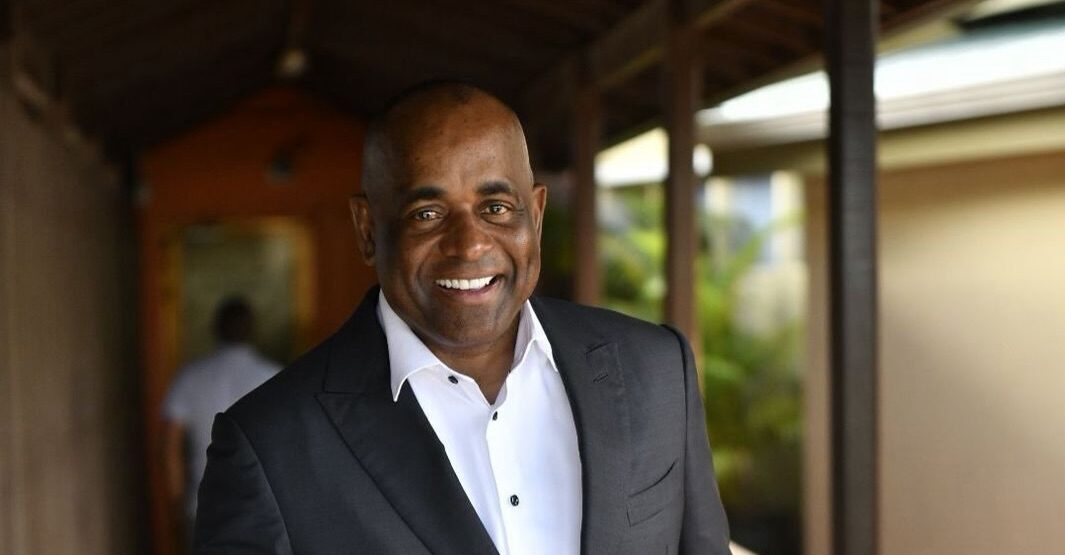
    In a significant display of Caribbean diplomatic solidarity, Prime Minister Roosevelt Skerrit of Dominica arrived in Saint Lucia on Friday to attend the swearing-in ceremony of Prime Minister Phillip J. Pierre. The event marks Pierre’s formal assumption of office as the nation’s ninth individual and twelfth Prime Minister.

    The newly appointed leader publicly welcomed his counterpart through a Facebook post, describing Skerrit as his “dear friend and comrade.” Pierre emphasized that the Dominican leader’s presence symbolizes the profound friendship between their neighboring nations and reflects their mutual dedication to prioritizing citizen welfare throughout the Caribbean region.

    “Together, we continue to move forward, for the progress of our people,” Pierre declared, underscoring their shared governance philosophy. The ceremony represents more than a constitutional formality—it signifies the strengthening of inter-island partnerships within the Eastern Caribbean at a leadership level.

    The event was broadcast live, allowing citizens from both nations to witness this demonstration of regional cooperation. This political gesture occurs amid ongoing efforts to enhance collaborative initiatives across the Caribbean Community (CARICOM), particularly in addressing shared challenges related to economic development, climate resilience, and social advancement.

    Such high-level attendance at ministerial inaugurations has become increasingly common among Caribbean leaders, reinforcing diplomatic bonds and creating opportunities for immediate bilateral discussions on pressing regional matters.

  • Allen Chastanet resigns as UWP leader after crushing election defeat

    Allen Chastanet resigns as UWP leader after crushing election defeat

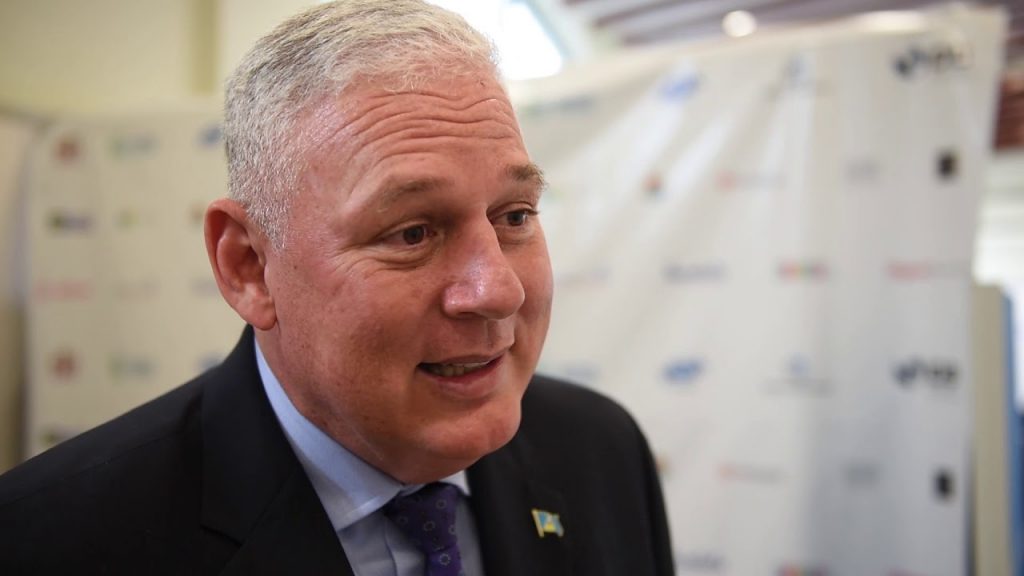
    In a significant political development, United Workers Party (UWP) leader Allen Chastanet has officially resigned from his position following the party’s catastrophic performance in Saint Lucia’s December 1 General Election. The UWP suffered its most devastating electoral defeat in decades, securing only one parliamentary seat—Chastanet’s own constituency of Micoud South.

    The ruling Saint Lucia Labour Party (SLP) achieved a commanding victory by capturing 14 seats, while independent candidates claimed the remaining two positions. These independent representatives have subsequently pledged their allegiance to the governing coalition, effectively leaving the UWP as the sole opposition voice in parliament.

    Party Chairman Therold Prudent formally notified UWP members of Chastanet’s resignation during a strategic meeting on December 5. According to an official press release, Prudent confirmed receipt of Chastanet’s resignation letter, which will be formally presented to the National Executive during their mid-December meeting for official consideration.

    The party’s statement emphasized its ongoing commitment to “transparency, democratic processes, and the continued advancement of its mission in service to the people of Saint Lucia.”

    Political analysts have identified Chastanet’s leadership as a primary factor in the party’s poor electoral showing. This defeat represents the second consecutive landslide loss under his guidance, mirroring the substantial defeat experienced during the 2021 general elections.

    Chastanet’s departure triggers an imminent leadership contest within the UWP as the party attempts to rebuild its political infrastructure and redefine its role within Saint Lucia’s evolving political landscape. This transition occurs amid growing questions about the party’s future direction and electoral viability.

  • CARICOM Mission: Saint Lucian electors voted transparently

    CARICOM Mission: Saint Lucian electors voted transparently

    An independent observer mission from the Caribbean Community (CARICOM) has formally declared Saint Lucia’s recent general election a successful democratic exercise, characterized by peace, order, and transparency. The 11-member delegation, which monitored the electoral proceedings, released its preliminary assessment on December 5th.

    The mission’s official statement highlighted several commendable aspects of the voting process. Polling stations opened punctually across the nation, and electoral staff executed their duties with notable efficiency and professionalism, ensuring a smooth experience for voters. The delegation also confirmed that it neither witnessed nor received any reports of election-related violence, underscoring the civil atmosphere that prevailed.

    While the overall electoral process was praised, the CARICOM observers did note the presence of a highly charged campaign season. The statement acknowledged that personal attacks and accusations emerged between political factions, which it interpreted as a reflection of the high stakes and the nation’s dynamically evolving political landscape.

    In its concluding remarks, the mission extended congratulations to the Saint Lucia Electoral Commission for its proficient administration of the entire electoral process. It also commended all political parties, their agents, and supporters for the peaceful conduct demonstrated on Election Day. A comprehensive final report, containing detailed observations and constructive recommendations, is scheduled to be presented to the CARICOM Secretary-General in the coming weeks.

  • India and Russia adopt joint development program until 2030

    India and Russia adopt joint development program until 2030

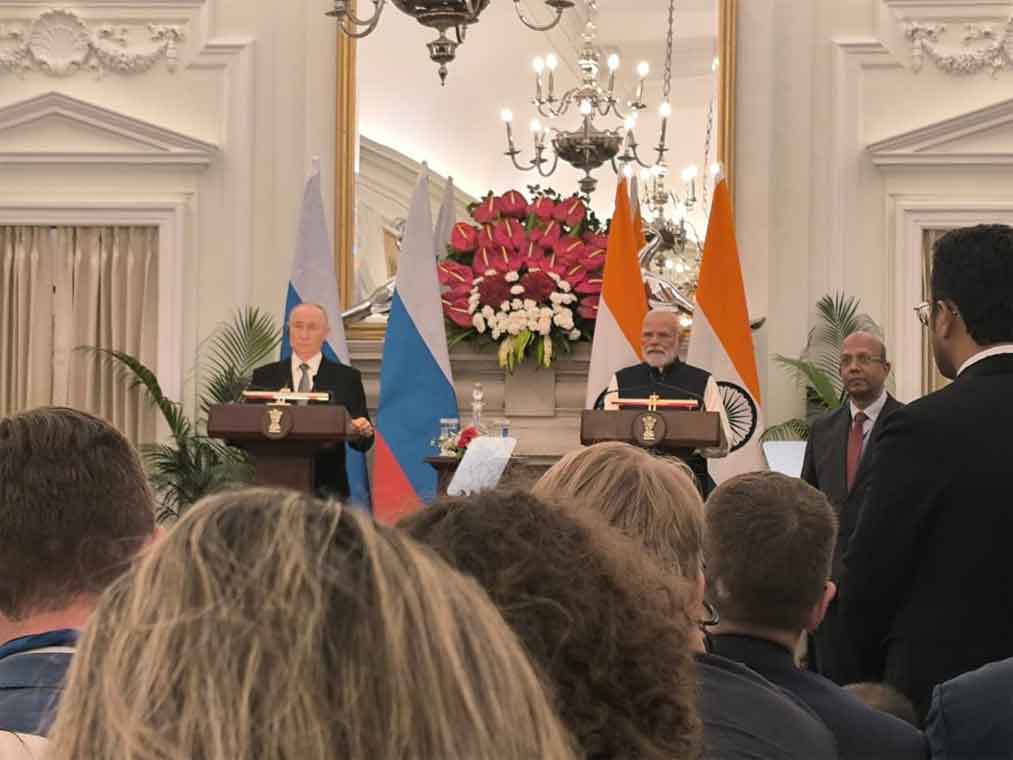
    In a significant diplomatic advancement, India and Russia have established a robust framework to substantially enhance their strategic and privileged partnership. The cornerstone of this strengthened alliance is an ambitious target to achieve $100 billion in bilateral trade over the next five years, a goal that underscores a mutual commitment to deepening economic integration.

    The partnership was formally advanced through the exchange of 16 distinct cooperation mechanisms covering a diverse array of sectors. A key agreement focuses on regulating the mobility of skilled Indian professionals to Russia, establishing clear pathways for legal employment while implementing measures to combat irregular migration, thereby addressing a critical issue of mutual concern.

    Collaboration extends into the realms of public health and education, with new pacts designed to foster joint initiatives in medical research, healthcare, and academic exchange in science. In a specialized move, the nations agreed to facilitate the training of Indian maritime specialists for operations in challenging polar waters, signaling India’s growing interest in Arctic logistics and Russia’s expertise in this domain.

    Economic cooperation received a significant boost with agreements to create a joint regulatory framework for a major urea manufacturing venture in Russia, led by Indian companies. This initiative aims to secure a stable supply of fertilizers for India’s vast agricultural sector. Further streamlining trade, both countries committed to implementing systems for the pre-arrival exchange of customs data for goods and vehicles, a measure expected to drastically reduce border clearance times.

    Recognizing the digital economy’s potential, the partners pledged to strengthen cross-border postal services and actively support the growth of e-commerce, with a special focus on empowering small and medium-sized enterprises (SMEs) from both nations to access each other’s markets. The breadth of the partnership is further evidenced by new mechanisms for scientific and academic exchanges, specialized industrial training programs, and enhanced media cooperation to foster greater public understanding and people-to-people ties.