分类: politics

  • UNC 28 nomatch forPNM 13

    UNC 28 nomatch forPNM 13

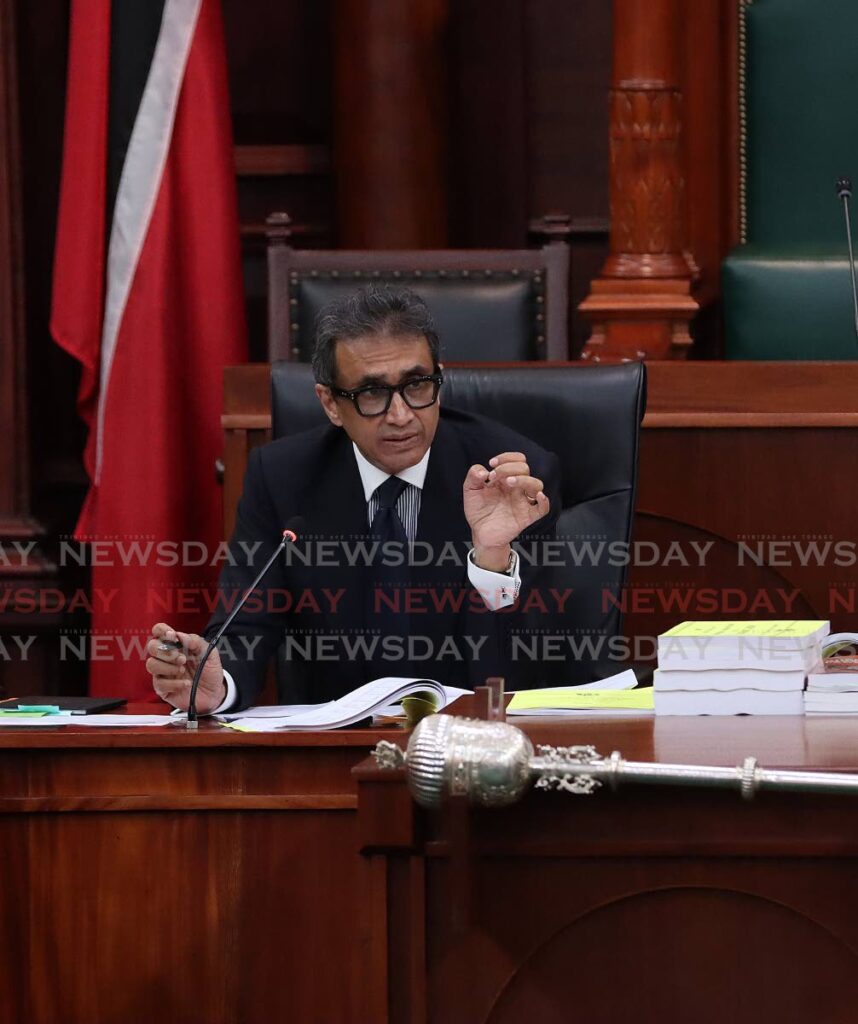
    For the second time in recent weeks, Trinidad and Tobago’s parliamentary proceedings have been marked by controversy as the ruling United National Congress (UNC) government abruptly terminated debate on critical financial legislation. The Finance Bill 2025 discussion was cut short last Friday despite opposition members from the People’s National Movement (PNM) awaiting their turn to speak.

    This procedural maneuver represents a significant departure from established parliamentary conventions, where the chief whip typically communicates speaking arrangements to both government business leaders and the Speaker. The unexpected closure of debate has raised serious concerns about democratic transparency within the nation’s highest legislative body.

    The current administration’s actions mirror similar tactics employed during the 2025/2026 budget debate approximately one month prior. These developments appear particularly contradictory given the UNC’s historical emphasis on governmental accountability while previously serving in opposition roles.

    Political analysts suggest these maneuvers indicate the UNC’s apparent reluctance to subject its financial policies to rigorous opposition scrutiny. Despite holding a substantial majority with 28 Members of Parliament versus the PNM’s 13 representatives, the governing party appears cautious when confronting the opposition’s financially astute members.

    The PNM’s effective performance during last month’s finance committee meeting, where they challenged numerous governmental financial approaches, may have contributed to the UNC’s defensive parliamentary strategy. Prominent PNM figures including Colm Imbert (Diego Martin North/East), Brian Manning (San Fernando East), Stuart Young (Port of Spain North/St Ann’s West), Marvin Gonzales (Arouca/Lopinot) and Dominic Romain (Malabar/Musica) have demonstrated particular proficiency in financial matters.

    Observers note that the ongoing parliamentary tensions reflect deeper political divisions, with the opposition receiving no procedural assistance from the Speaker’s chair, effectively shifting the political battleground beyond the parliamentary floor.
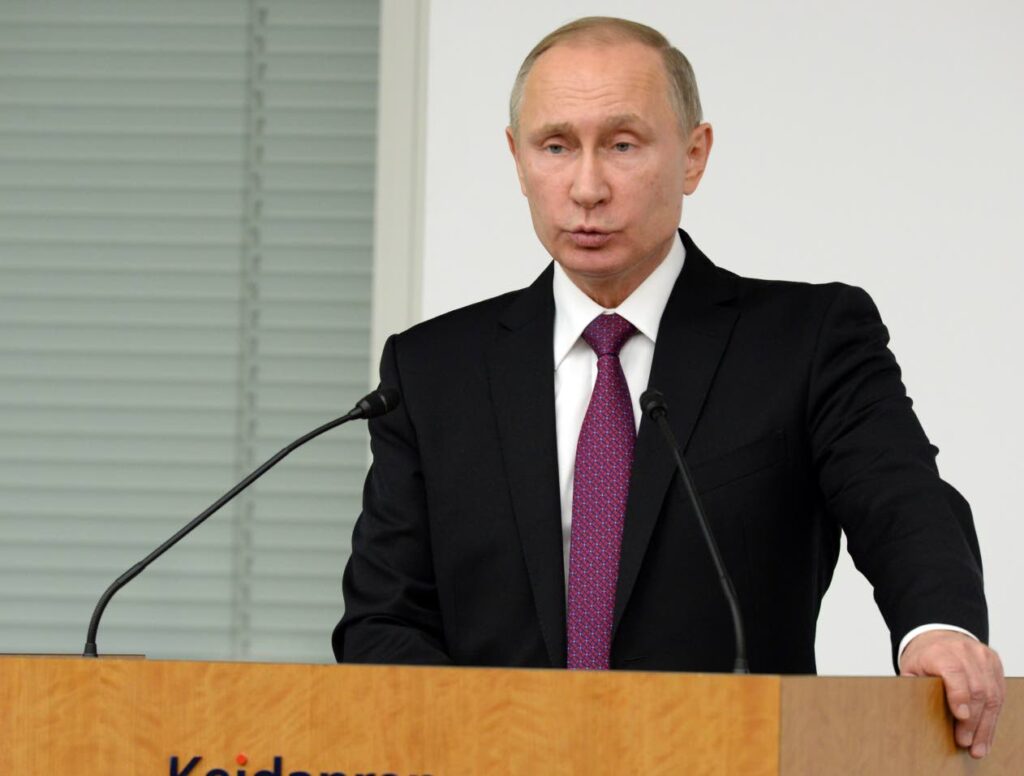

  • Putin reaffirms support for Venezuela’s Maduro over US tensions

    Putin reaffirms support for Venezuela’s Maduro over US tensions

    MOSCOW—In a significant display of geopolitical alignment, Russian President Vladimir Putin has reinforced his nation’s strategic partnership with Venezuela during a high-level telephone discussion with President Nicolás Maduro. The Kremlin confirmed Thursday’s diplomatic exchange emphasized Moscow’s unwavering support for Caracas amid mounting international pressures.

    The conversation follows a dramatic escalation in regional tensions after United States military forces executed a high-seas interception of a Venezuelan-flagged oil tanker. US special operations personnel conducted a helicopter-borne boarding operation, seizing the vessel in what Washington characterizes as anti-narcotics enforcement.

    This latest incident represents merely one facet of the complex confrontation between the Maduro administration and Western powers. The Venezuelan leader has consistently rejected allegations from US authorities that his government participates in narcotics trafficking, countering that these accusations serve as pretext for intervention motivated by Venezuela’s substantial petroleum reserves.

    Russia and Venezuela have cultivated increasingly robust bilateral relations throughout recent years, cemented by Maduro’s official visit to Moscow earlier this year. During that summit, the two nations ratified a comprehensive partnership agreement and the Venezuelan president participated in Russia’s annual military parade, signaling deepening defense cooperation.

    According to official Kremlin readouts, President Putin explicitly expressed solidarity with the Venezuelan populace and endorsed Maduro’s sovereign policies against external pressure. The Russian leadership’s statement emphasized support for Venezuela’s right to protect national interests and maintain political autonomy.

    The geopolitical standoff has intensified with the Trump administration deploying naval assets within operational range of Venezuelan territory. Maritime surveillance data indicates at least 22 vessel engagements in the Eastern Pacific and Caribbean regions, resulting in numerous casualties according to regional reports.

  • LETTER: Concerns Raised Over Abracadabra DJ’s Actions and Breakdown of Law Enforcement

    LETTER: Concerns Raised Over Abracadabra DJ’s Actions and Breakdown of Law Enforcement

    A significant legal and political controversy has emerged in Antigua and Barbuda regarding the enforcement of the nation’s Noise Abatement Act of 1997. The core of the dispute centers on allegations that the Prime Minister has instructed police and the National Parks Authority to cease enforcing this longstanding legislation, which was originally enacted by Parliament to protect hotels and residents from excessive nighttime noise.

    The conflict gained public attention through a viral video featuring an individual openly criticizing the National Parks Authority. Critics have drawn parallels between this rhetoric and the incitement that led to former U.S. President Trump’s impeachment following the January 6th insurrection, raising questions about why local authorities haven’t made arrests despite the publicly available evidence.

    Legal experts emphasize that enforcement authority for the Noise Abatement Act rests solely with the police, not the National Parks Authority. The law’s implementation was reportedly championed by Assistant Police Commissioner Wade during public consultations, highlighting its necessity for addressing community disturbances that regularly extended into early morning hours.

    The current situation has sparked serious constitutional questions about the separation of powers in the Caribbean nation. Citizens and legal observers are questioning whether the Cabinet possesses authority to override parliamentary laws and selectively determine which legislation receives enforcement—a development that challenges fundamental principles of democratic governance and rule of law.

    The unfolding controversy reflects broader concerns about legal consistency and political influence in law enforcement matters, potentially setting significant precedents for how Antigua and Barbuda balances executive power with legislative authority.

  • LETTER: Shugy Shame on You, Targeting a Soup Kitchen Instead of Serving Our Constituency

    LETTER: Shugy Shame on You, Targeting a Soup Kitchen Instead of Serving Our Constituency

    A significant political controversy has emerged in the St. Mary’s South constituency concerning the utilization of parliamentary allowance funds. For over two years, Shugy, the sitting Member of Parliament for the area, has faced mounting criticism for allegedly failing to deploy his constituency allowance in a manner that delivers visible benefits to his constituents. Community members report an absence of sustained programs, developmental initiatives, or direct support mechanisms funded through these allocated resources.

    The situation escalated recently when the MP attempted to discredit a local relief effort, the St. Mary’s South Soup Kitchen, operated by Dwayne George. During a parliamentary session, Shugy suggested that the initiative improperly used vouchers belonging to others to procure supplies—a claim that has been vehemently denied and categorically refuted.

    A thorough investigation reveals that the soup kitchen’s operations have been sustained primarily through personal sacrifice and community goodwill. Mr. George has frequently utilized his own finances to ensure consistent food distribution, particularly during periods of resource constraints. The initiative’s methodology involved transparent solicitation of assistance and collaborative community engagement, with no misuse of vouchers or public resources at any stage.

    What many find particularly disconcerting is the deliberate targeting of a humanitarian project that provides essential nourishment to elderly, vulnerable, and economically disadvantaged residents. This incident has sparked a broader debate about ethical representation and the moral responsibilities of elected officials.

    Despite political opposition, the soup kitchen has expanded its outreach and continues to garner robust community endorsement. Its operational success and positive social impact remain undeniable, serving as a testament to grassroots resilience and civic solidarity.

    The prevailing sentiment within the constituency suggests that electoral accountability will ultimately reflect residents’ dissatisfaction with the current representation, emphasizing that compassionate service and factual integrity will outweigh political misrepresentation.

  • Geen begrotingsbehandeling in december: regering werkt aan aangepaste cijfers voor 2026

    Geen begrotingsbehandeling in december: regering werkt aan aangepaste cijfers voor 2026

    Suriname’s National Assembly has officially postponed deliberations on the 2026 national budget following critical consultations between Finance Minister Adelien Wijnerman and parliamentary committees. The joint session of the Permanent Committee for Finance and Planning and the State Expenditure Committee concluded that December consideration would be impossible due to ongoing fiscal recalibrations.

    Minister Wijnerman revealed that recently completed tax agency reforms have uncovered systemic irregularities and administrative backlogs within revenue collection systems. These findings necessitate significant revisions to projected tax income estimates, compelling comprehensive budget adjustments. The minister has already consulted with President Jennifer Simons regarding substantive reallocations primarily affecting education, agriculture, and tourism sectors.

    The restructuring focuses exclusively on project financing reconfigurations while maintaining unchanged allocations for goods and services. International organization contributions and the national debt management strategy will also undergo substantial revisions. Parliamentary committee chairs emphasized that both the amended budget proposal and modified debt plan must be formally submitted before legislative proceedings can commence.

    Notable attendees included Committee Chair Rabin Parmessar alongside members Asis Gajadien, Rossellie Cotino, Jennifer Vreedzaam, Ronny Asabina, Jeffrey Lau, Kishan Ramsukul, and Steve Reyme. Observers Stanley Betterson, Xiaobao Zheng, and Tashana Lösche monitored the proceedings that determined Suriname’s budgetary timeline shift into the new year.

  • UPP Skips V.C. Bird Day, Honours All National Heroes

    UPP Skips V.C. Bird Day, Honours All National Heroes

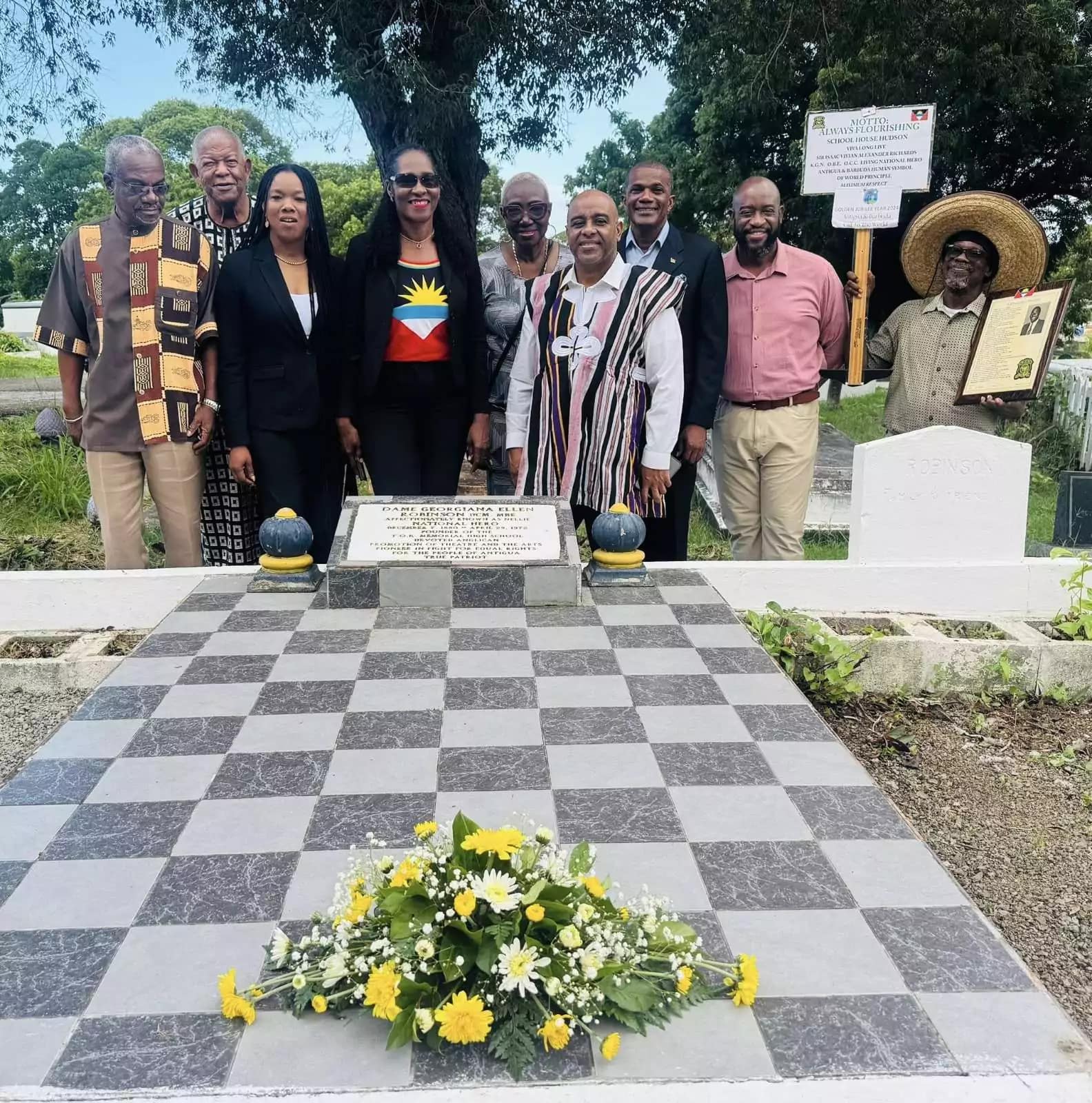
    For a consecutive year, the United Progressive Party (UPP) has deliberately abstained from participating in the official V.C. Bird Day celebrations organized by the government. In a clear demonstration of political dissent, the principal opposition faction opted to conduct its own separate commemoration at an alternative venue, distinctly distanced from the state-sanctioned ceremony. This calculated absence underscores a deepening rift within the nation’s political landscape, transforming a day intended for national unity into a platform for showcasing partisan divisions. The move signals a persistent strategy of challenging the incumbent administration’s authority and narrative control over national symbols and historical events. Political analysts interpret this repeated boycott as more than mere protest; it represents a fundamental disagreement with the government’s policies and governance style. The party’s decision to host a parallel event further establishes a competing forum for political discourse, potentially reshaping how citizens engage with national heritage and official narratives. This development reflects broader tensions that characterize the current political climate, where traditional ceremonies become battlegrounds for ideological influence and public support.

  • Cost of Living ‘Too High’ — Lewis Says Families Can’t Make It to Month-End

    Cost of Living ‘Too High’ — Lewis Says Families Can’t Make It to Month-End

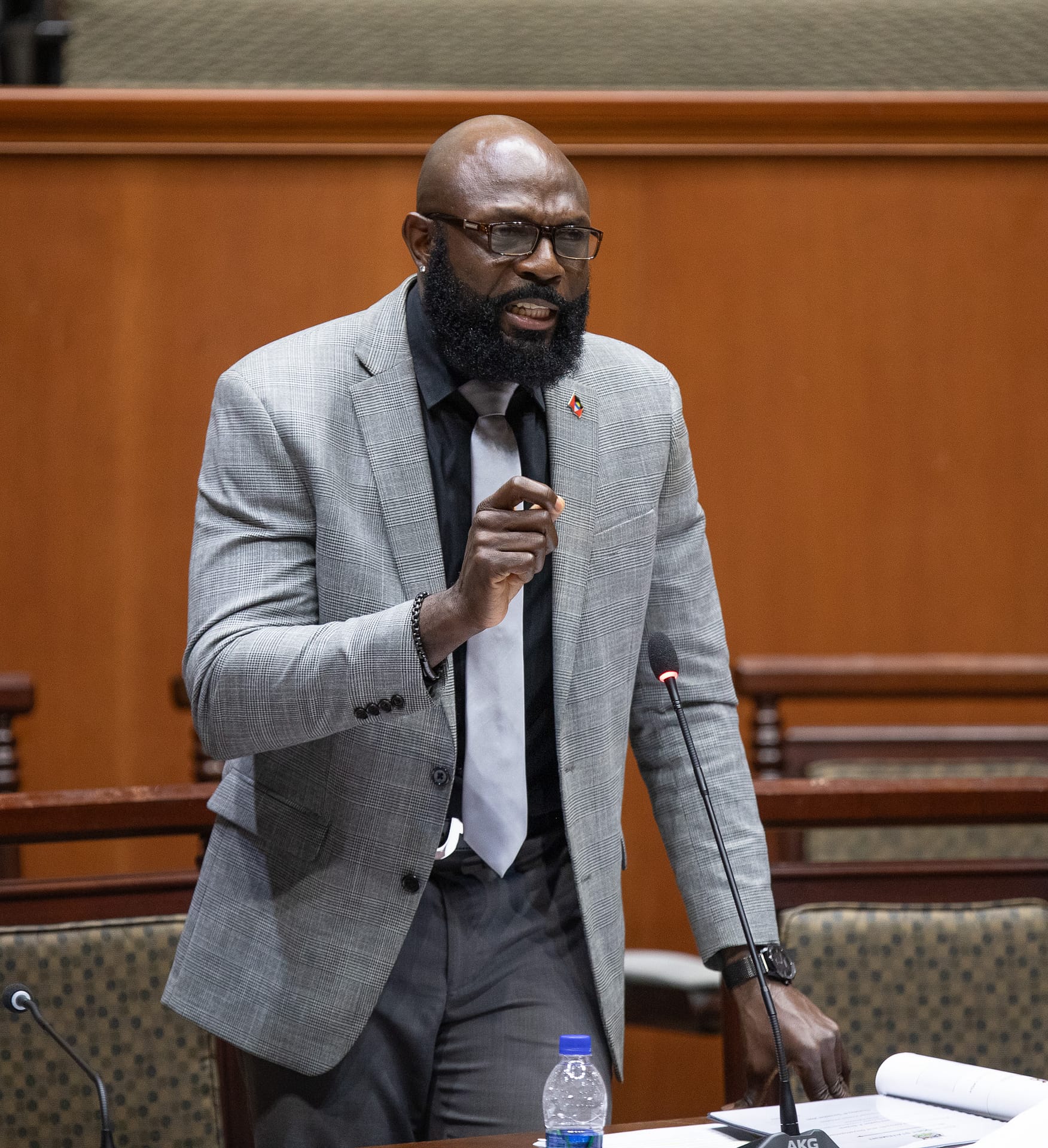
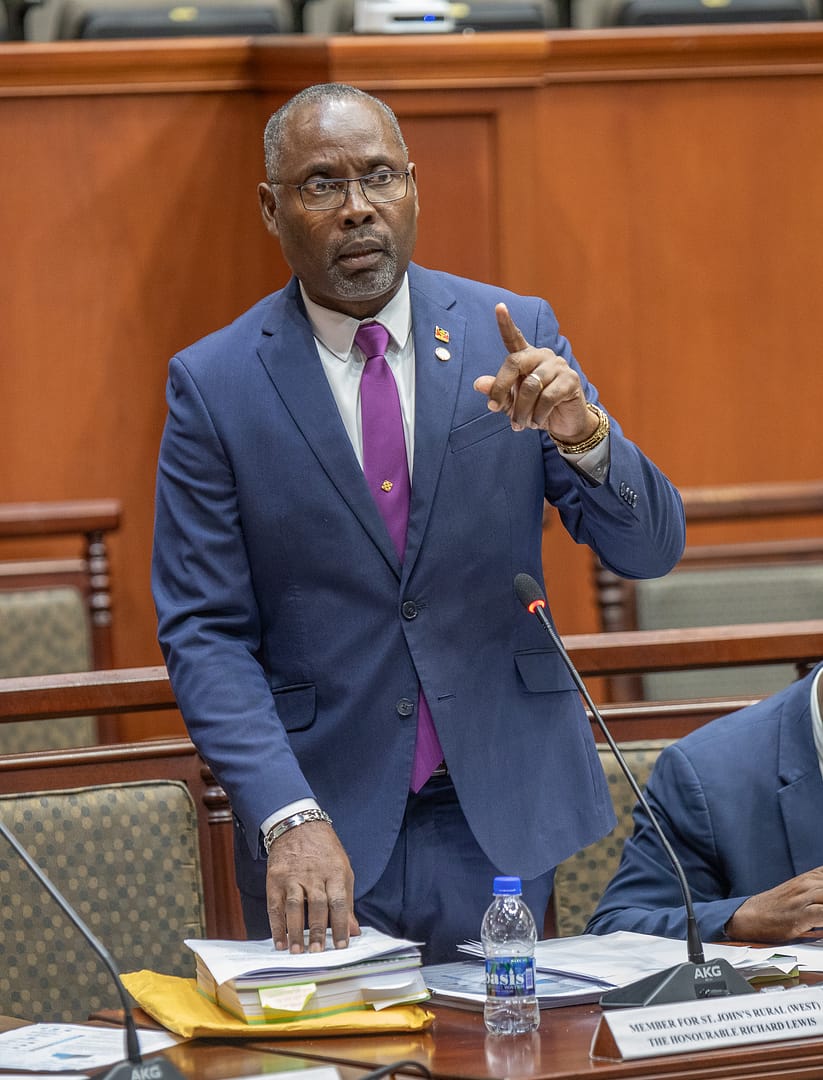
    During Monday’s parliamentary Budget Debate, Opposition MP Richard Lewis delivered a compelling testimony on the severe economic pressures facing households across Antigua and Barbuda. The Rural West representative presented a sobering assessment of how escalating living costs are crippling family finances, with many residents exhausting their salaries well before month-end.

    Lewis articulated that even traditionally stable income earners are experiencing unprecedented financial strain, particularly evident in routine supermarket visits where purchasing power has dramatically diminished. “The disconnect between expected and actual grocery purchases has become a weekly reality shock for thousands,” he stated, emphasizing that standard shopping budgets of $100-$200 now yield significantly fewer essentials.

    With December’s expenses looming, the MP revealed that numerous constituents have already depleted most of their monthly resources, creating widespread anxiety about surviving until the next pay period. This financial vulnerability persists despite government reports highlighting macroeconomic growth and positive budget indicators.

    Lewis challenged the administration’s economic narrative, arguing that statistical improvements “mean very little” to families grappling with soaring food prices, utility bills, and essential household expenses. He emphasized that citizens remain focused on fundamental “bread and butter issues” rather than abstract economic metrics.

    The opposition figure directly connected the current crisis to fiscal policies implemented over the past decade, asserting that cumulative tax measures, increased levies, and additional fees have systematically eroded purchasing power and intensified budget pressures. Lewis concluded with an urgent appeal for the government to adopt a more “people-centred” approach that acknowledges and addresses the stark contrast between official economic reports and the daily realities experienced by ordinary citizens.

  • UWP Council in St. Lucia rejects Chastanet’s resignation for second time

    UWP Council in St. Lucia rejects Chastanet’s resignation for second time

    In a decisive move highlighting internal party dynamics, the United Workers Party (UWP) of Saint Lucia has formally rejected Political Leader Allen Chastanet’s resignation for the second consecutive time. The party’s National Council—its supreme governing body—convened on December 8 to address recent political developments, culminating in a unanimous vote to retain Chastanet until the next party convention.

    The rejection comes amid significant electoral setbacks. The UWP suffered a severe defeat in the December 1 general election, securing only one seat out of 17 contested constituencies. This marks the party’s second consecutive electoral loss following its 2021 defeat by the Saint Lucia Labour Party (SLP).

    Chastanet initially offered to resign shortly after the 2021 results, and again last week following the recent electoral performance. Both offers were declined following what the party described as “thorough deliberations.” Public Relations Officer Leonard ‘Spider’ Montoute emphasized the council’s commitment to organizational stability and renewal in an official communiqué.

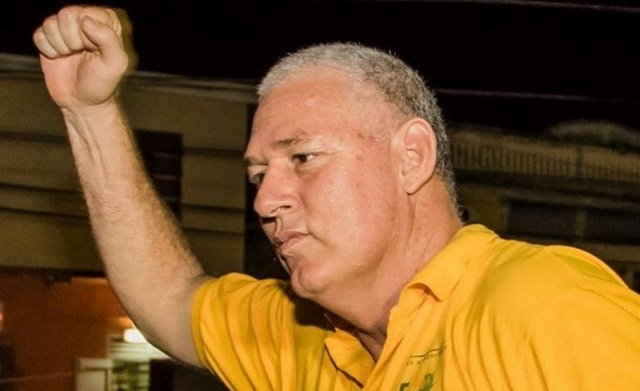
    The statement also expressed appreciation for member and supporter loyalty, reinforcing the UWP’s dedication to public service and strategic realignment. Chastanet, pictured raising a fist at a recent party event, remains at the helm amid calls for new leadership and party restructuring.

  • Lewis Rejects Government’s Full-Employment Claim, Calls Job Numbers ‘Misleading’

    Lewis Rejects Government’s Full-Employment Claim, Calls Job Numbers ‘Misleading’

    During Monday’s parliamentary budget session, Opposition Member of Parliament Richard Lewis launched a substantive critique against the government’s employment statistics, characterizing official job figures as fundamentally unverifiable and potentially misleading. The contentious exchange emerged as lawmakers debated the administration’s economic performance claims.

    Lewis directly contested the Prime Minister’s declaration that national unemployment had dropped below the five percent threshold, asserting that without current labor-force survey data, any precise unemployment rate calculation remains speculative. The parliamentarian highlighted that the most recent comprehensive Labor Force Survey dates back to 2018, with its findings published in 2020, creating a significant informational gap in workforce assessment.

    The opposition’s critique centered on methodological concerns regarding the government’s dependence on Social Security records to estimate employment levels. Lewis maintained that this approach potentially distorts economic realities and fails to capture the genuine employment landscape across Antigua and Barbuda.

    Finance Ministry officials had presented budget documentation indicating active employment had risen from 43,000 positions in 2014 to approximately 54,000 in 2025—figures the administration characterized as representing near-full employment conditions. Lewis dismissed these conclusions as premature and statistically unsupported without current labor force measurements.

    The Rural West representative framed his objections within broader concerns about economic reporting transparency, emphasizing that employment statistics must align with observable ground-level realities rather than theoretical projections derived from incomplete datasets. Lewis formally urged the administration to commission an updated labor-force survey to establish evidence-based policymaking foundations.

  • New measures expected to improve the timeliness of payments to building and road contractors

    New measures expected to improve the timeliness of payments to building and road contractors

    In a significant move to address chronic payment delays in the construction sector, Works Minister Maria Bird-Browne has announced comprehensive reforms following intensive consultations with building and road contractors. The government’s new measures target two critical pain points: delayed compensation for completed work and challenges importing specialized equipment.

    The breakthrough came during what Minister Bird-Browne characterized as a pivotal sector-wide meeting that brought long-standing operational issues into sharp focus. Contractors had identified cash flow interruptions and equipment accessibility as primary constraints affecting project timelines and quality.

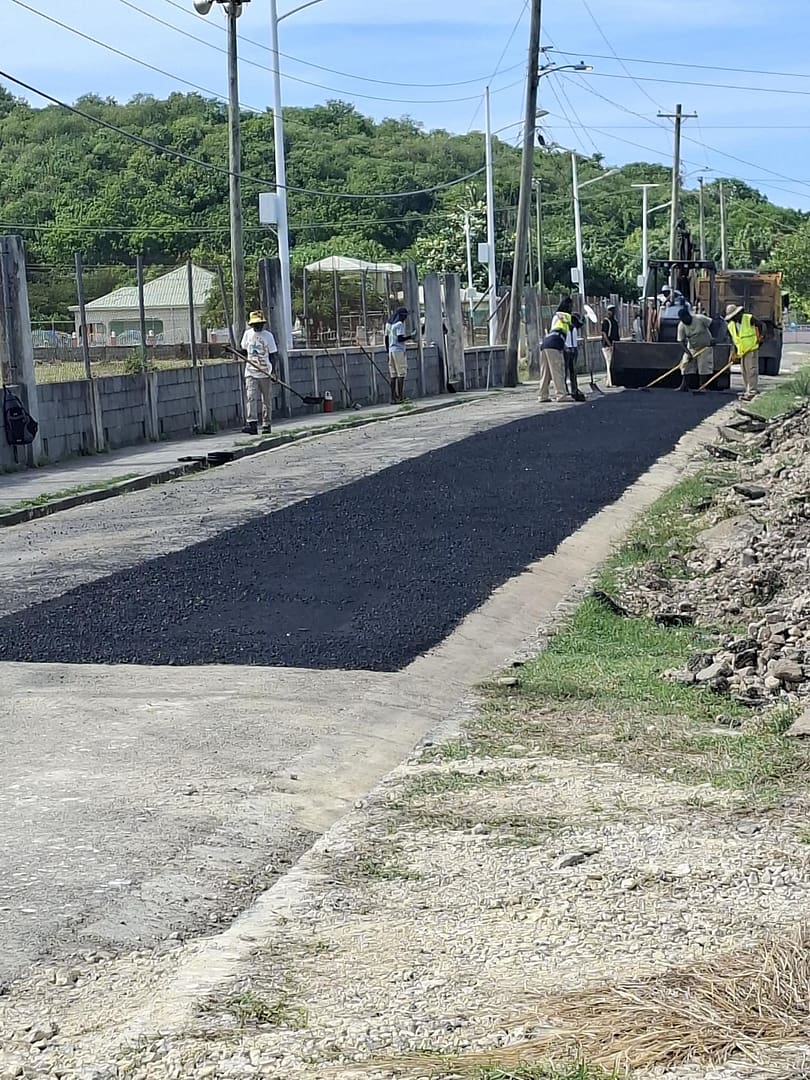
    In response, the administration has established a streamlined payment system designed to maintain current financial obligations to contractors, significantly reducing the gap between work completion and compensation. Simultaneously, the Cabinet has approved expedited importation protocols for essential tools and machinery required by local construction firms.

    Minister Bird-Browne emphasized that these structural changes aim to strengthen partnerships between contractors and the Ministry of Works, mitigate project delays caused by financial constraints, and enhance overall execution of government infrastructure initiatives.

    The reforms form part of a broader strategy to position 2026 as a landmark year for infrastructure development. The government anticipates improved collaboration between contractors, the Works Ministry, and broader governmental agencies, creating stronger alignment on national development goals.

    This new approach is projected to increase operational efficiency, bolster local contracting capacity, and accelerate planned upgrades across the nation’s infrastructure landscape. The comprehensive 2026 agenda encompasses road rehabilitation, drainage system enhancements, public building repairs, and climate resilience improvements—all expected to benefit from these operational reforms.