分类: politics

  • Cuban youth debate their role in the country’s economic and ideological battle

    Cuban youth debate their role in the country’s economic and ideological battle

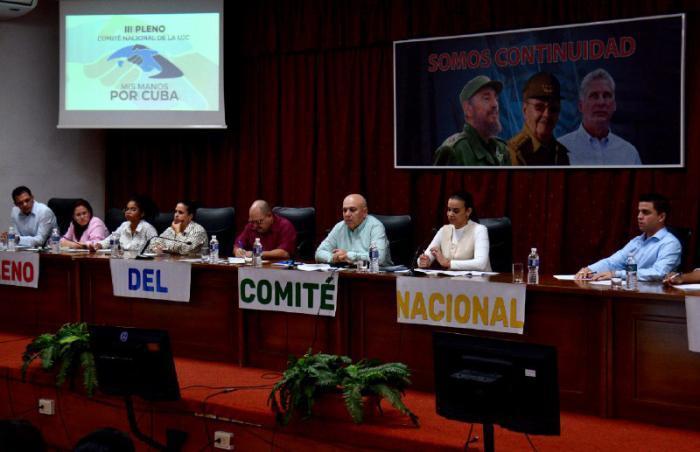
    HAVANA – The Third Plenary Session of the National Committee of Cuba’s Union of Young Communists (UJC) convened to deliberate on the pivotal role of youth in navigating the nation’s pressing challenges and advancing the Government Program. The assembly emphasized youth mobilization as essential to Cuba’s strategic development objectives.

    Dr. Roberto Morales Ojeda, a senior member of the Political Bureau and Secretary of Organization of the Communist Party’s Central Committee, articulated the Party’s unwavering confidence in young Cubans. He declared that the younger generation must spearhead efforts to consolidate and refine the national project through broad civic participation.

    The meeting identified three core missions for youth engagement: economic development, national unity, and the pursuit of regional peace. Dr. Morales Ojeda specifically highlighted threats against Venezuela, echoing the historic commitment of former leader Fidel Castro by stating, “For Venezuela, we will have to give everything,” thus reaffirming Cuba’s unconditional solidarity.

    Addressing Cuba’s economic constraints under what he described as a “war economy,” Dr. Morales Ojeda stressed the critical need to prioritize foreign exchange earnings. This approach is deemed vital for resolving severe infrastructural crises, including chronic failures in the National Electric System and acute fuel shortages.

    The session also confronted severe deficits in domestic food production, particularly rice, beans, and sugar. Officials advocated for a comprehensive revitalization of the sugarcane industry and urged increased local manufacturing to reduce import dependencies and secure stable supplies for the basic food basket.

  • A Plenary Session in tune with the times we live in

    A Plenary Session in tune with the times we live in

    In response to pressing national circumstances, the Political Bureau of Cuba’s Communist Party has announced a significant restructuring of its scheduled proceedings. The 11th Plenary Session of the Party’s Central Committee will now convene as a single session via videoconference on Saturday, December 13th.

    This strategic adaptation, formally disclosed through the Party’s official communication channels, aims to address multiple operational priorities simultaneously. By transitioning to a virtual format, the Party ensures that key leadership personnel can maintain their presence at grassroots levels across the nation. This presence is deemed critical for direct assessment, verification, and management of issues affecting population welfare and economic efficiency.

    Roberto Morales Ojeda, Organization Secretary of the Central Committee and Political Bureau member, elaborated on the decision through his social media presence. He characterized the move as consistent with the Party’s established methodology of rational and objective decision-making tailored to contemporary national conditions. This approach, he noted, enables continued task execution through adaptive alternatives without compromising operational effectiveness.

    The procedural adjustment demonstrates the Party’s operational flexibility while potentially reducing financial and material expenditures associated with conventional in-person gatherings. This virtual transition reflects a broader pattern of institutional adaptation to challenging circumstances, emphasizing both pragmatic resource management and maintained governance continuity.

  • Minister Announces Acquisition of Heavy-Duty Equipment to Support Farm Expansion and Soil Work

    Minister Announces Acquisition of Heavy-Duty Equipment to Support Farm Expansion and Soil Work

    In a significant move to transform agricultural capabilities, Agriculture Minister Anthony Smith has unveiled the establishment of a specialized heavy-duty equipment division within the Ministry of Agriculture. The groundbreaking initiative represents a multi-million dollar investment aimed at directly addressing critical infrastructure challenges facing the nation’s farming sector.

    The newly formed department will operate a comprehensive fleet of machinery including excavators, front-end loaders, bulldozers, rollers, and transport trucks. This strategic acquisition eliminates previous dependencies on the Ministry of Works, granting the agriculture sector autonomous control over essential land development operations.

    Minister Smith emphasized the transformative potential of these resources during his parliamentary address. “This modern equipment arsenal will enable us to independently mine construction materials, construct and maintain farm access roads, develop water retention ponds, and execute large-scale land clearing operations,” he stated.

    The infrastructure expansion includes the imminent arrival of four new tractors currently undergoing final preparations. These additions will substantially enhance land preparation services available to farmers nationwide.

    The initiative specifically targets perennial obstacles in agricultural productivity including soil management challenges, transportation limitations, and water accessibility issues. By establishing this dedicated machinery division, the government aims to create foundational infrastructure that attracts private investment while ensuring sustainable sector growth.

    Smith characterized the investment as a cornerstone development for long-term agricultural security. “Building robust infrastructure within agriculture isn’t merely about immediate efficiency gains—it’s about ensuring decades of growth by making strategic investments in our foundational capabilities,” he concluded.

  • Briceño Slams Media Coverage, Points to Budna’s Record

    Briceño Slams Media Coverage, Points to Budna’s Record

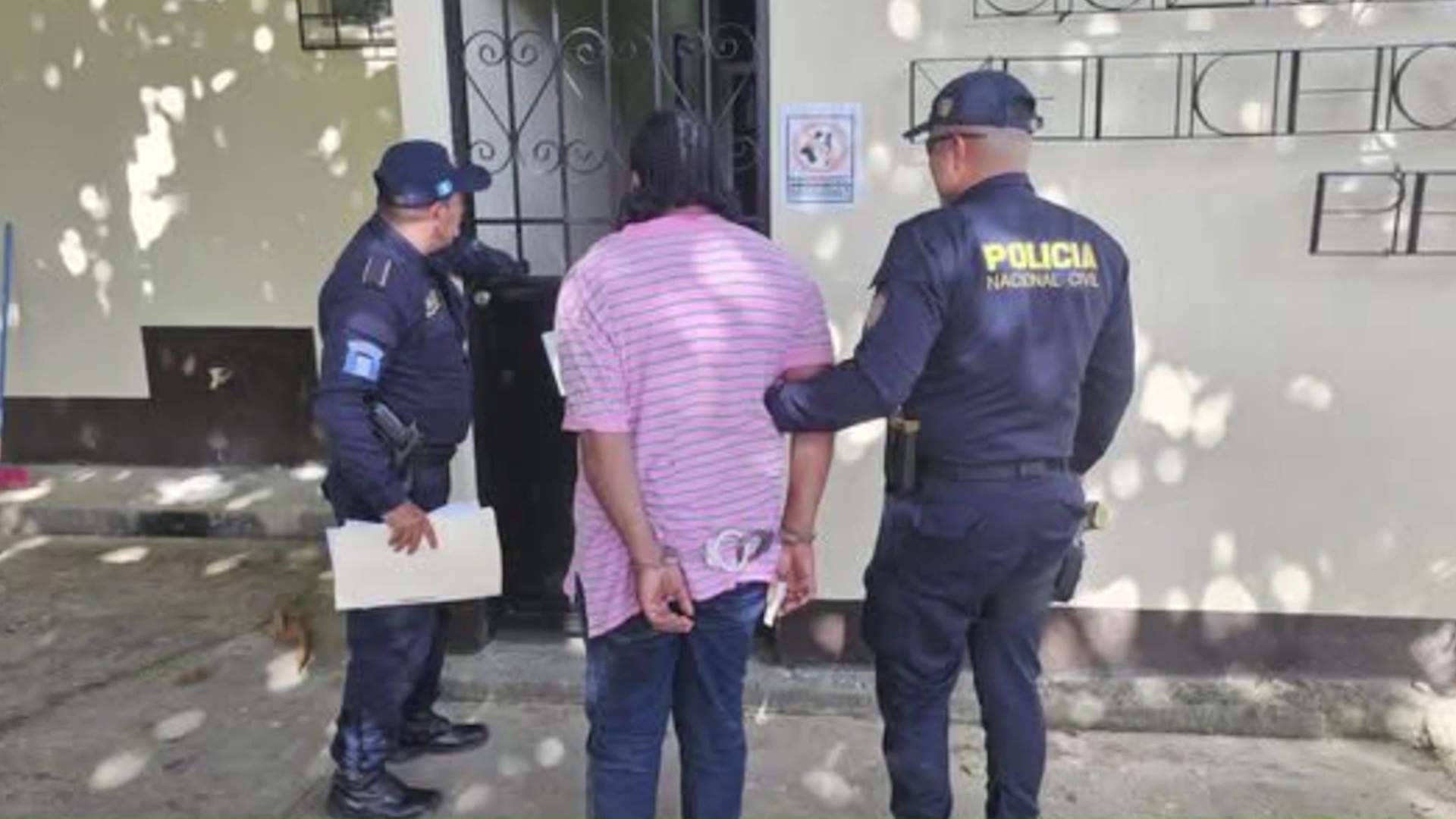
    BELIZE CITY – Prime Minister John Briceño has launched a vehement defense of his administration amidst growing scrutiny following the abduction of Joseph Budna. During a televised appearance on the ‘Open Your Eyes’ program Wednesday morning, the Prime Minister delivered a blistering critique of media coverage, accusing news outlets of sensationalism while redirecting attention to Budna’s extensive criminal background.

    Briceño employed stark language in characterizing Budna, explicitly referring to him as a ‘monster’ while questioning media priorities. ‘When you live a life of crime then that would happen,’ Briceño stated, though he clarified, ‘I am not suggesting in any way that I would want anything bad to happen to Mr. Budna or any citizen of this country.’

    The Prime Minister’s commentary highlighted several serious allegations from Budna’s past, including a fatal shooting of a sixteen-year-old in Budna’s bedroom and multiple sexual assault cases. ‘I did not see any of you crying out for justice for these people,’ Briceño challenged journalists, ‘yet I see you crying out for justice for Mr. Budna.’

    This extraordinary public statement raises profound questions about governmental responsibility in high-profile criminal investigations and the ethical considerations surrounding victim portrayal based on prior conduct. Briceño further distanced his administration from operational law enforcement matters, stating unequivocally, ‘You can’t hold me responsible for anything happening in Orange Walk Central. I don’t know what criminal activities are going on in Orange Walk Central.’

    The administration’s positioning on this kidnapping case signals a potentially significant shift in how authorities address victims with criminal histories, while simultaneously testing the boundaries of executive commentary on active investigations.

  • St. Kitts and Nevis reaffirms Human Rights Commitment at OAS

    St. Kitts and Nevis reaffirms Human Rights Commitment at OAS

    WASHINGTON, DC — In a powerful address to the Organization of American States (OAS) Permanent Council on Wednesday, St. Kitts and Nevis demonstrated its steadfast dedication to human rights principles during the global observance of World Human Rights Day 2025.

    Minister Counselor and Alternate Representative Augustine Skerritt articulated the Federation’s unwavering commitment to preserving human dignity, equality, and justice for all citizens. The 2025 theme, “Human Rights, Our Everyday Essentials,” served as the foundation for discussions emphasizing how fundamental rights constitute the bedrock of daily existence worldwide.

    Skerritt emphasized the nation’s continued alignment with both the Universal Declaration of Human Rights and core international human rights conventions. As a small island developing state, St. Kitts and Nevis maintains particular awareness of global vulnerabilities, prompting reinforced efforts to protect marginalized communities including Afro-descendants, Indigenous populations, children, women, girls, and persons with disabilities.

    The address coincided with United Nations Secretary General António Guterres’ sobering assessment of contemporary human rights challenges. Guterres highlighted concerning trends including shrinking civic spaces and grave rights violations, while simultaneously calling for collective action to strengthen protective institutions.

    Both officials underscored the necessity of multilateral cooperation between governments, civil society, and international organizations to transform human rights from theoretical concepts into tangible realities. From basic needs provision to environmental protection and gender empowerment, the comprehensive approach requires universal participation according to both speakers.

    Skerritt concluded by reaffirming the Federation’s renewed pledge to recognize, respect, and protect all rights and dignities enshrined in United Nations, Inter-American, and other international agreements, emphasizing that every individual’s contribution remains vital to democratic sustainability regardless of status, gender, ability, or origin.

  • Contraband Carrots Back in Focus as Mai Speaks Out

    Contraband Carrots Back in Focus as Mai Speaks Out

    In a remarkable political reversal, former Belize Agriculture Minister Jose Abelardo Mai has dramatically shifted his position on the contentious issue of contraband carrots affecting local farmers. Having recently stepped down from his ministerial role, Mai now openly champions the cause of carrot growers in San Carlos Village, Orange Walk—a stark contrast to his previous dismissive stance while in government.

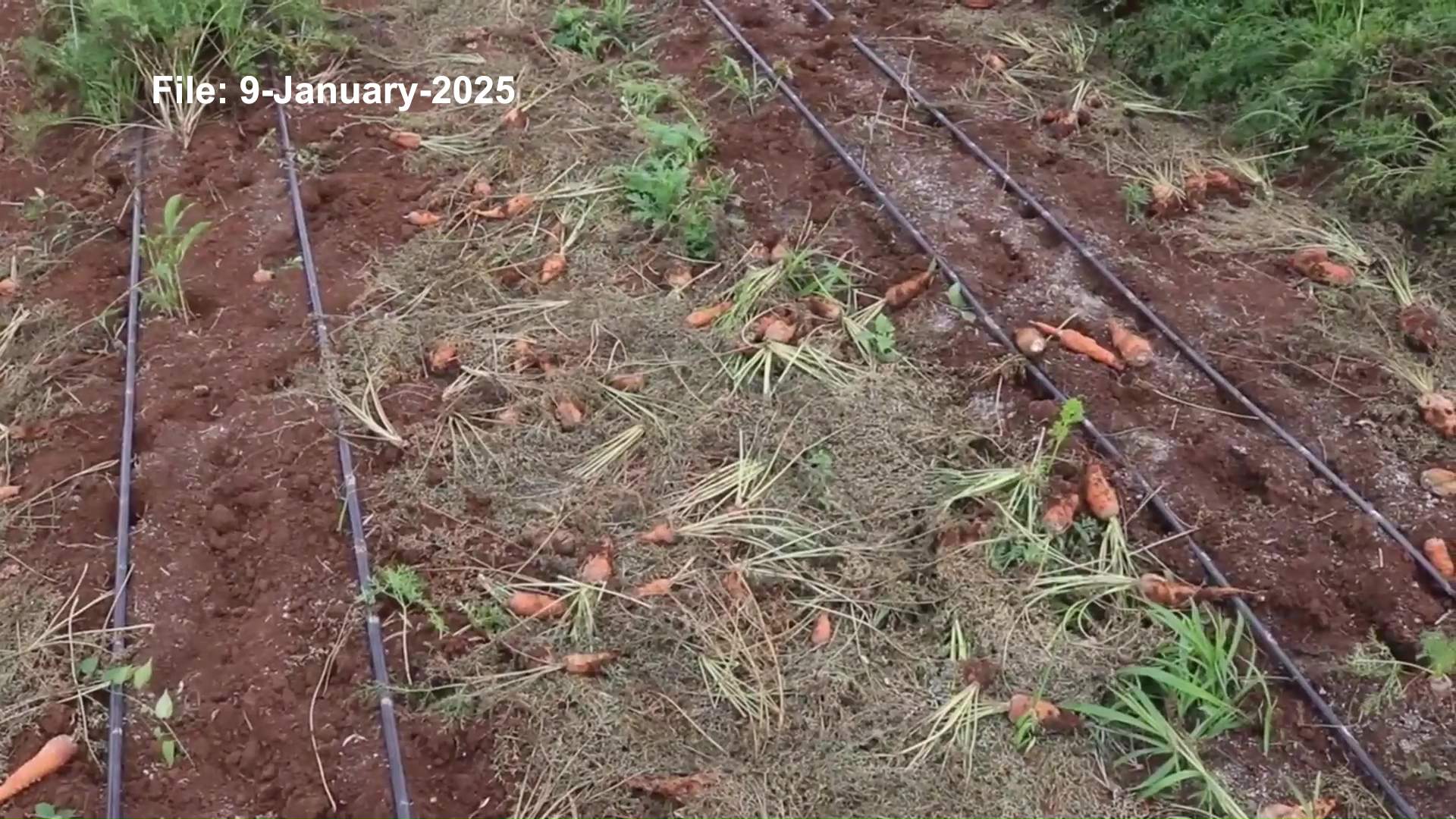
    The controversy centers on the annual market saturation caused by illegally imported carrots, which domestic farmers claim devastates their livelihoods through price depression and unfair competition. During his tenure, Minister Mai consistently downplayed these concerns, characterizing them as political opportunism and questioning the evidence of significant smuggling operations.

    In January 2025, Mai publicly dismissed the issue as “primary school politics,” specifically referencing opposition figures Tracy Taegar-Panton and Shyne Barrow who had raised the matter. He argued then that market forces of supply and demand were the primary factors, while maintaining that border control fell outside his ministry’s direct jurisdiction.

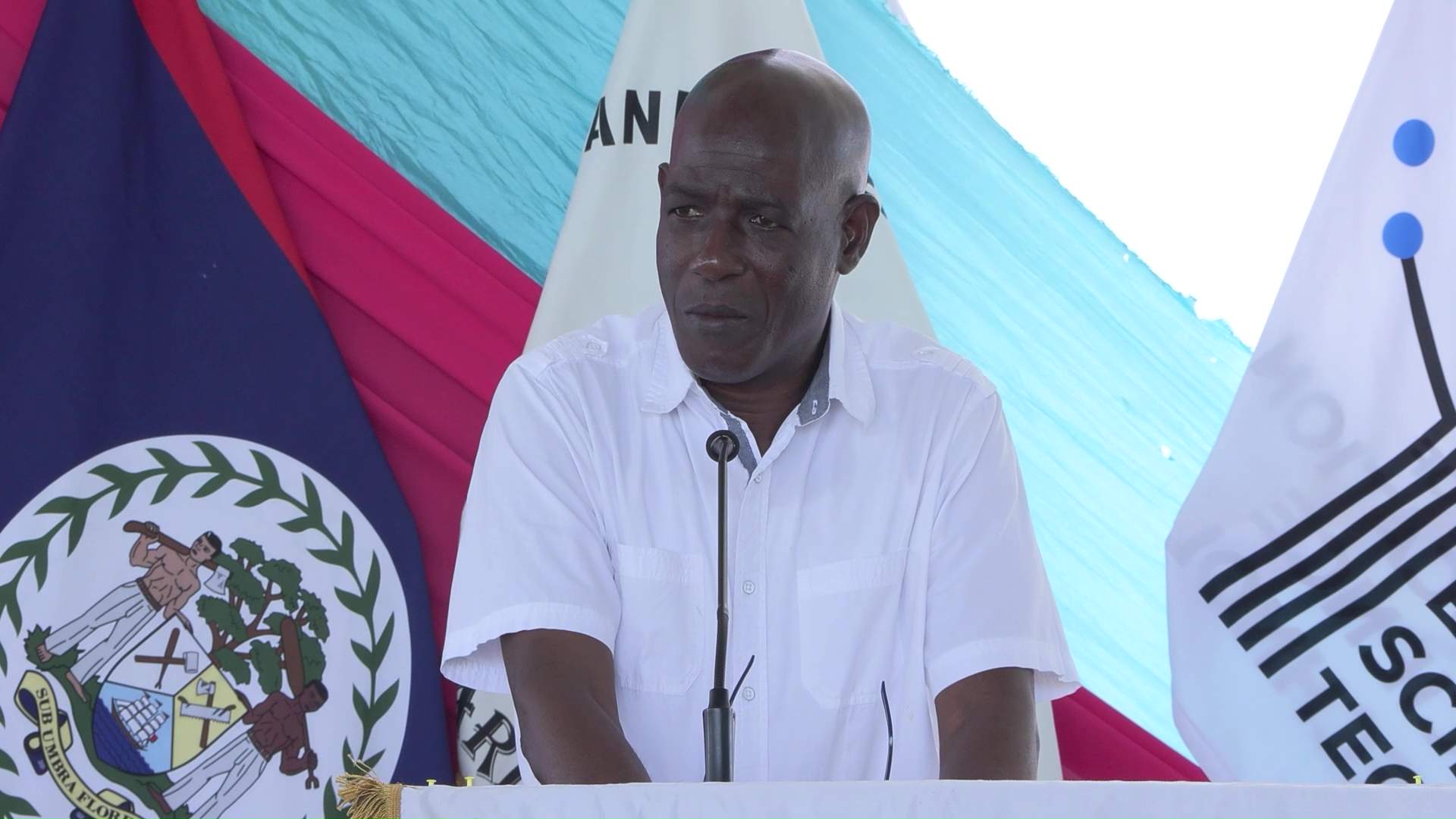
    Now, as a private citizen and opposition representative for Orange Walk South, Mai has completely reversed his position. He recently revealed receiving direct communications from farmers unable to sell their harvest due to market flooding by imported carrots. Acknowledging these must be illegal imports, Mai has attempted to contact customs officials and the Belize Agricultural Health Authority (BAHA) to request intensified enforcement measures.

    The former minister’s about-face highlights the perennial challenge of agricultural smuggling through Belize’s porous borders and raises questions about political accountability and the consistency of policy positions between government and opposition roles.

  • Mai Praises Rodwell Ferguson’s Existing Management Team

    Mai Praises Rodwell Ferguson’s Existing Management Team

    In a significant cabinet reshuffle, Belizean Prime Minister Johnny Briceño has appointed Rodwell Ferguson as the nation’s new Minister of Agriculture, succeeding Jose Abelardo Mai. This transition comes amid concerns regarding Ferguson’s management style, which has drawn attention during his previous tenure. His track record at the Ministry of Transport, Sports, and Youth reveals a pattern of rapid leadership turnover, having cycled through three Chief Executive Officers within a four-year period. His approach included revoking financial authority from his first CEO and leaving key institutions like the Department of Youth Services and the National Sports Council without permanent leadership for extended durations. In response to these concerns, former Minister Mai has publicly endorsed Ferguson’s capabilities while emphasizing the critical importance of his successor relying on the ministry’s existing professional cadre. Mai highlighted that the agricultural portfolio benefits from an exceptionally competent and diligent team that requires continued motivation and strategic direction rather than overhaul. He cautioned against surrounding oneself with sycophants, noting that effective leadership necessitates collaboration with knowledgeable experts rather than ideological loyalists. Despite Ferguson’s lack of formal agronomy background, Mai expressed confidence that success is achievable through delegation and trust in qualified personnel.

  • Government Tightens Border Security Amid Cartel Threats

    Government Tightens Border Security Amid Cartel Threats

    The Government of Belize has initiated a comprehensive border security enhancement program titled ‘Operation Northern Fortress’ amid escalating concerns about transnational cartel operations. Prime Minister John Briceño confirmed an $8 million investment to bolster security personnel and resources along the nation’s northern frontier with Mexico.

    The strategic move comes in response to growing security challenges in the Corozal Free Zone, where authorities are combating organized crime infiltration and illegal cross-border activities. Prime Minister Briceño revealed during a press briefing that cartel threats have been a persistent concern since his December 2020 meetings with U.S. Embassy officials, where he identified drug cartels as Belize’s most pressing national security challenge.

    The government is implementing multi-layered security measures including heightened surveillance, tightened entry controls at the Free Zone, and enhanced police presence. Prime Minister Briceño has personally engaged Mexican leadership, writing to President Claudia Sheinbaum to request increased Mexican security forces along the shared border to address transnational criminal elements.

    While cigarettes have been identified as a significant contraband commodity driving criminal activity in the region, the Prime Minister clarified that multiple goods are involved in cross-border smuggling operations. The administration has consulted with the Ministry of Foreign Trade regarding tobacco regulation but indicates World Trade Organization regulations present limitations on restricting cigarette movements through the Free Zone.

    The security overhaul represents Belize’s most significant border protection initiative in recent years, focusing on preventing cartel infiltration while maintaining legitimate cross-border commerce essential to regional economies.

  • UDP Warns of Mounting Debt Under Briceño

    UDP Warns of Mounting Debt Under Briceño

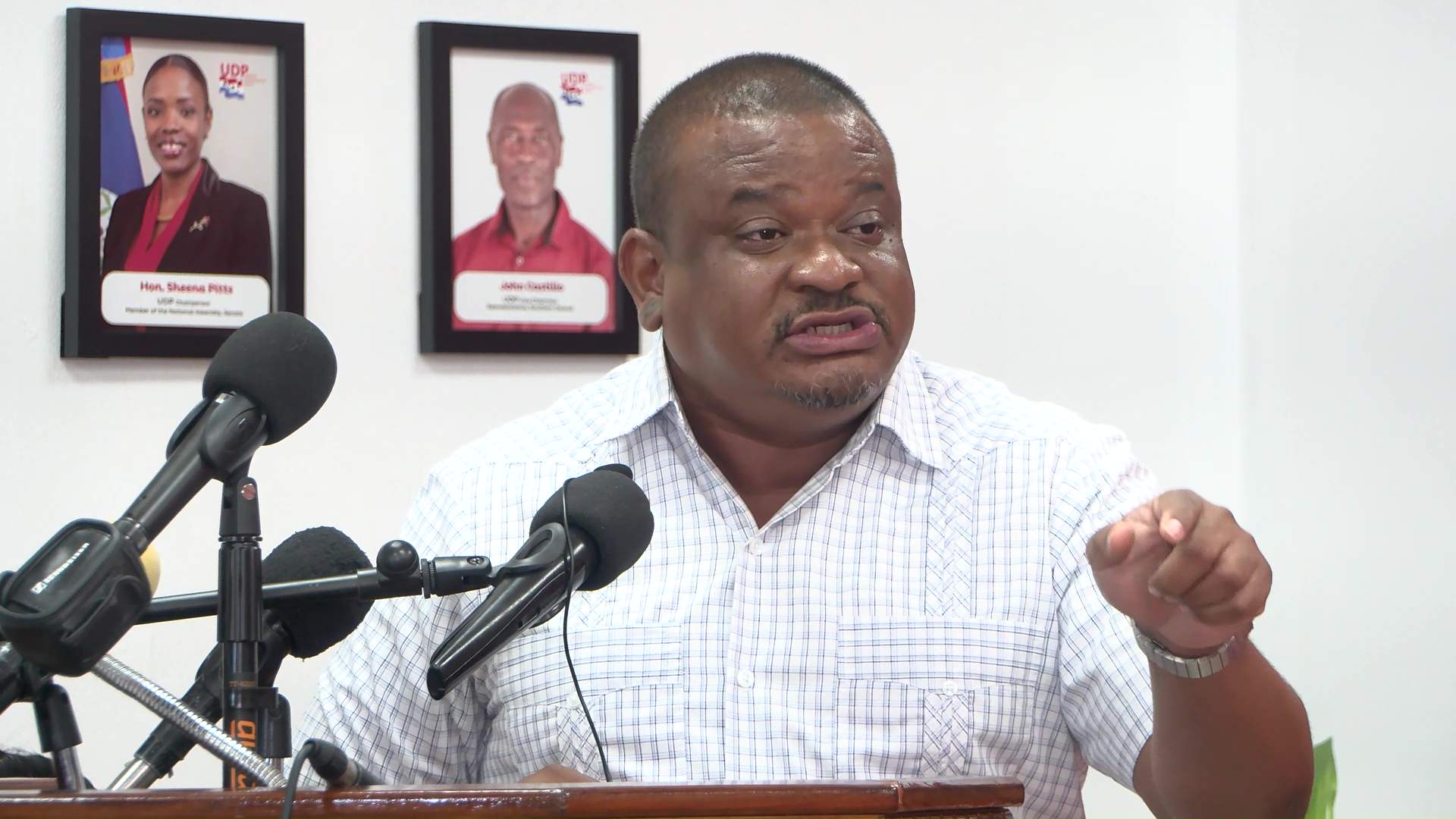
    BELIZE CITY – The United Democratic Party (UDP) has issued a stark warning regarding Belize’s fiscal trajectory, accusing the ruling People’s United Party (PUP) administration of excessive borrowing that threatens the nation’s economic future.

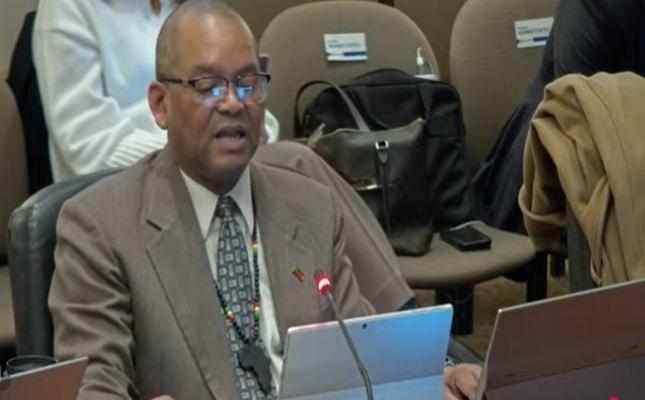
    In a forceful address, UDP Senator Patrick Faber revealed that government borrowing has reached approximately six hundred million Belize dollars ($600 million) over the past five years. Faber emphasized the magnitude of this debt accumulation, specifically noting for clarity: “For those who like it like the former prime minister, Musa, that is point six million dollars with a B.”

    The opposition senator framed this borrowing spree as a generational burden, asserting that while the borrowed funds have been expended, the financial obligations will persist for decades. “The point is, that money is now gone, but the stench from borrowing all that money remains for our children and our children’s children and even our children’s children’s children to pay,” Faber stated during his presentation.

    Faber’s criticism targeted the PUP’s governing approach, claiming this pattern of debt accumulation reflects the party’s operational philosophy. The UDP has consequently demanded an immediate cessation of further national borrowing.

    “The UDP calls for a cease and desist of borrowing in the name of this country, a cease and desist of borrowing in the name of our children’s children,” Faber declared, emphasizing that current policies are saddling future generations with unsustainable debt while citizens remain unaware of the long-term implications.

    The statement represents the latest escalation in Belize’s ongoing political debate over fiscal responsibility and economic management, setting the stage for continued parliamentary confrontation over the nation’s financial direction.

  • UDP Demands Transparency on Rumored Speednet Sale

    UDP Demands Transparency on Rumored Speednet Sale

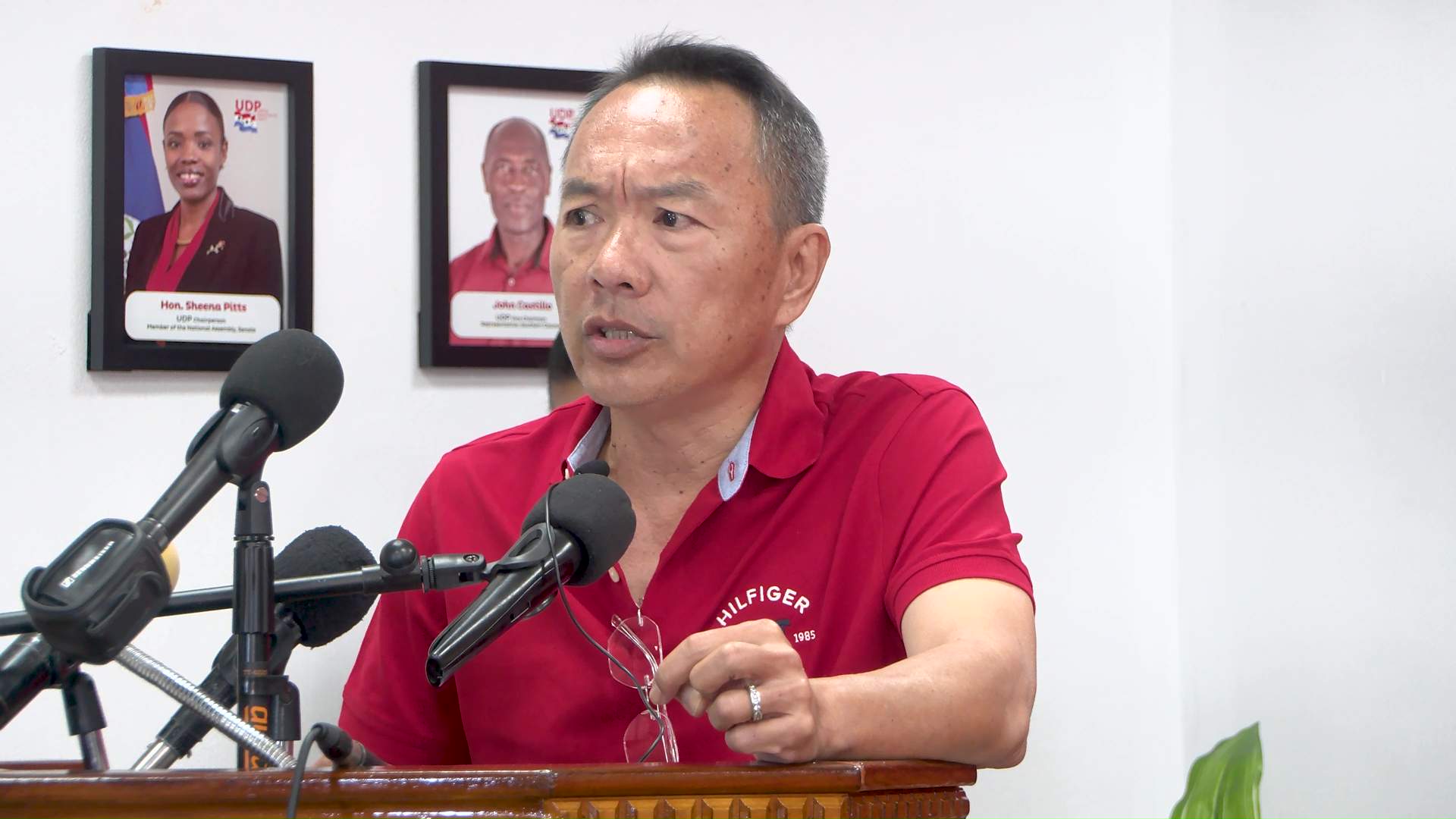
    BELIZE CITY – Political tensions have escalated surrounding the rumored acquisition of telecommunications provider Speednet by Belize Telemedia Limited (BTL). The United Democratic Party (UDP) has formally challenged the government’s transparency regarding the potential consolidation, demanding immediate public disclosure of all details concerning the speculated deal.

    Lee Mark Chang, Area Representative for Mesopotamia, delivered a forceful critique of the alleged negotiations, highlighting the conspicuous absence of concrete information. “For months we have been hearing whispers, rumors of a deal,” Chang stated. He emphasized that BTL is a national asset, with 91% Belizean ownership, and questioned the rationale behind using its resources to acquire competitors like Smart, NEXGEN, and Centaur.

    The opposition’s central argument hinges on a profound lack of transparency. Chang challenged the government’s narrative, asking, “They tell us that it is a good deal for Belize. But if it is such a good deal then why all the secrets?” He pointed to the absence of a signed agreement, a public report, or a disclosed purchase price, describing the process as shrouded in secrecy.

    Employing a vivid analogy, Chang compared the situation to a business owner inexplicably directing customers to a competitor, only to later be forced to buy that same rival. The core of his inquiry focused on the ultimate beneficiaries of the transaction. He posited that the primary winners would not be the Belizean public or the national economy, but rather the private family owners of the acquired companies, who would receive a “risk-free, massive payday” that would secure wealth for generations.

    The UDP’s demands have thrust the rumored corporate maneuver into the political spotlight, framing it as a matter of national interest that requires rigorous public scrutiny and accountability from the current administration.