分类: politics

  • US seizes oil tanker off Venezuela as Caracas condemns ‘act of piracy’

    US seizes oil tanker off Venezuela as Caracas condemns ‘act of piracy’

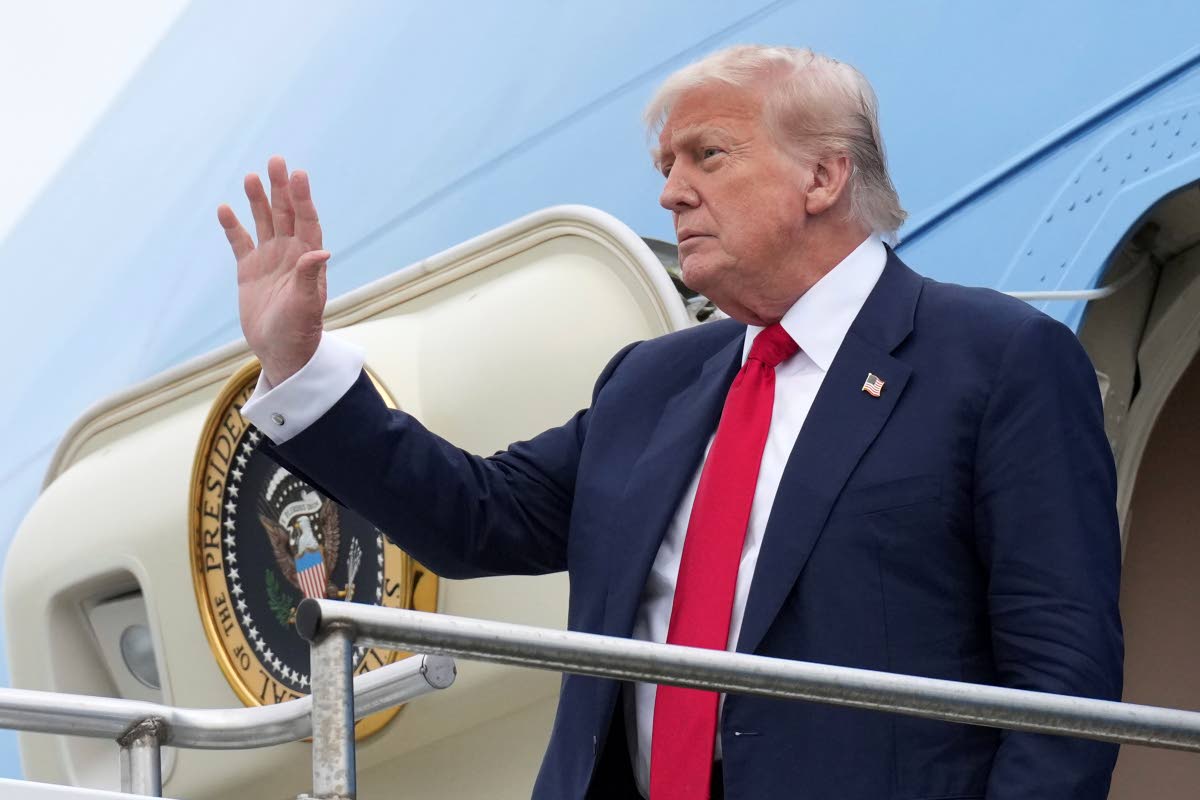
    In a dramatic escalation of geopolitical tensions, United States military forces have intercepted and seized a massive crude oil tanker off the Venezuelan coastline. President Donald Trump announced the operation from the White House, characterizing it as the largest such seizure in history.

    The operation, coordinated across multiple U.S. agencies including the Department of Defense, Homeland Security, and Coast Guard, targeted what officials describe as a sanctioned vessel involved in transporting illicit petroleum products. Attorney General Pam Bondi released video evidence showing military helicopters hovering above the massive tanker while armed personnel descended onto the deck via ropes.

    Venezuelan leadership immediately condemned the action as ‘international piracy,’ with President Nicolás Maduro previously asserting that his nation would never become an ‘oil colony.’ The Trump administration maintains that the tanker was part of an illegal network supporting foreign terrorist organizations and facilitating narcotics trafficking into the United States.

    The operation originated from the USS Gerald Ford, the world’s largest aircraft carrier recently deployed to the Caribbean region. Military officials confirmed the involvement of two helicopters, ten Coast Guard members, ten Marines, and special forces personnel in the meticulously executed seizure.

    Global energy markets responded to the development with Brent crude prices experiencing upward movement amid concerns about potential supply disruptions. Analysts warn that such aggressive actions could further destabilize Venezuela’s oil export capabilities and create risks for international shipping operators in the region.

  • BLP nominee Munro-Knight opens constituency office, emphasises access and service

    BLP nominee Munro-Knight opens constituency office, emphasises access and service

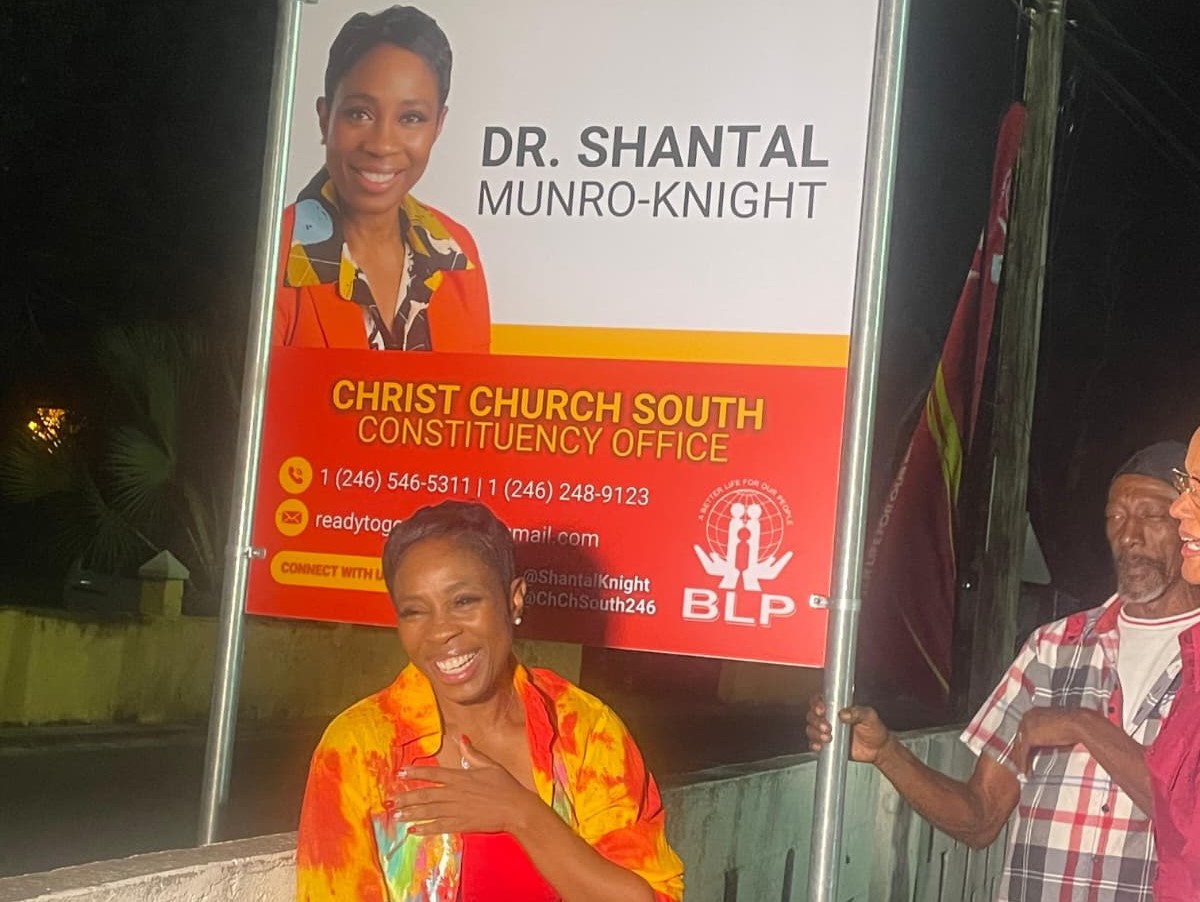
    In a significant move signaling electoral preparedness, Senator Dr. Shantal Munro-Knight has inaugurated her Christ Church South constituency office just over a year after securing the Barbados Labour Party’s nomination. The Friday evening ceremony at the Maxwell Main Road location drew party dignitaries, supporters, and local residents, marking a strategic organizational advancement ahead of potential general elections.

    The establishment addresses persistent concerns about accessible representation that emerged during Dr. Munro-Knight’s extensive community walkabouts. ‘Throughout my engagements across this constituency, the recurring question has consistently been: Where is your office?’ the senator revealed. She succeeds former BLP representative Ralph Thorne, who currently leads the Opposition, and emphasized that the facility will serve dual purposes as both campaign headquarters and constituent service center, openly accessible to all residents regardless of political affiliation.

    Dr. Munro-Knight framed her political journey as fundamentally rooted in service rather than personal ambition, noting she hadn’t previously envisioned herself in such a role. ‘My motivation stems from a singular desire—to serve authentically,’ she stated, explicitly inviting constituents to hold her accountable for her representation. The senator highlighted ongoing initiatives including a commemorative wall honoring Oistins fisherfolk’s sacrifices, the Silver Spoon Programme providing meals for elderly residents inspired by a dignified utility-deprived senior, and a self-empowerment initiative creating internship opportunities for young women.

    Despite electoral uncertainties, Dr. Munro-Knight committed to maintaining door-to-door engagement and daily resident interactions, asserting that ‘effective leadership emerges from directly seeing, feeling, and hearing the people.’ The event garnered substantial party support with attendance from MPs Wilfred Abrahams, William Duguid, Chad Blackman, Kerrie Symmonds, Ryan Straughn, and Acting Prime Minister Santia Bradshaw.

    Bradshaw testified to Dr. Munro-Knight’s de facto representative status, humorously acknowledging her persistent advocacy: ‘She has made my life miserable, detailing every road requiring repair, every drain needing cleaning, and every light requiring installation—despite not yet being officially elected.’ The acting PM confirmed allocated funding through the Ministry of Transport and Works to address identified infrastructure issues, with an aggressive rollout planned from January 2026. MP Abrahams offered unequivocal endorsement, urging constituents: ‘With the clearest conscience, vote for us. This is a good woman coming to represent you all.’

  • ‘People first’: Pierre announces new Cabinet, sets uncompromising tone for second term

    ‘People first’: Pierre announces new Cabinet, sets uncompromising tone for second term

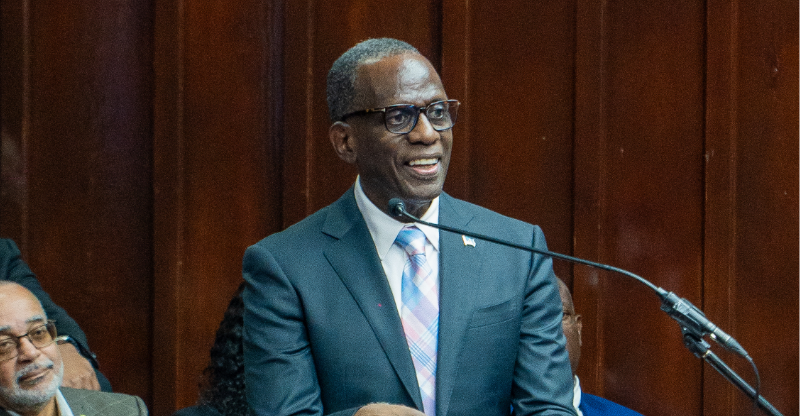
    In a decisive address at the House of Parliament on December 12, Prime Minister Philip J. Pierre formally introduced his restructured Cabinet following the Saint Lucia Labour Party’s decisive electoral victory on December 1. The ceremony marked a significant shift toward what Pierre termed “people-centred leadership” built upon three core pillars: discipline, accountability, and performance.

    Rooting his governance philosophy in spiritual principles, Pierre invoked Proverbs 3:5, emphasizing that divine guidance would inform his administration’s decisions. He characterized the election results as both “historic” and “overwhelming,” acknowledging the substantial responsibility bestowed upon his government.

    The newly configured Cabinet features several strategic portfolio adjustments reflecting contemporary challenges. Notably, Climate Change has been established as a formal ministerial responsibility under Lisa Jawahir, who will simultaneously oversee Agriculture, Fisheries, and Food Security. The portfolio of Public Service, Labour, and Gender Affairs has been strategically divided, with Emma Hippolyte assuming leadership of the consolidated Labour, Gender Affairs, Equity, Social Justice, and Consumer Welfare portfolio.

    Pierre established unequivocal performance expectations for his ministerial team, warning that appointments remain subject to change based on effectiveness. “Ministers within my Cabinet will be expected to conduct themselves with the highest levels of professionalism, integrity and effectiveness,” he stated, adding that the structure “is not permanent” and adjustments would occur “when and whenever necessary.”

    The Prime Minister personally assumes expanded responsibilities, retaining Finance and National Security while adding Constituency Development and People Empowerment—a deliberate consolidation he stated demonstrates his administration’s commitment to prioritizing citizen welfare.

    Several key reappointments include Moses Jn Baptiste (Health and Wellness, plus Nutrition), Stephenson King (Public Service, Transport, Information, and Utilities Regulations), and Alva Baptiste (External Affairs, International Trade, Civil Aviation, and Diaspora Affairs). Kenson Casimir sees his portfolio expanded to include Digital Transformation and Education alongside Youth Development and Sports.

    Notable absences include former Agriculture Minister Alfred Prospere, whose reappointment faces constitutional barriers related to the Deputy Speaker position. Pierre praised Prospere’s “stellar work” and indicated future consideration once legal obstacles are resolved.

    The administration has yet to assign several portfolios from the previous government, including Sustainable Development, Technology, Vocational Training, Manufacturing, Business Development, and Elderly Affairs, suggesting potential further restructuring.

  • CIP CEO defends programme’s integrity

    CIP CEO defends programme’s integrity

    Saint Lucia’s Citizenship by Investment Programme (CIP) has received a clean bill of health following an independent operational audit that found no evidence of corruption within its internal operations, according to CEO Mc Claude Emmanuel. The comprehensive review, conducted by professional services firm Deloitte, will be fully disclosed when the CIP’s 2024–2025 annual report is presented to Parliament in the upcoming session.

    This development emerges against the backdrop of ongoing legal proceedings initiated by former Prime Minister Allen Chastanet, who has sought judicial review of the program’s administration. The High Court is scheduled to hear Chastanet’s claim on January 26, though his previous application for an interlocutory injunction was rejected in an October judgment that permitted substantive allegations to proceed.

    Emmanuel, addressing corruption allegations in an exclusive interview with St. Lucia Times, emphasized that the audit examined processes spanning his tenure and previous administrations. “Internally, our audit shows that there has been no incidence of corruption,” he stated. “We recently performed our first operational audit by Deloitte, and nothing unsavoury was discovered.”

    The audit was conducted as part of Saint Lucia’s commitments under six agreed principles with the United States. Emmanuel provided conservative estimates indicating the program has generated “high hundreds of millions of dollars” since its inception, contributing approximately 7% (EC$189 million) to the national budget of EC$2 billion.

    Regarding fund allocation, Emmanuel clarified that while the CIP Unit processes applications and receives payments, all funds are transferred to the government treasury. “When it’s in the government’s control, I cannot tell you definitively what it is used for,” he explained, though noting several social initiatives funded through the program including infrastructure development, relief for vulnerable parents, subsidized school meals, and increased pensions.

    The program has approved only two projects in its nine-year history: the Caribbean Galaxy hotel project in Canelles and A’ila Resorts development at Rodney Bay. A third mega-project proposal never materialized due to missing approvals, policy changes, and COVID-19 disruptions.

    Emmanuel highlighted ongoing challenges including international pressure from countries like the United States and United Kingdom tightening border security measures. The program maintains strict due diligence procedures, currently banning applicants from Russia, Cuba, North Korea, Belarus, Italy, Venezuela, and Iran due to banking sanctions and due diligence limitations.

    Despite these safeguards, former Prime Minister Dr. Kenny Anthony predicts the program’s eventual collapse following recent agreements among OECS member states to establish a Regional CIP Regulatory Authority that would remove decision-making from national units.

  • EU-CELAC Summit, an oasis in the desert, says experts in Spain

    EU-CELAC Summit, an oasis in the desert, says experts in Spain

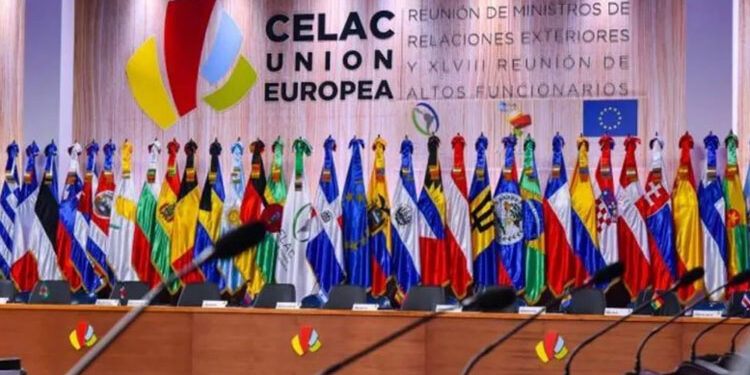
    At a recent policy seminar, former European Parliament member Ramón Jauregui delivered a candid assessment of the evolving international geopolitical landscape, emphasizing Latin America and the Caribbean’s critical role. His address centered on the pressing necessity for the European Union to finalize the long-pending Cooperation Agreement with Mercosur, the South American trade bloc.

    Jauregui provided a critical examination of former U.S. President Donald Trump’s disruptive foreign policy maneuvers, which included attempts to alter established international norms. These controversial actions ranged from proposals to rename the Gulf of Mexico to implementing aggressive tariff policies against trading partners.

    The discussion further addressed how such protectionist strategies could potentially destabilize European interests and create pressure on China through extraterritorial policies. Against this complex backdrop, Jauregui identified the recent EU-CELAC Summit in Santa Marta, Colombia, as providing a cautiously optimistic outlook for international cooperation, despite existing challenges.

    The seminar, titled ‘After the IV CELAC-EU Summit in Santa Marta: Results Achieved and Objectives to Fulfill,’ featured multiple experts who unanimously stressed the critical importance of developing new multilateral collaboration frameworks. Participants explored potential investment initiatives and analyzed the prospects for a comprehensive EU-Mercosur agreement, drawing comparisons to the EU’s existing successful partnerships with Chile and Mexico.

    Experts concluded that strengthening the EU-Mercosur partnership would serve as a robust response to evolving global trade mechanisms and reinforce international cooperation frameworks during a period of significant geopolitical transformation.

  • Trump’s threats on Venezuela, a repeated stance

    Trump’s threats on Venezuela, a repeated stance

    The United States has significantly intensified its strategic posture toward Venezuela through a series of coordinated military and policy actions. Recent weeks have witnessed a bolstering of U.S. military assets in the Caribbean Sea, positioning them in close proximity to the South American nation’s coastline. In a notable interview with Politico, former President Donald Trump explicitly declined to dismiss the potential deployment of Pentagon forces into Venezuela, signaling a hardened approach. He further escalated rhetoric by ominously declaring that the days of Venezuelan President Nicolás Maduro are ‘numbered,’ a statement perceived as a direct threat to the incumbent government. Complementing this verbal posture, the U.S. administration announced a comprehensive closure of airspace over and adjacent to Venezuela, characterizing it as part of an intensified ‘maximum pressure’ campaign aimed at Caracas. Venezuelan Defense Minister Vladimir Padrino has publicly condemned these actions as acts of intimidation, specifically citing the unauthorized incursion of U.S. F-18 fighter jets into the airspace over the Gulf of Venezuela. In a parallel development, the U.S. Department of Homeland Security (DHS) terminated the Family Reunification Parole (FRP) programs for nationals from seven countries—Colombia, Cuba, Ecuador, El Salvador, Guatemala, Haiti, and Honduras—along with their immediate relatives. This policy shift, justified by citing systemic abuses of the protections, mandates that affected immigrants must depart U.S. territory by mid-January unless they can secure an alternative legal status to remain.

  • Antigua and Barbuda assumes chairmanship of prominent United Nations body

    Antigua and Barbuda assumes chairmanship of prominent United Nations body

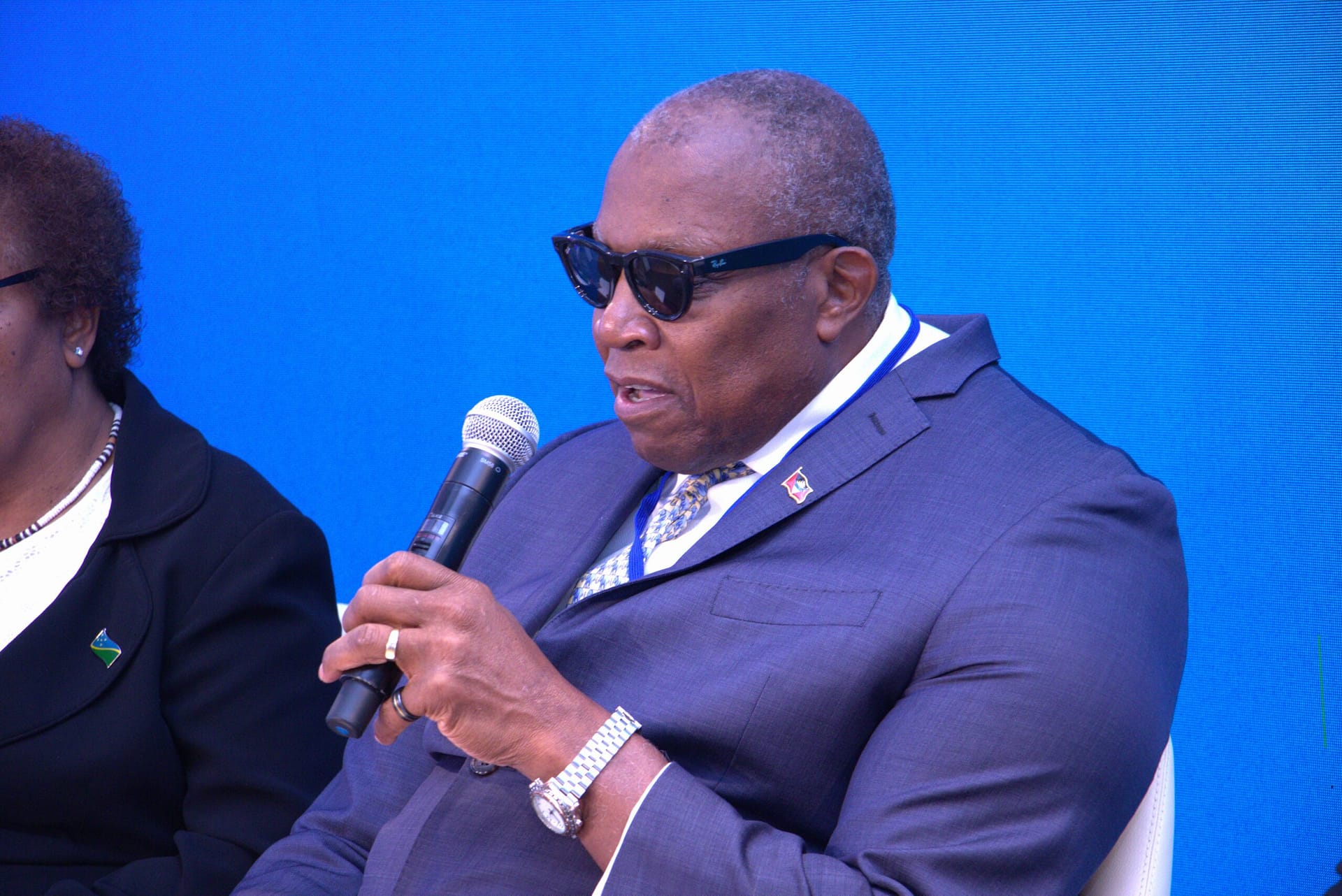
    In a significant regional leadership transition, Antigua and Barbuda has formally assumed the chairmanship of the Caribbean Development and Cooperation Committee (CDCC) for the 2026-2028 term. The handover ceremony occurred during the 22nd CDCC meeting in Trinidad, where Trinidad and Tobago passed stewardship responsibilities to the incoming chair nation.

    Established in 1975 through a United Nations Economic Commission for Latin America and the Caribbean (ECLAC) resolution, the CDCC maintains a mandate to promote regional collaboration for economic and social advancement. The committee now serves as a critical platform for addressing the distinctive challenges confronting Caribbean small island developing states.

    Ambassador Walton Webson, Antigua and Barbuda’s Permanent Representative to the United Nations, characterized the leadership assumption as both strategically timed and highly significant. “This mandate arrives at an optimal juncture, enabling us to champion the ABAS decade as the regional implementation framework for SIDS resilience,” Webson stated during the transition proceedings.

    The ambassador outlined key priorities for Antigua and Barbuda’s tenure, including advancing climate financing reform, establishing robust investment pipelines, and strengthening technical partnerships throughout Latin America and the Caribbean. He emphasized that the CDCC must persistently advocate for “fairness, predictability, and resilience as foundational pillars of a new financial architecture for island states.”

    Webson additionally acknowledged Trinidad and Tobago’s contributions during their chairmanship, recognizing their dedicated stewardship and commitment to regional integration and development. The leadership transition marks a pivotal moment for Antigua and Barbuda to influence regional responses to climate change, disaster resilience, sustainable financing, and enhanced South-South cooperation mechanisms.

  • AuGD flags poor oversight of Gov’t-issued credit card at Parliament

    AuGD flags poor oversight of Gov’t-issued credit card at Parliament

    KINGSTON, Jamaica — A comprehensive audit investigation has revealed significant governance lapses within Jamaica’s parliamentary financial management systems. The Auditor General’s Department (AuGD) identified critical weaknesses in the oversight mechanisms governing a government-funded credit card operated by the Houses of Parliament (HoP), raising substantial concerns about potential misuse.

    The special audit, directed by Auditor General Pamela Monroe-Ellis, was initiated following allegations of administrative mismanagement within the country’s legislative headquarters under Clerk Colleen Lowe’s leadership. The recently tabled report highlights systemic failures in financial monitoring and reconciliation processes that created vulnerabilities for non-compliance and financial exposure.

    While the audit examination of 65 sampled transactions totaling US$14,279.68 found no evidence of personal expenditures, it uncovered a startling US$28.96 million accounting error that remained undetected for approximately four months. The discrepancy occurred when a requested transfer of Jamaican dollar equivalent to US$181,026.73 was erroneously processed as a direct withdrawal of $28.96 million, with the parliamentary administration failing to identify the massive error until months later.

    The investigation further revealed that the Parliament’s credit card administrator failed to perform mandatory monthly reconciliations for 40 transactions worth US$11,377 between February and May 2025. Additionally, the institution breached Financial Administration and Audit (FAA) Act requirements by submitting only two of five required quarterly reports during the review period, both delivered with significant delays ranging from 3 to 40 days past deadlines.

    The audit scope extended beyond credit card management, uncovering additional policy violations including a senior parliamentary manager’s unauthorized use of a government vehicle for nearly six months, improper awarding of a $24 million renovation contract for the Members’ Lounge, and procurement of 16 air conditioning units in violation of established government guidelines.

  • US seeks friends to advance its influence in the Western Hemisphere

    US seeks friends to advance its influence in the Western Hemisphere

    The United States has formally declared a strategic pivot to reclaim its historical dominance across the Western Hemisphere through a newly articulated foreign policy framework. This initiative, detailed in the National Security Strategy document signed by President Donald Trump and released by the White House, marks a significant shift from what it describes as ‘years of neglect’ in regional engagement.

    Dubbed the ‘Trump Corollary’ to the Monroe Doctrine, the strategy aims to reinforce American pre-eminence by enlisting established regional allies to combat transnational threats, including narco-terrorism, cartels, and illegal migration. The document explicitly states intentions to deny non-hemispheric competitors—an apparent reference to global powers like China and Russia—the ability to position military assets or control strategic infrastructure in the region.

    Geographically integral to this hemisphere, Trinidad and Tobago finds itself directly implicated in these developments. Prime Minister Kamla Persad-Bissessar has publicly endorsed the U.S. military presence, including the recent establishment of an advanced AN/TPS-80 radar system at the ANR Robinson International Airport. This system, capable of detecting aerial threats and monitoring maritime activity, has already aided local authorities in a significant drug bust valued at $171 million.

    The U.S. strategy emphasizes cultivating partnerships with nations aligned with its principles, while not excluding governments with differing outlooks where shared interests exist. It also outlines considerations for targeted military deployments, including potential lethal force, to secure borders and control key transit routes. This approach has generated mixed reactions among Caribbean Community (CARICOM) leaders, with some, like Barbados Prime Minister Mia Mottley, expressing concerns over maintaining the region’s status as a ‘zone of peace.’

    The policy publication follows a substantial U.S. military buildup in the southern Caribbean, featuring destroyers, a nuclear submarine, an aircraft carrier strike group, and Marine Expeditionary Units. This deployment, officially an anti-narcotic operation, has raised questions about sovereignty and extra-judicial actions after military strikes on alleged drug vessels.

    Historical context adds complexity, as seen in Grenada’s cautious response to a U.S. request to host military radar. Prime Minister Dickon Mitchell remains deliberative, mindful of the 1983 U.S. invasion codenamed Operation Urgent Fury. The U.S. maintains that its revitalized doctrine is a ‘common-sense restoration of American power’ essential for regional stability and security.

  • Karyn Forbes trades football boots for public service

    Karyn Forbes trades football boots for public service

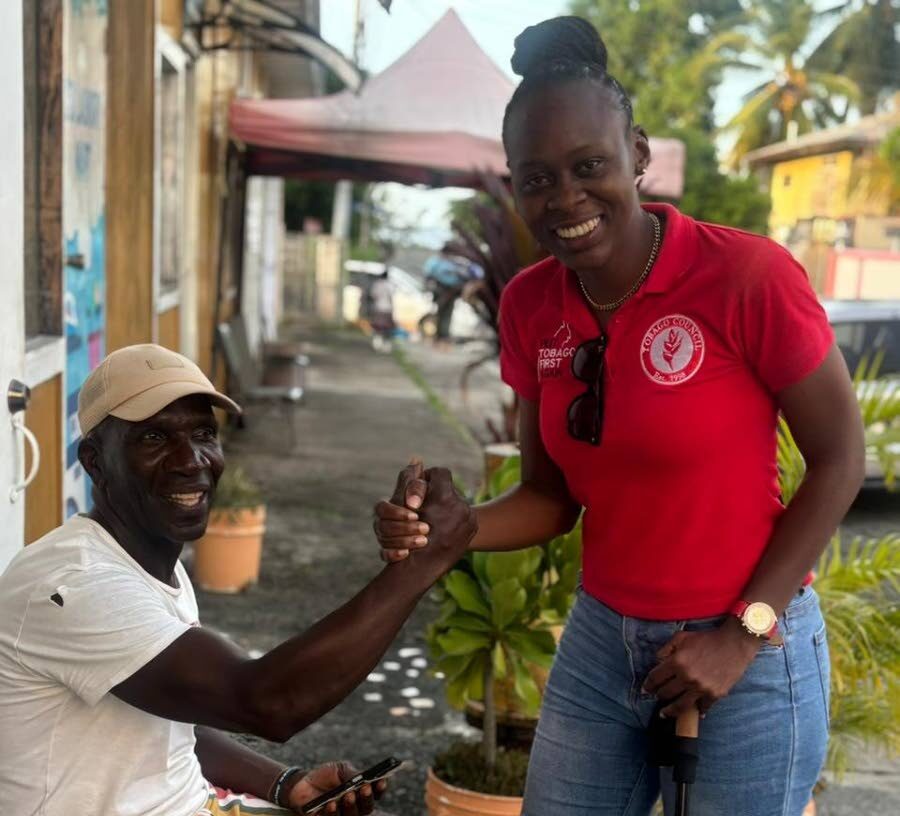
    Tobago’s political landscape witnesses a remarkable transition as former national football captain Karyn “Baby” Forbes steps into the electoral arena. The celebrated athlete, boasting 15 years and over 70 appearances representing Trinidad and Tobago, has been officially nominated as the People’s National Movement (PNM) candidate for Plymouth/Black Rock in the upcoming Tobago House of Assembly elections scheduled for January 12.

    Forbes will contend against Kern Alexis of the Tobago People’s Party in what marks a significant career shift from athletic leadership to political service. In an exclusive interview, Forbes emphasized that her political engagement evolved gradually rather than emerging as a sudden impulse. “This decision grew out of years of listening,” she stated. “Leadership doesn’t end when the game is on pause – it deepens.”

    The Plymouth native articulated her alignment with PNM as a choice grounded in principle rather than convenience. “I chose the PNM because I believe in building things that last,” Forbes explained. “Not handouts. Not season promises. Real structures that serve generations.”

    Forbes demonstrates acute awareness of her constituency’s challenges, noting struggling families, particularly single-parent households, youth lacking clear pathways despite their abilities, and elderly residents feeling increasingly marginalized. She prioritizes addressing deteriorating sports facilities and community infrastructure requiring urgent attention.

    Her political philosophy combines realism with visionary planning. “I don’t pretend to have magical solutions. What I bring is structure and follow-through,” Forbes asserted. Her agenda emphasizes people-first governance, family empowerment, community space revitalization, and leveraging sports, education, and entrepreneurship as opportunity gateways.

    If elected, Forbes commits to establishing robust foundations within her first year: “Systems that work, spaces that feel alive again, and people who feel seen. Because service is not about power: It’s about responsibility.”

    The athlete-turned-candidate views her role as bridging sports and community development. While embracing her athletic identity, Forbes stresses that “empowerment doesn’t end with sport.” She prepares to release two books—”Woman of Substance” and “Beyond the Whistle”—sharing her journey including mental battles, setbacks, and moments of faith to demonstrate that “success is not linear, and strength isn’t perfection.”

    Forbes considers her candidacy fundamentally inspirational: “My candidacy is about showing young people that your background doesn’t box you in. Whether you come from the field, the classroom, the block, or the church, you belong in leadership spaces too.”

    She characterizes Tobago’s current situation as pivotal, demanding “stamina, empathy, and integrity” alongside practical understanding of “teamwork and accountability, not in theory, but in practice.”

    Despite recently suffering a fractured ankle during training before Trinidad and Tobago’s October 28 friendly against Jamaica, Forbes has begun rehabilitation therapy following cast removal. She remains technically available for national team selection while transitioning toward political service.

    Forbes acknowledges the challenges ahead: “Sport has clear rules; life doesn’t. But the same courage it takes to step onto the pitch against stronger opponents is the courage needed to step into leadership when change is necessary.”

    She believes football instilled essential values for public service—discipline, accountability, and respect for team roles—understanding that “you may not always score the goal, but your position still matters.” Forbes applies the athletic principle that “preparation beats talent when talent stops working” to governance, emphasizing that “we don’t need more noise. We need preparation, planning, and consistent delivery.”

    Ultimately, Forbes frames her political engagement not as power pursuit but responsibility continuation: “I’m not here because it’s comfortable. I’m here because it’s required.” Her perspective redefines leadership as commitment extending far beyond the football pitch, embracing broader community stewardship.