分类: politics

  • Venezuela rejects Guyana’s “unilateral” offshore seismic survey

    Venezuela rejects Guyana’s “unilateral” offshore seismic survey

    In a significant escalation of regional tensions, the Venezuelan government issued a formal condemnation on Thursday against Guyana’s authorization of a large-scale 3D seismic survey in offshore territories claimed by both nations. The controversial exploration initiative encompasses approximately 25,000 square kilometers within Guyana’s designated Exclusive Economic Zone (EEZ), targeting potential hydrocarbon reserves.

    The Caracas administration asserted that Guyana’s unilateral actions violate fundamental principles of international law, particularly concerning undelimited maritime boundaries. While notably omitting direct reference to Venezuela’s historical claim over the Essequibo Region and adjacent Atlantic waters, the statement emphasized that no legal agreement exists between the nations regarding maritime jurisdiction.

    Venezuela’s foreign ministry demanded immediate cessation of exploration activities, warning that such measures could aggravate diplomatic relations and contravene customary international law governing coastal states. The declaration specifically cautioned that Caracas would not recognize any licenses, concessions, or resource exploitation rights derived from what it termed ‘unilateral and illegal acts’ by Guyana.

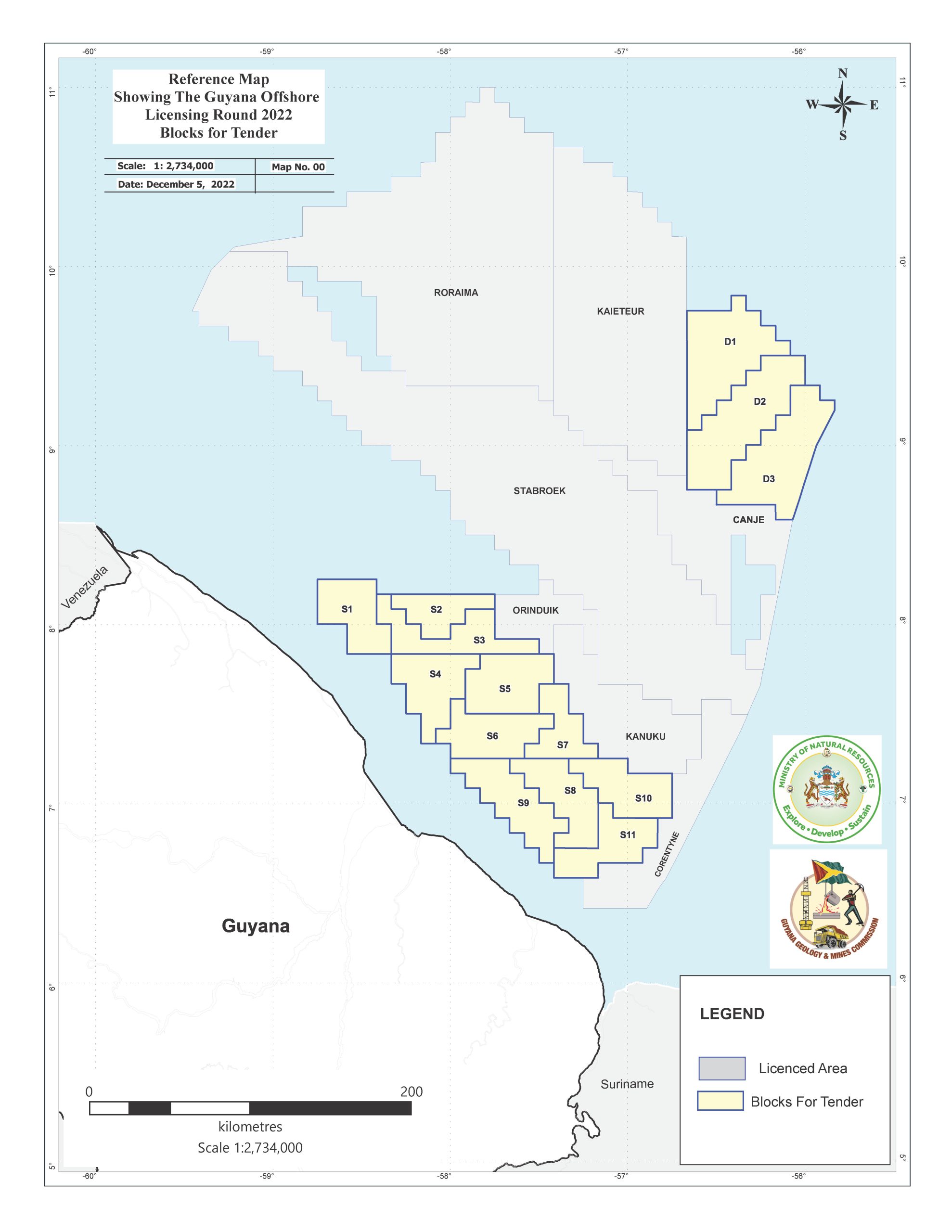
    The seismic operation would encompass eleven blocks auctioned during Guyana’s 2022 Licensing Round, situated south of the prolific Stabroek Block and extending to the maritime border with Suriname. According to technical specifications, the project includes reprocessing and integration of existing seismic datasets across three survey lots, representing a comprehensive geological assessment of the region’s hydrocarbon potential.

    This development occurs against the backdrop of longstanding territorial disputes dating to the 19th century, with recent tensions escalating since ExxonMobil’s major discoveries in Guyana’s offshore basins beginning in 2015.
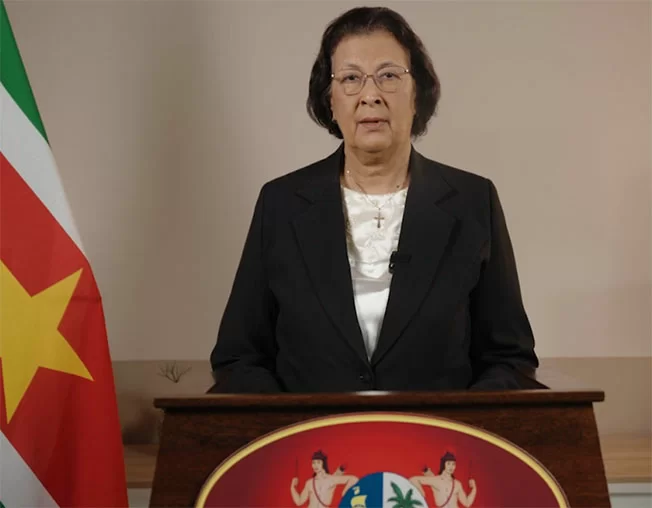

  • President kondigt versnelde steunmaatregelen aan vanwege gevolgen oorlog Midden-Oosten

    President kondigt versnelde steunmaatregelen aan vanwege gevolgen oorlog Midden-Oosten

    President Jennifer Simons has declared an accelerated implementation of social support measures to counter the economic repercussions of the Middle East conflict on Suriname. Addressing the nation in a televised statement, the head of state emphasized that international tensions are directly impacting the country’s economy, prompting immediate government intervention.

    In her address to citizens, President Simons outlined the global economic consequences of the prolonged Middle Eastern conflict, noting that its duration directly correlates with increasing domestic impact. The administration has initiated broad consultations with national security councils, private sector representatives including ASFA, VSB and AKMOS, coalition leadership and opposition figures, labor unions, and the Association of Economists of Suriname (VES). Additional meetings are scheduled with the Surinamese Association of Journalists and other specific societal groups.

    The government has conducted emergency cabinet sessions to assess the conflict’s implications on national programming. Recognizing the existing economic challenges faced by citizens, authorities have fast-tracked previously announced support measures through renewed consultations with the Ministry of Finance, accounting for effects on state revenue streams.

    Key relief measures include:
    – Child benefits increasing to SRD 250 for both general and civil servant categories by end-March
    – Supplementary allowance of SRD 1,000 for persons with disabilities, elderly pensioners, and registered vulnerable households
    – Purchasing power reinforcement of SRD 1,500 for civil servants and government employees
    – Special support allowance of SRD 2,500 for teachers

    Notably, these amounts—originally scheduled for phased distribution—will now be disbursed in full by March’s conclusion. Higher income groups, including government members, high state council officials, directors and sub-directors are excluded from these benefits.

    Concurrently, the government is intensifying efforts to boost state revenues while acknowledging the necessity of comprehensive mitigation strategies through collaborative engagement with all societal actors. President Simons concluded with an appeal for national unity, emphasizing that cooperation between government and citizens remains essential to navigate these externally-driven challenges, invoking traditional wisdom of collective resilience.

  • Cabinet Confirms Island-Wide CCTV Surveillance System to Be Installed at 43 Locations

    Cabinet Confirms Island-Wide CCTV Surveillance System to Be Installed at 43 Locations

    In a landmark decision aimed at bolstering national security infrastructure, the national cabinet has formally ratified the implementation of a comprehensive island-wide closed-circuit television (CCTV) surveillance framework. The approved blueprint mandates the installation of sophisticated monitoring apparatus across 43 strategically identified locations, marking the most significant expansion of public area surveillance in the nation’s recent history.

    Government officials clarified that the selection of these specific sites followed rigorous threat assessment analyses conducted in collaboration with law enforcement agencies and security experts. The chosen locations represent critical junctures and public spaces where enhanced monitoring capabilities are deemed essential for crime prevention, emergency response coordination, and traffic management.

    The advanced surveillance technology will incorporate high-definition cameras with night vision capabilities, automated license plate recognition systems, and real-time data transmission to centralized security command centers. The infrastructure will be integrated with existing emergency response systems, creating a unified network for public safety operations.

    Justice Minister Rebecca Shaw emphasized the balance between security and privacy concerns during the parliamentary address: ‘This initiative represents our commitment to creating safer communities through technological advancement while implementing stringent protocols to prevent misuse. All surveillance operations will comply with our updated data protection legislation and undergo regular independent audits.’

    The project timeline anticipates complete operational status within 18 months, with phased implementation beginning in urban centers before expanding to coastal regions. The national budget has allocated substantial resources for both installation and ongoing maintenance, including specialized training for personnel who will monitor and analyze the surveillance feeds.

    Civil liberties organizations have expressed cautious scrutiny, with several groups calling for transparent oversight mechanisms. In response, the government has established a multi-stakeholder review committee comprising privacy advocates, technical experts, and community representatives to monitor compliance with operational guidelines.

  • STATEMENT: Electoral Office re voter registration update

    STATEMENT: Electoral Office re voter registration update

    The Commonwealth of Dominica has officially recommenced its voter registration process after a temporary pause due to updated legislative requirements. The Electoral Office, operating under the authority of the Electoral Commission, announced the resumption of voter confirmation activities effective Monday, March 9, 2026.

    This critical democratic process enables eligible citizens and qualifying Commonwealth citizens aged 18 years and above to apply for inclusion in the national Register of Electors. The registry serves as the definitive document determining voting eligibility during general elections throughout the Caribbean nation.

    The registration framework is governed by the Registration of Electors Act, which recently underwent revisions prompting the temporary suspension of voter confirmation services. These legislative enhancements aim to strengthen the integrity and transparency of the electoral system while ensuring compliance with contemporary democratic standards.

    Electoral officials have initiated public outreach efforts to inform citizens about the updated registration requirements and procedures. The Electoral Office continues to provide regular updates regarding the progression of the registration drive, emphasizing the importance of voter participation in the democratic process.

    The resumption of voter registration represents a significant step in preparing for future electoral events, ensuring that all eligible Dominicans can exercise their fundamental right to participate in the nation’s governance through free and fair elections.

  • Alex Browne Unveils “Blueprint for a Stronger St. Philip’s North” Ahead of By-Election

    Alex Browne Unveils “Blueprint for a Stronger St. Philip’s North” Ahead of By-Election

    With the March 16 by-election approaching, United Progressive Party contender Alex Browne has introduced a comprehensive policy framework targeting transformative development in St. Philip’s North. The detailed blueprint, formally named “Blueprint for a Stronger St. Philip’s North,” establishes a community-centric agenda prioritizing healthcare modernization, infrastructure reinforcement, youth empowerment, and land ownership reforms.

    Browne emphasized the constituency’s historical resilience, stating, “St. Philip’s North has always been built by strong hands and even stronger hearts. We honor that legacy with a Blueprint that lifts our people, strengthens our villages, and builds real pathways to a better future.” The policy document structures its initiatives as “ladders of upliftment,” systematically addressing critical sectors including medical services, education, agricultural development, and housing solutions.

    Key healthcare proposals include enhancing community-based clinical services and establishing a dedicated emergency medical services base to improve crisis response capabilities. Infrastructure enhancements focus on collaborative water management projects with the Antigua Public Utilities Authority, specifically targeting reservoir upgrades at Potworks Dam and Collins to bolster water storage capacity.

    The blueprint dedicates significant attention to youth development through curriculum expansion in secondary education, vocational training programs, and the creation of a modern library complemented by a digital learning center. Community revitalization measures include revitalizing village sports leagues and redeveloping the Henderson Baltimore Sports Complex.

    Environmental initiatives promote sustainable agriculture through backyard gardening programs and expansion of recreational green spaces. Browne’s strategy adopts a two-phase implementation model: initial focus on resident empowerment through healthcare and education, followed by community-wide infrastructure and housing projects. The document asserts these initiatives can commence immediately through “advocacy, partnership, and strong community leadership.” This policy release intensifies the competitive landscape as major parties present contrasting visions for the constituency’s future.

  • Baltimore Releases Manifesto Outlining Development Plan for St. Philip’s North

    Baltimore Releases Manifesto Outlining Development Plan for St. Philip’s North

    Ahead of the crucial March 16 by-election, ABLP candidate Randy Baltimore has presented a detailed political manifesto outlining his developmental vision for St. Philip’s North constituency. The comprehensive document, formally titled “Randy Baltimore Manifesto 2026,” establishes a strategic framework targeting both immediate concerns and long-term constituency development.

    Baltimore’s introductory message emphasizes his community-connected approach, stating: “I write to you with respect, gratitude, and a deep sense of responsibility. Over the years I have had the privilege of working alongside many of you; listening, learning, and doing my part to support the growth and well-being of our community.” The candidate noted that resident consultations directly shaped the manifesto’s priorities, describing St. Philip’s North as a constituency “filled with hardworking men and women, strong families, determined young people, and elders whose wisdom has shaped the foundation we stand on today.”

    The manifesto organizes its proposals around three foundational pillars. Environmental stewardship initiatives include quarterly constituency clean-up campaigns, establishing community-led environmental committees, and forging partnerships with educational institutions to promote environmental awareness. The plan additionally emphasizes climate resilience and disaster preparedness measures.

    The second pillar concentrates on human development through youth programs, vocational training, and entrepreneurship support. Specific proposals include creating a constituency scholarship fund supporting at least five students annually, establishing structured homework centers, expanding sports and mentorship programs, hosting small business workshops, and organizing an annual market and trade fair to promote local enterprises.

    Infrastructure enhancement and public safety constitute the third major component. Baltimore commits to identifying the constituency’s top ten road and drainage concerns within his first three months in office, advocating for phased resurfacing and drainage improvements. The document further promises a comprehensive streetlight audit within 90 days, followed by repairs and installations in poorly lit areas, alongside establishing quarterly police-community forums to address crime concerns.

    Beyond these developmental pillars, the manifesto institutes an accountability framework featuring annual constituency report cards, quarterly town hall meetings, and regular public progress updates. “The manifesto will not sit on a shelf,” the document explicitly states, emphasizing transparent communication and ongoing accountability to residents.

    Baltimore also highlighted the planned reactivation of the St. Philip’s North Unity Centre as an educational, skills development, and community programming hub. The manifesto concludes with Baltimore formally requesting constituent support in the upcoming election: “It is with this vision and these commitments in mind that I ask for your support and your vote on election day, March 16th, 2026.”

  • Amery: PM must explain US coalition

    Amery: PM must explain US coalition

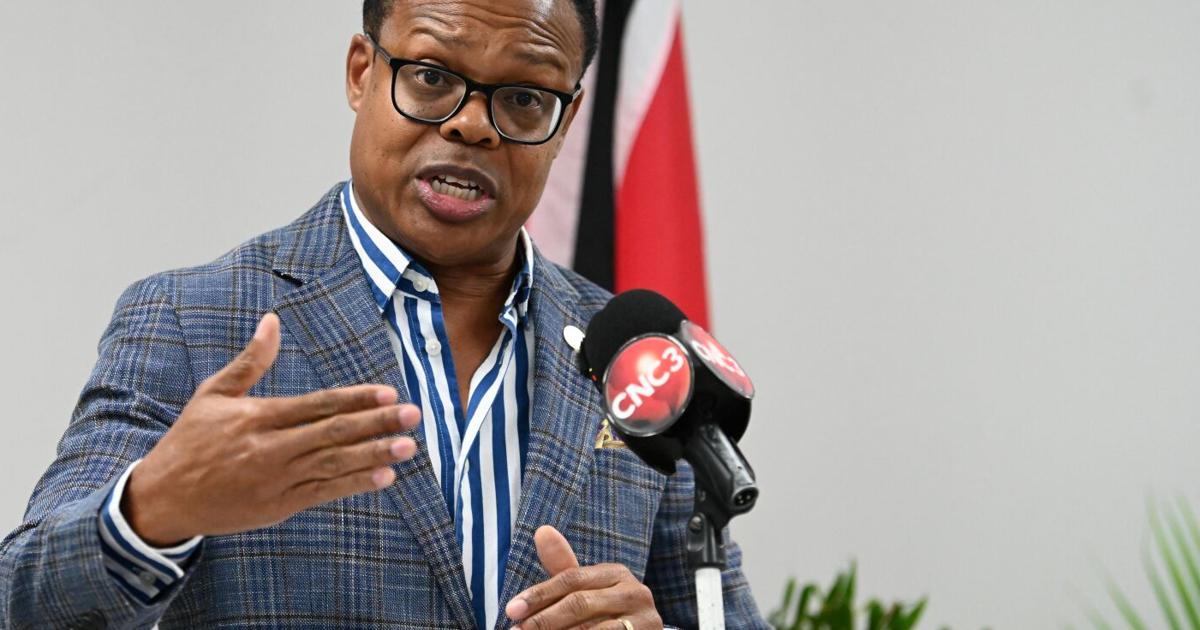
    Opposition Senator Dr. Amery Browne has launched a substantive challenge against Trinidad and Tobago’s international security commitments, demanding clarity on the nation’s participation in the U.S.-led Shield of the Americas coalition. During a People’s National Movement press conference at the Opposition Office in Port of Spain, Browne highlighted that the public first learned of this arrangement through August 2025 announcements by U.S. Secretary of State Marco Rubio, who identified T&T among Caribbean and Latin American partners combating narcotics trafficking toward the United States.

    Browne pressed Prime Minister Persad-Bissessar to clarify whether her recent reference to a coalition aligns with the previously announced initiative. He emphasized that this inquiry extends beyond academic interest, noting significant regional developments since the initial announcement. The senator further questioned whether the agreement underwent proper scrutiny by the Attorney General, Cabinet review, or received vetting from relevant ministers, specifically mentioning Minister Sobers’ potential advisory role.

    Critical issues raised include the apparent exclusion of drug source nations like Colombia, Peru, and Mexico from the coalition framework. Browne framed these concerns as ultimately reflecting a fundamental question of public trust in the government’s decision-making authority on behalf of Trinidad and Tobago’s citizens.

    The political controversy expanded to include foreign policy alignment, with Browne noting widespread concern among citizens, government members, and Muslim communities regarding the administration’s support of U.S.-Israeli military actions against Iran. He referenced how two Muslim government members—Senator David Nakhid and Minister Saddam Hosein—have publicly distanced themselves from the Foreign Ministry’s February 28 statement endorsing U.S. and Israeli operations in Iran and expressing solidarity with affected Gulf states.

    Browne concluded with a historical challenge, demanding evidence of any previous T&T government issuing official support for warfare in sovereign nations without United Nations Security Council authorization.

  • Abinader honors Minerva Mirabal’s legacy on centennial of her birth

    Abinader honors Minerva Mirabal’s legacy on centennial of her birth

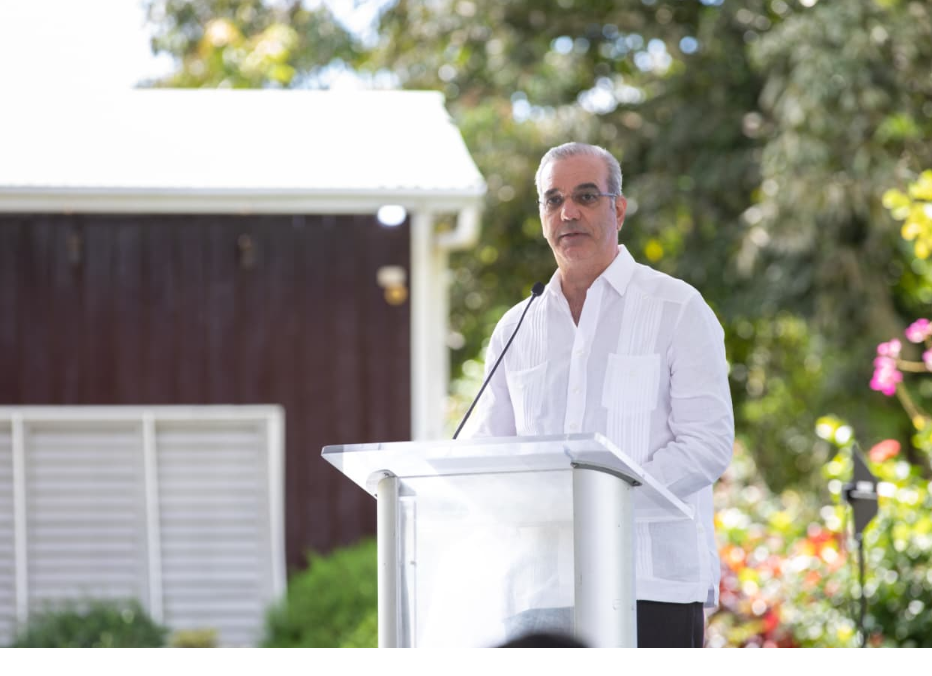
    SALCEDO, Dominican Republic – President Luis Abinader presided over solemn centennial celebrations Thursday honoring revolutionary icon Minerva Mirabal, whose courageous resistance against Rafael Trujillo’s dictatorship continues to inspire democratic values nationwide. The commemorative events, held in Hermanas Mirabal Province, recognized Mirabal’s profound impact on the nation’s political evolution and her enduring symbol of freedom.

    During the ceremonial gathering, President Abinader unveiled an extensive year-long program of national and international activities designed to perpetuate Mirabal’s legacy. The president characterized her as both a visionary leader and fearless activist whose revolutionary actions fundamentally catalyzed democratic transformation in the Dominican Republic.

    In a poignant prelude to the main ceremony, President Abinader, accompanied by First Lady Raquel Arbaje and government officials, placed a commemorative wreath at the Mirabal Sisters House Museum – the final resting place of the three assassinated siblings. The president emphasized how Minerva maintained unwavering commitment to her ideals despite enduring severe persecution and imprisonment under the oppressive regime.

    Historical records document Minerva Mirabal’s pivotal role alongside her husband Manuel Aurelio Tavárez Justo in the clandestine June 14th Revolutionary Movement, where she operated under the codename ‘La Mariposa’ (The Butterfly). Her tragic assassination on November 25, 1960, alongside sisters Patria and María Teresa, transformed the Mirabal sisters into enduring symbols of anti-dictatorship resistance throughout Latin America.

    Minou Tavárez Mirabal, representing the Mirabal family, expressed gratitude for governmental support through Decree 117-26, which formally mandates nationwide initiatives celebrating Minerva’s multifaceted legacy as a political theorist, intellectual, and human rights advocate. The commemorative events included the announcement of national student competitions and the inauguration of the special exhibition ‘Mirabal Sisters: A Century Later,’ ensuring continued awareness across generations.

  • ABEC Says Transparent Ballot Boxes Will Strengthen Election Security

    ABEC Says Transparent Ballot Boxes Will Strengthen Election Security

    The Antigua and Barbuda Electoral Commission (ABEC) has initiated a significant modernization of its voting infrastructure through the deployment of transparent ballot containers, a strategic measure designed to reinforce electoral security protocols and cultivate enhanced public trust in democratic processes.

    In an official communiqué detailing the procedural upgrade, ABEC emphasized that the adoption of see-through ballot boxes represents a proactive initiative to fortify the electoral framework and deliver a contemporized voting encounter for citizens. The commission articulated that the fundamental objective behind this transition is to institute an additional layer of verifiable transparency throughout the voting sequence.

    The innovative design of these containers affords election supervisors and accredited observers unambiguous visual confirmation that each box is entirely vacant at the commencement of voting operations. Furthermore, stakeholders can continuously monitor the secure deposition of ballots throughout the electoral process, thereby eliminating ambiguities regarding the handling of votes.

    ABEC underscored that this technological enhancement incorporates advanced tamper-evident mechanisms engineered to safeguard the sanctity of ballots contained within. These security features are meticulously designed to detect and deter any unauthorized interference, thus preserving the inviolability of the vote from the point of casting through to the final tally.

    Notwithstanding the increased visibility, the commission firmly reassured the electorate that the essential principles of vote secrecy and confidentiality remain rigorously intact. The fundamental right of each voter to cast their ballot in a private and secure manner continues to be protected under the newly implemented system.

  • Politic : PM meets with the Chilean diaspora

    Politic : PM meets with the Chilean diaspora

    During an official state visit to Chile, Haitian Prime Minister Alix Didier Fils-Aimé conducted a significant meeting with the Haitian diaspora community in Santiago. Accompanied by newly appointed Foreign Minister Raina Forbin, the delegation received an enthusiastic reception from a substantial gathering of expatriates.

    The Prime Minister delivered a comprehensive address detailing the current administration’s multifaceted approach to national stabilization. He highlighted substantial advancements in security restoration efforts across Haitian territory and provided updates on electoral preparations being undertaken by the Provisional Electoral Council (CEP), noting that political party registration processes are currently underway.

    Fils-Aimé articulated the government’s three primary objectives: establishing nationwide security, stimulating economic recovery, and creating conditions conducive to transparent democratic elections. He specifically addressed diaspora concerns regarding safe return opportunities, pledging to utilize his authority to foster stability enabling overseas Haitians to visit homeland relatives without security apprehensions.

    A significant portion of the dialogue focused on bureaucratic challenges faced by expatriates. The Prime Minister announced forthcoming administrative reforms, particularly through the Central Directorate of the Judicial Police (DCPJ), to streamline the acquisition of critical documents like criminal records that have historically posed difficulties for diaspora members.

    Foreign Minister Forbin reinforced the government’s commitment to diaspora engagement, emphasizing that Haitian diplomatic missions worldwide are mandated to provide enhanced consular services and support structures. She advocated for increased organizational development within overseas Haitian communities, asserting that coordinated diaspora groups possess greater capacity to protect their interests while contributing to Haiti’s developmental trajectory.

    Both officials consistently emphasized that despite geographical separation, the diaspora remains an integral component of Haiti’s national identity and recovery strategy, with the government actively seeking their involvement in overcoming current crises and building sustainable national infrastructure.