分类: politics

  • Chile shifts to far right

    Chile shifts to far right

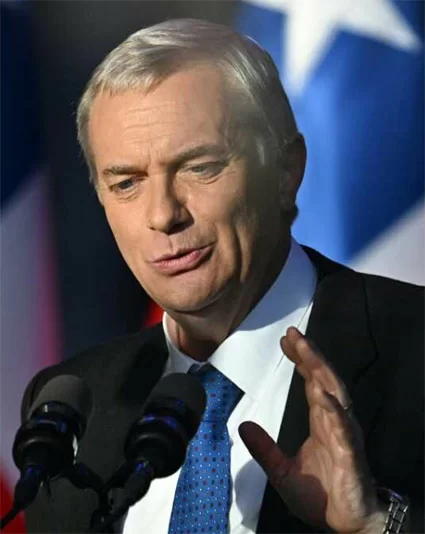
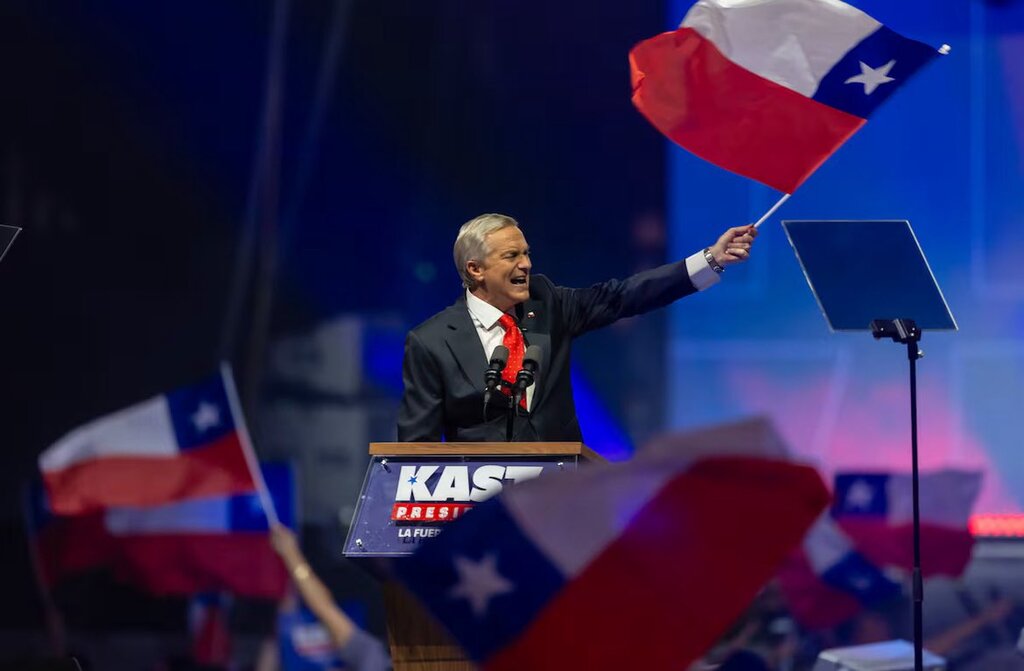
    Chilean voters have delivered a decisive victory to far-right candidate José Antonio Kast in Sunday’s presidential election, with near-complete results showing a commanding 58.16% majority. His progressive opponent Gabriel Boric, representing a coalition of left-wing and social democratic parties, captured 41.84% of the national vote.

    In his inaugural national address, President-elect Kast immediately emphasized his signature campaign theme: national security. He pledged to restore “peace and order” throughout Chile and reinforced his hardline stance on immigration policy. “Do not ask us, irregular migrants, to spend resources on you,” Kast declared. “Anyone who breaks the law has to leave.”

    The electoral outcome has triggered significant introspection within Chile’s political left. The eight-party coalition that supported Boric’s candidacy now faces mounting pressure to analyze the root causes behind their substantial defeat. Political analysts across the hemisphere are examining the factors that propelled far-right politics to unprecedented prominence in a nation traditionally known for its political moderation.

    Kast’s Republican Party secured this victory through an alliance with the extremist National Libertarian Party, which espouses ideologies aligned with Argentine President Javier Milei, alongside traditional conservative factions. This coalition successfully capitalized on widespread public concerns regarding crime rates and immigration challenges.

    The presidential transition is now underway, with Kast scheduled to assume office on March 11, marking a significant rightward shift in Chilean governance and potentially influencing regional political dynamics.

  • Venezuela condemned the attack against civilians in Bondi Beach

    Venezuela condemned the attack against civilians in Bondi Beach

    The Bolivarian Republic of Venezuela has issued a formal diplomatic condemnation through its Ministry of Foreign Affairs regarding a recent violent attack targeting Jewish civilians during a religious observance. In an official statement, the government expressed profound condolences and solidarity with the Jewish community, characterizing the assault as a ‘horrendous attack’ that violated fundamental humanitarian principles.

    The declaration emphasized that violence against civilian populations remains unjustifiable under any circumstances, irrespective of motivations, origins, or contextual circumstances. The South American nation explicitly categorized acts of hatred, intolerance, and terrorism as severe breaches of established international legal frameworks and essential human values.

    Reiterating its diplomatic stance, Venezuela renewed its dedication to fostering global peace, intercultural coexistence, and mutual respect among diverse religious traditions. The statement concluded with an urgent appeal for the universal rejection of all manifestations of violence and discrimination, positioning the nation as an advocate for dialogue and understanding in international affairs.

  • Panamanian government congratulates president-elect in Chile

    Panamanian government congratulates president-elect in Chile

    The Republic of Panama has formally extended diplomatic congratulations to Chile’s newly elected leadership following the conclusive presidential runoff. In an official statement disseminated through multiple channels, including a presidential message on social media platform X and a communiqué from the Ministry of Foreign Affairs, Panamanian President José Raúl Mulino conveyed his wishes for success to the incoming administration.

    The government’s message emphasized aspirations for the ‘well-being, stability, and development of the Chilean people’ under the new leadership. Officials further lauded the Chilean populace for their ‘exemplary civic and democratic conduct’ throughout the electoral process, characterizing it as a testament to the robustness of the nation’s institutions and its profound commitment to democratic principles.

    Reaffirming their dedication to international partnership, the Panamanian government explicitly reiterated its intent to ‘continue strengthening the historic bonds of friendship, cooperation, and mutual respect’ that exist between the two nations.

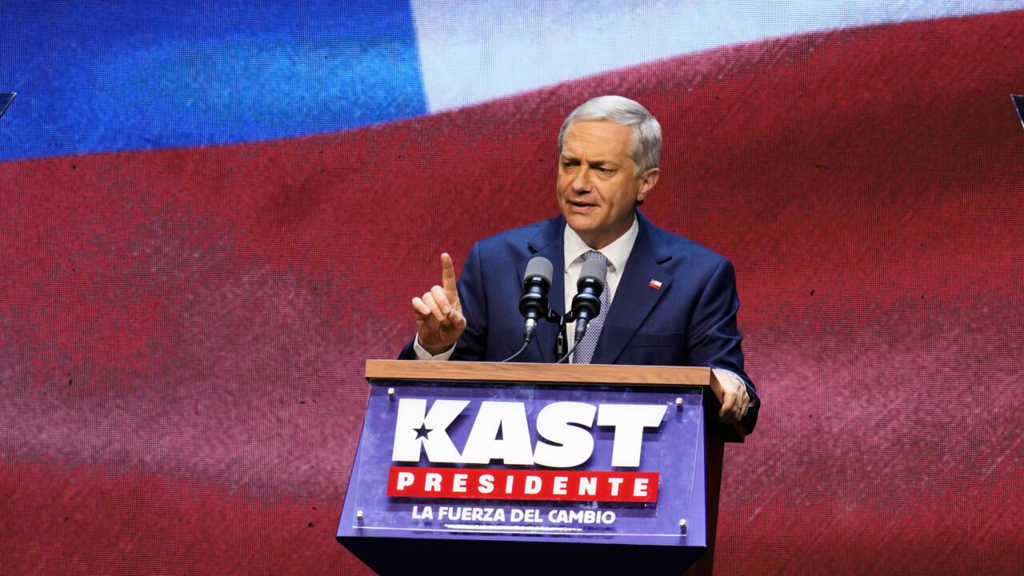
    This diplomatic exchange follows the decisive victory of right-wing candidate José Antonio Kast in the second round of the Chilean presidential election. Kast, who campaigned on a platform featuring stringent policies on crime and immigration, secured a commanding 58.16 percent of the vote. His opponent, Jeannette Jara, representing a coalition of leftist, progressive, and social democratic factions, garnered 41.84 percent. These results were confirmed with nearly all polling stations fully reporting.

  • Moscow confirms meeting between Russian and Iranian foreign ministers

    Moscow confirms meeting between Russian and Iranian foreign ministers

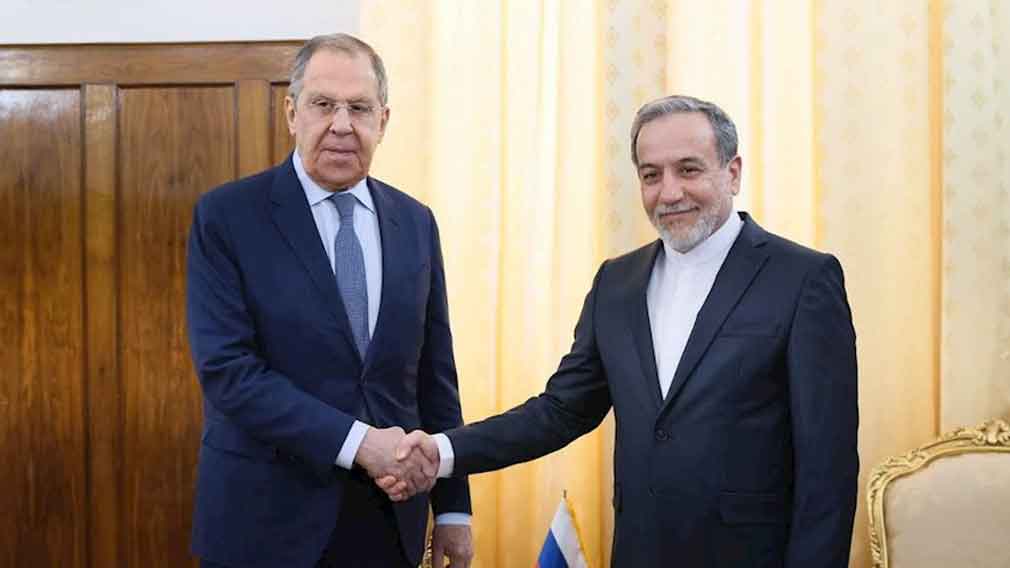
    Iranian Deputy Foreign Minister Abbas Araghchi is embarking on a significant diplomatic tour to Eastern Europe, with high-level meetings scheduled in both Belarus and Russia. The itinerary, confirmed by Iranian Foreign Ministry spokesman Ismail Baghaei, includes a stop in Minsk on December 15th, followed by a working visit to Moscow on December 16th and 17th.

    In the Russian capital, Minister Araghchi’s agenda is packed with strategic dialogues. On December 16th, he is scheduled to engage with representatives from the State Duma, the lower chamber of the Russian Parliament. This will be followed by a pivotal bilateral meeting on December 17th with his Russian counterpart, Foreign Minister Sergey Lavrov.

    The Russian Foreign Ministry has outlined an ambitious agenda for the Lavrov-Araghchi talks. Central to their discussions will be a thorough analysis of pressing international concerns, with particular emphasis on the evolving situation surrounding the Joint Comprehensive Plan of Action (JCPOA), commonly known as the Iranian nuclear deal. The diplomats are also expected to exchange detailed perspectives on critical regional matters of mutual interest.

    A key focal point will be the advancement of Russian-Iranian bilateral relations, which have been elevated to a new tier following the enactment of a landmark interstate treaty. This agreement, which entered into force on October 2, 2025, formally established a comprehensive strategic partnership between the two nations, marking a significant deepening of their political and economic ties. The talks in Moscow are anticipated to build upon this foundation, addressing current priorities within this intensified cooperative framework.

  • United Progressive Party response to Minister of Tourism press release

    United Progressive Party response to Minister of Tourism press release

    The United Progressive Party (UPP) has issued a scathing critique of the Dominican government’s environmental policies, challenging Tourism Minister Denise Charles-Pemberton’s recent assertions about environmental protection as a “central pillar” of government policy. Opposition figures Joshua Francis and Denise Charles characterize the minister’s statements as demonstrating a “troubling disconnect between rhetoric and reality” that requires immediate correction.

    The UPP’s analysis presents a stark contrast to the government’s narrative, documenting widespread ecological degradation across the Commonwealth of Dominica. The party cites sediment-choked rivers, deteriorating coral reefs, compromised watersheds, indiscriminate forest clearing, and unprecedented assaults on marine ecosystems as evidence contradicting the government’s environmental claims.

    Economic concerns feature prominently in the opposition’s critique, with the UPP arguing that sustainable economic opportunity cannot be built upon the ruins of the nation’s natural resource base. The statement highlights how farmers, fishermen, and tour guides—those whose livelihoods directly depend on healthy ecosystems—are witnessing the real-time destruction of their economic foundations through poorly managed development projects.

    The government’s handling of specific projects comes under particular scrutiny. The UPP dismisses the Prime Minister’s intervention in the Deux Branches project as “reactive scramble masquerading as responsible governance,” emphasizing that proper environmental impact assessments and regulatory compliance should occur before construction begins, not midway through development after environmental alarms have been raised.

    Similarly, the government’s monitoring claims regarding the Mariner development are questioned, with the UPP suggesting that genuine oversight would have prevented the current ecological damage. The party further challenges the government’s citation of the international airport and Cabrits Marina as examples of successful environmental management, noting that relevant assessment reports remain undisclosed to public scrutiny.

    The opposition characterizes the current situation as “devastation wrapped in development language,” where ecosystems that evolved over millennia are being obliterated by foreign bulldozers within months. This systematic destruction of Dominica’s natural assets represents more than abstract environmental concerns—it constitutes the erosion of the nation’s most valuable and irreplaceable resources.

    The UPP demands fundamental changes in governance approach, calling for transparent environmental review processes, public release of all assessment reports, adequate compensation for displaced persons, halting of environmentally non-compliant projects, and establishment of genuine regulatory oversight with enforcement capacity. The party concludes that Dominica’s identity as the “Nature Island” must transcend marketing slogans to become a tangible commitment reflected in every development decision, project approval, and regulatory action.

  • Louis Williams appointed first chair of PSEP Fund Board

    Louis Williams appointed first chair of PSEP Fund Board

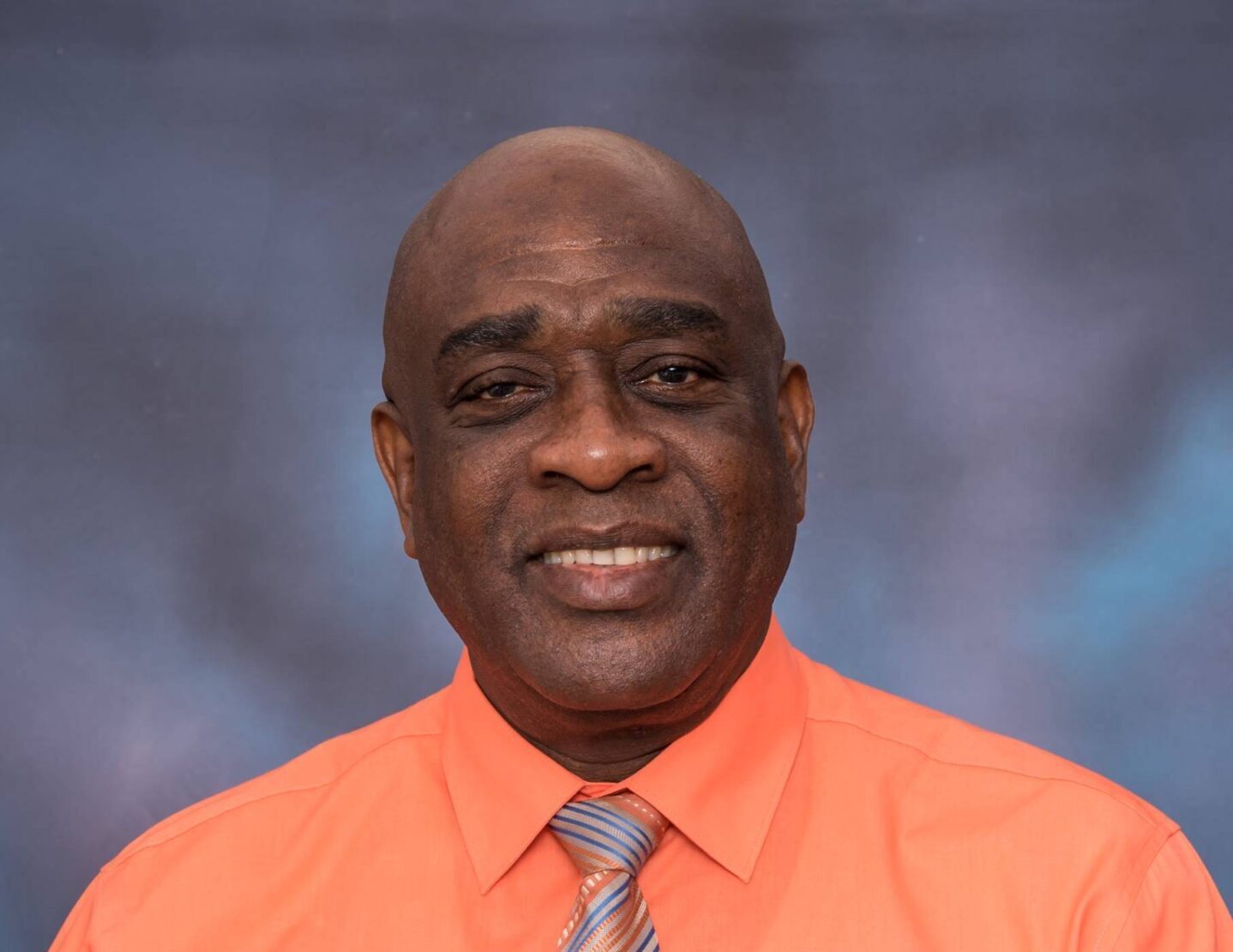
    The Grenadian government has formally established the inaugural Board of Trustees for the Public Sector Employees Pension Fund, appointing veteran financial expert Louis Williams as its first chairman. The appointments were officially gazetted on December 12, 2025, following Cabinet approval during its October 6 meeting.

    Mr. Williams brings substantial expertise to the role, having recently concluded a distinguished 23-year career with the National Insurance Scheme (NIS) where he retired in December 2020. His extensive background in financial management positions him to lead the critical oversight of public sector pensions.

    The nine-member board will serve a three-year term effective October 1, 2025, comprising professionals with diverse expertise as mandated by the Pension Fund legislation. Adrian Strachan assumes the role of Deputy Chairman, while other members include legal representative Wynette Baker, actuarial expert Shontell T Mc Guire, human resources specialist Peterlyn Cooper, investment professional Mervin Lord, and labor representative Daisy Hazzard from the Grenada Trades Union Council.

    The board also includes ex-officio government representatives Lyndonna Hillaire Marshall (Permanent Secretary for Public Administration) and Mike Sylvester (Permanent Secretary for Finance). Their appointments reflect the governance structure outlined in Part IV of the Pension Fund law, which requires specific qualifications including legal practice experience, actuarial expertise, financial knowledge, human resources background, investment proficiency, and representation from both trade unions and statutory bodies.

    The legislation further stipulates that trustees shall bear duties and obligations in accordance with the Trustee Act, Chapter 329, ensuring proper accountability mechanisms for the management and administration of the Fund.

  • Bernard Antoine chairs new Public Service Commission

    Bernard Antoine chairs new Public Service Commission

    The Grenadian government has initiated a comprehensive restructuring of its Public Service Commission (PSC), with several key membership changes announced through an official notice in the 12 December 2025 Government Gazette. Former Chairperson Deborah St Bernard, who had held the position since November 2022, will not continue for a second three-year term, alongside commissioners Judy Benoit and Jim Alexander.

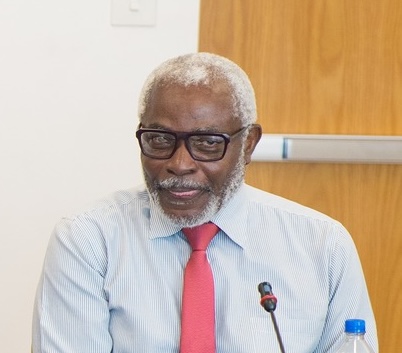
    The newly reconstituted commission will be chaired by Bernard Antoine, with additional members including Faye Thompson (returning from the previous commission), Patricia Telesford, Adrian Francis representing the Public Workers Union, and James Alexander representing the Grenada Union of Teachers. This newly formed team is scheduled to commence their official duties on 22 November 2025, serving a standard three-year term.

    Established under Section 83 of the Grenada Constitution, the PSC operates as an autonomous entity with clearly defined appointment protocols. The Chairman and two members are appointed by the Governor-General following recommendations from the Prime Minister, while the remaining two members are selected after consultation with appropriate representative bodies, specifically the Grenada Union of Teachers and the Grenada Civil Service Association. The Constitution explicitly mandates that no appointments can proceed without obtaining agreement from these consulted organizations.

    Commission members are required to take official oaths of allegiance and office, affirming their operational independence from external influence or control when executing their constitutional responsibilities. The PSC maintains critical authority over public service personnel matters, including appointments, disciplinary actions, removals from office, and leave approvals, as outlined in Section 84(1) of the Constitution, subject only to provisions in Section 91.

  • Prime Minister fulfils commitment with establishment of Advisory Committee to review Special Sustainability Zones Authorisation Act

    Prime Minister fulfils commitment with establishment of Advisory Committee to review Special Sustainability Zones Authorisation Act

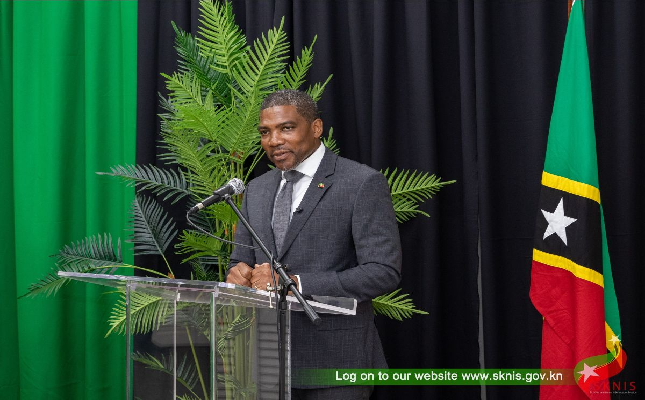
    In a significant move toward transparent governance, Prime Minister Honourable Dr. Terrance Drew has formally established an independent Advisory Committee to conduct a comprehensive review of the Special Sustainability Zones Authorisation Act (SSZA Act) of 2025. This action fulfills the commitment made during national roundtable discussions held last month.

    The newly formed ad hoc committee comprises representatives from fifteen key civil society organizations and professional bodies, reflecting the government’s dedication to inclusive policymaking. Participating organizations span diverse sectors including religious groups, financial institutions, legal associations, medical professionals, construction industries, and conservation entities such as the Saint Christopher National Trust.

    Notably, the committee’s mandate extends beyond domestic consultation. Regional institutions including the Organisation of Eastern Caribbean States Authority, OECS Bar Association, and Caribbean Development Bank have been invited to provide written expertise, acknowledging the legislation’s broader implications across the Eastern Caribbean region.

    Prime Minister Drew emphasized that the SSZA Act itself does not establish any specific development zones but rather creates a structured legal framework for future evaluation processes. The legislation incorporates parliamentary oversight and constitutional safeguards to ensure accountability.

    The Advisory Committee is tasked with examining the Act’s provisions, addressing public concerns, and recommending potential amendments or procedural enhancements. Their work will be guided by international best practices and the principles of the Sustainable Island State Agenda, with all findings to be submitted to Federal Cabinet for consideration.

    This initiative represents a robust approach to balancing economic development with environmental sustainability and national sovereignty, setting a precedent for participatory governance in the Caribbean region.

  • Extreemrechtse José Antonio Kast gekozen tot president Chili

    Extreemrechtse José Antonio Kast gekozen tot president Chili

    Chile has elected José Antonio Kast as its new president following a decisive runoff election on Sunday. The ultra-conservative Republican Party candidate secured a substantial victory with over 58% of the vote, defeating leftist contender Jeannette Jara who garnered approximately 41%. This electoral outcome represents the most significant political realignment in Chile since the end of Augusto Pinochet’s dictatorship in 1990.

    The presidential race proceeded to a second round after the November 16th, 2025 initial election failed to produce an absolute majority winner. Kast, who qualified as the second-place finisher in the first round, ultimately triumphed over Jara despite her endorsement from the incumbent left-wing government.

    Kast’s successful campaign centered on three core issues: public security, immigration control, and economic recovery plans. These themes resonated strongly with Chilean voters amid growing concerns about crime rates and migration patterns. His victory signals a pronounced rightward turn in a nation that has been governed predominantly by center-left coalitions for three decades.

    Constitutional protocols dictate that Kast will not assume office immediately. The presidential inauguration is scheduled for March 11, 2026, when he will succeed current President Gabriel Boric following a standard transition period.

    While Kast’s administration is expected to implement substantial policy changes regarding public safety and immigration, governing may prove challenging without an absolute congressional majority. This political reality may necessitate negotiation and compromise to advance his complete legislative agenda.

  • The unity we need today is that of those who argue strongly, but march together

    The unity we need today is that of those who argue strongly, but march together

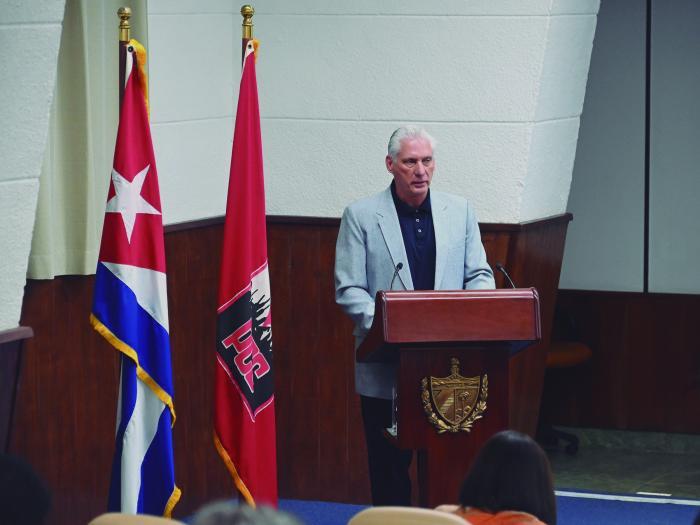
    In a pivotal address concluding the 11th Plenary Session of Cuba’s Communist Party Central Committee, President Miguel Díaz-Canel delivered a comprehensive assessment of the nation’s critical challenges while outlining a path forward for the revolutionary government. The December 13, 2025, speech at Havana’s Palace of the Revolution confronted Cuba’s severe economic contraction, with GDP declining over 4% and inflation soaring amid what the president characterized as “brutal persecution” by the United States.

    Díaz-Canel acknowledged the devastating impact of Hurricane Melissa alongside structural economic problems, including paralyzed industrial activities, critical power generation shortages, and unmet food distribution needs. He presented these challenges within the context of six decades of US economic embargo, which he described as a “genocidal policy” designed to suffocate the Cuban Revolution.

    The president emphasized that revolutionary transformation requires more than economic adjustments, demanding fundamental changes in mentality and party work methods. He stressed that authentic leadership emerges not from reports but through direct engagement with communities, stating: “Our most important tasks are in the field, in the neighborhoods, with our ears to the ground and our feet on the ground.”

    Díaz-Canel condemned the new US National Security Strategy as a return to “gunboat diplomacy,” citing the recent seizure of a Venezuelan oil tanker as evidence of escalating aggression in the region. He positioned Cuba within broader Latin American solidarity movements, vowing to strengthen integration with sister nations facing similar pressures.

    The address outlined specific economic measures, including prioritizing food production as a national security imperative, reforming state enterprises, responsibly integrating MSMEs and cooperatives, and pursuing monetary reforms while protecting vulnerable populations. The energy transition emerged as a critical focus, with investments in renewable sources and efficiency programs framed as both practical necessities and social justice commitments.

    Díaz-Canel called for renewed youth engagement, transparency in governance, and systematic implementation of plenary agreements with clear accountability mechanisms. He concluded with a rallying cry for unity and revolutionary perseverance, invoking Cuba’s historical resilience against external pressure while acknowledging internal shortcomings that require addressing through criticism and self-criticism.