分类: politics

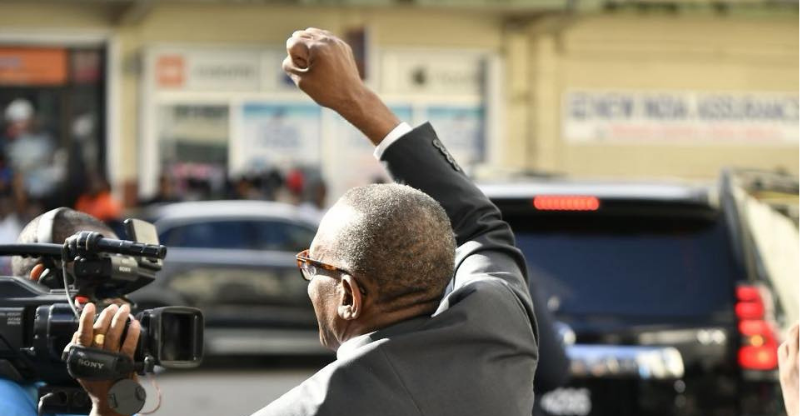
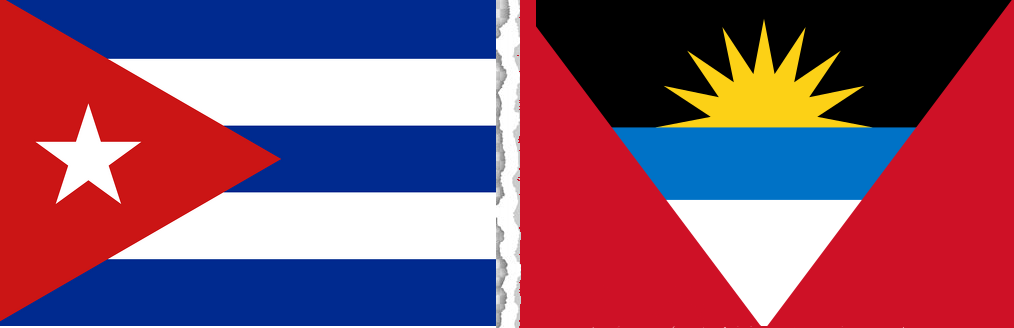
  • Antigua abruptly terminates medical partnership with Cuba amidst US pressure, Is Dominica next?

    Antigua abruptly terminates medical partnership with Cuba amidst US pressure, Is Dominica next?

    In a striking reversal of policy, the Gaston Browne administration in Antigua and Barbuda has abruptly terminated its long-standing medical cooperation agreement with Cuba. This decision concludes a partnership that had been described for years as fundamental to the Caribbean nation’s healthcare system.

    The termination, revealed this week through statements from the opposition United Progressive Party (UPP), comes after a year of consistent assurances from Prime Minister Browne that his government would resist external pressure to end the Cuban medical program. As recently as this year, Browne had publicly championed the Cuban medical officers as ‘the core of the Antiguan medical service,’ warning that their removal would ‘devastate’ the country’s health services. He had additionally refuted claims from US officials that the program constituted a form of human trafficking.

    The government has offered no public explanation for the sudden policy shift, which coincides with intensified US diplomatic efforts in the region. Secretary of State Marco Rubio has led a campaign targeting the Cuban Medical Professional Parole Program, urging Caribbean nations to cease their participation and instead directly hire Cuban doctors, thereby cutting payments to the Cuban government.

    The geopolitical pressure escalated materially this week as both Antigua and Barbuda and Dominica faced newly imposed US visa restrictions. This move signals the Trump administration’s willingness to employ tangible measures to advance its policy objectives in the Caribbean. The termination of the medical partnership raises significant questions about what further concessions regional governments might be compelled to make as US leverage increases. The opposition UPP expressed regret over the decision, affirming to the Cuban people that their party remains ‘neither ungrateful nor forgetful’ of the long-standing cooperation.

  • Caribbean immigrant advocacy group condemns Trump’s latest travel ban

    Caribbean immigrant advocacy group condemns Trump’s latest travel ban

    NEW YORK – A sweeping expansion of the United States’ travel ban policy has drawn sharp condemnation from advocacy groups and foreign governments. The New York Immigration Coalition (NYIC), representing over 200 immigrant and refugee rights organizations across New York State, has denounced the Trump administration’s latest proclamation imposing an indefinite suspension on legal immigration processing for nationals from 20 additional countries.

    The policy update, announced last week, effectively halts all visa processing and immigration benefits for petitioners from 39 countries and Palestine. President Trump’s proclamation specifically named Antigua and Barbuda, Dominica, and Haiti among the newly restricted nations, with measures taking effect January 1, 2026.

    According to NYIC President and CEO Murad Awawdeh, the indefinite hold impacts a wide spectrum of immigration processes including citizenship applications, naturalization ceremonies, work permits, spousal petitions, and status adjustments administered by US Citizenship and Immigration Services (USCIS).

    Awawdeh characterized the policy as ‘driven by discrimination against applicants from African- and Muslim-majority countries’ and demonstrating ‘callous indifference to those fleeing war-torn regions.’ He warned the measure would create a vulnerable population ‘at risk of being funneled into the administration’s deportation machine,’ while enriching private prison corporations.

    The Caribbean Community (Caricom) has expressed formal concern regarding the restrictions affecting member states Antigua and Barbuda and Dominica. In an official statement, Caricom’s Bureau acknowledged nations’ rights to regulate border entry but noted concern over the lack of prior consultation and potential adverse effects on ‘legitimate travel, people-to-people exchanges, and the social and economic well-being of these small states.’

    The regional body specifically highlighted uncertainties regarding the status of existing visas after January 2026 and called for immediate engagement between US authorities and affected governments to address outstanding concerns. Caricom reaffirmed its commitment to ‘dialogue and cooperation based on mutual respect, shared interests and the rule of law.’

    Awawdeh has urged the US Congress to condemn the administration’s actions and demand policy reversal, noting that American taxpayers ultimately bear the costs of expanded detention programs while facing cuts to social services and healthcare access.

  • ‘Why I backed the JLP’s crime plan?’

    ‘Why I backed the JLP’s crime plan?’

    In a significant political development, Government Senator Keith Duncan has publicly articulated his rationale for endorsing the Jamaica Labour Party Administration’s crime prevention blueprint, despite his lineage to the opposing People’s National Party. The revelation came during Friday’s Senate session where Duncan detailed his conversion after intensive consultations with National Security Minister Dr. Horace Chang and former Police Commissioner Major General Antony Anderson.

    Duncan, appointed to the Senate by Prime Minister Andrew Holness following the September general elections, recalled his initial skepticism during his 2019 tenure as president of the Private Sector Organisation of Jamaica (PSOJ). Amid widespread criticism about the government’s perceived lack of strategic direction against crime, Duncan sought direct engagement with security leadership rather than joining popular criticism.

    The senator described being presented with the comprehensive ‘Plan Secure Jamaica’ framework, which outlined multi-faceted approaches including social transformation initiatives, modernization of police forces, military reforms, and legislative enhancements. Duncan emphasized the plan’s detailed resource allocation strategies covering both financial investments and human capital deployment.

    Central to Duncan’s endorsement was the creation of Project Star – a public-private partnership developed collaboratively with police leadership that operationalized community safety measures through the Jamaica Constabulary Force’s Community Safety and Security Branch. The senator specifically highlighted the Zones of Special Operations (ZOSOS) as evidence of structured socio-economic transformation efforts in vulnerable communities.

    Citing unprecedented crime reduction statistics showing murders dropping below 700 annually for the first time in three decades – representing over 40% reduction compared to previous years – Duncan urged nationwide support for the continuation of these strategies. He framed crime reduction as a national imperative requiring collective action similar to Jamaica’s achievement of macroeconomic stability through fiscal responsibility.

    The senator acknowledged that not all security measures would enjoy universal approval but maintained that governing requires making difficult decisions. Duncan concluded that demonstrated leadership in executing this comprehensive strategy has produced measurable results that justify sustained implementation and broader societal support.

  • US intercepts Venezuelan-linked oil tanker in Caribbean

    US intercepts Venezuelan-linked oil tanker in Caribbean

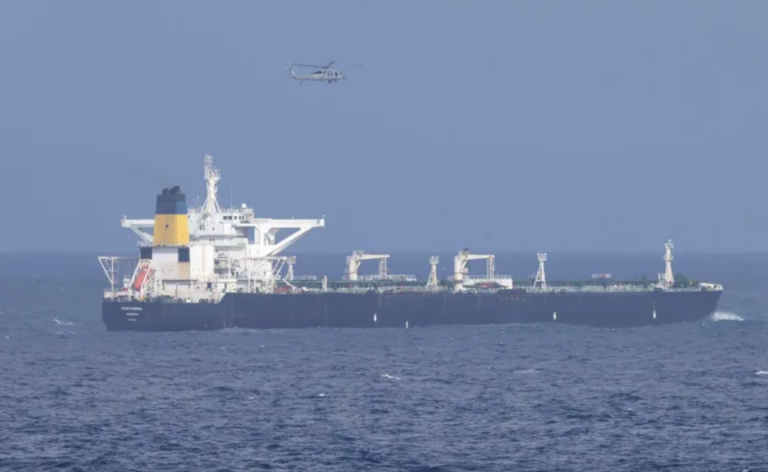
    In a significant escalation of maritime enforcement, United States authorities have intercepted a second oil tanker with connections to Venezuela within weeks. The operation, conducted in international waters east of Barbados, was carried out by the US Coast Guard with Pentagon support following President Donald Trump’s directive for a “total and complete blockade” against sanctioned vessels associated with Caracas.

    Homeland Security Secretary Kristi Noem confirmed the interception on social media platform X, stating: “The United States will continue to pursue the illicit movement of sanctioned oil that is used to fund narco terrorism in the region. We will find you, and we will stop you.” Her announcement included aerial footage showing US military helicopters operating above a large tanker’s deck.

    White House spokeswoman Anna Kelly identified the vessel as part of Venezuela’s “shadow fleet,” alleging it was “falsely flagged” and engaged in trafficking “stolen oil to fund the narcoterrorist Maduro regime.” The tanker, believed to be the Panama-flagged ‘Centuries,’ had previously docked in Venezuela and was carrying sanctioned petroleum products.

    The Venezuelan government issued vehement condemnation through Vice President Delcy Rodríguez, who denounced the action as “theft and hijacking” and cited the “forced disappearance” of the vessel’s crew. Rodríguez declared these acts “will not go unpunished” and promised to pursue complaints through the United Nations Security Council and other international bodies.

    Legal experts note the unusual nature of the seizure, as Jeremy Paner, a former OFAC investigator, pointed out that the specific vessel itself had not been under US sanctions. The incident raises broader concerns among Caribbean nations about US enforcement actions occurring in international waters within the region, potentially setting precedents for maritime jurisdiction and energy security.

  • PM hits Caricom as ‘unreliable partner’ – Thin mask of unity

    PM hits Caricom as ‘unreliable partner’ – Thin mask of unity

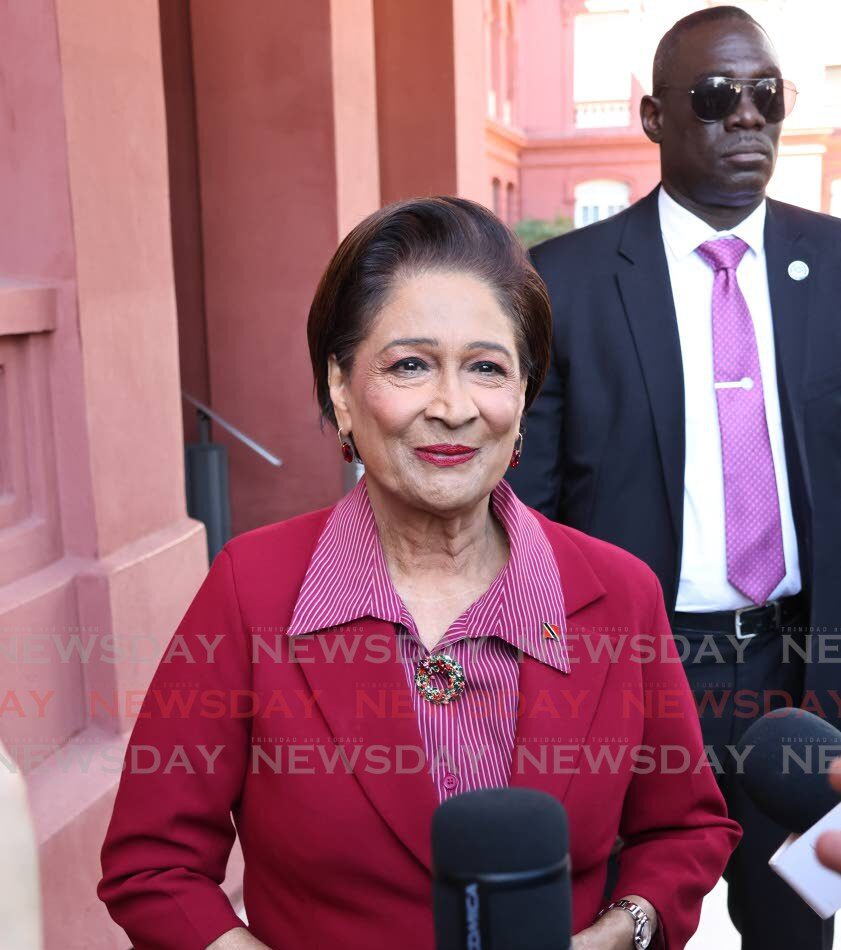
    In an extraordinary diplomatic rupture, Trinidad and Tobago’s Prime Minister Kamla Persad-Bissessar has launched a severe condemnation of the Caribbean Community (CARICOM), labeling the regional bloc as an “unreliable partner” and accusing it of operating in a “dysfunctional and self-destructive manner.” The remarks represent the strongest criticism to date from a sitting leader of one of CARICOM’s founding members.

    The Prime Minister’s statement came in direct response to CARICOM’s Bureau of Heads of Government criticizing recent U.S. immigration restrictions imposed on several Caribbean nations. Rather than joining regional counterparts in their concerns, Persad-Bissessar positioned Trinidad and Tobago separately from the collective stance, asserting that “CARICOM will not determine our future; only the citizens of our country will choose our path.”

    Persad-Bissessar detailed what she characterized as systemic failures within the organization, citing “poor management, lax accountability, factional divisions, destabilizing policies, private conflicts between regional leaders and political parties, and the inappropriate meddling in the domestic politics of member states.” She called for CARICOM to address internal “rot” with “transparency and honesty,” warning that without reform, the organization faces potential “implosion” due to “many widening fissures.”

    The context for this extraordinary rebuke stems from recent U.S. policy changes that imposed entry restrictions on nationals from 15 countries, including Caribbean nations Haiti, Antigua and Barbuda, and Dominica. The U.S. government stated these measures were necessary due to insufficient information to assess immigration risks and to advance national security objectives.

    While CARICOM’s Bureau expressed concern about the lack of prior consultation and potential adverse effects on legitimate travel and economic well-being, Persad-Bissessar distanced Trinidad and Tobago from this position. She instead defended the United States as “our greatest ally” and criticized CARICOM for what she characterized as supporting Venezuela’s “narco-government headed by a dictator” over maintaining relations with the U.S.

    The Prime Minister’s stance has drawn sharp criticism domestically and regionally. Former Foreign and CARICOM Affairs Minister Amery Browne condemned what he called an “anti-CARICOM rant” that was “erratic, inflammatory, full of baseless rhetoric.” Browne accused the Prime Minister of deliberately undermining fundamental CARICOM principles and attempting to “divide and destroy” the regional organization.

    Antigua and Barbuda Prime Minister Gaston Browne, while not naming Persad-Bissessar directly, challenged the assertions that Caribbean leaders had been “cursing the US administration,” calling for factual evidence to support such claims. Despite acknowledging challenges within CARICOM, Browne reaffirmed his commitment to regional integration.

    The escalating diplomatic tension highlights significant fractures within the Caribbean community at a time when coordinated regional responses to external policy changes are increasingly important for small island developing states.

  • Steering Trinidad and Tobago to subservience?

    Steering Trinidad and Tobago to subservience?

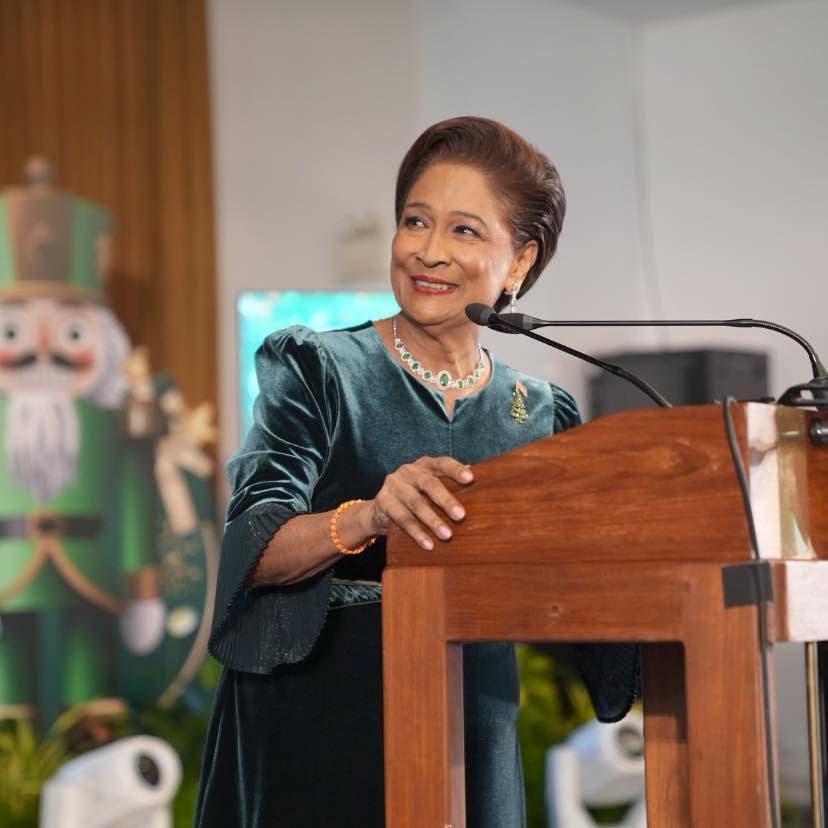
    Prime Minister Kamla Persad-Bissessar is facing mounting criticism over her administration’s foreign policy approach toward the United States, with concerns emerging about potential compromises to national sovereignty. During a private Christmas Supper event at the Diplomatic Centre on December 18, the Prime Minister made controversial statements suggesting that the United States represents the sole nation capable of protecting and defending Trinidad and Tobago.

    The remarks, delivered not in Parliament but at a partisan gathering, have raised questions about transparency and diplomatic strategy. The Prime Minister’s comments included explicit warnings to supporters regarding the maintenance of their US visas, implying that approximately 350,000 Trinidadian nationals with American visas could face revocation without careful navigation of bilateral relations.

    This diplomatic positioning follows earlier controversies surrounding the installation of military-grade radar at Crown Point in Tobago, which was initially misrepresented as road construction work. Subsequent claims that this equipment facilitated a major drug seizure worth $171 million were subsequently disputed by the manufacturer, Northrop Grumman.

    When confronted with investigative reporting from the New York Times, Persad-Bissessar dismissed the publication as a ‘foreign newspaper’ and discounted their verification from the manufacturer as anonymous sourcing. The Prime Minister has similarly distanced herself from regional issues, including the blockade of oil tankers involving Venezuela, characterizing such matters as exclusive concerns of the Trump administration.

    Analysts note that while respectful acknowledgment of US military presence is pragmatic for Caribbean nations, the apparent wholesale dismissal of cross-border relations with Venezuela represents a significant departure from decades of regional cooperation within Caricom. The administration’s cheering of aggressive counter-narcotics operations resulting in numerous fatalities has further alarmed diplomatic observers.

    The current approach marks a dramatic shift from Trinidad and Tobago’s historical foreign policy, which successfully maintained defense cooperation with the United States while preserving relationships with Caricom partners and other trading nations including China. Critics argue that the nation should engage with global partners as a sovereign equal rather than subordinate to American hegemony.

  • Philip J. Pierre: “They cannot read me; I’m a mystery.”

    Philip J. Pierre: “They cannot read me; I’m a mystery.”

    Prime Minister Philip J. Pierre has embarked on his second consecutive term following a landmark electoral victory that solidifies his political legacy in Saint Lucia. The December 1, 2025 general election saw Pierre’s Saint Lucia Labour Party secure a commanding majority with 14 out of 17 parliamentary seats, marking his record seventh term as MP and making him only the third prime minister since independence to achieve back-to-back terms.

    The administration’s first term was characterized by significant advancements in national infrastructure and social programs. The most notable achievement came with the November 16 handover of the reconstructed St. Jude Hospital, finally replacing the temporary facilities at George Odlum Stadium that had served healthcare needs since the original hospital’s destruction by fire in 2009. The new facility is scheduled to become fully operational within the first quarter of 2026.

    Economically, Pierre introduced Saint Lucia’s largest-ever national budget at $2.06 billion for the 2025/2026 fiscal year. This financial plan builds upon documented successes including record-low single-digit unemployment, substantial tourism growth, increased foreign investment, and strengthened consumer confidence. While acknowledging potential global economic uncertainties, the government maintains that its fiscal policies have created capacity for unprecedented support to vulnerable populations.

    The administration has demonstrated particular commitment to youth development and sports, exemplified by an additional $500,000 allocation for sports equipment following the Prime Minister’s Independence T20 Cup final. This funding supplements a previously announced $1 million commitment and will be distributed through the Ministry of Youth Development and Sports with priority given to communities most in need.

    Pierre’s political persona, encapsulated in his parliamentary declaration “They cannot read me; I’m a mystery,” has resonated with the electorate and even inspired musical compositions by local DJs. Following his December 6 swearing-in ceremony at Government House, the Prime Minister characterized his electoral mandate as a profound expression of public trust that would drive his people-first governance approach.

    The administration has immediately moved to implement key campaign promises, including the approval of a VAT-free day on December 22, 2025, excluding certain items such as motor vehicles, fuel, alcohol, tobacco, and firearms. Looking forward, Pierre has outlined an ambitious development agenda including:

    – Continued redevelopment of Hewanorra International Airport with new air traffic control tower and terminal improvements
    – Construction commencement on the Gros Islet to Castries highway project within first quarter 2026
    – Equipment installation and operational transition for St. Jude Hospital
    – Preparatory work for the fifth wing of Owen King EU Hospital with construction expected in first half 2026
    – House of Justice project completion targeted for 2027
    – New police headquarters in Gros Islet and northern regions operational by first quarter 2026
    – School building extensions scheduled for September completion
    – Development of super administrative building and Soufrière elderly home

    Structural governmental changes include the creation of a new ministry dedicated to continuing education, special education, and early childhood development, with ambitions toward universal early childhood education. The agriculture portfolio has been expanded to include climate change and nutrition, strengthening connections between food production, public health, tourism, and school feeding programs.

    Emphasizing human development investment, the forthcoming budget will include targeted programs for young men addressing frustration and social challenges through collaborations with institutions like the Centre for Adolescent Renewal and Education (CARE). As he assumes his second term, Prime Minister Pierre has committed to governing with “purpose, discipline, and confidence” in pursuit of making Saint Lucia “the best place to live and work.”
  • ‘Presidential Walk of Fame’ introduces plaques mocking former presidents

    ‘Presidential Walk of Fame’ introduces plaques mocking former presidents

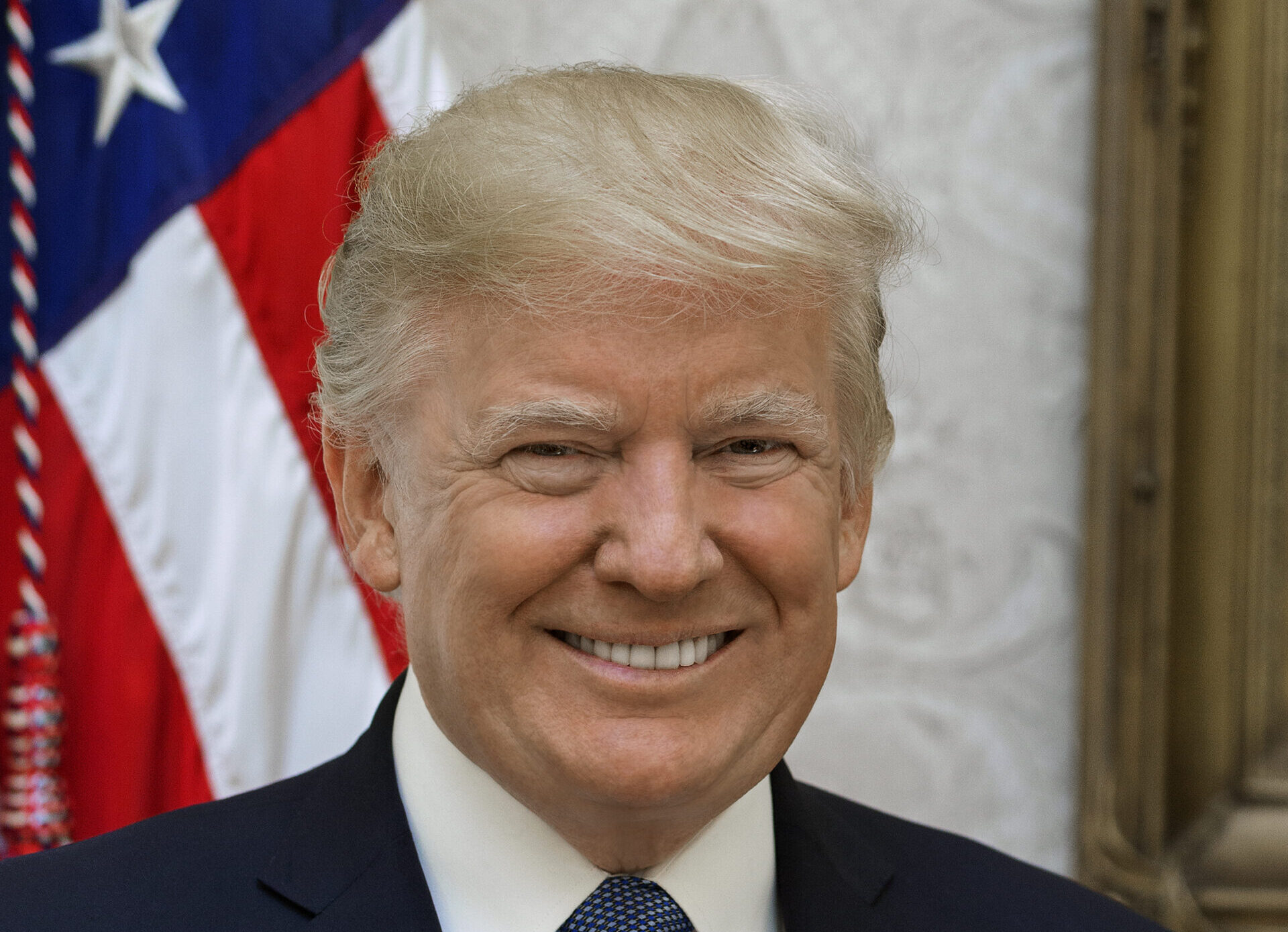
    In a controversial move that has sparked widespread debate, former President Donald Trump has established a “Presidential Walk of Fame” within the White House grounds. This installation features plaques bearing sharply critical commentaries placed beneath official portraits of previous commanders-in-chief, particularly targeting Barack Obama and Joe Biden.

    The inscriptions, written in Trump’s characteristic social media style, present scathing assessments of his predecessors’ administrations. The plaque dedicated to President Biden—notably displayed without a portrait—contains particularly harsh language, describing him as “the worst President in American History” and alleging he assumed office through “the most corrupt Election ever seen in the United States.”

    While Trump has publicly characterized the exhibit as “a tribute to past Presidents, good, bad, and somewhere in the middle,” factual verification efforts have identified multiple claims on the plaques as unfounded or misleading. This installation represents the latest in a series of controversial modifications Trump has made to the White House complex.

    Among previous contentious renovations was the removal of the historical Rose Garden to accommodate a grand ballroom project, funded by supporter contributions with estimated costs approaching $400 million. Construction continues on this significantly expanded facility, which is planned to exceed the scale of any existing structure within the White House campus.

    The Presidential Walk of Fame has raised questions about the appropriate treatment of historical presidential legacies and the traditional decorum associated with the nation’s highest office.

  • Bangladesh in nationale rouw na dood prominente studentenactivist

    Bangladesh in nationale rouw na dood prominente studentenactivist

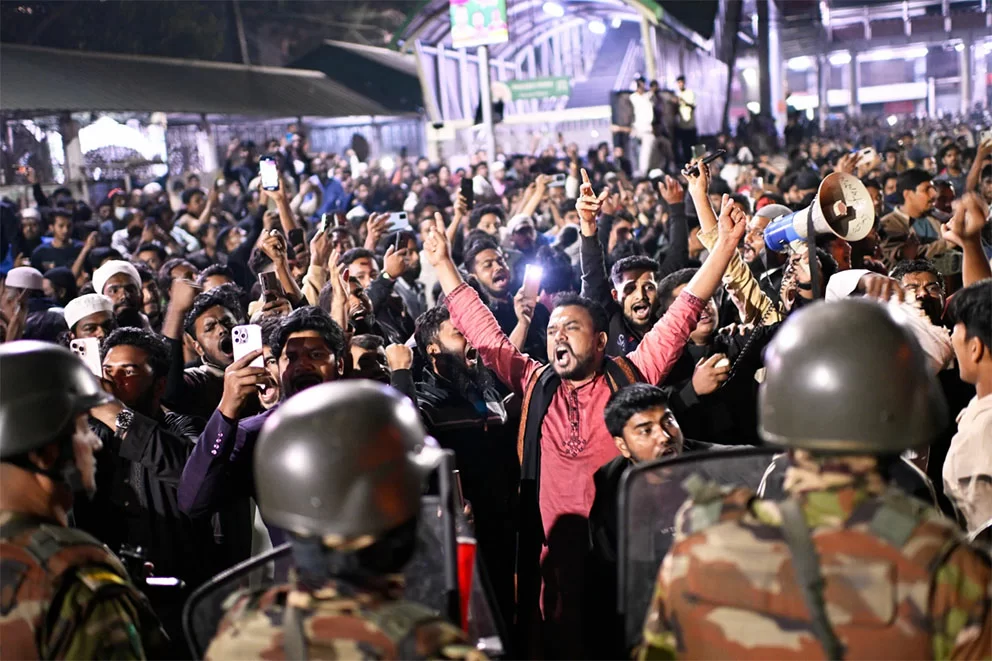
    Bangladesh declared a national day of mourning on Saturday in honor of Sharif Osman Hadi, a prominent leader of the 2024 student uprising movement, whose tragic death has ignited two days of massive protests across the nation. The 32-year-old activist, who succumbed to gunshot wounds sustained during an attack by masked assailants over a week ago, was laid to rest in a heavily secured funeral ceremony at the Parliament Building in Dhaka.

    Authorities deployed extensive police forces equipped with body cameras throughout the capital ahead of the funeral procession, which commenced at 2:00 PM local time at the South Plaza of Jatiya Sangsad Bhaban. The national flag flew at half-mast across all government buildings as a symbol of collective grief.

    While protests had largely subsided by Saturday, media outlets continued reporting fresh incidents of violence. Cultural institutions, newspaper offices, and political buildings faced arson attacks and storming throughout the week, highlighting the nation’s escalating tensions. The residence of Anisul Islam Mahmud, chairman of the National Democratic Front and leader of a Jatiya Party faction, was vandalized and set ablaze in Chattogram, Bangladesh’s second-largest city.

    The Bangladesh Shilpakala Academy, the state-sponsored cultural center, announced temporary suspension of all activities due to security concerns following attacks on its premises. Major newspapers Prothom Alo and The Daily Star, both targeted by protesters, struggled to maintain operations with staff forced to evacuate to rooftops during fires while pledging to continue digital publications.

    Hadi served as spokesperson for Inquilab Moncho (Platform for Revolution), a leading force within the student protest movement. He passed away Thursday at a Singapore hospital from head injuries sustained during the assassination attempt. The activist had been preparing to contest the February 2026 parliamentary elections representing Dhaka-8 constituency.

    His death triggered violent demonstrations that targeted residential properties, party offices, and even the Indian Assistant High Commission in Chittagong. Protesters expressed fury over alleged Indian involvement, suggesting the perpetrator might have fled to India.

    Bangladesh’s interim government, led by Nobel laureate Muhammad Yunus since Prime Minister Sheikh Hasina’s resignation in August 2024, strongly condemned the violence while appealing for calm. Demonstrators continued demanding extradition of suspects and justice for Hadi and other victims. Hasina herself received a death sentence in November for human rights violations during the brutal suppression of the student uprising that claimed approximately 1,400 lives.

    Families of victims maintain hope that the former prime minister and others responsible for the crackdown will eventually face trial.

  • Ministry of Agriculture participated in CHOGM Training

    Ministry of Agriculture participated in CHOGM Training

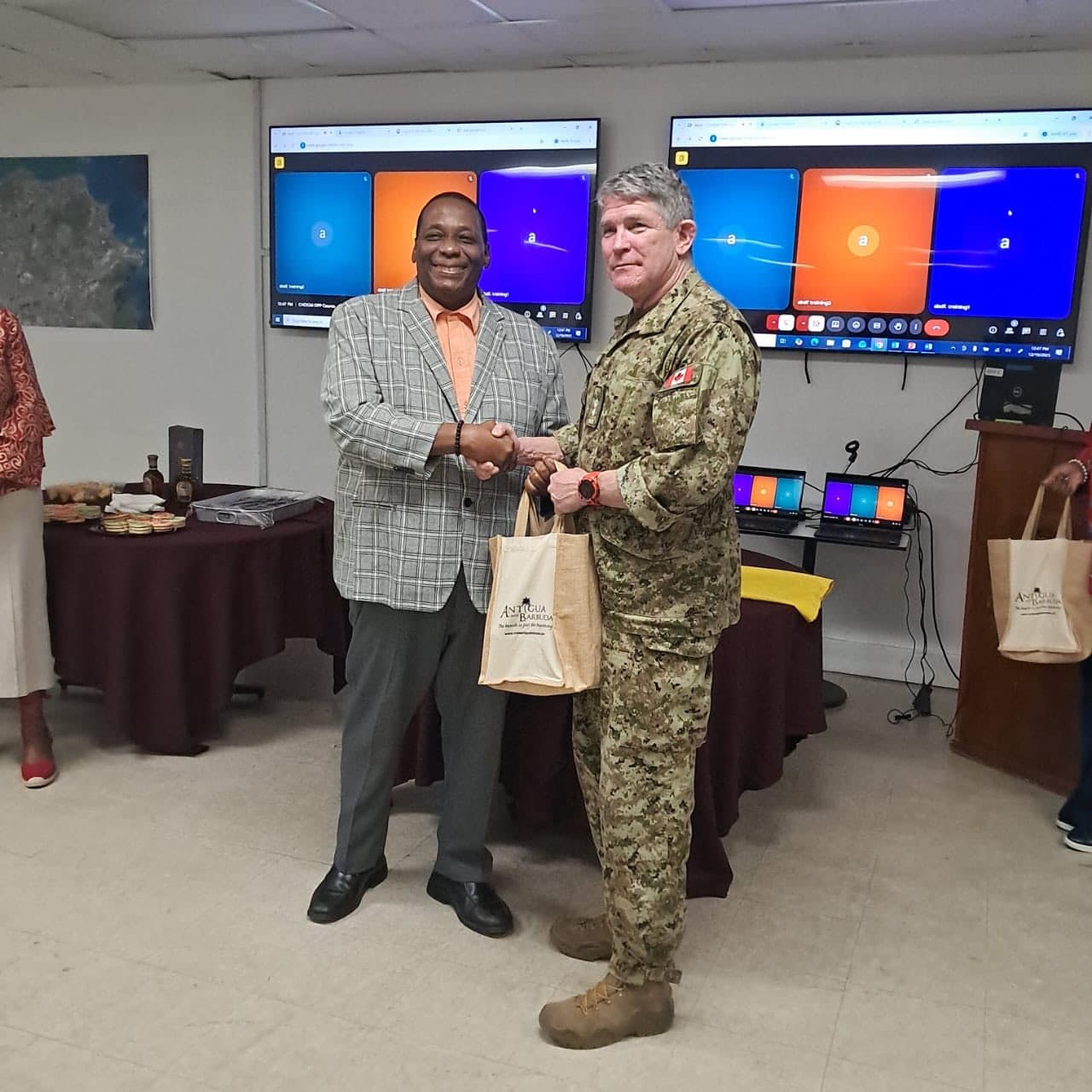
    Antigua and Barbuda has initiated comprehensive security preparations for the upcoming 2026 Commonwealth Heads of Government Meeting (CHOGM) through an intensive training program conducted by the Canadian Armed Forces. The two-week workshop, described by participants as exceptionally rigorous, brought together key security personnel from multiple government ministries, the Antigua and Barbuda Defence Force (ABDF), the Royal Police Force, and the Office of National Drug Control Policy (ONDCP).

    Held at Camp Blizzard under the direct supervision of the Ministry of Foreign Affairs, the training program represents the initial phase of the nation’s security strategy for hosting the prestigious international gathering. Canadian military experts delivered specialized instruction aimed at enhancing the capabilities of local security forces in managing large-scale international events.

    The collaborative initiative underscores the strengthening bilateral relations between Canada and Antigua and Barbuda while demonstrating the Caribbean nation’s proactive approach to ensuring a secure environment for the high-profile summit. This preparatory phase focuses on establishing robust security protocols, coordination mechanisms, and emergency response procedures necessary for successfully hosting world leaders and dignitaries.

    The training initiative marks a significant milestone in Antigua and Barbuda’s journey toward becoming the third Caribbean Community (CARICOM) member state to host the Commonwealth’s premier political gathering, following The Bahamas (1985) and Trinidad and Tobago (2009).