分类: politics

  • Latin America, the Caribbean, and the European Union summit crystallizes common ground on global issues

    Latin America, the Caribbean, and the European Union summit crystallizes common ground on global issues

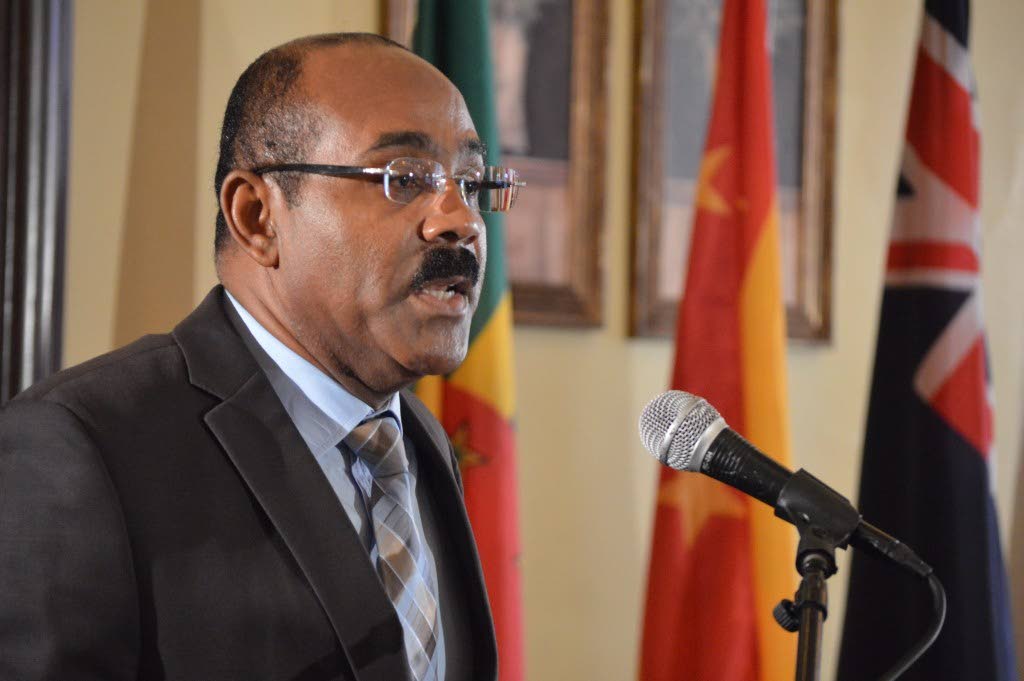
    At the CELAC-EU Summit held in Santa Marta, Colombia, on November 10, leaders from Latin America, the Caribbean, and the European Union reaffirmed their dedication to democracy, good governance, and the rule of law. Prime Minister Roosevelt Skerrit of Dominica highlighted these commitments during a press conference on Thursday. The summit emphasized the importance of upholding the principles of the United Nations Charter, including sovereign equality, territorial integrity, and peaceful dispute resolution. CELAC’s declaration of Latin America and the Caribbean as a zone of peace was also endorsed, with a focus on dialogue, cooperation, and maritime security, particularly for small island states. The leaders expressed deep concern over the humanitarian impact of global conflicts and agreed that diplomacy, dialogue, and respect for international law should guide their actions. On Ukraine, they supported efforts for a sustainable ceasefire and just peace based on sovereignty and territorial integrity. Regarding Gaza, they welcomed the first phase of a comprehensive peace plan and urged adherence to international humanitarian law. The summit also reaffirmed support for Haiti’s security and stability and opposed the economic embargo on Cuba. A significant focus was on reforming the international system, with calls for a more representative and inclusive United Nations and a fairer global financial architecture. Small island developing states like Dominica advocated for greater access to concessional financing and debt relief. The summit also emphasized climate resilience and the energy transition, with Dominica showcasing its leadership in geothermal development and climate resilience. Regional cooperation to address environmental challenges like sargassum was also discussed, aiming to turn these challenges into opportunities for innovation and sustainable growth. The meeting underscored the solidarity between Latin America, the Caribbean, and Europe.

  • Suriname en Chili verdiepen economische en politieke samenwerking

    Suriname en Chili verdiepen economische en politieke samenwerking

    Suriname and Chile have taken a significant step forward in their bilateral relations with the signing of a Memorandum of Understanding (MoU) on structured consultations. The agreement was inked on Monday by Suriname’s Minister of Foreign Affairs, International Business, and International Cooperation (BIS), Melvin Bouva, and his Chilean counterpart, Alberto van Klaveren Stork, representing the Republic of Chile. The signing ceremony took place in Santa Marta, Colombia, during the fourth Summit of Heads of State and Government of the Community of Latin American and Caribbean States (CELAC) with the European Union (EU).

    The MoU aims to deepen political and economic ties between the two nations, fostering a framework for ongoing dialogue and collaboration. The consultations will cover a wide range of topics, including political, economic, commercial, and cultural issues, as well as regional and international developments. This structured approach is expected to enhance mutual understanding and cooperation across multiple sectors.

    According to Suriname’s Ministry of Foreign Affairs, the agreement provides a robust foundation for advancing the country’s economic diplomacy agenda. Suriname and Chile have maintained diplomatic relations since May 7, 1977, and this latest development marks a renewed commitment to strengthening their partnership. The MoU underscores the importance of multilateral engagement and regional cooperation in addressing shared challenges and opportunities.

  • STATEMENT: Temporary suspension of voter registration pending completion of new registration system

    STATEMENT: Temporary suspension of voter registration pending completion of new registration system

    The Electoral Commission of the Commonwealth of Dominica has announced a temporary suspension of voter registration activities, effective immediately. This pause follows the enactment of the Registration of Electors Act in March 2025, which rendered the previous registration framework obsolete. The Commission is now focused on developing and implementing a new, fully compliant system to modernize the electoral process. Key steps include designing updated registration forms, training registration officers, and transitioning to an electronic registration platform. To facilitate this transition, the Commission has partnered with Consortium, SEMLEX International / Genkey Solutions, tasked with building the new software. The team is diligently working to ensure the system meets all legal requirements and functions effectively. The Commission acknowledges the urgency of resuming voter registration and is collaborating closely with the consortium to expedite the process. A progress update is scheduled for December 2025, where the public will be informed of developments and the anticipated timeline for resuming registration. The Commission has expressed gratitude for the public’s patience and understanding as these critical enhancements are made to ensure a secure, efficient, and transparent electoral process.

  • Grenada at United Nations Climate Change Conference (COP30), Brazil

    Grenada at United Nations Climate Change Conference (COP30), Brazil

    The Government of Grenada has officially confirmed its participation in the 30th Conference of the Parties (COP30) to the United Nations Framework Convention on Climate Change (UNFCCC), scheduled for November 10–21, 2025, in Belém, Brazil. The delegation, led by Dr. Spencer Thomas, Special Envoy for Multilateral Agreements, will include representatives from key ministries and agencies dedicated to advancing Grenada’s climate resilience agenda.

    At COP30, Grenada will prioritize the concerns of Small Island Developing States (SIDS), advocating for enhanced climate finance, adaptation support, and the effective implementation of the Loss and Damage Fund. The delegation will also highlight Grenada’s achievements in renewable energy transition, sargassum valorization, blue economy initiatives, ecosystem restoration, and resilient infrastructure, all aligned with the National Adaptation Plan (2025–2035) and Nationally Determined Contributions (NDCs).

    Hon. Kerryne James, Minister for Climate Resilience, the Environment, and Renewable Energy, will participate virtually in high-level events and bilateral meetings, emphasizing the need for equitable access to climate finance for vulnerable nations. The delegation will engage in thematic discussions on energy transition, youth and gender inclusion in climate action, and the integration of science and innovation into national climate policies.

    Minister James remarked, ‘COP30 represents a critical juncture for global climate ambition. Grenada is committed to demonstrating leadership, sharing our progress, and advocating for the tangible actions and financing required to protect our people, ecosystems, and future generations.’

    The Ministry of Climate Resilience expressed gratitude to Grenada’s international and regional partners for their ongoing collaboration in advancing national and regional climate priorities.

  • Ex-minister Kuldipsingh noemt uitspraken in DNA over dubbele salaris misleidend

    Ex-minister Kuldipsingh noemt uitspraken in DNA over dubbele salaris misleidend

    Former Surinamese Minister Rishma Kuldipsingh has vehemently refuted allegations made by NDP parliamentarians Rabin Parmessar and Rosselli Cotino, labeling their statements as false and misleading. The accusations, presented in parliament, suggested that Kuldipsingh received double salaries during her tenure as Minister of Economic Affairs. She asserts that these claims were deliberately fabricated to undermine her integrity. Kuldipsingh felt compelled to respond, as her name was brought up in parliament without formal agenda or discussion, seemingly with the intent to tarnish her reputation. She emphasized that she proactively halted her official salary upon leaving the ministry, sending two official letters—first to the Minister of Economic Affairs and then to the ministry’s director. Due to bureaucratic delays, it took over three months for the administrative process to be completed, during which payments were mistakenly deposited into her account. Kuldipsingh clarified that she voluntarily returned these amounts in full, stating, ‘All evidence of this is in my possession, and I am sharing it with the public.’ She provided official correspondence to substantiate her claims. The former minister criticized the NDP parliamentarians’ actions as ‘a low point for parliament,’ arguing that such behavior erodes public trust in the institution. Kuldipsingh reaffirmed her commitment to integrity during her tenure, vowing never to act against the interests of Suriname or its citizens. She called on DNA Chairman Ashwin Adhin to correct the misinformation and ensure that parliament members adhere to established norms and conventions.

  • Trump briefed this week on options for military operations in Venezuela

    Trump briefed this week on options for military operations in Venezuela

    President Donald Trump was recently briefed on potential military operations in Venezuela, as he continues to evaluate the best course of action in the politically turbulent nation, according to four sources familiar with the matter. The briefing, which took place earlier this week, outlined a range of strategic options but did not signal an imminent decision, one source revealed. Trump has historically expressed reservations about military intervention aimed at ousting Venezuelan President Nicolas Maduro, citing concerns over its effectiveness and potential risks. The options presented, part of an initiative dubbed ‘SOUTHERN SPEAR,’ were developed by the United States Southern Command and included potential air strikes on military or government facilities, as well as drug trafficking routes. Defense Secretary Pete Hegseth and Joint Chiefs Chairman Gen. Dan Caine were among the top officials who briefed Trump on these plans. Hegseth later announced the operation on social media, though specifics remain undisclosed. The USS Gerald R Ford, the U.S. Navy’s most advanced aircraft carrier, recently arrived in the Caribbean, signaling a significant military buildup in the region. Despite the escalating rhetoric, Trump has not ruled out the possibility of avoiding military action altogether. Administration officials have acknowledged the lack of a legal justification for land-based attacks, though they could potentially develop one if needed. Trump’s cautious approach reflects his wariness of actions that could result in failure or endanger U.S. troops. This report has been updated with additional details.

  • Amerikaanse vliegdekschip nabij Venezuela: signaal van macht

    Amerikaanse vliegdekschip nabij Venezuela: signaal van macht

    The USS Gerald R. Ford, the United States’ most advanced aircraft carrier, is set to arrive in waters off the coast of Venezuela within days, marking a rare display of American military power in Latin America. This deployment, the first of its kind in generations, has sparked widespread speculation and concern across the region. While experts are divided on whether the carrier will launch combat missions against Venezuelan targets, its presence is widely interpreted as a strategic move to pressure authoritarian President Nicolás Maduro. Some analysts suggest the carrier’s primary role is to patrol the Caribbean and support anti-drug operations, but its sheer size and capabilities send a strong message. Elizabeth Dickinson, a senior analyst at the International Crisis Group, noted, ‘This is a clear demonstration of U.S. military might in Latin America, raising concerns not just in Venezuela but across the region.’ The deployment is part of the Trump administration’s broader campaign in South America, officially framed as an anti-drug operation. However, critics argue that the move is more about exerting political pressure on Caracas than combating drug trafficking. Bryan Clark, a former naval officer and defense analyst, emphasized that the Trump administration would not deploy the carrier without the intent to use it, suggesting potential military action if Maduro does not step down. Meanwhile, the Venezuelan government has responded with a massive mobilization of troops and civilians, preparing for potential U.S. aggression. The situation has also drawn criticism from regional leaders and human rights organizations, with Colombia temporarily halting intelligence sharing with the U.S. In contrast, Mexico has strengthened its cooperation with the U.S. in combating drug trafficking. As the USS Gerald R. Ford enters the Caribbean, analysts warn that its prolonged presence could have significant global implications.

  • Operation El Toque: A maneuver against the Cuban people

    Operation El Toque: A maneuver against the Cuban people

    In a televised broadcast on Wednesday night, Cuban authorities unveiled the intricate network of illegal activities orchestrated by the U.S. government as part of its destabilization strategy against Cuba. The focal point of the denunciation was El Toque, a media outlet allegedly financed by the U.S. State Department and intelligence services, which was exposed as a covert instrument of subversion targeting the Caribbean nation. For decades, the U.S. has relentlessly pursued efforts to undermine Cuba, employing various tactics to provoke social unrest and replicate scenarios seen in other parts of the world. In recent years, the U.S. has significantly increased its budget for this multifaceted campaign, aiming to inflict maximum suffering on the Cuban populace. The strategy includes leveraging economic hardship, hunger, and other adversities to erode the nation’s resilience and morale. The economic blockade, coupled with psychological warfare, has been executed with surgical precision, targeting key sectors such as housing, industry, transportation, and daily life. A critical component of this strategy involves distorting Cuban finances and inducing inflation within the domestic market. The U.S. intelligence community has implemented a multi-stage economic warfare plan, encompassing shortages, induced inflation, supply boycotts, and a financial blockade to restrict foreign currency inflows, particularly dollars. Tourism and medical services have been particularly affected. The second phase of this strategy involves the use of U.S.-funded platforms like El Toque to stimulate inflation. Similar tactics have been employed in Nicaragua, Zimbabwe, Argentina, and Venezuela. El Toque, masquerading as an independent and objective news source, manipulates exchange rates to degrade the population’s income levels. The director of El Toque, José Jasán Nieves, has been identified as a recipient of U.S. State Department funds, which are purportedly used to cultivate ‘leaders of change’ within the private sector. The media outlet operates akin to professional speculators, profiting from the poverty of the majority without any legitimate economic justification. Cuban authorities have condemned currency trafficking, financial speculation, and mercenary activities as lucrative crimes that exploit the Cuban people, all of which are severely punishable under international law.

  • Column: De schuld van de boodschapper

    Column: De schuld van de boodschapper

    In a recurring pattern, the Surinamese government has once again shifted blame onto journalists for miscommunication, rather than addressing its own messaging errors. The latest incident involves Vice President Gregory Rusland, who, while acting as interim president, engaged in discussions with representatives from the Chinese mining company Chinalco. Following these talks, the Directorate of Public Communication issued an official statement titled ‘Resumption of Talks with Chinalco,’ which detailed plans for renewed negotiations aimed at securing a better agreement for Suriname. This statement was subsequently disseminated by the Suriname Communication Service (CDS) under the headline ‘Government Re-enters Negotiations with Chinalco.’

    However, upon her return from Brazil, President Jennifer Simons publicly contradicted the statement, asserting that no negotiations were taking place with Chinalco and that no bauxite would be exported. She emphasized that ‘the government consists of the president, the vice president, and the Council of Ministers,’ indirectly rebuking Rusland. This contradiction has left journalists and media outlets in a difficult position, as they had reported based on official government communications.

    The opposition has seized upon this incident, suggesting a lack of unity within the government. The core question remains: what truly transpired? The original statement from the Directorate of Public Communication implies that Rusland either acted independently, driven by his ego as interim president, or that his office fabricated the information. Both scenarios are equally troubling. Despite the viral spread of the government’s statement, Rusland did not refute it before Simons’ remarks.

    Yet, the media bore the brunt of the blame. Rusland denied any negotiations, and Simons accused journalists of ‘writing something incorrect.’ However, the fault lies not with the media but with the vice president’s office, which released the misleading information. Journalists merely reported based on official sources.

    This is not the first instance where politicians have made politically inconvenient statements only to later blame the press. While journalists are not infallible, it is detrimental to democracy when those in power systematically shift the blame for their communication failures onto the media. True credibility comes from acknowledging mistakes, not denying or distorting them. A healthy democracy requires a mature relationship between the government and the press, built on mutual respect rather than distrust and blame.

  • President reassures cash grants, other promises will be fulfilled

    President reassures cash grants, other promises will be fulfilled

    President Irfaan Ali of Guyana has firmly dismissed allegations that his administration would fail to deliver on its promise of cash grants before Christmas. The accusations were leveled by Azruddin Mohamed, Leader of the We Invest in Nationhood (WIN) political party, who claimed that the President was poised to break his commitment. Speaking at the opening ceremony of GUYEXPO 2025 at the Sophia Exhibition Site, President Ali responded with a stern rebuke, emphasizing that his government was fully aware of its obligations and would fulfill them promptly and effectively. He stated, ‘You don’t need to remind us about our commitment whether it’s cash grant, incentives, subsidies. We know what our commitments are and we are going to deliver on every one of them faster, better, greater.’ Earlier on Thursday, Mr. Mohamed had taken to Facebook to demand that the ruling People’s Progressive Party (PPP) honor its promises, referencing a statement made by President Ali on August 26, where he assured Guyanese of a ‘beautiful Christmas’ with cash grants. Vice-President Bharrat Jagdeo had also reiterated on October 2 that all campaign promises would be fulfilled. However, Mr. Mohamed noted that no official announcement had been made regarding the cash grants. In his address, President Ali, without directly naming Mr. Mohamed, advised him to ‘find your place, stay in your lane,’ and cautioned against overstepping his bounds. The President also highlighted the importance of maintaining the integrity of Guyana’s economy, describing it as neither a ‘toy’ nor a means for exploitation. This comes as Mr. Mohamed and his father, Nazar Mohamed, face a U.S. extradition request related to an 11-count indictment for wire fraud, mail fraud, and money laundering tied to their gold trading business. The Mohameds were sanctioned by the U.S. Treasury Department’s Office for Foreign Assets Control in June 2024 for allegedly evading over $50 million in taxes on gold exports. President Ali further warned Guyanese citizens against being swayed by misleading social media content, stating, ‘If we continue to let simplistic messages infiltrate our brains, we can destroy all that we are building.’ The WIN party, which secured 16 of the 65 seats in the National Assembly, has emerged as Guyana’s largest parliamentary opposition party, surpassing the People’s National Congress Reform-led coalition.