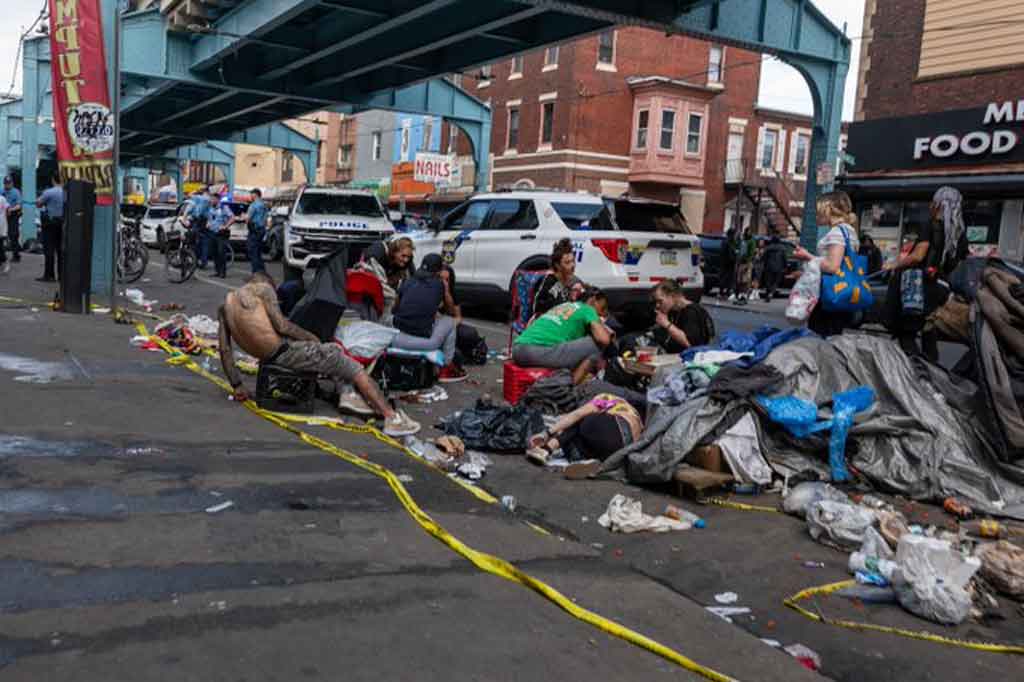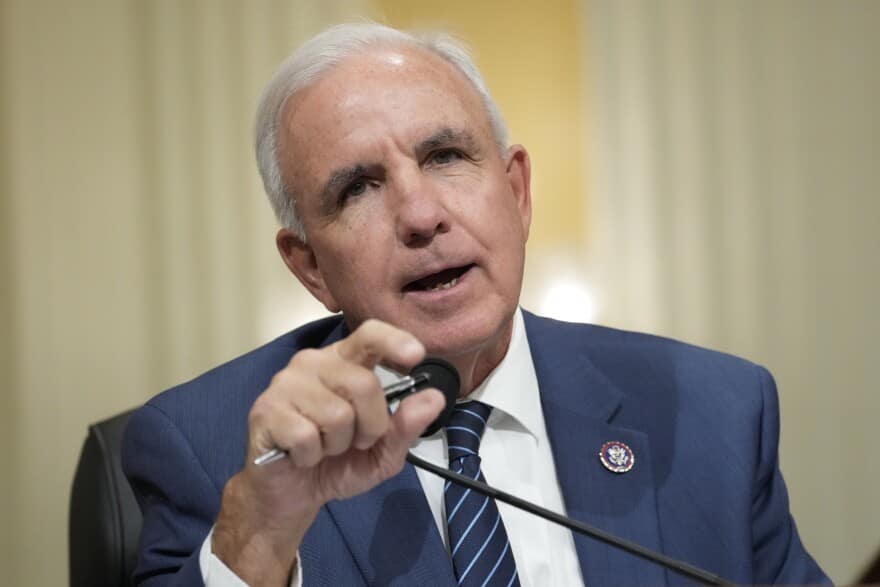
On November 16, 2025, Mexico witnessed widespread unrest as thousands of demonstrators, predominantly from Gen Z youth groups, took to the streets to protest escalating cartel violence and the government’s perceived inaction. The protests were triggered by the assassination of Carlos Manzo, a mayor who had vocally opposed cartel activities. Manzo was killed on November 1 while attending a Day of the Dead festival, a tragedy that galvanized public outrage. Demonstrators, carrying banners emblazoned with “We are all Carlos Manzo” and donning cowboy hats in his honor, clashed with police near the National Palace in Mexico City. Authorities responded with tear gas, resulting in at least 120 injuries, including 100 police officers, and 20 arrests. President Claudia Sheinbaum, whose approval ratings remain above 70%, accused right-wing opponents of funding the protests and warned of the use of online “bots” to incite unrest. In a public briefing, Sheinbaum emphasized her support for freedom of expression but questioned the motives behind the demonstrations. The incident underscores the growing tension between the Mexican government and citizens demanding stronger action against cartel violence.
分类: politics
-

The unfinished fight for women’s political inclusion in Saint Lucia
The recent political ascendancy of women in Trinidad and Tobago has sparked a broader conversation about gender equality in the Caribbean. Christine Kangaloo, Kamala Persad-Bissesser, and Penelope Beckles have shattered glass ceilings, becoming President, Prime Minister, and Leader of the Opposition, respectively. Their achievements have been celebrated by the University of the West Indies Cave Hill Campus and have challenged outdated stereotypes of the Caribbean as merely a tourist destination. However, this progress has also highlighted the stark contrast in Saint Lucia, where women remain significantly underrepresented in politics. Despite the contributions of notable female politicians like Heraldine Rock and Dr. Gale Rigobert, the political arena in Saint Lucia is still dominated by men. Recent elections saw only 11 women out of 45 candidates, a mere 25% of the field. This is below the regional average of 30% and the Commonwealth average of 25.9%, according to the Inter-Parliamentary Union. The Convention on the Elimination of Discrimination Against Women (CEDAW) recommends that 33% of decision-making roles be held by women, a target Saint Lucia has yet to meet. Cultural and institutional barriers continue to hinder women’s political participation. Societal norms often relegate women to domestic roles, and the political process is seen as ‘nasty’ and unsuitable for women. Additionally, women face challenges in balancing political careers with family responsibilities, and they often lack access to the networks and funding necessary for successful campaigns. Despite these obstacles, women in Saint Lucia are outpacing men in educational achievements and leadership roles in the workplace. The International Labour Organisation found that 52.3% of bosses in Saint Lucia are women, suggesting that other factors are at play in the political sphere. To address this disparity, experts recommend public education on gender equality, increased support for female political candidates, and the implementation of quotas to ensure greater female representation. As Saint Lucia moves forward, it is crucial to create an inclusive political environment that empowers women to take on leadership roles and contribute to the nation’s development.
-

It’s your right: protect it, cherish it
As Saint Lucia gears up for its upcoming general election, the political atmosphere has grown increasingly volatile, raising concerns about the integrity of the democratic process. Reports have emerged of private properties being vandalized with slogans and emblems representing the two major political parties. Additionally, instances of name-calling, both in person and on social media, as well as acts of intimidation by opposing supporters, have become alarmingly common. Rumors suggest that some confrontations have escalated from verbal exchanges to physical altercations, though no direct involvement from candidates has been confirmed. Despite these troubling developments, neither the candidates nor their parties have issued strong condemnations of such behavior. Earlier calls for political parties to adopt a code of conduct during this critical period have gone unanswered. The Constitution of Saint Lucia guarantees citizens the right to vote, freedom of association, and the right to assemble, emphasizing the importance of a peaceful and democratic election process. It is imperative that all political leaders and candidates uphold these principles and set a positive example. The media and law enforcement must also play their roles in ensuring that the election remains free from violence and intimidation. As the campaign progresses, it is crucial for all stakeholders to act with civility and respect, fostering an environment of peace and fairness. The election date coinciding with the Advent season serves as a poignant reminder of the values of peace and goodwill, which should guide the nation during this pivotal time.
-

Antigua PM urges US to resolve differences with Venezuela using diplomacy
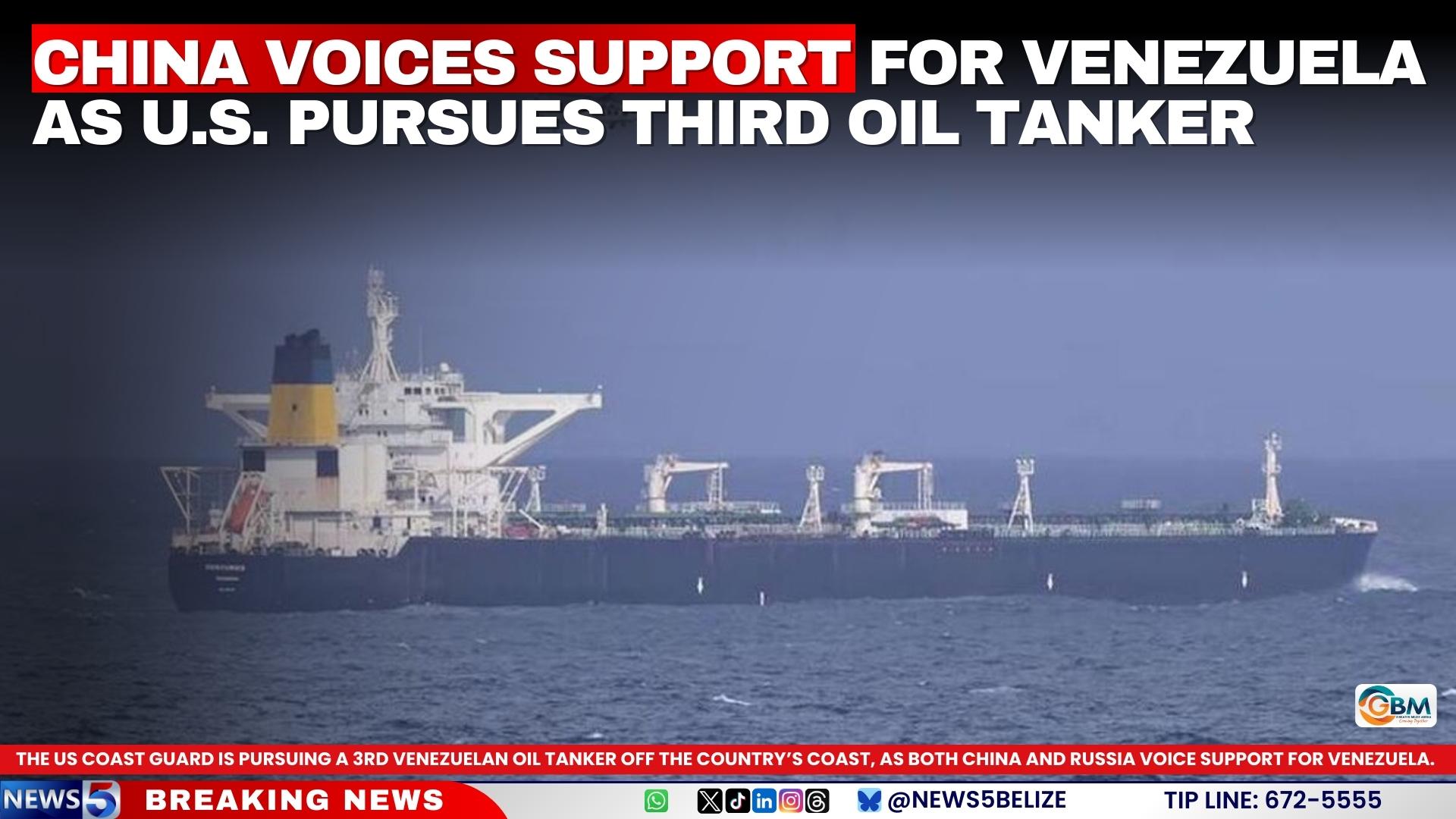
ST JOHN’S, Antigua (CMC)—Antigua and Barbuda Prime Minister Gaston Browne has called on the United States to address its ongoing tensions with Venezuela through diplomatic channels, emphasizing the Caribbean’s commitment to maintaining peace in the region. Browne’s appeal comes in response to recent remarks by US President Donald Trump, who hinted at decisive action regarding Venezuela following extensive briefings and a significant military presence in the Caribbean, including the deployment of the USS Gerald Forde, the US Navy’s largest aircraft carrier. In a statement posted on his Facebook page, Browne urged, “We encourage President Trump to resolve the differences between the US and Venezuela through diplomacy and dialogue. Let’s continue to preserve our hemisphere as a zone of peace.” This sentiment echoes the Caribbean Community (Caricom)’s recent declaration, which reaffirmed the region’s stance as a Zone of Peace, advocating for dialogue and peaceful conflict resolution. Caricom leaders, with the exception of Trinidad and Tobago, unanimously supported this principle during a meeting last month. Additionally, Caricom foreign ministers have previously expressed concerns to US Secretary of State Marco Rubio, requesting assurances that any military action against Venezuela would not destabilize the region and would involve prior consultation. Meanwhile, the US has intensified its military presence in the Caribbean, deploying an amphibious squadron, a nuclear-powered attack submarine, and reconnaissance aircraft as part of efforts to combat drug cartels in Latin America. Venezuela has responded by mobilizing troops along its borders, citing perceived threats from the US.
-

PM reaffirms plan for massive economic overhaul
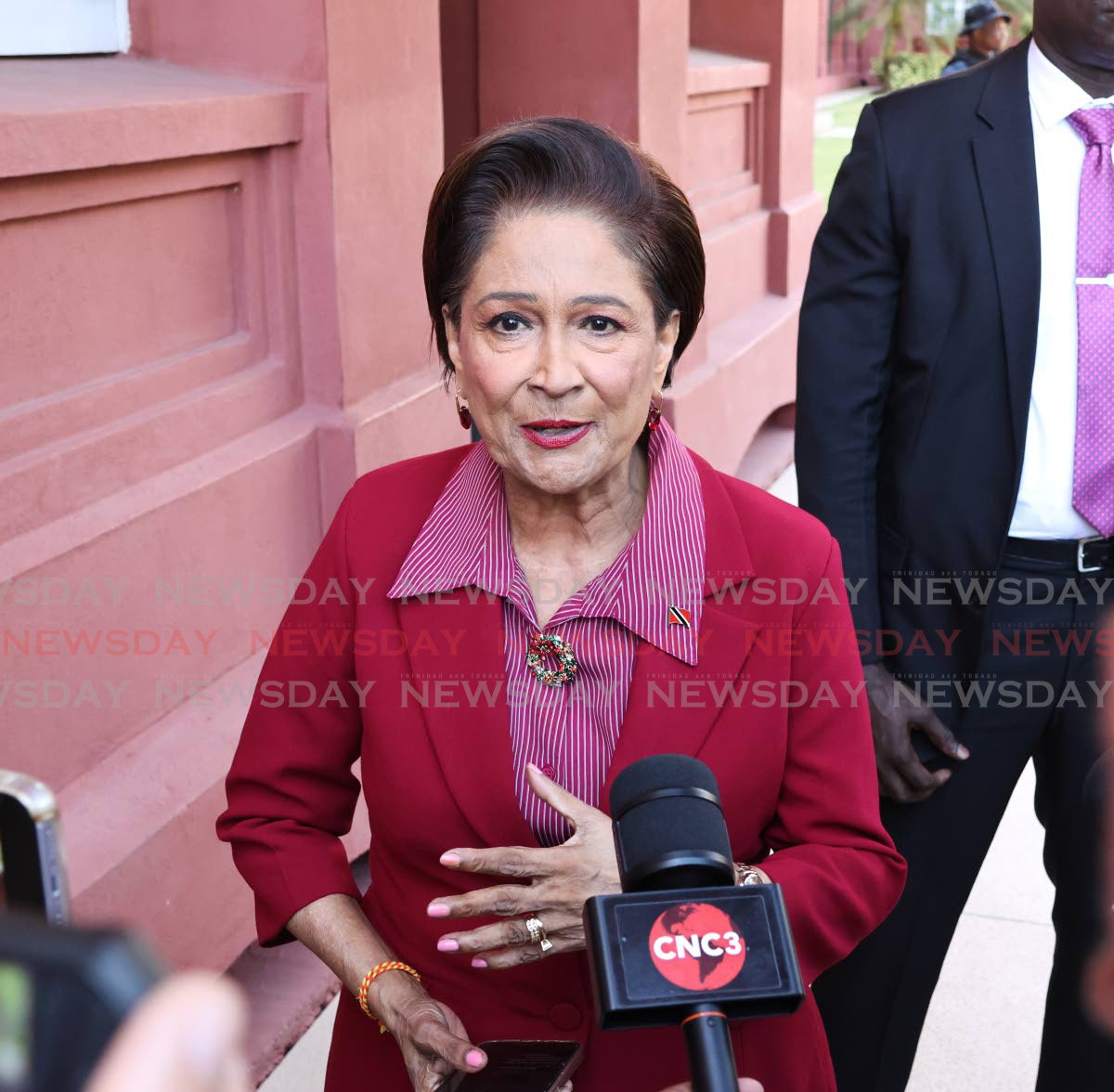
Prime Minister Kamla Persad-Bissessar has reaffirmed her government’s commitment to a sweeping economic transformation agenda, unveiling the Trinidad and Tobago Revitalisation Blueprint. Launched on November 6 at the Diplomatic Centre in St Ann’s, the plan aims to diversify the economy, attract foreign investment, and create over 50,000 jobs, with thousands already in the recruitment pipeline. In a recent post on her X platform, Persad-Bissessar highlighted that the first phase of the national recruitment drive is screening thousands of citizens to fill 20,000 public-sector positions. The blueprint is designed to open ‘the doors to the international corridors of capital,’ fostering investment, innovation, and new economic activity. Central to the initiative is a focus on efficiency, cost savings, and smarter governance, including decentralizing state functions and repurposing assets like the International Waterfront Complex. Persad-Bissessar emphasized that every dollar and asset will be optimized to ensure community-wide benefits. The plan also targets sustainable revenue generation, particularly through export-driven industries and deeper global economic integration. Addressing long-standing infrastructure challenges, such as inadequate drainage and traffic congestion, the blueprint incorporates climate-resilient designs and multimodal smart mobility systems. These systems integrate walking, biking, public transit, and personal vehicles to create a sustainable transport network. Renewable energy, green building standards, and inclusive public spaces will be integral to each project, reflecting the government’s commitment to sustainability. Persad-Bissessar also outlined plans to collaborate with governments, international lenders, regional development institutions, and private investors, describing foreign investment as a ‘vital pillar’ of the transformation. She praised Works and Infrastructure Minister Jearlean John for her efforts and noted the overwhelmingly positive public feedback. The Prime Minister concluded by inviting global investors to join Trinidad and Tobago’s journey toward a stronger future, directing the public to the government’s portal at ttglobalhub.gov.tt. The blueprint includes 129 construction projects to revamp key areas, such as the Port of Spain and San Fernando waterfronts, Invaders Bay, and the Queen’s Park Savannah. Additionally, prisons in Port of Spain, Golden Grove, and Carrera Island will be demolished and replaced with a justice center in Tamana, while the sites will be repurposed for cultural, housing, and luxury resort developments.
-

Rowley: Safety, power supply, energy security at risk
Former Prime Minister Dr. Keith Rowley has issued a stark warning about Trinidad and Tobago’s precarious position on the global stage, citing economic and security vulnerabilities stemming from what he termed reckless governance and poorly informed decisions. Speaking via Facebook Live on November 17, Rowley criticized Prime Minister Kamla Persad-Bissessar’s recent dismissal of Venezuela’s gas supply as a “throwaway comment” with severe implications for the nation’s energy security. Persad-Bissessar’s remarks came in response to Venezuela’s proposal to suspend gas agreements with Trinidad and Tobago on October 27. Rowley emphasized the country’s heavy reliance on natural gas, which powers homes, industries, and factories, and warned of a looming crisis if reserves are mismanaged. He highlighted a decline in gas production and consumption, with daily usage dropping from 4.3 billion cubic feet to 2.6 billion cubic feet, and possibly lower. Rowley stressed the need for additional gas reserves to sustain current levels, lamenting the disruption of efforts to secure future energy supplies through the La Brea-Manatee and Venezuelan-owned Dragon fields. Turning to foreign affairs, Rowley recalled the geopolitical challenges of 2015, when sanctions against Venezuela coincided with Trinidad and Tobago’s energy vulnerabilities. He underscored the importance of safeguarding national interests while maintaining neutrality, citing Caricom’s role in defending regional sovereignty. Rowley accused the current government of recklessness, inaction, and indifference to international law, particularly in its handling of US military operations in the region. He expressed concern over domestic security issues, including extrajudicial killings by police and inconsistent advisories for fishermen. Rowley also questioned the government’s alignment with US military objectives, warning that such actions could undermine decades of foreign policy and expose the nation to significant risk. He called for transparency and accountability, urging the government to clarify measures in place to protect the country in the event of conflict. Rowley concluded with a plea for careful and informed foreign policy, emphasizing the need for leadership and transparency to safeguard Trinidad and Tobago’s sovereignty and future.
-

Kangaloo signs FATF Act into law
President Christine Kangaloo has enacted a series of legislative measures aimed at aligning Trinidad and Tobago with international financial and tax regulations. The newly signed laws, published in the TT Gazette on November 16, include the Miscellaneous Provisions (Financial Action Task Force Compliance) Act, 2025, along with specific sections of related acts from 2024 and 2020. These laws, effective from November 17, amend key legislation such as the Prevention of Corruption Act, Anti-Terrorism Act, and Mutual Assistance in Criminal Matters Act. Attorney General John Jeremie emphasized the significance of these reforms, noting that Trinidad and Tobago had previously avoided severe financial repercussions after being removed from the FATF grey list in 2020. Despite progress, the country remains on the EU’s list of non-cooperative tax jurisdictions, alongside nations like Panama and Russia. The government plans to introduce further legislation to address remaining FATF recommendations, with Trinidad and Tobago set to undergo assessment by the Caribbean Financial Action Task Force in March 2026.
-

Venezuela woman jailed 30 years for criticizing Maduro in WhatsApp message
In a controversial ruling, a Venezuelan court has sentenced 65-year-old doctor Marggie Orozco to 30 years in prison for allegedly criticizing President Nicolas Maduro’s government in a WhatsApp audio message. The sentence, described as the maximum penalty, was handed down on charges of treason, incitement to hatred, and conspiracy. The case stems from a report filed by community leaders who deemed the message disloyal, though its content and intended recipient remain undisclosed. Orozco was arrested in August 2024 in San Juan de Colon, a western town in Venezuela, during a period of political turmoil following Maduro’s disputed reelection. The opposition and numerous international observers labeled the election as fraudulent, sparking widespread protests that led to 2,400 arrests, most of whom were later released. Maduro, in the aftermath, called on his supporters to identify and report so-called ‘fascists,’ a term frequently used to describe opposition members. According to Venezuela’s JEP rights NGO, Orozco has suffered two heart attacks while in detention. The Foro Penal NGO estimates that there are currently around 882 political prisoners in Venezuelan jails.