分类: politics

  • PM Browne urges end to ‘vitriolic rhetoric’ after election victory

    PM Browne urges end to ‘vitriolic rhetoric’ after election victory

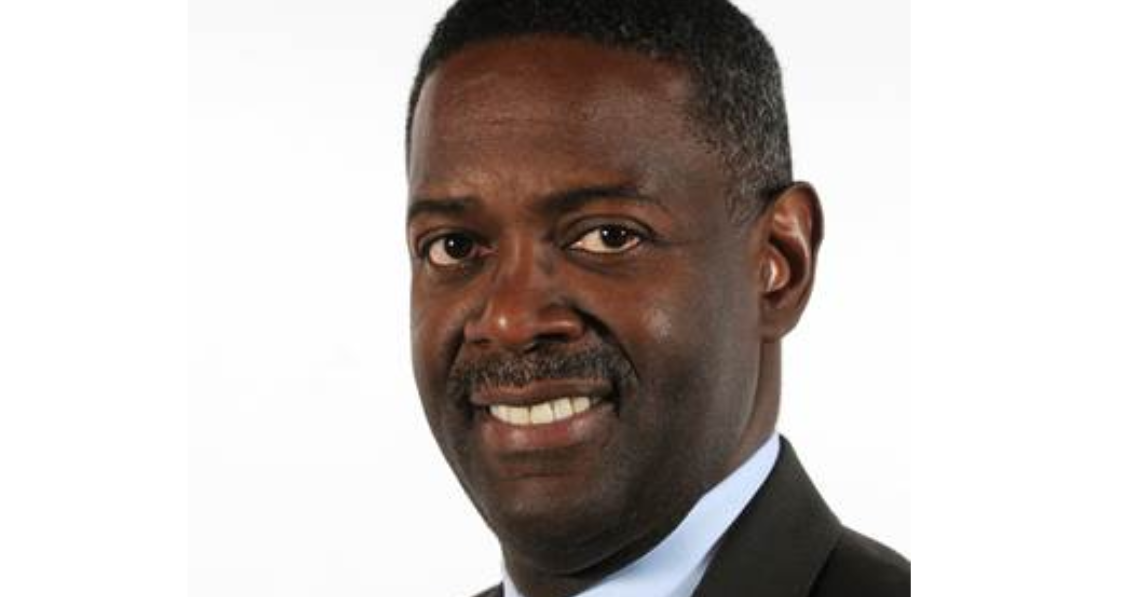
    Following a historic landslide victory in the April 30 general election, Antigua and Barbuda Prime Minister Gaston Browne is pushing for a fundamental shift in the nation’s political culture, calling on all political actors to abandon divisive, vitriolic rhetoric and embrace a more measured, constructive public discourse.

    Browne made the remarks during an appearance on the *Browne and Browne Show* broadcast on Pointe FM Saturday, where he framed the election outcome as a clear rejection of hostile political tactics by the wider electorate. His Antigua and Barbuda Labour Party (ABLP) secured an overwhelming mandate, taking 15 out of 17 total parliamentary seats — a result that solidifies the party’s control of national governance for a new term.

    In his address, Browne argued that the misinformation, disinformation, and bitter resentment that have dominated past political exchanges have never worked to broaden a party’s appeal. Instead of winning over undecided voters, he said, these aggressive tactics only serve to trap political parties within the narrow bubble of their existing core supporters, failing to resonate with the broader electorate.

    “I don’t think that there is any need for the kind of rancor and the vitriolic rhetoric that we have seen before,” Browne told listeners. “All this misinformation, disinformation, all the rancor, all of the rhetoric — they do not work.”

    Entering his new full term as prime minister, Browne announced he will take a deliberately statesmanlike approach to governance in the coming years, prioritizing policy delivery and national progress over partisan confrontation. “I don’t know, as a full-term prime minister, that I need to be in any quarrels with anybody at this point,” he noted.

    Browne wrapped up his remarks by urging rival political factions to read the message sent by voters in the recent election. He called on all political actors to reassess their divisive strategies and work alongside the government to build a more collaborative, productive national political climate that serves the interests of all Antigua and Barbuda residents.

  • STATEMENT: Preliminary statement of CARICOM Election Observation Mission to the general elections of Antigua and Barbuda

    STATEMENT: Preliminary statement of CARICOM Election Observation Mission to the general elections of Antigua and Barbuda

    At the official invitation of the Government of Antigua and Barbuda, the Caribbean Community (CARICOM) assembled a six-person regional Election Observer Mission (CEOM) led by CARICOM Secretary-General Dr. Carla Barnett to monitor the country’s April 30, 2026 general elections. The mission brought together seasoned electoral experts from six CARICOM member states: Barbados, Dominica, Jamaica, Saint Lucia, Suriname, and Trinidad and Tobago.

    Mission leadership and the full observation team arrived in Antigua and Barbuda in stages between April 23 and April 27, with a departure scheduled for May 3. Ahead of election day, the delegation held broad consultations with a wide cross-section of national stakeholders to build a comprehensive understanding of the pre-election atmosphere and the readiness of electoral bodies. These meetings included discussions with Prime Minister Gaston Browne, leader of the incumbent Antigua and Barbuda Labour Party (ABLP), opposition United Progressive Party (UPP) leader Lars Jamale Pringle, representatives from independent and state-affiliated media outlets, prominent social media political and public figures, national police commissioner Everton Jeffers, and leadership from the Antigua and Barbuda Elections Commission and the Office of the Supervisor of Elections.

    On election day, the CEOM deployed its observers across 16 of the country’s 17 constituencies, ultimately accessing 182 of the nation’s 185 total polling stations to monitor every phase of the voting process. Observers arrived at their assigned stations before opening to audit the pre-vote setup, and their initial observations painted a picture of strong preparation. Adequate uniformed police presence was maintained at all locations, all polling staff arrived on schedule, and all required election materials were delivered in time to open polling promptly at 6:00 a.m. Each contesting political party had two accredited agents present at every station, all required voter notices and instructions were clearly posted, and opening procedures were followed fully in line with regulatory requirements. Polling opened on time across almost all stations, with a steady stream of voters already queuing by opening time, and the early voting process unfolded in an entirely calm and organized manner.

    At all stations visited by the CEOM, official voter rolls were posted prominently to allow electors to verify their registration. Information clerks were on hand to assist voters with checking their registration and directing them to the correct polling booth. CEOM observers noted that polling staff were well-trained, courteous, and consistently impartial, providing targeted assistance to elderly and disabled voters as needed, and explaining voting procedures uniformly to all electors. Turnout followed a predictable pattern throughout the day: peak voting volumes occurred in the early morning and in the final hour before polls closed, with a distinct lull in activity during midday. Despite the fluctuations in voter flow, staff remained focused on their duties throughout the day, ensuring all eligible voters were able to cast their ballots without unnecessary delay. All voting procedures observed aligned with the rules and guidelines published by the Antigua and Barbuda Electoral Commission.

    CEOM observers remained at their assigned polling stations through the close of voting at 6:00 p.m. Observers arrived early to monitor closure, and found that almost no queues remained at closing time. In the few stations where voters were still waiting to vote, all were permitted to cast their ballots in line with national electoral regulations. The mission also observed post-closure procedures, including the sealing of ballot boxes and the secure transport of ballots to central counting centers. At counting stations, observers monitored the tabulation process, confirming that ballot boxes were opened in the presence of polling agents and other official observers, and that counting was carried out in full compliance with established protocols.

    In its interim assessment, the CEOM concluded that the April 30 general election allowed Antiguan and Barbudan electors to exercise their democratic franchise in a peaceful, orderly environment, free from major disruptive incidents. The mission commended polling staff for their high level of professionalism, and praised national police for maintaining public order at all stations, noting that law enforcement interactions with voters and stakeholders were consistently professional and appropriate.

    The CEOM extended formal congratulations to the Antigua and Barbuda Electoral Commission for its competent administration of the entire electoral process, as well as to all contesting political parties, their polling agents, and supporters for conducting themselves in a calm, peaceful manner throughout election day. The mission also expressed gratitude to the CARICOM Secretary-General for the opportunity to undertake the observation mission and for the logistical and operational support provided to the team, and thanked all national stakeholders who met with observers to share perspectives ahead of the vote.

    This statement represents the mission’s preliminary, interim assessment based on on-the-ground observations. A full final report, including detailed findings and actionable recommendations for future electoral processes, will be submitted to the CARICOM Secretary-General in the coming weeks. CARICOM reiterated its longstanding commitment to continuing to support Antigua and Barbuda’s democratic development, and the country’s ongoing work to build a peaceful, unified, and prosperous future for all its citizens.

  • LISTEN: PM Browne says UPP Chair Gisele Isaac must resign after election loss

    LISTEN: PM Browne says UPP Chair Gisele Isaac must resign after election loss

    In the aftermath of a crushing general election defeat for the United Progressive Party (UPP), Antigua and Barbuda’s Prime Minister Gaston Browne is publicly calling for opposition party chair D. Gisele Isaac to step down from her leadership post, arguing that top party officials must bear accountability for the April 30 vote outcome.
    Browne made the call during an appearance on the *Browne and Browne Show*, broadcast on Pointe FM this past Saturday. The prime minister noted that Isaac had previously privately signaled to fellow party members that she would resign following the electoral loss, and is now pushing her to follow through on that commitment.
    “She had said to a number of her colleagues that she would resign, and now is the time for her to resign. I don’t know what she’s waiting for,” Browne told listeners during the radio segment.
    Beyond calling for her departure, Browne argued that Isaac’s exit from the UPP chair role is a necessary first step for the fractured opposition to begin rebuilding its political standing ahead of future elections. “She should leave office and resign as chairman of UPP” to open space for organizational renewal, he added.
    Browne’s calls for leadership change come on the heels of a historic landslide victory for his governing Antigua and Barbuda Labour Party (ABLP). The ABLP secured 15 of the 17 total available seats in the country’s parliament, leaving the UPP with only a tiny fraction of legislative representation after a deeply underwhelming performance at the polls.
    During his radio interview, the prime minister did not hold back in his assessment of the opposition’s campaign and internal governance. He sharply criticized the UPP’s campaign strategy, describing the party as deeply disunited and lacking a clear policy or ideological direction that resonates with voters. He added that the UPP’s top leadership failed to build meaningful connections with constituents during the election cycle, and warned that if party officials refuse to embrace necessary structural and leadership changes, the UPP will only continue to decline in influence.
    The prime minister emphasized that the UPP is currently at a crossroads: to regain political traction and relevance in Antigua and Barbuda’s political landscape, the party must implement sweeping reforms that bring new leaders and fresh talent into its upper ranks.
    As of press time, Isaac has not issued any public statement responding to Browne’s calls for her resignation.

  • PM Browne Pledges Non-Discrimination, Including on Sexuality, in Post-Election Addresses

    PM Browne Pledges Non-Discrimination, Including on Sexuality, in Post-Election Addresses

    Fresh off a decisive landslide victory in Antigua and Barbuda’s April 30 general election that earned him a fourth consecutive term in office, Prime Minister Gaston Browne has centered his early messaging on a radical commitment to inclusive governance, explicitly highlighting that all citizens — regardless of sexual orientation — will be equally served by his administration.

    Browne first laid out this vision in his election night victory address, framing the poll outcome as a fresh starting point to heal divisions left by a bitter, competitive campaign. He emphasized that pathways to contributing to national progress would remain open to every member of society, saying no one would be locked out “notwithstanding their socioeconomic standing, notwithstanding their political affiliation, notwithstanding his sexuality.” His core promise for the incoming term was that his government would work to lift up every resident, across every single community in the nation.

    The prime minister doubled down on this inclusive agenda during his official swearing-in ceremony the following day, tying the principle of non-discrimination directly to the conduct of all appointed government officials. He issued a clear warning to any public servants joining his new administration: they must carry out their duties fairly, with zero tolerance for exclusion, and no effort to sow division among the public. “They are expected not to discriminate against anyone and not to divide the country,” Browne stated.

    Expanding on the idea in philosophical terms, Browne framed national unity as a natural extension of shared belonging. “This country is our mother. She does not discriminate among her children. And neither should we,” he said. He also moved to ease voter fears of political retaliation, reassuring residents that differing political loyalties would not block access to state-run support and services. “Notwithstanding your political persuasion… we are here to serve all the people of Antigua and Barbuda,” he added.

    Alongside his commitment to inclusion, the prime minister pledged to build a culture of accountability within his new government, stressing that breaches of public confidence would not go unpunished. “The trust of the people is sacred… it must never be taken for granted and it will not be abused,” he noted.

    Political analysts point out that Browne’s repeated explicit references to non-discrimination, including his specific mention of sexual orientation, mark one of the most clear and public stances the prime minister has taken on inclusive policy as he embarks on his new term, signaling a potential shift toward more equitable governance for marginalized groups in the country.

  • Cuba slams ‘unprecedented’ Trump threats

    Cuba slams ‘unprecedented’ Trump threats

    HAVANA, CUBA – Cuban President Miguel Diaz-Canel has issued a stark condemnation of former U.S. President Donald Trump’s escalating military threats against the island nation, describing the rhetoric as having reached a “dangerous and unprecedented threshold” that demands action from the global community.

  • OAS Calls for Electoral Reform in Antigua and Barbuda After 2026 Vote

    OAS Calls for Electoral Reform in Antigua and Barbuda After 2026 Vote

    Following the April 30 general elections in Antigua and Barbuda, the Organization of American States (OAS) has released a detailed post-election assessment that urges comprehensive overhauls to the nation’s electoral framework, identifying critical gaps across voter registration, campaign finance transparency, gender representation and multiple other core domains. While the OAS Electoral Observation Mission ultimately praised the overall conduct of the 2024 polls as credible and professionally managed, its final report outlines a broad set of systemic weaknesses that require urgent attention to strengthen electoral fairness and public trust.

    One of the most pressing issues highlighted by the mission is the inaccuracy and structural imbalance plaguing the country’s voter rolls and constituency boundaries. The current voter registration framework lacks formal protocols to remove the names of deceased citizens or long-term emigrants from the electoral roll, leading to outdated and inflated voter counts. To address this flaw, the OAS recommends establishing cross-institutional data-sharing agreements and introducing a standardized unique national identifier to streamline voter verification and roll maintenance. The mission also flagged stark disparities in constituency size: registered voter populations range from just 1,263 in the St. Philip South constituency to 5,997 in St. George, creating significant inequities in the weight of individual votes across the country. The report notes that long-delayed boundary adjustments stem from outdated national census data, with the last fully completed census conducted more than a decade ago in 2011.

    On the technological front, the mission offered mixed feedback: while it commended election officials for the real-time online publication of preliminary election results, it emphasized that the broader vote tabulation process remains heavily reliant on manual processes, creating avoidable inefficiencies and transparency risks. Key recommendations for this area include developing a centralized, fully computerized national results system and publishing scanned copies of official Statements of Polls to enable independent public verification of vote totals.

    The report also shines a light on major gaps in campaign finance regulation. Current rules only apply to the short formal election period, which runs from the issuance of the election writ to its return, a timeframe that typically lasts less than one month. This narrow window leaves the vast majority of the political cycle unregulated, allowing political parties and candidates to raise and spend large sums of money without any mandatory public disclosure. Additionally, existing disclosure requirements focus almost exclusively on campaign contributions, with almost no reporting mandated for total expenditures, leaving voters without a full picture of how campaigns are funded. The OAS has called for strengthened national legislation, including binding spending limits, expanded reporting requirements that cover the full electoral cycle, and enhanced oversight powers for the Antigua and Barbuda Electoral Commission (ABEC).

    Outdated legal structure also emerged as a key area for reform. The country’s core electoral legislation, the Representation of the People Act (ROPA), was first enacted in 1975 and has been modified through dozens of incremental amendments without ever being fully consolidated. This has left the legal framework fragmented and difficult to interpret for both election officials and the public. The mission is calling for a full, comprehensive revision of the act to improve the clarity and accessibility of electoral law. The report also raised procedural concerns around election dispute resolution: the current seven-day deadline for filing election challenges is far too short for petitioners to gather required evidence, and there are no statutory timelines for resolving disputes once filed, a gap that can lead to months or even years of unresolved political uncertainty.

    Perhaps the most striking finding highlighted in the report relates to gender representation. Despite women making up 54.31% of all registered voters and accounting for a large share of on-the-ground election workers, female representation among electoral candidates dropped sharply from the 2023 election cycle. Just 5 out of 37 total candidates, or 13.51%, were women this year, down from 20.75% in 2023. Ultimately, only two women won seats in Parliament, leaving women holding just 11.7% of the national legislative body. The OAS attributes this underrepresentation to deep structural barriers, including limited access to campaign financing for female candidates, male-dominated party hierarchies that discourage women from running for winnable seats, and persistent societal biases. To close this gap, the mission recommends targeted policy interventions, including candidate training programs, mentorship initiatives for emerging female political leaders, and the consideration of formal affirmative action policies to boost female participation.

    In its closing conclusions, the mission reaffirmed that Antigua and Barbuda’s April 30 general election met core international standards for credibility, but emphasized that far-reaching reforms are necessary to modernize the electoral system, enhance its fairness, and rebuild public confidence in electoral processes. The OAS has urged national authorities, all registered political parties, and civil society organizations to work collaboratively to implement these recommended changes ahead of the nation’s next electoral cycle.

  • OAS Praises Orderly Election but Flags Turnout Drop and Structural Concerns

    OAS Praises Orderly Election but Flags Turnout Drop and Structural Concerns

    Just one day after Antigua and Barbuda held its general election on April 30, the Organization of American States (OAS) released its initial observer mission assessment, balancing public praise for the transparent, smoothly run process with urgent calls to address growing electoral challenges. The OAS mission, which deployed monitors across all 17 of the country’s electoral constituencies, observed 178 polling sites firsthand, and documented consistent adherence to national electoral regulations across the voting period. According to the mission’s on-the-ground reporting, every polling station opened on schedule, and election workers, law enforcement officers, and electoral commission officials all demonstrated exceptional procedural expertise and professionalism that kept voting moving efficiently. Voters encountered clear directional signage and on-site assistance throughout the day, casting their ballots in a calm, organized environment free of major disruptions. The final results of the vote delivered a landslide victory to the incumbent Antigua and Barbuda Labour Party (ABLP), which secured 15 out of 17 parliamentary seats. The opposition United Progressive Party (UPP) and the Barbuda People’s Movement (BPM) each won one constituency, ceding majority control to the ruling party. Beyond the success of the process, the OAS report highlighted one stark, worrying trend: a nearly eight percentage point drop in voter turnout compared to the 2023 general election. Turnout in the 2024 contest landed at 62.41%, down from 70.34% just one year prior. Multiple pre-election factors contributed to this decline, the mission noted. A key unexpected disruption in the lead-up to the vote was a mass expiration of voter identification cards: IDs issued back in 2014 reached their expiration date in 2024, triggering a last-minute rush of more than 32,000 applications for replacement cards. Completion of these applications varied widely by region, ranging from 93% processed in the St. Peter constituency to just 61% in St. Mary’s North. To mitigate the gap, the Antigua and Barbuda Electoral Commission (ABEC) took emergency adaptive measures, extending office hours to process applications and allowing voters without updated permanent IDs to receive temporary single-use voting cards on Election Day. Beyond the ID backlog, the mission flagged broader concerns raised by political stakeholders about growing voter apathy across the country. Many observers linked this disengagement to voter fatigue driven by frequent general and by-election contests in recent years. Another point of widespread discussion was the unusually short campaign timeline, triggered by the dissolution of Parliament on April 1 just weeks before voting. Stakeholders argued that the condensed period put smaller parties and lesser-known candidates at a structural disadvantage, making it harder for them to organize campaign events, reach voters, and build name recognition ahead of polling day. On a more positive note, the mission recognized meaningful progress in improving accessibility for voters with mobility needs, particularly the widespread move to place polling stations on the ground floors of buildings to eliminate barriers for people who cannot climb stairs. Even so, accessibility gaps remain in some rural and remote constituencies, where rough terrain and long distances from population centers continue to create unnecessary barriers to voting. In its overall conclusion, the OAS mission emphasized that Antigua and Barbuda’s 2024 general election demonstrated strong institutional capacity and a commitment to democratic process, with clear evidence of professional election management that aligned with national legal requirements. At the same time, the report underscored that targeted reforms are needed to address declining voter participation, fix structural inequities in the electoral timeline, and expand accessibility to ensure future contests are more inclusive and representative of the national will.

  • Golding congratulates Gaston Browne on general election victory in Antigua

    Golding congratulates Gaston Browne on general election victory in Antigua

    In a historic outcome for Antigua and Barbuda’s general election, preliminary results have cemented a landslide victory for incumbent Prime Minister Gaston Browne and his ruling Antigua and Barbuda Labour Party (ABLP), drawing an official message of congratulations from Jamaica’s top opposition figure.

    Mark Golding, Jamaica’s Opposition Leader, shared his formal well-wishes in a public statement published to the social platform X, extending warm greetings to Browne and the entire ABLP on securing a fourth consecutive term in national office.

    Golding noted that Browne’s return to governance, which marks a milestone as the first four-consecutive election win for any prime minister in the country’s history, signals the unwavering trust that the voting public of Antigua and Barbuda has placed in Browne’s leadership, which first began in 2014. He also expressed enthusiasm for future collaborative work between the neighboring nations’ leadership and added that he wished Browne and his incoming administration great success throughout their new governing mandate.

    The scale of the ABLP’s victory far outstripped the party’s narrow win in the 2023 January polls, when the party held a slim 9-7 seat majority. In this most recent contest, the ruling party claimed 15 of the 17 contested parliamentary seats. The main opposition bloc, the United Progressive Party (UPP), only managed to hold onto a single seat, which will remain in the hands of UPP leader Jamale Pringle. On the island of Barbuda, incumbent Trevor Walker of the Barbuda People’s Movement retained his seat to round out the final results.

  • UN message on World Press Freedom Day: 3 May 2026

    UN message on World Press Freedom Day: 3 May 2026

    On the observance of World Press Freedom Day, United Nations Secretary-General António Guterres has issued a stark, urgent warning about the escalating risks facing journalists worldwide and the foundational role of a free press in upholding global peace, human rights, and sustainable development.

    Guterres opened his remarks by expanding on the long-held adage that truth is the first casualty of war. He emphasized that in far too many cases, the journalists who put their lives on the line to bring that truth to the public are the first to lose everything. This danger is not limited to active conflict zones; journalists face retaliation for their work anywhere that powerful actors seek to avoid public scrutiny.

    Across every region of the world, media workers contend with a growing spectrum of threats. Many face state-backed or non-state censorship, invasive surveillance, and meritless legal harassment designed to silence their reporting. In the worst cases, they pay with their lives. Over recent years, the Secretary-General noted, the number of journalists killed in conflict zones has jumped sharply, with the vast majority of these deaths being deliberate targeted attacks.

    One of the most alarming trends Guterres highlighted is the rampant culture of impunity surrounding crimes against media professionals. Data shows that 85 percent of all violent and criminal acts committed against journalists never lead to meaningful investigation, and almost no perpetrators are held legally accountable for their actions. Guterres labeled this level of unpunished violence completely unacceptable.

    Beyond physical violence, press freedom is facing unprecedented strain from a combination of systemic pressures. Shrinking economic models for independent media, the spread of new digital technologies that enable mass surveillance and disinformation, and coordinated manipulation of public narratives by bad actors have all combined to erode the ability of journalists to do their work safely and effectively.

    Guterres went on to outline the cascading harm that comes when press freedom is weakened. When communities lose consistent access to accurate, verified information, public mistrust in institutions and one another takes deep root. When open public debate is twisted or silenced by outside interference, the social cohesion that holds communities and nations together breaks down. And when independent journalism is undermined, the international community loses its early warning system for emerging crises, making these events far harder to prevent or resolve once they escalate.

    “All freedom depends on press freedom,” Guterres stressed. Without an independent, free press, he argued, there can be no meaningful protection of human rights, no pathway to inclusive sustainable development, and no lasting peace for communities or nations.

    To mark World Press Freedom Day, Guterres issued a global call to action: world leaders, civil society groups, and individuals everywhere must unite to protect the fundamental rights of journalists, and work collectively to build a global order where truth, and the people who report it, can operate without fear of harm.

    This statement from the UN Secretary-General was carried by contributing outlets, with a standard disclaimer from NOW Grenada that the outlet is not responsible for the opinions or content shared by contributing authors, and provides a channel for users to report abusive content.

  • Minister Landveld: Oplossing luchtverkeersleiding in zicht, overleg over looncorrectie gestart

    Minister Landveld: Oplossing luchtverkeersleiding in zicht, overleg over looncorrectie gestart

    Fresh tensions between air traffic controllers and national aviation authorities have taken center stage in Suriname’s parliament, with Transport, Communication and Tourism (TCT) Minister Raymond Landveld delivering a comprehensive address to the National Assembly detailing the root causes of the unrest, progress made to resolve outstanding grievances, and long-term structural reforms planned for the aviation sector.

    According to Landveld, the core of the current conflict stems from long-running disputes over pay scales, working conditions and systemic bottlenecks that have plagued the Suriname Civil Aviation Service for decades. Air traffic controllers argue their compensation is disproportionate to the extreme responsibilities they hold and the rigorous international standards their role demands, especially when compared to other technical departments within the organization. Controllers have highlighted that their position requires mandatory recurring professional training, regular mandatory medical certifications, and carries direct, high-stakes accountability for the safety of thousands of passengers and all national air traffic – burdens they say are not reflected in their current pay.

    Minister Landveld confirmed that several immediate demands from air traffic controllers have already been addressed. Backlogged overtime pay, totaling more than 1 million Surinamese dollars (SRD), has been fully disbursed to affected staff. Funding has also been secured to cover the cost of mandatory medical examinations required for controllers to maintain their operating licenses. Looking to address gaps in workforce development, the ministry is also drafting new regulatory provisions to double the monthly stipend for air traffic control trainees, raising it from the current SRD 5,000 to SRD 10,000 to attract new talent to the field.

    Initial negotiations saw controllers submit a demand for a 100 percent base pay increase, but Landveld noted that this position has been refined in recent talks. The trade union representing controllers now prioritizes correcting inequitable pay structures across the aviation service rather than enforcing a blanket doubling of wages. In response, the Surinamese government has opened a formal negotiation window bringing together the ministry, the union, and the national negotiating body to work toward a mutually acceptable agreement. Initial follow-up talks are scheduled for May 6, with stakeholders expected to outline feasible adjustments to pay and working conditions within a 2-3 week timeline.

    To resolve deep-seated systemic issues, Landveld announced that the government is evaluating a full corporatization of the Suriname Civil Aviation Service. Restructuring the agency into an independent statutory body would allow for collective bargaining agreements to set working conditions across all aviation roles, not just for air traffic controllers, creating a fairer, more transparent framework for employment negotiations. The minister emphasized that many of the current challenges are the result of 50+ years of delayed policy reform in the sector, adding the current administration is prioritizing sustainable, long-term solutions including expanded training for new personnel, operational collaboration with the Ministry of Defense, and targeted capacity building support from the International Civil Aviation Organization (ICAO).

    In parallel to labor reforms, the government is advancing infrastructure upgrades to improve aviation safety and capacity at Suriname’s primary gateway, Johan Adolf Pengel International Airport. In partnership with national telecom provider Telesur, a new communications mast has already been installed to support air traffic management operations. The national SURSAFE aviation safety improvement project is also ongoing, with a mandate to upgrade security protocols and modernize core infrastructure across the sector.

    Landveld acknowledged that the recent industrial action by air traffic controllers caused widespread disruption to travel and economic activity across the country, stressing that preventing future disruptions is a top government priority. Going forward, he said, the government will implement mandatory early consultation processes to address emerging grievances before they escalate into industrial action, ensuring that travelers and the Surinamese public are not caught off guard by future service disruptions.