分类: politics

  • India expresses concern over attack on Putin’s residence

    India expresses concern over attack on Putin’s residence

    Indian Prime Minister Narendra Modi has emphasized the critical importance of sustained diplomatic engagement to resolve ongoing hostilities and secure enduring peace in Eastern Europe. In a recent social media statement, the leader urged all involved nations to maintain focus on negotiation efforts and refrain from actions that could jeopardize these delicate peace processes.

    This appeal for calm coincides with serious allegations from Russian officials. Foreign Minister Sergey Lavrov reported that Ukrainian forces launched a significant aerial assault involving 91 long-range attack drones targeting President Vladimir Putin’s official residence in the Novgorod region during the night of December 28-29. According to Lavrov, Russian air defense systems successfully intercepted and destroyed all incoming drones, with no casualties or property damage resulting from falling debris.

    The timing of this alleged attack has drawn particular attention from Moscow. Lavrov highlighted that the incident occurred during intensive negotiations between Russian and American diplomats working toward a resolution to the Ukrainian conflict. In subsequent remarks, Russian Foreign Ministry spokeswoman Maria Zakharova delivered a strongly worded condemnation during an appearance on Rossiya 1 television. She characterized Kyiv’s leadership as ‘a genuine, bloodthirsty terrorist regime with neo-Nazi foundations’ and promised that Ukraine would face consequences for what she described as acts of terrorism.

    The juxtaposition of India’s call for diplomatic resolution with Russia’s accusations against Ukraine highlights the complex international dimensions of the ongoing conflict and the challenges facing peace negotiations.
  • Caribbean CBI schemes risk EU visa backlash

    Caribbean CBI schemes risk EU visa backlash

    A leading Caribbean economist has declared the demise of the region’s lucrative ‘golden passport’ programs, following intensified pressure from European nations and international regulatory bodies. Professor Don Marshall, Director of the Sir Arthur Lewis Institute of Social and Economic Studies at the University of the West Indies, warned that Caribbean nations must fundamentally rethink their economic strategies beyond citizenship-by-investment (CBI) schemes.

    The warning comes in response to the European Union’s escalating scrutiny of CBI programs, culminating in a landmark December 19th report that builds upon April’s European Court of Justice ruling against Malta’s program. The EU’s Eighth Report under the Visa Suspension Mechanism establishes that Caribbean nations must implement rigorous security safeguards or completely restructure their economic approaches to maintain visa-free access to European countries.

    Professor Marshall criticized what he described as a fundamental imbalance in global financial regulation, noting that while Caribbean nations face pressure to abandon CBI programs, EU countries themselves facilitate anonymous financial flows through their banking centers without facing similar international scrutiny. This disparity, he argued, stems from Western dominance within organizations like the OECD and Financial Action Task Force that set global financial standards.

    The academic traced the region’s economic trajectory since embracing neoliberal policies, noting how governments progressively lowered investment thresholds from $500,000 thirty years ago to approximately $200,000 today in a ‘race to the bottom’ competition for foreign investment. This approach, Marshall contended, has failed to stimulate meaningful economic diversification beyond real estate development and fossil fuel exploration.

    Referencing Barbados’ recently passed Economic Diversification and Growth Fund Bill, which allocates $225 million over three years to attract foreign investors, Marshall expressed skepticism about such initiatives. He argued that they reflect continued adherence to outdated assumptions about capital naturally flowing to productive sectors, when in reality most investment remains concentrated in property development and extractive industries.

    The professor concluded that meaningful economic transformation requires breaking from traditional capitalist structures and developing entirely new economic classes beyond the conservative enterprise culture that currently dominates business chambers and private sector lobbies across the region.

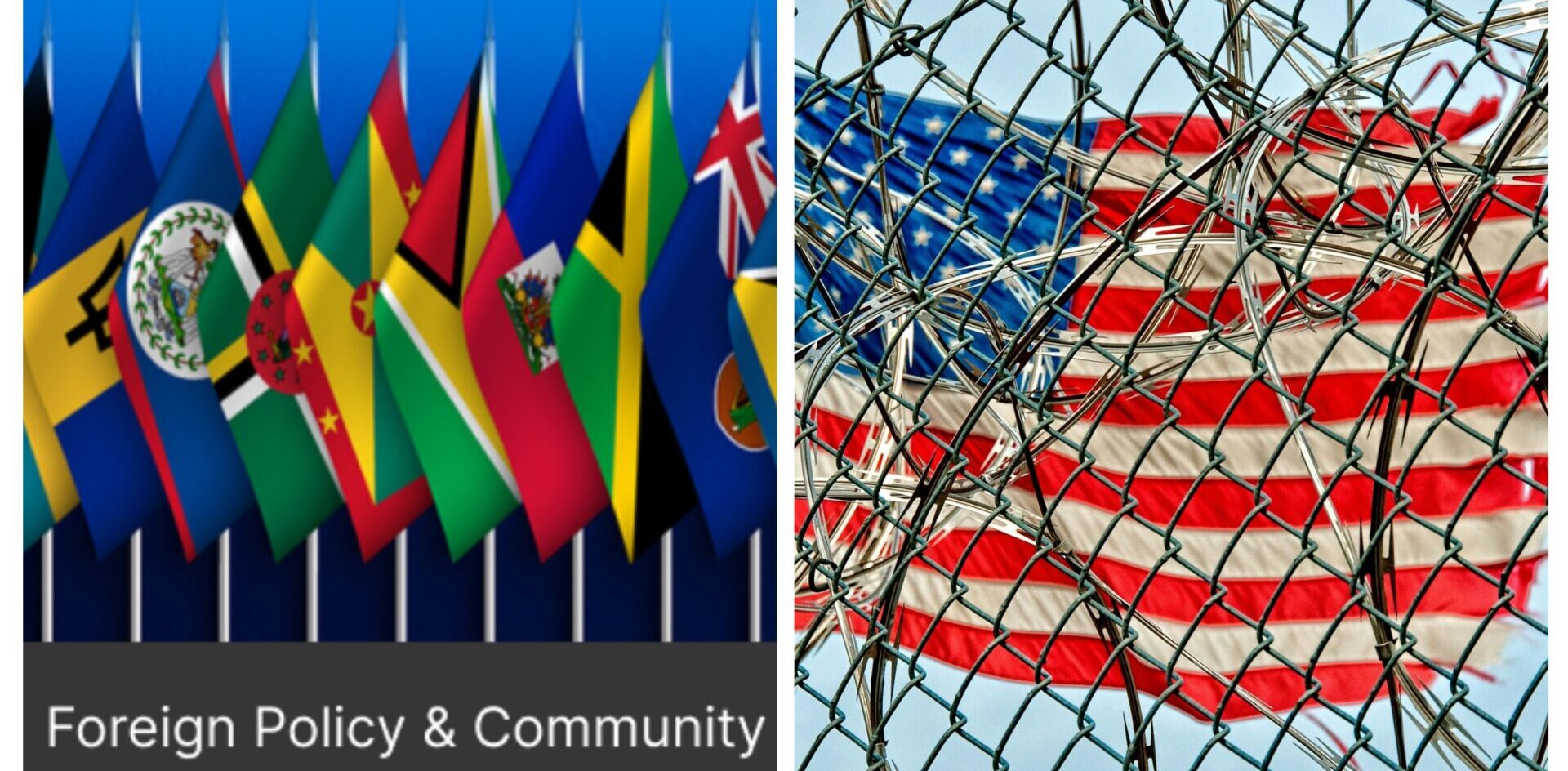
  • COMMENTARY: The price of CARICOM countries’ competing foreign policy dispositions

    COMMENTARY: The price of CARICOM countries’ competing foreign policy dispositions

    The Caribbean Community (CARICOM) is experiencing unprecedented diplomatic fragmentation as member states struggle to formulate a unified response to the United States’ ongoing military presence in the region under ‘Operation Southern Spear.’ This strategic divergence has exposed fundamental rifts within the 14-nation bloc, threatening its collective foreign policy coherence.

    Trinidad and Tobago has emerged as the most vocal dissenter, breaking radically from fellow member states by condemning the operation as emblematic of American hegemony in the Western Hemisphere. Conversely, Guyana has openly endorsed Washington’s power projection, leveraging the situation to strengthen its strategic partnership with the U.S.

    Jamaica finds itself in a delicate balancing act. While U.S. Secretary of State Marco Rubio identified Jamaica among Caribbean nations ‘openly cooperating’ with American forces, outgoing CARICOM Chair Prime Minister Andrew Holness has simultaneously advocated for regional unity. His recent warning that the region must act with ‘clarity, cohesion, and strategic discipline’ underscores growing concerns about CARICOM’s vulnerability to external pressures.

    The administration of ‘Trump 2.0’ has significantly complicated CARICOM’s diplomatic calculus, forcing member states to navigate competing national interests against regional solidarity. High-level meetings between U.S. and Jamaican delegations in Kingston on December 11 occurred with minimal public disclosure, highlighting the sensitive nature of these engagements.

    With CARICOM’s next summit scheduled for early 2026, the bloc faces a critical test of its diplomatic resolve. The Guyana-based CARICOM Secretariat must mobilize all available diplomatic channels to address these challenges. However, experts caution that even concerted efforts may prove insufficient to overcome deeply entrenched foreign policy divisions, potentially increasing the diplomatic costs for the regional grouping and its international partnerships.

  • Vaccine mandate, ‘alarming’ youth support contributed to NDP victory – pollster

    Vaccine mandate, ‘alarming’ youth support contributed to NDP victory – pollster

    A comprehensive post-election study conducted by Grenadian data analyst Justin Pierre has revealed that COVID-19 vaccine mandates served as the decisive factor in the stunning electoral defeat of St. Vincent and the Grenadines’ Unity Labour Party (ULP) on November 27, 2025. Despite pre-election polling that showed 100% confidence in a sixth consecutive term for the ULP, voters delivered a landslide victory to the New Democratic Party (NDP), which captured 14 of 15 parliamentary seats after nearly 25 years in opposition.

    Pierre’s research team conducted extensive interviews with 2,402 Vincentians between October 1-30, followed by post-election focus groups with 38 pre-committed voters. The findings uncovered a critical blind spot: vaccine mandate repercussions that weren’t captured in initial surveys. Personal accounts emerged of citizens losing employment, mortgages, and livelihoods due to mandate non-compliance, creating widespread resentment against the incumbent government.

    Vincentian journalist Jomo Thomas, who accurately predicted the election outcome months in advance, characterized the vaccine mandate as “the most significant thing in the vastness of the ULP defeat.” Thomas noted that while issues like unemployment, poverty, corruption, and high crime rates existed in the 2020 election when the ULP narrowly retained power, the mandate became the decisive factor that amplified voter dissatisfaction.

    The research also identified a dramatic demographic shift, with 38% of the population aged 18-48 showing overwhelming support for the NDP. This youth mobilization, combined with extensive social media engagement totaling over 900,000 minutes of content, created an insurmountable challenge for the ULP. The only constituency the party retained was North Central Windward, represented by former Prime Minister Ralph Gonsalves since 1994.

    Pierre’s analysis suggests that the combination of vaccine mandate backlash, youth mobilization, and sixth-term fatigue created a perfect storm that ended the ULP’s 24-year governance. The findings highlight how single policy decisions can trigger profound political consequences even when economic and social conditions remain relatively consistent.

  • US Lawmakers Condemn Trump Administration Proposal Targeting Caribbean and Immigrant Families

    US Lawmakers Condemn Trump Administration Proposal Targeting Caribbean and Immigrant Families

    A coalition of U.S. lawmakers has launched a forceful condemnation against a Trump administration proposal that would fundamentally alter immigration sponsorship rules for Caribbean nationals and other immigrant families. The controversial measure, currently in the public comment period, seeks to expand the definition of ‘public charge’—a longstanding immigration provision used to deny entry to those likely to depend on government assistance.

    The proposed rule would require immigration officials to evaluate whether visa applicants have used, or are likely to use, an expanded range of public benefits including nutrition assistance, Medicaid, and housing vouchers. Critics argue this would disproportionately affect families from Caribbean nations and other developing regions where economic circumstances might make applicants more vulnerable to such scrutiny.

    Congressional opponents from both parties have expressed grave concerns that the policy would effectively create a wealth-based immigration system, penalizing low-income families and potentially causing millions to forgo essential public services due to immigration-related fears. The lawmakers’ statement emphasized that the proposal contradicts fundamental American values of family unity and opportunity.

    The administration maintains the changes would protect taxpayers and ensure immigrants are self-sufficient, but legal experts note the proposal represents the most significant expansion of public charge criteria in decades, potentially affecting over half of all family-based green card applicants annually.

  • US strikes vessel in eastern Pacific, killing 2

    US strikes vessel in eastern Pacific, killing 2

    In a recent escalation of its counter-narcotics campaign, the United States military conducted a lethal strike against a suspected drug-trafficking vessel in the eastern Pacific Ocean on Monday. According to US Southern Command (SOUTHCOM), the operation resulted in the deaths of two individuals aboard the target vessel, with no casualties reported among US service members.

    This incident marks the latest action under Operation Southern Spear, an aggressive initiative launched by the Trump administration to combat narcotics trafficking. The operation has now claimed at least 107 lives through strikes on suspected drug boats. The administration has classified those killed as ‘unlawful combatants,’ citing a classified Justice Department finding that purportedly authorizes lethal strikes without judicial oversight.

    The recent strike follows President Donald Trump’s announcement that US forces targeted a ‘big facility’ last week as part of its pressure campaign against Venezuela. Trump described the target as a dock area used for loading drugs onto boats, though no independent reports from Venezuela have confirmed the destruction of such a facility.

    The administration’s approach has drawn criticism from human rights organizations and some members of Congress, who question the legal basis and oversight of these operations. Meanwhile, Venezuelan President Nicolás Maduro has condemned US military activities in the Caribbean as ‘psychological terrorism’ and responded with legislation imposing severe penalties for supporting blockades or piracy.

  • Gov’t wants to start paying most new local debts within 28 days

    Gov’t wants to start paying most new local debts within 28 days

    Prime Minister Godwin Friday has announced a decisive policy shift to address Saint Vincent and the Grenadines’ substantial national debt, which currently stands at EC$3.1 billion. The newly installed leader revealed his administration’s commitment to settling government debts with local suppliers within 28 days, marking a significant departure from previous payment practices.

    During a Christmas Eve interview on Boom FM, Prime Minister Friday characterized the debt magnitude as “quite an eye-opener,” acknowledging widespread complaints from local businesses struggling with delayed payments. The policy initiative represents a long-standing advocacy position of the New Democratic Party, which first championed this approach under previous leader Arnhim Eustace’s tenure from 2000 to 2016.

    The Prime Minister articulated the economic consequences of delayed settlements, explaining that government payment delays create a cascading negative effect throughout the economy. “By not settling local debt, the government is essentially taking money out of the economy,” Friday stated. “You’re not paying the people, they can’t pay their staff, they can’t pay their suppliers. That holds everything back.”

    The new payment framework will prioritize smaller contractors and routine service providers rather than major infrastructure projects involving complex contractual arrangements. The administration aims to mirror standard commercial payment cycles, with Friday noting that “your electricity bill comes in every month, your phone bill comes in every month, you have to pay your workers.”

    While implementing this forward-looking policy, the government must simultaneously address historical debts accumulated before assuming office on November 27. The Prime Minister acknowledged the challenge without providing a definitive timeline for resolution, committing instead to a systematic, incremental approach. “We recognize it as a problem, and we will address it,” Friday assured, asking for public patience as his administration works to resolve legacy obligations.

    The Prime Minister characterized current government financing as “difficult” but affirmed his commitment to ensuring that “those persons who are entitled [to payment] are no longer essentially made to carry the burden themselves.” This dual approach—addressing historical debts while instituting prompt payment protocols—represents the administration’s comprehensive strategy to stabilize government finances and support local business viability.

  • An open letter to Prime Minister Dr. Godwin Friday

    An open letter to Prime Minister Dr. Godwin Friday

    A concerned citizen of St. Vincent and the Grenadines has issued a compelling public appeal to Prime Minister Dr. Godwin Friday regarding the impending leadership decisions for the Royal St. Vincent and the Grenadines Police Force (RSVGPF). The author, identifying as “A Keen Observer,” emphasizes writing without malice toward current police commissioners but with serious concerns about qualification-based appointments.

    The communication references Prime Minister Friday’s repeated campaign assurances against victimization, particularly his statement that he focuses on how employees perform their duties rather than how they obtained their positions. While expressing support for this philosophy, the author contends that positions requiring specific expertise should not be occupied by underqualified individuals whose poor performance has contributed to escalating crime rates.

    Highlighting the constitutional framework that places police commissioner appointments solely within the Prime Minister’s advisory capacity to the Governor-General, the author introduces Station Sergeant Brenton Smith as an exemplary candidate. Smith holds the distinction of being the only police officer with a master’s degree in police leadership and management, previously serving as chairman of the Police Welfare Association where he advocated for officers’ rights.

    The letter details Smith’s professional journey, including his dismissal during COVID-19 vaccine mandate implementations and subsequent role as secretary general of a political party that eventually formed the current government. The author argues that Smith’s political involvement should not disqualify him from consideration, particularly since he currently serves as station sergeant.

    The appeal concludes by urging Prime Minister Friday to consult rank-and-file police officers regarding their preferred leadership, warning that ignoring these sentiments might validate opposition predictions about governmental instability originating within the police force.

  • St. Kitts and Nevis Welcomes Nigerian Technical Aid Corps Professionals, Strengthening Africa–Caribbean Cooperation Through Action

    St. Kitts and Nevis Welcomes Nigerian Technical Aid Corps Professionals, Strengthening Africa–Caribbean Cooperation Through Action

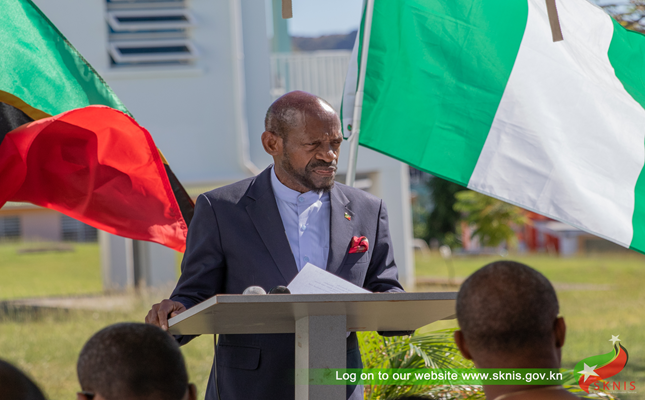
    In a significant stride toward strengthening transatlantic ties, the Federation of St. Kitts and Nevis has officially welcomed a new delegation of Nigerian Technical Aid Corps (NTAC) professionals during a formal ceremony on December 29, 2025. This initiative represents a concrete implementation of the growing Africa-Caribbean cooperation framework, focusing on tangible outcomes in critical sectors rather than symbolic gestures.

    Prime Minister Dr. Terrance Drew personally addressed the gathering, emphasizing the government’s commitment to actionable partnerships that directly benefit citizens. “Words are cheap. Action speaks louder than words,” stated Dr. Drew, characterizing the deployment as evidence of results-driven collaboration between the regions.

    The newly arrived specialists will dedicate two years to enhancing healthcare delivery and educational services within the federation. Their deployment builds upon previous successful engagements with Nigerian professionals, whose contributions notably elevated healthcare standards and left a lasting positive impression across the islands.

    Dr. Drew contextualized the partnership within the historical and cultural bonds connecting Africa and the Caribbean, highlighting shared ancestry and common legacies of liberation struggles and resilience. The collaboration forms part of St. Kitts and Nevis’s broader foreign policy orientation, which prioritizes substantive engagements with African nations and other developing regions based on mutual benefit and shared heritage.

    The Prime Minister expressed confidence that the initiative would not only strengthen local institutional capacity but also serve as a visible model for South-South cooperation, demonstrating how African and Caribbean nations can collectively address development challenges through unity and shared purpose. He concluded with aspirations that the professionals’ tenure would prove both impactful and successful, showcasing effective collaboration on the global stage.

  • Senior Minister Douglas praises NTAC Deployment as a symbol of enduring friendship and cooperation

    Senior Minister Douglas praises NTAC Deployment as a symbol of enduring friendship and cooperation

    In a significant demonstration of international cooperation, Senior Minister and Foreign Affairs Minister Dr. Denzil Douglas has hailed the arrival of Nigerian Technical Aid Corps (NTAC) volunteers as a powerful symbol of the enduring partnership between Saint Kitts and Nevis and Nigeria. The December 29th handing-over ceremony marked the formal introduction of seventeen professionals—twelve healthcare specialists and five educators—who will serve critical roles throughout the Federation.

    Dr. Douglas characterized the deployment as the culmination of purposeful diplomatic engagement, tracing its origins to high-level discussions between the two nations. Earlier this year, Prime Minister Dr. Terrance Drew led a delegation to Nigeria, followed by Dr. Douglas’s participation in the Caribbean-Africa Summit in Addis Ababa. These exchanges culminated in Dr. Douglas’s official visit to Nigeria, where he met with Foreign Minister Yusuf Tuggar to address specific human resource challenges in Saint Kitts and Nevis’s health and education sectors.

    The rapid response from Nigerian authorities saw volunteers identified and deployed within weeks, with NTAC Director General Yusuf Buba Yakub personally visiting the Federation to coordinate implementation details. This efficiency, Dr. Douglas noted, demonstrates the tangible benefits of face-to-face diplomacy and transparent dialogue between partner nations.

    The current initiative builds upon a historical foundation of Nigerian support, recalling similar medical deployments to the islands in the early 1990s that left lasting positive impacts. Dr. Douglas emphasized that this new cohort embodies the spirit of South-South cooperation, where developing nations leverage their respective strengths for mutual benefit.

    The minister highlighted the strategic timing of the deployment, noting that these professionals will address critical capacity gaps in essential services. Their expertise is expected to enhance healthcare accessibility for citizens and improve educational outcomes for students throughout the Federation. Beyond immediate sectoral strengthening, the collaboration represents meaningful progress toward achieving Sustainable Development Goals related to health (SDG 3), education (SDG 4), and partnerships (SDG 17).