分类: politics

  • Is Belize really better off, or just feeling better?

    Is Belize really better off, or just feeling better?

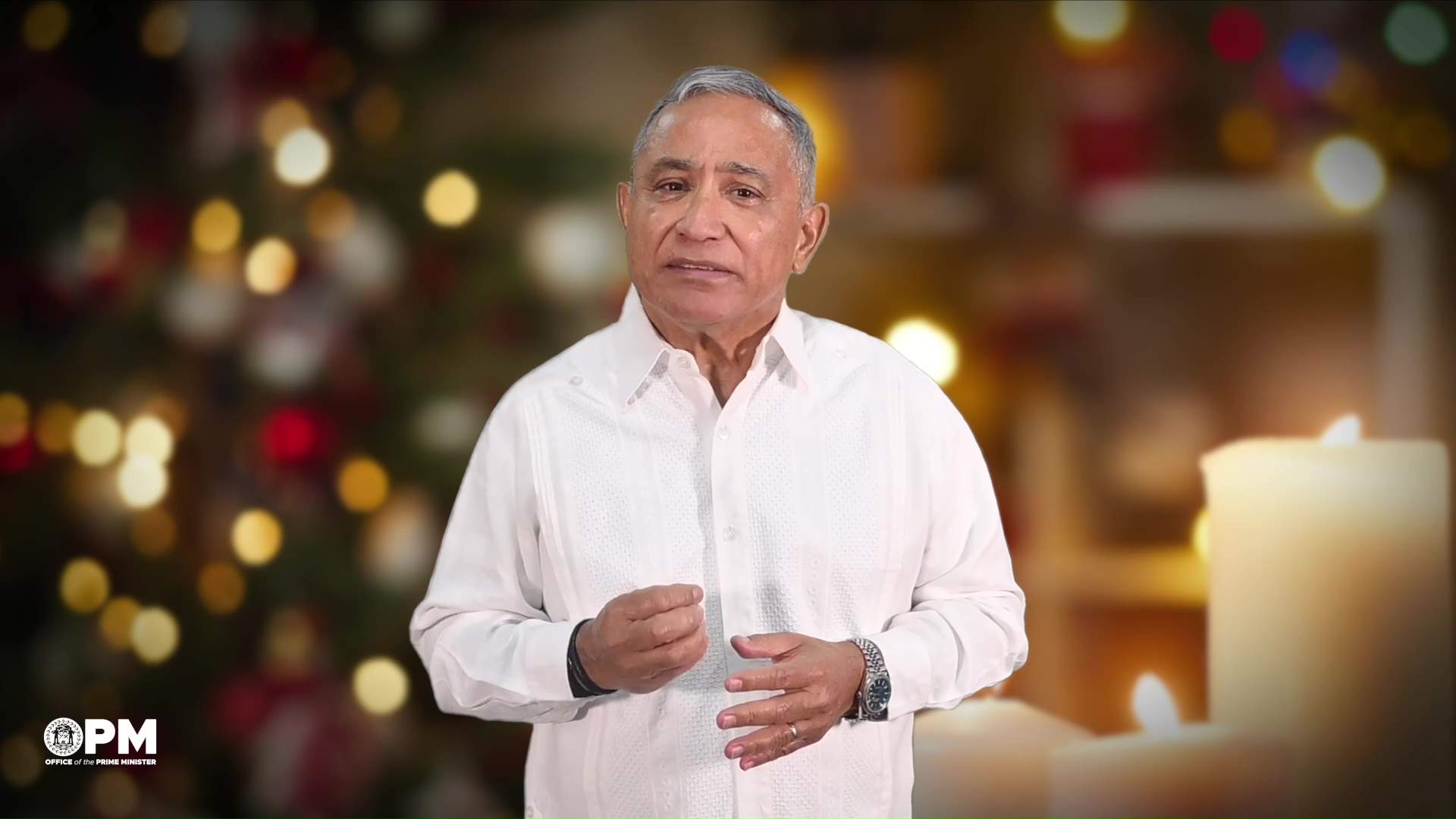
    As Belize approaches the new year, Prime Minister John Briceño has presented an ambitious assessment of national progress, highlighting significant improvements across multiple sectors. The government’s initiatives have reportedly generated increased employment opportunities with sustainable wages, enhanced public safety, and strengthened educational and healthcare infrastructure. Particular emphasis has been placed on rural development, with villages receiving paved roads, improved drainage systems, clean water access, and technology-equipped classrooms.

    The administration points to two flagship programs as evidence of economic momentum: GST-free weekends that have stimulated tens of millions in consumer spending, and the public share offering of Hydro Belize Ltd., which has attracted hundreds of Belizean investors within days of its launch. The Prime Minister characterizes these developments as transformative steps that will keep profits circulating within the local economy for generations.

    However, beneath this official optimism, critical questions emerge regarding the depth and sustainability of these gains. Analysts are examining whether the reported progress adequately addresses persistent challenges including cost of living pressures, crime rates, and equitable distribution of resources. The contrast between government achievements and underlying structural issues presents a complex picture of Belize’s current development trajectory, suggesting that while short-term indicators appear positive, long-term solutions require continued attention.

  • Election : The Prime Minister reiterates to the CEP his determination to support the electoral process

    Election : The Prime Minister reiterates to the CEP his determination to support the electoral process

    In a significant demonstration of governmental commitment to democratic processes, Haitian Prime Minister Alix Didier Fils-Aimé personally visited the Provisional Electoral Council (CEP) headquarters on December 30, 2025. During this high-profile engagement, the Prime Minister emphatically reaffirmed his administration’s comprehensive backing for the upcoming 2026 electoral cycle.

    The Haitian leader expressed particular satisfaction with the CEP’s publication of a revised electoral calendar, characterizing the timeline as both realistic and credible in meeting democratic standards. He further commended the Presidential Transitional Council (CPT) for its diligent work in preparing the crucial electoral decree that will govern the process.

    Security concerns emerged as a central theme of the Prime Minister’s address, with specific emphasis on protecting displaced populations and ensuring national stability. Fils-Aimé identified these elements as absolute prerequisites for guaranteeing all citizens the fundamental right to participate freely in the democratic process.

    Reaching beyond national borders, the Prime Minister issued a strategic appeal to the international community, urging intensified support for Haiti’s security apparatus. This call specifically referenced the need for enhanced backing of the Gang Suppression Force (FRG) and other law enforcement operations critical to establishing the secure environment necessary for successful elections.

    The government’s coordinated approach—combining domestic electoral preparation with international security cooperation—signals a determined effort to conduct Haiti’s 2026 elections under optimal conditions, potentially marking a turning point in the nation’s political landscape.

  • Ombudsman Swazo Reacts to Exit

    Ombudsman Swazo Reacts to Exit

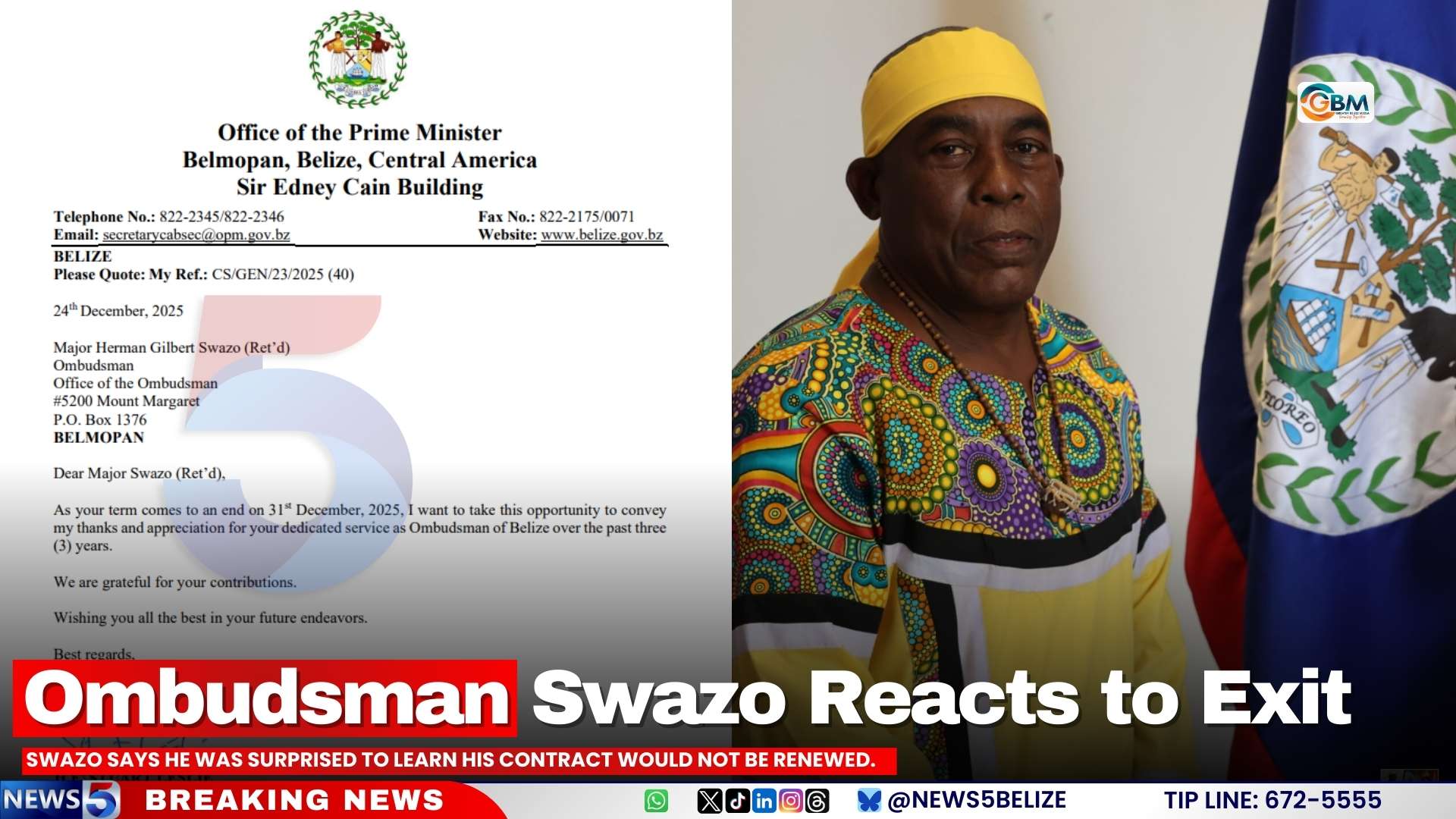
    In a development that has raised questions about governmental transparency, Belize’s outgoing Ombudsman Major Herman Gilbert Swazo (Ret’d) has expressed surprise at the non-renewal of his contract, which concludes on December 31, 2025. The seasoned official learned of the decision through an email delivered on December 24 from Cabinet Secretary Stuart Leslie, who conveyed the government’s appreciation for Swazo’s three years of dedicated service without addressing contract renewal prospects.

    Swazo revealed to News 5 that the correspondence made no mention of reengagement possibilities despite his prior requests for continuation. “The letter did not in any way or form, in my view, address reengagement,” Swazo stated. “To me, that implies then that I am not going to be reengaged.” The timing and delivery method of the notification added to the unexpected nature of the communication.

    During his tenure, Swazo maintained several public positions on governance matters, including freedom of information requests. When questioned whether these actions might have influenced the non-renewal decision, Swazo emphasized his strict adherence to legal parameters. “I took a solemn oath to abide by the Constitution and to do right in all manner of people,” he affirmed. “I operated within the confines of the law, and that is what I did.”

    Contradicting Swazo’s interpretation, Cabinet Secretary Stuart Leslie provided clarification to News Five, characterizing the letter as standard procedural communication marking the conclusion of an existing agreement. Leslie indicated that no definitive decision regarding Swazo’s potential contract renewal has been finalized by the National Assembly, suggesting the situation remains fluid rather than conclusively terminated.

    Despite the uncertainty surrounding his professional future, Swazo maintains no regrets about his tenure, asserting that his commitment to constitutional principles and rule of law guided every action during his service as Belize’s Ombudsman.

  • Building bridges, uniting wills, and cultivating peace

    Building bridges, uniting wills, and cultivating peace

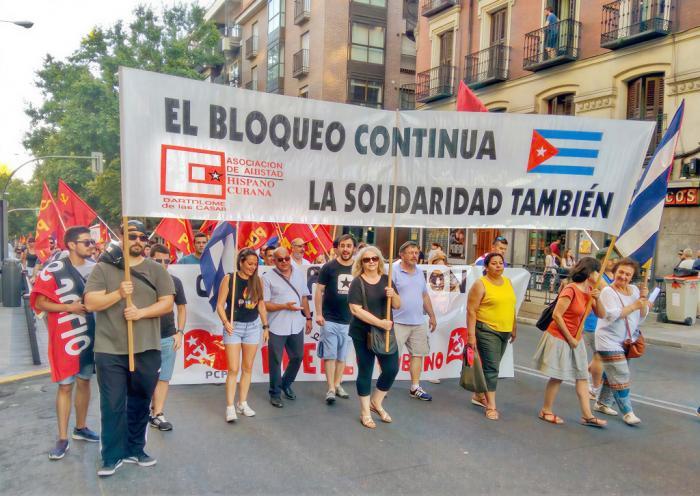
    The Cuban Institute of Friendship with the Peoples (ICAP) commemorated its 65th anniversary on December 30, 2025, with a formal ceremony attended by top government officials and international delegates. Established on December 30, 1960, through Law No. 901 published in Cuba’s Official Gazette, the organization was founded by revolutionary leader Fidel Castro during a period of heightened tensions with the United States government.

    The anniversary event was presided over by President Miguel Díaz-Canel Bermúdez, alongside high-ranking officials including Foreign Minister Bruno Rodríguez Parrilla and Organization Secretary Roberto Morales Ojeda. Also present were Cuban Heroes, ICAP President Fernando González Llort, and Gerardo Hernández Nordelo, National Coordinator of the Committees for the Defense of the Revolution.

    ICAP President González Llort addressed 240 international guests from 32 countries, emphasizing the institute’s enduring mission to “build bridges, unite wills, and cultivate peace” across global boundaries. He highlighted the organization’s critical role in developing Cuba’s international solidarity network, which now encompasses over 1,900 organizations across 151 countries worldwide.

    The ceremony included recognition of long-serving ICAP employees and presented commemorative stamps to approximately twenty organizations and personalities. Throughout its 65-year history, ICAP has facilitated the establishment of solidarity committees with Cuba across five continents and provided international support through initiatives like the renowned Henry Reeve Cuban Medical Brigade.

    The institute continues to function as a fundamental pillar in maintaining Cuba’s diplomatic relationships and people-to-people connections despite ongoing geopolitical challenges, serving as a testament to Cuba’s commitment to international cooperation and mutual understanding.

  • Dems declare readiness for general election amid snap poll talk

    Dems declare readiness for general election amid snap poll talk

    Amid mounting speculation regarding a potential early general election in Barbados, the opposition Democratic Labour Party (DLP) has asserted its comprehensive preparedness while casting doubt on the governing Barbados Labour Party’s motivations and internal cohesion. Senator Andre Worrell, a prominent DLP executive council member, articulated the party’s position during a Monday address, challenging the rationale behind another snap election.

    Senator Worrell emphasized the DLP’s operational readiness, stating, “When the election is called, the party will be ready. We are not panicking about it. We are ready to face an election, and I believe Barbados is prepared for political transformation.” He further questioned the governing party’s urgency, referencing the previous early election’s consequences: “If a government claims such exemplary performance, why expedite an election? Citizens should consider this perspective—what justifies such haste? Following their last rushed election, they promptly surprised Barbadians with another International Monetary Fund agreement that resulted in widespread job losses and contract-based rehiring in state organizations.”

    The senator dismissed circulating skepticism regarding DLP’s preparedness as deliberate BLP propaganda, asserting, “They’re employing this narrative to bolster government confidence, but the DLP remains thoroughly prepared and unified. We maintain consistent collaboration with our political leader and Opposition Leader Ralph Thorne.” Conversely, Worrell highlighted apparent fractures within the governing party, citing constituency-level rumors about potential candidate replacements in St Michael Central and similar attempts in St Philip North.

    Detailing the DLP’s strategic approach, Worrell emphasized sustained grassroots engagement: “I prioritize listening to constituents and understanding their concerns, which provides crucial insights into constituency needs. This methodology facilitates meaningful connections, underscoring our commitment to foundational groundwork.” General Secretary Pedro Shepherd corroborated this assessment, confirming intensified constituency outreach efforts: “With election season underway, our primary focus remains canvassing across all constituencies. Every branch is being activated in anticipation of the general election. While the timing remains uncertain, our state of preparation is absolute.”

  • Nieuwe Raad van Commissarissen SWM aangetreden onder leiding van Ronald Rozenblad

    Nieuwe Raad van Commissarissen SWM aangetreden onder leiding van Ronald Rozenblad

    In a significant governmental reshuffle, Ronald Rozenblad has been appointed as the President-Commissioner of NV Surinaamsche Waterleiding Maatschappij (SWM), Suriname’s national water utility company. The appointment occurred during an extraordinary General Meeting of Shareholders convened on December 29 at the Ministry of Natural Resources.

    Minister David Abiamofo, representing the State of Suriname as sole shareholder, presided over the meeting alongside Water Director Gonda Asadang and SWM Deputy Financial Director Freddy Crisis. The newly constituted Board of Commissioners comprises seven members: Sacha Mertowirijo, Sharmaine Artist, Alice Amafo, Nigel Sloot, Keshian Joekoe, and Rudiwal Baarh alongside Chairman Rozenblad.

    This leadership transition follows a December 10 cabinet decision that terminated the previous board led by acting President-Commissioner Preshand Baldew. The new board received a five-year mandate beginning immediately.

    During the transfer ceremony, Minister Abiamofo emphasized the board’s dual responsibility: not only providing oversight but also serving as a crucial liaison between shareholders, management, and employees. Core responsibilities include safeguarding policy direction, maintaining operational quality, and ensuring corporate governance standards.

    The board’s immediate priority involves conducting a comprehensive operational assessment of SWM, with findings to be reported directly to the government. Additionally, the ministry plans to establish structured policy dialogue mechanisms between the shareholder and commissioners.

    Minister Abiamofo acknowledged the outgoing board’s contributions while noting the incoming team faces particular challenges in ensuring continuous delivery of clean drinking water amid complex operational conditions.

  • Trinidad and Tobago PM to make official visit in new year

    Trinidad and Tobago PM to make official visit in new year

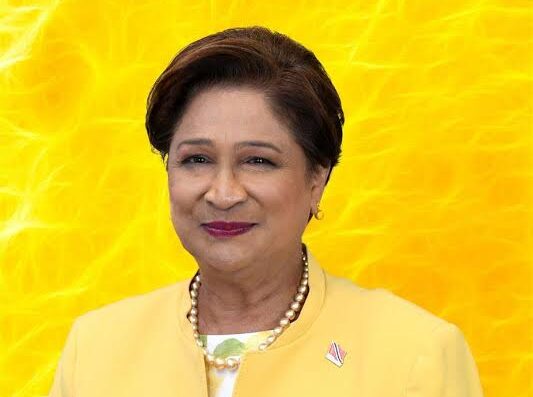
    The Prime Minister of Trinidad and Tobago, Kamla Persad-Bissessar SC, is preparing for an official diplomatic visit to Grenada in early 2026, marking a significant milestone in bilateral energy cooperation between the Caribbean nations. While specific dates remain unconfirmed, Press Secretary Neila Ettienne acknowledged the planned visit following widespread speculation across social media platforms.

    The upcoming high-level engagement traces its origins to technical energy discussions that gained momentum throughout 2025. The potential visit was initially referenced during an October 2025 town hall meeting where Nazim Burke and members of Grenada’s oil and gas Technical Working Group provided progress updates on cross-border energy collaboration.

    Technical Consultant Geoscientist Helena Innis, representing Trinidadian expertise, revealed that Trinidad’s Energy Minister Dr. Roodal Moonilal had previously conducted an unofficial working visit to Grenada. During his August 23-24, 2025 mission, Dr. Moonilal engaged in high-level discussions with Grenadian Prime Minister Dickon Mitchell and other officials, expressing Trinidad and Tobago’s commitment to supporting Grenada’s hydrocarbon sector development.

    Innis elaborated that both nations have established a functional cooperation framework operationalized through a six-member steering committee with equal representation from both countries. The collaboration, formalized through a 2012 Memorandum of Understanding on energy development, encompasses technical cooperation and strategic marketing of Grenada’s natural gas resources through Trinidad and Tobago’s established energy infrastructure.

    The anticipated prime ministerial visit signifies the elevation of energy cooperation from technical working groups to the highest diplomatic levels, potentially unlocking new economic opportunities for both Caribbean neighbors while strengthening regional energy security.

  • China Launches Massive Military Drills Around Taiwan

    China Launches Massive Military Drills Around Taiwan

    In a significant escalation of regional tensions, China has initiated comprehensive military maneuvers encircling Taiwan, deploying combined forces from its army, navy, air, and rocket divisions. The extensive two-day exercises, officially designated “Justice Mission-2025,” commenced on December 30, 2025, featuring live-fire artillery drills and precision rocket launches that reportedly landed in closer proximity to Taiwanese territory than previous operations.

    The provocative military demonstration comes as a direct response to Washington’s recent authorization of an $11.1 billion defensive arms package to Taipei, including advanced HIMARS rocket systems and surveillance drones. Chinese authorities characterized the drills as a necessary warning against what they term ‘Taiwan independence separatist activities’ and foreign interference in China’s internal affairs.

    Taiwan’s defense ministry reported tracking approximately 130 Chinese military aircraft and 22 naval vessels throughout the operation, with an unprecedented 90 warplanes crossing the median line of the Taiwan Strait. Taiwanese armed forces responded with heightened alert status, scrambling fighter jets, deploying naval patrols, and activating coastal missile defense systems.

    The exercises generated substantial disruption to civilian air traffic, compelling the cancellation of dozens of commercial flights and affecting over 6,000 travelers. Military analysts observed that the complexity and scale of the drills appear designed to simulate effective blockade scenarios, potentially signaling China’s evolving strategy to deter foreign military intervention in the Taiwan Strait.

    International reaction emerged promptly, with Belize’s foreign ministry issuing a formal condemnation of China’s ‘military intimidation’ against Taiwan, emphasizing the undermining of peaceful dialogue and stability in the region. The United States and Taiwanese officials have reiterated the legitimacy of defensive arms agreements and the right to self-defense under international norms.

  • How the Law and the Court are continuing to circle around politicians

    How the Law and the Court are continuing to circle around politicians

    In a landmark ruling with profound implications for political discourse, the Eastern Caribbean Supreme Court has delivered a powerful judgment in Frederick v. Chastanet [2025], establishing stringent legal boundaries for political speech. The case centered on allegations made by former Prime Minister Allen Chastanet against sitting minister Richard Frederick, whom he accused of corruption, dishonesty, and abuse of office in a widely circulated Facebook video.

    The court meticulously applied Saint Lucia’s defamation framework, incorporating the UK Defamation Act 2013 through Article 917A of the Civil Code. Justice Pariagsingh’s ruling emphasized that while robust political debate is essential to democracy, allegations of criminal conduct must be substantiated with evidence rather than presented as rhetorical weapons.

    Critical to the case was the failure of Chastanet’s defenses of truth, honest opinion, and public interest. Testimony from key witnesses, including Stephenson King and managing directors of SLASPA and NHC—all appointed during Chastanet’s own administration—systematically dismantled the factual basis for the allegations. Records revealed no objection to the land sale in question, no existing plans for a marine police base on the property, and full compliance with established board processes.

    The judgment particularly scrutinized the casual deployment of the term ‘corruption’ in political rhetoric. The court noted that such language carries specific legal connotations of misuse of office, abuse of public trust, and improper enrichment—not merely colorful criticism. By using these terms without evidence, politicians risk eroding public trust and discouraging honest individuals from public service.

    Regarding serious harm, the court considered both the significant reach of the Facebook video and the gravity of allegations against a sitting minister. The ruling distinguished between the ‘court of public opinion,’ where unsubstantiated claims may circulate freely, and the legal system where words carry precise consequences.

    The court awarded $60,000 in damages to Frederick, noting that while no financial loss was demonstrated, the allegations caused significant humiliation and embarrassment. Aggravating factors included Chastanet’s refusal to apologize, persistence in unsubstantiated claims, and conduct during litigation.

    Beyond the immediate case, the judgment raises crucial questions about democratic accountability. It challenges citizens, institutions, and media to move beyond passive consumption of political rhetoric and actively demand evidence for serious allegations. The ruling suggests that effective democracy requires continuous citizen engagement through mechanisms like freedom of information requests, parliamentary petitions, and rigorous media scrutiny—not merely electoral participation every five years.

    This decision establishes an important precedent for Caribbean jurisprudence, signaling that the judiciary will hold politicians accountable for unfounded allegations that damage reputations and undermine governance.

  • Bangladesh: Eerste vrouwelijke premier overleden

    Bangladesh: Eerste vrouwelijke premier overleden

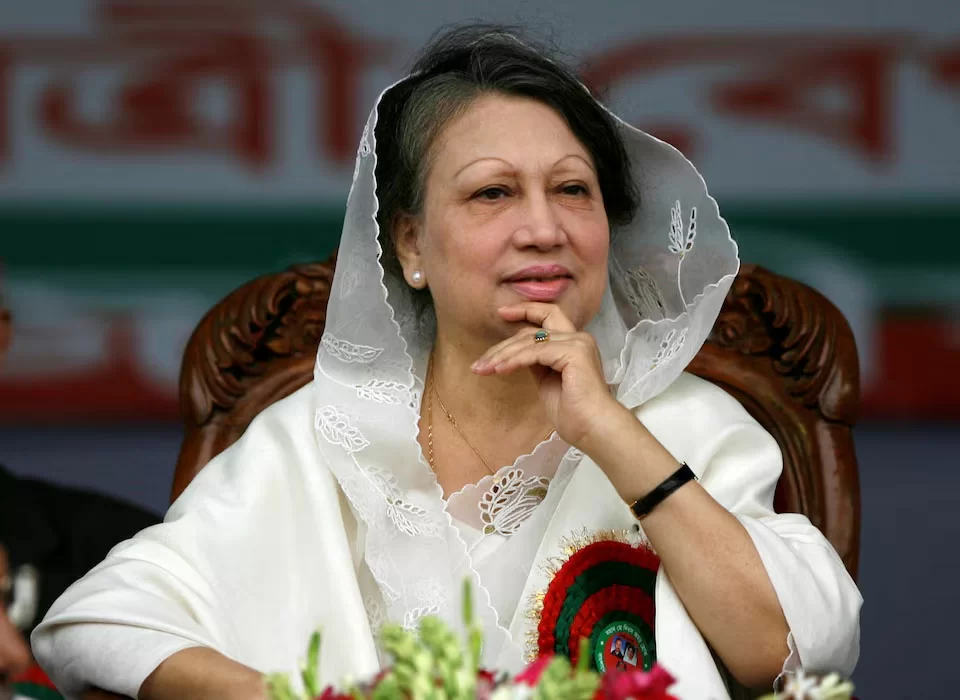
    Bangladesh’s political landscape has been permanently altered with the passing of Begum Khaleda Zia, the nation’s first female prime minister, who died Tuesday at age 80 after a prolonged illness. The opposition Bangladesh Nationalist Party (BNP) confirmed her death following an extended battle with advanced liver cirrhosis, arthritis, diabetes, and cardiovascular complications.

    Khaleda Zia’s political journey represents one of modern South Asia’s most compelling narratives. She initially rose to power in 1991 through a surprising electoral victory against her rival Sheikh Hasina, becoming only the second woman to lead a democratic government in a predominantly Muslim nation after Pakistan’s Benazir Bhutto.

    Her legacy is characterized by both groundbreaking achievements and intense political conflicts. During her tenure, she transformed Bangladesh’s governmental structure by replacing the presidential system with a parliamentary framework, relaxed restrictions on foreign investment, and implemented mandatory free basic education.

    The relationship between Khaleda Zia and Sheikh Hasina defined decades of Bangladeshi politics. Initially collaborators in the 1990 pro-democracy movement that ousted military ruler Hossain Mohammad Ershad, their alliance quickly dissolved into what became known as the “Battling Begums” rivalry—a reference to the Urdu honorific for prominent women.

    Their contrasting leadership styles became legendary: Khaleda, described as reserved, traditional, and carefully measured in speech; Hasina, markedly more outspoken and assertive. This personal and political dichotomy fueled a power struggle that would dominate the nation’s affairs for over three decades.

    Khaleda’s second term as prime minister (2001-2006) was marred by rising Islamic militancy and corruption allegations. The 2004 grenade attack on a Hasina rally, which killed over 20 people and injured 500, remains one of the most controversial events of this period, with Khaleda’s government and its Islamic allies widely blamed.

    The subsequent years saw Khaleda’s political fortunes decline dramatically. After a military-backed caretaker government assumed power in 2006, both she and Hasina faced approximately one year of imprisonment on corruption charges. Though released before the 2008 elections, Khaleda never regained power.

    Her later years were marked by legal battles and deteriorating health. In 2018, she was imprisoned on corruption charges related to embezzlement of orphanage funds—accusations she maintained were politically motivated attempts to exclude her family from politics. She was transferred to house arrest in March 2020 on humanitarian grounds as her health declined.

    The recent political upheaval in Bangladesh had created new dynamics for Khaleda’s legacy. Following student-led protests that ousted Hasina in August 2024, an interim government under Nobel Peace Prize winner Muhammad Yunus assumed control. Hasina herself was sentenced to death in absentia in November for her lethal suppression of student protests.

    Khaleda’s release from house arrest in August 2024 and subsequent court exonerations in early 2025—both in the corruption case that had imprisoned her and the 2004 grenade attack allegations against her son Tarique Rahman—marked significant late-life developments.

    The return of her son Tarique Rahman after nearly 17 years in self-exile last week, combined with the BNP’s position as favorite for February’s parliamentary elections, suggested a potential political resurgence that her death has now cut short.

    Khaleda Zia’s story began not as a politician but as a mother dedicated to raising her two sons. Her entry into politics came only after the 1981 assassination of her husband, military leader and president Ziaur Rahman, during a failed coup. Assuming leadership of his BNP party three years later, she vowed to continue his mission to “free Bangladesh from poverty and economic backwardness.”

    Her passing closes a monumental chapter in Bangladesh’s history while leaving unanswered questions about the nation’s political future and the resolution of the epic rivalry that shaped its democracy.