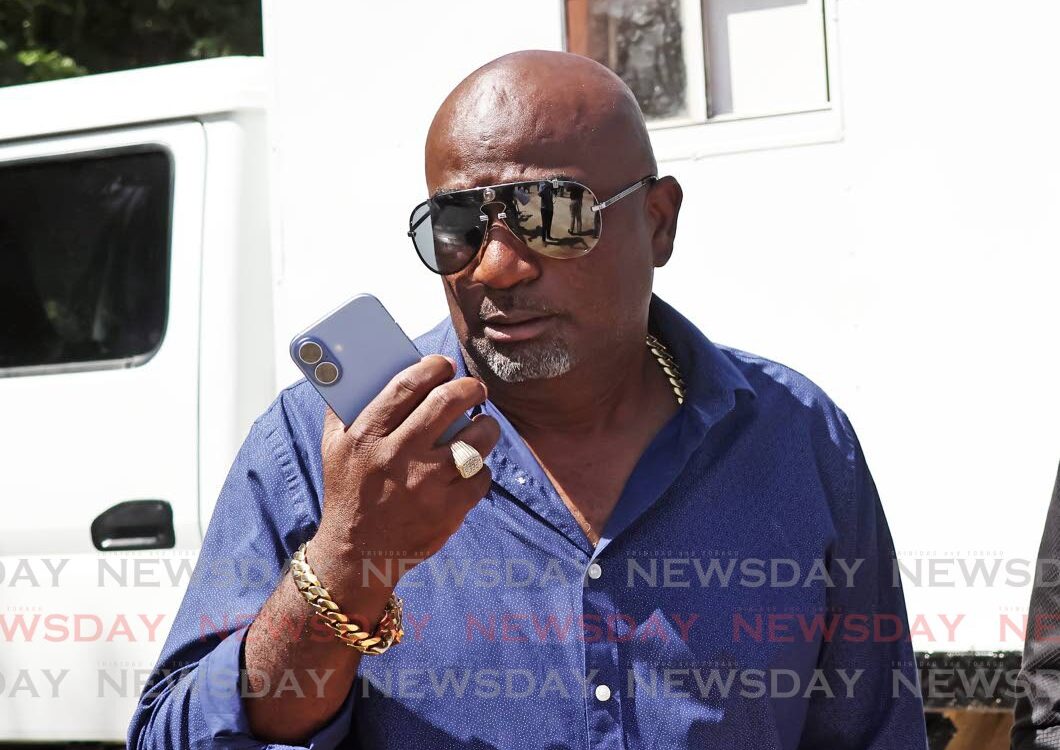
In a dramatic escalation of legal tensions, attorneys representing businessman Danny Guerra have issued an ultimatum to Trinidad and Tobago’s state of emergency review tribunal, demanding a ruling on his preventive detention by 4 PM on January 2nd. The legal team warned that tribunal members should resign if they fail to comply, threatening immediate emergency relief proceedings in the High Court.
In a sharply worded January 1st letter addressed to the tribunal and copied to Chief Justice Ivor Archie, lead attorney Nerisa Bala delivered a scathing indictment of the tribunal’s performance. She accused the body of fundamentally failing its constitutional mandate to protect liberty during emergencies and presiding over procedural delays that constitute arbitrary detention.
The constitutional crisis stems from Guerra’s November 20, 2025 detention under emergency powers. Despite invoking his right to review under Regulation 5 of the Emergency Powers Regulations on November 27th, the process has been marred by multiple procedural failures according to the legal filing.
Bala detailed a pattern of institutional breakdown: the hearing was scheduled nearly three weeks after filing, violating constitutional due process requirements. When Guerra’s original counsel became unavailable, the tribunal denied rescheduling requests without explanation, forcing last-minute legal representation changes. Most significantly, the Minister of Homeland Security failed to meet the mandatory seven-day deadline for providing detention grounds, with the tribunal taking no enforcement action.
The procedural irregularities continued during proceedings. Defense submissions weren’t provided to the tribunal chairman beforehand, necessitating adjournment. Despite previous non-compliance, the minister’s counsel received six additional days to respond while Guerra remained detained. As of January 1st, nine days had passed since final submissions without determination.
Bala emphasized the constitutional stakes: ‘The framers understood emergency powers posed real liberty risks, hence creating an independent tribunal to review detentions. This tribunal has failed that mandate spectacularly.’ She argued the delays ‘undermine public confidence in justice administration during emergency.’
Guerra faces allegations of leading an organized crime group involved in arms trafficking, money laundering, and illegal quarrying. A detention order signed by Homeland Security Minister Roger Alexander also references an alleged plot to assassinate a government minister.
The current state of emergency, declared on July 18th and extended twice, is scheduled to end in January. This case tests the balance between emergency powers and fundamental rights, with the legal team asserting the tribunal’s actions have ’emptied the right to liberty of any content.’