分类: politics

  • Abinader inaugurates new military infrastructure

    Abinader inaugurates new military infrastructure

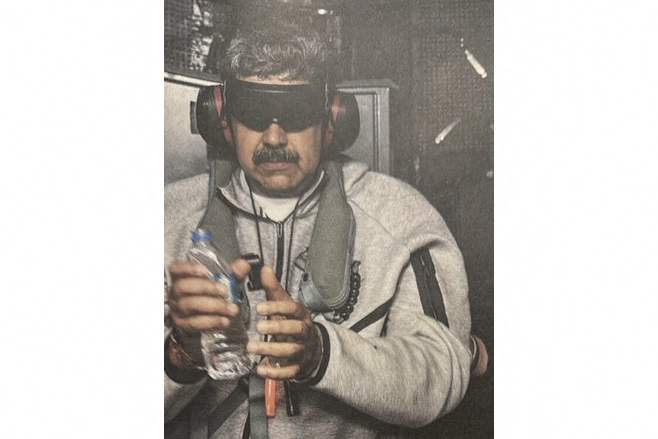
    Santo Domingo – President Luis Abinader has unveiled a series of cutting-edge military infrastructure projects at the Ministry of Defense headquarters, underscoring the government’s unwavering commitment to modernizing the Armed Forces over the past five years. During the inauguration ceremony, Abinader highlighted significant investments in vehicles, operational equipment, and advanced technology aimed at strengthening national security. He also announced plans to expand the country’s fleet of drones and unmanned aerial systems, ensuring the military remains equipped to address contemporary challenges. The President reaffirmed that resources will continue to be allocated to enhance the capabilities of the Armed Forces. Among the newly inaugurated projects are the complete renovation of the Presidential Guard Regiment, upgraded administrative and service areas, and modernized barracks for enlisted soldiers, officers, and military police. These facilities now boast increased capacity, air-conditioned spaces, new bathrooms, lockers, beds, and enhanced rest areas. Additionally, recreational spaces at the Officers’ Club, including the restaurant, cafeteria, pool, and gazebos, have been revitalized to support the well-being of military families. Further advancements include the establishment of the General Directorate of Unmanned Vehicles under the C5i, equipped with state-of-the-art surveillance technology, and the upgraded Special Counterterrorism Command Unit with modernized barracks and equipment. The Ministry of Defense also relaunched the cultural radio station “The Voice of the Armed Forces,” expanding its coverage with support from INDOTEL. To conclude the day’s events, authorities inaugurated a pharmacy exclusively for retired military personnel and expanded service areas for medical consultations, certifications, and social programs.

  • A look at the UWP’s 2025 manifesto

    A look at the UWP’s 2025 manifesto

    The United Workers Party (UWP) of Saint Lucia has released its comprehensive 78-page manifesto, titled ‘Reclaiming Our Future,’ outlining its vision for the nation’s future should it secure victory in the upcoming elections. Published on November 23 and now accessible on their official website, the document presents a robust critique of the current administration while detailing a three-part framework of relief, recovery, and reform. UWP leader Allen Chastanet, in his opening message, described the current moment as a ‘crossroads in our nation’s history,’ accusing the government of ‘deception, mismanagement, and unashamed acts of corruption.’ He urged citizens to embrace change, emphasizing the need for ‘decency over deception, progress over stagnation, and excellence over excuses.’ The manifesto’s ‘SOS Plan’ focuses on immediate relief measures, including the removal of the 2.5% Health and Security Levy, reduced fuel prices, free tertiary education, and expanded healthcare coverage. The recovery section emphasizes long-term investments in infrastructure, healthcare, education, and technology, while the reform agenda targets legislative updates, improved public service delivery, and enhanced democratic institutions. The document also outlines sector-specific plans for healthcare, agriculture, tourism, digital transformation, citizen security, and the creative industries. Chastanet concluded with a call for unity and better leadership, positioning the UWP as the party capable of rebuilding Saint Lucia’s future.

  • Dominican legislators urge U.S. support to confront Haiti’s collapse

    Dominican legislators urge U.S. support to confront Haiti’s collapse

    In a high-level meeting held in Santo Domingo, leaders of the Dominican Republic’s National Congress, Senate President Ricardo de los Santos and Chamber of Deputies President Alfredo Pacheco, convened with a U.S. congressional delegation led by Brian Mast, Chairman of the House Foreign Relations Committee. The discussions centered on the deteriorating situation in Haiti, with Dominican legislators highlighting the alarming rise in gang dominance, economic collapse, and governance vacuum in the neighboring nation. They underscored President Luis Abinader’s persistent advocacy for international intervention, particularly through platforms like the United Nations. De los Santos and Pacheco emphasized that despite the Dominican Republic’s proactive measures, resolving the crisis necessitates robust international engagement, especially from the United States. They urged the U.S. delegation to convey the urgency of the matter to President Donald Trump, citing the strain on Dominican resources due to the influx of Haitian migrants seeking refuge, education, and essential services. Brian Mast acknowledged the shared challenges posed by Haiti’s instability and reaffirmed the U.S. commitment to addressing the issue. He highlighted the enduring bilateral partnership between the two countries and lauded their collaborative efforts in trade and security.

  • OPINION: Why Antigua and Barbuda Risks Becoming a ‘Failed State’ if Partisanship Prevails

    OPINION: Why Antigua and Barbuda Risks Becoming a ‘Failed State’ if Partisanship Prevails

    In a thought-provoking analysis, Yves Ephraim highlights the deep-rooted partisan politics in Antigua and Barbuda, which often overshadow the nation’s broader interests. Ephraim observes that party agendas frequently take precedence over national welfare, even when such priorities defy logic, morality, or common sense. He suggests that the colonial framework of independence was designed to perpetuate internal divisions, ensuring that the nation remains preoccupied with internal conflicts rather than challenging external hegemony. This strategy, he argues, has been alarmingly effective.

    Reflecting on 44 years of political independence, Ephraim questions whether significant progress has been made in critical areas such as cost of living, education, infrastructure, and public services. He lists 13 pressing concerns that directly impact the well-being of ordinary citizens, emphasizing that meaningful improvement requires acknowledging past failures. However, he notes that successive administrations have been reluctant to admit policy shortcomings, leading to stagnation or regression.

    Ephraim draws a striking comparison between independent nations like Antigua and Barbuda and remaining colonies, revealing that the latter often outperform the former in key economic metrics such as GDP per capita. He attributes this disparity to the inability of leaders to admit mistakes and adapt policies, often doubling down on ineffective strategies. This lack of accountability, he argues, has fostered a political culture where personal ambition trumps national interest.

    He further critiques the political elite, pointing out the rise of millionaire politicians despite the nation’s struggles. Ephraim also condemns the ease with which politicians switch parties, viewing it as a betrayal of principles and a sign of power-driven opportunism. He calls for leaders who prioritize national welfare over personal gain, warning that the current trajectory threatens the very fabric of Antigua and Barbuda.

    Ephraim’s analysis serves as a stark reminder of the need for humility, accountability, and a renewed focus on the collective good in governance. Without such changes, he fears that the nation’s future hangs in the balance.

  • Digital ID card registration legal though laws not yet in effect – PM Phillips

    Digital ID card registration legal though laws not yet in effect – PM Phillips

    Prime Minister Mark Phillips has confirmed that the registration of public servants for digital identification cards remains legal, despite the Digital Identity Card Act and the Data Protection Act not yet being enforced. Speaking to Demerara Waves Online News on Saturday, Phillips emphasized, ‘Everything that’s being done is legal.’ He acknowledged that the commencement orders for these laws, approved by the National Assembly and assented by President Irfaan Ali in August 2023, are pending issuance but assured that they would be implemented soon. ‘We’re going to do it very soon. There are a couple of things that we need to put in place,’ he stated. The Digital Identity Card Act mandates that the Digital Identity Card Registry be overseen by the Data Protection Commissioner, who holds exclusive authority to issue the cards. However, former House Speaker and Attorney-at-law Raphael Trotman noted that without a commencement order, the legislation remains inoperable. ‘If an Act explicitly states that a commencing order has to be issued, and it has not been, then it is inoperable,’ Trotman explained. He added that a subsequent commencement order could validate prior actions. Currently, President Irfaan Ali has already received his digital ID card, though the Data Protection Act remains inactive, leaving no office or commissioner to enforce data confidentiality laws. Several public service agencies, including the ministries of health and education, have instructed their staff to register for the cards when visited by officials from the Prime Minister’s office.

  • Saint Lucia’s election season explained

    Saint Lucia’s election season explained

    The dissolution of Saint Lucia’s Parliament marks the beginning of a critical electoral countdown, with significant implications for governance and the democratic process. Under the Constitution, the governor-general holds the authority to dissolve Parliament, typically acting on the advice of the prime minister. However, the governor-general also possesses reserve powers to ensure stability, such as refusing a dissolution request if the government can continue without fresh elections or independently dissolving Parliament following a no-confidence vote. Once dissolved, a general election must be held within three months, as mandated by the governor-general’s writ.

    Claudius Francis, Speaker of the House of Assembly, clarified that while Parliament’s dissolution halts law-making, it does not suspend the government’s operations. The national budget, passed earlier this year, ensures that spending authority remains intact. Ministers, including the prime minister, retain their powers during this period, and the prime minister can advise the governor-general to recall Parliament in emergencies. MPs, though no longer members of Parliament, continue to serve as district representatives until reelection or removal.

    The appointment of the prime minister and ministers is a constitutional process. The governor-general appoints the prime minister based on their likelihood of commanding majority support in the House of Assembly, typically the leader of the winning party. Ministers are appointed on the prime minister’s advice, with the PM holding absolute authority over the Cabinet. MPs and ministers have distinct roles: MPs focus on legislation and constituency representation, while ministers manage national affairs and ministries.

    Nomination day, a pivotal event in the electoral process, is governed by strict rules. Candidates must submit required documents, including nomination papers, statutory declarations, and a cash deposit, between 9 a.m. and 12 noon. Returning Officers, appointed by the governor-general, oversee the process in each constituency. If only one valid candidate is nominated, they are automatically elected. These procedures ensure fairness, transparency, and continuity in governance during elections.

  • UNDP gives GECOM high marks for 2025 elections conduct

    UNDP gives GECOM high marks for 2025 elections conduct

    The United Nations Development Programme (UNDP) has lauded the Guyana Elections Commission (GECOM) for its exemplary conduct during the September 1, 2025, general and regional elections. In a recent statement, the UNDP highlighted that GECOM, with technical assistance from UNDP Guyana and funding from the UK Government, orchestrated one of the most transparent, credible, and professionally managed elections in the nation’s modern history. This marks a significant milestone for Guyana, which has historically faced political unrest and controversies surrounding its electoral processes since its first free and fair elections in 1992. The UNDP emphasized the strategic advice provided by its Electoral Technical Support Team, which played a pivotal role in overcoming bottlenecks and ensuring the acceptance of election results. Despite recount challenges, the tabulation process was efficiently organized, with results announced promptly and accepted by all political parties. The UNDP also acknowledged the legal reforms enacted in 2022, which introduced groundbreaking technological advancements to enhance transparency. GECOM’s in-house statement of poll upload system, fortified with cybersecurity measures, ensured seamless result uploads even during website outages. An upgraded results tabulation application, praised for its clarity and user-friendliness, was deployed across 20 counting centers. The UNDP’s Information Technology Specialist underscored the critical role of technology in fostering credible, inclusive, and resilient elections. However, the European Union Election Observation Mission (EUEOM) noted concerns regarding GECOM’s appointment model, which risks inefficient decision-making and diminished public trust. The EUEOM also raised issues about potential voter manipulation, campaign financing, and the alleged misuse of state resources by the incumbent party.

  • Erdogan: There will be no world peace without a Palestinian state

    Erdogan: There will be no world peace without a Palestinian state

    During a press conference concluding the G20 Summit in Johannesburg, South Africa, Turkish President Recep Tayyip Erdogan articulated a resolute stance on the Palestinian issue, as reported by the Anadolu agency. Erdogan declared that Turkey remains steadfast in its support for the Palestinian cause, asserting that this commitment is unwavering and fearless. He emphasized that Turkey will continue to advocate for the rights of the Palestinian people across all international platforms. Erdogan also condemned what he described as a ‘genocide’ in Gaza and other Palestinian territories, attributing responsibility to the Israeli government and Prime Minister Benjamin Netanyahu for the dire situation in the region. He reiterated his belief that the conflict in Gaza constitutes a genocide, a statement made amidst widespread international alarm over the high number of civilian casualties. Additionally, Erdogan commended South Africa for its ‘courageous and exemplary’ position on the Israeli-Palestinian conflict, particularly regarding its actions at the International Court of Justice, where South Africa has accused Israel of genocide. Turkey has expressed its support for South Africa’s legal initiative in various diplomatic arenas.

  • Macron’s popularity slumps for 2nd consecutive month

    Macron’s popularity slumps for 2nd consecutive month

    A recent monthly barometer released by the French Institute of Public Opinion (IFOP) and published in Le Journal du Dimanche reveals that President Emmanuel Macron’s approval rating is nearing the record low of 13 percent, previously set by his predecessor, Francois Hollande. Hollande, a member of the Socialist Party (PS), holds the unenviable title of the most unpopular president in the history of IFOP polls. Macron’s disapproval rating has now surged to 56 percent, reflecting growing discontent among the French populace. Frederic Dabi, IFOP’s Director General, suggests that Macron’s declining popularity is beginning to affect other key political figures within his administration, notably Prime Minister Sebastien Lecornu. Lecornu’s approval rating has dropped to 34 percent among 2,000 respondents surveyed in the past week, marking a four-point decline since October. France remains embroiled in a series of acute political crises and polarization, which have led to the rapid turnover of four prime ministers in less than a year. These include conservative Michel Barnier, who was ousted in December, centrist Francois Bayrou, removed in September, and Lecornu, who resigned in October only to be reappointed by Macron shortly thereafter.

  • OPINION: The unfinished fight for women’s political inclusion in Saint Lucia (Part 2)

    OPINION: The unfinished fight for women’s political inclusion in Saint Lucia (Part 2)

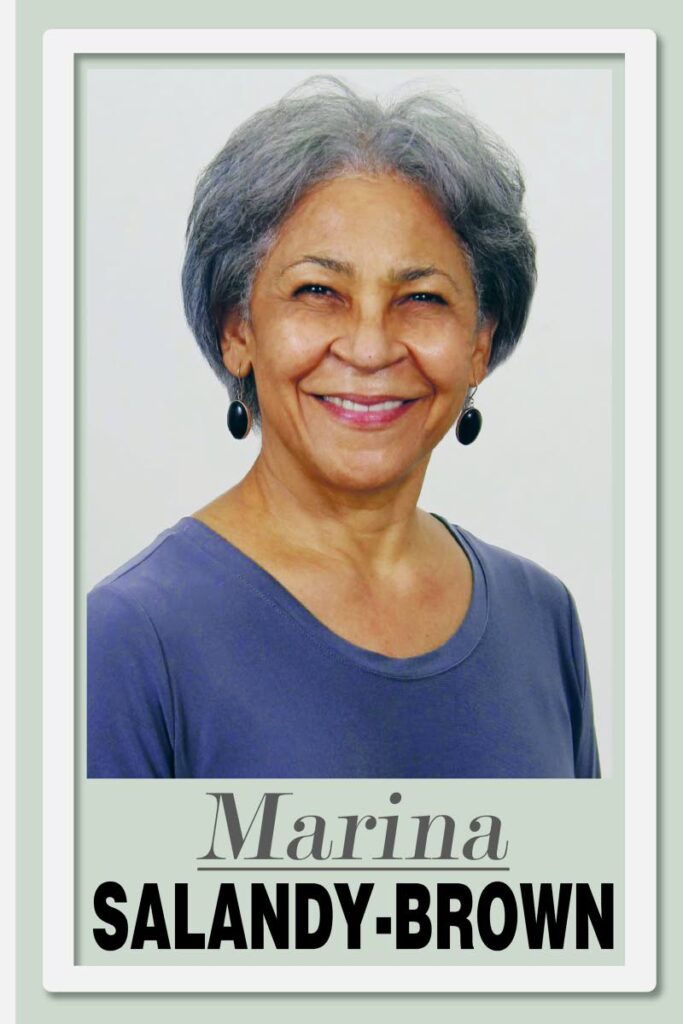
    In the Caribbean, particularly in Saint Lucia, the political landscape is shaped by deeply ingrained societal norms and gender stereotypes. Data reveals that the archetype of a successful politician aligns with a conservative image: a middle-aged, married, Afro-Caribbean man with a family. Women, however, face significant scrutiny and delegitimization if they do not conform to this somatic norm. Single, childless, or divorced women are often subjected to harsh criticism, with their likability and leadership capabilities questioned based on their marital status or appearance. Society’s objectification of women extends to their political roles, where their attire and physical appearance are often prioritized over their policy expertise and experience. Interestingly, women who embody traditional maternal traits—such as being caring and nurturing—sometimes leverage these qualities as political talking points. Yet, those who deviate from these norms are judged more critically, highlighting the double standards in political evaluation. Despite these challenges, women in Saint Lucia are surpassing men in educational achievements and professional experience. According to the Washington Post, Saint Lucia is one of three countries where women are more likely to hold leadership positions than men, with 52.3% of bosses being female. However, institutional barriers persist, hindering women’s political participation. UN Women highlights the disproportionate burden of family care responsibilities on women, making it difficult for them to balance domestic duties with political careers. Additionally, systemic issues such as limited access to campaign funding, political networks, and unwinnable seat placements further disadvantage women. While there are no explicit laws barring women from political office, entrenched practices within political parties perpetuate inequality. To address these issues, comprehensive measures are needed, including public education on gender equality, increased support for women candidates, and the implementation of quotas to ensure fair representation. Rahym R. Augustin-Joseph, a Rhodes Scholar and advocate for political reform, emphasizes the importance of dismantling patriarchal structures and fostering a more inclusive political environment in Saint Lucia and the broader Caribbean.