分类: politics

  • US Turns Away Gambis, Special Patrol Unit’s Boss

    US Turns Away Gambis, Special Patrol Unit’s Boss

    In a surprising turn of events, Aaron Gamboa, the head of Belize’s Special Patrol Unit, was denied entry to the United States after his visa was flagged at the Philip Goldson International Airport. Gamboa, accompanied by his wife, was preparing to board a US-bound flight over the weekend when airline officials informed him of the visa issue, barring him from traveling. This incident has ignited widespread speculation and rumors among Belizeans, with many linking it to the ongoing investigation into the abduction of Joseph Budna. While Gamboa acknowledges the visa rejection, he vehemently denies any personal involvement in the Budna case, despite the fact that officers under his command remain under scrutiny. Gamboa has stated his intention to consult with his legal team and engage the U.S. Embassy to resolve the matter, expressing confidence in his eventual exoneration. However, the implications of this visa denial extend beyond Gamboa’s personal predicament. As the leader of a critical policing unit, the U.S. government’s red flag has raised significant concerns in Belize about potential diplomatic and operational ramifications. The situation continues to unfold, with local authorities and the public closely monitoring developments.

  • The Leader

    The Leader

    Fidel Castro, a name synonymous with resilience and revolutionary fervor, continues to inspire generations as a symbol of unwavering commitment to Cuba’s destiny. His life, marked by profound sacrifices and unyielding determination, serves as a testament to the power of unity and the pursuit of dignity. From humble beginnings, where he faced personal hardships such as power cuts and illness in his family, to the monumental struggles against oppressive forces, Fidel’s journey was one of relentless perseverance. His actions during pivotal moments, such as the Moncada Barracks confrontation, where he selflessly gave up his seat to a comrade, underscore his deep sense of solidarity and leadership. Fidel’s ability to instill faith in the face of adversity, as echoed by Che Guevara, who hailed him as an ‘ardent prophet of the dawn,’ highlights his unique capacity to inspire and lead. His legacy, deeply rooted in the trust he placed in the people and their trust in him, remains a guiding light for Cuba. Fidel Castro’s story is not just one of a revolutionary leader but also of a deeply human figure who embraced the rigors of his cause with unwavering resolve. Shared among the people, Fidel’s heritage is a call to continue and enrich the path he forged, ensuring that his vision for a free and dignified Cuba endures.

  • Politic : 49 Democratic Congressmen call for extension of TPS for Haiti

    Politic : 49 Democratic Congressmen call for extension of TPS for Haiti

    In a significant move, Democratic Congresswoman Stacey E. Plaskett, alongside 48 of her colleagues, has formally urged Homeland Security Secretary Kristi Noem to extend Temporary Protected Status (TPS) for Haitian nationals beyond its current expiration date of February 3rd, 2026. The lawmakers emphasized the dire humanitarian crisis in Haiti, exacerbated by political instability, rampant gang violence, and the recent devastation caused by Hurricane Melissa. Congresswoman Plaskett highlighted the critical role of Haitian TPS recipients in the U.S. economy, noting their $4.4 billion annual contribution and over $1 billion in federal taxes. She stressed that these individuals are vital to various sectors, including healthcare, construction, and agriculture, which are essential to the nation’s functioning. The letter also warned of the severe economic and security repercussions if TPS is not renewed, including potential destabilization of Haiti and increased influence from adversarial nations like China and Russia. The Congressmen called for an 18-month extension of TPS, a thorough review of conditions in Haiti, and collaborative efforts with Congress to develop sustainable protections for Haitian nationals and other vulnerable populations.

  • Paliza responds to public outrage over politicians linked to drug trafficking

    Paliza responds to public outrage over politicians linked to drug trafficking

    In a public address, José Ignacio Paliza, President of the PRM and Minister of the Presidency, acknowledged the public’s outrage over recent drug trafficking cases involving political figures. He emphasized the government’s commitment to allowing justice to operate independently, which has led to significant advancements in investigations, prosecutions, and extraditions. Paliza highlighted that the exposure of new cases reflects a profound institutional transformation, driven by an independent Public Prosecutor’s Office and President Luis Abinader’s decision to refrain from interfering in judicial matters. He clarified that the emergence of additional cases is not indicative of worsening conditions but rather a result of the government’s intolerance for impunity. Paliza criticized previous administrations for failing to prevent organized crime from infiltrating political and social spheres. He expressed regret that individuals from other political groups sought refuge within the PRM but affirmed that all implicated members have been suspended or expelled to face justice. Paliza announced forthcoming reforms to strengthen internal controls and proposed amendments to Law 155-17 to include political parties as obligated subjects under anti-money laundering regulations. Stressing that the fight against crime is a moral, not political, responsibility, he urged all parties to act with integrity and encouraged those involved in illicit activities to surrender. Paliza concluded by assuring citizens that the PRM and the current administration will remain steadfast in their commitment to justice.

  • Abinader announces visit of U.S. Secretary of War Peter Hegseth

    Abinader announces visit of U.S. Secretary of War Peter Hegseth

    SANTO DOMINGO – In a significant move to bolster hemispheric security cooperation, U.S. Secretary of War Peter Hegseth is scheduled to undertake an official visit to the Dominican Republic this week. The announcement was made by Dominican President Luis Abinader, who framed the high-level engagement as a pivotal step in deepening the bilateral partnership against transnational drug trafficking networks.

    The upcoming strategic dialogue comes against a backdrop of escalating cocaine production across several South American nations, a trend that has intensified concerns within both governments. President Abinader underscored the robust and proven history of security collaboration between the two nations, attributing the strengthened alliance to the Dominican Republic’s demonstrable successes in recent counter-narcotics operations. This operational effectiveness, he noted, has significantly elevated Washington’s confidence in Santo Domingo as a reliable regional partner.

    Further solidifying the nation’s standing on the global stage, President Abinader revealed the historic nomination of Dominican counter-drug expert Leandro Villanueva for the top position at the United Nations Office on Drugs and Crime (UNODC). If appointed, Villanueva would become the first Dominican national to lead the influential international body.

    The president also extended commendations to Vice Admiral José Cabrera Ulloa, head of the National Drug Control Directorate (DNCD), who is recognized by U.S. authorities as an indispensable figure in the regional campaign against the proliferation of fentanyl.

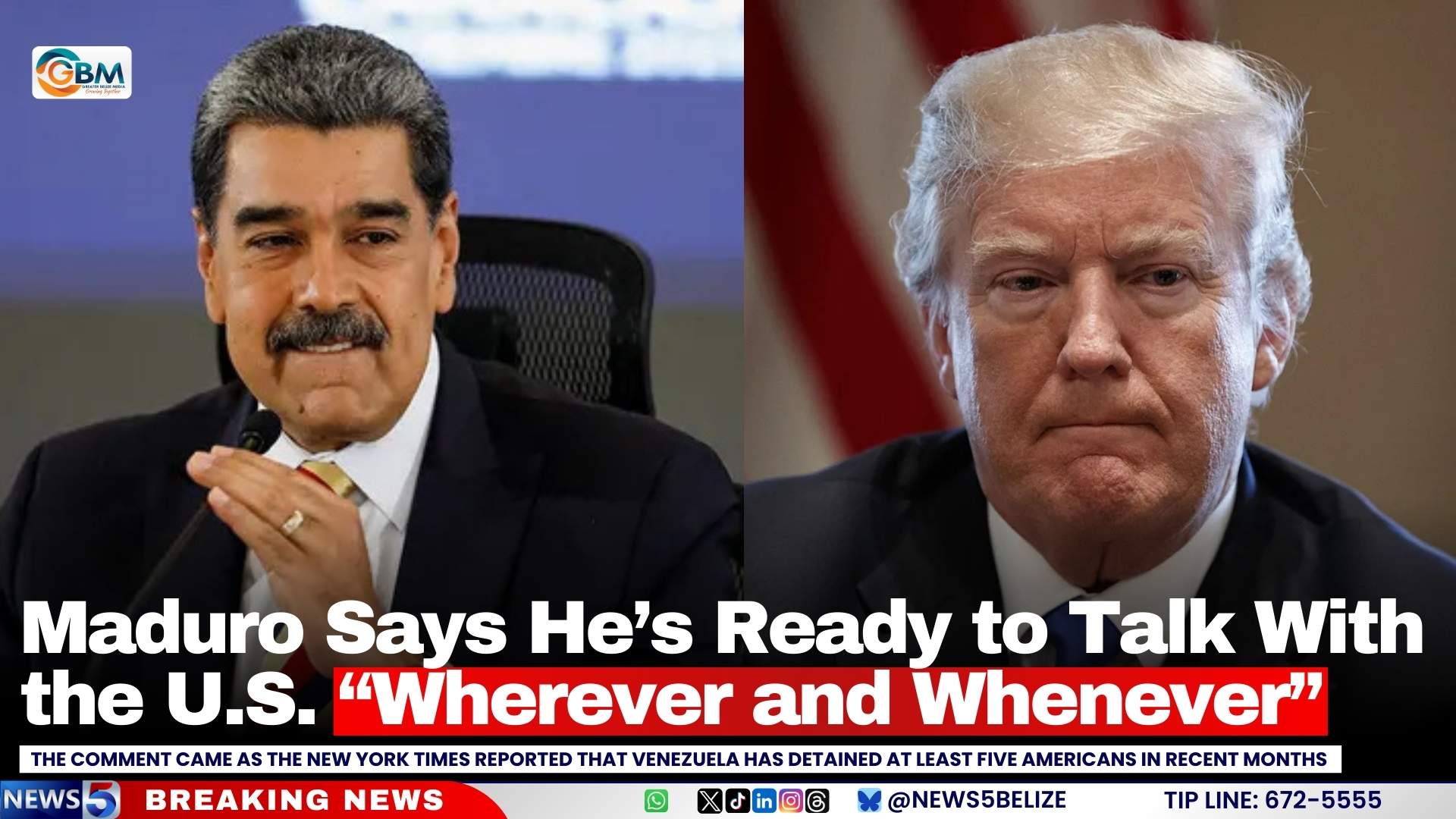
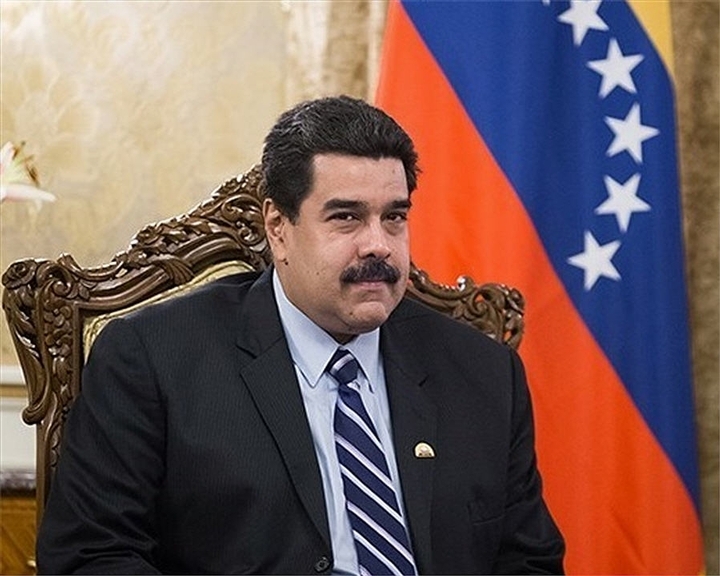
    Secretary Hegseth’s diplomatic mission aligns with a broader U.S. strategy to increase pressure on the Venezuelan government. This policy was recently manifested through the designation of the Cartel of the Suns as a foreign terrorist organization—a decision that provides American agencies with enhanced legal instruments to dismantle the network. U.S. officials have alleged extensive connections between the cartel, President Nicolás Maduro, and senior members of Venezuela’s military command. The State Department has concurrently issued bounty offers totaling up to $50 million for information leading to the capture of Maduro and other accused operatives.

    While the full agenda for the Hegseth-Abinader meeting remains under development, the Dominican leader confirmed that central talks will concentrate on refining tactical coordination and sustaining the current momentum in joint interdiction efforts. Additional details regarding the collaborative roadmap are anticipated to be disclosed in the coming days.

  • Abdoel registreert zich als eerste bij Anti-Corruptie Commissie

    Abdoel registreert zich als eerste bij Anti-Corruptie Commissie

    In a significant move to combat corruption, Amzad Abdoel, Vice-Chairman of the State Council and a member of the National Democratic Party (NDP), has officially registered with the Anti-Corruption Commission. This makes him one of the first public officials to take this step. Abdoel revealed that he had previously formalized his income and assets with notary Olff before initiating the registration process with the commission.

  • Constitutional crises not a fallacy

    Constitutional crises not a fallacy

    A constitutional crisis is brewing in St. Vincent and the Grenadines (SVG) over the interpretation of sections 25 and 26 of the nation’s Constitution, which govern the eligibility of Commonwealth citizens to contest elections. Section 25 outlines the basic qualifications for election candidates, including being at least 21 years old, residing in SVG for 12 months before nomination, and demonstrating proficiency in English. However, Section 26 introduces a critical litmus test: candidates must not, by their own act, acknowledge allegiance, adherence, or obedience to a foreign power or state. The crux of the debate is whether a Commonwealth member state qualifies as a ‘foreign power or state’ under Section 26. Dr. A Linton Lewis, PhD, argues that Commonwealth countries, including Canada, are indeed foreign states relative to SVG, a position that contradicts Dr. Jason Haynes’ interpretation. Dr. Haynes contends that Section 25 explicitly permits Commonwealth citizens to contest elections, making it contradictory to disqualify them under Section 26. Dr. Lewis counters that the Constitution’s drafters clearly distinguished between SVG citizens and Commonwealth citizens, emphasizing that the latter must reside in SVG for seven years to apply for citizenship, underscoring their foreign status. He further asserts that the purpose of Section 26 is to prevent split loyalties, ensuring that elected representatives are fully committed to SVG. The looming crisis stems from the potential disqualification of Commonwealth citizens who may hold allegiance to their home countries, raising questions about the Constitution’s intent and the practical implications for SVG’s political landscape. As the debate intensifies, the issue remains unresolved, with the possibility of a constitutional challenge on the horizon.

  • Trump Pushes “Near” Ukraine Peace Deal

    Trump Pushes “Near” Ukraine Peace Deal

    In a significant development in the ongoing Ukraine-Russia conflict, U.S. President Donald Trump has expressed optimism about the possibility of a peace agreement following high-level talks in Switzerland. Trump described the discussions as productive and indicated that a framework for ending the war is closer than ever. His remarks come amidst contrasting reactions from Ukraine and Russia regarding the U.S.-backed proposals. Ukrainian President Volodymyr Zelensky publicly thanked international partners for their support, countering Trump’s earlier claim that Ukraine had shown ‘zero gratitude’ for U.S. efforts. Zelensky’s statement underscores Ukraine’s continued engagement in the diplomatic process. On the other hand, the Kremlin responded cautiously but positively, with Russian officials noting that certain elements of the U.S. proposal ‘could form the basis’ of a future peace agreement. Russian President Vladimir Putin added that the proposed deal aligns with previous discussions held with U.S. representatives. The United States remains committed to a negotiated settlement, while Ukraine insists on terms that safeguard its territorial integrity, and Russia seeks conditions that favor its strategic interests. The divergent perspectives highlight the complexities of achieving a lasting resolution to the conflict.

  • Estephane knocks Ezekiel Joseph’s return to UWP Platform

    Estephane knocks Ezekiel Joseph’s return to UWP Platform

    Edmund Estephane, a former minister of the United Workers Party (UWP), expressed astonishment at the unexpected reappearance of Ezekiel Joseph, the former Babonneau MP, during the UWP’s manifesto launch on November 23. Estephane, who recently declared his support for his brother, John Paul Estephane, the Saint Lucia Labour Party (SLP) candidate for Babonneau, criticized Joseph’s decision to publicly endorse the UWP after years of internal discord within the party. Speaking on the Zafè Nous morning show, Estephane recalled Joseph’s past assertion that he would not compromise his principles for political gain. He further alleged that Joseph had previously stated he would not support Titus Preville, the UWP’s new Babonneau candidate. However, Joseph’s full endorsement of Preville during the event contradicted this claim. Estephane also highlighted that Joseph had once supported John Paul Estephane’s candidacy, making his recent endorsement even more surprising. Additionally, Estephane attributed the UWP’s internal struggles to what he described as a poor leadership decision to appoint Allen Chastanet as party leader, which he believes led to declining morale and the departure of senior members, including Stephenson King. He suggested that this internal rift had previously strained Joseph’s relationship with the party.

  • Sudan’s army describes US mediation as biased

    Sudan’s army describes US mediation as biased

    Sudan’s highest-ranking military commander, General Abdel Fattah al-Burhan, has publicly criticized the latest peace proposals put forward by the United States, asserting that they disproportionately favor the Rapid Support Forces (RSF) and their alleged backers, the United Arab Emirates (UAE). Al-Burhan argued that the US plan undermines Sudan’s national security by advocating for the dissolution of the country’s Armed Forces and other security agencies, effectively leaving rebel militias in control of their territories. He condemned the proposal as a direct threat to Sudan’s unity, labeling it unacceptable and divisive. The military leader also reaffirmed the Armed Forces’ commitment to reclaiming Darfur and significant portions of the Kordofan region, which have become the focal points of intense clashes between the warring factions. The conflict, which erupted in mid-April 2023, stems from a power struggle between al-Burhan and RSF commander General Mohamed Hamdan Dagalo, plunging the nation into a protracted and devastating internal war.