分类: politics

  • Colombia takes steps in response to potential impacts in border area

    Colombia takes steps in response to potential impacts in border area

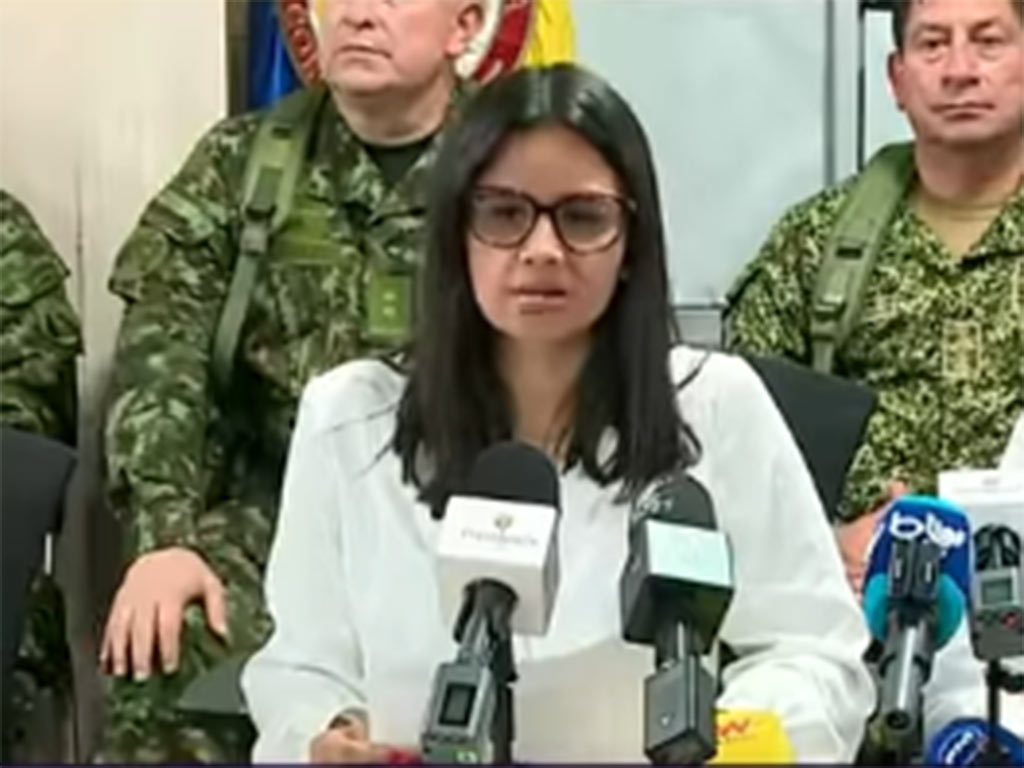
    In a significant escalation of border security measures, Colombia’s Administrative Department of the Presidency (DAPRE) has announced the deployment of 30,000 military personnel to its frontier with Venezuela. The decision emerged from high-level governmental meetings where Director Angie Rodriguez outlined a comprehensive strategy addressing both humanitarian and security concerns.

    The substantial military mobilization, described as part of a ‘comprehensive and coordinated response plan,’ will prioritize regions deemed critically vulnerable. The Armed Forces have been placed on high alert status to address potential security challenges while safeguarding national sovereignty and territorial integrity.

    Concurrently, the Colombian government is implementing preventative measures aligned with its ‘Lasting Solutions for Victims’ public policy framework. This initiative involves resource allocation and preparation of comprehensive support systems for Colombian communities affected by border region migration dynamics.

    Of particular significance is the government’s consideration of declaring an Economic Emergency to address potential impacts from regional migration patterns. Such a declaration would provide exceptional tools enabling swift and efficient response mechanisms to the evolving situation.

    The official statement concluded with expressions of unanimous support for President Gustavo Petro and firm rejection of what it characterized as unfounded accusations against the administration.

  • Atilio Boron warns of implications of US strike on Venezuela

    Atilio Boron warns of implications of US strike on Venezuela

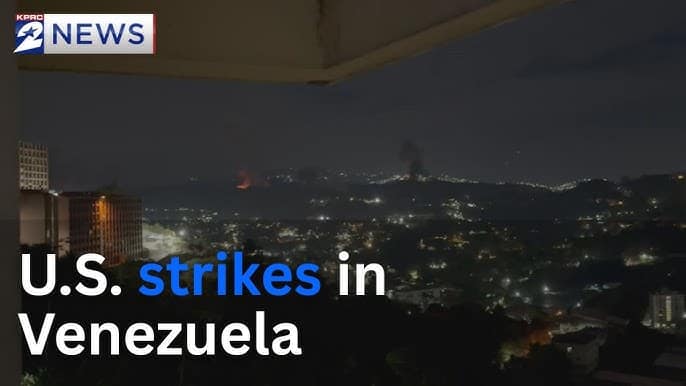
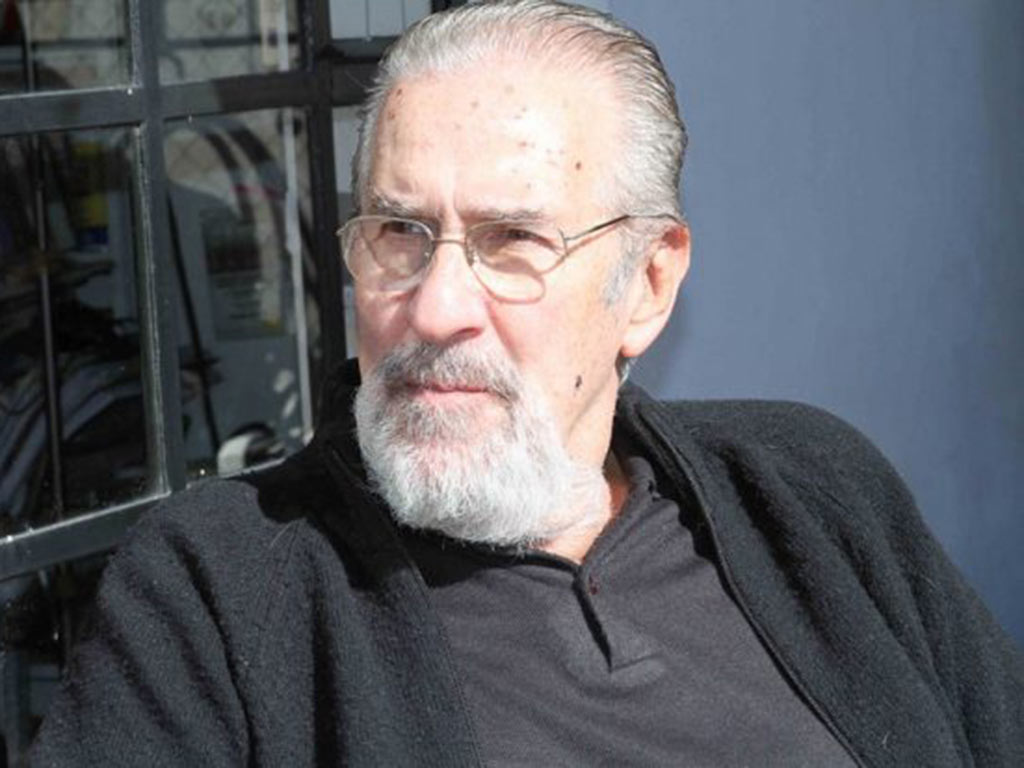
    Prominent Argentine sociologist Atilio Boron has issued a stark warning about the destabilization of international norms following recent US military actions against Venezuela. In a recent interview, Boron characterized Washington’s airstrike on Caracas as representing the definitive collapse of the post-World War II global governance framework.

    Boron emphatically stated that such actions must not be normalized, arguing that validation of unilateral military strikes could trigger dangerous geopolitical consequences extending far beyond South America. The academic specifically cautioned that the United States’ breach of international law might tacitly empower other global powers to resolve territorial disputes through force rather than diplomacy.

    To illustrate his concerns, Boron presented hypothetical scenarios where Azerbaijan might move to seize Armenian territory, or China could attempt to formally incorporate Taiwan within its national jurisdiction—actions that would previously have been constrained by international norms.

    Regarding the White House’s official justification for the military action, Boron dismissed narratives centered on drug trafficking interdiction or democracy promotion as lacking credibility. The sociologist’s analysis suggests the incident represents a fundamental shift in global power dynamics that could undermine decades of established international law and diplomatic protocols.

  • PM warns changes to citizenship programmes could hit some Caribbean states harder

    PM warns changes to citizenship programmes could hit some Caribbean states harder

    Prime Minister Gaston Browne of Antigua and Barbuda has issued a stark warning regarding international efforts to modify Citizenship by Investment Programs (CIP), cautioning that such actions could trigger severe economic destabilization across vulnerable Caribbean nations. Speaking during a recent episode of Pointe FM’s Browne and Browne Show, the Prime Minister emphasized the existential nature of these programs for certain regional economies.

    Browne delineated a critical distinction in regional dependency levels, noting that while Antigua and Barbuda utilizes CIP as one revenue stream among others, neighboring states have developed far greater reliance on these initiatives. He specifically highlighted Dominica as particularly vulnerable to external policy shocks that might restrict or abruptly terminate citizenship investment schemes.

    “For some countries, this programme isn’t merely supplementary—it’s foundational to their economic survival,” Browne stated. “The sudden disruption of these financial flows without appropriate transitional measures could effectively collapse economies that have built significant dependency on CIP revenues.”

    The Antiguan leader positioned his administration as advocating for structured reform rather than elimination, emphasizing his government’s role in promoting regional coordination to prevent what he characterized as a ‘race to the bottom’ in program standards. Browne stressed the necessity of collaborative engagement with international partners, urging them to recognize the varying degrees of economic dependence across Caribbean jurisdictions.

    His comments underscore the complex interplay between global financial regulation and developing economies, particularly highlighting how uniform approaches to policy changes might inadvertently jeopardize smaller nations with limited economic diversification.

  • “No subordination,” Mexican President responds to Trump’s threat

    “No subordination,” Mexican President responds to Trump’s threat

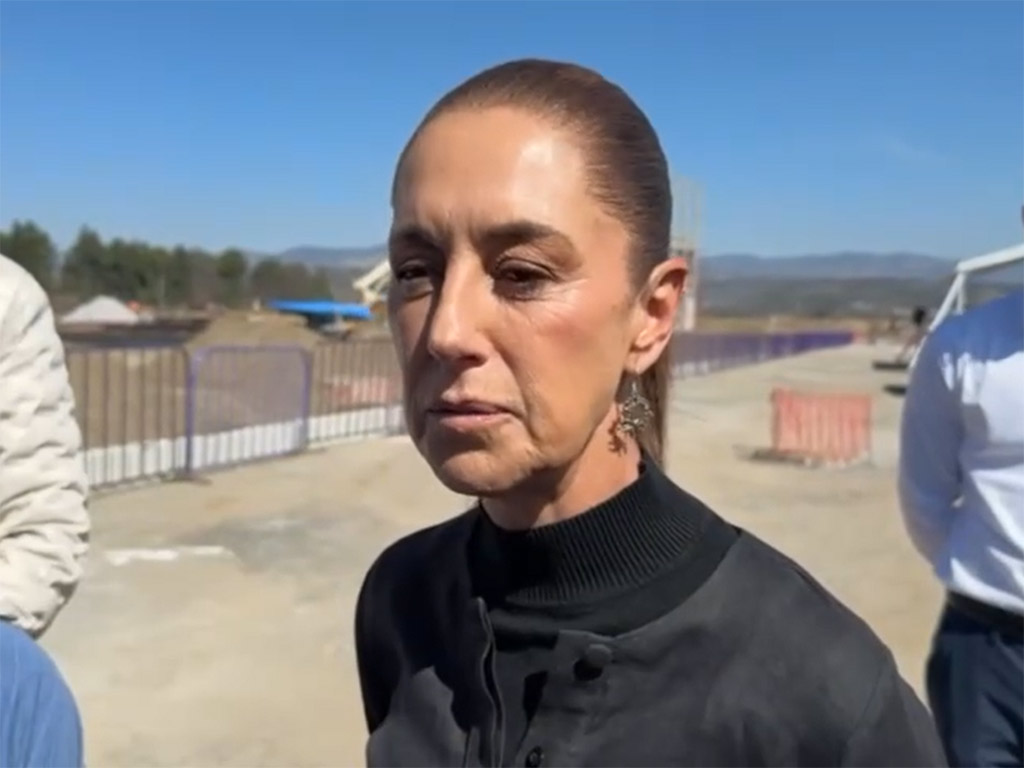
    Mexican President Claudia Sheinbaum has articulated a firm stance on her nation’s relationship with the United States, emphasizing a partnership of equals in security matters while unequivocally rejecting interventionist policies. Her statements, reported by La Jornada newspaper, come in direct response to recent aggressive rhetoric from US leadership.

    “We maintain an excellent relationship with the United States regarding security and other critical issues. There exists open communication and mutual understanding on security matters,” President Sheinbaum stated, establishing the foundation of bilateral cooperation.

    The Mexican leader drew a clear distinction in her foreign policy approach, emphasizing: “As we have consistently maintained: our collaboration is based on coordination, never subordination.” This declaration serves as a direct rebuttal to recent interventionist threats emanating from US policy circles.

    Sheinbaum’s comments follow disturbing developments in Venezuela, where military aggression resulted in the abduction of President Nicolás Maduro and First Lady Cilia Flores. In the aftermath of these events, US leadership engaged in speculation about drug cartels allegedly governing the Central American nation, further escalating tensions.

    The Mexican president expressed strong disapproval of US aggression against Venezuela, characterizing such actions as violations of international law and national sovereignty. Her administration’s position reinforces Mexico’s commitment to non-intervention principles while maintaining necessary security cooperation with northern neighbors.

    This diplomatic positioning occurs amid concerning suggestions from US officials that “something must be done with Mexico” to stem the flow of illicit substances across borders, raising concerns about potential unilateral actions that could undermine bilateral relations and regional stability.

  • Zuid-Korea en China in gesprek te midden van regionale spanningen

    Zuid-Korea en China in gesprek te midden van regionale spanningen

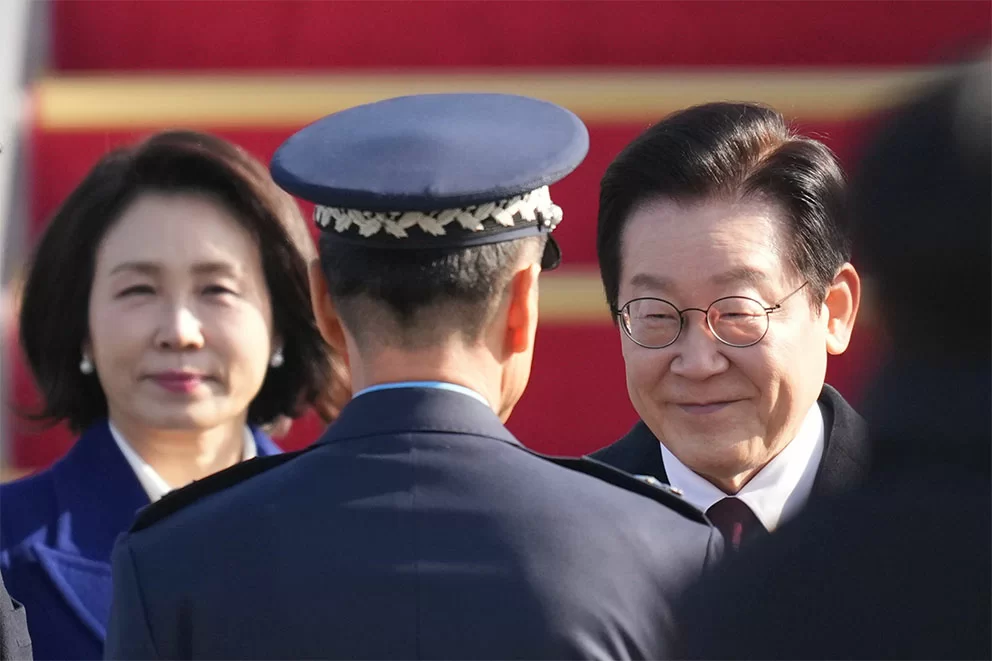
    South Korean President Lee Jae Myung arrived in Beijing on Sunday for a pivotal four-day state visit, marking his first official trip to China since assuming office in June 2025. The carefully timed diplomatic mission unfolds against a backdrop of escalating regional tensions, particularly regarding Taiwan and the Korean Peninsula.

    President Lee was greeted with full ceremonial honors upon his afternoon arrival, with plans to engage in comprehensive discussions with Chinese President Xi Jinping—their second high-level meeting within two months. In pre-departure remarks recorded at Seoul’s Blue House for China’s state broadcaster CCTV, Lee emphasized the critical importance of Sino-South Korean relations while reaffirming Seoul’s adherence to the ‘One-China’ policy regarding Taiwan. He characterized President Xi as “a genuinely reliable neighbor” and stressed that healthy bilateral relations must be founded on mutual respect.

    The visit occurs amid heightened military posturing in the region. Recent provocations include Japanese Prime Minister Sanae Takaichi’s November statement suggesting potential military intervention if China acts against Taiwan, which prompted Beijing to conduct large-scale military exercises around the island last week. Simultaneously, China’s Foreign Ministry accused Taiwan’s government of pursuing independence with U.S. support, leading to Chinese sanctions against twenty American defense companies in December.

    President Lee navigates a delicate balancing act, maintaining that South Korea’s military alliance with the United States need not deteriorate relations with China or lead to confrontation. He acknowledged that previous misunderstandings have hampered bilateral cooperation and expressed his intention to use this visit to bridge differences and elevate collaborative efforts.

    The agenda extends beyond bilateral matters to include critical discussions about North Korea’s nuclear program. Seoul and Washington have repeatedly urged China—Pyongyang’s traditional ally—to leverage its influence to bring North Korea back to negotiation tables and facilitate denuclearization. These talks gained additional urgency as North Korea test-launched multiple ballistic missiles toward the sea on Sunday, demonstrating military capabilities ahead of an upcoming party congress.

    President Lee’s schedule includes meetings with National People’s Congress Chairman Zhao Leji and Premier Li Qiang, where officials anticipate in-depth conversations on security and economic cooperation. South Korean National Security Advisor Wi Sung-lac emphasized that the administration seeks concrete outcomes that will directly benefit citizens of both nations.

    This diplomatic engagement represents South Korea’s strategic effort to carve out political space within East Asia’s complex geopolitical landscape, where tensions between major powers continue to intensify. The outcomes of these discussions may significantly influence regional power dynamics and stability in the coming months.

  • Zimbabwe joins Cuba decryig US aggression against Venezuela

    Zimbabwe joins Cuba decryig US aggression against Venezuela

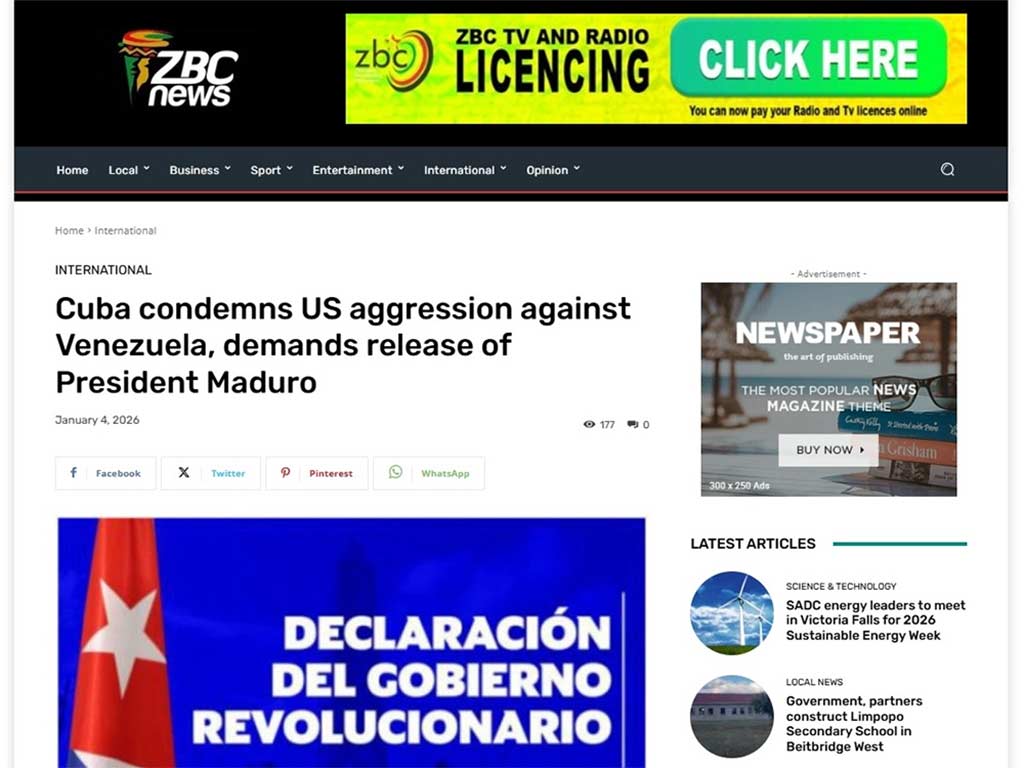
    Cuba’s state television network ZBC has broadcast an official statement from the Revolutionary Government delivering a vehement condemnation of United States actions against Venezuela. The declaration characterizes recent US naval deployments in the Caribbean Sea as criminal violations of international law and the United Nations Charter.

    The broadcast emphasized Havana’s firm support for Venezuelan Executive Vice President Delcy Rodriguez while demanding the immediate release of Venezuela’s president and first lady Cilia Flores from US custody. The Cuban government framed these developments as a significant escalation in what it describes as a sustained campaign of warfare that Washington has waged against Venezuela for years.

    According to the statement, this aggressive military mobilization since September has been conducted under what Cuban authorities deem unfounded pretenses and accusations. The Revolutionary Government accused the United States of pursuing control over Venezuela’s substantial natural resources through what it labeled ‘flagrant imperialist and fascist aggression.’

    Cuba further asserted that Washington’s objectives extend beyond resource acquisition to include the intimidation of governments throughout Latin America and the Caribbean. The statement warned that these actions directly undermine regional peace commitments, specifically referencing the Proclamation of Latin America and the Caribbean as a Zone of Peace—a document unanimously adopted by regional governments in January 2014.

    The Cuban government positioned these developments as a revival of US hegemonic ambitions rooted in the historical Monroe Doctrine, suggesting a return to interventionist policies that threaten the sovereignty of nations throughout ‘Our America.’

  • Browne says Ghanaian nurses hired to protect health system

    Browne says Ghanaian nurses hired to protect health system

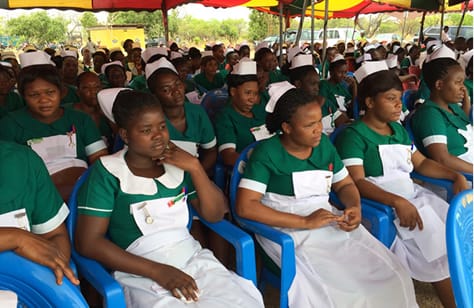
    Prime Minister Gaston Browne has revealed that Antigua and Barbuda’s recruitment of Ghanaian nursing professionals constitutes a strategic safeguard for the nation’s healthcare infrastructure. This decision emerges from mounting concerns over potential disruptions to Cuba’s medical brigade program in the Caribbean due to escalating U.S. opposition.

    During an appearance on Pointe FM’s Browne and Browne Show, the Prime Minister articulated that Washington’s increasingly adversarial stance toward Cuba’s international medical initiatives prompted this proactive measure. Rather than displacing current Cuban medical staff, this recruitment serves as an insurance policy against sudden operational voids that could emerge from geopolitical tensions.

    “The United States has demonstrated pronounced hostility toward the Cuban medical brigade,” Browne stated. “Consequently, we deemed it imperative to implement risk management strategies to cushion our healthcare system against potential fallout.”

    Browne emphasized that the government’s approach focuses on maintaining healthcare continuity, particularly if circumstances necessitate the abrupt departure of Cuban medical personnel. The administration initiated negotiations with Ghana several months ago, resulting in an imminent deployment of healthcare professionals to the twin-island nation.

    Approximately 115 nurses from Ghana are scheduled to arrive in Antigua within the coming days, marking a significant expansion of the country’s medical workforce diversification efforts. This bilateral arrangement represents both a practical response to regional geopolitical dynamics and an enhancement of Antigua and Barbuda’s healthcare resilience.

  • Statement From The Bureau Of The Conference Of Caricom Heads Of Government On Military Action In Venezuela

    Statement From The Bureau Of The Conference Of Caricom Heads Of Government On Military Action In Venezuela

    In response to recent US military operations in Venezuela, the Bureau of the Conference of Heads of Government of the Caribbean Community (CARICOM) held an emergency session on Saturday, January 3, 2026. The meeting, attended by representatives from Jamaica, Saint Kitts and Nevis, and Saint Lucia, addressed the escalating regional crisis.

    CARICOM leadership reaffirmed its unwavering commitment to established international legal frameworks and multilateral principles as outlined in the United Nations Charter. The organization emphasized the critical importance of respecting national sovereignty, territorial integrity, and fundamental human dignity in the current geopolitical climate.

    The regional body issued a strong appeal for peaceful resolution through established diplomatic channels, highlighting the necessity of preserving Venezuela’s political stability, democratic governance, and economic prosperity. CARICOM expressed particular concern for the welfare of the Venezuelan population amid the ongoing military intervention.

    In a official statement, CARICOM leadership confirmed that comprehensive measures are being implemented to safeguard the security and well-being of Caribbean citizens throughout the region. The Bureau announced it would maintain continuous assessment of the situation’s multidimensional consequences, with special attention to potential disruptions in economic operations and regional air travel networks.

    The Caribbean Community concluded by affirming its readiness to facilitate cooperative efforts aimed at peaceful conflict resolution, operating from a foundation of mutual respect and regional solidarity.

  • BLP’s Holder confirms exit from elective politics, endorses Trotman as successor

    BLP’s Holder confirms exit from elective politics, endorses Trotman as successor

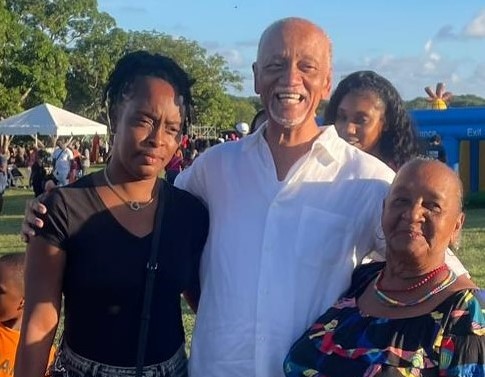
    In a significant political development, St Michael Central representative Arthur Holder has announced his departure from elective politics while publicly backing Barbados Labour Party candidate Tyra Trotman as his preferred successor. The announcement occurred during a community children’s event at the National Botanical Gardens attended by Prime Minister Mia Mottley.

    Holder, who serves as Speaker of the House of Assembly, framed his decision within a broader philosophy of leadership continuity. “Leadership does not conclude with holding office but extends through mentorship, guidance and support for those prepared to serve,” he stated, emphasizing that his dedication to community development and national service remains unwavering.

    The veteran politician expressed strong confidence in Trotman’s capabilities, praising her contemporary leadership style, vision, and comprehension of constituency challenges. “Her approach reflects a modern and grounded leadership methodology that has resonated across generations. St Michael Central requires both service continuity and innovative perspectives, and Tyra is ideally positioned to assume this responsibility,” Holder remarked.

    Trotman, an attorney-at-law, acknowledged the endorsement as both an honor and profound responsibility. “Receiving support from a distinguished public servant strengthens my determination to lead with integrity,” she responded.

    The prospective candidate unveiled a comprehensive community initiative titled ‘Hold Ferm’—an acronym representing Faith/Family, Education, Rehabilitation, and Mental Health. While acknowledging diverse spiritual perspectives, Trotman emphasized the universal need for moral grounding among youth. “Possessing a moral compass, irrespective of formal religious practice, enables improved decision-making and critical thinking,” she explained.

    Education reform constitutes a central pillar of Trotman’s platform, addressing the financial barriers that prevent many students from accessing supplemental academic support. She advocates for early intervention programs to prevent educational disparities from widening amid increasing global academic standards.

    Regarding public safety, Trotman proposed a collaborative rehabilitation model involving law enforcement engagement with individuals demonstrating at-risk behaviors before formal justice system involvement. Additionally, she plans to revitalize sports programs and address mental health stigma through community recreational initiatives that provide physical and emotional outlets for youth.

  • Trump: ‘We are ‘going to run’ Venezuela after Maduro capture

    Trump: ‘We are ‘going to run’ Venezuela after Maduro capture

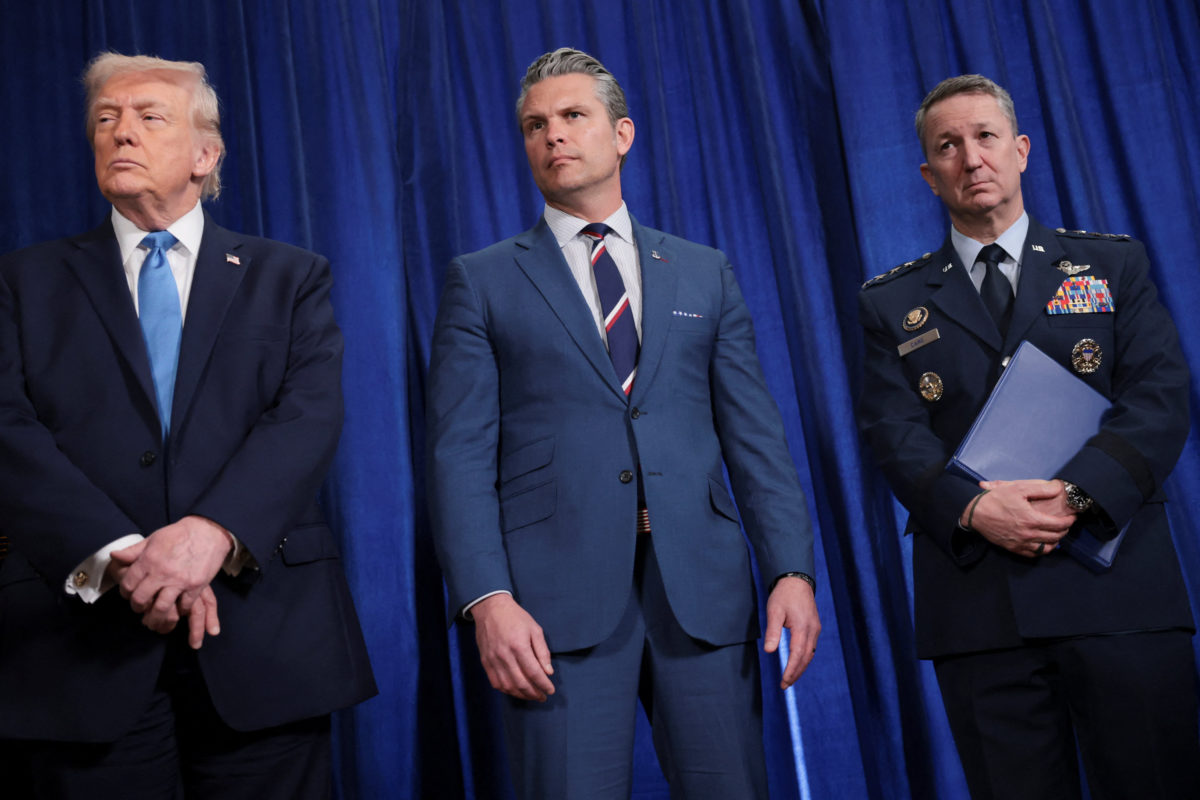
    In a bold declaration from his Mar-a-Lago resort, President Donald Trump characterized the military operation that resulted in the ousting of Venezuelan leader Nicolas Maduro as an unparalleled demonstration of American prowess. The operation, executed on Saturday, has thrust the United States into the central role of overseeing Venezuela’s political transition, though visible U.S. military presence in Caracas remains unconfirmed.

    Trump’s foreign policy, often defined by its assertive confidence, was on full display as he framed the intervention as a critical step toward installing ‘peace’ and ‘justice’ in a nation long governed by authoritarian rule. This move represents a significant pivot for a president who initially campaigned on disengaging from foreign entanglements, now committing the nation to a complex nation-building endeavor.

    However, the path forward is fraught with challenges. The administration must navigate the potential power vacuum following Maduro’s removal and address deep-seated issues of hyperinflation, crippling shortages of essential goods, and a massive brain drain that has plagued the country despite its vast oil reserves.

    The international reaction has been mixed and pointed. While allies in South Florida’s Venezuelan diaspora celebrated the operation, European leaders and U.S. adversaries expressed sharp criticism. The European Commission voiced ‘great concern,’ and France’s Foreign Minister decried the action as a violation of international law principles. Russia and China issued formal condemnations, labeling the operation an act of aggression and a breach of Venezuelan sovereignty.

    Domestically, criticism was immediate from Democratic lawmakers. Senator Ruben Gallego (D-AZ) condemned the action as an illegal act that transforms the U.S. from ‘world cop to world bully.’

    The operation culminated months of strategic pressure within the administration, led prominently by Secretary of State Marco Rubio. It followed the collapse of a proposed negotiated exit for Maduro, which the White House had rejected outright. Pentagon officials signaled that the operation should serve as a stark warning to other global adversaries about the reach of American military will under the Trump administration. The U.S. now faces the formidable task of stabilizing a fractured nation while determining its future leadership, with Trump vowing that American involvement will be professional and ultimately reimbursed by Venezuela’s substantial natural resources.