分类: politics

  • Smooth start to polling as essential workers vote in Castries

    Smooth start to polling as essential workers vote in Castries

    Critical infrastructure personnel across six electoral districts in Saint Lucia participated in special advance voting proceedings on Friday morning. The designated polling venue at the Police Training School in La Toc, Castries, accommodated essential workers from Castries East, Castries Central, Castries South, Anse La Raye, Dennery North, and Castries South East constituencies.

    Uniformed services formed a significant portion of the early electorate, with substantial representation from the Royal Saint Lucia Police Force and the Saint Lucia Fire Service. Personnel from other government agencies also joined the advanced polling exercise aimed at ensuring continuity of essential services during general elections.

    Assistant Commissioner of Police Dr. Mashama Sealy supervised the proceedings across two operational polling stations at the facility. The electoral process commenced precisely at 6:30 AM according to established schedules. In a mid-morning assessment, Dr. Sealy reported exceptionally smooth operations with efficiently moving queues.

    “The polling stations opened punctually and have maintained seamless operations since commencement,” Dr. Sealy confirmed during an interim review. “Voter throughput has been particularly rapid at one station due to a smaller registered voter allocation per poll.”

    The advanced voting proceedings concluded without significant disruptions, marked by an orderly atmosphere and minimal grievances from both electoral participants and administrative officials. The successful execution demonstrates Saint Lucia’s electoral system capacity to accommodate specialized voting arrangements while maintaining procedural integrity.

  • Skerrit points to lesson in people-centered politics after St. Vincent election upset

    Skerrit points to lesson in people-centered politics after St. Vincent election upset

    In the wake of a seismic political transformation in St. Vincent and the Grenadines, regional leaders are contemplating the fundamental nature of democratic accountability. Prime Minister Roosevelt Skerrit of Dominica delivered a profound commentary on state-owned DBS Radio, emphasizing that “politics is about people” while extending congratulations to Dr. Godwin Friday and his New Democratic Party (NDP) for their landslide electoral triumph.

    The political landscape experienced a dramatic reversal as Dr. Friday’s NDP secured 14 of the 15 parliamentary seats, conclusively ending the two-decade governance of Dr. Ralph Gonsalves and his Unity Labour Party (ULP). This decisive outcome represents not merely a change in administration but a significant recalibration of the nation’s political direction.

    Prime Minister Skerrit articulated the delicate relationship between leadership and constituency, noting, “The power rests with people. People lend us the power… If you try to believe that it’s not being used properly, to their benefit, then they withdraw it.” His remarks served as both commentary on the election results and a cautionary note to sitting politicians throughout the Caribbean region regarding the perils of becoming disconnected from their electorate.

    The Dominican leader further warned against the tendency of officials to become inaccessible once assuming office, stating, “You always have to make time for the people. The people put you there, therefore you have to live in custody. If that is not done, then the people will relieve you of the burden.”

    Simultaneously, Skerrit extended diplomatic courtesy to the outgoing administration, acknowledging Dr. Gonsalves’ “impressive impact on the region and the world” during his lengthy tenure. The prime minister expressed anticipation for continued positive bilateral relations between Dominica and St. Vincent under the new government.

    Prime Minister-designate Friday struck a conciliatory tone in his initial address, declaring an immediate public holiday and calling for national unity. “The election is behind us now and I want to see that this country comes together,” he told reporters, emphasizing his commitment to implementing the NDP’s 60-day action plan without delay.

    This political transition marks a historic moment for the Eastern Caribbean nation, with regional observers noting the demonstration of democratic maturity through peaceful power transfer. The comprehensive nature of the electoral outcome suggests a clear public mandate for the incoming administration’s policy platform and governance approach.

  • PM Mitchell congratulates PM-elect Dr Godwin Friday

    PM Mitchell congratulates PM-elect Dr Godwin Friday

    In a significant diplomatic gesture, the Government of Grenada has formally extended its congratulations to Dr. Godwin Friday following his electoral victory as Prime Minister-elect of St. Vincent and the Grenadines. The landmark triumph by Friday’s New Democratic Party (NDP) has been characterized as a pivotal moment for the nation’s democratic trajectory.

    Grenadian Prime Minister Honourable Dickon Mitchell personally commended both Dr. Friday and the NDP for their demonstrated commitment to democratic principles throughout the electoral process. Mitchell expressed strong confidence in the incoming administration’s capacity to guide St. Vincent and the Grenadines toward a future marked by substantial progress and sustainable development.

    The congratulatory message emphasized Grenada’s anticipation of collaborative engagement with the incoming Vincentian leadership. Both nations are expected to prioritize the strengthening of bilateral relations and the advancement of regional integration initiatives within the Caribbean Community (CARICOM). This cooperative framework aims to generate tangible benefits for citizens across the region through enhanced economic and political coordination.

    The transition of power signifies a new chapter in Vincentian politics and presents opportunities for refreshed diplomatic dynamics within the Eastern Caribbean. The Office of the Prime Minister of Grenada issued the statement, underscoring the importance of stable democratic transitions in maintaining regional harmony and progressive governance.

  • Girard lays his case for Anse La Raye/Canaries

    Girard lays his case for Anse La Raye/Canaries

    The Anse La Raye/Canaries constituency in Saint Lucia stands at a pivotal historical juncture as voters prepare for the December 1 General Election. Incumbent representative Wayne Girard of the Saint Lucia Labour Party (SLP) seeks to achieve what no politician has accomplished since Cyprian Lansiquot’s consecutive victories in 1997 and 2001—secure a second term in this traditionally volatile west coast district.

    The political significance of this election extends beyond individual candidates, potentially marking the first time since Lansiquot that any political party retains this seat for consecutive terms. The constituency has remained with governing parties since 1987, adding substantial weight to Girard’s reelection campaign against United Workers Party challenger Dominic Fedee, who previously held the seat from 2016 to 2021.

    At a crucial pre-election gathering on November 27, Girard presented his governance record to constituents at the Anse La Raye waterfront, emphasizing recently completed infrastructure projects including the West Coast First Station and the National Skills Development Centre Chalét youth facility. These developments, opened just days before the election, formed the cornerstone of his appeal for continued representation.

    The Minister in the Ministry of Finance, Economic Development and Youth Economy received notable political reinforcement during the event. Prime Minister Phillip J. Pierre and former MP Cyprian Lansiquot appeared alongside him, while erstwhile independent candidate Elwin St Rose unexpectedly withdrew his candidacy to deliver passionate endorsements of Girard’s leadership.

    Girard outlined an ambitious future agenda contingent on reelection, promising delivery of a new police station and completion of a sophisticated two-lane reinforced-concrete girder bridge featuring pedestrian walkways, utility ducts, and enhanced resilience against extreme weather events. He further highlighted recent athletic achievements by the Anse La Raye football team, which won promotion to Tier 1 alongside a $30,000 prize, positioning sports investment as a key community development priority.

    The sitting MP contrasted his collaborative governance approach with what he characterized as Fedee’s differing methodology, emphasizing community consultation in development planning. Girard referenced commissioned flood mitigation studies and actively solicited constituent input regarding community priorities, framing the election as a referendum on participatory development versus alternative political methodologies.

  • NDP Sweeps St. Vincent Election in 14–1 Defeat for Gonsalves

    NDP Sweeps St. Vincent Election in 14–1 Defeat for Gonsalves

    In a seismic political realignment, St. Vincent and the Grenadines has witnessed a dramatic transfer of power as the opposition New Democratic Party (NDP) achieved an overwhelming electoral triumph. Preliminary results from Thursday’s general election reveal the NDP secured 14 of the 15 parliamentary seats, effectively ending the Unity Labour Party’s 24-year governance era.

    Prime Minister Ralph Gonsalves, among the world’s longest-serving democratically elected leaders who has governed since 2001, suffered a devastating defeat with his ULP retaining just a single seat. This electoral outcome represents the most significant political transformation in the nation’s recent history and conclusively terminates Gonsalves’ pursuit of an unprecedented sixth consecutive term.

    The international community has begun responding to this democratic transition. Jamaican Prime Minister Andrew Holness formally congratulated the nation through social media platform X, commending St. Vincent and the Grenadines for conducting a ‘peaceful and democratic process.’

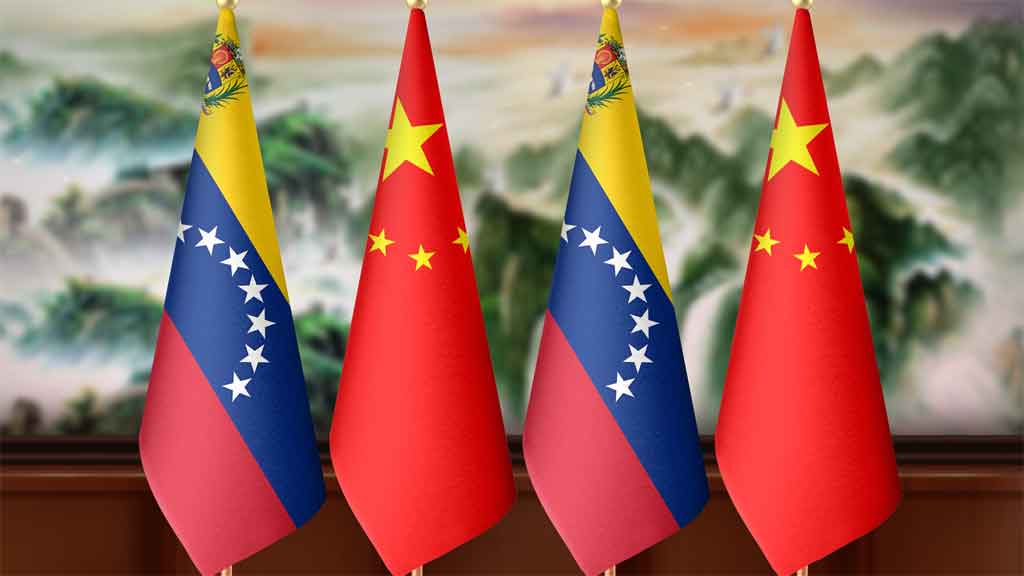
    Diplomatic attention has particularly focused on the election’s implications for Taiwan-China relations, as St. Vincent remains one of Taipei’s few enduring diplomatic partners. Taiwan’s ambassador extended congratulations to the victorious NDP, despite the party’s previous indications about potentially reevaluating foreign allegiances. The NDP’s campaign manifesto, while suggesting consideration of strengthened relations with China, stopped short of advocating complete termination of ties with Taiwan.

    This 14-1 electoral outcome marks the ULP’s poorest performance since initially assuming power more than two decades ago, signaling a profound shift in the Vincentian electorate’s political preferences and potentially heralding a new chapter in the nation’s international relationships.

  • COMMENTARY: After the Silence: Rethinking Power, Renewal, and the Future of Opposition

    COMMENTARY: After the Silence: Rethinking Power, Renewal, and the Future of Opposition

    The recent electoral outcome in St. Vincent and the Grenadines represents far more than a simple political transition—it signifies a profound national awakening. After twenty-four consecutive years in power, Prime Minister Ralph Gonsalves’ Unity Labour Party (ULP) secured merely one parliamentary seat, reflecting a decisive public mandate for change that had been developing through years of unaddressed societal evolution.

    This political transformation emerged from a growing disconnect between the governing party’s internal culture and the country’s rapidly changing needs. The electorate’s quiet dissatisfaction manifested not through dramatic protests but through subtle indicators: diminishing supporter enthusiasm, visible public fatigue, and pervasive questioning of what continued leadership under the same establishment could genuinely offer. The result constitutes a fundamental rejection of leadership rooted in historical legacy rather than contemporary awareness.

    The ULP’s decline followed a predictable pattern common to long-governing parties: diminished self-reflection, insufficient新人 cultivation, and treating governance as an extension of personal legacy rather than dynamic public partnership. This approach created an irreparable breach between leadership and citizens that no amount of political rhetoric could bridge.

    Nevertheless, this political reset contains significant potential for national renewal. The reconstruction process must begin with genuine, defensiveness-free listening—conversations in homes, markets, and community spaces focused not on recapturing power but comprehending the nation’s contemporary reality. Meaningful opposition rebuilding requires structured mentorship programs, courageous embrace of emerging voices, and evidence-based policy development addressing current lived experiences rather than historical assumptions.

    A reformed opposition must establish broad national advisory committees capable of generating substantive solutions: economic relief frameworks, community safety initiatives, youth employment pathways, and modern governance standards. Investment in organizer training, communicative clarity, and research capabilities becomes essential. Most critically, demonstrating through consistent action a commitment to transparency, intellectual honesty, and shared leadership will determine whether the opposition evolves into an institution worthy of public trust based on future vision rather than past accomplishments.

  • Ali congratulates newly-elected St Vincent Prime Minister

    Ali congratulates newly-elected St Vincent Prime Minister

    In a significant political transition for the Eastern Caribbean, St. Vincent and the Grenadines has elected Dr. Godwin Friday as its new Prime Minister following a decisive electoral victory. The New Democratic Party (NDP), under Friday’s leadership, secured a remarkable 14-1 parliamentary majority in Thursday’s general elections, effectively ending the 25-year administration of Dr. Ralph Gonsalves and his Unity Labour Party.

    Guyanese President Irfaan Ali extended official congratulations to the incoming leader on behalf of the Cooperative Republic of Guyana. In his formal statement, President Ali expressed anticipation for strengthened bilateral relations between the neighboring Caribbean nations. “I look forward to working closely with the Prime Minister-elect to deepen the bilateral cooperation between Guyana and St. Vincent and the Grenadines and to advancing regionalism,” Ali stated, emphasizing the importance of regional unity amid evolving challenges and opportunities facing the Caribbean Community (CARICOM).

    The Guyanese leader simultaneously acknowledged the contributions of outgoing Prime Minister Gonsalves, recognizing his quarter-century of service to both his nation and regional integration efforts. “His long and dedicated service to the people of St. Vincent and the Grenadines and to Caribbean regionalism have earned him respect across our Community,” President Ali remarked, noting that Gonsalves’ contributions to CARICOM’s advancement would be long remembered.

    This political shift marks one of the most significant changes in Caribbean leadership in recent decades, potentially signaling new directions in regional diplomacy and cooperation frameworks. The transition occurs as Caribbean nations navigate complex global challenges including climate vulnerability, economic transformation, and evolving international partnerships.

  • Constitutional reforms risk undermining independence – unions

    Constitutional reforms risk undermining independence – unions

    The Congress of Trade Unions and Staff Associations of Barbados (CTUSAB) has issued a stern critique of the government’s proposed constitutional amendments, expressing grave concerns about the legislative process and potential implications for institutional independence. CTUSAB General Secretary Dennis DePeiza has demanded comprehensive national consultation before Parliament proceeds with the constitutional reforms introduced by Prime Minister Mia Mottley on Tuesday.

    The proposed Constitution (Amendment) Bill contains several significant provisions, including authorization for lawmakers to elect a Speaker from outside the House of Assembly, adjustments to constituency boundaries, and permission for government ministers to address the Senate directly during legislative debates. While acknowledging the potential merit of an independent Speaker concept, DePeiza emphasized that apparent benefits alone cannot justify constitutional changes without thorough public examination.

    DePeiza characterized the current approach as concerning within Barbados’ Westminster system of governance, describing the reforms as ‘overnight changes’ implemented without adequate public ventilation and feedback mechanisms. He specifically objected to the provision allowing ministers to advocate for measures in the Senate, arguing this could improperly influence a body designed for objective deliberation.

    The trade union leader further criticized the proposal that would maintain the Prime Minister’s authority to appoint an external Speaker, asserting this arrangement fundamentally contradicts the principle of independence. Instead, DePeiza advocated for presidential authority in appointing an independent Speaker, emphasizing that such decisions must reflect national interest commitments and impartial governance standards as Barbados transitions to its new presidency.

  • Many historic elements as Friday leads NDP to 14-1 victory

    Many historic elements as Friday leads NDP to 14-1 victory

    In a dramatic political upheaval, St. Vincent and the Grenadines has elected Godwin Friday’s New Democratic Party (NDP) to power, ending the 24-year rule of Prime Minister Ralph Gonsalves’ Unity Labour Party (ULP). The NDP secured a commanding victory, capturing 14 of the 15 parliamentary seats in Thursday’s general election.

    Prime Minister-designate Friday, 66, will become the nation’s seventh head of government after his party achieved the largest electoral victory since 1989. The outcome marks a significant rejection of the ULP’s bid for an unprecedented sixth consecutive term in office.

    The election results have reduced former Prime Minister Gonsalves, CARICOM’s longest-serving head of government, to the solitary opposition lawmaker in Parliament. This represents a remarkable fall for the 79-year-old leader whose party had dominated Vincentian politics for nearly a quarter-century.

    Celebrations erupted across the nation as preliminary results circulated, with the largest gathering occurring outside NDP headquarters on Murray’s Road in Kingstown. Supporters engaged in raucous victory celebrations featuring amplified music, street dancing, horn-blowing, and fireworks throughout Thursday night.

    Among the notable victories were Laverne Gibson-Velox, who defeated Finance Minister Camillo Gonsalves in East St. George, and Shevern John, who secured North Windward. Their elections mark the first time women have entered Parliament since 2001, breaking a significant gender barrier in Vincentian politics.

    The defeat raises profound questions about the ULP’s future, particularly after the losses of both the finance minister and Agriculture Minister Saboto Caesar, who had been identified as potential future leaders of the party.

    Friday, speaking via state media shortly after midnight, struck a conciliatory tone, emphasizing national unity and immediate action on campaign promises. “The election is behind us now,” he stated, “and I want to see this country come together and we put ourselves and our backs to the wheel and quickly work to build St. Vincent and the Grenadines for all of us.”

    The prime minister-designate announced plans for a public holiday on Friday to allow citizens to recuperate from the extended campaign period while celebrating the democratic process. He is expected to be sworn in during the afternoon alongside key members of his administration.

    Regional leaders quickly extended congratulations, with Jamaican Prime Minister Andrew Holness praising the “peaceful and democratic process” and St. Lucia’s Opposition Leader Allen Chastanet noting the victory as “a testament to your perseverance, your integrity and the trust the people have placed in your leadership.”

    Political analysts noted an average 5% swing away from the ULP, continuing a trend of dwindling support observed over recent elections. The outcome provides substantial material for regional political analysis given the decisive nature of the victory and the end of one of the Caribbean’s most enduring political eras.

  • Cabinet Renews Push to Improve Public-Sector Productivity After Earlier Reform Effort

    Cabinet Renews Push to Improve Public-Sector Productivity After Earlier Reform Effort

    The national government has reinvigorated its previously stalled campaign to enhance productivity throughout the public service sector. In a decisive move, Cabinet directives have instructed permanent secretaries and departmental leaders to prioritize performance metrics and workplace standards after progress waned in recent months.

    Maurice Merchant, Director General of Communications, announced on Thursday that Cabinet demands this initiative return to the forefront of administrative priorities. He acknowledged that previous endeavors to bolster accountability and operational consistency across government agencies had unfortunately “fallen off the radar somewhat” despite initial momentum.

    While Merchant confirmed that certain ministries have demonstrated measurable improvements, Cabinet maintains that all departments must intensify their efforts. This renewed focus coincides with the government’s comprehensive evaluation of operational efficiency, service delivery mechanisms, and overall workplace conditions.

    The timing aligns strategically with the Ministry of Works conducting extensive assessments of over 400 government-owned buildings. These inspections specifically address emerging concerns regarding employee health, ventilation systems, and environmental factors directly impacting productivity.

    According to official statements, the productivity enhancement initiative is projected to gain substantial traction in the coming weeks. Cabinet plans to revisit earlier reform proposals, with further developments anticipated as the administration advances its broader modernization agenda.

    This effort constitutes a critical component of a larger governmental strategy that encompasses updating building infrastructure standards, resolving persistent ventilation issues in federal offices, and guaranteeing all public employees secure and fully functional work environments.