分类: politics

  • Young Senator Thanks His ‘Political Mother’ D. Gisele Isaac for mentorship

    Young Senator Thanks His ‘Political Mother’ D. Gisele Isaac for mentorship

    A rising star in the national legislative landscape has opened up about the transformative impact of a veteran political figure who guided his early steps in public service, calling her his ‘political mother’ in a heartfelt public acknowledgment. The first-term senator, who won his seat on a platform of generational change and community-centered policy, recently spoke at a local civic event where he took the opportunity to highlight the critical role D. Gisele Isaac played in his political emergence.

    Long before the young lawmaker launched his first campaign for city council, Isaac, a decades-long public servant with deep roots in grassroots organizing and legislative advocacy, took him under her wing. She taught him the nuances of constituent outreach, walked him through the process of drafting legislation, and instilled in him a core commitment to ethical governance that he says still defines his work today. For many in local political circles, the mentorship pairing has been an open secret, one that bridges the gap between established institutional knowledge and the new wave of political leadership pushing for systemic reform.

    In his remarks, the senator recounted early mornings spent reviewing policy proposals at Isaac’s kitchen table and late-night phone calls asking for advice when he faced his first tough electoral battles. He emphasized that mentorship in politics is far too often overlooked, noting that leaders who make space for rising talent are the ones who build sustainable, responsive political movements. “I would not be standing here today without Gisele’s patience, her honesty, and her willingness to lift up a young person who wanted to make a difference,” the senator said. “She didn’t just give me a chance—she taught me how to lead with empathy, something no textbook or campaign workshop can ever fully teach you.”

    Isaac, who has largely stepped back from frontline politics in recent years to focus on cultivating new leadership, attended the event and responded to the tribute with warm remarks of her own. She praised the senator’s commitment to his constituents and said that investing in the next generation of public servants is the most enduring legacy any political leader can leave. The tribute has resonated across political circles, sparking wider conversations about the importance of intergenerational mentorship in building more inclusive and effective governance, as more young people enter politics seeking to address long-unresolved challenges facing the country.

  • Begroting 2026 aangenomen: president Simons roept op tot nationale samenwerking en realisme

    Begroting 2026 aangenomen: president Simons roept op tot nationale samenwerking en realisme

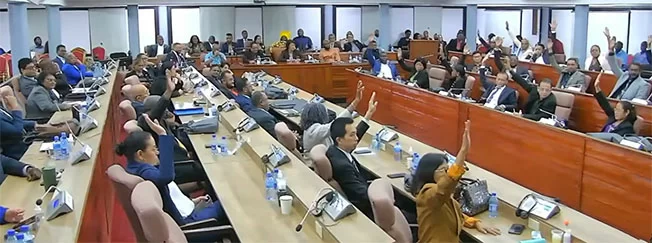
    In an overnight marathon voting session that concluded 13 days ahead of the original legislative schedule, Suriname’s National Assembly has formally passed the country’s 2026 national budget. The budget bill secured backing from 31 ruling coalition lawmakers, while all 16 members of the opposition VHP faction cast opposing votes. Four additional supplementary motions submitted during the deliberations have been scheduled for debate and voting at a later legislative session.

    Following the budget’s approval, President Jennifer Simons delivered a keynote address calling for unified collaboration between the ruling coalition and opposition parties to ready Suriname for its impending large-scale oil and gas development. Simons emphasized that the country is entering a make-or-break historical period, where partisan political differences must take a backseat to the overarching national interest.

    The president outlined that the administration has intentionally pursued a targeted economic recovery strategy that prioritizes addressing the country’s most pressing infrastructure and service backlogs first. Key priority areas outlined in the plan include the rehabilitation of aging school facilities, expanded investments in public healthcare, strengthening domestic agricultural production, and advancing long-term economic diversification away from reliance on extractive industries. “We did not make empty promises to the Surinamese people that every lingering problem would be solved within a matter of hundreds of days – that would be dishonest,” Simons stated. “What we have pledged is to take consistent, tangible steps forward every single day.”

    Simons acknowledged that Suriname still remains in a fragile macroeconomic position, but noted that recent independent international economic assessments confirm that the government’s current policy framework has restored stability to the national economy after years of volatility. Even with this progress, she warned that the national budget deficit must remain strictly contained, and cannot be allowed to grow further in the coming fiscal year.

    A central focus of Simons’ address was the government’s comprehensive preparedness plan for the expanding oil and gas sector. She announced that the administration is developing a national strategic roadmap for the industry, which will include input not only from ruling coalition parties but also opposition representatives, labor unions, and a broad range of civil society organizations. The government is also moving forward with finalizing design of the national Savings and Stabilization Fund to manage resource revenue responsibly, implementing a new local content policy to maximize domestic benefits from energy development, modernizing the national tax authority, and advancing widespread digitalization of government services to boost administrative capacity and reduce opportunities for corruption. Simons confirmed that the tender process for the broad government digitalization initiative will launch in July 2026.

    On the topic of state-owned enterprises (SOEs) and government revenue expansion, Simons confirmed that the administration will continue conducting rigorous performance reviews of all state-run entities. SOEs that face persistent structural losses or are proven to be economically unviable will either undergo deep institutional reform or be divested from public ownership. To boost government revenue, the administration is also focusing on strengthening tax collection capacity, improving collection of land rent payments, and implementing targeted regulatory reforms in the artisanal gold mining sector.

    Closing her address, Simons renewed her call for cross-party collaboration that transcends partisan divides. “I believe in Suriname,” she said. “If we pair constructive policy criticism with shared purpose and consistent collaboration, and keep taking steady steps forward every day, then in just a few years we will be able to stand together and say: we did this, we succeeded.”

  • Díaz-Canel: “It’s about, above all, saving the Revolution”

    Díaz-Canel: “It’s about, above all, saving the Revolution”

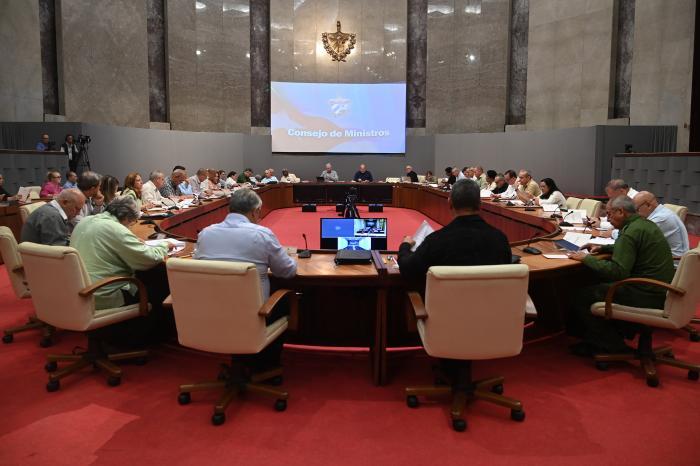
    HAVANA – July 1, 2026 – Cuba’s top governing body, the Council of Ministers, has finalized and outlined a clear implementation roadmap for the country’s long-planned economic and social reforms, with President Miguel Díaz-Canel Bermúdez framing the transformative package as a critical effort to preserve the nation’s revolutionary and socialist project amid decades of unprecedented external pressure.

    Opening the high-stakes working session, which was led by Prime Minister Manuel Marrero Cruz, Díaz-Canel – who also serves as First Secretary of the Central Committee of the Communist Party of Cuba – emphasized that the overarching goal of these reforms is to save the Revolution. “We are facing a complex dilemma that we can solve: how to give continuity to the process of socialist construction on a small Caribbean island that has suffered the longest blockade in the history of humanity by the most powerful nation in the world,” Díaz-Canel warned attendees.

    He stressed that the Cuban people must meet this defining challenge without surrender, drawing strength from ideological firmness, national unity, responsibility, courage and strategic audacity. “Today, no country in the world is more attacked than Cuba, subject to a multidimensional war, and we have the responsibility, under these conditions, not only to save it, but also to continue perfecting our process of socialist construction,” the president added.

    At the core of the reform agenda is a commitment to unlocking the country’s productive potential to generate shared wealth distributed through principles of social justice. Díaz-Canel instructed that any policy capable of unleashing productive forces must be rolled out immediately, to shift all economic actors away from the rigid operating dynamics outlined in previous economic plans. He also made leveling the playing field for all approved domestic economic actors a top priority, noting that all contributors to the reforms are aligned with Cuba’s socialist construction project and will support the country’s 2030 National Economic and Social Development Plan, the 2026 government social and economic program, and local territorial development strategies.

    Legal certainty and transparent governance were highlighted as non-negotiable foundations for successful reform implementation. “The rules for everything we are going to do must be clear; there must be transparency so that we can monitor, from both a popular and institutional perspective, everything we do,” Díaz-Canel said. He also reiterated the urgency of clear public communication: the government must explain to citizens how each reform advances socialist construction, drives economic growth, improves outcomes for vulnerable populations, and strengthens the rights of all Cubans.

    Widespread public participation is another central pillar of the rollout, the president emphasized, noting that effective reform cannot be implemented without buy-in and input from the Cuban population. “We haven’t exhausted any existing discussions; perhaps someone will propose something even better than what we’ve achieved so far, and where there’s a misunderstanding, we need to explain why and listen,” he said, calling for expanded open debate, consensus-building and adaptive thinking to navigate the extraordinarily complex domestic and global context. Closing his remarks, he urged leaders to align their approach with Fidel Castro’s foundational concept of the Cuban Revolution, stressing that success depends not just on implementing reforms, but implementing them well to deliver tangible results for the public.

    The newly approved implementation roadmap, updated following extensive national consultation, integrates feedback from 673 public and expert proposals, 79% of which have been incorporated into the final plan to strengthen the rollout process. The input was collected following plenary sessions of the Communist Party Central Committee and the National Assembly of People’s Power, as well as targeted consultations with the National Association of Economists and Accountants of Cuba and independent policy experts.

    Prime Minister Marrero Cruz outlined key immediate priorities for the state sector, including devolving new autonomy to state-owned socialist enterprises, decentralizing wholesale and retail price approval to business entities, restructuring national business management bodies, granting provincial governments greater authority to create, merge and dissolve local state-owned enterprises, relaxing rules for after-tax profit allocation, and devolving salary scale approval to individual state enterprise systems.

    For the non-state sector, a key set of reforms will cut red tape for new economic actors, speed up approval for pending non-agricultural micro, small, and medium-sized enterprises (MSMEs) and cooperatives, raise the previous limit on employee headcount to allow firms to hire more than 100 workers, permit individual entrepreneurs to own multiple private businesses, expand the range of allowed business structures, and shorten the list of prohibited economic activities for non-state operators. For the agricultural sector, a top priority is updating land management and use rules for all economic actors and relaxing marketing restrictions to boost domestic food production.

    In total, the reform agenda covers 23 critical policy areas and includes 176 distinct approved measures. The full text of the reform plan is publicly available on the official government platform (www.sovereignty.gob.cu) and the website of the Cuban Presidency (www.presidency.gob.cu). Marrero Cruz emphasized that all state bodies must update their internal work systems to dedicate sufficient time and analysis to implementation, noting that “the greatest transformation must be in our way of thinking.”

    Justice Minister Rosabel Gamón Verde noted that the reforms require adjustments to existing national regulations and the drafting of new legal frameworks, confirming that the government will accelerate the legislative process while upholding core standards of legality, democratization, public participation, and regulatory quality. Esteban Lazo Hernández, President of the National Assembly of People’s Power, added that standard legislative timelines will be significantly shortened by eliminating unnecessary procedural steps, all while remaining fully aligned with the Cuban Constitution and maintaining required public consultations.

    Beyond the reform roadmap, the Council of Ministers addressed a range of other pressing national agenda items during the session. Members reviewed an analysis of Cuban economic performance in the first half of 2026, which confirmed that the economy continues to face severe headwinds from the long-running U.S. blockade and oil embargo that disrupt all sectors of national life. The body also reviewed mid-year State Budget execution reports through the end of May, approved the final audit report for the 2025 national budget (which will be submitted to the next National Assembly session), and signed off on a plan for early job placement for higher education and mid-level technical program graduates who will complete their studies in 2027.

    The meeting also received a progress report on national efforts to prevent juvenile delinquency, expand support for minors who have come into contact with the law for criminal acts or harmful behaviors, and intensify coordinated intervention across national law enforcement bodies, central government agencies, and civil society organizations nationwide.

  • The Community Youth Network: Strategic for the Revolution

    The Community Youth Network: Strategic for the Revolution

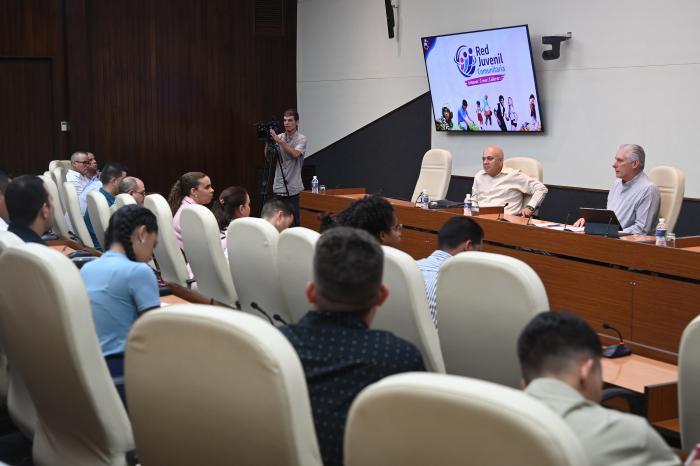
    Two months after the launch of Cuba’s ambitious Community Youth Network initiative, the country’s top leader Miguel Díaz-Canel Bermúdez — who serves as First Secretary of the Central Committee of the Communist Party of Cuba and President of the Republic — gathered with senior leaders of the Union of Young Communists (UJC) at Havana’s Palace of the Revolution for a working meeting to assess the program’s early outcomes and outline next steps for its expansion.

    The meeting brought together a cross-section of key stakeholders beyond national UJC leadership: Roberto Morales Ojeda, member of the Political Bureau and Secretary of Organization of the Communist Party Central Committee, student leaders, Havana-based UJC representatives, municipal network coordinators, and delegates from local People’s Councils all joined the discussion to share on-the-ground insights from the initiative’s rollout.

    Opening the exchange, Díaz-Canel framed the current national moment as a defining test for Cuban revolutionaries, noting, “We are living through exceptional times in the country, and rising to the challenge of these times helps us grow as revolutionaries.” He emphasized that the Community Youth Network is far more than a routine administrative task, arguing that the program’s work carries long-term strategic importance for the future of the Cuban Revolution.

    Addressing the core priorities of the initiative, Díaz-Canel reiterated the critical need to build consistent, structured support for the most vulnerable segments of Cuban society — particularly young people disconnected from formal education or employment. Rather than only providing direct aid, he stressed the importance of centering the participation of marginalized groups in designing solutions to their own challenges. To harness the untapped potential of workers currently out of employment amid the country’s ongoing economic pressures, he proposed forming specialized trade brigades that can respond directly to unmet local community needs.

    Looking ahead, Díaz-Canel noted that the current generation of Cuban youth and leaders is facing unprecedented external pressure, including sustained psychological warfare, intimidation, and threats of aggression that create unique challenges. “When we achieve victory and emerge from this moment of suffocation to which we have been subjected, we will have for life the satisfaction that we were the generations that saved the Revolution,” he said, adding that the work of young people through the network is the foundation of the revolution’s ongoing continuity.

    Meivys Estévez, First Secretary of the UJC National Committee, presented a comprehensive breakdown of the network’s early achievements two months post-launch. She outlined the seven interconnected projects that make up the initiative, which are rooted in goals of community transformation, innovation, and collective action. Early results include outreach and assistance to more than 4,000 elderly Cubans, placement of 9,000 young people into formal education or full-time employment through targeted job fairs, targeted support for more than 2,000 pregnant people, expansion of neighborhood recreational programming, and ongoing collaboration with local chapters of the Association of Combatants of the Cuban Revolution and municipal Defense Councils.

    Estévez added that the first two months of implementation have helped strengthen the capacity of youth leaders, equipping them with new skills to coordinate across institutions and build sustainable local teams to systematize the network’s work. While progress has been made in appointing municipal coordinators across the country, she acknowledged that some local People’s Councils have lagged in implementation, noting that the strongest outcomes have been delivered in areas where local authorities have prioritized deep engagement with cross-sector stakeholders.

    Political Bureau member Roberto Morales Ojeda emphasized the need for clear accountability in the network’s neighborhood outreach, calling for systematic tracking of outcomes from each community visit, clearer alignment of responsibilities across institutions, and transparent assessment of what progress has delivered tangible changes for residents.

    First introduced to national leaders in April 2026, the Community Youth Network was designed from its inception to center local context: it coordinates seven core projects while adapting to the unique needs of each municipality, and prioritizes sustained resident engagement in problem-solving rather than one-off, symbolic community events. Dahniz Díaz Pereira, First Secretary of the UJC Provincial Committee in Havana, shared insights from the capital’s rollout, stressing that youth presence in local neighborhoods must deliver lasting change rather than temporary engagement. “The important thing is that young people participate and become involved in the dynamics of their communities,” he noted.

  • Minister Wijnerman: Begroting 2026 blijft binnen financiële kaders

    Minister Wijnerman: Begroting 2026 blijft binnen financiële kaders

    As clock struck midnight on June 30, parliamentary debate on Suriname’s 2026 national budget was entering its final voting phase, with Finance and Planning Minister Adelien Wijnerman drawing a firm line against any expansion of government spending that would widen the country’s fiscal deficit. Speaking before the National Assembly ahead of the expected passage of the budget, Wijnerman emphasized that protecting the nation’s macroeconomic stability remains the top policy priority for the administration. Any adjustments to spending allocations included in the final budget proposal do not push the deficit beyond the targeted 5.1% of gross domestic product, she confirmed, and the budget was on track to be passed within minutes of the midnight deadline. The ruling coalition has formally called for its members to support the budget in the final third voting round, while the main opposition VHP party has confirmed it will not participate in the approval process. Closing off the third round of debate, President Jennifer Simons noted that the government has done everything in its power to craft a responsible budget, and called for cross-party cooperation to advance national development. Wijnerman acknowledged that line ministries across the government have put forward requests for additional funding to advance their priorities, but stressed that new spending can only be approved if it is paired with sustainable, reliable financing. Keeping inflation under control and maintaining a stable exchange rate remain non-negotiable core policy anchors for the finance ministry, she added, and most unmet requests for extra budget will be incorporated into the planning process for the 2027 fiscal cycle. Alongside finalizing the 2026 spending plan, the administration is continuing work to overhaul the country’s budget framework and implement the 2024 Accountability Act, to improve long-term fiscal governance. Wijnerman also tabled a comprehensive amendment note to the 2026 budget, which largely consists of technical, textual, and administrative adjustments to align with existing regulatory frameworks. In a key policy announcement tied to the budget, the minister revealed that the Suriname Tax Administration will ramp up fiscal audits and oversight for companies operating in the country’s fast-growing offshore oil and gas sector. As the offshore energy industry expands rapidly, the government is prioritizing strict compliance with payroll tax, income tax, and all other fiscal obligations for sector operators. To deliver on this expanded oversight, the tax authority is building specialized industry technical knowledge, increasing its audit capacity, and deepening partnerships with both domestic regulatory bodies and international agencies. The ultimate goal of this push is to ensure the Surinamese state collects all tax revenue it is legally owed from the booming sector, which forms a critical pillar of the country’s public finances. Wijnerman also noted the administration is accelerating the digital transformation of the national tax administration system. Once completed, the digital upgrade will give policymakers much clearer granular data on tax collection broken down by economic sector and taxpayer category, enabling more accurate fiscal planning and better compliance tracking.

  • Who Approved the Payments and Who Takes Responsibility for The Mira Millions?

    Who Approved the Payments and Who Takes Responsibility for The Mira Millions?

    In just over a month, what began as a criminal complaint against a political rival has erupted into a major public accountability crisis rocking Belize’s ruling government, centering on millions of dollars in questionable defense ministry payments linked to senior ruling party politician Oscar Mira.

    The controversy traces back to early June 2026, when Mira, the Area Representative for Belmopan and a junior minister in the Ministry of Defense, filed a complaint that led to the arrest of Alberto August, a prominent figure in the opposition United Democratic Party. The case was quickly dismissed by the Director of Public Prosecutions, shifting intense public scrutiny back to Mira himself. Soon after, leaked payment invoices from government digital platform Smart Stream revealed that five of Mira’s siblings had received millions in public funds from the Ministry of Defense – the department Mira assists in leading. The explosive revelations have forced the government to launch a formal independent audit, leaving the public demanding answers over who authorized the payments and who will ultimately be held accountable.

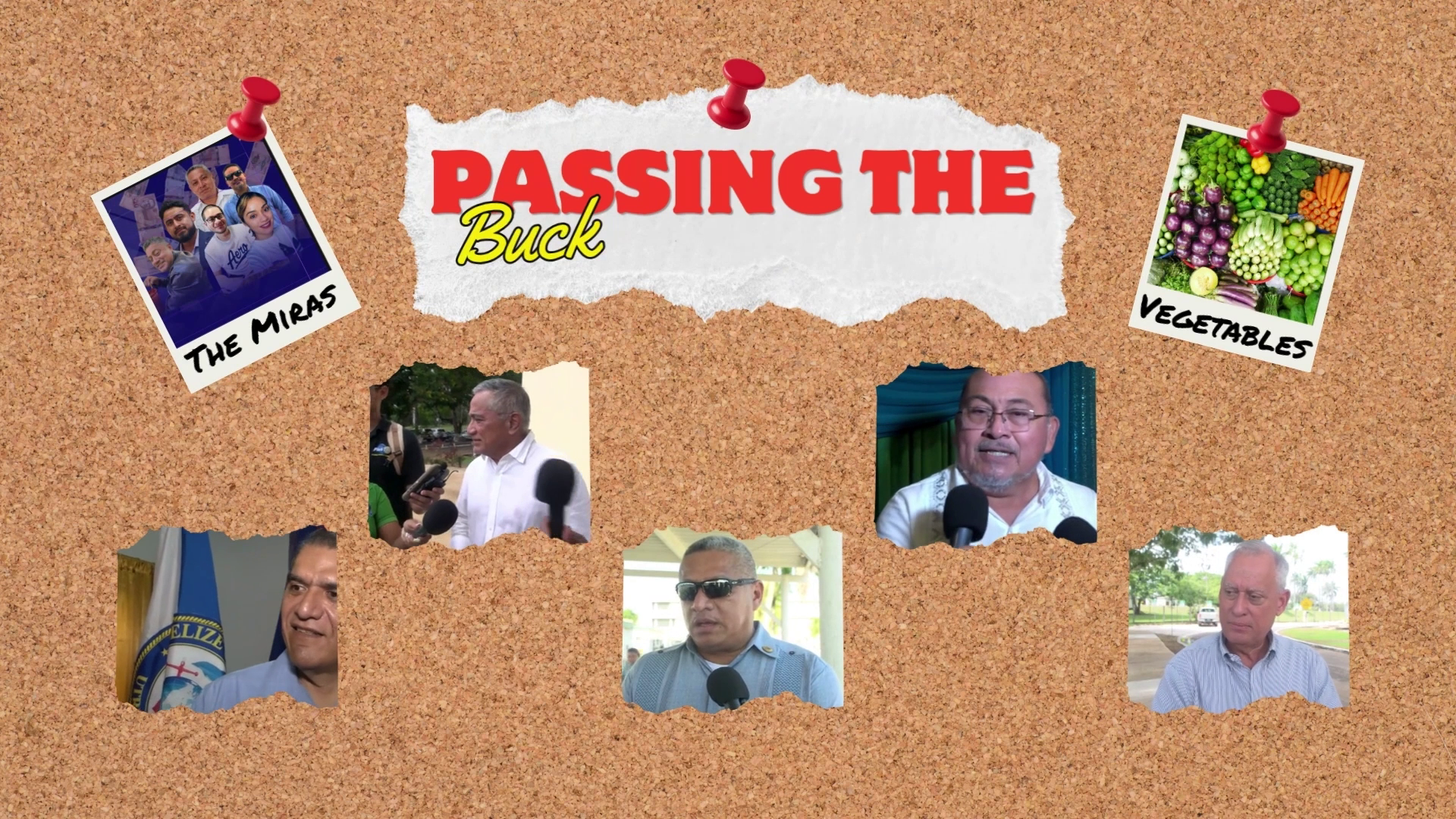
    Over the course of June, News Five investigative reporter Paul Lopez interviewed nearly all top government officials tied to the scandal, and found a consistent pattern: every senior leader has sought to deflect responsibility rather than answer for the questionable transactions. When Lopez first confronted Minister of State Mira on June 17, Mira denied any involvement in the contract award process, shifting all blame to the Ministry of Defense’s internal procurement committee. “I was not part of those committees,” Mira stated in the interview. “If they did so they did on their own, not with my influence or anything to do with me.” That committee, per Ministry of Defense Chief Executive Officer Francis Usher, includes designated representatives from the Ministry of Finance, the Belize Defence Force, the Coast Guard, and the ministry’s own Inspector General.

    Days later, following a weekly Cabinet meeting on June 23, Prime Minister John Briceño also deflected questions when pressed by reporters. When asked about a separate linked transaction for grocery bags purchased by the Prime Minister’s office from MP Farms, Briceño twice shifted blame to the Cabinet Secretary, saying “I think you need to ask the Cabinet Secretary, he is the one that looks after payments.”

    On June 25, Area Representative for Belize Rural South and Cabinet Minister Andre Perez repeatedly pushed all questions about the scandal to the upcoming independent audit, declining to comment on the allegations. Just one day later, Florencio Marin Junior, the long-serving Minister of Defense who has led the portfolio through both of the Briceño administration’s two terms, also declined to answer any direct questions about the payments. Marin also deferred all comment until the audit is complete, saying he did not want to prejudice the investigation. “Please let us have the audit finished first,” Marin stated. “Please let me defer to when I speak to the auditor general on these questions. I don’t want in anyway comment something that would prejudice this audit report. I will comment on the audit after that.”

    The only official who provided a clear breakdown of the payment process and acknowledged red flags is Financial Secretary Joseph Waight. Waight walked reporters through the step-by-step approval workflow for Smart Stream payments: a junior clerk prepares the initial invoice, the sitting financial officer – Salvador Alas at the time of the Mira payments – approves the transaction, and the Accounting Officer, who also held the CEO role at the time (retired Brigadier General Dario Tapia), reviews and authorizes the payment to confirm compliance. Waight acknowledged that the transaction raises serious red flags, saying “But sure enough it does not look good. And in my view, either somebody dropped a ball, fell asleep or worse moved together on it.”

    As the audit proceeds and the public waits for full disclosure, the core question remains unanswered: amid widespread blame-shifting across the top ranks of Belize’s government, who will ultimately take responsibility for the millions in questionable payments?

  • Mira Millions Scandal Deepens as Evidence Clears Investigation Threshold

    Mira Millions Scandal Deepens as Evidence Clears Investigation Threshold

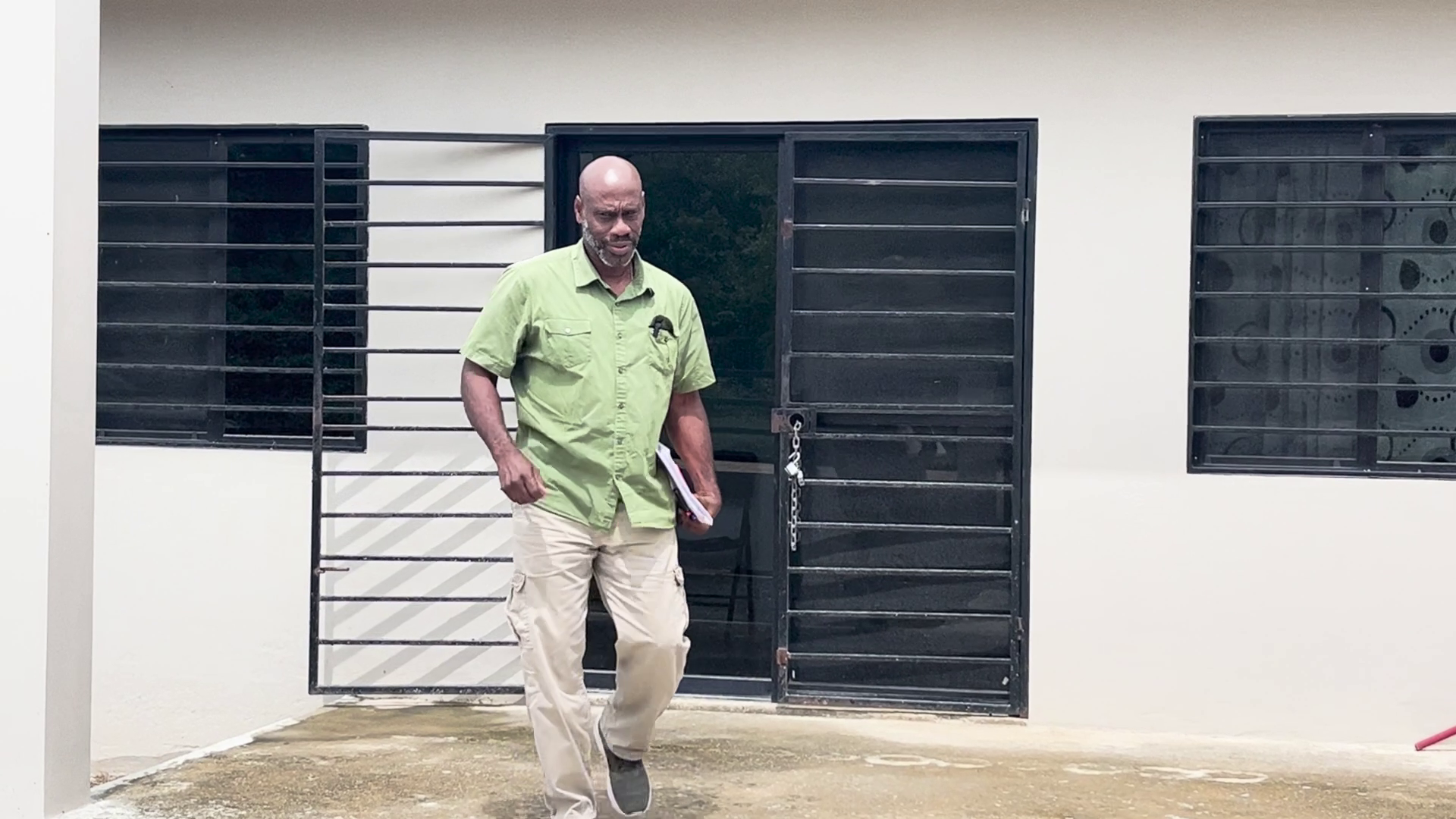
    One of the most high-stakes corruption probes in recent Belizean political history has advanced to a formal investigative phase, as the country’s Integrity Commission confirmed this week that it has cleared the evidential threshold to open an official inquiry into Belmopan Area Representative Oscar Mira.

    The development comes one week after opposition United Democratic Party (UDP) caretaker Edward Broaster lodged a formal complaint against Mira, accompanied by dozens of official invoices that allegedly show hundreds of unauthorized government payments originating from the Ministry of Defense to two entities linked to the lawmaker: Jenny Mira and MP Farms. Broaster has repeatedly pushed for a full audit of relevant bank records and government documentation to uncover any potential misuse of public funds.

    In an on-camera interview following the commission’s announcement, Broaster clarified that while the move forward represents a critical milestone for accountability, it is not a political win for any single party. “Today I received an email from the Integrity Commission confirming that they have received the complaint and within the context of the complaint they will launch an investigation into the matter,” he shared.

    When asked what the commission’s decision signaled for Belize’s governance frameworks, Broaster emphasized that it validates the country’s accountability processes. “It means the process works and given the public interest that this complaint has generated, it is only right that the public be aware that the Integrity Commission has confirmed they will act on the complaint,” he said.

    As part of the investigation’s next steps, the Integrity Commission has granted Broaster a 30-day window to submit additional supporting evidence and identify witnesses willing to testify in the probe. Broaster told reporters he views this requirement as a straightforward task, not an insurmountable challenge, citing growing public frustration with alleged corruption across government agencies.

    “If you see what transpired throughout the past three to four weeks, the amount of revelation that is being done, the public is fed up or drowning with the level of alleged corruption that is going on within various government departments. I am sure we will be able to gather more evidence and present it to the integrity commission,” he noted.

    Broaster has pushed back repeatedly against suggestions that the complaint is rooted in partisan political gain, even as he stands as the UDP’s lead figure on the case. He stressed that the inquiry is a matter of national public interest, not inter-party rivalry.

    “I am not looking at no political gamesmanship or anything of that sort. This is a national issue. This is not just a UDP issue. This is not a PUP issue. This is the Belizean taxpayer’s money being placed at risk and we need to ensure that monies from taxpayers are being spent wisely,” he said.

    As the investigation gets underway, the Integrity Commission has stressed that no finding of wrongdoing has been made against Oscar Mira at this early stage. The body’s ruling only confirms that the allegations presented are credible enough to warrant full, formal scrutiny to answer long-standing questions from the public about the use of defense ministry funds.

  • Panton Presses for Answers in Mira Contract Controversy

    Panton Presses for Answers in Mira Contract Controversy

    Nearly two years after questions first emerged about controversial public contracts awarded to entities connected to the Mira family, Belize’s political landscape is facing growing pressure over the unresolved scandal, with Opposition Leader Tracy Panton leading calls for urgent action from the nation’s top oversight bodies.

    In a public address carried on national television on June 30, 2026, Panton argued that the most troubling aspect of the unfolding controversy is not the alleged misappropriation of public funds itself, but the prolonged inaction from the very institutions mandated to safeguard public interest and enforce governmental accountability. She specifically called out four key oversight and financial bodies: the Auditor General, the Contractor General, the Financial Secretary and the Integrity Commission, demanding that these agencies launch a full, independent investigation and deliver clear answers to the Belizean public.

    Panton emphasized that ongoing public trust in Belize’s governance system hangs in the balance, noting that persistent silence from these oversight bodies only deepens public anxiety around the lack of transparency and accountability in the award and execution of the Mira-linked contracts.

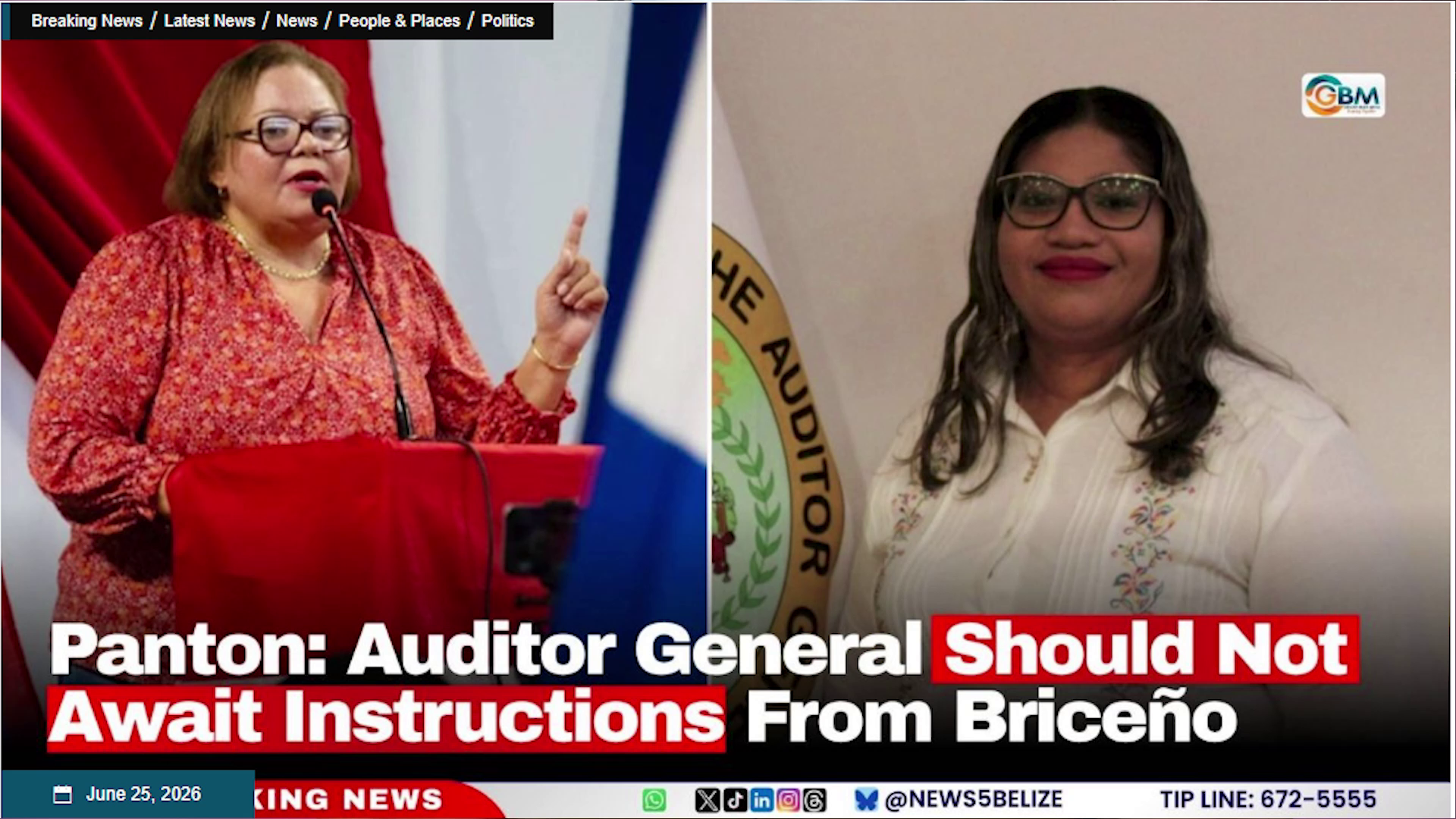
    Central to Panton’s critique is the independence of the Auditor General’s office, a body designed to operate free from political interference to audit public spending. Panton argued that the office should not require direction from the Ministry of Finance to launch an audit of such high public interest. She also called out the Financial Secretary for distancing himself from the controversy, noting that all financial officers across government ministries ultimately report directly to his office, placing him at the center of any oversight effort.

    As Panton highlighted, the total value of the questionable contracts already exceeds $10 million and continues to climb, yet no clear public accounting has been released to date. The only official step taken so far has been an instruction from the Prime Minister to the Auditor General to launch a routine audit – a move Panton says is both legally unauthorized and insufficient to get to the root of the issue.

    “What we need is not simply an audit to confirm what we already know,” Panton stated. “What we need is a forensic audit so that we can see where the systems have been delinquent or the systems have been disregarded that has allowed for this kind of pilfering from the public purse.”

    This report is adapted from a transcript of an evening television news broadcast from Panton Press, with transcribed Kriol language statements standardized to conventional spelling for clarity.

  • DPP Steps In, Orders Police to Drop Case Against August

    DPP Steps In, Orders Police to Drop Case Against August

    In a sudden twist in a high-profile political case tied to a wider government integrity investigation, the Director of Public Prosecutions (DPP) has ordered law enforcement to discontinue all criminal proceedings against prominent opposition figure Alberto August. The development comes as the country’s Integrity Commission launches a formal probe into claims brought forward by Oscar Mira, a key political figure whose most outspoken critic is August.

    Scheduled to wrap up by the evening of June 30, 2026, the termination of prosecution follows a full internal review of the case file by the DPP’s office. Beyond closing the court matter entirely, the ruling clears the legal path for all property and electronic devices seized from August during the investigative process to be returned to him immediately.

    In a first public statement following the DPP’s decision, August, former chairman of the opposition United Democratic Party (UDP), questioned the prolonged seizure of his personal devices. He confirmed he never denied making the controversial social media post that formed the basis of the initial case against him, leaving him confused over the need to confiscate and hold his phone for an extended period.
    “I am not denying making the post, so why do they need to search the phone for the post? It is not like I am denying it now and then they would have to open the phone to search to see if the text is in there,” August said. “So, I don’t know why they took it. Honestly, I don’t know why they took the phone and I don’t know why they are holding on to it for so long.”

    The case gained significant public and media traction after revelations of its direct connection to a sitting government minister, intensifying scrutiny of the legal process from the start. This news report is a full transcript of an evening television broadcast, with all comments from speakers transcribed accurately using standardized spelling for Kriol language references.

  • Integrity Commission Probe Ahead, But Oscar Mira is Too Busy Building.

    Integrity Commission Probe Ahead, But Oscar Mira is Too Busy Building.

    In the face of mounting scrutiny and an upcoming official investigation by the Integrity Commission over the so-called “Mira Millions” controversy, Oscar Mira, the elected representative for Belmopan, has made clear his priorities: continuing delivery of public development projects for his constituency rather than being distracted by allegations against him.

    Unresolved questions have lingered around the controversial “Mira Millions” affair for some time, prompting an official audit and a formal probe set to be carried out by the region’s anti-corruption Integrity Commission. Rather than pausing his official work to address the controversy head-on, Mira has opted to maintain what he frames as a “business as usual” approach to his representative duties, focusing heavily on ongoing infrastructure improvements that benefit local residents.

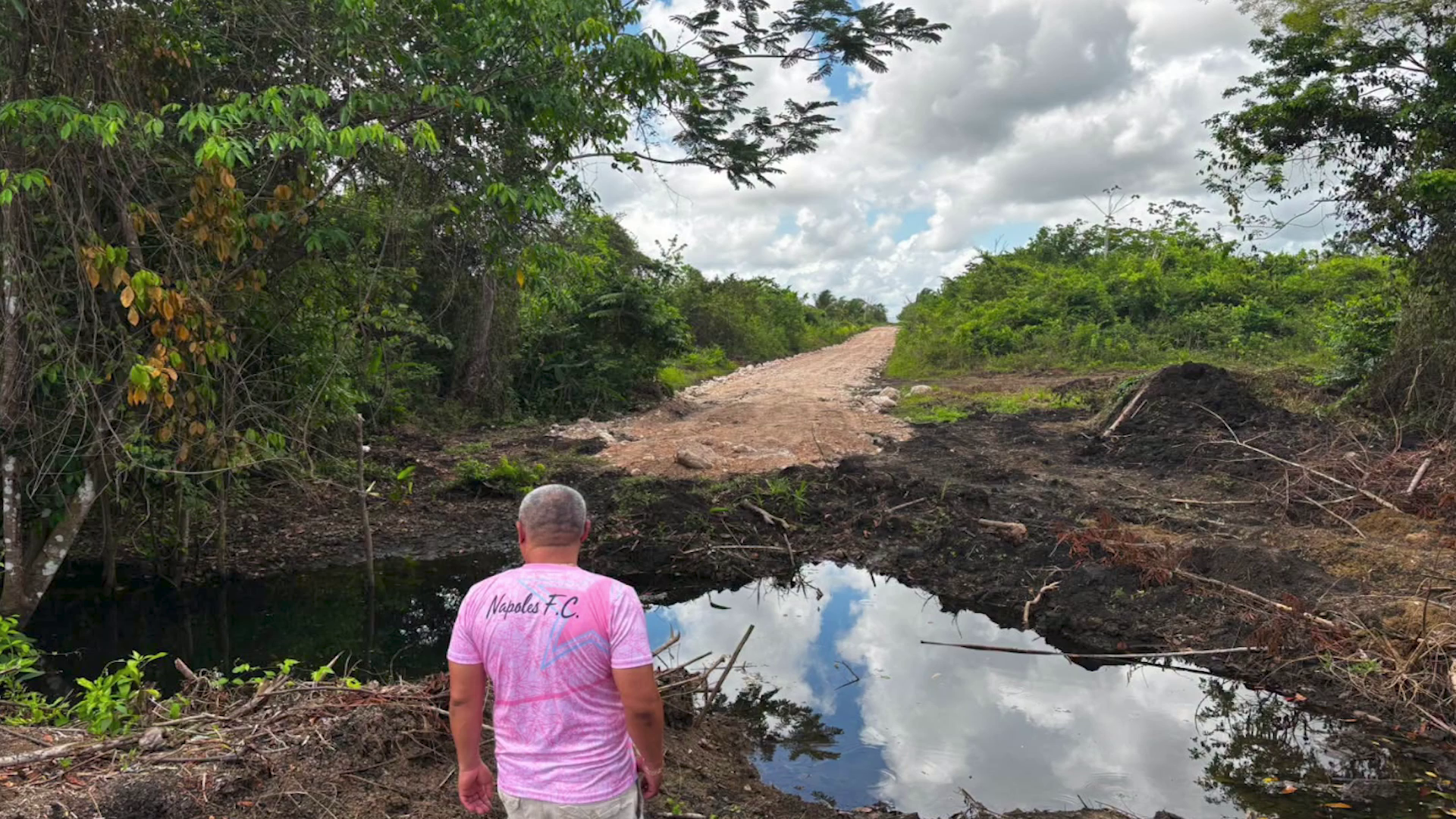
    On June 30, 2026, Mira turned to his social media channels to highlight progress on a major road expansion project in Belize’s capital city, Belmopan. The initiative is designed to improve connectivity to newly opened residential zones, making it easier for landowners to develop their properties and for residents to access the new neighborhoods. Mira noted that work on the project has been temporarily slowed by inclement weather, but once conditions improve, construction crews will return to the site to accelerate completion.

    In his public update, Mira emphasized that the ongoing probe and surrounding controversy have not disrupted progress on core development work across his constituency. The road infrastructure project, he reiterated, will soon unlock access to dozens of parcels of land that local residents have been waiting to develop, delivering tangible benefits to the community despite the growing political scrutiny he faces.