分类: politics

  • Law 47-25 on Public Procurement takes effect this Wednesday

    Law 47-25 on Public Procurement takes effect this Wednesday

    SANTO DOMINGO – A transformative legal framework for public procurement, Law 47-25, officially takes effect in the Dominican Republic this Wednesday. The legislation, promulgated by President Luis Abinader on July 28 of the previous year, completes its mandatory 180-day waiting period, marking a significant milestone in the nation’s governance and fiscal management.

    To inaugurate the law’s implementation, President Abinader will preside over a ceremony to sign the decree that approves its General Application Regulation. This crucial regulatory document outlines the specific standards, establishes clear timelines, and delineates the responsibilities necessary for the effective execution of the new legal framework across all government entities.

    The General Directorate of Public Procurement (DGCP) has characterized the new regulation as the operational engine that translates the law’s foundational principles into concrete, actionable procedures. The agency has designed a gradual, supportive implementation strategy to ensure a smooth transition. This comprehensive plan includes extensive training programs and continuous technical support from the DGCP to purchasing units within all public institutions, aiming for universal compliance and preventing any administrative lag.

    Carlos Pimentel, the Director of the DGCP, underscored the strategic value of this phased approach, stating it provides essential legal certainty and unambiguous guidance for every participant in the public procurement ecosystem.

    In a further step to cement the rollout, the DGCP is set to issue a detailed resolution this Thursday, which will articulate the subsequent institutional steps required for the law’s proper enforcement.

    Law 47-25 introduces a suite of profound reforms designed to modernize state purchasing. Key provisions include a substantial increase in the procurement budget reserved for Micro, Small, and Medium-sized Enterprises (MSMEs), particularly those owned by women, raising the mandatory allocation from 20% to 30%. The legislation also fortifies sanctions to combat corruption, institutes novel contracting modalities, and mandates the exclusive use of the Electronic Public Procurement System (SECP) to enhance transparency. Furthermore, the law innovatively integrates environmental and sustainability criteria into the government’s procurement decision-making process, aligning national spending with broader ecological goals.

  • Minister Zabaneh Engages Muslim Leaders

    Minister Zabaneh Engages Muslim Leaders

    BELIZE CITY – In a significant move toward interfaith collaboration, Belize’s Minister of Religious Affairs Dr. Louis Zabaneh convened a pivotal meeting with the nation’s Muslim leadership on Friday, January 27, 2026. The high-level discussion centered on enhancing the community’s participation in national policy formulation processes.

    Government officials and Muslim representatives engaged in substantive dialogue regarding representation mechanisms and the critical need for incorporating faith-based perspectives into governmental decision-making. Community leaders emphasized the fundamental importance of consistent consultation practices and cultivating mutual respect between religious groups and state institutions.

    The Ministry of Religious Affairs issued an official statement reaffirming its dedication to administering religious matters in a manner that honors Belize’s pluralistic society. The administration committed to developing frameworks that ensure all religious communities maintain active engagement in national affairs. The dialogue further addressed implementing enhanced transparency measures and establishing structured collaboration channels among diverse faith groups to advance societal understanding and inclusive governance.

    This meeting represents Belize’s ongoing commitment to recognizing religious diversity as a cornerstone of national identity while working to institutionalize interfaith cooperation in the country’s political landscape.

  • Minister of Infrastructure’s update of projects

    Minister of Infrastructure’s update of projects

    The Grenadian government has declared 2026 a pivotal year for national infrastructure development, with the Ministry of Infrastructure implementing a comprehensive strategy built on four foundational pillars: resilience against climate challenges, sustainability through green technologies, innovation via digital transformation, and enhanced regional connectivity.

    This strategic approach comes amid global economic uncertainty, prompting the ministry to adopt stringent cost-saving measures. Key initiatives include standardizing equipment rental rates, implementing enhanced design reviews for cost efficiency, conducting targeted contractor negotiations, and strengthening internal technical capacity to reduce reliance on external consultants.

    Several major projects face significant challenges. The Cliff Road rehabilitation project, originally contracted at $16.5 million, has experienced substantial delays due to contractor performance issues and weather complications, with completion now expected by end-Q1 2026. The Clozier Retaining Wall Project has encountered a dramatic cost escalation from $249,171 to $1.37 million due to unforeseen ground conditions, pushing its completion to May 2026.

    The Willis Road Rehabilitation Project faced setbacks following the unexpected passing of a key joint venture partner, while the Seamoon Cultural Centre reconstruction continues with anticipated Q2 2026 completion. The Snell Hall Bridge project ($1.4 million contract) progresses despite weather-related interruptions to riverbed construction work.

    New for 2026, the ministry has outlined four major road packages focusing on critical corridors including Cliff Junction to Maurice Bishop Highway and Republic Bank roundabout to Burns Point. Additionally, bridge projects at Marquis, Morne Fendue, and Mt Rich will advance with careful planning to minimize public disruption.

    The ministry’s enhanced maintenance capabilities will include a new pothole patcher truck, delayed until mid-February due to weather conditions. Concurrently, multiple police station renovations and school construction projects continue throughout Grenada, with several scheduled for Q1 and Q2 2026 completions.

  • Honduras Swears in New President

    Honduras Swears in New President

    Tegucigalpa witnessed the presidential inauguration of conservative business leader Nasry “Tito” Asfura on January 27, 2026, following one of Honduras’ most contentious electoral processes. The 67-year-old politician assumed power after securing a razor-thin victory in the November 2025 elections, which required extensive manual vote recounts due to the narrow margin.

    The electoral authorities confirmed Asfura captured just over 40% of the popular vote, narrowly defeating right-leaning centrist candidate Salvador Nasralla who obtained slightly under 39%. Rixi Moncada, representing the ruling Libre party, finished a distant third with approximately 19% support. The official results showed a winning margin of merely 0.74%, triggering a manual recount of approximately 15% of all tally sheets to verify the outcome.

    This political transition carries significant geopolitical implications as Asfura’s victory strengthens United States influence in Latin America. Then-US President Donald Trump openly endorsed Asfura during the campaign, warning Honduran voters of potential “catastrophic results” should his preferred candidate fail. In a controversial pre-election move, Trump granted clemency to former Honduran president Juan Orlando Hernández—a member of Asfura’s political party—who was serving a 45-year narcotics trafficking sentence in the United States for facilitating the smuggling of 400 tons of cocaine.

    US Secretary of State Marco Rubio formally congratulated Asfura on his electoral success, expressing Washington’s anticipation of collaborative governance with the new administration. The inauguration ceremony at the Congressional building in Tegucigalpa marks the beginning of Asfura’s four-year presidential term amidst both domestic scrutiny and international observation.

  • Parliamentary Elections Office staff to participate in retreat

    Parliamentary Elections Office staff to participate in retreat

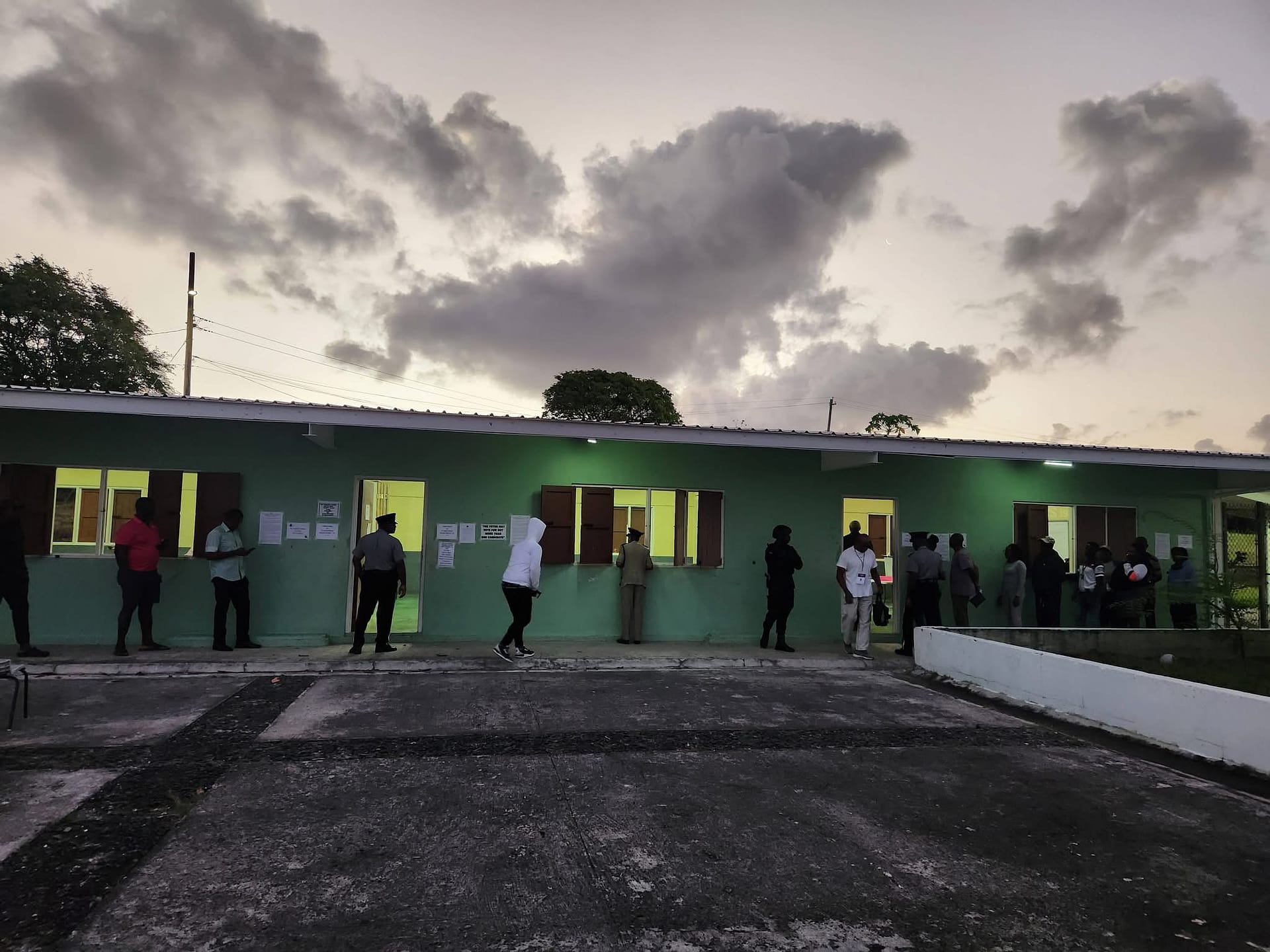
    Grenada’s electoral authorities are proactively enhancing their operational readiness amid the constitutional possibility of early general elections. The Parliamentary Elections Office (PEO) has organized a comprehensive staff retreat designed to deepen understanding of electoral legislation and improve voter service delivery.

    Supervisor of Elections Arthur Pierre emphasized the dual purpose of the retreat, which will bring together registration officers and assistant registration officers nationwide. The gathering aims to provide thorough education on the Representation of the People Act, the foundational legislation governing electoral processes, voter registration procedures, and House of Representatives elections in Grenada.

    The timing of this retreat coincides with a critical electoral calendar milestone. The sessions are scheduled for January 29, 2026, which marks the final day for submitting claims and objections to the 2025 consolidated voter list published on January 22. According to an official notice in the January 16 Government Gazette, citizens have a seven-day window from January 22-29 to request corrections regarding any errors in names, addresses, or polling divisions through their Constituency Registration Officers.

    Electoral officials are urging particular attention from citizens who registered during the October-December 2025 quarter to verify their inclusion on the published list. The notice additionally encourages public scrutiny to identify any improperly included names, ensuring list integrity.

    While Grenada’s constitution mandates general elections by October 2027 at the latest, the Prime Minister retains authority to dissolve parliament unexpectedly and call elections with just 21 days’ notice. This constitutional provision underscores the importance of maintaining continuous electoral preparedness throughout the election cycle.

  • T&T families of men slain during strikes on Venezuelan boat file unprecedented lawsuit against US gov’t

    T&T families of men slain during strikes on Venezuelan boat file unprecedented lawsuit against US gov’t

    In an unprecedented legal challenge, two families from Trinidad and Tobago have initiated federal litigation against the United States government following the fatal military strikes that claimed the lives of their relatives off the coast of Venezuela. The lawsuit, filed in a Massachusetts district court, centers on the deaths of 26-year-old Chad Joseph and 41-year-old Rishi Samaroo from Las Cuevas, Trinidad, who were killed alongside four others during an October 14th maritime operation conducted by U.S. forces.

    The plaintiffs, represented by prominent civil liberties organizations including the ACLU, Seton Hall University Law School, and the Center for Constitutional Rights, allege that the strikes form part of a systematic and legally unjustifiable campaign targeting vessels in international waters. According to court documents, this operational pattern has resulted in approximately 125 fatalities across 36 separate incidents since September 2nd, all executed without congressional authorization.

    The 23-page complaint presents a damning indictment of the administration’s conduct, characterizing the killings as ‘premeditated and intentional’ acts lacking plausible legal justification. The document specifically names President Trump and Defense Secretary Pete Hegseth, accusing them of publicly celebrating the operations through online video dissemination.

    Administration officials have defended the strikes as necessary interventions against narcotics trafficking, asserting that congressional approval was not required for such military actions. The victims’ families counter that their relatives were engaged in legitimate agricultural work—Joseph had traveled for fishing and farming purposes, while Samaroo was employed on a Venezuelan agricultural farm specializing in dairy production.

    The legal action invokes two distinct statutory frameworks: the Death on the High Seas Act, which provides recourse for wrongful maritime fatalities, and the Alien Tort Statute, enabling foreign nationals to seek redress for human rights violations in U.S. courts. Legal representatives emphasize the historic nature of the case, noting that never before has the U.S. government asserted such extensive lethal authority in international waters. The White House has declined commentary, citing the ongoing judicial proceedings.

  • WATCH: Sir Molwyn Adorned in Traditional Ghanaian Attire by Official Delegation

    WATCH: Sir Molwyn Adorned in Traditional Ghanaian Attire by Official Delegation

    A significant diplomatic gesture unfolded as Antigua and Barbuda’s Minister of Health, Wellness, and the Environment, Sir Molwyn Joseph, was ceremoniously adorned in traditional Ghanaian Kente cloth by an official delegation. The event, captured on video, highlights the strengthening bilateral ties between the Caribbean nation and the West African republic.

    The ceremony represents more than a symbolic wardrobe change; it is a profound cultural honor within Ghanaian tradition. The presentation of Kente, a handwoven silk and cotton fabric rich with symbolic patterns and colors, is reserved for dignitaries and individuals held in high esteem. Each pattern and color combination within the cloth carries specific meanings, often representing historical concepts, moral values, or social codes.

    This act serves as a cornerstone of cultural diplomacy, fostering mutual respect and understanding beyond formal political dialogue. By accepting and wearing the Kente, Sir Molwyn actively participates in a ritual that acknowledges shared heritage and a commitment to deepened cooperation. The event is widely interpreted as a step towards bolstering collaborative efforts, potentially in areas of public health, economic development, and cultural exchange, leveraging the historical connections between the African continent and the Caribbean diaspora.

    The delegation’s gesture underscores a growing trend of South-South cooperation, where nations from the Global South are actively building strategic partnerships independent of traditional Western intermediaries. This fostering of direct international relations is pivotal for smaller nations seeking to amplify their voice on the global stage and pursue collaborative development initiatives.

  • PM Signals Series of Town Hall Meetings to Improve Public Engagement

    PM Signals Series of Town Hall Meetings to Improve Public Engagement

    The administration of Antigua and Barbuda, led by Prime Minister Gaston Browne, has unveiled plans to launch an extensive series of town hall meetings aimed at strengthening governmental transparency and public dialogue. This initiative emerged during Prime Minister Browne’s recent appearance on the ‘Browne and Browne’ program broadcast by Pointe FM, where he addressed growing critiques of current policies and emphasized the necessity of direct citizen-official interaction.

    While specific operational details including dates, venues, and a comprehensive schedule remain undisclosed, the Prime Minister characterized these forthcoming sessions as crucial components of the government’s enhanced public outreach strategy. Browne articulated that these forums would serve dual purposes: enabling residents to receive firsthand information about governmental operations while simultaneously providing a platform to voice community concerns and inquiries.

    The announcement positions these town halls as integral to the administration’s methodology for advancing significant policy reforms and development projects. Browne underscored that maintaining open channels of communication is particularly vital during periods of substantial governmental initiative. The administration has committed to releasing further particulars regarding the town hall series in subsequent announcements, indicating a structured approach to implementing this participatory democratic exercise.

  • PM Mottley invites CARICOM, Commonwealth observers to monitor poll

    PM Mottley invites CARICOM, Commonwealth observers to monitor poll

    In a landmark decision aimed at preserving electoral transparency, Barbadian Prime Minister Mia Mottley has formally invited international observers to monitor the nation’s February 11 general elections. The unprecedented move comes amid mounting concerns regarding electoral preparedness and voter list integrity raised by opposition parties.

    Addressing journalists after submitting her nomination papers for the St Michael North East constituency, Prime Minister Mottley emphasized her administration’s commitment to protecting Barbados’ democratic reputation. “We spend our time trying to protect the reputation of this nation,” Mottley stated, “and I’m not going to, under any circumstances, agree that it should be sullied.”

    The Prime Minister revealed she had personally contacted both the CARICOM Secretary-General and the Commonwealth Secretary-General to request electoral monitoring missions. While acknowledging the unusual timing of the request, Mottley explained that previous elections hadn’t required such measures due to what she described as “sober maturity” exhibited by all political stakeholders.

    Official correspondence has been dispatched to Lieutenant Colonel Jeffrey Bostic, President of Barbados, and Electoral and Boundaries Commission Chairman Ramon Alleyne for dissemination to all commission members. The commission currently includes three representatives from Mottley’s Barbados Labour Party and two from the opposition Democratic Labour Party.

    Mottley clarified that neither her office nor opposition leadership holds direct authority over election administration, which remains constitutionally vested in the independent Electoral and Boundaries Commission. “If there is any doubt or suspicion being cast,” the Prime Minister asserted, “let the independent observers cast a judgment on the conduct of elections in this country.”

    This intervention represents a proactive measure to ensure electoral credibility amid growing political tensions, with Mottley characterizing the decision as “an unfortunate moment, but a necessary moment to protect the integrity and good name of this country.”

  • DLP’s Marshall secures St Philip South nomination with “quiet confidence”

    DLP’s Marshall secures St Philip South nomination with “quiet confidence”

    In a subdued political ceremony devoid of traditional fanfare, Democratic Labour Party candidate Neil Marshall formally submitted his nomination for the St Philip South constituency on Thursday morning. The nomination process, administered by Returning Officer Karan Callender and Election Clerk Jacquiline Trotman, commenced at 11 a.m. and concluded approximately 55 minutes later, marking Marshall’s second consecutive bid for the parliamentary seat.

    Distinguishing his approach from the typical carnival-like atmosphere that characterizes Barbadian political nominations, Marshall emphasized his commitment to substantive representation over theatrical politics. ‘This is a serious exercise, serious business, and I don’t make light of it,’ Marshall stated, articulating his conviction that constituents prioritize genuine engagement over political ‘razzmatazz.’

    As a resident of the constituency himself, Marshall claims intimate familiarity with the pressing issues facing the community. He identified three primary concerns dominating voter priorities: the escalating cost of living, rising crime rates, and deteriorating road infrastructure. His campaign platform centers on addressing these concrete problems rather than employing spectacle-driven politics.

    The nomination process in St Philip South anticipates two additional candidates: John Wayne Scantlebury representing the Bajan Free Party and Omar Smith from Friends of Democracy, both expected to complete their filings imminently. This sets the stage for a multi-party contest in the upcoming elections, with Marshall positioning himself as the serious, community-rooted alternative to incumbent Indar Weir.