分类: politics

  • BCCI Tells PM: ‘Fix the System’ Before the Next ‘Mira Millions’ Happens

    BCCI Tells PM: ‘Fix the System’ Before the Next ‘Mira Millions’ Happens

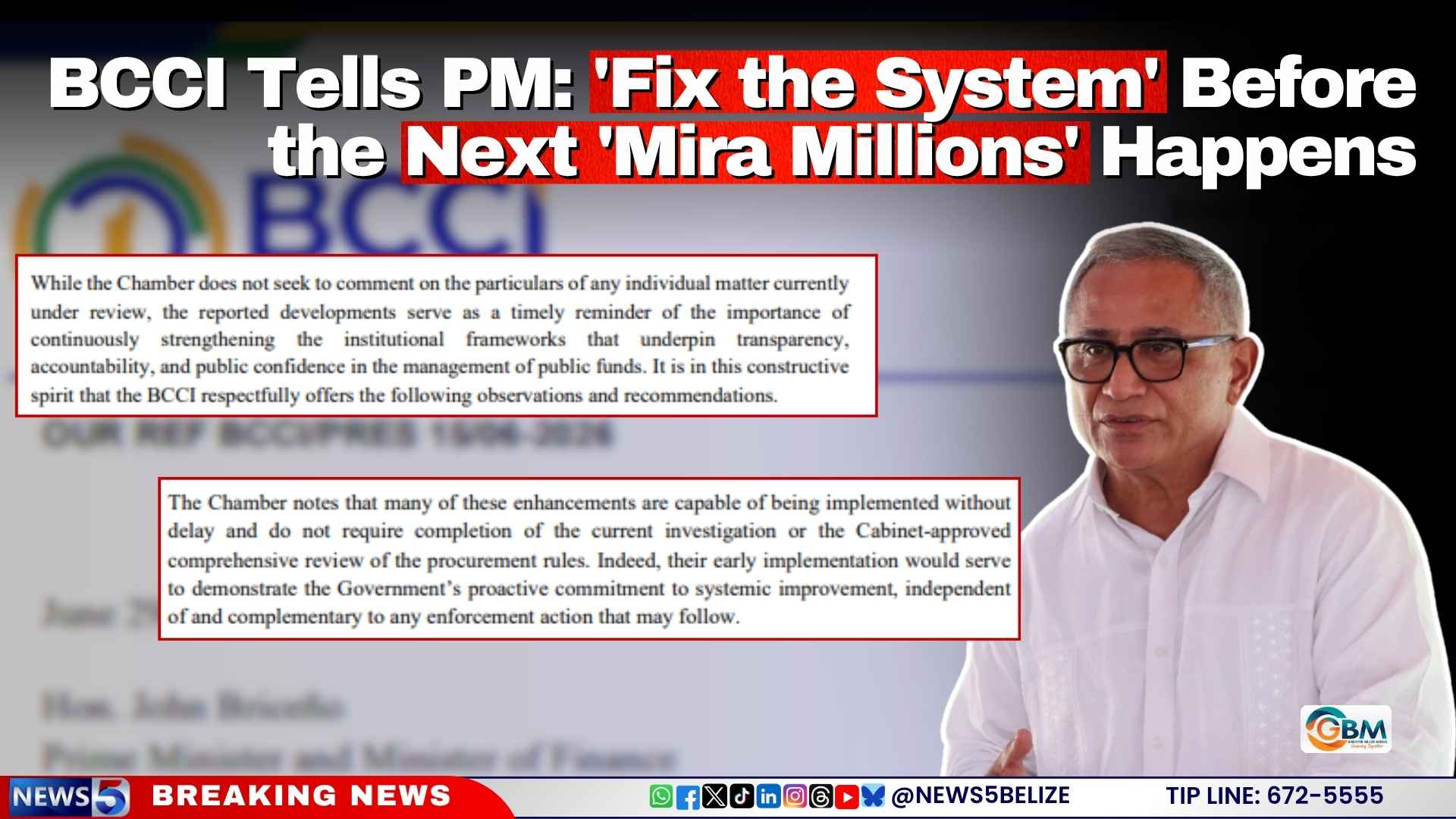
    As the Briceño administration grapples with growing public scrutiny over the ‘Mira Millions’ procurement irregularities scandal, Belize’s leading business advocacy body has stepped forward with a concrete 10-point reform blueprint, calling on Prime Minister John Briceño to enact structural changes to the country’s public financial management systems before another high-profile scandal can emerge.

    In an official letter dated June 29, 2026 addressed directly to the prime minister, BCCI President Giacomo Sanchez acknowledged the government’s move to launch a formal investigation into the ongoing controversy, framing that step as a visible demonstration of the administration’s commitment to accountability. However, Sanchez emphasized that the uncovered irregularities are more than an isolated incident: they serve as a urgent wake-up call that Belize’s existing financial oversight framework requires more than post-hoc enforcement – it needs foundational, systemic reform.

    At the top of the Chamber’s priority recommendations is an overhaul of the government’s current SmartStream accounting platform. If a full replacement is not immediately feasible, the BCCI proposes adding a complementary automated monitoring and compliance system that would flag irregularities before transactions are finalized, rather than only identifying misconduct after public funds have already been misallocated or misused.

    The 10-point reform plan lays out a series of specific, actionable safeguards to strengthen financial oversight. These include daily transaction limits for individual suppliers to cap the number of invoices that can be processed for a single vendor per business day, built-in automated anomaly detection to flag out-of-pattern cumulative payments, native duplicate payment tracking, and a mandatory maker-checker approval protocol that requires a second, independent public officer to sign off on all payments exceeding a pre-set threshold.

    Additional measures laid out in the proposal include requirements for immutable, comprehensive audit trails for all financial transactions, role-based access controls to restrict system access to authorized personnel only, and mandatory periodic independent third-party assessments of all government financial management systems.

    The BCCI stressed that most of these proposed improvements do not need to wait for the conclusion of the ongoing Mira Millions investigation or the completion of a Cabinet-approved comprehensive review of national procurement rules. “Many of these enhancements are capable of being implemented without delay,” the organization noted, making clear that reform can begin immediately to close existing oversight gaps.

    In a key statement reinforcing the need for structural change, the Chamber reminded Prime Minister Briceño that strong public governance cannot be achieved through new legislation alone. Instead, lasting accountability relies on robust, independent institutions, modern, securely designed financial systems, and a widespread culture of accountability embedded at every level of public administration.

    Shortly after the BCCI delivered its reform proposal, the prime minister addressed reporters on Wednesday, confirming that a large-scale overhaul of the government’s procurement system is already in progress, separate from the ongoing Mira Millions investigation. Briceño told reporters that his Cabinet will soon review plans for a new Central Procurement Unit, developed in collaboration with the Inter-American Development Bank.

    Under the new framework, the unit will manage all government procurement through a centralized electronic portal, which every government ministry will be legally required to use for all purchases – including small-value acquisitions under $10,000, which have often fallen outside centralized oversight in the past.

    “ There has to be openness and transparency and accountability. I think that that’s going to transform things,” Briceño said of the planned reform.

    The new portal will also host a centralized registry of pre-qualified vendors, allowing ministries to source goods and services directly from approved suppliers at pre-negotiated government discounted rates. Briceño explained that the centralized system will eliminate the fragmented, siloed purchasing practices currently used across separate ministries, allowing the government to access volume discounts it has not been able to secure under the current fragmented structure.

    The prime minister added that the new system will include three independent layers of oversight: a rule-setting committee to establish framework for procurement, a compliance monitoring committee to track adherence to rules, and a dedicated independent audit committee to review processes after transactions are completed.

    Briceño framed the reform as “a game changer in the way government procures its goods and services”, noting that it will also enforce a requirement that at least 20% of all government goods and services are sourced from local micro and small enterprises, supporting small business growth across Belize.

    The prime minister reiterated that the planned procurement overhaul “has nothing to do” with the ongoing investigation into the Mira Millions controversy, framing it as a long-planned improvement to public financial management.
  • Voter ID card issuance set to begin by end of July, says Skerrit

    Voter ID card issuance set to begin by end of July, says Skerrit

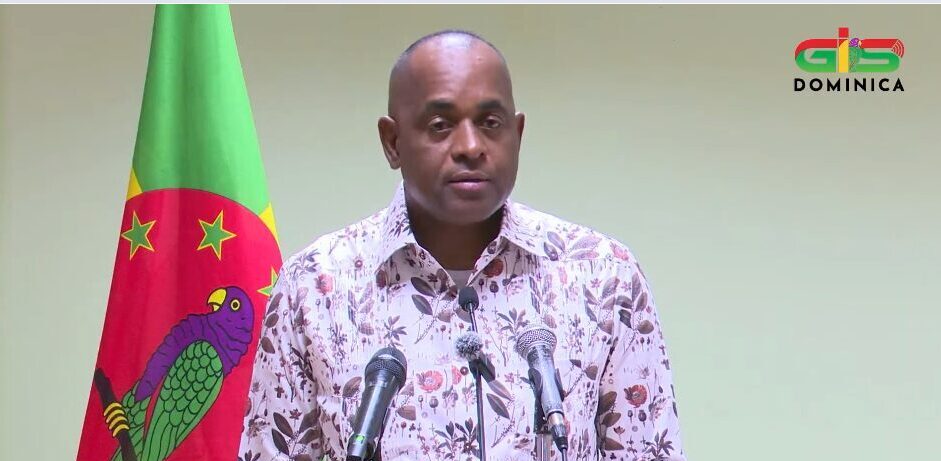
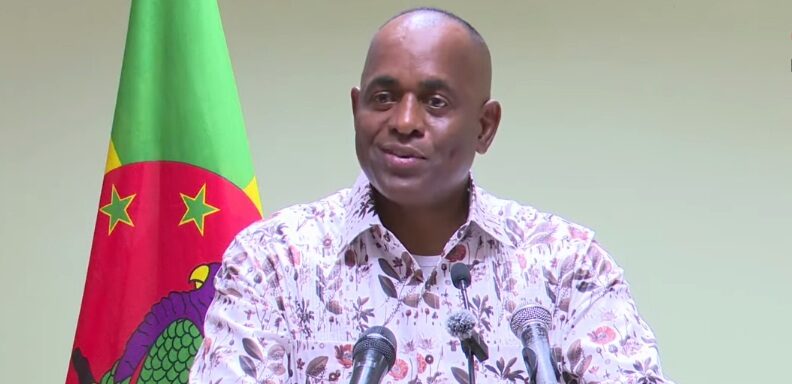
    The Caribbean nation of Dominica is on track to begin distributing official voter identification cards before July draws to a close, Prime Minister Roosevelt Skerrit confirmed during a press briefing with reporters Thursday.

    The rollout marks a critical turning point for the country’s multi-year electoral modernization initiative, Skerrit explained, shifting the process from legislative drafting to tangible on-the-ground implementation. For years, the government has held extensive consultations with a broad range of stakeholders: national political parties, domestic civil society groups, and regional and international electoral experts, to craft a framework to update Dominica’s voting system. That work culminated in unanimous parliamentary approval of new electoral reform legislation, and the administration is now delivering on the policy commitments laid out in that bill.

    “Voter ID issuance starting before the end of this month is another important milestone for our reform process,” Skerrit told journalists. This progress comes amid sustained public pushback from critics, including Gregor Nassief, owner of Secret Bay resort, and the Dominica Business Forum, both of which have questioned the Electoral Reform Commission’s capacity to independently and effectively oversee the full rollout of reform measures.

    Despite the criticism, Skerrit affirmed that the process is moving forward on schedule. He noted that the ruling Dominica Labour Party has already launched outreach to its supporters, urging them to participate in the ongoing voter confirmation process that precedes ID distribution. The prime minister stressed that protecting and strengthening the country’s democratic institutions is not the responsibility of any single political group, calling on all parties, civic associations, and community organizations to join the effort to drive up participation.

    “I again encourage every eligible Dominican who has not yet finished their voter confirmation to complete the process without delay,” Skerrit said. “This is a collective duty and responsibility for all of us.” He added that actions taken outside the official structured reform process cannot contribute to meaningful democratic strengthening, noting that the entire initiative is designed explicitly to reinforce the integrity of Dominica’s electoral system for all citizens.

  • STATEMENT: CARICOM people continue to meet adversity with courage, new Chair says on CARICOM Day 2026

    STATEMENT: CARICOM people continue to meet adversity with courage, new Chair says on CARICOM Day 2026

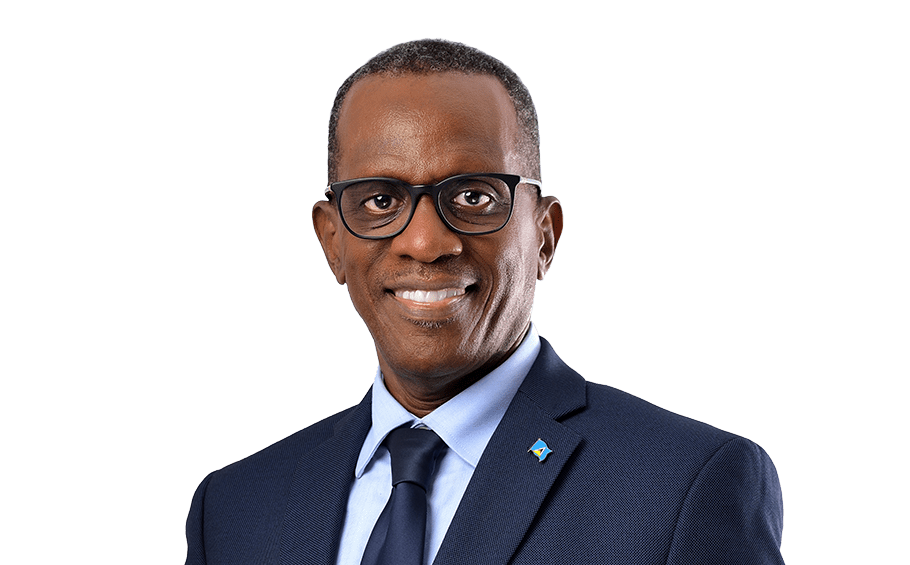
    On July 3, 2026, ahead of CARICOM Day celebrations marking the 53rd anniversary of the Caribbean Community, newly appointed Chairman Philip J. Pierre—who also serves as Prime Minister of Saint Lucia—addressed regional citizens from the CARICOM Secretariat headquarters in Turkeyen, Greater Georgetown, Guyana, laying out a bold vision for the bloc’s future amid a cascade of interconnected global challenges.

    The Caribbean region currently navigates an increasingly volatile global landscape defined by intensifying climate change impacts, persistent economic volatility, widespread food and energy security gaps, growing security threats, and a pressing demand to expand economic and social opportunities for youth. Despite these overlapping headwinds, Pierre emphasized that Caribbean people have repeatedly demonstrated extraordinary resilience, creativity, and courage in the face of adversity, traits that form the foundation of the community’s strength.

    Established 53 years ago, CARICOM has never been merely a bureaucratic intergovernmental institution, Pierre noted. Instead, it represents a core promise to the people of the region’s small island and coastal states: that collective action and shared purpose allow Caribbean nations to achieve far more than they could ever manage in isolation. When unified, the region’s people, distinct cultures, interconnected economies, and shared aspirations all grow stronger, he added.

    Against this backdrop, Pierre identified intentional, targeted renewal as the bloc’s top priority moving forward. The overarching goal of this renewal effort is to build a Caribbean Community that is stronger, more equitable, safer, and more prosperous—one that delivers tangible, tangible opportunities and measurable, meaningful progress to every community across the region.

    To deliver on this vision, Pierre outlined key priorities for the coming term: deepening ongoing regional integration efforts, upgrading regional transportation infrastructure and cross-border connectivity, shoring up long-term food and nutrition security, advancing implementation of the CARICOM Single Market and Economy to unlock greater trade and labor mobility, accelerating widespread digital transformation across the bloc, fostering a culture of local innovation, and ensuring that every regional citizen can experience the tangible benefits of CARICOM membership in their daily lives.

    In a special appeal to the next generation, Pierre called on Caribbean young people to step into roles as leaders, innovators, and builders of the community’s future. “Our future will be shaped by your ideas, your creativity, your energy, and your belief in what we can achieve together,” he told youth across the region.

    Closing his anniversary message, Pierre urged all Caribbean citizens to reaffirm their commitment to CARICOM’s founding ideals: cross-border cooperation, collective solidarity, shared sustainable development, and unwavering respect for the dignity of every Caribbean person. He closed by extending well wishes to all regional citizens, calling for continued collaborative work to build a unified, resilient, inclusive, and future-ready community that works for every one of its members.

  • CARICOM’s advancement must be driven by collective action, Secretary-General says on 53rd Anniversary

    CARICOM’s advancement must be driven by collective action, Secretary-General says on 53rd Anniversary

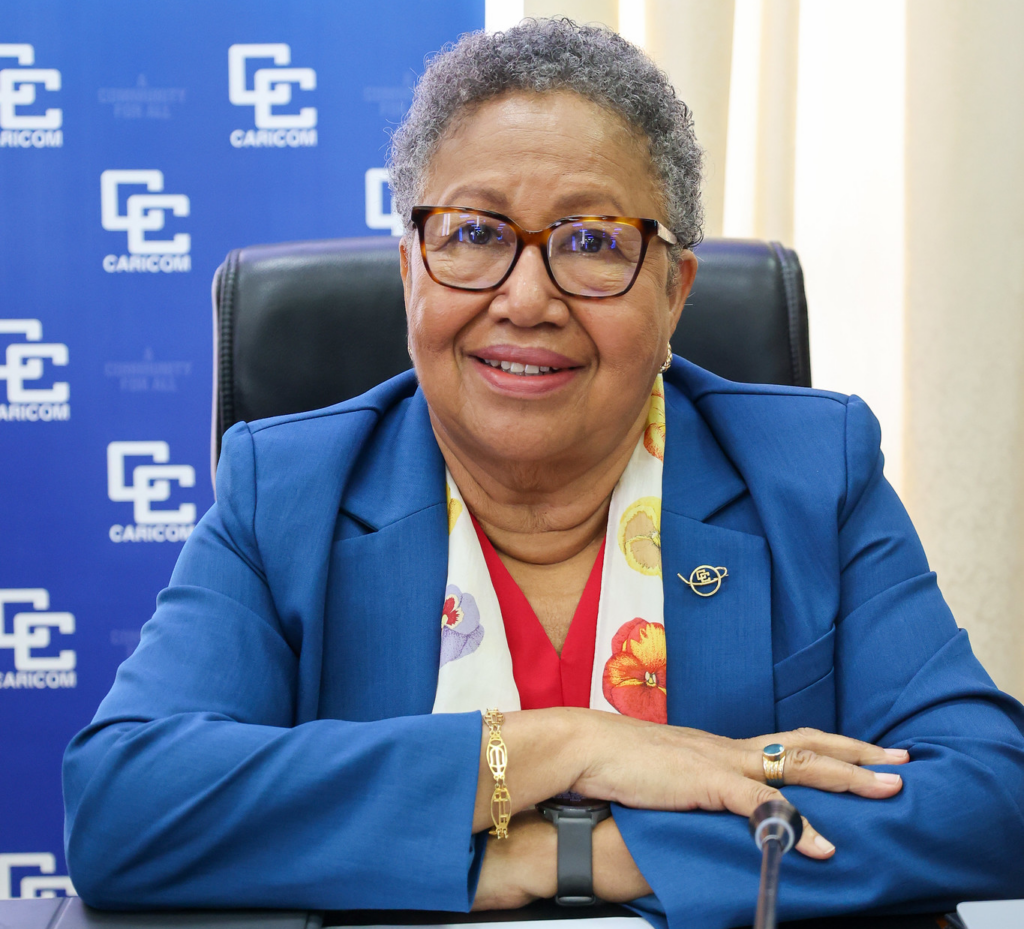
    As the Caribbean Community (CARICOM) observes its 53rd anniversary of the signing of the Treaty of Chaguaramas this CARICOM Day 2026, Secretary-General Dr. Carla Barnett has delivered a keynote message reaffirming the bloc’s unwavering commitment to advancing regional integration through collaborative effort, even in the face of mounting challenges that threaten decades of hard-won progress.

    Founded in 1973 when regional leaders gathered to sign the foundational Treaty of Chaguaramas (later revised in 2001 to launch a single market and economy), CARICOM has grown into one of the developing world’s most successful regional integration projects. Today, the bloc counts 15 full Member States and six Associate Members, representing a combined population of roughly 16 million people—60 percent of whom are under the age of 30. Its work is structured around four core pillars: economic integration, coordinated foreign policy, human and social development, and cross-border security cooperation, with its central administrative body, the CARICOM Secretariat, based in Georgetown, Guyana.

    In her anniversary address, Barnett framed CARICOM from its inception as a powerful collective declaration of the Caribbean region’s right to shape its own independent destiny. Over more than five decades, she noted, intentional collaboration and mutual support across member states have delivered tangible results: deepened regional economic partnerships, and a greatly amplified voice for small island Caribbean nations on pressing global issues that directly impact their populations.

    Barnett detailed the breadth of progress the bloc has driven across sectors critical to public well-being, from bolstering regional security frameworks and emergency response systems to accelerating coordinated action on climate change, improving public health outcomes and expanding educational access across the region. Working alongside national implementation bodies in each member state, CARICOM’s governing bodies, the Secretariat, and its specialized institutions have built the regulatory frameworks, protective safeguards, and targeted initiatives needed to foster inclusive growth and long-term sustainable development across the Caribbean, laying the groundwork for a safer, more resilient regional home for all citizens.

    The secretary-general emphasized that CARICOM’s enduring strength has always grown out of shared purpose and the determination of Caribbean people to overcome the structural constraints of small national size and limited individual national resources. Across every sector, at home and around the world, CARICOM nationals continue to distinguish themselves through extraordinary creativity and dedication, serving as an inspiration for the entire region.

    Even as the bloc celebrates these milestones, Barnett acknowledged the growing pressures that threaten to erode progress and strain regional unity. The Caribbean has faced consecutive years of record-breaking climate-driven disasters, including devastating hurricanes that have crippled key growth sectors such as agriculture and tourism, which underpin livelihoods across much of the region. Compounding these local shocks, the bloc continues to navigate an increasingly volatile global landscape, marked by shifting economic conditions and widespread disruptions to cross-border trade and international commerce.

    Against this challenging backdrop, Barnett reaffirmed CARICOM’s core conviction that continued progress depends entirely on sustained collective action. Together, member states remain committed to advancing priorities that directly improve citizens’ lives: expanding intra-regional trade, generating new employment opportunities, cutting the region’s heavy reliance on food imports, reducing violent crime, and retrofitting built infrastructure to withstand climate impacts. Equally high on the bloc’s agenda are improving digital connectivity and expanding regional transportation networks, to enable seamless, affordable communication and smooth movement of people and goods across member state borders.

    Barnett also stressed that CARICOM remains deeply focused on meeting the current and future needs of the region’s large youth population, who deserve a prosperous, technologically advanced Caribbean full of economic and social opportunity. Closing her message, she called on the region to use the 53rd anniversary as a moment to renew confidence in the enduring value of regional unity and interdependence.

    “Happy CARICOM Day 2026!” she concluded.

  • Delays in prisoner transport disrupt courts – opposition senator

    Delays in prisoner transport disrupt courts – opposition senator

    A growing crisis in Barbados’ judicial system has sparked renewed push for reform, after a senior judge publicly slammed persistent delays in prisoner transfers from the island’s main correctional facility, and an opposition lawmaker has amplified the call for urgent government action.

    On Tuesday, Justice Pamela Beckles of the Supreme Court raised the alarm after proceedings in the No. 5 Supreme Court and multiple additional High Court sittings were held up for more than an hour, waiting for inmates transported from Dodds Prison. In her remarks, Beckles outlined that this problem has been festering for an extended period, with wait times growing steadily from just 10 minutes to half an hour, and now stretching to over an hour before prisoners arrive at the court complex. “That is not acceptable and something has to be done,” the judge stated, calling on responsible authorities to intervene to resolve the systemic failure.

    Karina Goodridge, an opposition senator and president of the pro-democracy advocacy group Friends of Democracy, has thrown her full support behind Beckles’ demands, emphasizing that the issue is far more than a minor bureaucratic hiccup—it poses a fundamental threat to public trust in the island’s justice framework.

    Goodridge explained that every late prisoner arrival derails court dockets, often leading to full adjournments of scheduled hearings. This leaves dozens of people—from judges, attorneys, and court staff to witnesses, police officers, jurors, and members of the public—sitting idle, squandering finite and valuable judicial time that could be used to resolve other pending cases.

    Beyond scheduling disruptions, the senator warned, the consistent delays are worsening Barbados’ already severe court backlog, prolonging the wait for both crime victims and accused people seeking resolution of their cases. She also highlighted the heavy financial toll of the ongoing crisis, noting that taxpayers are ultimately forced to foot the bill for rescheduled hearings, including repeated payments for court staff, security details, prosecution resources, and legal aid services. The public funds wasted on these avoidable delays could otherwise be allocated to upgrading the justice system itself or funding other critical public priorities, from healthcare access to public education, Goodridge argued.

    The delays also impose direct, unfair burdens on ordinary citizens called to participate in court proceedings, the senator added. Witnesses, victims, defendants released on bail, and family members supporting their loved ones all face out-of-pocket transportation costs and lost wages when they take time off work to attend hearings, only to have the proceeding delayed and rescheduled. When this happens, these same individuals are forced to incur those costs all over again when they return for a new hearing date. “This is unfair and places an unnecessary burden on citizens who are simply fulfilling their legal obligations,” Goodridge said.

    At its core, the crisis threatens the constitutional right of all individuals to receive a fair hearing within a reasonable timeframe, a right that cannot be fulfilled if the basic function of prisoner transport remains broken, Goodridge noted. She has laid out a series of clear demands to address the problem: first, the government must classify the issue as an urgent priority requiring immediate attention; second, it should foster tighter, more consistent coordination between the Barbados Prison Service, contracted transport providers, and judicial administration to guarantee on-time arrivals and preserve court schedules; and third, it should launch a full, comprehensive review of the entire prisoner transport system to identify the root causes of delays, roll out targeted, measurable improvements, and put in place clear accountability mechanisms when scheduling disruptions occur.

    Goodridge framed Justice Beckles’ recent public criticism as a critical “call to action” for national authorities. “We owe it to the people of Barbados to ensure that our justice system operates efficiently and fairly so that the public does not lose confidence in our system,” she said. Practical, rapid reforms are needed to eliminate unnecessary delays, cut wasteful spending of public money, respect the time of judicial workers and ordinary citizens alike, and rebuild public trust in the fair administration of justice across the country.

  • Salary Deductions Likely Under Government’s New Rent-to-Own Housing Programme

    Salary Deductions Likely Under Government’s New Rent-to-Own Housing Programme

    The British government’s ambitious new rent-to-own housing programme, designed to help lower and middle-income households step onto the property ladder, looks set to include automatic salary deductions for participating workers, multiple government sources have confirmed.

    The policy, first floated by the Department for Levelling Up, Housing and Communities earlier this year, was crafted to address the country’s worsening affordability crisis that has pushed home ownership out of reach for millions of young Britons. Unlike traditional shared ownership or mortgage schemes, the programme lets tenants pay a monthly amount that includes both market-rate rent and an incremental contribution toward purchasing the property over time, eventually allowing them to take full ownership after a set 15 to 30-year period.

    Early drafts of the scheme’s implementing regulations, leaked to parliamentary media this week, outline that for employees working in registered companies, the monthly contribution will be deducted directly from their salary by employers, with the funds transferred automatically to housing providers. Government officials argue that this automatic deduction structure will reduce missed payments, lower administrative costs for housing associations, and help participants build consistent equity without the temptation to skip contributions for other expenses.

    Critics of the plan have already raised concerns about the impact on workers’ take-home pay. Opposition housing spokespeople note that for low-income households already struggling with rising energy and food costs, a mandatory monthly deduction could push some into further financial hardship, especially if their income drops unexpectedly. Some business groups have also pushed back, arguing that adding another mandatory payroll deduction will increase administrative burdens for small businesses already coping with post-pandemic cost pressures.

    Supporters counter that the programme offers a rare path to ownership for groups locked out of the housing market, and that the salary deduction structure is designed to remove the barriers that have sunk similar affordable home ownership schemes in the past. A final public consultation on the scheme’s rules is expected to launch by the end of the year, with the first properties available for participation in early 2025.

  • PM Skerrit leaves for regional meetings today

    PM Skerrit leaves for regional meetings today

    Dominica’s Prime Minister Roosevelt Skerrit has revealed his upcoming travel schedule this weekend, which will take him to two Caribbean nations for high-stakes regional diplomatic gatherings. Speaking at a press briefing held on Thursday, Skerrit outlined that his first stop will be Martinique on the same day of the announcement, where he will join fellow regional leaders for talks centered on a broad range of pressing shared issues.

    Among the core topics set for discussion in Martinique are disaster preparedness frameworks, long-term climate resilience, cross-regional transportation infrastructure, public safety and security coordination, public health cooperation, and initiatives to drive sustainable development across the Caribbean. A key segment of the Martinique gathering will be a joint session of the Caribbean Regional Security Conference, where leaders will tackle evolving security threats that impact the entire region. These challenges include strengthening border management, boosting cyber defense capabilities, enhancing disaster-related resilience, shoring up food and energy supply chains, and safeguarding regional democratic institutions, Skerrit explained.

    Following the Martinique meetings, the Prime Minister will travel to Gros Islet, St. Lucia, to take part in the 51st Regular Meeting of the Conference of Heads of Government of the Caribbean Community (CARICOM). At this flagship regional summit, heads of government from across the bloc will deliberate on a wide slate of critical priorities that shape the future of the Caribbean. The agenda includes deepening security cooperation, advancing food protection strategies, scaling up climate resilience work, expanding access to renewable energy, improving integrated regional transportation, pushing forward economic integration across the bloc, reviewing the latest political and humanitarian developments in Haiti, and expanding opportunities for youth development across member states.

    Skerrit highlighted that the rising cost of living has placed significant strain on every CARICOM member state, a challenge that will take up a substantial portion of discussion during the St. Lucia summit. He noted that preliminary talks by the relevant subcommittee on the CARICOM Single Market and Economy have already laid the groundwork for focused conversation on this issue, which impacts everyday citizens across the region.

    The Prime Minister reaffirmed Dominica’s ongoing commitment to advocating for practical, region-wide solutions that strengthen collective resilience, deepen economic and political integration across the Caribbean, and deliver tangible improvements to the quality of life for all people in member states.

  • Police Commissioner declines to confirm or deny reported arrest of senior govt official

    Police Commissioner declines to confirm or deny reported arrest of senior govt official

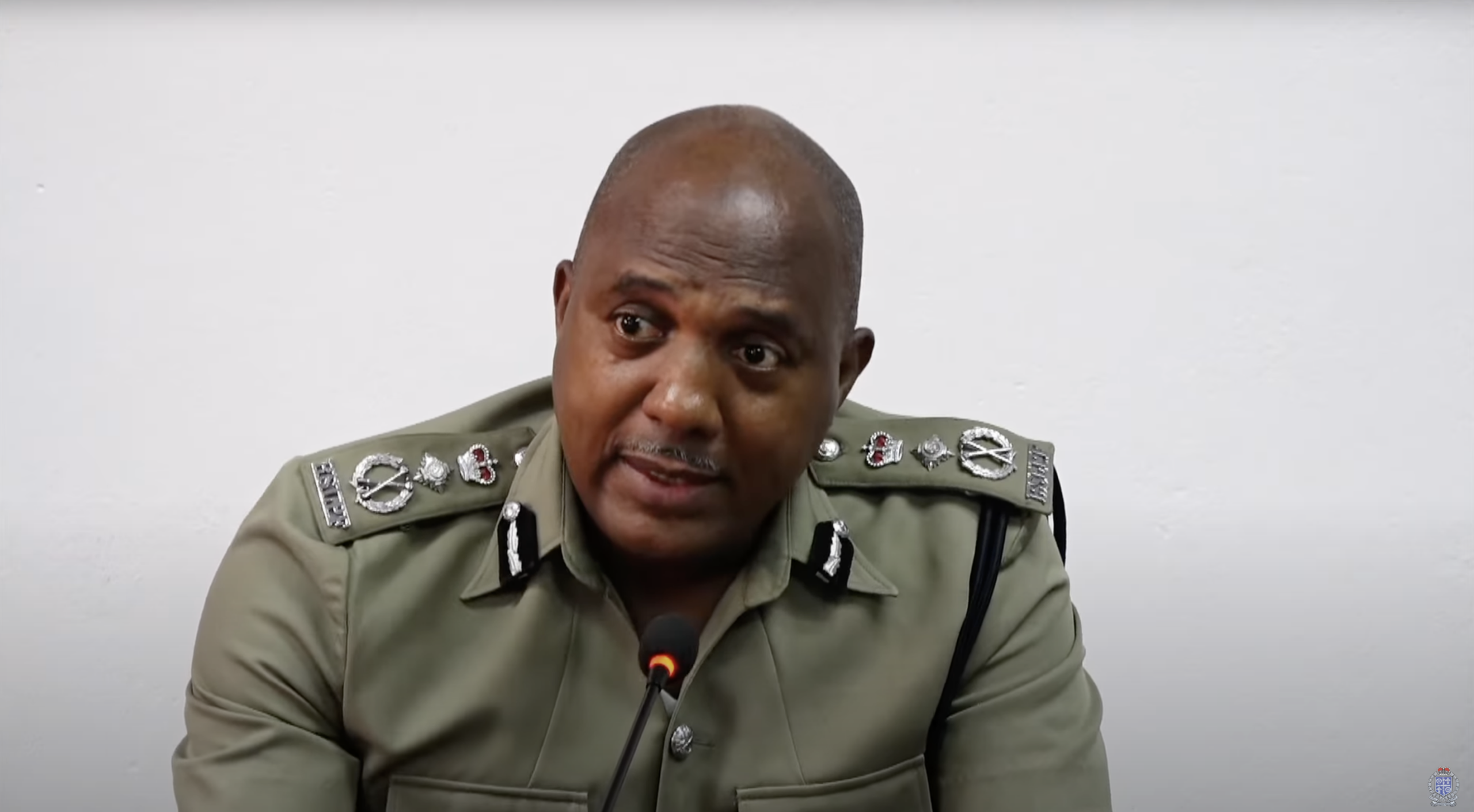
    At a press briefing held Thursday, St. Lucia Police Commissioner Verne Garde declined to directly confirm or debunk widespread circulating reports claiming that a high-ranking government official has been taken into police custody. The question regarding the unconfirmed arrest was first brought to the commissioner’s attention by reporters from St. Lucia Times, who requested official clarification on the viral story.

    Instead of addressing the core question of whether the arrest had actually taken place, Garde opened his remarks by emphasizing that the country’s legal system is designed to treat every citizen equally, no matter their social standing, official position or economic background. “Justice in this country is per individual. There is no tier in regards to justice. Justice is for the rich, it’s for the middle class, and it’s for the poor. At some times we may have persons in all the spectrums in conflict with the law,” Garde told reporters.

    He went on to explain that when law enforcement personnel carry out their official duties, they do not consider special status or rank when pursuing investigations or taking enforcement action. “When law enforcement is doing their work, we don’t look at any particular criteria to execute our law enforcement duties. It’s just a regular requirement for law enforcement officers. As long as you infringe this benchmark, we’re going to do what we have to do,” he added.

    After Garde’s indirect response, St. Lucia Times reporters pressed the commissioner for a clear, direct answer to confirm or deny the arrest report. Garde once again refused to comment on the specifics of the case, instead urging media outlets to exercise caution when publishing reports on ongoing criminal investigations.

    “I’ve warned the media that we have to be very cautious in how we report matters,” Garde said. “I think I did quote a particular section of the criminal code that requires us to be very cautious when we are dealing with specific index crimes. So I will not endeavour to give any more information in regards to that particular event.” Following that statement, Garde declined to share any additional details about the reported arrest or the related investigation.

  • Government Says Overseas Scholarships Continue Despite Free UWI Tuition

    Government Says Overseas Scholarships Continue Despite Free UWI Tuition

    The government of Antigua and Barbuda has confirmed that it will keep its overseas study scholarship program active, even after rolling out free tuition for students at the University of the West Indies Five Islands Campus. The policy will only restrict government-funded scholarships for degree programs that are already offered at the local campus, directing all international funding support to specialized training and disciplines not available domestically.

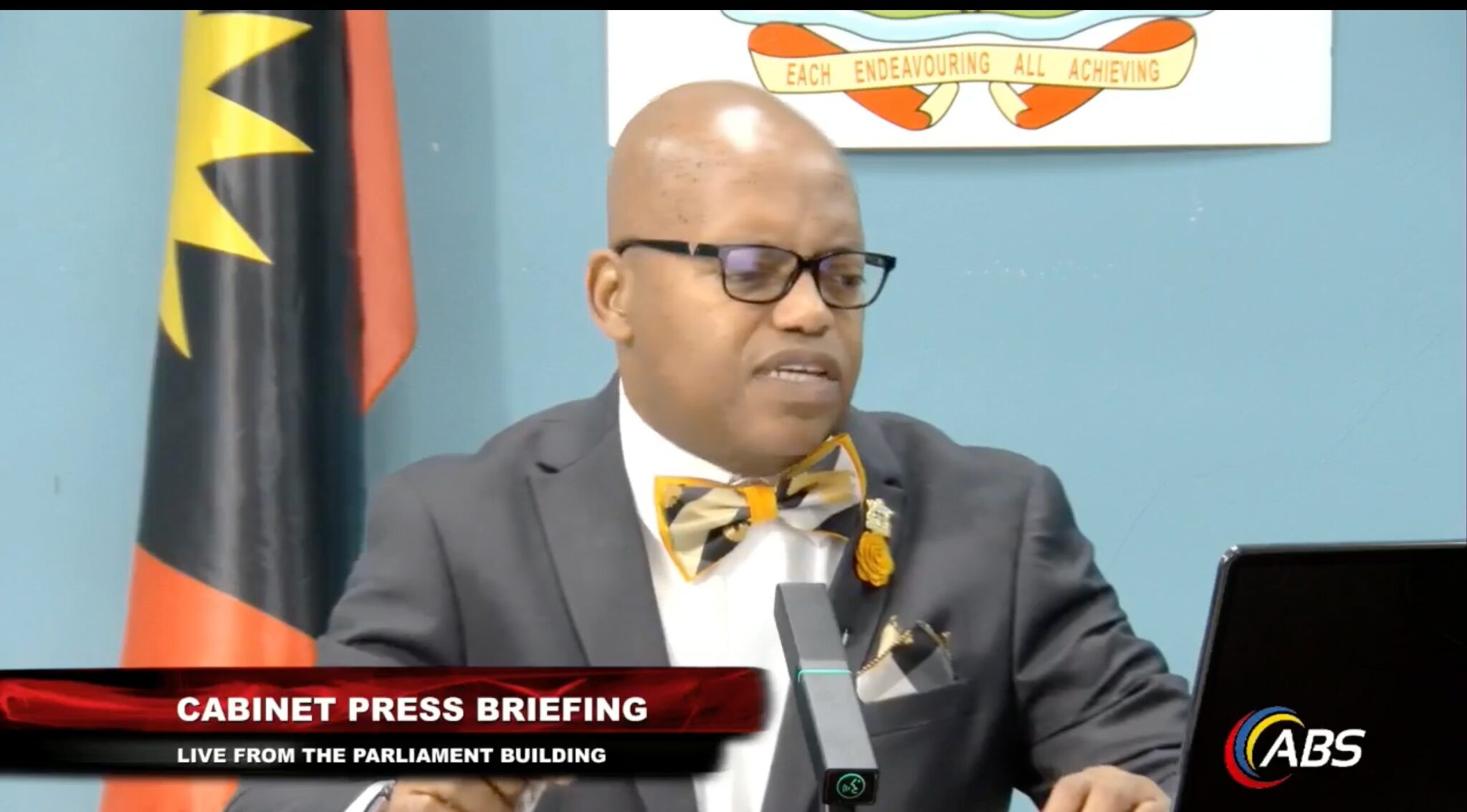
    Director General of Communications Maurice Merchant issued this formal clarification during the weekly post-Cabinet media briefing held on Thursday. Merchant was asked to address public uncertainty over whether the new free tuition initiative at the local campus would lead to cuts or elimination of the long-running overseas scholarship program.

    Merchant emphasized that the Caribbean nation currently holds a wide network of scholarship opportunities across the globe, with partner countries including Morocco, China, and India extending consistent study offers for Antigua and Barbuda students. He noted that these international opportunities remain a core part of the government’s investment in higher education for local youth.

    The new policy framework, Merchant explained, is designed to create a clear, efficient division of public funding. If an academic program is already accessible at the Five Islands Campus, the government will not cover the cost of sending a student abroad to pursue the identical program. This approach is intended to avoid redundant public spending, stretch limited education budgets further, and bolster enrollment and development at the newly expanded local campus.

    At the same time, the government will continue to fully support students pursuing overseas study in specialized fields that have not yet been added to the Five Islands Campus curriculum. This dual strategy balances two key policy goals: strengthening domestic higher education infrastructure while still ensuring local students can access specialized training that is not available within Antigua and Barbuda’s borders. Ultimately, the policy aims to maximize the return on public investment in tertiary education, opening up opportunities for students while growing the country’s local academic ecosystem.

  • Antigua and Barbuda Cabinet Orders Quarterly Performance Reviews for All Government Ministries

    Antigua and Barbuda Cabinet Orders Quarterly Performance Reviews for All Government Ministries

    The government of Antigua and Barbuda is implementing a sweeping new accountability framework that will require senior public sector leaders to submit formal quarterly performance reports to the national Cabinet, marking a significant shift in how government operations are overseen. Under the new system, permanent secretaries, department heads and other top officials will be required to regularly detail the progress of public programs, answer for their administrative stewardship, and update ministers on ongoing initiatives across all areas of the public service. The policy gained formal approval during a recent weekly Cabinet sitting, and was announced to the press Thursday by Maurice Merchant, the country’s Director General of Communications, at the conclusion of the administration’s regular post-Cabinet media briefing. Merchant explained that the idea for the routine review process grew out of an extensive multi-hour presentation delivered to Cabinet on Wednesday by more than a dozen senior officials from the Ministry of Finance. During that session, finance team members walked ministers through a granular breakdown of the government’s second-quarter fiscal performance, covering key metrics including customs revenue collection, overall public expenditure, national debt reduction progress, and other core elements of the country’s current financial standing. Merchant noted that the in-depth reporting exercise occupied a large portion of the Cabinet’s agenda, with the detailed presentation capturing the full attention of participating ministers. Following the session, Cabinet members collectively agreed that the level of transparency and insight provided by the finance presentation offered substantial value to government oversight, prompting the decision to formalize this reporting structure as a permanent requirement across the entire public administration. The rollout of the new quarterly review system will begin with the Ministry of Tourism, which has been selected as the first ministry to deliver its performance update to the full Cabinet. Merchant confirmed that the tourism ministry’s initial presentation is scheduled to take place within the next two weeks. After the tourism ministry’s session, the reporting requirement will be gradually expanded to cover every remaining government ministry and department, ensuring that all areas of public administration are subject to routine Cabinet-level oversight. At this stage, Merchant did not clarify whether the quarterly performance presentations will be released to the general public, but confirmed the phased rollout plan will bring all government entities under the new accountability framework in due course. This policy represents a formal commitment by the Antigua and Barbuda government to strengthening administrative oversight and ensuring consistent, regular accountability for senior public officials across all branches of the public service.