分类: politics

  • 2026 budget is biggest ever and fully financed

    2026 budget is biggest ever and fully financed

    The Government of Grenada has presented a historic EC$1.96 billion budget for fiscal year 2026, marking a significant increase of EC$47.1 million over the previous year’s allocations. Finance Minister Dennis Cornwall characterized this fourth budget of the Dickon Mitchell Administration as a transformative blueprint for national development rather than merely a financial plan.

    Presented under the theme “Towards Vision 75: Powering Progress Through People’s Participation and Innovation,” the budget addresses a projected EC$309.8 million deficit through strategic financing mechanisms. The government plans to utilize EC$257.3 million from existing deposits, supplemented by limited domestic and external financing, demonstrating what Minister Cornwall described as “prudent fiscal management and sustainability.”

    The budget framework reveals recurrent revenue projections of EC$1.3 billion, with grants totaling EC$37.6 million. Expenditure includes EC$1.1 billion for recurrent costs, EC$370.4 million for capital projects, and EC$206.7 million dedicated to strategic initiatives. Despite the deficit, the government maintains a current account surplus of EC$229.8 million.

    Notable initiatives include establishing a dedicated regulatory body for the emerging oil and gas sector, creating a EC$50 million Housing Fund, launching a Youth Empowerment Agency, and implementing new green points for organic waste management. Minister Cornwall emphasized that hydrocarbon development would prioritize environmental assessments, maritime boundary negotiations with Venezuela and Saint Vincent and the Grenadines, and attracting credible investors through transparent frameworks.

    The finance minister framed the budget within global uncertainties and regional dynamics, stating it reflects “faith in the creativity and capacity of our people” and represents “a statement of faith in our collective potential.” He emphasized that genuine progress emerges from citizen participation rather than top-down imposition, aligning with the administration’s commitment to building “a Grenada that is not only economically stronger, but socially just, environmentally resilient.”

  • Parmessar: Visumbeleid Nederland moet eerlijker in gelijkwaardige relatie

    Parmessar: Visumbeleid Nederland moet eerlijker in gelijkwaardige relatie

    During the extraordinary public session of the National Assembly convened for the state visit of King Willem-Alexander and Queen Máxima, opposition leader Rabin Parmessar of the National Democratic Party (NDP) articulated a vision for fundamentally transforming Suriname’s relationship with the Netherlands. The political leader emphasized the necessity of establishing a mature, business-oriented partnership characterized by mutual reinforcement rather than dependency.

    Parmessar presented a comprehensive framework for bilateral cooperation spanning multiple sectors including trade, investments, agriculture, healthcare, tourism, and sustainable energy. He asserted that Suriname stands prepared to actively leverage these opportunities through pragmatic collaboration that delivers economic and social advancement for both nations.

    The most pressing issue addressed was the Netherlands’ current visa policy toward Surinamese citizens. Parmessar characterized the existing application procedures as unnecessarily burdensome and frequently inhumane, calling for immediate revision. He argued that such practices contradict the fundamental principles of respect and equality that should define the bilateral relationship, presenting the royal visit as an opportune moment to address these concerns openly and concretely.

    The opposition leader reiterated his party’s consistent stance against external interference while emphasizing the protection of national interests. He maintained that Suriname must engage in international partnerships from a position of strength and self-confidence rather than dependency.

    Concluding his address, Parmessar advocated for using the state visit as catalyst for establishing tangible improvements rather than symbolic gestures—emphasizing fair procedures, business cooperation, and mutual respect as the foundation for a redefined relationship between the two nations.

  • STATEMENT: A new dawn in St. Vincent – Dominica Freedom Party hails NDP’s landmark win

    STATEMENT: A new dawn in St. Vincent – Dominica Freedom Party hails NDP’s landmark win

    In a landmark political transformation, the New Democratic Party (NDP) has achieved a decisive electoral victory in St. Vincent and the Grenadines, ending nearly a quarter-century in opposition. The December 2, 2025 general elections resulted in a resounding mandate for Prime Minister Dr. Godwin Friday’s leadership, signaling a profound public desire for national redirection.

    The Dominica Freedom Party (DFP) has extended formal congratulations to the victorious NDP, recognizing the election as demonstrating robust democratic engagement. The DFP particularly highlighted the exemplary conduct of the electoral process, noting its transparency, fairness, and adherence to democratic standards that regional political movements should emulate.

    This political transition represents more than a routine power transfer—it embodies the collective aspiration of Vincentians for substantive change and renewed governance approaches. The NDP’s return to government after 25 years provides a clear five-year mandate to implement its national vision.

    Of particular significance was the notable participation of youth voters, whose active engagement in the democratic process drew specific commendation from the DFP. The party expressed hope that this civic involvement would inspire younger generations throughout the Caribbean region.

    The DFP anticipates strengthened collaboration with the NDP through the Caribbean Democrat Union (CDU), focusing on reinforcing democratic institutions and advancing governance models centered on accountability and public service. The statement concluded with an appeal for national unity as St. Vincent and the Grenadines embarks on its new developmental trajectory.

  • Nederlandse koning: Wij komen om de relatie te verdiepen als gelijkwaardige partners

    Nederlandse koning: Wij komen om de relatie te verdiepen als gelijkwaardige partners

    In a landmark address to Suriname’s National Assembly on December 1st, King Willem-Alexander of the Netherlands delivered a powerful speech acknowledging the complex shared history between the two nations while advocating for strengthened cooperation as ‘equal partners.’

    The monarch, speaking from the parliamentary chamber in Paramaribo, emphasized the extraordinary nature of addressing lawmakers ‘7,500 kilometers from home’ in a shared language. He clarified the unique composition of the Kingdom of the Netherlands, noting that while geographically distant, it remains ‘partly European and partly Caribbean,’ making the nations ‘good neighbors in this region.’

    The King praised Suriname’s democratic institutions for their remarkable achievement in unifying an ethnically and culturally diverse population within a single democratic framework. ‘It inspires admiration how you manage to unite so many different population groups within one democratic system in this country,’ he stated, describing Suriname—which celebrated 50 years of independence this year—as ‘an inspiring example’ of successful integration.

    With deliberate candor, the Dutch head of state addressed the painful legacy of four centuries of colonial rule, slavery, and contract labor that characterized much of the bilateral history. ‘The stories of your ancestors are of essential significance to you, and also to us,’ he declared. ‘They must never be forgotten.’ He emphasized that listening to these intergenerationally transmitted narratives remains fundamental to deepening mutual understanding.

    Against the backdrop of global challenges to democracy, rule of law, and security, King Willem-Alexander identified opportunities for enhanced cooperation. ‘We want to work with you on resilience, also in social and economic terms,’ he proposed, outlining the visit’s objectives as listening, learning, and renewing bilateral ties.

    Concluding his address, the King expressed appreciation for Assembly members’ service to Suriname and their mission to guide the nation toward a strong future. ‘Know that the Kingdom of the Netherlands gladly continues to walk together with you and all Surinamese on the path that lies ahead,’ he affirmed, ending with the heartfelt Sranan Tongo expression: ‘Grantangi!’ (Thank you).

  • UDP’s German Tillet: “We’re Not Worried About Jose Mai, the Horse, or PUP”

    UDP’s German Tillet: “We’re Not Worried About Jose Mai, the Horse, or PUP”

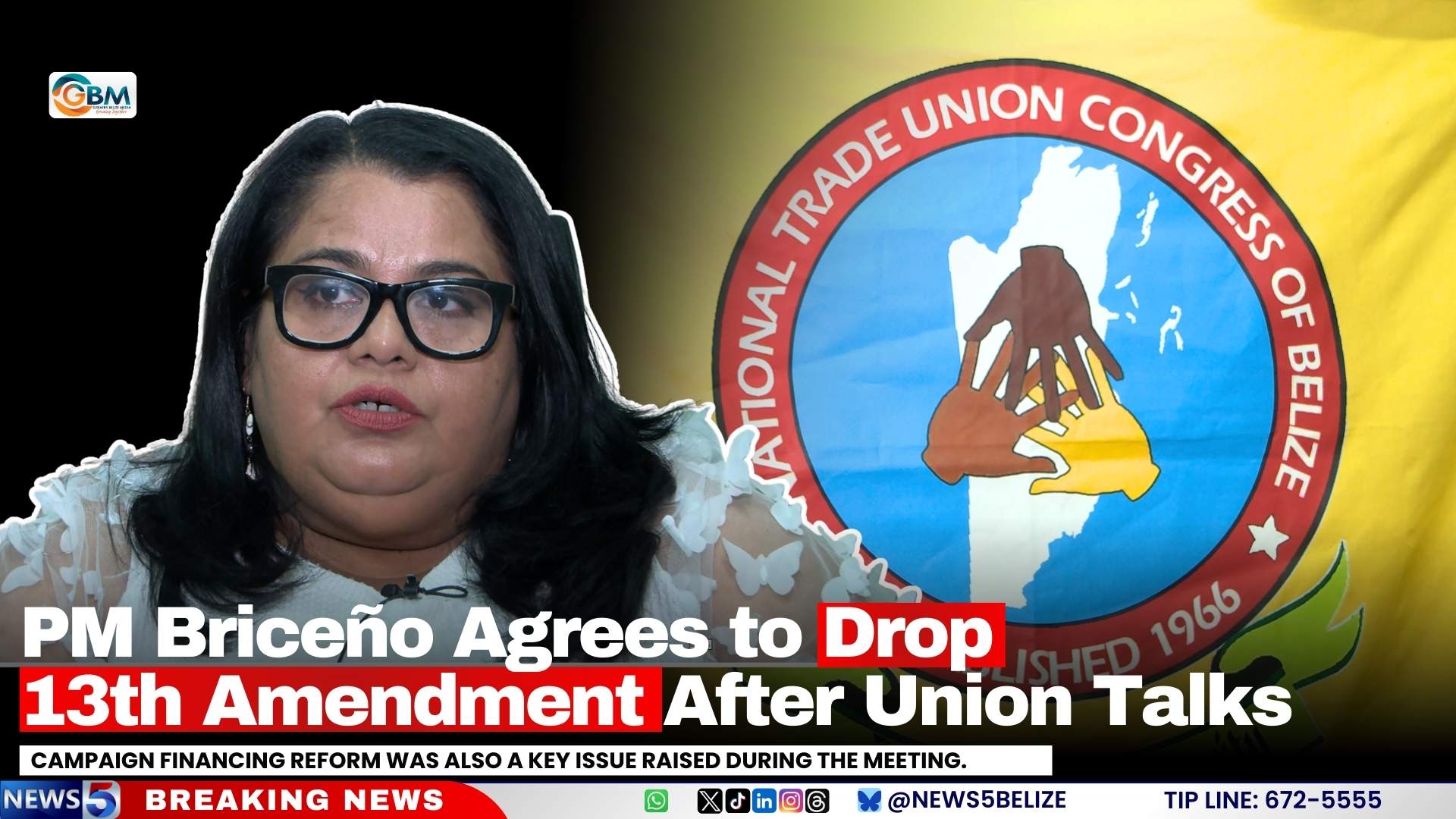
    In a striking display of political composure, United Democratic Party representative German Tillett has publicly dismissed concerns regarding his political rival’s controversial cabinet departure. The Orange Walk South constituency representative maintains unwavering focus on his parliamentary duties despite mounting speculation surrounding People’s United Party counterpart Jose Abelardo Mai’s November resignation from Cabinet.

    The political landscape shifted dramatically when Mai, who secured victory against Tillett in March’s general election, unexpectedly vacated his ministerial position. While Prime Minister John Briceño attributes the resignation to health complications stemming from equestrian injuries requiring surgical intervention, the departure coincides with serious allegations involving cartel connections and questionable procurement of bulletproof vests during Mai’s tenure at the Ministry of Agriculture.

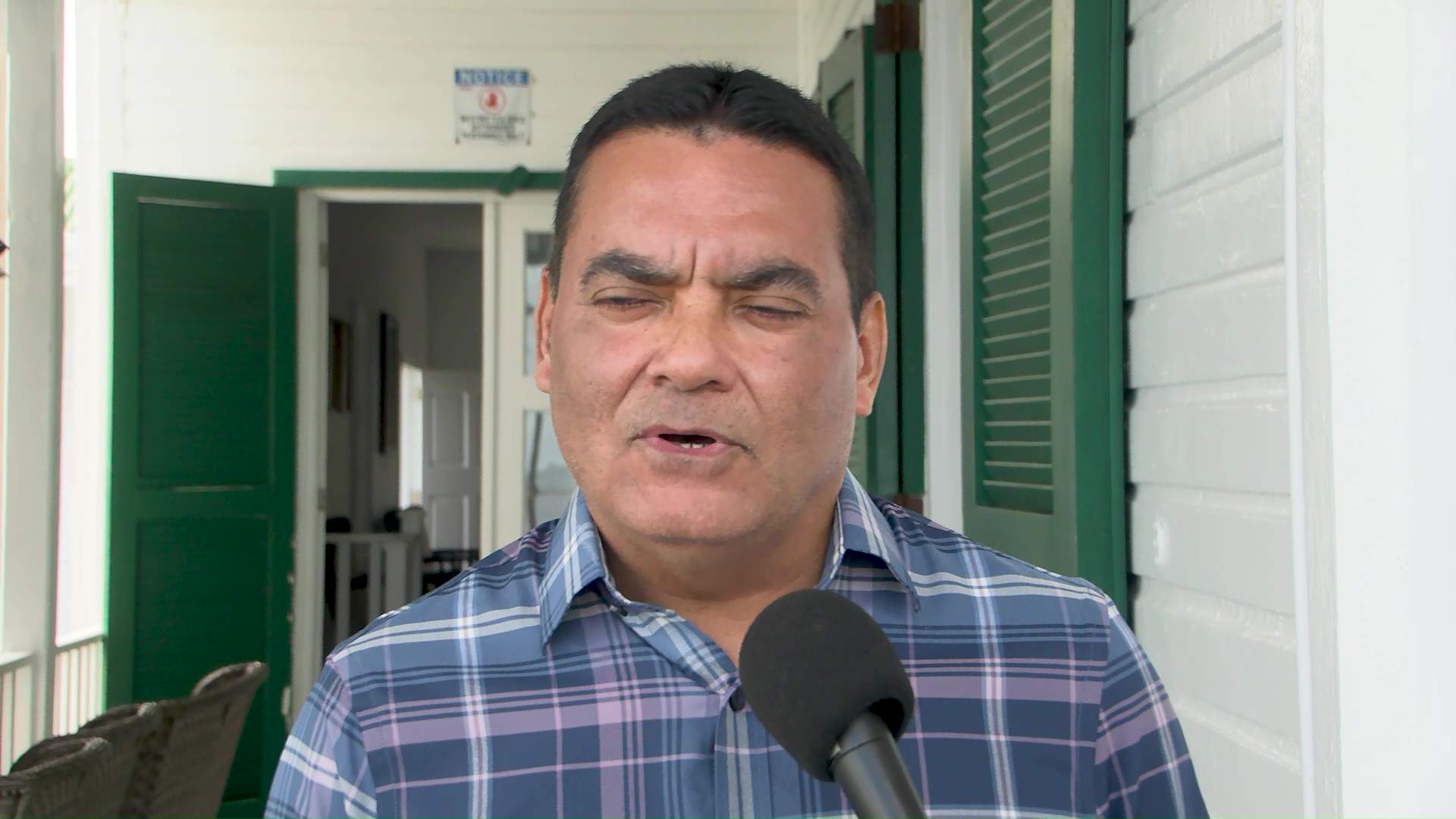
    Tillett, participating in UDP’s National Convention, articulated his position with notable candor: “My commitment remains exclusively with serving UDP constituents. The electoral process demonstrated the people’s will, and I continue to earn their trust through tangible work. The internal decisions of PUP regarding Minister Mai represent their organizational matter alone.” The UDP representative extended professional courtesy by wishing Mai recovery while simultaneously emphasizing his detachment from the controversy.

    The political vacuum created by Mai’s absence raises significant questions about constituency leadership stability. Tillett’s calculated response suggests strategic positioning for potential future electoral opportunities, should the situation develop further. Notably, Mai has maintained silence regarding multiple requests for commentary, adding another layer of uncertainty to the developing political narrative.

  • President:  Als we het verleden durven aankijken, kunnen we samen een betere toekomst bouwen

    President: Als we het verleden durven aankijken, kunnen we samen een betere toekomst bouwen

    In a landmark address to the National Assembly during the state visit of King Willem-Alexander and Queen Máxima, President Jennifer Simons declared that Suriname and the Netherlands stand at a pivotal historical juncture to rebuild and deepen their bilateral relationship. The President emphasized that this royal visit presents a unique opportunity to transform a connection long characterized by colonial imbalance into a modern partnership grounded in mutual respect and shared values.

    President Simons articulated that the foundation for this renewed relationship must begin with acknowledging their complex shared history while simultaneously working toward reconciliation. “The future can be improved not only through recognition of what lies in the past,” she stated, “but also through collaborative efforts in the restoration process.” She affirmed Suriname’s readiness to shape its own destiny while recognizing the necessity of continued cooperation with the Netherlands as both country of origin and former colonial power.

    The framework for this reinvented relationship, according to President Simons, must be built upon principles of equality, pragmatism, mutual trust, and friendship. Both nations have demonstrated willingness to take this significant step forward, recognizing their numerous commonalities that provide a solid foundation for complementary cooperation across economic, cultural, and governance spheres. The shared legal system and language offer particular advantages for deepened collaboration.

    President Simons highlighted the profound social interconnectedness between the two nations, noting that substantial portions of both populations reside in each other’s countries. “This is literally our family,” she remarked, emphasizing that cooperation must extend beyond government levels to include private sector entities, youth organizations, businesses, and communities on both sides of the Atlantic.

    Addressing global uncertainties, the President stressed that regional peace and security require strengthened cooperation. She called for joint focus on processing historical wounds from both colonial and post-colonial periods, stating that both nations must “learn from history, look each other directly in the eye, process that history, and together create a better future.” Specific opportunities for collaboration exist in trade, economic development, energy, governance, and social advancement.

    Concluding with a powerful message, President Simons urged all Surinamese citizens to recognize that “we have a future together if we dare to face the past.” This state visit, she affirmed, provides a rare chance for both societies to collectively build a prosperous future for their people.

  • Column: Vruchtbare bodem

    Column: Vruchtbare bodem

    Recent confirmation of King Willem-Alexander’s long-anticipated state visit to Suriname has unveiled fascinating historical dimensions of the Dutch royal family’s relationship with the former colony. During the official opening of the Suriname Museum in Amsterdam, the monarch expressed his profound enthusiasm for the upcoming visit with Queen Máxima, noting he had “very much wanted to do this much earlier.

    The King’s remarks during his annual press conference in June revealed more than diplomatic protocol. When questioned about potential travel plans coinciding with Suriname’s 50th anniversary of independence (Srefidensi), he initially provided a formal response about requiring official invitations. However, he subsequently disclosed his deep curiosity about the nation and his hope to experience it similarly to how his mother had.

    This seemingly casual comment prompted historical investigation into Princess Beatrix’s numerous visits to Suriname during her pre-reign years. Archival research reveals multiple informal trips beyond official duties, facilitated by the warm relationship between the Orange and Ferrier families. While most remember the celebratory images of Beatrix cheering and dancing during the sovereignty transfer ceremonies, earlier visits tell a more personal story.

    Notably, Beatrix and Prince Claus visited Suriname during their 1966 honeymoon, traveling by traditional korjal boats along the Marowijne River, enjoying local fruits like Groningen markoesa, and demonstrating genuine relaxation far from royal formalities. Historical records confirm a second, less documented July 1966 visit, where the royal couple appeared thoroughly immersed in local culture—dancing, smiling, and completely at ease.

    The King’s reference to his mother describing Suriname as “the most beautiful country she had ever visited” gains deeper context through these historical connections. These personal experiences beyond diplomatic engagements reveal a genuine affection that transcends political relationships, suggesting the upcoming state visit carries emotional significance beyond mere protocol.

  • Trump Had a Phone Call With Maduro, Told Him to Resign Immediately

    Trump Had a Phone Call With Maduro, Told Him to Resign Immediately

    In a dramatic escalation of tensions between the United States and Venezuela, President Donald Trump engaged in a direct telephone conversation with Venezuelan leader Nicolás Maduro on November 21, delivering an uncompromising demand for his immediate resignation. According to sources familiar with the exchange, Trump offered safe passage for Maduro and his family in return for stepping down from power.

    The Venezuelan president reportedly rejected the ultimatum, countering with a request for comprehensive ‘global amnesty’ protections for himself and key political allies. The Miami Herald first broke details of the high-stakes diplomatic encounter, which Trump later confirmed to reporters while remaining characteristically ambiguous about the conversation’s outcome, stating merely that he ‘wouldn’t say it went well or badly.’

    This diplomatic confrontation occurs against a backdrop of intensifying bilateral friction. Since September, U.S. military forces have conducted lethal strikes against vessels suspected of narcotics trafficking in Venezuelan territorial waters. Additionally, Washington has formally designated Venezuela’s alleged ‘Cartel de los Soles’ as a foreign terrorist organization—a characterization Venezuelan authorities dismiss as politically motivated fabrication.

    The situation further deteriorated when Trump announced via Truth Social that Venezuelan airspace should be considered ‘closed in its entirety.’ Caracas responded with an official communiqué accusing the United States of violating national sovereignty and attempting to illegally control its aviation territory. The Venezuelan government characterized recent U.S. suspension of repatriation flights for Venezuelan migrants as an act of aggression, noting that 75 previous flights had successfully returned nearly 14,000 citizens. The statement concluded with a firm declaration that Venezuela ‘will not accept orders, threats, or interference from any foreign power.’

  • Emotions run high in SYG senate debate

    Emotions run high in SYG senate debate

    The Trinidad and Tobago Senate witnessed profoundly emotional deliberations on December 2nd during the debate over the controversial Home Invasion (Self-Defence and Defence of Property) Bill, 2025. Government Senator Brian Baig delivered a heart-wrenching testimony detailing his personal experience as a home invasion survivor, visibly trembling as he addressed the chamber.

    Senator Baig recounted how the traumatic event permanently altered his psychological state, revealing he still wakes daily at 3 AM—the hour preceding the incident—haunted by the fear that intruders remain in his home. The senator described implementing extensive security measures including alarms, round-the-clock security personnel, and guard dogs to restore his family’s sense of safety. Baig further shared the devastating story of his aunt who was murdered during another home invasion, with her throat slit ‘from ear to ear’ while his uncle, a heart patient, was bound to a chair.

    Despite the emotional appeal, opposition Senator Faris Al-Rawi expressed reservations about the legislation’s practical effectiveness. While acknowledging the bill was ‘heading in the right direction,’ Al-Rawi questioned whether the proposed law would actually assist victims in real-time crisis situations. He raised significant concerns regarding the exclusion of approximately 230,000 squatters lacking lawful property possession, the treatment of common areas in housing developments, and the application to institutional dwellings like children’s and geriatric homes.

    Independent Senator Dr. Desiree Murray highlighted additional ambiguities, noting the legislation potentially conflates domestic disputes with armed invasions by labeling known acquaintances as ‘home invaders.’ She warned this blurring of distinctions could lead to disproportionate use of lethal force in situations already covered by existing laws. The debate revealed deep divisions between the emotional imperative for enhanced self-defense protections and practical concerns about legal precision and unintended consequences.

  • Haiti moves closer to staging fresh elections

    Haiti moves closer to staging fresh elections

    Haiti’s transitional government has achieved a critical breakthrough by formally adopting a long-awaited electoral law, marking the most substantial progress toward presidential elections since 2016. This legislative move establishes the legal foundation for restoring democratic governance in the Caribbean nation following years of political instability and severe gang violence.

    The Transitional Presidential Council (TPC), established in April 2024 to steer Haiti through its crisis, approved the legislation alongside the council of ministers. Frinel Joseph, one of two non-voting observers on the nine-member council, characterized the development as “a decisive turning point in the transition” through his official social media communication on Monday.

    Despite this procedural advancement, the adoption process revealed significant internal divisions. Three of the council’s seven voting members deliberately absented themselves from the crucial meeting in an apparent attempt to block the legislation’s passage. Their absence failed to prevent adoption, though the law must still be published in Haiti’s official gazette to attain full legal status.

    The TPC faces mounting challenges beyond internal discord. Some members allegedly seek to leverage the electoral timeline to extend their authority beyond the February 2026 transition deadline and remove incumbent Prime Minister Alix Didier Fils-Aimé. Meanwhile, human rights advocates have expressed concerns about the legislation’s insufficient eligibility safeguards, citing criticisms of the draft proposal circulated before Monday’s vote.

    Haiti’s last presidential election occurred in 2016 when Jovenel Moïse achieved victory among 27 candidates. His July 2021 assassination—which injured his wife and involved former Colombian soldiers—remains unresolved in Haitian courts despite ongoing proceedings in the United States.

    Political analysts caution that while the electoral law constitutes necessary progress, Haiti’s path to legitimate elections remains fraught with institutional challenges and security obstacles that could undermine democratic restoration.