分类: politics

  • Rolle and Bowleg are early considerations for new Bimini and Berry Islands seat

    Rolle and Bowleg are early considerations for new Bimini and Berry Islands seat

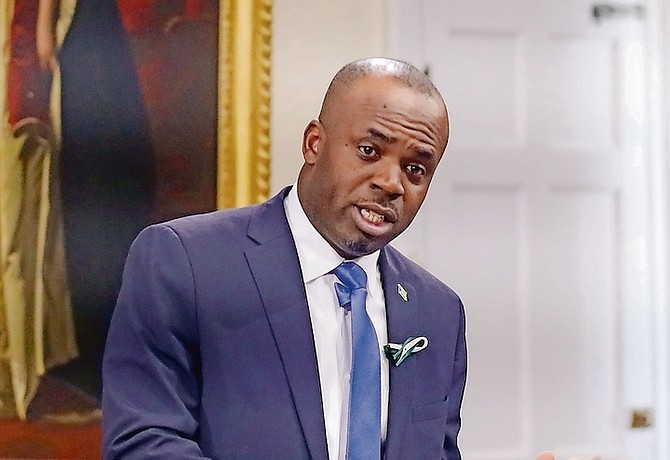
    Political interest is intensifying around the recently established Bimini and Berry Islands electoral constituency, with early speculation centering on two prominent figures as potential contenders. Senator Randy Rolle of the Progressive Liberal Party (PLP), whose family has deep ancestral connections to Bimini, and former Free National Movement (FNM) Member of Parliament Carlton Bowleg are emerging as frontrunners in the developing political race.

    Local Bimini resident Natasha Bullard Hamilton is also under consideration as a potential PLP candidate, adding further dimension to the emerging electoral landscape. The PLP’s Bimini branch chairperson Kitty Saunders has publicly endorsed Senator Rolle, characterizing him as the most qualified representative for the island community. Saunders emphasized Bimini’s longstanding advocacy for independent constituency status and stressed the necessity for leadership that comprehends the unique cultural fabric and developmental trajectory of the islands.

    “Senator Randy Rolle Jr embodies the authentic spirit of our community,” Saunders stated. “He has demonstrated courageous leadership, genuine humility, and an unwavering dedication to public service.”

    Meanwhile, Mr. Bowleg, who has already received official ratification for North Andros and the Berry Islands, indicated he would continue his work within the constituency while seeking divine guidance regarding his political future. The former MP revealed he maintains strong connections with residents across both Bimini and the Berry Islands, communities he considers home after years of service.

    Reflecting on his tenure as a customs officer, Bowleg highlighted his history of community engagement: “The people of Bimini embraced me as one of their own, and I’ve consistently worked to give back to the island. I’ve maintained the same commitment in North Andros.” Regarding the Berry Islands, he described residents as resilient and authentic people whom he considers extended family.

    The newly formed constituency, which features 2,253 registered voters, was established following recommendations from the Constituency Boundaries Commission, signaling a significant restructuring of electoral representation in the region.
  • Trump says ‘my own morality’ is only restraint on global power

    Trump says ‘my own morality’ is only restraint on global power

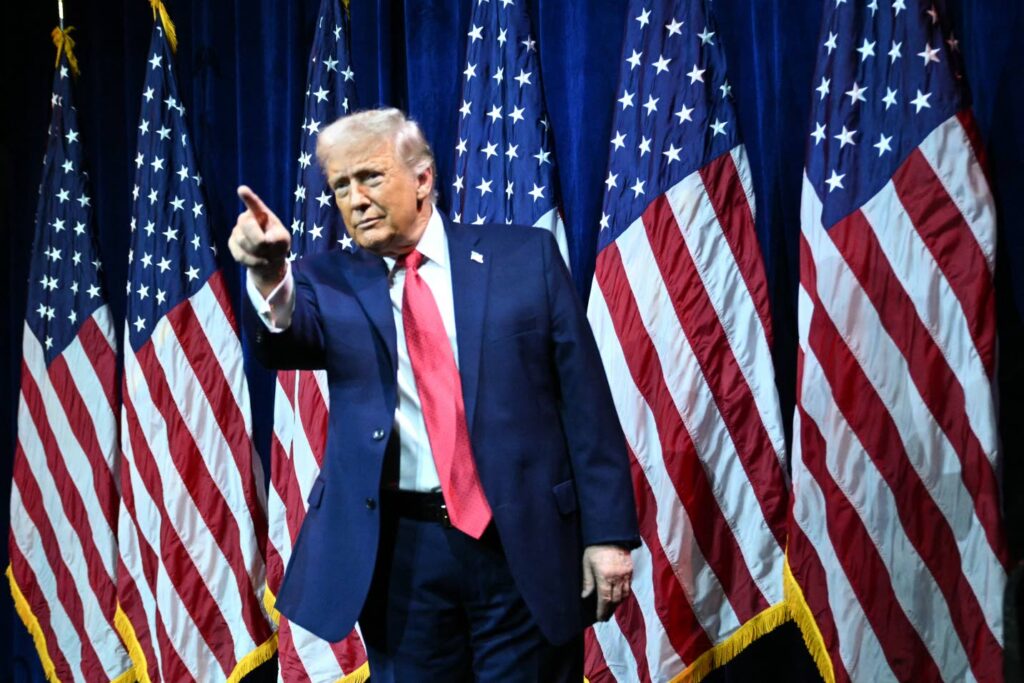
    WASHINGTON, DC — In a revealing interview with The New York Times, President Donald Trump asserted that his personal sense of morality represents the only effective constraint on his authority to initiate military operations worldwide. This declaration follows his recent authorization of a rapid intervention against Venezuelan leadership and threats directed toward multiple nations, including the autonomous territory of Greenland.

    When questioned about potential limitations on his executive powers regarding military actions, Trump responded: “There is one thing. My own morality. My own mind. It’s the only thing that can stop me.” The president further elaborated that while he acknowledges the existence of international law, its application remains subject to his personal interpretation.

    The United States maintains a contentious relationship with international judicial bodies, remaining outside the jurisdiction of the International Criminal Court and frequently challenging rulings from the International Court of Justice. Trump’s presidency has been marked by numerous legal confrontations, including two impeachment proceedings and various federal charges, though many were resolved following his re-election.

    Despite self-identifying as a “peace president” and expressing interest in Nobel recognition, Trump has overseen military engagements in multiple regions during his second term. Operations have targeted Iran’s nuclear facilities, with additional strikes conducted in Iraq, Nigeria, Somalia, Syria, Yemen, and most recently Venezuela.

    Following the successful operation against Maduro, Trump has demonstrated increased confidence in threatening additional territories, including NATO ally-administered Greenland and neighboring Colombia. When pressed about prioritizing NATO alliances versus territorial acquisition, Trump suggested these might represent competing objectives.

    Congressional pushback emerged through bipartisan Senate action aiming to restrict presidential military authority regarding Venezuela. The legislation, requiring explicit congressional approval for further hostilities, received unexpected Republican support despite facing likely veto obstruction and House resistance.

    Trump vehemently criticized dissenting Republican senators through his Truth Social platform, denouncing their actions as detrimental to national security interests. Simultaneously, he advocated for U.S. ownership of Greenland as psychologically beneficial for national success, while defending his family’s renewed involvement in international business ventures during his administration.

  • EU countries override France to greenlight Mercosur trade deal

    EU countries override France to greenlight Mercosur trade deal

    BRUSSELS — The European Union has definitively approved a landmark trade agreement with the South American Mercosur bloc, overcoming significant internal opposition led by France. This decisive move, confirmed by diplomatic sources following a meeting of EU ambassadors, clears the path for formal signing ceremonies in Paraguay next week.

    After more than a quarter-century of complex negotiations, the European Commission champions this agreement as a vital strategic instrument to enhance export opportunities, revitalize struggling economic sectors, and strengthen diplomatic alliances during an era of global instability. Commission spokesperson Olof Gill emphasized the comprehensive importance of the pact, stating it represents “an essential deal, economically, politically, strategically, diplomatically, for the European Union.”

    The approval process revealed deep divisions within the Union. France, where political factions united in opposition to protect its influential agricultural industry, spearheaded resistance efforts alongside Ireland, Poland, and Hungary. Their concerns centered on potential market flooding by cheaper agricultural imports from Mercosur nations. However, these objections proved insufficient to block the agreement, particularly after Italy reversed its previous stance and offered crucial support following last-minute negotiations in December.

    This groundbreaking agreement will establish one of the world’s largest free trade zones, encompassing over 700 million consumers. It eliminates import tariffs on more than 90% of traded goods between the 27-nation EU and Mercosur members Brazil, Argentina, Paraguay, and Uruguay. EU Trade Chief Maros Sefcovic hailed the “landmark” pact as the Union’s most ambitious trade achievement, projecting annual duty savings exceeding €4 billion for European businesses while boosting exports of automobiles, machinery, and premium beverages.

    Proponents including Germany and Spain argue the agreement provides critical countermeasures against Chinese competitive pressures and U.S. tariff policies. Brazilian President Luiz Inacio Lula da Silva previously characterized the deal as a powerful endorsement of multilateralism in an increasingly competitive global landscape.

    To address agricultural concerns, the Commission implemented substantial safeguards, including a €6.3 billion crisis fund and mechanisms to suspend preferential tariffs during import surges. The agreement also establishes robust geographical indication protections, preventing South American producers from marketing imitation products like “Parmesao” cheese that undermine authentic European offerings such as Parmesan, Greek feta, and French champagne.

    Despite these concessions, agricultural protests erupted across Europe, with French farmers mobilizing tractors in Paris and Belgian producers blockading major highways, reflecting persistent industry anxieties about competitive disadvantages.

  • Deveaux confirms desire to run in Bamboo Town again

    Deveaux confirms desire to run in Bamboo Town again

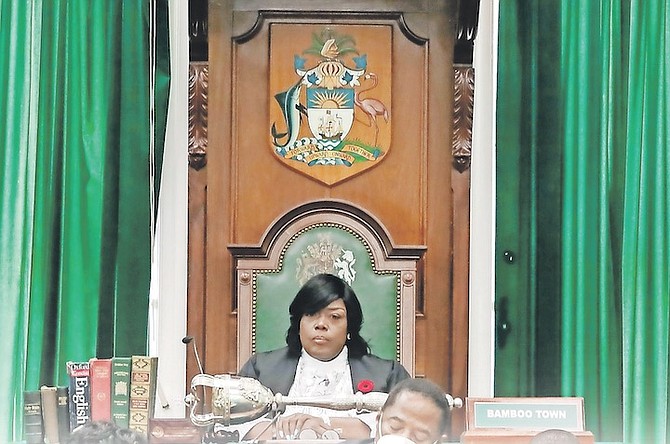
    Patricia Deveaux, the current House Speaker and Member of Parliament for Bamboo Town, has officially declared her intention to seek re-election in the upcoming parliamentary race. Despite previous uncertainty about her political future, Deveaux expressed strong confidence in securing renomination from the Progressive Liberal Party (PLP), while simultaneously pledging unwavering loyalty to the party regardless of the outcome.

    The announcement comes following months of speculation about her political ambitions, which Deveaux previously dismissed as ‘political mischief.’ In an exclusive interview with The Tribune, the Bamboo Town representative asserted her deep connections to the constituency, stating: ‘I was born here. I live here. I’m still here and I ain’t going nowhere.’

    Addressing criticisms from some constituents regarding her representation, Deveaux acknowledged room for improvement while highlighting several accomplishments during her term. Infrastructure developments featured prominently in her defense, with completed road paving projects in multiple neighborhoods and park renovations at Kennedy Park and Zion Boulevard Park. The MP also emphasized the establishment of Bamboo Town’s first Urban Renewal Center on East Street South, which she credits with significantly reducing crime rates, particularly petty theft and housebreaking incidents that had previously plagued the area.

    Despite these advancements, Deveaux identified flooding as the most pressing ongoing challenge, declaring flood zone mitigation her top priority. Responding to complaints about her visibility within the constituency, she maintained that her office remains consistently accessible except during illness or official absences, describing her approach as ‘personal’ and centered on ‘servantry’ rather than photo opportunities.

    The electoral landscape in Bamboo Town appears increasingly competitive. The Free National Movement has nominated party chairman Dr. Duane Sands as their candidate, while former MP Reward Wells has also announced his candidacy, setting the stage for a closely contested battle. Deveaux remains optimistic about her prospects, citing strong relationships with local schools and community members, and asserting she has ‘done more than what I’ve seen some sitting MPs do in ten years’ despite lacking a formal ministerial portfolio.

  • Groenland: Veiligheidsdreiging door Rusland en China?

    Groenland: Veiligheidsdreiging door Rusland en China?

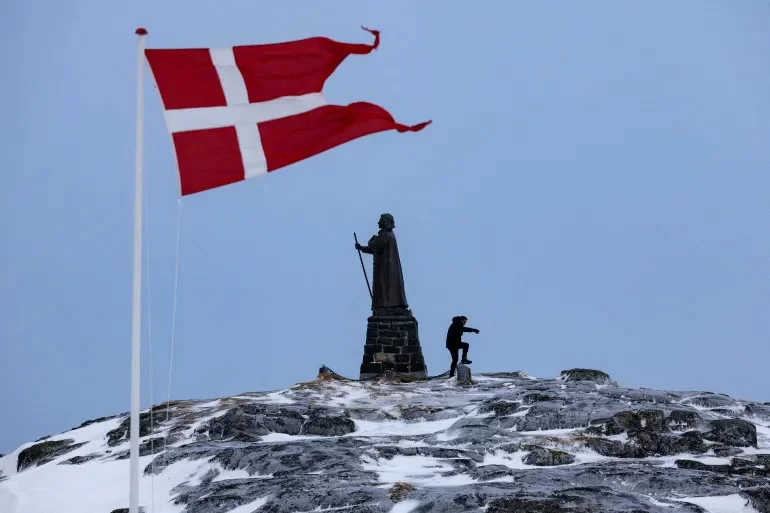
    The White House has reaffirmed Greenland as a national security priority for the United States, citing the need to counter perceived threats from “adversaries in the Arctic region” in an official statement released Tuesday. This declaration follows President Donald Trump’s recent remarks aboard Air Force One on January 4th, where he asserted that Greenland is “filled with Russian and Chinese ships everywhere” and essential for American security interests.

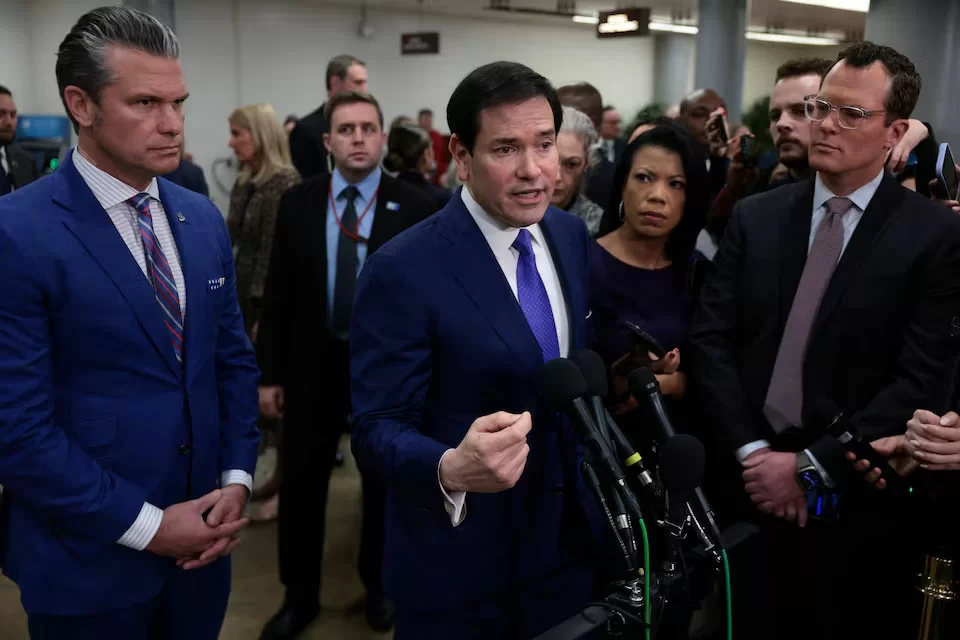
    Secretary of State Marco Rubio is scheduled to engage in diplomatic discussions with Danish officials regarding Greenland next week. However, the administration maintains that military options remain under consideration. “The President and his team are evaluating various approaches to achieve this crucial foreign policy objective, and naturally, the deployment of U.S. military forces remains within the Commander-in-Chief’s available options,” the White House statement elaborated.

    This isn’t the first instance of Trump’s expressed interest in acquiring Greenland. During his second term, he has repeatedly emphasized the territory’s strategic importance, stating in March: “We need Greenland for international security. We must have it.”

    Greenland, an autonomous territory within the Kingdom of Denmark since 1979, gained the right to declare independence via referendum in 2009. Both Greenlandic and Danish leadership have consistently rejected Trump’s propositions. Danish Prime Minister Mette Frederiksen stated categorically on January 4th: “There is absolutely no basis for discussing U.S. acquisition of Greenland. The United States has no right to annex any of the three countries within the Danish kingdom,” referencing both Greenland and the Faroe Islands.

    Strategic analysts highlight the complexities of military action against a NATO ally. Melinda Haring, senior fellow at the Atlantic Council Eurasia Center, told Al Jazeera: “If the U.S. chooses military force to acquire Greenland, it would be extremely complicated. Denmark is a NATO member; the U.S. is too. This fundamentally challenges the purpose of the military alliance.”

    Greenland’s geographical significance lies in its position offering the shortest route from North America to Europe, providing strategic advantages for military operations and ballistic missile warning systems. The U.S. seeks to enhance its military presence with radars in waters between Greenland, Iceland, and the United Kingdom—key transit areas for Russian and Chinese vessels that Washington wishes to monitor.

    Beyond military considerations, Greenland possesses substantial mineral resources, including rare earth elements critical for high-tech industries and battery production. A 2023 study identified 25 of the 34 minerals classified as “critical raw materials” by the European Commission within Greenland’s territory.

    Despite Trump’s claims of significant Russian and Chinese naval presence, current data from ship-tracking services like MarineTraffic show no evidence of such activity near Greenlandic waters. The rhetoric occurs within broader geopolitical competition in the Arctic, where melting ice due to climate change is making previously inaccessible resources increasingly available. Nations including the U.S., Canada, China, and Russia are expanding their focus on the region.

    Russian President Vladimir Putin addressed these developments at the International Arctic Forum in Murmansk in March 2025, stating: “Russia has never threatened anyone in the Arctic region, but we are closely monitoring developments and will respond appropriately by enhancing our military capabilities and modernizing our military infrastructure.” Putin acknowledged believing Trump was serious about acquiring Greenland and expected continued U.S. efforts.

    Meanwhile, Russia and China are collaborating on developing Arctic shipping routes. Russia aims to increase oil and gas shipments to China despite Western sanctions, while China seeks alternative routes to reduce dependence on the Strait of Malacca. The Northern Sea Route through the Arctic Ocean is becoming increasingly navigable due to melting ice, potentially significantly shortening shipping times. Russian oil shipments to China via this route increased by 25% last year.

    China has actively explored the region, dispatching ten scientific expeditions to the North Pole and constructing research vessels specifically designed to study waters north of Russia.

  • St. Kitts and Nevis collaborates with U.S. to accept Caribbean nationals

    St. Kitts and Nevis collaborates with U.S. to accept Caribbean nationals

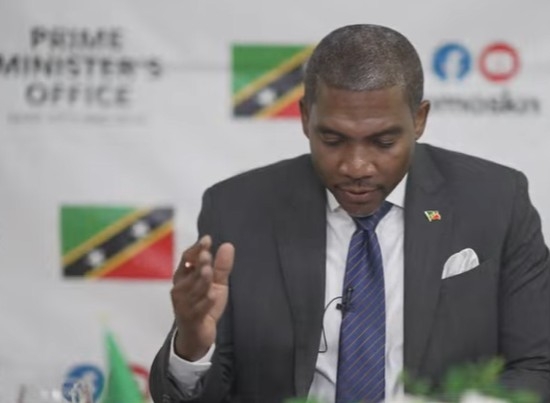
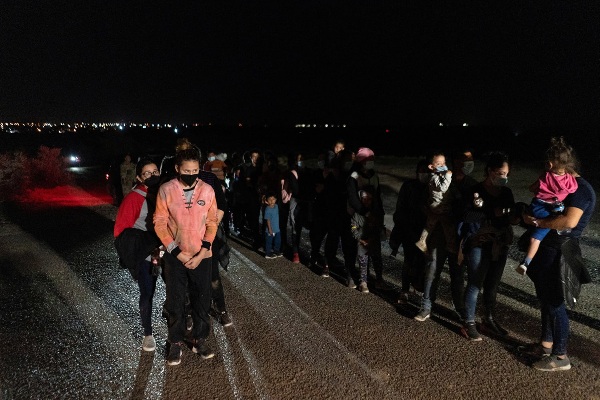
    In a significant diplomatic development, the Federation of St. Kitts and Nevis has formally entered into a bilateral arrangement with the United States government concerning the transfer of certain Caribbean Community nationals. Prime Minister Dr. Terrance Drew unveiled the agreement during his weekly ‘Roundtable’ media briefing on Thursday, January 8, 2026.

    The Memorandum of Understanding establishes a framework for the potential acceptance of third-country nationals within the CARICOM region, explicitly excluding Haitian citizens due to security considerations. Dr. Drew emphasized the selective nature of the arrangement, noting that only individuals without criminal records involving violent or sexual offenses would be considered for transfer.

    This development places St. Kitts and Nevis among several Eastern Caribbean nations that have engaged in similar negotiations with US authorities. The Prime Minister clarified that the initiative resulted from proactive diplomacy rather than external pressure, countering speculation about regional coercion.

    Regarding operational aspects, Dr. Drew indicated that financial responsibilities would predominantly fall to the United States, with logistical details currently undergoing finalization between both governments. The arrangement specifically targets CARICOM nationals who meet stringent eligibility criteria, reflecting the Federation’s commitment to regional solidarity while maintaining national security standards.

    The agreement represents a carefully balanced approach to international cooperation, addressing humanitarian considerations while implementing robust safeguards to protect national interests.

  • VS lanceert plan voor stabilisatie en oliecontrole in Venezuela

    VS lanceert plan voor stabilisatie en oliecontrole in Venezuela

    The United States has formally articulated a comprehensive three-phase strategy for Venezuela focused on stabilization, economic recovery, and political transition, according to Secretary of State Marco Rubio. This development follows Saturday’s controversial capture of Venezuelan leader Nicolás Maduro by American forces.

    The blueprint commences with establishing stability through interim authorities collaborating closely with Washington. Subsequently, American oil corporations will receive guaranteed access during the reconstruction phase, ultimately transitioning to a democratically elected government chosen by the Venezuelan people.

    President Donald Trump issued stern warnings of potential additional military interventions should emerging leadership figures from Maduro’s circle resist American demands, which predominantly center on securing Venezuelan oil resources. The administration aims to refine and market up to 50 million barrels of Venezuelan crude, with US forces continuing seizure operations against oil tankers linked to Venezuela.

    Secretary Rubio emphasized Washington’s substantial control over the interim government, asserting that oil revenue would be meticulously managed through US-controlled accounts to prevent corruption and benefit Venezuelan citizens.

    The initiative has encountered sharp bipartisan criticism. Democrats have condemned the approach as ‘oil kidnapping’ and denounced the lack of transparency. Former House Speaker Nancy Pelosi questioned the absence of public hearings regarding operational costs and motivations, while Senator Chris Murphy characterized the plan as ‘insane’ and condemned it as a violent oil seizure scheme.

    Republican dissent emerged concurrently, with Representative Don Bacon stressing the necessity of installing legitimately elected leadership and cautioning that excessive focus on oil could undermine broader American objectives.

    Energy Secretary Chris Wright highlighted the critical importance of controlling Venezuela’s oil market to stabilize the economy and rebuild the energy sector. The strategy involves initially marketing stored oil reserves followed by future production sales, with revenues administered through American-supervised accounts. Wright confirmed ongoing discussions with US oil companies regarding their participation in Venezuela’s long-term production restoration.

    Venezuela possesses the world’s largest oil reserves yet suffers from chronically low production due to prolonged mismanagement and investment deficits. Wright anticipates short-term production increases through advanced technology and equipment, though full recovery to historical production levels would require years.

    Washington recently announced a $2 billion crude oil export agreement with Caracas, interpreted as Venezuelan officials acquiescing to Trump’s demands under threat of further military action. American refining companies responded favorably, with stock appreciations observed in major corporations including Marathon Petroleum, Phillips 66, and Valero Energy.

    The White House has scheduled a Friday meeting with executives from ExxonMobil, ConocoPhillips, and Chevron regarding their anticipated involvement in the reconstruction process, though these corporations remain reticent in public statements.

    The US proposal has elicited mixed global reactions, raising concerns about sovereignty violations, economic interests, and Venezuela’s future trajectory. Coming developments will prove decisive for both Venezuela’s stability and international stakeholders’ regional influence.

  • WIN, FGM slam govt’s plan to settle foreigners from US

    WIN, FGM slam govt’s plan to settle foreigners from US

    Guyana’s political landscape erupted in controversy as two major opposition parties vehemently condemned the government’s clandestine negotiations with the Trump administration regarding the settlement of third-country nationals from the United States.

    The We Invest in Nationhood (WIN) and Forward Guyana Movement (FGM) issued separate statements on Wednesday, January 7, 2026, castigating President Irfaan Ali’s administration for engaging in talks about accepting deportees or refugees without parliamentary oversight or national consultation. Both parties characterized the negotiations as a fundamental breach of democratic principles and national sovereignty.

    FGM denounced the potential agreement as a ‘direct affront to the sovereignty of the Guyanese people,’ particularly given the absence of a functioning Parliament to provide legislative scrutiny. The party emphasized that any policy substantially altering Guyana’s demographic composition or imposing new social responsibilities must undergo rigorous parliamentary debate and national consultation.

    Foreign Secretary Robert Persaud confirmed on January 5 that ‘productive discussions’ were underway with the US to establish a ‘framework of understanding’ consistent with Guyana’s national priorities while supporting US objectives. This initiative forms part of the Trump administration’s broader strategy to relocate unwanted migrants, with several Caribbean nations including Antigua and Barbuda, Dominica, and Belize having already signed similar agreements.

    The opposition parties raised multifaceted concerns spanning security, economic, and social dimensions. FGM challenged the government to disclose the agreement’s contents publicly, subject it to parliamentary debate, and conduct comprehensive security and economic impact assessments. Critical questions emerged regarding the verification systems for migrant backgrounds, administrative oversight mechanisms, and the potential strain on Guyana’s already stretched infrastructure.

    WIN explicitly rejected supporting any agreement until the government provides full disclosure, ensures parliamentary oversight, and presents a clear plan prioritizing Guyanese citizens’ well-being. The party highlighted the existing pressure from over 100,000 Venezuelan migrants on hospitals, schools, housing, and essential services, questioning how additional influxes would be managed.

    Both opposition groups demanded transparency regarding financial contributions from the US, long-term integration plans, housing arrangements, and the potential diversion of resources from Guyanese citizens already facing challenges in accessing land and affordable homes. The parties insisted that any demographic transformation affecting the nation’s future stability and security must not be decided through secretive negotiations without clear disclosure to the Guyanese people.

  • Antonio Taveras pushes asset recovery in SENASA corruption case

    Antonio Taveras pushes asset recovery in SENASA corruption case

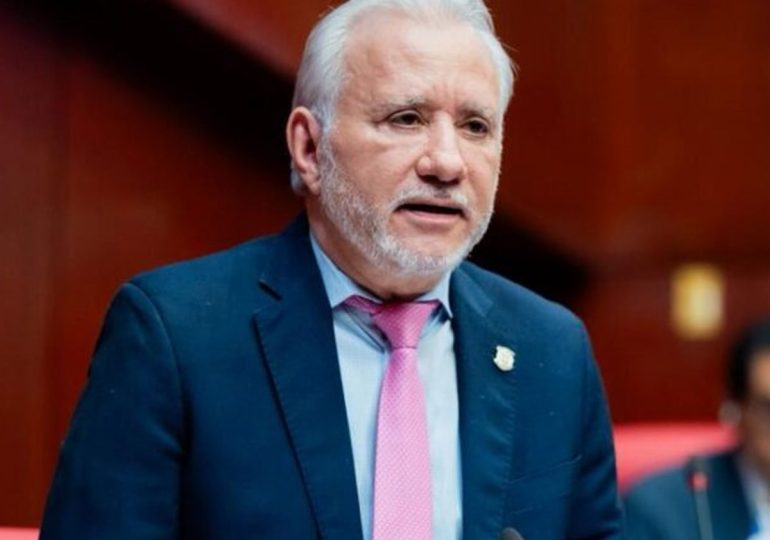
    SANTO DOMINGO – In a significant move against public corruption, Senator Antonio Taveras has formally petitioned the Public Prosecutor’s Office to implement the Law of Extinction of Ownership regarding the high-profile SENASA (National Health Insurance) corruption case. Representing Santo Domingo province, the senator seeks expedited recovery of public funds allegedly embezzled from the national healthcare system.

    The senator’s legal submission emphasizes the extraordinary nature of the case, noting that stolen resources were specifically allocated for public health services, thereby disproportionately harming the nation’s most vulnerable citizens. While explicitly acknowledging the constitutional autonomy of prosecutors, Taveras maintained that asset recovery represents an urgent parallel process that can proceed independently of criminal prosecutions.

    Legal grounds for the petition cite multiple alleged violations including systematic fraud against the state, blatant embezzlement schemes, utilization of front men to conceal ownership, inexplicable asset accumulation by officials, and irregular financial operations. Taveras underscored that public outrage demands not merely criminal convictions but full restitution of diverted funds.

    The senator concluded that recovered assets must be channeled back into the national health infrastructure to restore critical services, including essential medicine access and medical treatments for Dominican citizens who suffered from the alleged corruption.

  • The difficulties and the much that remains to be done continue to be the guiding principles of the Revolution

    The difficulties and the much that remains to be done continue to be the guiding principles of the Revolution

    On the 67th anniversary of the Cuban Revolution’s triumphant entry into Havana, the nation reflects on Fidel Castro’s enduring legacy amidst contemporary geopolitical pressures. January 8, 1959, marked the historic moment when Commander-in-Chief Fidel Castro Ruz led the Caravan of Liberty through the capital, greeted by millions of citizens celebrating what they perceived as their ultimate independence.

    This year’s commemoration coincides with the centenary of Castro’s birth, reviving his prophetic warnings about the difficulties inherent in revolutionary governance. His famous address—’Tyranny has been overthrown. The joy is immense. And yet, much remains to be done’—resonates profoundly in current circumstances, as Cuba faces renewed external pressures and internal challenges.

    The article draws parallels between historical and contemporary struggles, emphasizing how the United States has persistently attempted to undermine Cuba’s revolutionary project through various means. Recent developments in Venezuela, including alleged military aggression and the political targeting of President Nicolás Maduro, are presented as evidence of continued imperial ambitions in the region.

    Despite these challenges, the piece emphasizes Cuba’s resilience, attributing its endurance to the ideological foundation established by Castro and the revolutionary generation. The narrative portrays Cuba as maintaining its commitment to sovereignty and resistance against foreign domination, with Castro’s teachings continuing to guide the nation’s response to contemporary adversities.

    The commemoration serves as both a historical reflection and a call to action, invoking José Martí’s concept of ‘Our America’ while reaffirming Cuba’s revolutionary principles in the face of modern geopolitical realities.