分类: politics

  • Antigua and Barbuda Signals Interest in Better Diplomatic Presence in Sweden and Japan

    Antigua and Barbuda Signals Interest in Better Diplomatic Presence in Sweden and Japan

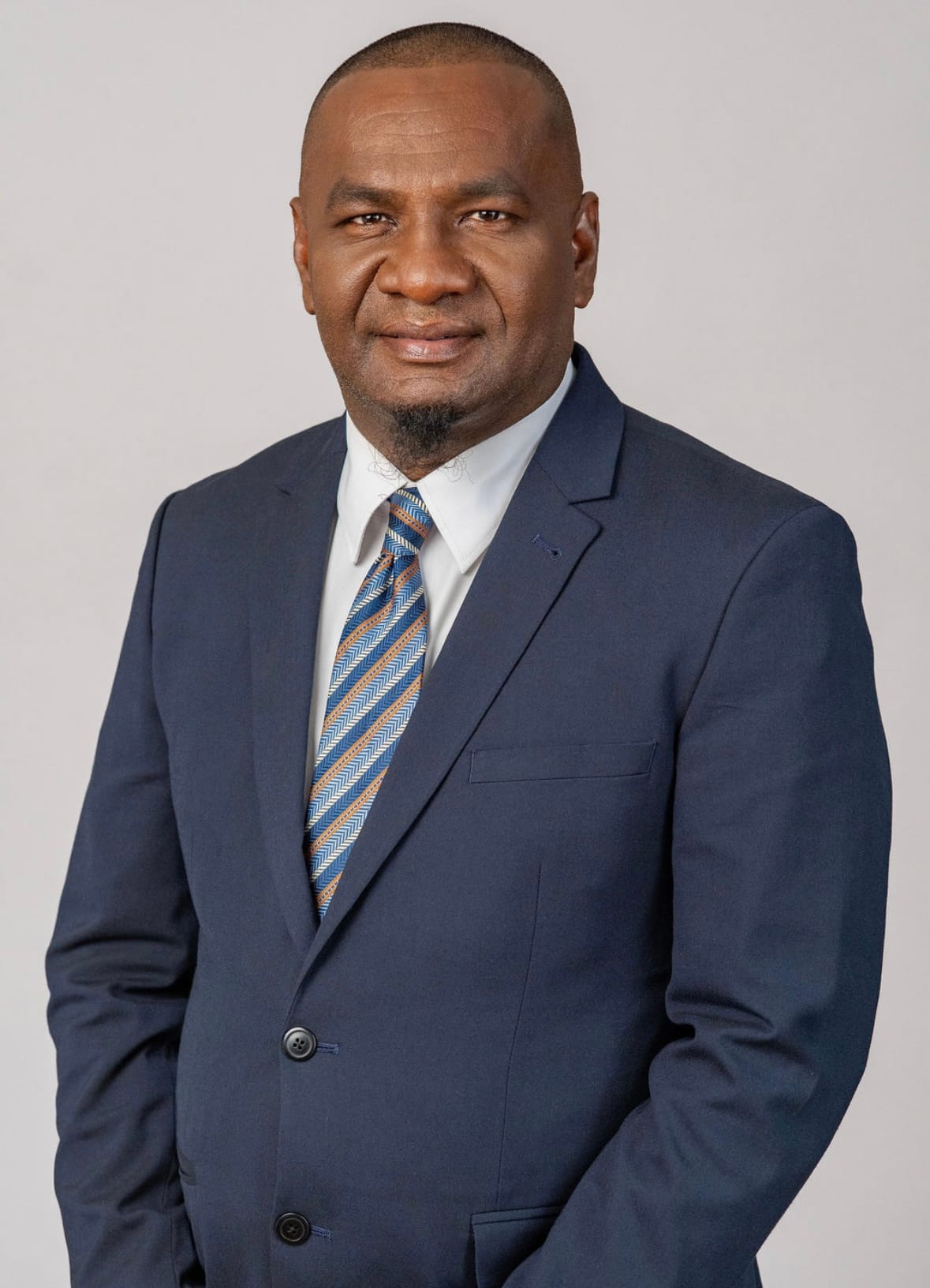
    The twin-island nation of Antigua and Barbuda is strategically advancing its diplomatic agenda by prioritizing enhanced relations with Sweden and Japan. This foreign policy initiative emerged during the 2026 Budget Debate, where Foreign Affairs Minister EP Chet Greene identified these nations as significant partners within the government’s expanding international framework.

    Minister Greene characterized these relationships as ‘standing and developing diplomatic arrangements,’ signaling a deliberate shift toward diversifying the country’s global alliances beyond traditional partnerships. While no new bilateral agreements or diplomatic appointments were formally announced, the minister’s statements positioned both Japan and Sweden as integral components of Antigua and Barbuda’s broader geopolitical strategy.

    Japan maintains its status as a longstanding ally, with Greene emphasizing continued active engagement across trade, development, and diplomatic channels. The relationship represents a stable partnership that the government seeks to further strengthen through enhanced international cooperation.

    Similarly, Sweden features prominently in the nation’s evolving European engagement strategy. Though specific collaborative initiatives remain undefined, Greene’s commentary confirms Sweden’s position within Antigua and Barbuda’s calculated expansion of its diplomatic network across European markets.

    This diplomatic repositioning occurs alongside broader governmental efforts to establish new international postings and visa agreements. The administration increasingly frames foreign policy as a multidimensional tool for economic opportunity, citizen mobility, and national development—particularly crucial for small island states navigating an evolving global landscape.

    While timelines for concrete developments with either nation remain unspecified, Greene’s parliamentary address unequivocally communicates the government’s commitment to extending Antigua and Barbuda’s international reach through strategic partnership diversification.

  • Thorne: Govt ignoring ‘murderously high’ cost of living

    Thorne: Govt ignoring ‘murderously high’ cost of living

    In a scathing address to Barbados’ House of Assembly, Opposition Leader Ralph Thorne launched a fierce critique against the government’s economic management, accusing officials of ignoring what he described as economically devastating price levels and systematic price gouging practices. Thorne asserted that escalating living expenses are driving countless Barbadian families into severe financial hardship.

    During parliamentary debates on the Economic Diversification and Growth Fund Bill, Thorne challenged the administration’s narrative of economic progress, stating that ordinary citizens remain excluded from purported growth benefits. He emphasized that persistent inflation and continuously rising retail prices consistently outpace wage increases for working-class Barbadians.

    Thorne characterized routine grocery shopping as a ‘nervous exercise’ for households struggling with budgetary pressures. He insisted the government bears direct responsibility for addressing both the tangible economic suffering and widespread consumer anxiety gripping the nation.

    The opposition leader further warned that many Barbadians perceive themselves as victims of unjustified retail mark-ups, demanding the administration ‘educate itself’ about the reality of price gouging experiences throughout the country. Thorne’s comments highlight growing tensions over economic policy as legislators consider new fiscal measures.

  • Rejection of US attacks and threats highlights in Colombia

    Rejection of US attacks and threats highlights in Colombia

    The People’s Confederation of the Western Caribbean (CPCW) has issued a forceful condemnation of recent military operations in Caribbean waters, denouncing both the lethal bombings and a direct threat made by former US President Donald Trump against Colombian leader Gustavo Petro. The statement emerged from the Second Summit of the Peoples of the Western Caribbean, hosted on San Andres Island, which established the CPCW as a regional diplomatic body.

    The Confederation’s declaration highlighted that the aerial bombardments have resulted in approximately 100 extrajudicial fatalities, primarily affecting civilian fishermen whose livelihoods are now jeopardized by ongoing military actions. The CPCW demanded an immediate cessation of all threatening operations and called for comprehensive investigations into the events, accompanied by appropriate sanctions and reparations for victims and affected communities.

    A significant portion of the statement addressed what it termed ‘unacceptable threats’ against Colombia’s democratically elected president. The Confederation called for absolute respect for President Petro’s physical and moral integrity, referencing direct statements from Donald Trump suggesting Petro would be ‘next’ in line for aggression similar to that directed against Venezuela and its leader Nicolas Maduro.

    In response to these developments, President Petro attributed Trump’s comments to a fundamental misunderstanding of South American realities. The Colombian leader articulated substantive policy disagreements with US approaches toward Palestine, Caribbean relations, Venezuela, and strategies for combating organized crime. Petro particularly challenged the effectiveness of missile strikes against small boat operators, arguing that such tactics primarily impact impoverished fishermen rather than actual drug traffickers who operate luxury vessels near global hubs like Dubai and Madrid.

  • Antigua and Barbuda Expands Visa-Free Travel Access For Citizens

    Antigua and Barbuda Expands Visa-Free Travel Access For Citizens

    The government of Antigua and Barbuda has significantly enhanced global mobility for its citizens through a strategic series of newly finalized visa waiver agreements with multiple nations across Africa and the Middle East. Foreign Affairs Minister EP Chet Greene announced during the 2026 Budget Debate in Parliament that these diplomatic achievements form a core component of the nation’s proactive foreign policy aimed at delivering tangible benefits to its people.

    The newly established arrangements with the United Arab Emirates, Ghana, Kenya, Rwanda, and Benin are designed to eliminate visa requirements, thereby streamlining international travel for Antiguans and Barbudans. Minister Greene emphasized that these agreements extend beyond symbolic diplomacy, serving as practical instruments to foster stronger economic cooperation, boost trade and investment opportunities, and enhance people-to-people connections with these key international partners.

    While specific terms for each bilateral agreement were not disclosed, the minister characterized them as evidence of a foreign policy that prioritizes concrete outcomes for citizens. In a broader context, this initiative aligns with a comprehensive restructuring of the nation’s foreign service apparatus, which includes new diplomatic appointments and adjustments to overseas missions aimed at expanding the country’s international presence.

    Although no new accord was announced with Japan during the parliamentary session, Minister Greene highlighted that existing arrangements with Tokyo remain active and that the government continues to fortify its long-standing relationship with the Asian nation. The administration indicated it will persistently pursue similar visa facilitation agreements as part of its ongoing strategy to deepen diplomatic and economic linkages worldwide.

  • Cuban Foreign Minister disqualifies Nobel Peace Prize Committee

    Cuban Foreign Minister disqualifies Nobel Peace Prize Committee

    Cuban Foreign Minister Bruno Rodriguez has launched a scathing critique of the Nobel Peace Prize selection process, characterizing the prestigious award as a political tool favoring United States allies. Through his official Twitter account, Rodriguez asserted that the Norwegian Nobel Committee members—appointed by a NATO-aligned parliament—systematically transform the prize into recognition for “docile US allies” while simultaneously providing a platform for criticizing governments Washington finds inconvenient.

    The seasoned diplomat drew upon Cuba’s direct experience with over six decades of American economic blockade to question the committee’s consistent exclusion of Cuba’s Medical Brigades from consideration. These medical professionals have received repeated nominations for their humanitarian work worldwide, yet remain unrecognized by the Nobel committee.

    Rodriguez highlighted what he characterized as profound hypocrisy, noting the committee’s silence regarding aggressive US actions against Venezuela while enthusiastically presenting awards that allegedly contradict peace principles. He specifically referenced controversial past laureates including Henry Kissinger, Shimon Peres, and more recent recipients whose recognition coincided with US Secretary of State initiatives that Rodriguez claims promote military intervention in Venezuela.

    The Foreign Minister concluded that such demonstrated “double standard” fundamentally disqualifies the committee from delivering authoritative lectures on democratic values, arguing that the prize has become complicit in actions directly opposed to genuine peacekeeping efforts.

  • Communist Party of Cuba debates national agenda

    Communist Party of Cuba debates national agenda

    The Central Committee of the Cuban Communist Party (PCC) has convened an extraordinary plenary session via videoconference, compressing a previously scheduled two-day meeting into a single intensive session. This adjustment responds directly to what officials describe as “the complex situation currently facing the nation.

    The agenda encompasses multiple critical national priorities. Central to discussions is the comprehensive evaluation of the Government Program designed to rectify economic distortions and stimulate economic revitalization. This program recently underwent public consultation from November 15 through December 30, 2023, gathering citizen input on national recovery strategies.

    Committee members will further examine proposed economic targets for 2026 and deliberate the upcoming State Budget proposal. A significant portion of the session will address recovery efforts in eastern provinces devastated by Hurricane Melissa, including assessment of damages and evaluation of reconstruction progress. The meeting will also review ongoing recovery from previous natural disasters that have impacted the island nation.

    In organizational matters, the Political Bureau will present a comprehensive work report and announce key decisions regarding the preparatory process for the 9th PCC Congress. This significant party gathering is scheduled for April 16-19, 2026—a historically symbolic year that will mark the centenary of former leader Commander-in-Chief Fidel Castro Ruz’s birth.

  • Thorne warns digital payment reforms risk excluding vulnerable Barbadians

    Thorne warns digital payment reforms risk excluding vulnerable Barbadians

    In a critical parliamentary session addressing the National Payment System (Amendment) Bill, Opposition Leader Ralph Thorne voiced substantial concerns regarding Barbados’ transition to the BimPay digital payment infrastructure. Thorne emphasized that while modernization through digitization represents inevitable progress, the government’s approach must carefully balance technological advancement with socioeconomic inclusivity.

    Thorne articulated a fundamental distinction between mere modernization and genuine development, noting that while digital systems facilitate speed and novelty, true development necessitates consideration of human elements. He highlighted how the abrupt shift to cashless transactions could disproportionately affect street vendors, small-scale merchants, and economically marginalized citizens who rely on traditional cash-based commerce for survival.

    Evidence of public discontent has already emerged, Thorne revealed, with protests organized not to reverse technological progress but to preserve essential economic spaces for vulnerable populations. He challenged the government to provide transparent projections detailing anticipated cash usage percentages post-implementation, warning that current uncertainty is generating widespread anxiety.

    Despite these concerns, Thorne acknowledged the necessity of digital payment systems for Barbados’ global competitiveness, particularly for international transactions that inherently require digital processing. He called for clear timelines and comprehensive support systems to ensure no segment of the population is excluded during this economic transformation.

  • Trade Minister Details Measures to Reduce Cost of Living for Residents

    Trade Minister Details Measures to Reduce Cost of Living for Residents

    In a significant address during the 2026 Budget Debate, Foreign Affairs Minister EP Chet Greene detailed the government’s multifaceted approach to mitigating the impact of soaring global inflation on Antigua and Barbuda’s population. As a nation heavily reliant on imports, the administration has enacted a series of deliberate fiscal interventions designed to insulate households from escalating costs of food, energy, and essential commodities.

    The cornerstone of this strategy involves the zero-rating of 48 critical food items through a suspension of the Common External Tariff (CET). This policy, which will remain effective for at least six months into the new year, eliminates taxes on essential nutrition staples including fresh vegetables, fruits, grains, canned goods, and baby formula.

    Complementing these measures, the government has maintained substantial subsidies on liquefied petroleum gas (LPG) and electricity tariffs. These energy subsidies, which will continue throughout the coming year, directly counter global supply chain disruptions that have driven energy prices upward worldwide.

    Minister Greene emphasized the administration’s proactive monitoring of local market conditions, with commitments to implement additional relief measures if economic circumstances deteriorate. The government has also established targeted support mechanisms for vulnerable households, including expanded social services and direct cash assistance programs.

    Long-term strategic planning forms another critical component of the government’s approach. Through carefully designed trade policies and tax exemptions on essential goods, the administration aims to stabilize living costs while simultaneously working to enhance domestic production capabilities and reduce import dependency over time.

    ‘Our primary objective is to ensure that ordinary citizens are shielded from the full impact of global price fluctuations,’ Minister Greene stated. ‘These interventions not only provide immediate relief but also establish a foundation for sustainable economic resilience and equitable access to basic necessities.’

    The comprehensive package reflects the government’s sustained commitment to public welfare amid ongoing global economic uncertainty, demonstrating a balanced approach between immediate relief and strategic long-term planning.

  • Zimbabwe Anti-Sanctions Trust stands in solidarity to Cuba

    Zimbabwe Anti-Sanctions Trust stands in solidarity to Cuba

    A Zimbabwean non-governmental organization has issued a strong statement of solidarity with the governments and peoples of Cuba and Venezuela following recent geopolitical developments in the Caribbean region. The declaration comes in response to what Cuban authorities have characterized as an unlawful U.S. military intervention against a Venezuelan commercial vessel on December 10.

    The organization, identified as ZAST, has condemned the naval operation as an act of “piracy” that constitutes a clear violation of established international maritime law. According to their analysis, this incident represents not an isolated event but rather a coordinated strategy designed to undermine Venezuela’s sovereign rights to freely trade its natural resources while simultaneously intensifying economic pressure on Cuba.

    ZAST’s statement emphasizes how such measures have exacerbated the devastating impacts of the long-standing U.S. economic blockade against Cuba, particularly affecting the national power infrastructure and the everyday lives of Cuban citizens. Drawing parallels to Zimbabwe’s own historical experiences with unilateral coercive measures, the organization positioned itself as uniquely qualified to recognize the damaging effects of economic warfare tactics.

    The African organization articulated a principled rejection of what it termed “economic strangulation,” extraterritorial coercion, and military intimidation as instruments of international policy. Their declaration emphasized that national sovereignty—whether of large or small nations—must be universally respected without exception.

    Furthermore, ZAST endorsed the Caribbean and Latin American regional commitment to peace, specifically referencing the formal designation of the region as a Zone of Peace. The organization concluded by issuing a global appeal to international institutions, multilateral organizations, and progressive movements worldwide to denounce actions that undermine international legal standards, threaten regional stability, or violate the fundamental right of nations to engage in peaceful trade.

  • Coalitieleden willen verbod op kansspelen

    Coalitieleden willen verbod op kansspelen

    In a landmark decision, Suriname’s National Assembly is poised to implement comprehensive legislation prohibiting all forms of online monetary gambling activities. The coalition government has introduced the ‘Prohibition of Online Games of Chance and Digital Gambling Prevention Act,’ marking a significant shift in the nation’s approach to digital entertainment regulation.

    The legislation emerges from growing concerns about the proliferation of mobile gambling services, social media betting platforms, and international gambling websites operating without regulatory oversight. Parliamentarians describe the measure as an essential intervention to protect citizens, particularly youth and socially vulnerable groups, from gambling addiction, financial exploitation, and money laundering schemes.

    Suriname’s existing gambling regulations, including the 1939 Hazard Games Act and 1960 Lottery Act, were drafted during the pre-internet era, creating substantial legal gaps that foreign and anonymous operators have exploited to target Surinamese players without restriction.

    The prohibition is absolute and applies equally to providers and participants. Surinamese citizens accessing offshore gambling platforms through VPNs, proxies, or other circumvention tools will face criminal charges. Telecommunications providers including Telesur and Digicel must implement real-time gambling traffic detection and blocking systems based on standards established by Suriname’s Telecommunication Authority (TAS).

    The law extends beyond gambling participation to encompass all promotional activities. Advertising, sponsorship arrangements, influencer marketing, and digital promotion of gambling services are strictly prohibited. Financial institutions, payment platforms, and fintech companies must decline transactions associated with digital gambling activities, with the Central Bank of Suriname developing detailed detection guidelines.

    A novel digital enforcement mechanism requires nationwide blocking orders within 24 hours of TAS identifying gambling websites, applications, or data streams. The Minister of Justice retains authority to demand additional measures, including application removal from digital marketplaces and termination of transaction pathways.

    Four institutions will share oversight responsibilities: the Gaming Control Board Suriname (coordination), Central Bank of Suriname (financial flows), TAS (technical detection and blocking), and Public Prosecution Service (criminal enforcement).

    This legislative approach aligns Suriname with international trends, referencing restrictive measures implemented in India, Trinidad & Tobago, and the Netherlands. The government emphasizes the measure’s consistency with Caribbean Financial Action Task Force recommendations and international anti-money laundering guidelines.

    Violators face severe penalties including fines up to SRD 10 million and imprisonment. Corporate entities risk minimum fines of SRD 5 million, potential temporary or permanent closure, and 50% penalty enhancements for repeat offenses. Prosecution will utilize existing procedures under the Economic Offenses Act.

    The legislation specifically exempts educational and recreational games without monetary stakes. Loot boxes are prohibited only when virtual items possess economic tradability, preventing commercial games from establishing profit-driven gambling dynamics.

    Beyond protectionist measures, the law represents a modernization of Suriname’s digital legal framework, aiming to enhance consumer protection, combat cybercrime, and strengthen national financial integrity.