分类: politics

  • Russian deputy FM rules out commitments on NATO presence in Ukraine

    Russian deputy FM rules out commitments on NATO presence in Ukraine

    Russia has emphatically reaffirmed its categorical opposition to Ukraine’s potential accession to NATO and the deployment of alliance military assets on Ukrainian territory. Deputy Foreign Minister Alexander Grushko declared this position “absolutely unacceptable” during recent statements to Sputnik news agency, emphasizing that Moscow’s stance on this security red line remains consistent and well-documented.

    The ongoing diplomatic efforts to resolve the Ukraine conflict have brought this fundamental disagreement to the forefront of negotiations. Representatives from Kyiv, Brussels, and Washington are currently engaged in intensive discussions to formulate a peace arrangement that might prove acceptable to Moscow while addressing Ukraine’s security concerns.

    A significant development occurred on December 14 when high-level talks convened in Berlin involving Ukrainian President Volodymyr Zelensky, White House Special Envoy Steve Witkoff, and Jared Kushner, former senior advisor to the Trump administration. The five-hour deliberation focused on a comprehensive 20-point peace framework, with participants reporting substantive progress toward consensus.

    Following these consultations, European Union leadership advanced a proposal involving the deployment of a multinational security force to Ukraine. The initiative additionally recommends maintaining Ukrainian armed forces at a strength of no fewer than 800,000 personnel. These measures are designed to address regional stability concerns while simultaneously countering perceived security threats associated with NATO’s continued eastern expansion, which Russia identifies as a primary national security challenge.

    The diplomatic impasse continues to center on reconciling Ukraine’s sovereign aspirations with Russia’s security objections, creating a complex negotiation landscape that requires careful balancing of competing geopolitical interests.

  • Brazil: MERCOSUR assesses future after delay in deal with EU

    Brazil: MERCOSUR assesses future after delay in deal with EU

    The landmark trade agreement between the European Union and South America’s MERCOSUR bloc faces potential collapse following Brussels’ decision to postpone ratification. The development emerged during the MERCOSUR Summit in Foz do Iguaçu, Brazil, where member nations Argentina, Brazil, Paraguay, and Uruguay had anticipated finalizing the treaty that has been under negotiation for nearly three decades.

    The postponement, resulting from insufficient consensus among European nations, has triggered significant discontent among South American governments. The EU has deferred its decision until January, citing the need for additional assessment time, particularly for Italy to evaluate the agreement’s domestic implications.

    In response to the delay, MERCOSUR leadership issued stark warnings about the future of negotiations. Brazil, which is transferring the bloc’s pro tempore presidency to Paraguay, joined with its successor in indicating that further delays could terminate the protracted talks permanently.

    Brazilian Foreign Minister Mauro Vieira articulated the bloc’s contingency strategy, stating that failure to secure the EU agreement would prompt MERCOSUR to pivot toward alternative strategic markets. Potential trading partners identified include Canada, the United Kingdom, Japan, and various Asian nations. Additionally, the bloc plans to pursue updated agreements with existing partners such as India.

    The postponement represents another setback for one of the world’s most ambitious trade pacts, which would create a market encompassing nearly 800 million consumers and reshape transatlantic economic relations.

  • Bangladesh in crisis na dood 2024-opstandleider

    Bangladesh in crisis na dood 2024-opstandleider

    Bangladesh faces escalating political turmoil following the tragic death of prominent youth activist Sharif Osman Hadi, whose passing has triggered widespread violence and raised concerns about national stability ahead of February’s critical elections.

    Hadi, the 32-year-old spokesperson for the Inquilab Mancha student movement, succumbed to injuries in a Singapore hospital after being shot in the head during his campaign launch in Dhaka last week. His six-day intensive care battle ended tragically, sparking immediate outrage across the nation.

    The capital city Dhaka and other major urban centers have witnessed violent demonstrations, with protesters attacking and setting fire to offices of major publications including Prothom Alo and The Daily Star. The interim government led by Nobel laureate Muhammad Yunus has declared Saturday a national day of mourning while appealing for calm and promising a transparent investigation into the shooting.

    Complicating the situation, anti-India sentiments have emerged among demonstrators who believe the perpetrators fled to neighboring India. This development has triggered diplomatic tensions, with India summoning Bangladesh’s ambassador to discuss security concerns for its diplomatic mission in Dhaka.

    The political landscape has been further destabilized by the exclusion of the Awami League—the party of ousted Prime Minister Sheikh Hasina—from the February 12 elections. Security forces have heightened vigilance nationwide as protests continue, creating an atmosphere of uncertainty during this critical pre-election period.

  • Putin highlights importance of taking Krasnoarmeisk

    Putin highlights importance of taking Krasnoarmeisk

    Russian President Vladimir Putin has characterized the seizure of Krasnoarmeisk as a pivotal military achievement during a major public address in Moscow. Speaking at the combined Direct Line with Citizens event and press conference held at the Gostiny Dvor exhibition complex, the leader framed this territorial gain as a critical strategic asset.

    President Putin elaborated on the tactical advantages gained, describing the captured city as “an optimal operational base for subsequent offensive maneuvers.” This assessment positions Krasnoarmeisk as more than just another territorial acquisition, but rather as a forward operating position essential for sustaining military momentum.

    The Russian commander-in-chief simultaneously dismissed Ukrainian counteroffensive efforts, asserting that attempts to reclaim portions of Krasnoarmeisk have resulted in substantial personnel and material losses without meaningful progress. According to his battlefield assessment, Ukrainian forces continue to encounter formidable resistance despite their persistent counterassaults.

    In his broader operational overview, President Putin maintained that Russian armed forces continue to exercise strategic dominance across the conflict zone. He emphasized that units engaged in the special military operation not only maintain initiative but are consistently achieving forward progression along the entire contact line, suggesting a sustained offensive posture rather than reactive defensive operations.

  • Trump signs executive order that could reclassify marijuana as a less dangerous drug

    Trump signs executive order that could reclassify marijuana as a less dangerous drug

    In a landmark move that signals a significant transformation in U.S. drug policy, President Donald Trump enacted an executive order on Thursday directing the potential reclassification of marijuana from its current status as a Schedule I substance to the less restrictive Schedule III category. This administrative action represents the most substantial federal cannabis policy reform in decades and aligns federal approaches more closely with policies already implemented by 40 states and Washington, D.C.

    The executive order mandates the Drug Enforcement Administration (DEA) to expedite the rescheduling process, which would relocate cannabis from its current classification alongside heroin and LSD to Schedule III, placing it in the same category as ketamine and certain anabolic steroids. While this change would not establish nationwide recreational legalization, it would fundamentally alter the regulatory landscape for the cannabis industry and substantially reduce the crippling tax burdens that have hampered legitimate marijuana businesses.

    President Trump emphasized the medical imperative behind his decision, stating he had received overwhelming public support for the policy shift. ‘We have people begging for me to do this. People that are in great pain,’ the President remarked during the signing ceremony. The order additionally calls for expanded research into and access to CBD products, including a proposed Medicare pilot program that would provide senior citizens with doctor-recommended, hemp-derived CBD at no cost.

    Despite growing public support for cannabis reform—with Gallup polling indicating 64% of Americans now favor legalization—the policy change faces significant opposition from within the President’s own party. More than twenty Republican senators, including several staunch Trump allies, signed a letter earlier this year urging the administration to maintain marijuana’s Schedule I status, arguing that rescheduling would undermine public safety and potentially benefit foreign adversaries like China.

    The complex rescheduling process, which typically involves extensive scientific review and public comment periods, had already been initiated under the previous administration but encountered substantial resistance within the DEA. Trump’s order directs agencies to complete the procedure as rapidly as legally permissible, though no specific timeline has been established.

    Critics from both sides of the debate have emerged. Law enforcement veterans expressed concern about perceived contradictions in simultaneously escalating the war against drugs like fentanyl while relaxing marijuana restrictions. Meanwhile, cannabis advocacy organizations have indicated they may pursue legal action if the rescheduling proceeds, arguing that the government should pursue full decriminalization rather than partial reform.

    The Department of Health and Human Services has documented approximately 30,000 licensed healthcare practitioners currently authorized to recommend medical marijuana to over six million patients across at least fifteen medical conditions. The Food and Drug Administration has acknowledged credible scientific support for cannabis in treating anorexia-related conditions, nausea, vomiting, and chronic pain—particularly among older adults, one-third of whom suffer from persistent pain conditions.

  • US donates patrol vessel to enhance BDF maritime security

    US donates patrol vessel to enhance BDF maritime security

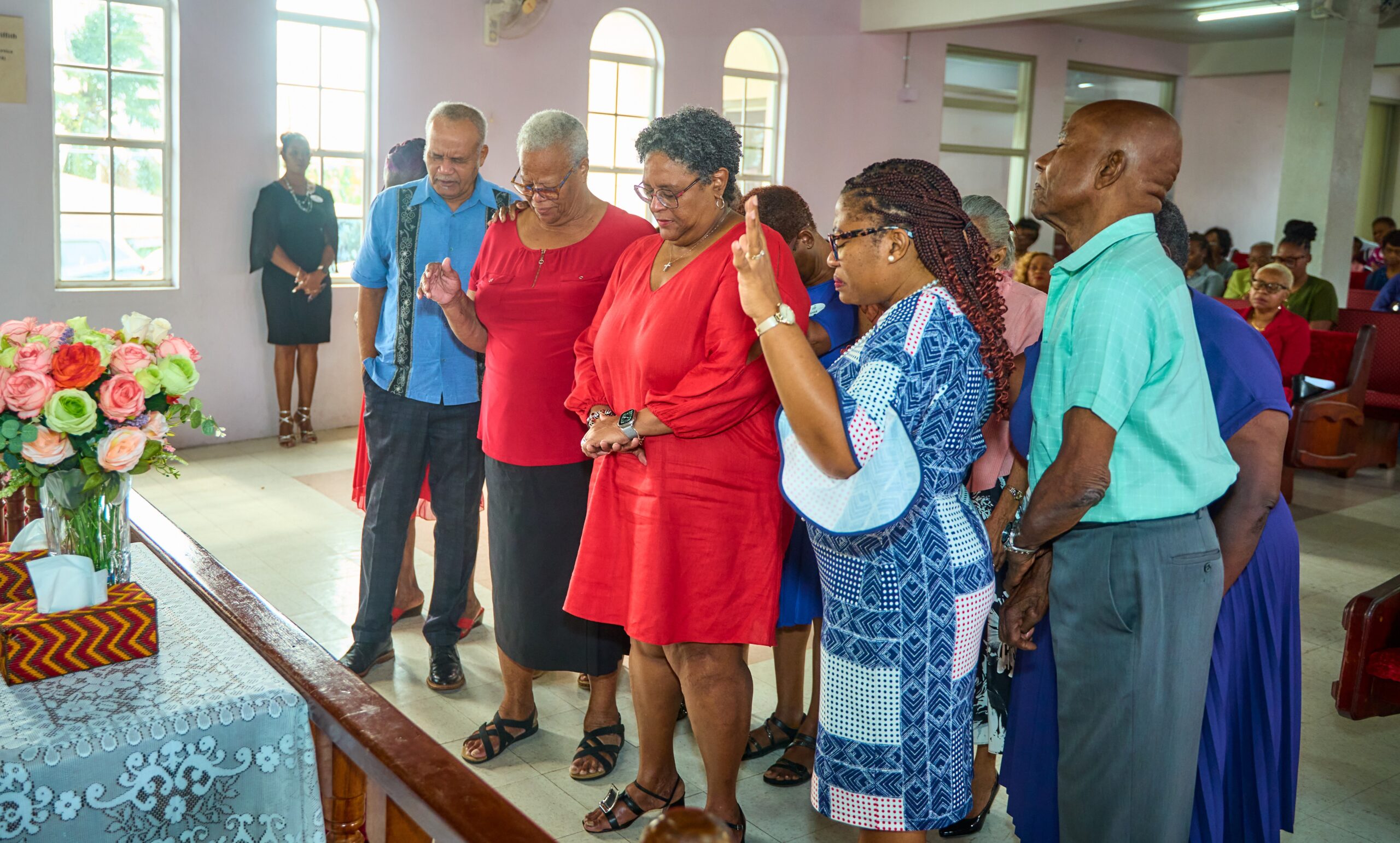
    In a significant move to enhance regional security cooperation, the United States formally transferred a 35-foot patrol vessel valued at $750,000 to the Barbados Defence Force during a ceremony at the Pelican Coast Guard Station on Wednesday. This strategic donation represents the initial delivery in a series of three planned vessel transfers, underscoring Washington’s sustained commitment to strengthening Caribbean maritime capabilities.

    The advanced patrol craft will substantially upgrade Barbados’ operational capacity through enhanced maritime domain awareness and rapid response mechanisms. The vessel is specifically designed to support critical missions including joint security operations, combined military exercises, and humanitarian disaster response initiatives across the Caribbean region.

    US Chargé d’Affaires Karin Sullivan emphasized the profound significance of the bilateral partnership during her ceremonial address. “Our nations’ cooperation is deeply rooted in shared democratic principles and mutual respect,” Sullivan stated. “This ongoing collaboration directly enhances our collective ability to confront transnational criminal networks, respond to natural disasters, and address evolving regional security challenges.”

    Barbados Defence Force Chief of Staff Brigadier Carlos Lovell welcomed the equipment transfer as a tangible demonstration of international partnership. “These vital donations significantly strengthen Barbados’ operational capabilities in combating criminal activities,” Lovell affirmed. “They further solidify the United States’ position as a dependable and effective ally in our regional security efforts.”

    The vessel transfer forms part of a comprehensive assistance package that includes specialized training programs and joint operational exercises, all aimed at improving interoperability between US and Barbadian forces while modernizing the island nation’s maritime defense infrastructure.

  • COMMENTARY: Is There Rule of Law In Antigua and Barbuda

    COMMENTARY: Is There Rule of Law In Antigua and Barbuda

    A profound examination of Antigua and Barbuda’s constitutional framework has revealed critical vulnerabilities in the nation’s governance structures, raising urgent questions about the equitable application of rule of law principles. Political commentator Yves Ephraim has initiated a compelling discourse on constitutional reform, highlighting how the current document contains provisions that ostensibly guarantee citizen rights while simultaneously creating legal loopholes enabling state overreach.

    The foundational concept of rule of law, historically established through the Magna Carta, asserts that no individual or institution should be above legal accountability. This principle requires uniform application of justice regardless of status or position—whether ordinary citizen or high-ranking official. Recent developments, however, suggest troubling disparities in law enforcement practices that undermine this fundamental democratic tenet.

    A particularly concerning incident involves the destruction of property belonging to the opposition leader at Morris Bay, which prompted the Prime Minister to publicly suggest police investigation of the opposition figure. While the police subsequently initiated questioning, observers note a contrasting lack of urgency in addressing the Prime Minister’s own allegations of widespread fraud within the public sector regarding unauthorized vehicle purchases.

    This selective enforcement pattern raises critical questions about the independence of the Police Commissioner’s office, previously believed to operate as an autonomous entity free from political influence. The apparent discrepancy in investigating different allegations—despite comparable evidentiary basis—suggests either institutional weakness or political manipulation of law enforcement mechanisms.

    The emerging pattern indicates systemic issues that could fundamentally erode public trust in democratic institutions if left unaddressed. The situation demands comprehensive constitutional review to establish clearer safeguards against state overreach and ensure consistent application of legal principles to all citizens equally.

  • Staatsraad presenteert eerste schriftelijke jaarverslag aan president

    Staatsraad presenteert eerste schriftelijke jaarverslag aan president

    In an unprecedented move signaling governmental transparency, Suriname’s Council of State presented its inaugural written accountability report to President Jennifer Simons during Thursday’s year-end assembly. The comprehensive document chronicles the Council’s operational transformation from August through December 2025, marking a significant departure from traditional practices within this highest advisory body.

    The report meticulously details the Council’s initial operational challenges upon assumption of duties, implemented corrective measures, and current operational status. Vice Chairman Amzad Abdoel revealed to StarNews that a preliminary assessment exposed critical staffing deficiencies that hampered the Council’s ability to fulfill presidential mandates. The institution lacked essential financial management personnel, operated with an understaffed secretariat, and had inadequate cleaning facilities.

    Within existing budgetary constraints, the Council initiated strategic personnel reinforcement without burdening public finances. Operational workflows underwent significant optimization, resulting in enhanced efficiency. Financial management systems underwent comprehensive restructuring, with all monthly financial reports from January through September completed and submitted to the presidency. Budget utilization is now systematically monitored, outstanding payments have been reconciled, and resource allocation strategies have been optimized.

    Administrative procedures have been rigorously streamlined, with correspondence to the Council now addressed within three working days. The advisory body has processed one draft law, five draft state decrees, and one legislative proposal within the four-month period, with seven new initiative proposals currently under consideration.

    The Council is actively developing enhanced public accountability mechanisms, including plans for citizens to monitor proceedings online through collaboration with the E-Government Directorate. For 2026, the institution has formulated an ambitious operational plan focusing on procedural documentation, facility renovation, legislative revision, and the potential establishment of an internal audit department to further strengthen transparency frameworks.

    Abdoel emphasized the report’s significance in demonstrating the Council’s transformation journey: “As a High College of State, we aim to exemplify transparency and accountability. With presidential support, we’re making substantial progress toward this objective.”

  • President Abinader inaugurates final phase of Avenida Ecológica in Santo Domingo

    President Abinader inaugurates final phase of Avenida Ecológica in Santo Domingo

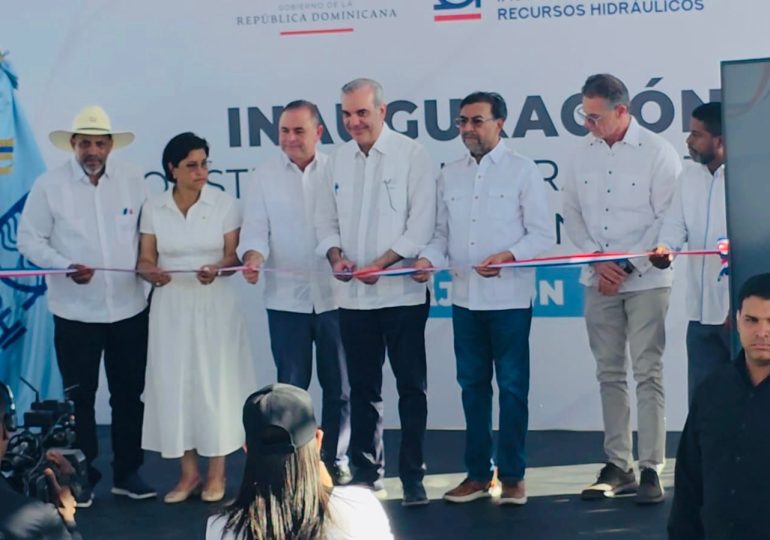
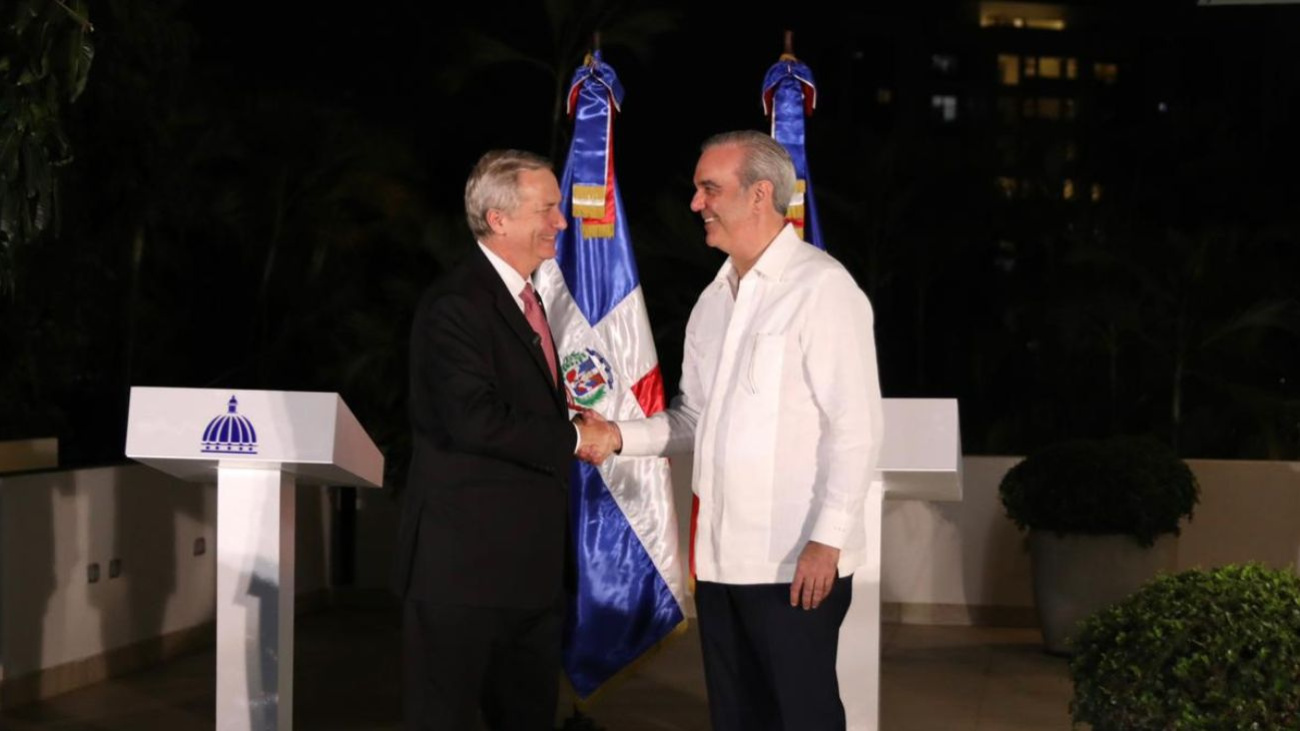
    SANTO DOMINGO – President Luis Abinader officially inaugurated the completed Avenida Ecológica on Friday, marking a transformative milestone in the Dominican Republic’s infrastructure landscape. The newly opened 12-kilometer thoroughfare, constructed under Abinader’s administration, is designed to function without a single traffic light, ensuring seamless vehicular movement across key zones including Santo Domingo East, Boca Chica, La Caleta, and major national highways.

    The president underscored the avenue’s role as a critical economic artery, significantly enhancing the nation’s logistical framework and foreign trade capabilities. By bridging the country’s primary ports in Greater Santo Domingo, the project substantially reduces travel duration and freight expenses, directly benefiting an estimated 850,000 residents. Abinader framed the avenue as more than a road—it is a cornerstone of a comprehensive strategy integrating mass transit, water management, and energy systems to foster sustainable urban development.

    Complementing this initiative are ongoing expansions of the Santo Domingo Metro and Cable Car systems, upgrades to aqueducts, and bolstered energy production, collectively forming a holistic model for growth. Minister of Public Works Eduardo Estrella detailed the avenue’s sophisticated engineering, including a new toll plaza and an overpass that alleviates congestion from the Port of Caucedo and improves traffic flow to Las Américas International Airport—a vital upgrade expected to stimulate tourism and job creation.

    Dio Astacio, Mayor of Santo Domingo East, applauded the national government’s sustained investment in infrastructure, citing observable improvements in daily commute times and overall quality of life for constituents. The Avenida Ecológica now stands as one of the Caribbean nation’s most advanced logistics corridors, reinforcing the Dominican Republic’s position as a competitive player in regional trade and economic resilience.

  • Na druk: EU stelt Mercosur-deal uit

    Na druk: EU stelt Mercosur-deal uit

    The European Union has postponed the signing of a landmark free trade agreement with South American nations following intense farmer protests and last-minute opposition from France and Italy. The EU-Mercosur pact, which would create one of the world’s largest free trade zones covering 780 million people and a quarter of global GDP, now faces uncertain prospects after 26 years of negotiations.

    EU officials had anticipated finalizing the agreement this weekend in Brazil, but Commission spokeswoman Paula Pinho confirmed the delay until January. The decision emerged during emergency talks between European Commission President Ursula von der Leyen, European Council President Antonio Costa, and Italian Prime Minister Giorga Meloni, with Italy’s conditional support secured for January’s vote.

    The postponement came hours after dramatic scenes unfolded in Brussels where hundreds of farmers from across Europe staged violent protests. Agricultural workers blocked streets with tractors, launched fireworks, and burned tires along with a symbolic coffin labeled “Agriculture.” Police responded with tear gas and water cannons as protesters threw potatoes and eggs, leading to the evacuation of European Parliament staff.

    French President Emmanuel Macron emerged as the agreement’s most prominent critic, citing concerns about unfair competition for European farmers already struggling with high production costs and animal disease outbreaks. Macron’s centrist government, wary of growing far-right opposition, demands stronger safeguards including rigorous import inspections, pesticide restrictions in Mercosur countries, and mechanisms to prevent economic disruption.

    Italian Premier Meloni called any immediate signing “premature,” insisting on adequate mutual guarantees for Italy’s agricultural sector. This opposition potentially gives France sufficient votes to veto the agreement, which requires support from two-thirds of EU members.

    Proponents argue the pact represents a crucial geopolitical move that would counter Chinese influence in Latin America and provide alternatives to U.S. trade restrictions. German Chancellor Friedrich Merz warned that further delays would damage EU credibility in global trade policy. Agathe Demarais of the European Council on Foreign Relations noted the agreement’s strategic importance in preventing Latin American economies from moving closer to Beijing.

    In South America, Brazilian President Luiz Inácio Lula da Silva expressed frustration over the delay, which undermines what he hoped would be a major diplomatic achievement ahead of next year’s elections. Both Lula and Argentina’s libertarian President Javier Milei remain committed to the agreement despite their political differences, viewing Mercosur as a spear rather than a shield in global trade relations.