分类: politics

  • Doumbouya declared winner of presidential elections in Guinea

    Doumbouya declared winner of presidential elections in Guinea

    Guinea’s military leader Mamady Doumbouya has clinched a definitive victory in the nation’s presidential election, according to official provisional results announced by election authorities. Djenabou Toure, Director of the General Directorate of Elections, confirmed that Doumbouya achieved an absolute majority in the first round of voting, eliminating the need for a runoff election.

    The electoral contest featured eight additional candidates, with Abdoulaye Balde of the Democratic Front of Guinea party emerging as the distant runner-up with merely 6.6% of the total vote. Other presidential hopefuls received significantly lower percentages in the final tally.

    Approximately 6.7 million registered voters participated in the landmark election, which was conducted under a radically transformed constitutional framework. This new constitution, ratified in a September referendum, introduced sweeping changes to Guinea’s political system. Most notably, it removed previous restrictions barring military officials from seeking elected office and extended the presidential term from five to seven years.

    Doumbouya, who seized power through a military coup in September 2021 that ousted then-President Alpha Condé, entered the race as the overwhelming favorite. His transition from military ruler to elected president marks a significant political transformation for the West African nation.

    The election occurs against a backdrop of persistent economic challenges. According to World Food Programme data, despite Guinea’s substantial mineral wealth—particularly its extensive bauxite reserves—more than half of the country’s 15 million citizens continue to live below the poverty line, highlighting the economic difficulties facing the incoming administration.

  • STATEMENT: New year message from the incoming chair of the Caribbean Community, Hon. Dr Terrance Drew, Prime Minister of St Kitts and Nevis

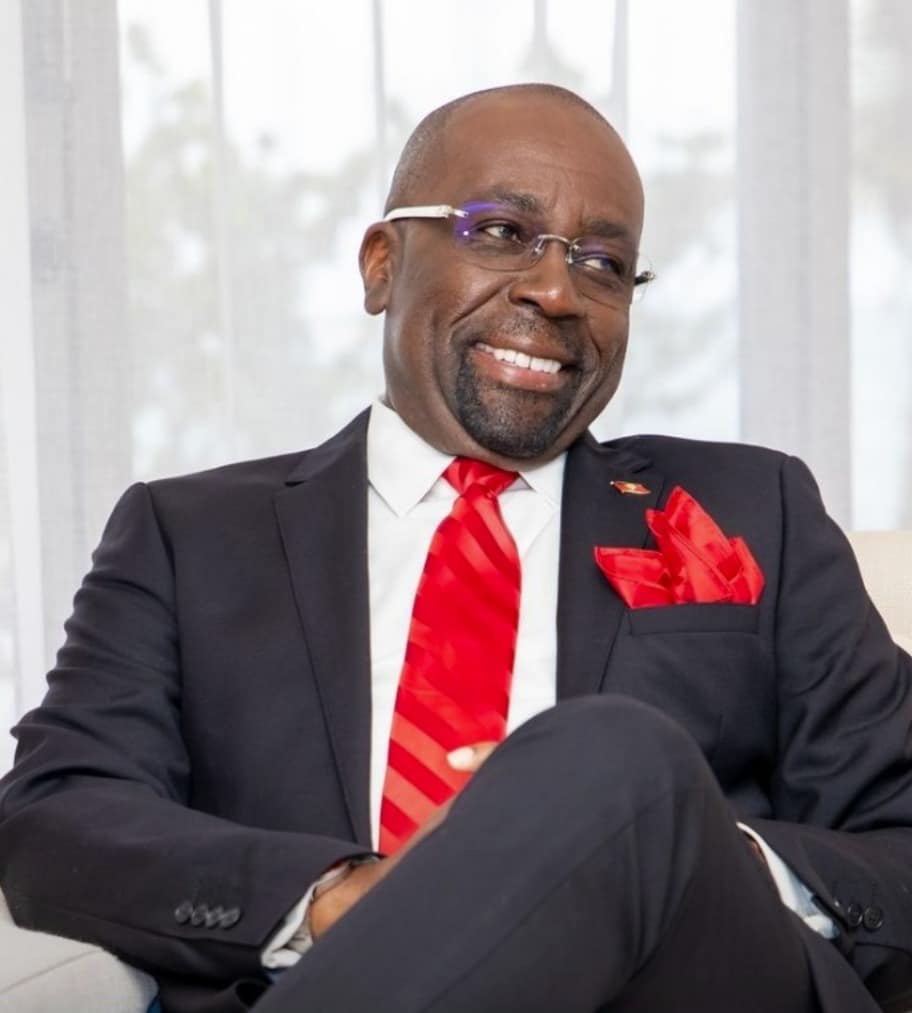
    STATEMENT: New year message from the incoming chair of the Caribbean Community, Hon. Dr Terrance Drew, Prime Minister of St Kitts and Nevis

    Dr. Terrance Drew, Prime Minister of St. Kitts and Nevis, has officially assumed the rotating chairmanship of the Caribbean Community (CARICOM) on January 1, 2026, marking the beginning of his six-month tenure leading the regional bloc. In his inaugural New Year address to the Caribbean populace, Dr. Drew outlined his vision for strengthened integration and collective action during a period of global uncertainty.

    The new chairman acknowledged the leadership of his predecessor, Jamaican Prime Minister Andrew Holness, who guided the community through significant regional challenges. Dr. Drew emphasized that regional integration remains essential rather than optional in today’s volatile global landscape, reaffirming CARICOM’s foundational principles established in the 1973 Treaty of Chaguaramas.

    Dr. Drew highlighted CARICOM’s historical achievements, noting how the organization has expanded markets through economic cooperation, facilitated cross-border movement of skills, and advanced functional cooperation in health, disaster response, education, and climate advocacy. He particularly emphasized the region’s disproportionate contributions to global culture, sports, and intellectual thought despite its relatively small size.

    The address addressed several pressing regional issues, including the ongoing situation in Haiti, which Dr. Drew described as requiring sustained regional engagement. He confirmed CARICOM’s continued support through the Eminent Persons Group as Haiti prepares for general elections in 2026 and implements UN Security Council Resolution 2793 regarding gang suppression.

    Dr. Drew also referenced recent public disagreements among member states, acknowledging that while differences are natural in a diverse community, they must be managed with mutual respect and regional responsibility. He stressed that CARICOM was designed as a forum for constructive dialogue where collective strength outweighs individual disagreements.

    The chairman announced that St. Kitts and Nevis will host the Fiftieth Regular Meeting of the Conference of Heads of Government from February 24-27, 2026, inviting fellow leaders to engage actively on priority issues affecting the region’s welfare.

    Concluding with a call to action, Dr. Drew urged Caribbean citizens and leaders to recommit to regional principles, strengthen institutions, and speak with one voice on the global stage to secure the future of Caribbean civilization.

  • Cuban FM rejects US sanctions on Venezuela and Iran

    Cuban FM rejects US sanctions on Venezuela and Iran

    Venezuelan Foreign Minister Yván Gil has issued a formal condemnation of recently imposed United States sanctions targeting both Venezuela and Iran. Through a statement posted on his official X (formerly Twitter) profile, Minister Gil characterized the measures as ‘unilateral coercive measures’ that stand in direct opposition to international law. He asserted that the primary objective of these sanctions is to escalate pressure and aggression against the two nations.

    This diplomatic rebuke follows reports confirming that the U.S. government has enacted sanctions against a total of ten entities and individuals operating within Iran and Venezuela. The White House justification for these financial penalties cites alleged involvement in the advancement of Iran’s unmanned aerial vehicle (drone) trade and its ballistic missile development program. U.S. authorities have labeled these programs as significant threats to national security interests and the stability of its allies throughout the Middle East region.

    In an official release, the U.S. Department of the Treasury provided further context, stating that these new sanctions are designed to reinforce measures previously re-established by the United Nations. These UN sanctions specifically target Iran’s nuclear development activities. This stance is starkly contrasted by the position of Tehran, which maintains that its nuclear program is exclusively intended for peaceful, civilian purposes and is in full compliance with international non-proliferation agreements. The move signifies a continuing deterioration in diplomatic relations between the involved nations.

  • Arab League condemns new Israeli law against UN agency

    Arab League condemns new Israeli law against UN agency

    The Arab League has issued a formal condemnation of recent legislation approved by Israel’s Knesset that seeks to restrict the operational capacity of the United Nations Relief and Works Agency (UNRWA) within occupied Palestinian territories. In an official communiqué, the regional body characterized the parliamentary move as an extension of previously enacted illegal measures designed to obstruct the agency’s humanitarian mission.

    The organization emphasized that this legislative action constitutes a severe infringement upon the established immunities and privileges granted to United Nations agencies under international law. Furthermore, the Arab League characterized the Israeli legislation as a direct defiance of a recent United Nations General Assembly resolution addressing the protection of UN operations in conflict zones.

    According to the Arab League’s assessment, the implementation of this legislation would produce catastrophic humanitarian consequences by systematically undermining UNRWA’s operational capabilities. The agency maintains a critical mandate to deliver essential services that remain irreplaceable for Palestinian refugee communities across the region.

    In response to these developments, the Arab League has urgently appealed to the international community to acknowledge its collective legal and ethical obligations. The organization called for concerted diplomatic action to counter measures that threaten humanitarian operations and violate international protocols governing UN agencies.

  • Solidarity with Cuba in Panama celebrates ICAP’s 65th anniversary

    Solidarity with Cuba in Panama celebrates ICAP’s 65th anniversary

    The Cuban Institute of Friendship with the Peoples (ICAP) has issued a powerful declaration reaffirming its foundational principles of international respect, affection, fraternity, and steadfast loyalty. These core values, the organization emphasized, are embodied by its personnel who represent the nation with both pride and dignity on the global stage.

    In its official communication, ICAP issued a direct appeal to the United States government, demanding the termination of an economic embargo that has been enforced for over six decades. The institute concurrently reiterated its unwavering dedication to championing Cuba’s socialist revolution, which it describes as being fundamentally humanitarian and ethical in its pursuit of comprehensive well-being and prosperity for all Cuban citizens.

    Founded under Law 901 on December 30, 1960, ICAP operates as an autonomous entity dedicated to advancing people-to-people diplomacy and fostering global solidarity. Its mission is executed through a worldwide network of friendship associations. A central component of its operational framework involves coordinating with international supporters of Cuba, including the management of volunteer work brigades. These brigades, which regularly journey to the island, serve a vital function in strengthening cross-border relationships and facilitating collaborative efforts.

  • Laos: Cuba reveals unprecedented US military deployment in Caribbean

    Laos: Cuba reveals unprecedented US military deployment in Caribbean

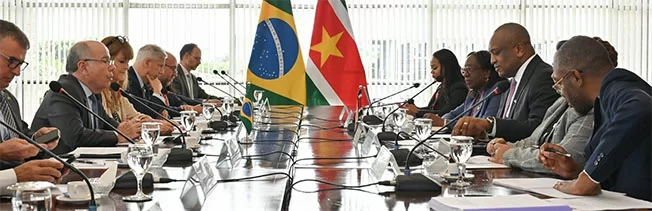
    In a significant address marking the 67th anniversary of the Cuban Revolution, Ambassador Viant articulated grave concerns regarding emerging threats to international norms. The diplomat asserted that current geopolitical developments pose a direct challenge to fundamental principles of trade freedom and national sovereignty, particularly undermining the proclamation that established Latin America and the Caribbean as a Zone of Peace during the 2014 Havana summit.

    The ambassador emphasized that these developments establish dangerous precedents with far-reaching implications for global stability, potentially escalating into larger conflicts that require urgent international attention to prevent widespread conflagration.

    During the commemorative event—which also honored the centenary of revolutionary leader Fidel Castro and the 50th anniversary of Kaysone Phomvihane’s historic visit to Havana—Viant identified peace as the indispensable foundation for advancing regional cooperation, fostering integration, and accelerating progress toward achieving the United Nations Sustainable Development Goals.

    Addressing domestic challenges, the ambassador detailed how the Cuban population has endured and resisted the impacts of what she described as a ‘devastating US economic blockade’ maintained for over six decades. This situation, according to Viant, has been intensified through financial restrictions, energy sector persecution, and increasingly sophisticated multidimensional warfare tactics.

    The diplomatic address also highlighted substantial advancements in Cuba-Laos relations, noting significant progress between the two nations’ governing parties, governmental structures, and parliamentary bodies. Viant pointed to expanding cooperation across multiple sectors including education, sports, healthcare, agricultural development, and scientific research.

    The ambassador specifically referenced the recent visit by Miguel Diaz-Canel, First Secretary of Cuba’s Communist Party and President of the Republic, to Laos as a demonstration of the strengthened fraternal alliance between the nations. This diplomatic engagement reportedly reaffirmed commitments to enhance economic, political, and cultural collaboration while reinforcing solidarity bonds forged through decades of shared challenges and mutual international support.

  • Antigua ends medical partnership with Cuba

    Antigua ends medical partnership with Cuba

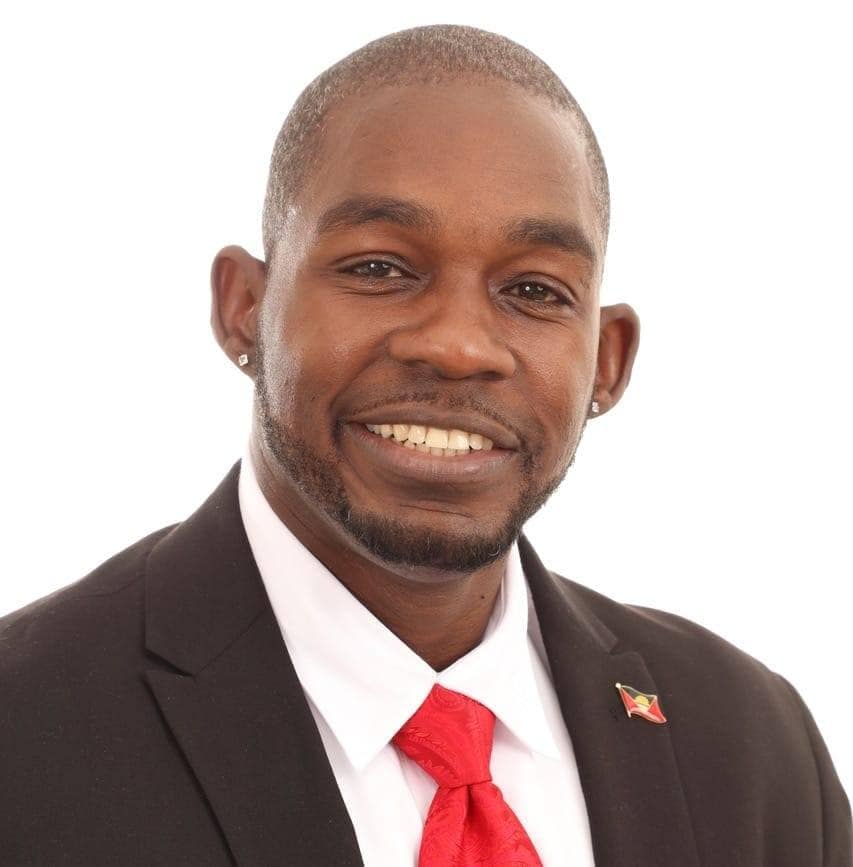
    In a significant geopolitical shift, Antigua and Barbuda has reportedly terminated its longstanding medical cooperation agreement with Cuba after facing sustained pressure from the United States government. While official confirmation remains pending, the apparent dissolution of this decades-old partnership marks a dramatic reversal from Prime Minister Gaston Browne’s previously staunch defense of Cuban medical assistance programs.

    The United States has consistently criticized Cuba’s medical missions abroad, labeling them as forms of “human trafficking” and demanding that compensation be paid directly to healthcare professionals rather than through Cuban government channels. Washington maintains that the current arrangement constitutes exploitation of medical workers and violates international labor standards.

    This diplomatic pressure escalated considerably during summer months when US officials indicated that Caribbean leaders facilitating Cuban medical programs could potentially face personal sanctions. In response, Antigua and Barbuda attempted to implement what government officials described as “payment tweaks” to address American concerns while preserving the essential medical partnership.

    The complete termination of the program indicates these compromise measures ultimately failed to satisfy US demands. Notably, the Browne administration has maintained official silence regarding the partnership’s dissolution, despite the Prime Minister’s history of directly addressing controversial matters.

    Instead, political opposition forces have broken the silence. The United Progressive Party issued a December press release expressing regret over the partnership’s abrupt termination while clarifying their non-involvement in the decision. The statement affirmed continued gratitude toward Cuba despite the administration’s apparent policy shift.

    The program’s cessation raises practical concerns about healthcare delivery in Antigua and Barbuda, where Cuban medical professionals previously formed what Prime Minister Browne himself described as “the core of our health services.” The government has yet to outline strategies for addressing anticipated healthcare workforce shortages resulting from this diplomatic realignment.

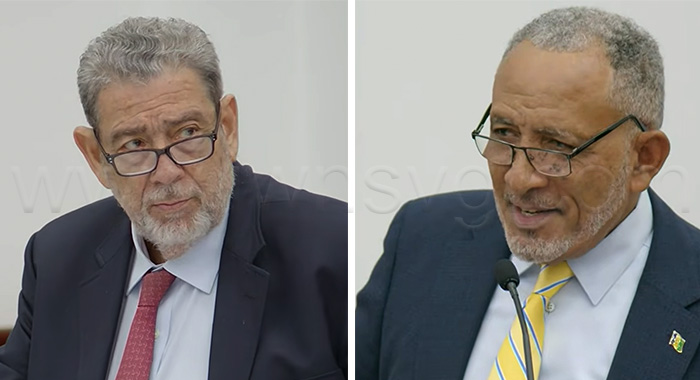
  • Former NDP chair who sang ULP’s praises changes tune amidst defeat

    Former NDP chair who sang ULP’s praises changes tune amidst defeat

    In a remarkable political reversal, former New Democratic Party (NDP) chairman Linton Lewis shifted from harsh criticism to enthusiastic praise as the party secured a decisive 14-1 victory in St. Vincent and the Grenadines’ November 27 general election. Lewis, who had publicly endorsed the ruling Unity Labour Party (ULP) just days before the election, now celebrates the very party he previously condemned for internal divisions.

    The lawyer and four-time unsuccessful parliamentary candidate had told St. Vincent Times in a November 23 interview that the NDP suffered from excessive bitterness and lack of unity. His critical remarks were subsequently incorporated into the ULP’s social media campaign seeking an unprecedented sixth consecutive term.

    Lewis served as NDP chairman until 2016 and as a party senator from 2012 to 2015. Despite his previous fallout with the party, he acknowledged Prime Minister-elect Godwin Friday’s ‘very strong mandate’ and expressed optimism about the NDP’s ability to govern effectively.

    Reflecting on the transition from opposition to government, Lewis highlighted the challenges ahead: ‘The greatest challenge, especially coming on the heels of having been in opposition for so long, is introducing a concept of meritocracy.’ He specifically praised the working relationship between Friday and newly appointed Deputy Prime Minister St. Clair Leacock, noting their extensive history of collaboration within the party.

    Lewis also addressed his previous concerns about internal party bitterness, suggesting that the overwhelming electoral mandate would facilitate unity: ‘When you have a mandate as strong as that, it augurs well for unity and a very quick unity.’ He expressed particular interest in how ministerial portfolios would be assigned and anticipated the new government would successfully implement its platform.

  • Gov’t focusing on new hospital; Parliament building put on hold

    Gov’t focusing on new hospital; Parliament building put on hold

    Prime Minister Godwin Friday has declared that constructing a new Parliament building in Beachmont, Kingstown—a project initiated by the former Unity Labour Party (ULP) government—is not a priority for his administration. Instead, the New Democratic Party (NDP) government will focus its resources on completing the US$78 million hospital currently under construction in Arnos Vale.

    Speaking on Hot 97 FM, Friday confirmed that the national assembly will continue to convene at the Temporary Parliament Building in Glen for the foreseeable future. This stance reaffirms the position he established in 2020 during the COVID-19 pandemic, when the then-government secured a US$20 million loan for the parliamentary complex.

    Friday, who led the NDP to a decisive 14-1 electoral victory on November 27, reiterated his long-held view that given the country’s financial constraints, a new Parliament building should not be the primary focus—especially when the proposal emerged during a global health crisis. He emphasized his philosophy of directing funds where they are most needed, stating, “put the money where the pain is,” particularly when citizens were experiencing significant hardship.

    The historical Parliament building in Kingstown, which has served for two centuries, last hosted a session on June 1, 2023. The aging structure, located across from Market Square, requires extensive repairs. Notably, the High Court continued operating on the ground floor through July 2024 despite issues with mold and woodlice infestation.

    As both Prime Minister and Finance Minister, Friday expressed that a comfortable chair suffices for conducting government business until improved fiscal conditions allow for such infrastructure projects. His administration will also advance plans for a national health insurance system, having already discussed implementation with the National Insurance Services CEO. Friday argued that accessible healthcare is fundamental, stating that without such a system, it effectively tells citizens they’re on their own when illness strikes.

  • China opent nieuwe hoofdstukken in grote-landendiplomatie op cruciaal moment

    China opent nieuwe hoofdstukken in grote-landendiplomatie op cruciaal moment

    In a comprehensive address at the Symposium on International Situation and China’s Foreign Relations, Chinese Foreign Minister Wang Yi articulated China’s strategic diplomatic direction for the coming years against the backdrop of profound global transformations. The speech delivered a moment of strategic reflection and forward-looking vision as the world navigates fundamental shifts in international order.

    Minister Wang characterized 2025 as a pivotal historical juncture where nations confronted critical choices between unilateral hegemony and emerging multipolarity, amid escalating geopolitical and economic tensions. Positioning China as a stabilizing force, Wang emphasized the nation’s commitment to peace, cooperation, and justice in international affairs.

    Under President Xi Jinping’s leadership, China is pursuing diplomacy with distinctive Chinese characteristics focused on building a shared future for humanity. The address highlighted China’s relationships with major global partners including the United States, Russia, European Union, and Global South nations. Wang specifically noted China’s active engagement in seeking peaceful resolutions to conflicts, including the Ukraine crisis.

    The Foreign Minister underscored China’s dedication to fostering positive relations with neighboring countries and across the Asia-Pacific region, emphasizing security, prosperity, and regional cooperation. China’s Belt and Road Initiative and international trade agreements were identified as central components of Beijing’s strategy to promote openness and economic development.

    Wang articulated China’s commitment to reforming global governance systems, advocating for enhanced justice, equality, and multilateralism in international relations. China aims to assume a leadership role in strengthening United Nations mechanisms and supporting developing nations.

    Regarding core national interests, Wang reiterated China’s unwavering position on sovereignty and territorial integrity, with particular emphasis on Taiwan. China firmly opposes any separatist activities and external interference, characterizing reunification with Taiwan as an irreversible historical mission.

    Looking toward 2026, Wang announced China’s plans to intensify diplomatic efforts across multiple fronts: providing strategic support for national development, deepening bilateral and multilateral relationships, promoting regional stability, and advancing global cooperation and openness.

    The address positions China as a confident and determined responsible major power committed to shaping a stable, peaceful, and just world order through proactive diplomatic engagement.