分类: politics

  • MP Corey Lane announces decision not to seek re-election

    MP Corey Lane announces decision not to seek re-election

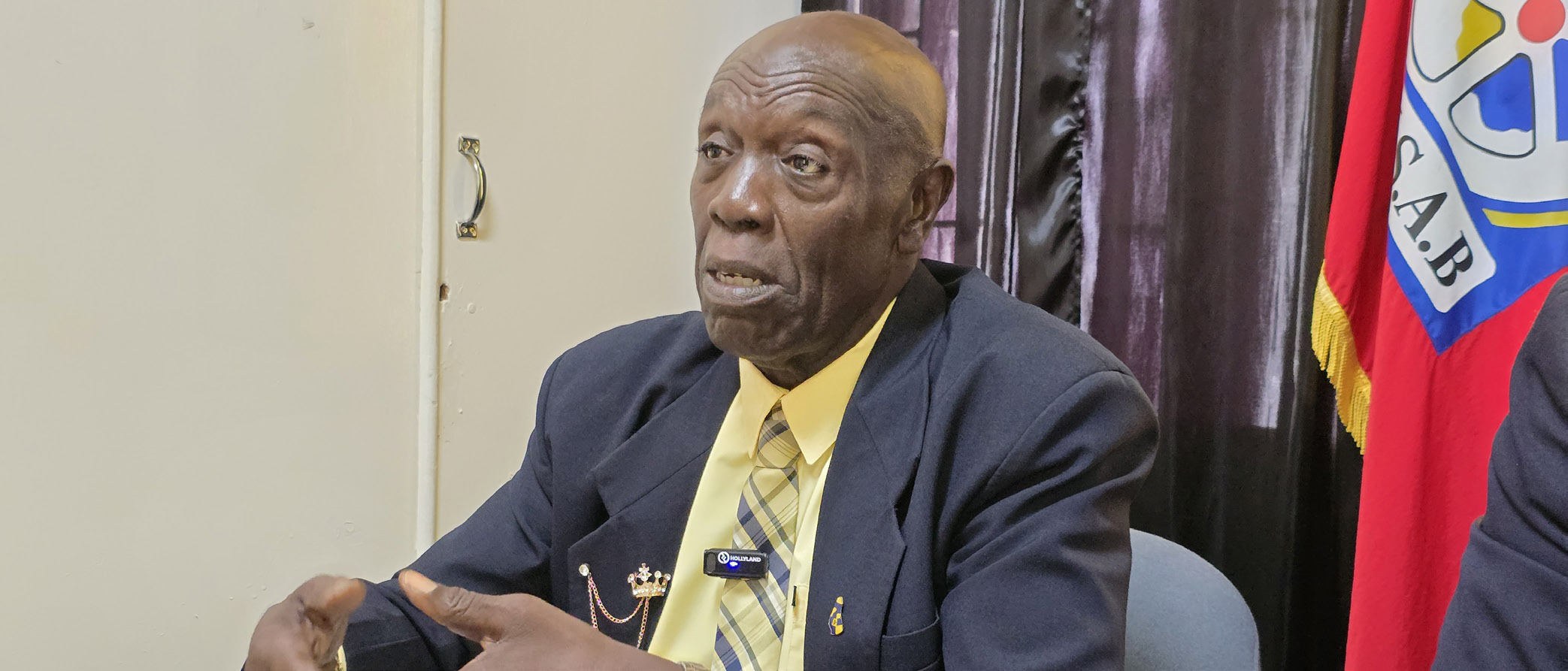
    In a significant political development, Barbados Labour Party Member of Parliament Corey Lane has declared he will not seek reelection in the upcoming general election, concluding his parliamentary tenure representing the City of Bridgetown constituency.

    The announcement came through an official statement released Saturday, wherein Lane characterized the decision as profoundly considered following extensive deliberation, spiritual reflection, and candid discussions. The MP emphasized that his departure stems not from reluctance but from confidence in both party leadership and the constituency’s ability to identify a worthy successor.

    ‘This declaration does not come with a heavy heart,’ Lane asserted, ‘as the sole circumstance under which I would contemplate stepping down from representing my constituents is knowing our leader shares my unwavering dedication to the people of Bridgetown. Both she and I remain confident the branch will identify an individual fully prepared, willing, and capable to assume this responsibility.’

    Lane’s political journey experienced a prior transition in February of last year when he resigned from his ministerial position as Minister of State in the Office of the Attorney General, where he oversaw crime prevention initiatives. At that time, he cited personal motivations, including prioritizing family time, as driving factors.

    Addressing his constituents directly, Lane reflected on his service as ‘the greatest honour of his life,’ describing the deep personal meaning derived from representing their interests. He expressed particular gratitude for the consistent trust placed in him, which he identified as the most significant gift received throughout his term.

    The MP highlighted the distinctive Barbadian cultural tradition of hospitality as symbolic of his relationship with constituents, noting that being welcomed into homes and offered meals represented being embraced as family. Lane committed to maintaining honesty and transparency with the public, values he pledged to uphold from his initial campaign.

    Elected in the 2022 general election under the Barbados Labour Party banner, Lane brought prior governmental experience to his role, having served as special adviser to the Prime Minister on poverty alleviation and Sustainable Development Goals before entering parliamentary politics.

  • Holness on Maduro: ‘My job is to keep Jamaica safe’

    Holness on Maduro: ‘My job is to keep Jamaica safe’

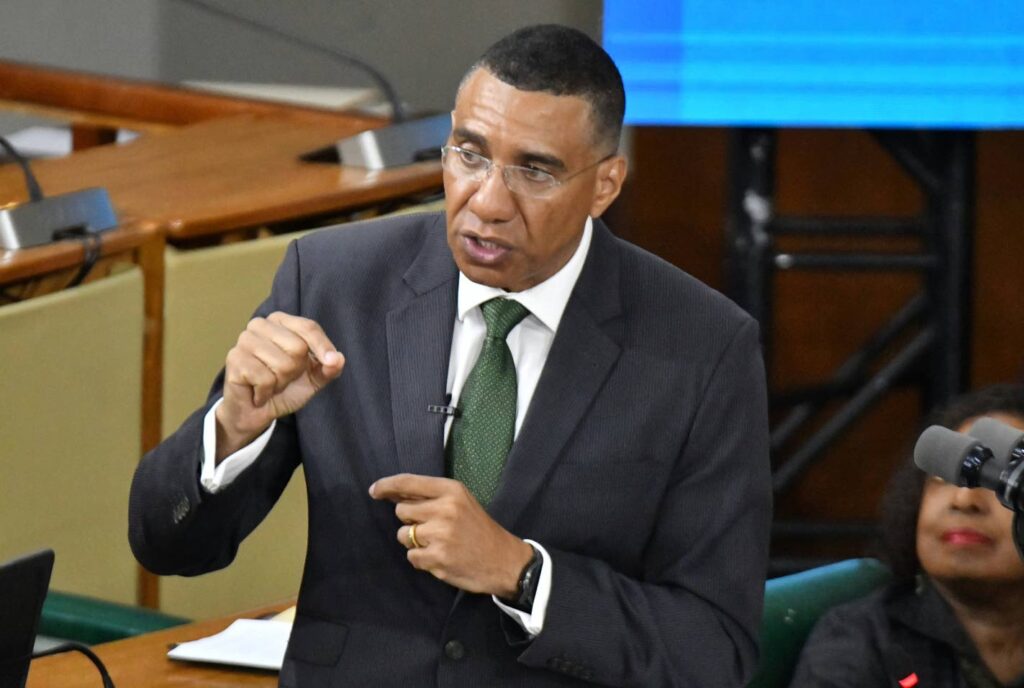
    Prime Minister Andrew Holness has articulated Jamaica’s deliberate approach to international diplomacy amidst escalating geopolitical tensions surrounding Venezuela. Speaking at the ‘Heal the Family, Heal the Nation’ National Day of Prayer service in Portmore, St. Catherine, Holness emphasized that Jamaica’s primary responsibility remains national security rather than engaging in unnecessary foreign entanglements.

    The Prime Minister’s comments follow the controversial January 3rd seizure of Venezuelan President Nicolás Maduro by United States military forces, though Holness carefully avoided direct reference to the operation. Instead, he highlighted Jamaica’s consistent foreign policy positions established well before current developments, stating that research would demonstrate the nation’s early stance on these matters.

    Holness rejected assertions that Jamaica’s cautious diplomacy represents abandonment of principle, asserting that the nation has consistently served as “the strong voice of reason for small developing countries globally.” His administration maintains that Jamaica’s foreign policy balances multiple considerations including rule of law, human rights, democracy, and non-intervention in sovereign states’ affairs.

    The political context includes vigorous debate within Jamaica’s opposition People’s National Party, regional leaders, and international observers regarding sovereignty, international law, and Caribbean security. The US operation that extracted Maduro and his wife to face drug trafficking charges in New York has raised significant concerns about regional stability and the principles of international intervention.

    Jamaica’s historical position dates to January 2019 when it joined 18 Organization of American States members in refusing to recognize the legitimacy of Maduro’s presidential term. Foreign Affairs Minister Kamina Johnson Smith clarified that this decision reflected Jamaica’s commitment to fundamental values while maintaining concern for the Venezuelan people’s welfare.

    The opposition PNP has urged stronger support for international legal principles and clearer positioning regarding Venezuela, warning that force-driven regime change poses serious regional risks. Meanwhile, CARICOM leaders have expressed grave concern while advocating diplomatic solutions that respect Venezuelan sovereignty and dignity.

    Former Prime Minister Bruce Golding provided critical context, describing the Maduro operation as part of a rapidly shifting global order influenced by Trump-era policies. Golding warned that post-World War II norms protecting sovereignty are eroding, creating a vulnerable position for Caribbean nations caught between geopolitical powers. He invoked historical parallels, suggesting the region faces challenges reminiscent of colonial eras that require careful navigation to preserve hard-won sovereignty.

  • EBC defends integrity of electoral process

    EBC defends integrity of electoral process

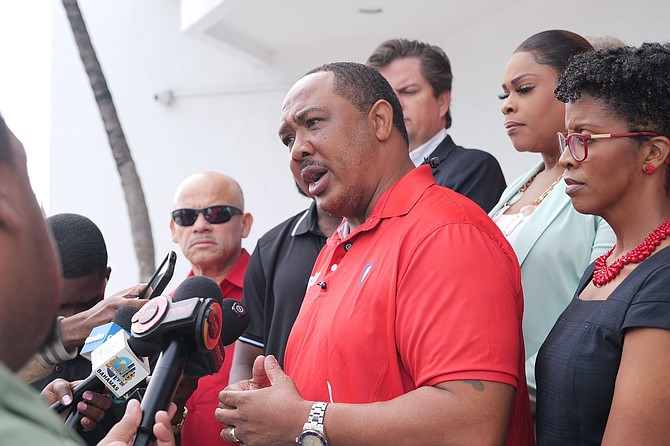
    Barbados’ Electoral and Boundaries Commission (EBC) has issued a robust defense of the nation’s electoral integrity, forcefully rejecting allegations of misconduct while addressing recent public concerns about voting procedures. The commission’s chairman, Ramon Alleyne KC, delivered a comprehensive briefing to media representatives at Warrens Towers, St Michael, categorically dismissing suggestions of political interference in electoral operations.

    Alleyne emphasized the EBC’s constitutional independence, stating unequivocally that no government minister directs or controls the commission’s legislated responsibilities. This declaration comes several months after the EBC’s November announcement identifying 8,291 names for potential removal from the national Register of Electors—a substantial clean-up initiative following Barbados’ first comprehensive enumeration exercise in over three decades.

    The chairman addressed specific concerns regarding the enumeration process, explaining that the commission historically engages additional personnel beyond its core staff of 30 registering officers for island-wide operations. In this instance, postal workers were recruited due to their extensive community knowledge and address familiarity, with all personnel receiving thorough training and supervision from EBC staff. The commission characterized this collaborative effort as both efficient and successful.

    Regarding the published list of individuals slated for removal from voter rolls, Alleyne clarified that deletions only occur under strict legislative conditions: confirmed death, verified absence from Barbados exceeding five years, or substantiated objections. The publication process serves as a critical transparency measure, allowing for public verification and correction over a four-week period with dual notifications.

    Alleyne acknowledged the commission’s ongoing preparatory work for future elections while noting that the EBC receives no advance notification of election timing. He expressed particular concern about circulating misinformation potentially undermining public confidence in electoral institutions, stating the media briefing aimed to provide accurate information directly to citizens. The commission confirmed it has received hundreds of correction requests, demonstrating the system’s built-in verification mechanisms are functioning as intended.

  • Saint Kitts and Nevis introduces residency requirement for CBI Programme

    Saint Kitts and Nevis introduces residency requirement for CBI Programme

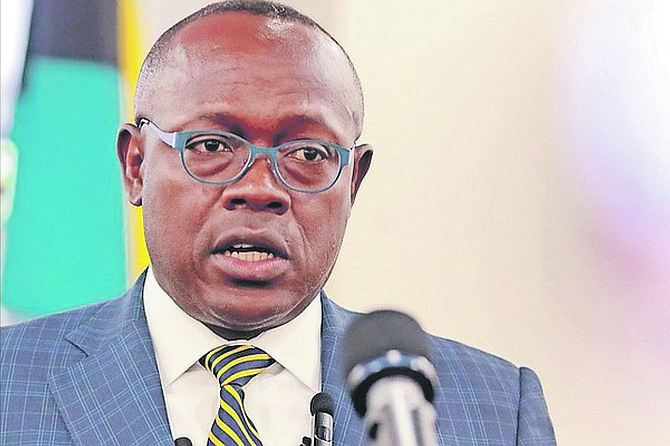
    In a decisive move to bolster its economic citizenship initiative, the Federation of Saint Kitts and Nevis has unveiled two transformative reforms to its Citizenship by Investment (CBI) Programme. Prime Minister Dr. Terrance Drew formally announced these strategic enhancements during a press roundtable, marking a significant evolution in the nation’s investor immigration framework.

    The cornerstone reforms introduce a mandatory residency prerequisite for prospective investors and establish a comprehensive global biometric data collection system for all applicants. These measures represent the latest phase in a comprehensive overhaul initiated by the current administration since assuming governance in 2022, addressing previous criticisms regarding program integrity and valuation.

    “Our administration remains unwavering in its commitment to restoring the CBI Programme’s international standing through rigorous security protocols and enhanced credibility,” affirmed Prime Minister Drew during the announcement.

    Under Dr. Drew’s leadership, the program has undergone systematic modernization including substantial increases in minimum investment thresholds, strengthened due diligence mechanisms, enhanced transparency protocols, and the institutional transformation of the CBI Unit into a statutory body with independent oversight authority.

    Concurrently, Saint Kitts and Nevis has pioneered the establishment of the Eastern Caribbean Citizenship by Investment Regulatory Framework. This multilateral initiative creates a unified regulatory authority among participating Organisation of Eastern Caribbean States (OECS) members, mirroring the collaborative governance model of the Eastern Caribbean Central Bank.

    “These strategic advancements simultaneously reinforce program security while facilitating sustainable economic development,” concluded Dr. Drew, emphasizing the dual objectives of the reforms.

  • Trump tells Cuba to ‘make a deal, before it is too late’

    Trump tells Cuba to ‘make a deal, before it is too late’

    WASHINGTON, United States — In a stark warning delivered via his Truth Social platform, former U.S. President Donald Trump demanded that Cuban leadership negotiate an agreement with the United States or confront severe repercussions. He declared an immediate and complete cessation of Venezuelan oil and financial resources destined for Havana.

    “THERE WILL BE NO MORE OIL OR MONEY GOING TO CUBA – ZERO!” Trump stated emphatically. “I strongly suggest they make a deal, BEFORE IT IS TOO LATE.”

    This ultimatum follows a dramatic military operation one week prior, where U.S. forces reportedly captured Venezuela’s authoritarian leader Nicolas Maduro in Caracas. The nighttime raid resulted in significant casualties, with dozens of Venezuelan and Cuban security personnel killed.

    Earlier that Sunday, Trump amplified a speculative post proposing that U.S. Secretary of State Marco Rubio could assume a leadership role in Cuba. Trump endorsed the idea with a succinct comment: “Sounds good to me!”

    In a subsequent detailed post, Trump outlined the historical economic dependency, noting, “Cuba lived, for many years, on large amounts of OIL and MONEY from Venezuela. In return, Cuba provided ‘Security Services’ for the last two Venezuelan dictators, BUT NOT ANYMORE!” He asserted that the recent U.S. action had neutralized this arrangement, stating, “Most of those Cubans are DEAD from last week’s U.S.A. attack, and Venezuela doesn’t need protection anymore.”

    This dynamic has been central to Cuba’s economy since 2000. Operating under a stringent U.S. trade embargo, Havana became increasingly reliant on oil shipments from Venezuela, an arrangement originally solidified with the late Venezuelan leader Hugo Chavez and continued under Maduro.

  • Is a Caribbean army the answer to foreign threats?

    Is a Caribbean army the answer to foreign threats?

    Amid escalating global geopolitical instability, prominent historian Dr. Jerome Teelucksingh has advocated for the establishment of a unified Caribbean military force. During an exclusive interview on January 6, the University of the West Indies lecturer emphasized the urgent need for regional defense collaboration, citing increasing international hostilities and the Caribbean’s strategic position in global trade networks.

    Dr. Teelucksingh pointed to historical precedent through the British West Indies Regiment, established in 1915 during World War I, which successfully integrated over 15,600 soldiers from across the Caribbean under British command. He asserted that creating a contemporary regional army is neither impractical nor unprecedented, noting that the 20th century already demonstrated the viability of such collaborative military efforts.

    The historian proposed utilizing existing national military structures rather than building entirely new formations, suggesting incorporation through frameworks similar to the US and Canadian military systems. He emphasized the necessity of including all Caribbean nations—English, Spanish, Dutch, and French-speaking territories—while acknowledging potential challenges regarding funding allocation and inter-island rivalries.

    Critical to this vision is the development of advanced defense capabilities, including drone technology, artificial intelligence, and region-specific military research laboratories. Dr. Teelucksingh recommended educational partnerships between Defense and Education Ministries to establish military science programs at institutions like Trinidad and Tobago’s COSTATT, emphasizing the importance of regional self-reliance in defense technology development.

    However, political scientist Dr. Bishnu Ragoonath expressed significant skepticism regarding the proposal’s feasibility. He cited the region’s fractured political landscape, referencing the failed West Indies Federation (1958-1962) and current challenges with CARICOM implementation, including the incomplete adoption of the Caribbean Court of Justice and Common Market agreements.

    Dr. Ragoonath highlighted fundamental obstacles such as the absence of unified foreign policies—evidenced by multiple Caribbean embassies in Washington—and questioned the financial viability of a regional defense budget given existing commitments to institutions like the University of the West Indies. He suggested that immediate security concerns might necessitate continued reliance on former colonial powers rather than expecting rapid development of new regional institutions.

  • Trump admin sends more agents to Minneapolis despite furor over woman’s killing

    Trump admin sends more agents to Minneapolis despite furor over woman’s killing

    MINNEAPOLIS, United States (AFP)—A deepening political confrontation has emerged in Minneapolis as Homeland Security Secretary Kristi Noem announced Sunday the deployment of hundreds of additional federal agents to the city, directly contradicting demands from local Democratic leadership for their withdrawal. The escalation follows the fatal shooting of 37-year-old protester Renee Nicole Good by an immigration officer last Wednesday.

    In multiple television appearances, Secretary Noem staunchly defended the officer’s actions, characterizing Good’s activities as “domestic terrorism” and maintaining that the agent acted in self-defense when he shot her inside her vehicle. This assessment has been vehemently challenged by Minnesota Governor Tim Walz and Minneapolis Mayor Jacob Frey, who point to viral video evidence suggesting Good’s car was turning away from the agent and presented no immediate threat.

    The ideological divide was further exposed during tense interview exchanges where Noem, when questioned about making definitive statements while an official investigation remains in its early stages, asserted the administration’s position was justified. “Why are we arguing with a president who’s working to keep people safe?” she questioned on CNN.

    Speaking to Fox News, Noem outlined the operational rationale for the reinforcement, stating the additional officers would ensure the safety of immigration personnel conducting operations in the city. She issued a stern warning that protesters engaging in violence against law enforcement or impeding federal operations would face criminal consequences.

    Meanwhile, confrontations continued Sunday outside a Minneapolis Immigration and Customs Enforcement (ICE) facility, where officers deployed pepper spray against demonstrators holding signs. Noem accused Democratic leaders of inflaming tensions and encouraging violence through their rhetoric, claiming they had “extremely politicized” the situation.

    Since the shooting, largely peaceful demonstrations have occurred nationwide, with participants demanding a transparent investigation into the circumstances of Good’s death. A point of significant contention remains the FBI’s exclusive control over the investigation, which excludes local authorities—a arrangement criticized by Mayor Frey as potentially lacking neutrality.

    Frey further defended activists’ efforts to disrupt immigration operations as legitimate, emphasizing the constitutional requirement for lawful enforcement. He cited concerning incidents including pregnant women and American citizen high school students being apprehended.

    The federal operation continues as agents carried out immigration enforcement actions in residential neighborhoods Sunday, while community members established makeshift memorials honoring Good with flowers. This security deployment coincides with a separate, highly politicized fraud investigation ongoing in Minnesota.

  • Wider protection for parents, retrenched workers

    Wider protection for parents, retrenched workers

    The Trinidad and Tobago government is undertaking sweeping reforms to modernize labor legislation, offering enhanced protections for workers facing redundancy and expanding parental benefits. Minister of Labour, Small and Micro Enterprise Development Leroy Baptiste unveiled the comprehensive amendments during a January 11 press conference, addressing critical gaps in existing laws.

    The revisions to the Retrenchment and Severance Benefits Act of 1985 represent a significant expansion of worker safety nets. The proposed changes would increase severance pay calculations to three weeks’ wages per year of service for employees with one to five years of tenure, and one month’s pay per year for those exceeding five years of service—substantially improving upon current compensation structures.

    Crucially, the government is redefining ‘redundancy’ to include insolvency, receivership, and operational discontinuation, closing legal loopholes that allowed unscrupulous employers to evade severance obligations. ‘These activities would have rendered workers without any recourse under the act,’ Baptiste explained, emphasizing that the amendments would ensure compensation regardless of termination circumstances.

    Parallel reforms to the Maternity Protection Act of 1994 introduce groundbreaking parental benefits extending to fathers and adoptive parents. The amendments eliminate the 24-month limitation on leave benefits that previously penalized women for multiple pregnancies within a year. Nursing mothers will gain statutory protections for paid breastfeeding breaks, while explicit provisions prohibit termination, demotion, or reduced pay due to pregnancy, maternity, paternity, or parental leaves.

    The legal framework is also being strengthened through evidentiary shifts in discrimination cases, placing the burden of proof on employers. Industrial Court fines will be introduced for violations, and pregnancy testing for job applicants or employees will be prohibited. Contract workers gain protection against pregnancy-based non-renewal of contracts.

    Minister Baptiste confirmed the revisions are currently with the Attorney General and will be presented to Parliament shortly, reflecting the government’s urgency in addressing outdated compensation structures and procedural gaps affecting vulnerable workers.

  • Amendments to Maternity and Retrenchment acts — Kamla: Major wins for working families

    Amendments to Maternity and Retrenchment acts — Kamla: Major wins for working families

    The Trinidad and Tobago government has announced a comprehensive overhaul of labor legislation, introducing what Prime Minister Kamla Persad-Bissessar characterizes as “major wins for working families.” The reforms, approved by Cabinet and announced at a UNC press conference on Sunday, represent the most significant expansion of parental protections in recent history.

    Labor Minister Leroy Baptiste revealed that the amendments to the Maternity Protection Act and Retrenchment and Severance Benefits Act will introduce groundbreaking provisions including paid paternity leave, parental leave for adoptive parents and guardians, and protections for situations where a mother dies following childbirth. The legislative package, now before the Attorney General for drafting, eliminates the restrictive rule that previously limited maternity benefits to once every 24 months.

    The sweeping reforms will establish paid breastfeeding breaks, strengthen anti-discrimination protections in workplaces, and prohibit pregnancy testing for job applicants and employees. The legislation guarantees job security by ensuring employees can return to the same position after maternity, paternity, or parental leave. Notably, the burden of proof in discrimination cases will shift to employers, and protections will extend to contract workers previously excluded from such benefits. The reforms also include provisions to fast-track related cases through the Industrial Court.

    Prime Minister Persad-Bissessar complemented the policy announcements with personal reflections on motherhood, urging young women to consider starting families without fearing career consequences. “You do not have to choose between a career and a family—you can have both,” she asserted in a Facebook post that accompanied the policy reveal. Drawing from her own experiences, the Prime Minister described motherhood as “one of the most beautiful feelings in life” and emphasized that familial love provides meaning that professional achievements alone cannot offer in later years.

    The Prime Minister’s message particularly targeted young professional women, acknowledging that while focusing exclusively on careers might seem fulfilling initially, the absence of family could lead to loneliness in later life. “All humans need love and companionship to achieve their fullest potential; women, in particular, have an inherent drive to nurture and care,” she wrote, framing the policy changes as enabling both professional and personal fulfillment.

  • To a better Tobago

    To a better Tobago

    Tobago stands at a political crossroads as 42 candidates from four distinct parties prepare to contest Monday’s Tobago House of Assembly (THA) elections, competing for 15 seats of governance. The electoral landscape has undergone significant transformation since the previous administration, most notably with the absence of the Progressive Democratic Patriots (PDP) party that previously propelled Farley Augustine to power as Chief Secretary.

    The political dynamics have shifted dramatically following the fractious split that saw all elected officials except Watson Duke form the new Tobago People’s Party. In a surprising development, Mr. Duke has chosen to support Mr. Augustine, whom he describes as “his younger brother,” creating new political mathematics in Caribbean politics that essentially leaves the PDP without representation in tomorrow’s election.

    Mr. Augustine has been navigating a delicate balancing act in his relationship with the UNC-led government, maintaining notes of independence while recognizing that his position against the PNM might strengthen his ties with the Central Government. Meanwhile, infrastructure improvements are underway with the MV Blue Wave Harmony scheduled to replace the MV Cabo Star for inter-island freight transport, boasting enhanced capacity and refrigeration capabilities.

    While the PNM has focused on criticizing past administrative missteps, including military radar installation issues at Crown Point, Mr. Augustine has presented ambitious development plans including a four-year development strategy and a 20-year vision for Tobago’s future. Though some proposals, such as minimum wage increases, may exceed current economic realities, goals regarding hotel infrastructure development and tourism expansion appear both sensible and achievable.

    The island’s unique characteristics present both challenges and opportunities. While complete food security remains unlikely due to land constraints, local agricultural production aligns perfectly with the environmental tourism and sustainability markers that premium travelers seek. Tobago’s renowned “blue food” cuisine complements its famous azure waters, offering authentic experiences distinct from processed alternatives.

    Campaign activities have maintained the traditions of free and fair elections, with the Council for Responsible Political Behaviour commending parties for upholding campaign integrity. The passionate, sometimes colorful political discourse underscores Tobagonians’ deep commitment to their homeland’s future. Monday’s election results will provide a crucial mandate for the winning party to implement its vision for Tobago’s development, with strong voter turnout expected to lend legitimacy to the chosen path forward.