分类: politics

  • Resident Says Newfield “Overlooked” for 14 Years; PM, Baltimore Promise Housing and Infrastructure Support

    Resident Says Newfield “Overlooked” for 14 Years; PM, Baltimore Promise Housing and Infrastructure Support

    During a town hall meeting in Antigua, a Newfield resident delivered a powerful indictment of perceived governmental neglect, telling Prime Minister Gaston Browne that her community has remained structurally stagnant for over fourteen years. The constituent articulated frustrations that despite repeated election cycle promises, essential infrastructure development had completely bypassed the area, leaving roads, buildings, and community facilities frozen in time.

    The resident specifically questioned the disappearance of past commitments, asking emphatically, ‘What happens to Newfield?’ However, she acknowledged recent positive developments under constituency caretaker Randy Baltimore, noting visible progress in road repairs and urging government support for his ongoing initiatives.

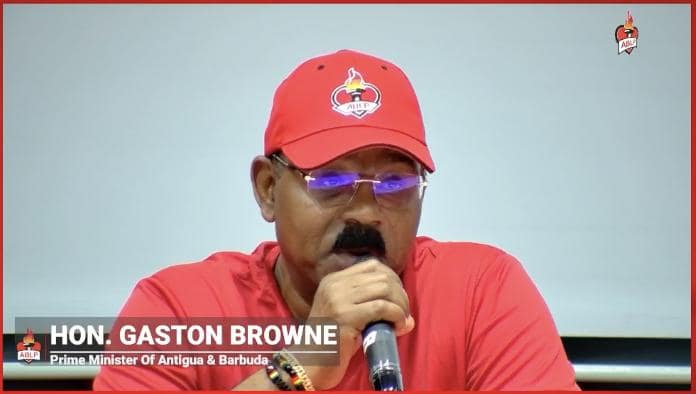
    In response, PM Browne highlighted completed and ongoing projects in Newfield, including road repaving and significant upgrades to the community basketball court, which now features enhanced lighting and pending surface markings. Browne confirmed advanced discussions with Baltimore—whom he referred to as the ‘incoming representative’—regarding the construction of additional homes and encouraged residents to utilize entrepreneurial and scholarship programs through his office.

    Baltimore subsequently outlined a comprehensive development agenda for Newfield, confirming the basketball court enhancements and announcing plans for a new children’s playground. He detailed coordinated efforts with the Central Housing and Planning Authority to address overgrown vegetation and confirmed upcoming road resurfacing projects alongside cleanup support from Solid Waste management crews.
  • SVG in talks with US about third-country ‘deportees’

    SVG in talks with US about third-country ‘deportees’

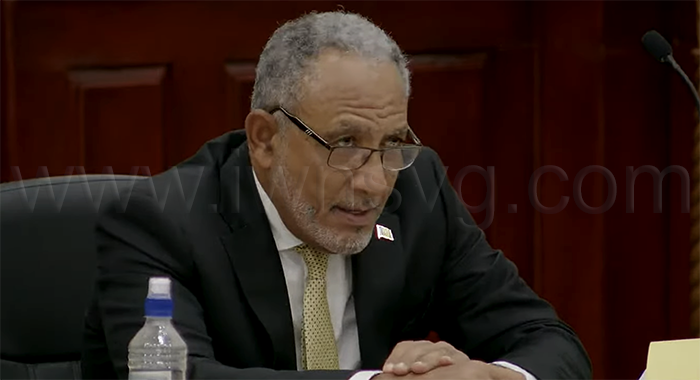
    St. Vincent and the Grenadines Prime Minister Godwin Friday has confirmed that the United States government has formally approached his administration, along with all Organization of Eastern Caribbean States (OECS) members, regarding the potential resettlement of third-country nationals. The diplomatic engagement centers on a proposed memorandum of understanding currently under negotiation between Kingstown and Washington.

    In an exclusive interview with state-owned NBC Radio on Thursday, Prime Minister Friday revealed that his government has submitted a draft response to US authorities and is awaiting further clarification. The Vincentian leader, who currently chairs the eight-member OECS bloc, emphasized that while the US initiative is being pursued through bilateral channels, Caribbean nations are coordinating their responses through regional mechanisms.

    “We have been presented with a memorandum of understanding for review and have engaged in negotiations with US authorities,” Friday stated. “This process mirrors similar engagements occurring across the OECS region, where we are collectively seeking to harmonize our approach.”

    The Prime Minister highlighted the particular significance of such agreements for the OECS, which maintains a unique regime of free movement among member states. Any immigration arrangement affecting one nation inherently impacts neighboring territories, creating compelling reasons for policy coordination.

    Friday acknowledged historical challenges in coordinating foreign policy within the Caribbean Community (CARICOM) and OECS frameworks but stressed that member states remain committed to developing unified approaches. The current negotiations include critical discussions regarding operational security protocols and implementation mechanisms for any potential resettlement program.

    While expressing willingness to maintain cooperative relations with traditional partners like the United States, the Prime Minister emphasized that any agreement must ensure reciprocity and address legitimate security concerns. The region seeks balanced arrangements that respect both international obligations and regional stability considerations.

  • ABLP Leader Endorses Randy Baltimore, Calls for “Resounding Victory” in St. Philip’s North

    ABLP Leader Endorses Randy Baltimore, Calls for “Resounding Victory” in St. Philip’s North

    In a significant political mobilization, Prime Minister Gaston Browne of Antigua and Barbuda has formally endorsed Randy Baltimore as the Antigua and Barbuda Labour Party (ABLP) candidate for the pivotal March 16 by-election in the St. Philip’s North constituency. Addressing a town hall gathering, Browne issued a compelling call to action for a ‘resounding victory,’ framing the election as a critical test of support.

    Browne meticulously crafted a narrative of local dedication and continuity, presenting Baltimore as the quintessential ‘homegrown representative.’ He emphasized that Baltimore was not only born and raised in the constituency but continues to reside there, positioning him as a figure of authentic connection and enduring commitment. ‘This is a form of leadership continuity,’ Browne declared, linking Baltimore’s candidacy to the legacy of the late Sir Robin Yearwood, whose 50-year parliamentary service cemented the area as a traditional ABLP stronghold.

    Acknowledging this historical loyalty, Browne assured constituents that their support would ‘never be taken for granted,’ pledging sustained government focus on local infrastructure and community concerns, including specific projects like the police station. A central theme of his address was the portrayal of sacrifice. Browne highlighted Baltimore’s decision to resign from his Customs position after 27 years as a profound act of dedication to public service.

    Beyond local issues, the Prime Minister contextualized the by-election within the national political landscape. He cataloged the party’s achievements in infrastructure, job creation, and housing, arguing that the nation’s stability and continued economic progress are inextricably linked to the ABLP’s governance. ‘You can trust us. We have brought you stability,’ he asserted.

    To secure an overwhelming mandate, Browne announced an intensive, targeted campaign strategy. ABLP officials will suspend regular executive meetings to concentrate fully on mobilizing voters in St. Philip’s North, deploying teams for door-to-door outreach. Browne urged supporters to revalidate their voter cards and actively combat complacency, challenging them to exceed previous victory margins to send an ‘unequivocal message’ of confidence in his administration.

  • Antigua and Barbuda, Spain Reaffirm Diplomatic Ties at EU-Caribbean Assembly Talks

    Antigua and Barbuda, Spain Reaffirm Diplomatic Ties at EU-Caribbean Assembly Talks

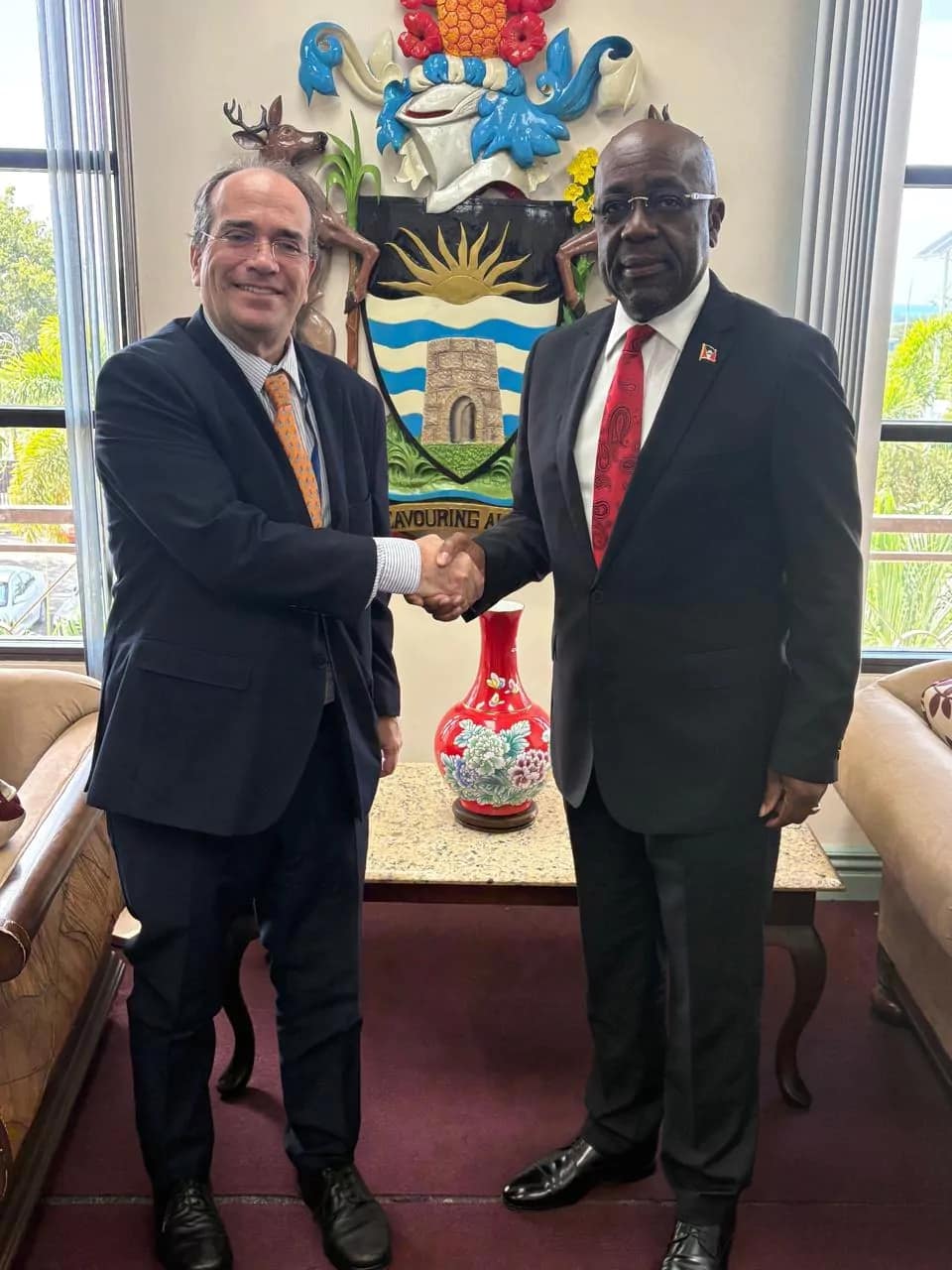
    In a significant diplomatic development, Antigua and Barbuda and the Kingdom of Spain have reinforced their bilateral relations during high-level discussions held alongside the EU-Caribbean Parliamentary Assembly in St. John’s. The meeting between Foreign Affairs Minister E.P. Chet Greene and Spain’s Ambassador-at-Large for the Caribbean, Carlos de la Morena Casado, marked a renewed commitment to enhanced cooperation between the two nations.

    The high-level engagement, attended by Permanent Secretary Ambassador Dr. Clarence Pilgrim and Director General for Foreign Affairs Ann Marie Layne, focused on strengthening the diplomatic foundation established in 1988. Over the past three decades, the relationship has evolved through sustained high-level dialogue, comprehensive development initiatives, and vibrant cultural exchanges.

    Historical milestones include the pivotal bilateral summits held in Madrid during 2006 and 2008, which significantly advanced economic and diplomatic cooperation. Spain has consistently supported regional development projects, primarily through European Union funding mechanisms, demonstrating its commitment to Caribbean partnerships.

    Cultural diplomacy has played a crucial role in bilateral relations, with the introduction of Ibero-American Cultural Week in 2011 serving as a platform for promoting Spanish language education and cultural heritage throughout Antigua and Barbuda. Minister Greene emphasized the importance of tailoring development grant funding to address the specific vulnerabilities and economic challenges faced by small island developing states, ensuring more effective and targeted assistance.

  • Baltimore Unveils Three-Pillar Plan: EMS Access, Skills Training and Environmental Stewardship

    Baltimore Unveils Three-Pillar Plan: EMS Access, Skills Training and Environmental Stewardship

    In a significant campaign address at a St. Philip’s North town hall meeting, Randy Baltimore, the Antigua and Barbuda Labour Party’s candidate for the upcoming March 16 by-election, presented a comprehensive development agenda centered on three foundational pillars. The political hopeful committed to delivering tangible, community-oriented advancements should he secure victory in the election, which was triggered by the resignation of the constituency’s previous parliamentary representative.

    Baltimore characterized the constituency as home to industrious citizens, strong family units, motivated youth, and elders possessing valuable wisdom. His platform emphasizes ‘practical progress, genuine community development, and leadership that maintains accountability to constituents.’

    Environmental stewardship emerged as the first priority in Baltimore’s agenda. He framed environmental protection not merely as an idealistic goal but as an essential requirement for public health and long-term community resilience. His proposals include implementing cleaner practices and sustainability measures to mitigate future risks.

    The second pillar focuses on youth empowerment through educational and vocational training initiatives. Baltimore stressed that equipping residents with skills and confidence creates clearer pathways to success, ultimately benefiting the entire community through collective advancement.

    Partnership and unity constitute the third crucial element of Baltimore’s vision. He emphasized that meaningful development requires collaborative effort rather than relying solely on individual leadership, stating ‘The vision isn’t about one person, it’s about all of us.’

    The candidate also revealed plans to enhance existing infrastructure, particularly through the establishment of expanded emergency services. This includes deploying emergency medical services with ambulance availability, improving fire services, and establishing a pharmacy to serve both residents and neighboring communities.

    Concluding his address, Baltimore made a direct appeal to constituents, urging them to support the Labour Party at the polls on March 16 to ensure community safety and security through his representation.

  • Did NDP win?

    Did NDP win?

    A historical examination of political transitions in St. Vincent and the Grenadines reveals striking parallels between current administrative challenges and those faced by previous governments. In August 1984, newly elected Prime Minister James Mitchell’s NDP administration established a confidential committee to assess national debt and public financing. Chaired by economist Noel Venner and including future PM Arnhim Eustace, this committee was tasked with investigating 25 statutory bodies while formulating policy recommendations, demonstrating a structured approach to governmental transition.

    The current NDP administration under PM Ralph Gonsalves faces comparable debt disclosure scenarios—from the EC$190 million national debt revealed in 1984 to today’s staggering EC$3.5 billion burden. However, unlike Mitchell’s systematic approach, the present government confronts mounting criticism over its handling of administrative continuity.

    Public discourse has intensified regarding the prolonged retention of former ULP officials in decision-making positions across statutory bodies and ministries. Critics argue that remnants of the previous administration continue exercising authority unabated, creating frustration among voters who anticipated immediate change. Particularly concerning are reports from the Public Service Union indicating ongoing operational challenges within the Ministry of Health, where employees face persistent obstacles despite governmental directives.

    The core controversy centers on whether the NDP genuinely won the election or merely benefited from the ULP’s loss. This distinction carries significant implications for governance approaches. Many citizens expected swift removal of ULP-aligned officials from influential positions, yet two months post-election, key decision-makers from the previous administration remain entrenched.

    Observers note continued irregularities including arbitrary attendance patterns, substantial salary increases for certain officials (upwards of EC$2,000 monthly), and ongoing corruption concerns. The new administration’s perceived failure to implement even basic transitional measures—such as a moratorium on decisions by holdover officials—has been characterized as a ‘slap in the faces’ of change-seeking voters.

    The political miscalculation appears particularly acute given the upcoming electoral cycle. Commentators urge the administration to demonstrate greater political wisdom, noting that governance effectiveness must be balanced with acknowledgment of the political realities that brought them to power.

  • Column: Volksvertegenwoordigers of belangenvertegenwoordigers

    Column: Volksvertegenwoordigers of belangenvertegenwoordigers

    A contentious debate has erupted in Suriname regarding the substantial compensation packages for members of the judiciary, with the Prosecutor General now receiving over SRD 1 million annually. This development has sparked widespread public outrage and raised fundamental questions about legislative integrity and political priorities.

    Rather than an isolated oversight, investigation reveals this situation resulted from deliberate legislative choices embedded within the Judicial Position Law. Political figures, particularly members of the previous parliament, have engaged in extensive maneuvers to defend the legislation that enabled these substantial judicial salaries. Initial proponent Asis Gajadien (VHP) has acknowledged potential errors requiring correction, yet stops short of admitting fundamental flaws in the law’s conception. Co-initiator Geneviévre Jordan (ABOP) has maintained complete silence since public discontent surfaced.

    This controversy highlights a persistent pattern within Suriname’s legislative culture where laws frequently pass without adequate societal review. Many legislation pieces lack economic realism, contain linguistic deficiencies, and employ complex terminology that challenges even implementing agencies.

    The judicial compensation issue raises broader concerns about parliamentary intentions and priorities. Parliamentary leadership demonstrates remarkable eagerness to advance legislation benefiting high-ranking public officials while crucial workforce sectors including teachers, nurses, and healthcare professionals face persistent uncertainty regarding compensation and working conditions.

    The fundamental competency question emerges: how could multiple reviewing institutions fail to identify the complete lack of societal balance and unacceptable injustice toward the public? The responsibility ultimately rests with both parliament and government, who approve and enact legislation.

    The response to whistleblower Eugène van der San’s revelations proved particularly revealing. Rather than accepting responsibility, critics attacked the messenger and framed the exposure as a political assault against the Prosecutor General, effectively diverting attention from the core issue: how such legislation could emerge in the first place.

    This situation forces citizens to question whether parliamentarians truly represent public interests or merely advance party agendas. Under the guise of synchronizing state powers—a promise that remains unfulfilled—the produced legislation primarily secures financial advantages for judicial members during and after their service.

    Large segments of society perceive this disparity as morally unethical and unjust, creating a perception that political interests outweigh public responsibility. This case must not conclude quietly—laws can be revised, repaired, or revoked, but more importantly, accountability must be presented to society. Transparency and responsibility constitute democratic obligations rather than political options, and both parliament and government must now demonstrate whom they truly represent.

  • U.S. Ambassador Leah Campos holds meeting with Senator Omar Fernández

    U.S. Ambassador Leah Campos holds meeting with Senator Omar Fernández

    In a significant diplomatic engagement, United States Ambassador to the Dominican Republic Leah Francis Campos convened with Senator Omar Fernández at his National District offices on Thursday. The high-level discussion, extending beyond an hour, encompassed critical bilateral matters and contemporary political developments shaping both nations’ relationship.

    The comprehensive dialogue addressed multifaceted issues including national security coordination, support for the Dominican diaspora community, educational partnerships, foreign investment opportunities, and joint economic development initiatives. Particular emphasis was placed on collaborative efforts to combat human trafficking networks operating across the region.

    Senator Fernández provided detailed insights into the Dominican Republic’s legislative priorities, presenting several legislative proposals under his sponsorship that align with mutual interests. The meeting proceeded with notable cordiality and mutual respect, with both representatives reaffirming the enduring friendship and cooperative spirit that has long characterized US-Dominican relations.

    Ambassador Campos was accompanied by Nora Brito, the U.S. Embassy’s Director of Political Affairs, while Senator Fernández’s delegation included key advisors: legislative consultant José Gregorio Cabrera, chief of staff Danilo Terrero, special assistant Diego Vargas, and communications director Cristian Cabrera. This diplomatic exchange represents part of Ambassador Campos’ continued outreach to Dominican leaders across political, economic, and national security sectors.

  • Zetina Demands Action on Sky‑High San Pedro Rent

    Zetina Demands Action on Sky‑High San Pedro Rent

    A mounting housing affordability crisis on Belize’s popular islands has triggered forceful demands for government intervention, with political figures and residents decrying systemic neglect and inequitable policies. Gabriel Zetina, UDP caretaker for Belize Rural South, has issued an urgent call for rental market regulation in San Pedro, Ambergris Caye, warning that skyrocketing costs are displacing the essential workforce that sustains the tourism-dependent community.

    At a recent press conference, Zetina proposed legislative measures including a draft property or rent act to establish fee controls. “We need to create a bill to regulate rent fees,” Zetina stated. “It has to be done. This isn’t just my initiative but should be a collective government effort.”

    The housing concerns extend beyond rental prices to fundamental issues of land distribution. Zetina and former area representative Manuel Heredia highlighted cases where long-term leaseholders discovered their lands had been quietly titled to others through politically connected channels. Heredia criticized current practices, contrasting them with his tenure: “In my days, it did not matter if you were UDP or PUP—it went by merit. Now land is being distributed to specially connected people.”

    Parallel frustrations emerged from neighboring Caye Caulker, where resident Samira Martinez accused local leadership of prolonged neglect. Martinez demanded improved engagement from area representatives, stronger police presence, and youth programming to address deteriorating safety conditions. “Caye Caulker used to be a safe haven,” Martinez lamented. “This generation will never know the peace we had. We need permanently stationed police officers and activities to engage youth.”

    The collective outcry underscores deepening social tensions in Belize’s island communities, where tourism-driven economic growth has exacerbated inequality and strained public resources, prompting calls for comprehensive policy reform and greater governmental accountability.

  • Experts warn campaign finance reform faces legal, cultural roadblocks

    Experts warn campaign finance reform faces legal, cultural roadblocks

    Political analysts and legal experts have raised serious concerns about the feasibility of implementing meaningful campaign finance reforms in Barbados following the recent general election. Dr. Ronnie Yearwood, a senior law lecturer at the University of the West Indies, Cave Hill Campus, revealed that the country lacks comprehensive legislation governing political campaign financing, with existing regulations being both outdated and inadequate.

    The current legal framework, primarily contained within the Representation of the People Act, establishes a spending limit of approximately $10 per voter. This translates to a maximum expenditure of $100,000 for candidates in constituencies with 10,000 registered voters. However, both Dr. Yearwood and political scientist Peter Wickham question whether this figure bears any resemblance to the actual costs of modern political campaigns, which they compare to large-scale music productions due to their complexity and expense.

    Analysis of the 2022 election spending patterns reveals significant discrepancies between official reports and observable campaign activities. Records from the Electoral and Boundaries Commission indicated that the Barbados Labour Party expended $1.3 million while the Democratic Labour Party spent nearly $950,000. Both experts expressed skepticism about these figures, noting the extensive use of social media operations, campaign paraphernalia, and elaborate staging that characterize contemporary elections.

    The discussion around potential reforms has highlighted several critical challenges. Dr. Yearwood pointed to a fundamental cultural contradiction among voters who simultaneously oppose private funding of political parties while resisting the idea of state-funded campaigns using taxpayer money. He predicted severe public backlash against any proposal to implement public financing of political parties, despite its potential to reduce the influence of private donations.

    Wickham, drawing from his research for the Organization of American States dating back to 2003-2004, emphasized the inherently controversial nature of campaign finance reform. He noted the lack of public appetite for state-funded elections and raised practical concerns about the institutional capacity required to properly monitor and audit campaign expenditures. The varying organizational structures of political parties—from well-resourced entities with professional accounting departments to smaller operations without such infrastructure—further complicate implementation.

    Both experts concurred that successful reform would require not only new legislation but also substantial political will, public acceptance, and significantly enhanced oversight mechanisms. They emphasized that Barbados must first establish clear definitions of what constitutes a political party before implementing any comprehensive changes to the campaign finance system.