分类: politics

  • Simons: Alleen onafhankelijke rechter kan oordeel vellen over Nederlandse AOW-uitkering

    Simons: Alleen onafhankelijke rechter kan oordeel vellen over Nederlandse AOW-uitkering

    Surinamese President Jennifer Simons has declared that only an independent judicial authority can resolve the longstanding controversy surrounding the Dutch General Old Age Pensions Act (AOW) and its exclusion of Surinamese citizens. During a Wednesday press conference, Simons characterized the Netherlands’ one-time €5,000 payment to Dutch residents as a “legal omission” requiring reassessment.

    The President emphasized that Suriname cannot demand equivalent payments for its citizens, stating that solely judicial proceedings can determine appropriate resolution. This response came following inquiries from Dennis Belfor, who is challenging the matter both politically and legally within Dutch systems.

    This complex legal dispute traces back to the 1956 legislation that originally granted AOW rights throughout the Kingdom of the Netherlands. The Dutch government subsequently issued a unilateral memorandum that effectively excluded Surinamese individuals—both in Suriname and the Netherlands—from receiving full or partial pension benefits.

    In 2023, the Netherlands offered a compensatory gesture: a single €5,000 payment to elderly Surinamese individuals who chose to retain Dutch citizenship before independence and relocated to the Netherlands. However, strict eligibility criteria have rendered many claimants ineligible. Requirements include residence in the Netherlands by November 25, 1975, being at least eighteen years old at time of relocation, and having lived in the Netherlands for minimum 25 years by July 1, 2024.

    These conditions have created what is now termed the “AOW gap,” disproportionately affecting those who were part of the Dutch Kingdom before independence as outlined in the original 1956 law. President Simons and many others contend that the Netherlands committed a judicial error that has systematically excluded thousands of pre-independence Dutch nationals from rightful pension benefits.

    Simons directly addressed Belfor during the conference: “Only legal proceedings can resolve this. If we were part of the Kingdom initially, we must pursue legal channels. However, the Dutch system has not ruled in your favor to date.”

  • Police detain Tommy Descartes on Election day amid vote buying allegations

    Police detain Tommy Descartes on Election day amid vote buying allegations

    In a dramatic development during Saint Lucia’s general elections, law enforcement officials confirmed the detention of United Workers Party (UWP) candidate Tommy Descartes on December 1. The incident occurred in the Castries South constituency following reports of alleged electoral misconduct.

    Police authorities disclosed that during their intervention, officers discovered approximately $30,000 in cash on Descartes’ person. The candidate was subsequently taken into custody for questioning regarding potential vote-buying activities. Despite the serious nature of the allegations, Descartes was released the same day pending further investigation, with authorities remaining tight-lipped about potential charges.

    The detained politician vehemently denied the accusations in a social media address delivered on December 3. Through an emotionally charged video published on his official Facebook platform, Descartes characterized the incident as a politically motivated fabrication orchestrated by opposing forces.

    “This constitutes nothing more than fabricated information,” Descartes asserted. “These tactics represent the Labour Party’s established methodology to undermine credible opposition candidates and create distrust toward the United Workers Party. If this episode signals what we should anticipate in the coming five years, our nation must prepare for extensive political persecution and intimidation campaigns.”

    The National Elections Commission has not issued an official statement regarding the incident, while international election observers continue monitoring the electoral process for irregularities. This development occurs amidst heightened political tensions in the Caribbean nation, where allegations of electoral misconduct have historically surfaced during closely contested elections.

  • Celia Roberts-Morgan named Coordinator for CHOGM 2026

    Celia Roberts-Morgan named Coordinator for CHOGM 2026

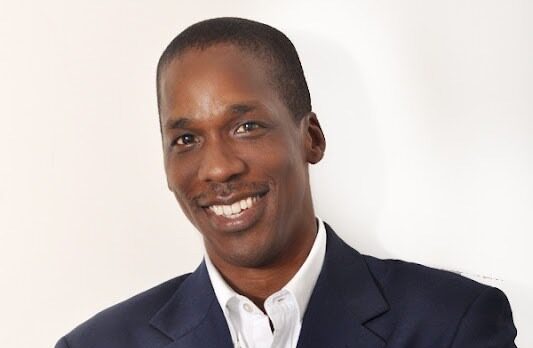
    The Government of Antigua and Barbuda has announced the strategic appointment of distinguished business consultant Celia Roberts-Morgan as Coordinator of the National Task Force for the 2026 Commonwealth Heads of Government Meeting (CHOGM). This significant appointment positions Roberts-Morgan at the helm of the CHOGM Secretariat, headquartered within the Ministry of Trade on Friar’s Hill Road.

    In her pivotal role, Roberts-Morgan will exercise executive oversight of multiple specialized sub-committees tasked with the comprehensive planning and execution of all summit-related events. Her extensive portfolio includes direct support for the committee organizing the prestigious CHOGM Business Forum, alongside other major ancillary gatherings such as the People’s Forum, the Women’s Forum, and the Youth Forum.

    The official announcement was made public on Tuesday during a Task Force assembly held at the American University of Antigua, where chairs of the various sub-committees presented detailed progress reports on the ongoing preparations.

    Roberts-Morgan brings a formidable portfolio of expertise to this high-stakes position. With over twenty years of dedicated experience in organizational effectiveness and public-sector transformation throughout the Caribbean region, she is a recognized authority in her field. She serves as the founder and principal consultant at Roberts & Associates, a firm renowned for advising national governments, leading financial institutions, and major hospitality enterprises on critical matters of governance, policy reform, and enhancing institutional performance.

    Expressing her commitment to the role, Roberts-Morgan stated she was ‘deeply honoured’ by the confidence bestowed upon her. She described the appointment as ‘a profound responsibility and a significant moment for our nation as we prepare to welcome the Commonwealth family,’ further pledging to ‘serve with integrity and dedication.’ She also emphasized her anticipation for collaborating with ‘national, regional, and international partners to ensure CHOGM 2026 reflects the very best of who we are.’

    The appointment has garnered strong endorsements from senior government officials, including Foreign Affairs Minister E.P. Chet Greene, Task Force Head Ambassador Dr. Clarence Pilgrim, and High Commissioner to the UK Karen-Mae Hill, who collectively extended their congratulations and wishes for her success in steering the nation towards a landmark event.

  • A National Treasure: Celebrating Sir Lionel Alexander “Max” Hurst, KCN

    A National Treasure: Celebrating Sir Lionel Alexander “Max” Hurst, KCN

    In the corridors of Antigua and Barbuda’s government, December 4th stands as a date of profound significance—marking the birthday of Sir Lionel Hurst, a multifaceted statesman whose enduring influence continues to shape the nation’s trajectory. As Chief of Staff in the Office of the Prime Minister, Sir Lionel represents a rare blend of diplomatic expertise, historical knowledge, and administrative excellence that has served the Caribbean nation across multiple decades.

    Sir Lionel’s distinguished career embodies exceptional public service across numerous domains. Following his legal training and admission to the bars of New York and Florida, he embarked on an illustrious diplomatic career representing Antigua and Barbuda both in Washington and at the United Nations. During his ambassadorial tenure, he became renowned for his articulate advocacy on behalf of small island developing states, regional cooperation frameworks, and international justice mechanisms. Colleagues remember him as the voice that ensured Antigua and Barbuda’s perspectives resonated consistently within global forums.

    Beyond diplomacy, Sir Lionel has established himself as an intellectual force through his scholarly contributions. His authored work ‘Democracy by Diplomacy’ provides critical insights into the political evolution of Antigua and Barbuda, while his public lectures and media commentary have positioned him as a respected educator. Within government circles, he is often regarded as an unofficial teacher who provides essential historical context during policy deliberations.

    His current role as Chief of Staff places him at the epicenter of national decision-making, where he provides strategic guidance, institutional memory, and continuity between past and present governance approaches. Colleagues characterize him as a steady, principled adviser whose insights routinely inform government actions and policies.

    Adding to his remarkable narrative is the profound personal story of resilience—in 2008, his sister Ivy Hurst donated a kidney that extended his life and preserved his invaluable contributions to national development. This act ensured the continuation of a legacy that includes mentoring generations of public servants and shaping the very fabric of Antigua and Barbuda’s political consciousness.

    His formal recognition as Knight Commander of the Most Distinguished Order of the Nation (KCN) stands as official acknowledgment of decades devoted to diplomatic excellence, national development, and unwavering public service. As government colleagues celebrate his birthday, they honor not just his professional achievements but the intellectual humility and deep patriotism that define his character.

  • Saint Lucia Labour victory signals ‘shift’ for labour politics

    Saint Lucia Labour victory signals ‘shift’ for labour politics

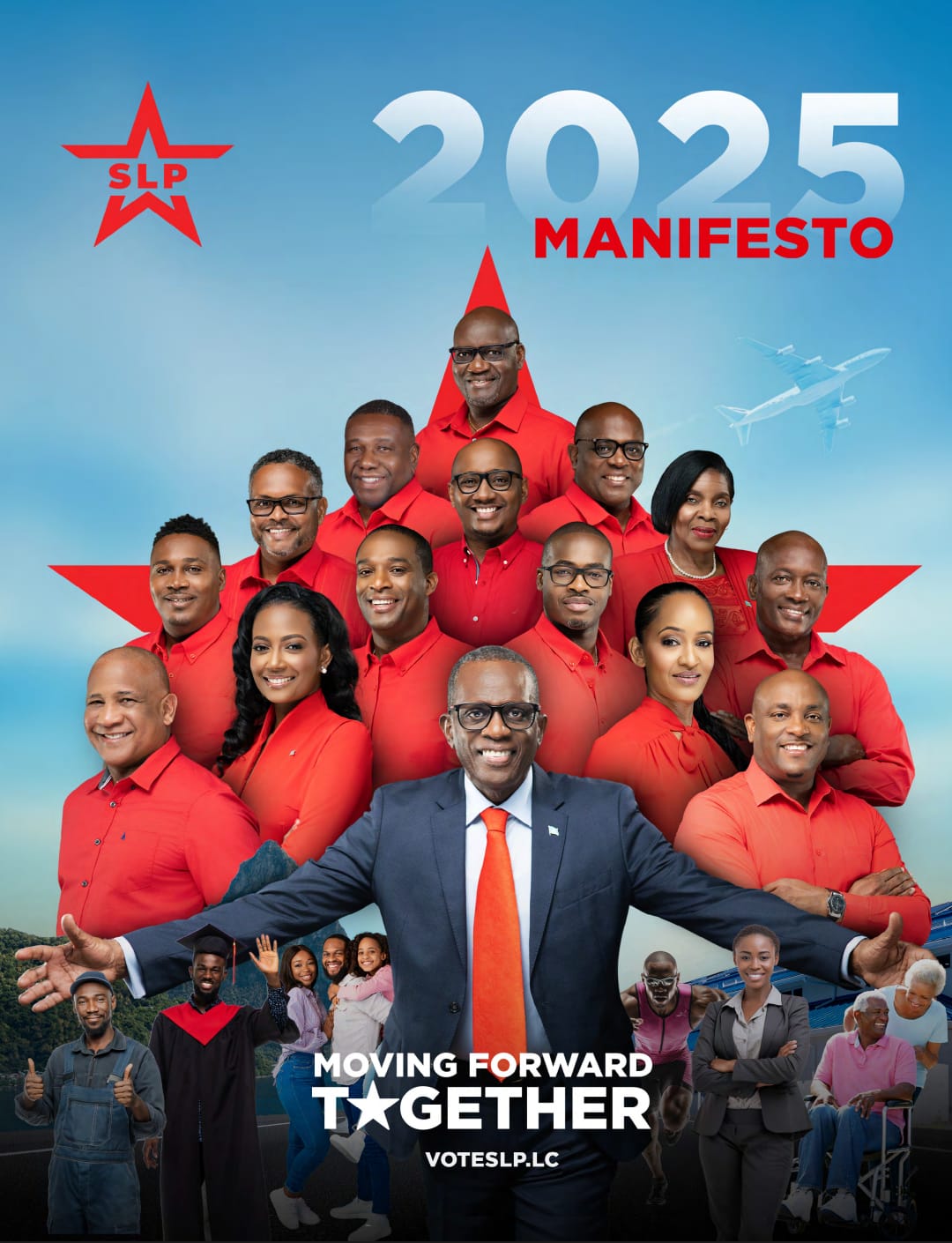
    Political analyst Peter Wickham has characterized the Saint Lucia Labour Party’s overwhelming re-election victory as a transformative moment for labor movements throughout the Caribbean region. The party secured a commanding majority of 14 out of 17 parliamentary seats in Monday’s election, granting Prime Minister Philip J. Pierre an unprecedented second consecutive term in office.

    This electoral outcome represents a remarkable departure from established political patterns, marking both a rare positive swing for an incumbent government and breaking a 25-year tradition of Saint Lucian voters ousting administrations after a single term. Wickham described the result as “an unparalleled success” that demonstrates growing voter confidence in the SLP’s governance approach.

    Despite the regional significance, Wickham cautioned against drawing direct parallels with Barbados’ political landscape. In an interview with Barbados TODAY, the prominent pollster emphasized that each Caribbean nation maintains distinct political circumstances that require separate analysis. “I don’t really know that there’s a whole lot of lessons in this election for Barbados because I think our situation is a bit different,” Wickham stated, suggesting that elections should be “compartmentalized” rather than directly compared.

    The statistical significance of the victory was highlighted by the approximately five percent positive swing toward the Labour Party—a rare phenomenon in Caribbean politics where second-term positive swings remain exceptional. Wickham noted that such outcomes have occurred in Jamaica, Barbados, Antigua, and Dominica, but emphasized their uncommon nature across the region.

    The analyst contrasted Saint Lucia’s results with recent political developments in St. Vincent and the Grenadines, where the Unity Labour Party failed to secure a sixth term under former prime minister Ralph Gonsalves. This comparison underscores Wickham’s central thesis that regional political trends cannot be universally applied across Caribbean states.

    Addressing voter participation concerns, Wickham questioned the reported 48% turnout figure, attributing apparent declines to bloated voter registration lists rather than voter apathy. “Those lists contain names of people who physically cannot vote,” he explained, advocating for comprehensive electoral reform beginning with proper voter re-registration exercises across the region.

    While acknowledging the broader implications for Labour politics in the Caribbean, Wickham maintained that Saint Lucia’s outcome carries limited direct electoral implications for Barbados, emphasizing the need for context-specific political analysis across the region.

  • PM Browne Dismisses Lovell’s Lawsuit Threat

    PM Browne Dismisses Lovell’s Lawsuit Threat

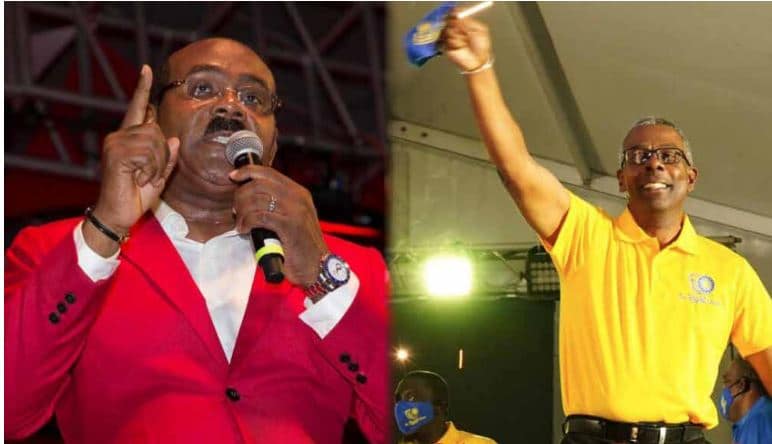
    A significant political confrontation has escalated in Antigua and Barbuda as United Progressive Party caretaker for All Saints West, Lennox Weston, vehemently denied allegations made by Prime Minister Gaston Browne regarding vehicle taxation. Weston characterized Browne’s claims as factually incorrect and part of a coordinated diversion tactic from the government’s expanding ‘Vehicle-gate’ controversy.

    Weston maintains that he fulfilled all tax obligations for his personally acquired vehicle in December 2021 and has initiated contact with the automotive dealership to obtain purchase documentation as he prepares legal proceedings against the Prime Minister. This exchange occurs amid sustained scrutiny over the administration of government-owned vehicles and allegations from opposition figures regarding mishandled public assets.

    The political dispute highlights deeper tensions regarding transparency in government asset management. Weston, in his statements, emphasized that Browne—who concurrently serves as Finance Minister—has consistently avoided addressing substantiated concerns about improper handling of public vehicles within government operations.

    Browne’s recent social media post has further intensified the conflict, demonstrating the Prime Minister’s determination to maintain his position despite Weston’s impending legal challenge. While no court documents have been formally submitted publicly, both political factions appear to be preparing for an extended battle that will unfold through both judicial channels and political arenas in coming weeks.

  • OPINION:  Politics is not a one man show

    OPINION:  Politics is not a one man show

    In contemporary political discourse, a paradigm shift is occurring that challenges the traditional conception of leadership as a solitary endeavor. Political analysts and governance experts increasingly emphasize that effective governance represents a multifaceted collaborative process rather than a singular performance.

    The architecture of modern governance necessitates intricate systems of checks and balances, diverse expertise, and institutional frameworks that extend far beyond individual capability. Democratic systems particularly rely on distributed power structures, legislative collaboration, judicial oversight, and active civic participation to function optimally.

    Historical evidence demonstrates that nations thriving under collective leadership models consistently outperform those dependent on centralized authority. The complex challenges of globalization, technological disruption, and transnational issues require multidisciplinary approaches that no single individual can comprehensively address.

    Contemporary political theory increasingly recognizes that sustainable governance emerges from institutional strength rather than charismatic authority. This perspective acknowledges that while leadership remains crucial, it operates within ecosystems of expertise, accountability mechanisms, and participatory democracy.

    The most resilient governments worldwide share common characteristics: robust civil services, independent judiciaries, free press institutions, and engaged electorates. These components create governance networks that withstand individual shortcomings and ensure continuity beyond political cycles.

    This evolving understanding has significant implications for political education, voter expectations, and leadership development. It suggests that cultivating effective governance requires investing in institutions, promoting collaborative skills, and valuing diverse perspectives within decision-making processes.

  • Questions about some portfolios as 17-member Cabinet sworn in

    Questions about some portfolios as 17-member Cabinet sworn in

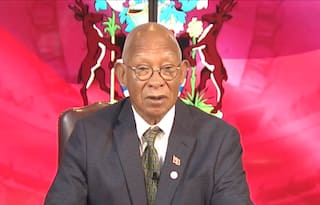
    St. Vincent and the Grenadines witnessed the inauguration of a new 17-member cabinet on Tuesday, marking the commencement of Prime Minister Godwin Friday’s administration following his New Democratic Party’s decisive 14-1 electoral victory on November 27. The swearing-in ceremony occurred strategically one day before the NDP’s 50th anniversary, symbolizing the party’s return to power after extensive periods in opposition.

    Prime Minister Friday, 66, assumes multiple critical portfolios including Finance, Legal Affairs & Justice, Economic Planning, and Private Sector Development. The cabinet features several notable appointments: Attorney General Sarah Louise Mitchell, daughter of NDP founder Sir James Mitchell, despite her previous unsuccessful parliamentary bid; Deputy Prime Minister Major St. Clair Leacock, 73, overseeing National Security and Immigration; and Daniel Cummings leading Health & Wellness and Energy after shadowing these areas for over a decade.

    The administration maintained the educational ministry separation implemented by the previous Unity Labour Party government, which governed for 25 years before its recent defeat. However, this continuation has sparked scrutiny regarding portfolio distribution. Observers noted the absence of dedicated ministries for information, ecclesiastical affairs, and questioned the placement of civil aviation, consumer affairs, and public service responsibilities.

    Notably, the education sector now involves three ministers: Phillip Jackson as primary minister, Senator Lavern King as junior minister for Education, Vocational Training, Innovation and Digital Transformation, and Terrance Olliverre handling Higher Education alongside Grenadines Affairs, Local Government, Airports and Seaports. This structure prompted former education minister Curtis King to publicly critique the arrangement on social media, generating mixed reactions from support to mockery.

    The complete cabinet includes ministers responsible for Foreign Affairs, Agriculture, Social Welfare, Gender Affairs, Housing, Youth and Sports, Fisheries, Tourism, and a Minister of State in the Prime Minister’s Office, forming a comprehensive governance team for the nation’s next five-year term.

  • Eye On The Economy: Beyond the Throne Speech, Prospects

    Eye On The Economy: Beyond the Throne Speech, Prospects

    As Antigua and Barbuda transitions from ceremonial vision to practical implementation, all eyes are on the forthcoming 2026 Budget Presentation to determine how the government’s ambitious Throne Speech declarations will materialize into actionable reality.

    In the Westminster parliamentary tradition, the Throne Speech establishes the government’s strategic direction through broad policy pillars and national aspirations, while the Budget Speech serves as the operational blueprint detailing financial allocations, implementation timelines, and concrete mechanisms for execution. This year’s Throne Speech notably departed from previous versions by adopting a more focused approach centered on longstanding priorities: water and road infrastructure enhancement, LIAT revitalization, institutional reform acceleration, Barbuda’s development, and UWI Five Islands Campus expansion.

    The critical challenge now lies in bridging the gap between political vision and practical delivery. The 2026 Budget must provide transparent answers regarding inflationary management strategies, revenue base strengthening measures, and specific timelines for infrastructure projects. Public skepticism remains high regarding the EC$100 million road bond announced in February 2025, particularly following legislative amendments that increased vehicle registration fees without clear communication about fund utilization.

    Infrastructure demands immediate attention, with water reliability concerns persisting despite recent desalination improvements. The Budget must outline sustained investment in production, storage, and distribution systems with clear performance indicators. Similarly, road rehabilitation progress has lagged behind public expectations, requiring urgent clarification on project sequencing and funding allocation.

    Institutional reform represents perhaps the most significant test of governmental capacity. Years of personnel reshuffling in Customs, Inland Revenue, and Immigration departments have failed to produce meaningful systemic change. The Budget must demonstrate serious commitment to modernization through dedicated investment in compliance tools and professional reform units capable of executing the Cabinet’s long-promised transformation agenda.

    Digital government initiatives require measurable advancement beyond rhetorical promises. Citizens expect concrete, incremental progress toward improved service delivery, efficiency, and accessibility rather than repeated platitudes about digital transformation.

    Aviation sector development carries substantial economic implications, particularly regarding the restructured LIAT (LIAT Air). The Budget should clarify financial commitments and outline plans for expanding maintenance, repair, overhaul (MRO) services, crew training, and transit operations. The unresolved matter of severance payments for former LIAT employees also demands resolution.

    Social services face mounting pressure from an aging population experiencing increased life expectancy coupled with higher prevalence of chronic illnesses. Budget 2026 must strengthen safety nets through enhanced elderly care programs, regulated senior care facilities, expanded community health outreach, and improved coordination between social services and public health agencies. Support for vulnerable groups—including low-income families, persons with disabilities, unemployed youth, and single-parent households—requires clear financing mechanisms for existing assistance programs.

    Barbuda’s development continues as a national priority, with expectations for balanced growth that incorporates environmental protection, administrative upgrades, and sustainable tourism alongside infrastructure expansion.

    Positive economic catalysts include CHOGM 2026 hosting, which promises significant activity across hospitality, transport, and retail sectors. Sports tourism driven by CPL, the Antigua & Barbuda Falcons, and expanded WICB headquarters activities continues attracting high-yield visitors and global media exposure.

    Climate resilience must form a central pillar of economic planning despite limited financial resources. Recent hurricane devastation across the region underscores the existential threat of escalating climate risks, necessitating prioritized investment in infrastructure strengthening and early-response capacity.

    The ultimate measure of Budget 2026’s success will be its ability to translate national ambitions into tangible improvements in citizens’ daily lives through credible financing plans, realistic sequencing, and demonstrable institutional capacity. The population awaits evidence of progress rather than repetition of promises.
  • Geen akkoord na vredesgesprek: oorlog in Oekraïne blijft voortduren

    Geen akkoord na vredesgesprek: oorlog in Oekraïne blijft voortduren

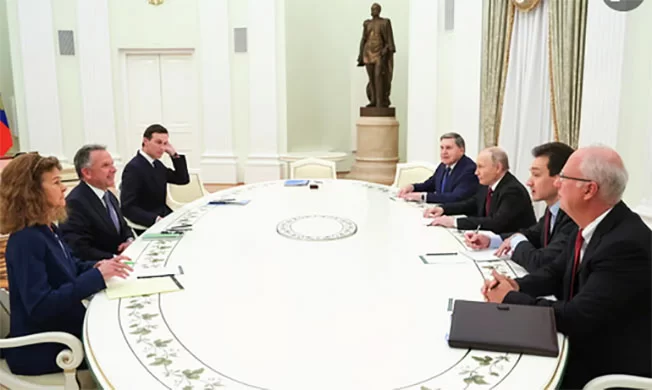
    High-stakes diplomatic negotiations between a high-level American delegation and Russian President Vladimir Putin concluded after five hours of intensive discussions without achieving a breakthrough on ending the conflict in Ukraine. The Kremlin confirmed the lack of substantive progress following the meeting.

    According to Russian officials, while certain American proposals were deemed ‘acceptable,’ critical elements concerning territorial disputes were firmly rejected. The talks centered on a Western-backed peace initiative and security guarantees for Ukraine’s future status.

    The most significant obstacles emerged regarding Ukraine’s potential membership in military alliances and international recognition of Russian-controlled territories. Moscow maintained its unwavering position against making concessions on regions it considers strategically vital.

    Despite diplomats characterizing the discussions as ‘constructive,’ they acknowledged ‘substantial work remains’ before any concrete agreement could materialize. The absence of immediate resolutions highlights the profound complexity of the geopolitical divide.

    Military analysts caution that without resolving these fundamental conflicts—particularly those involving territorial sovereignty and political status—the prospect of sustainable peace remains distant. The ongoing conflict continues unabated despite these diplomatic efforts.