分类: politics

  • Scores of public servants welcome new PM to Administrative Complex

    Scores of public servants welcome new PM to Administrative Complex

    In a ceremonial transition of power, newly elected Prime Minister Godwin Friday received a warm reception from civil servants upon his arrival at the Administrative Complex in Kingstown on Monday. The historic moment marked his inaugural day at the Office of the Prime Minister following his party’s decisive electoral victory.

    Cabinet Secretary Kattian Barnwell-Scott and Permanent Secretary in the Ministry of Foreign Affairs Sandy Peters-Phillips were among the senior officials present to greet the incoming administration. Friday addressed the assembled crowd—comprising media representatives and supporters of his New Democratic Party (NDP)—with a blend of enthusiasm and measured apprehension regarding the magnitude of his new responsibilities.

    “This building represents my first day on the job!” Friday announced to the gathering. “While I approach this role with some trepidation given its immense scope, I am confident that the dedicated staff will enhance my effectiveness from day one. We stand united in our commitment to serve the people.”

    The Prime Minister, who simultaneously secured his sixth parliamentary term representing Northern Grenadines, emphasized the dawn of a new political era for St. Vincent and the Grenadines. His swearing-in ceremony occurred last Friday, merely one day after the NDP’s landslide 14-1 electoral triumph that left former Prime Minister Ralph Gonsalves as the sole Unity Labour Party (ULP) representative retaining parliamentary presence.

    Friday articulated an ambitious governance agenda during his media engagement, pledging immediate action on campaign commitments. These include reducing Value Added Tax from 16% to 13%, implementing bonus salary payments, elevating Public Assistance to EC$500 monthly, and reinstating public sector workers terminated under previous COVID-19 vaccine mandates—all within a 60-day implementation framework.

    The Prime Minister assured public servants of job security, describing them as “the backbone of any administration” while encouraging autonomous decision-making within their mandates. He revealed that Cabinet ministers would receive their official directives during Tuesday’s swearing-in ceremony, with permanent secretaries providing crucial operational support across ministries.

    Friday concluded with a forward-looking statement: “We require collective effort now more than ever. With the public’s overwhelming mandate, my sole preoccupation remains delivering tangible results for the people of St. Vincent and the Grenadines without unnecessary delay.”

  • President affirms Colombia faces threats and calls for unity

    President affirms Colombia faces threats and calls for unity

    During a landmark visit to the conflict-affected municipality of El Tarra in Norte de Santander, Colombian President Gustavo Petro delivered a powerful address from the village of Bracitos while inaugurating new educational facilities. The president issued a stark warning against escalating global violence, specifically referencing alarming statements from world leaders concerning invasions and missile threats.

    President Petro characterized the current international climate as a dangerous departure from diplomacy toward ‘barbarism,’ emphasizing that such paths inevitably lead to destruction. He positioned Colombia as a nation that must demonstrate global leadership in peacebuilding, stating that its people ‘never bow their heads’ or ‘kneel before anyone.’

    The president articulated a vision of Colombia leading humanity toward peaceful coexistence through practical implementation of ‘effective love’ principles—a doctrine originally advanced by revolutionary priest Camilo Torres Restrepo. This philosophy emphasizes tangible acts of solidarity over mere theoretical compassion.

    Petro specifically addressed the long-troubled Catatumbo region, declaring it should become territory belonging to and thriving for working people—both campesinos and urban laborers alike. He confirmed that beginning January 2024, youth from this historically marginalized area will access higher education through newly established technical, technological, and university programs at the El Tarra College-University institution.

  • Visumprocedure moet menselijker, ticketprijzen moeten omlaag

    Visumprocedure moet menselijker, ticketprijzen moeten omlaag

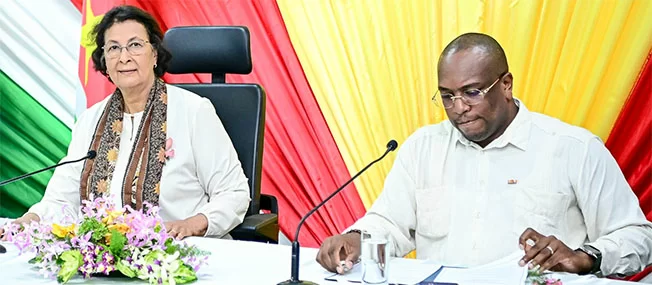
    Surinamese President Jennifer Simons and Foreign Minister Melvin Bouva have declared the resolution of visa restrictions and exorbitant flight tariffs as urgent national priorities in bilateral relations with the Netherlands. The announcement came during a presidential press conference held Wednesday at the Commewijne district commissioner’s office.

    President Simons revealed that the recent Dutch state visit to Suriname highlighted the severe hardships faced by Surinamese citizens navigating the current visa application process. “The prolonged waiting periods, poor physical conditions at application centers, and documentational ambiguity are fundamentally inhumane and require immediate reform,” Simons stated.

    The administration identified two primary pressure points: short-term emergency visas (for medical emergencies, bereavement, or urgent family matters) and regular visa applications. President Simons confirmed that Suriname will formally submit a visa liberalization request to the European Commission—a move that could eventually grant Surinamese citizens visa-free travel to Europe’s Schengen area. The Netherlands has committed to diplomatically supporting this initiative in Brussels.

    Concurrently, both nations are collaborating on procedural improvements including enhanced information dissemination, reduced processing times, and more dignified treatment of applicants.

    Foreign Minister Bouva addressed the parallel issue of escalating airfares on the Paramaribo-Amsterdam route, dominated by KLM Royal Dutch Airlines. He characterized the prices as “prohibitively expensive for most Surinamese citizens” and attributed the problem to insufficient market competition and unfavorable peak-season pricing mechanisms.

    “We are actively negotiating with multiple airlines to break the current market monopoly,” Bouva announced. “Surinamese people deserve affordable connections to maintain family ties and business relationships.”

    President Simons framed these dual challenges as matters of human dignity and national sovereignty: “When visa applications become demeaning and air travel becomes unaffordable, it strikes at the heart of families, impedes cultural exchange, and restricts economic development. We approach these discussions as equals seeking partnership, not dependency, but the freedom of movement for our citizens must be respected.”

    Immediate next steps include:
    – Formal submission of visa liberalization request to European Commission
    – Diplomatic support from Netherlands in Brussels negotiations
    – Market diversification talks with alternative airlines
    – Enhanced guidance for visa applicants regarding documentation requirements
    – Short-term improvements in humane treatment during visa processing

    The government emphasized that resolution of these issues remains critical for maintaining cultural connectivity and economic cooperation between the two nations.

  • Govt ‘to turn derelict buildings into climate-resilient homes’

    Govt ‘to turn derelict buildings into climate-resilient homes’

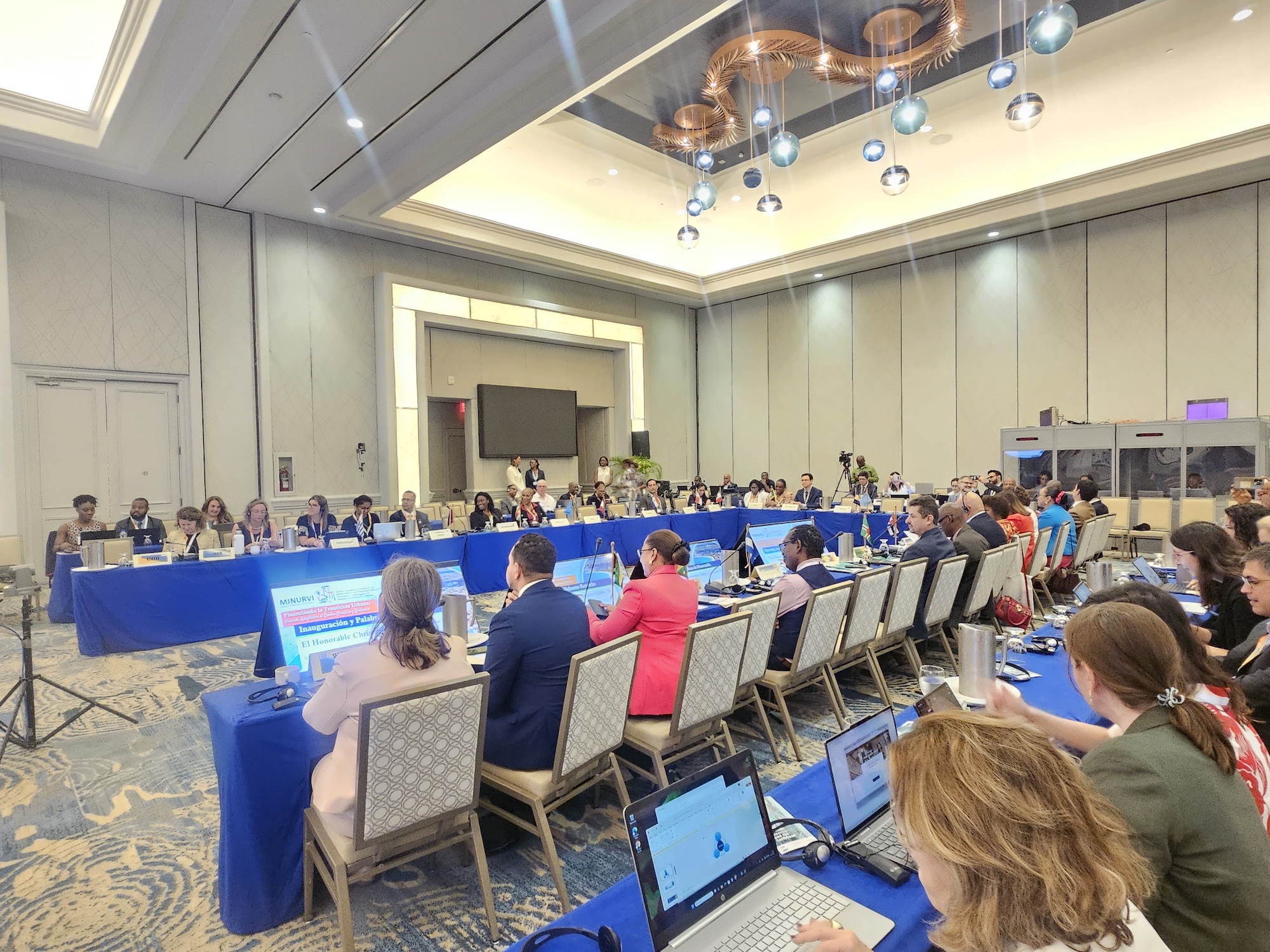
    Barbados is accelerating innovative strategies to transform derelict structures and vacant lands into sustainable housing solutions, positioning urban renewal as a cornerstone of climate adaptation policy. Acting Prime Minister Dr. William Duguid unveiled this initiative while addressing the 34th general assembly of MINURVI, the Forum of Ministers and High-Level Authorities of Housing and Urban Development of Latin America and the Caribbean.

    Dr. Duguid delivered a compelling argument for rethinking urban infrastructure in the era of climate change, stating that existing systems were designed for environmental conditions that no longer exist. “As we build for the future, we must build for the new climate reality,” he emphasized. “This means constructing with greater emphasis on resilience—not just in roads, but in buildings and housing infrastructure as well.”

    The minister connected recent extreme weather events, including Hurricane Melissa’s devastation in Jamaica and Cuba, to the urgent need for adaptive urban planning. He highlighted how strategic reuse of underutilized assets could simultaneously address housing shortages, attract private investment, and create more robust urban environments.

    Barbados’s Ministry of Housing, Lands and Maintenance is already advancing several policies in this direction. In collaboration with the Inter-American Development Bank, officials are conducting technical studies on repurposing vacant lots and abandoned buildings within urban corridors for future housing development.

    Housing Minister Chris Gibbs reinforced the critical timing of these initiatives, noting that climate impacts have become a “global equalizer” leaving all nations operating with heightened vulnerability. He emphasized the alignment between these urban adaptation strategies and recent climate discussions at COP30 in Belém, Brazil.

    The regional significance of these efforts was further underscored by José Manuel Salazar Xirinachs, executive secretary of the UN Economic Commission for Latin America and the Caribbean. In a pre-recorded address, he warned that housing deficiencies across the region leave millions exposed to climate risks while exacerbating existing challenges of inequality and weak governance structures.

  • Legal Firestorm Over Police Transfer Raises Accountability Questions

    Legal Firestorm Over Police Transfer Raises Accountability Questions

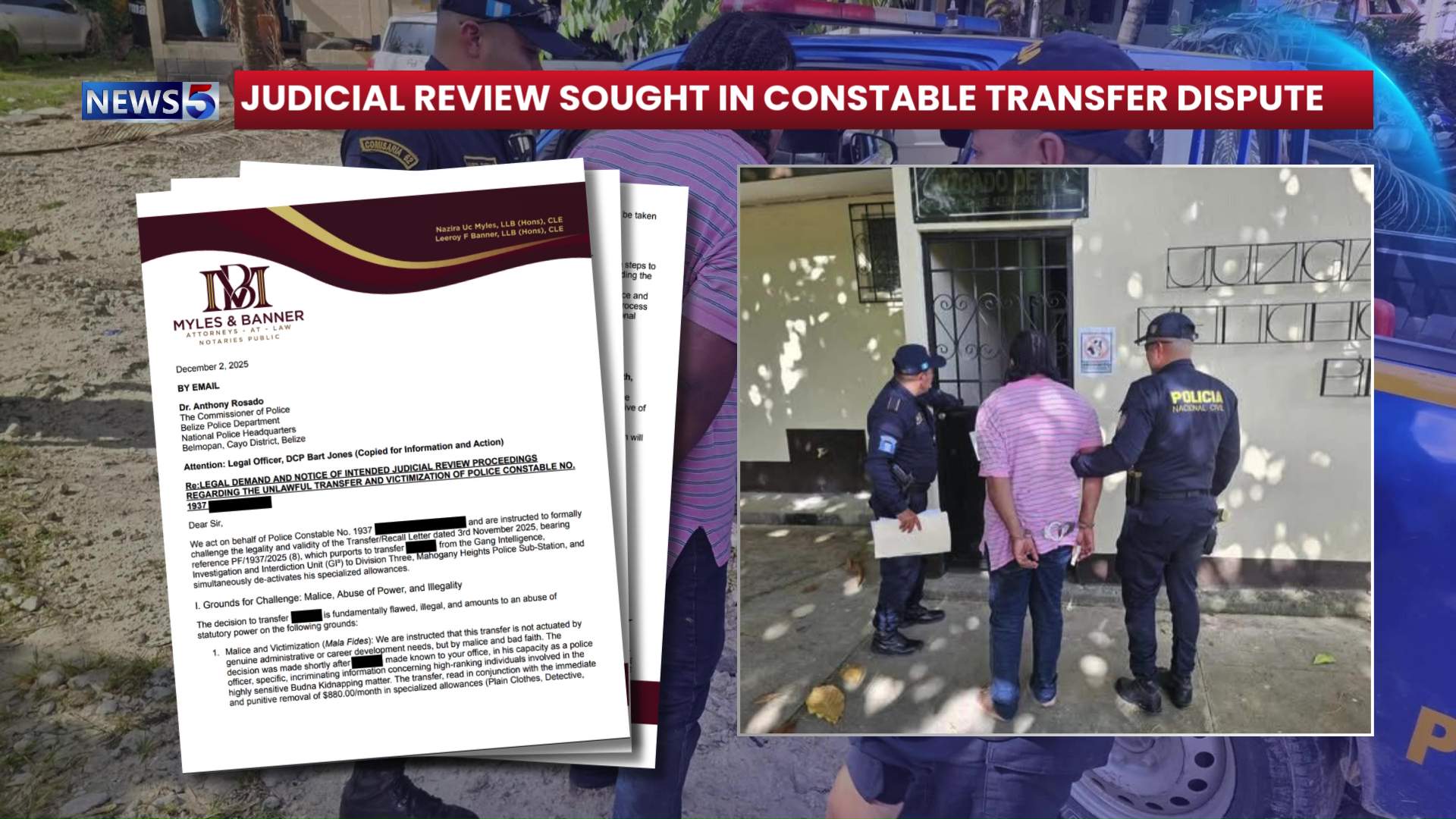
    A contentious legal battle has erupted within the Belize Police Department, challenging the legitimacy of a high-ranking official’s administrative authority. Commissioner of Police Dr. Anthony Rosado faces formal judicial scrutiny following allegations of wielding personnel transfers as instruments of retaliation rather than operational necessity.

    The controversy centers on the abrupt reassignment of a Police Constable from a specialized gang intelligence unit to a remote substation in Mahogany Heights. Legal representatives from Myles & Banner have issued a formal demand letter asserting this transfer constitutes unlawful punishment rather than routine administrative procedure. The constable’s relocation reportedly resulted in the loss of critical allowances and potentially derailed his career progression.

    According to court documents, the transfer appears connected to the officer’s disclosure of sensitive information pertaining to the high-profile Joseph Budna kidnapping investigation. The legal challenge cites multiple procedural irregularities, including the November implementation date falling outside standard July-August transfer windows and alleged violation of departmental policies explicitly prohibiting transfers as disciplinary measures.

    Legal precedent establishes that the Commissioner’s transfer authority, while extensive for officers below Inspector rank, must align with principles of fairness and reasonableness. The petition references landmark cases including Troy Bainton v. Commissioner of Police (2023) and Arzu vs. Commissioner of Police (2019), where courts previously intervened in instances of alleged power abuse.

    The constable’s attorneys contend their client had secured a performance-based agreement for promotion to Inspector, making the transfer particularly damaging to his professional trajectory. They characterize the reassignment as an act of bad faith intended to isolate and intimidate an officer for fulfilling his duties.

    Unless the decision is reversed by Friday, judicial review and injunction proceedings will commence, potentially establishing new boundaries for administrative authority within Belize’s law enforcement hierarchy. This case raises fundamental questions about accountability mechanisms, transparency in policing operations, and the permissible exercise of institutional power.

  • Belize Police Department Rethinks Crime-Fighting in a Digital Age

    Belize Police Department Rethinks Crime-Fighting in a Digital Age

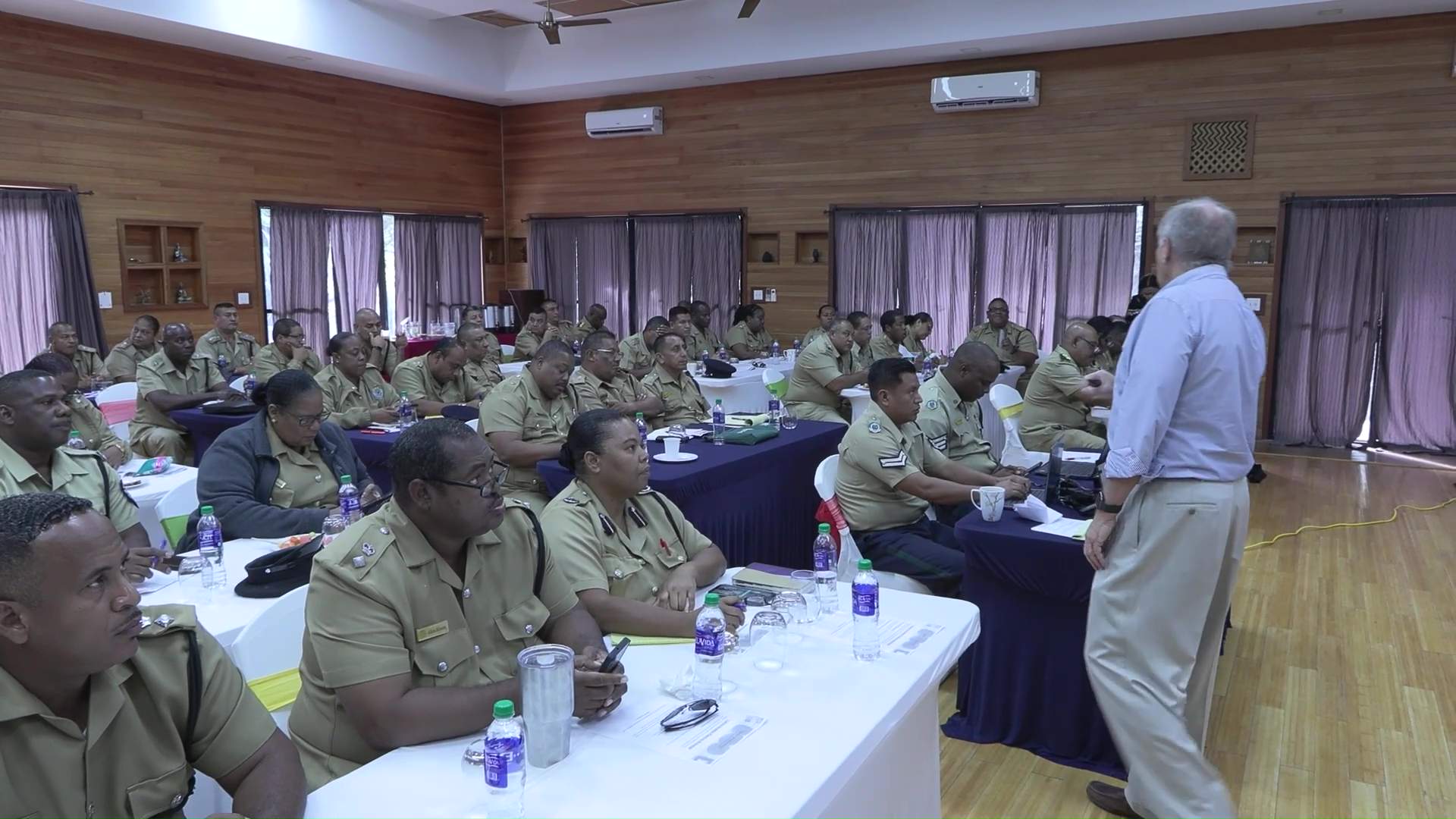
    Facing an unprecedented transformation in criminal activity, the Belize Police Department has initiated a comprehensive strategic planning workshop to address the complexities of modern law enforcement. Deputy Commissioner Bart Jones emphasized that this initiative represents a critical juncture for the department’s institutional development and operational modernization.

    The policing landscape has undergone radical changes with the emergence of borderless cybercrime and sophisticated transnational criminal networks. Commissioner Jones highlighted how criminal operations have increasingly migrated to digital platforms and social media, creating challenges that traditional policing methods are ill-equipped to handle simultaneously with rising public expectations for security and service.

    This strategic workshop serves as a platform for departmental leadership to evaluate emerging threats, reassess response protocols, and develop forward-looking strategies. The sessions focus on aligning operational tactics with the department’s core mission while incorporating technological adaptation and coordinated response mechanisms.

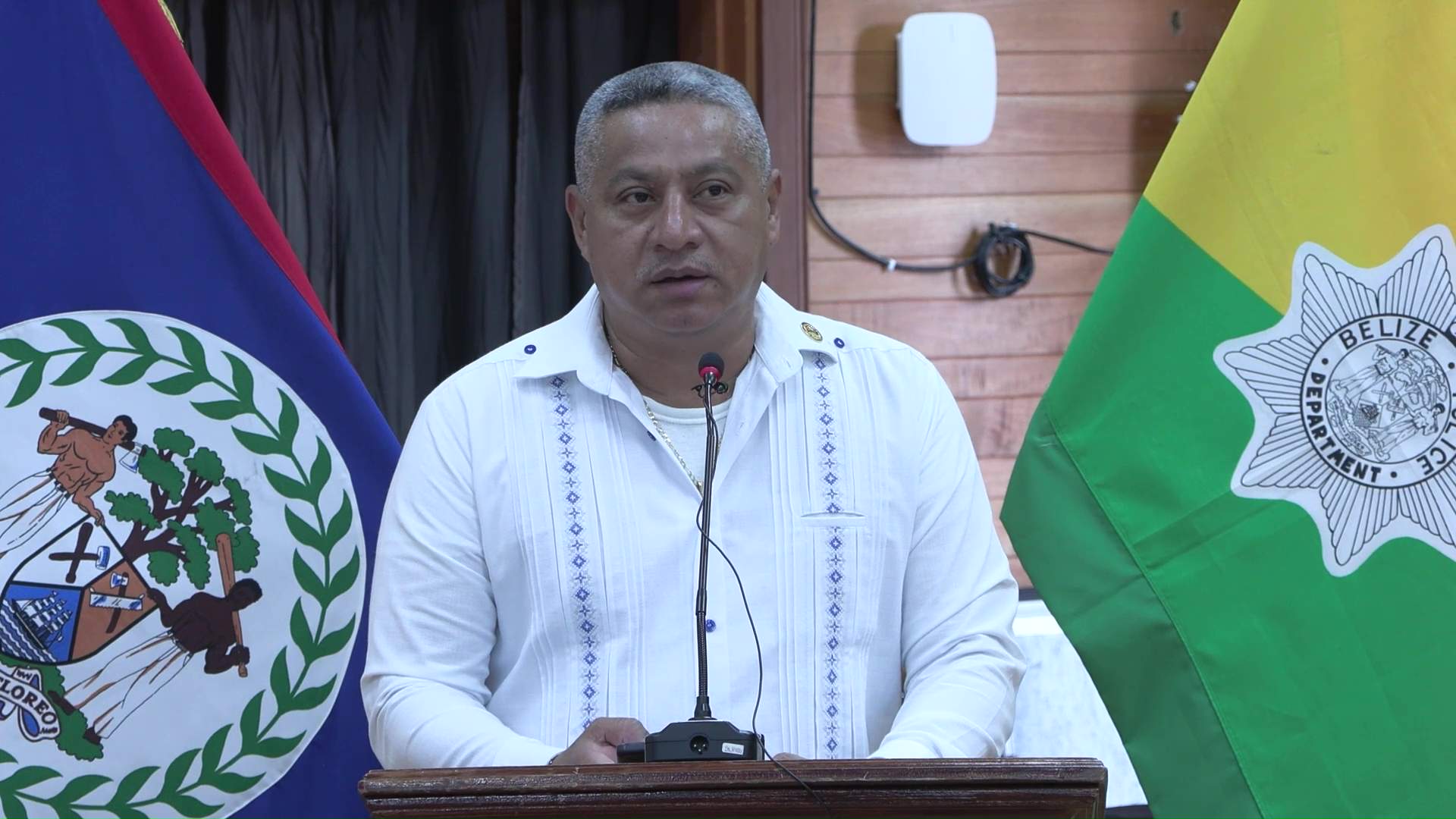
    Commissioner Jones framed the initiative as essential for organizational survival rather than mere administrative procedure. ‘Strategic planning transcends managerial exercise—it represents our toolkit for maintaining effectiveness and leadership within an increasingly complex security environment,’ he stated during the proceedings.

    The department’s commitment extends beyond tactical adjustments to encompass broader principles of integrity, professional competence, and purposeful vision in serving the Belizean public amid rapidly evolving criminal methodologies and societal expectations.

  • Belize Invests in Smarter, Future-Ready Policing

    Belize Invests in Smarter, Future-Ready Policing

    In response to rapidly evolving security challenges, Belize’s Ministry of Home Affairs has announced a comprehensive strategic training initiative designed to prepare law enforcement personnel for the future of policing. Minister Oscar Mira emphasized that the program represents a fundamental shift from routine administrative exercises to a deliberate investment in professional readiness.

    The initiative addresses multiple emerging challenges including technologically sophisticated crimes, heightened public expectations for accountability, and increasingly complex social dynamics. Minister Mira highlighted that policing methodologies that were effective five or ten years ago have become inadequate for contemporary security demands.

    ‘This workshop transcends conventional administrative exercises—it constitutes a strategic investment in our department’s professionalism and future preparedness,’ Minister Mira stated. ‘The program launches at a critical juncture as policing demands continue to evolve alongside rising public expectations.’

    The curriculum focuses on developing critical competencies for modern law enforcement, including decision-making under extreme pressure, response to violent crimes, investigative interviewing techniques, warrant execution protocols, and public order management. The minister emphasized that continuous training remains essential for officers to maintain current knowledge and tactical proficiency.

    The initiative recognizes that criminal behaviors have adapted to new technologies while community expectations regarding police accountability and performance have significantly increased. This training transformation aims to ensure Belize’s law enforcement capabilities remain effective in an unpredictable security landscape.

  • A Sapodilla Victory Isn’t Enough Without Enforcement

    A Sapodilla Victory Isn’t Enough Without Enforcement

    While the International Court of Justice deliberates on the Sapodilla Cayes territorial dispute, local voices from Belize’s coastal communities highlight critical implementation challenges that could undermine a potential legal victory. Eworth Garbutt, President of the Belize Flat Fishery Association and lifelong resident of the cayes, expresses measured optimism about Belize’s legal position while sounding alarms about enforcement deficiencies.

    Garbutt, whose father served as lighthouse keeper in the disputed waters, possesses intimate knowledge of the region’s operational realities. His central concern revolves around Guatemala’s continued exploitation of the area despite existing regulations. “Sovereignty is a substantial matter,” Garbutt stated. “For generations before my birth, Guatemala has operated there at their leisure.”

    The fishery leader detailed systematic violations occurring in the protected zone, noting that Guatemalan operators from Livingston routinely conduct unauthorized tours in the Sapodilla Cayes without requiring licensed guides—a direct breach of Belizean tourism regulations. “In this context, they’ve already prevailed regardless of the ICJ’s eventual ruling,” Garbutt observed.

    Illegal fishing constitutes another pressing issue, with Garbutt emphasizing the area’s fully protected status. While acknowledging some recent reduction in unauthorized fishing, he expressed skepticism about enforcement capabilities post-ruling. “They are content when we establish regulations without enforcement mechanisms,” he commented.

    Despite these practical concerns, Garbutt maintains confidence in Belize’s legal position, attributing this optimism to both evidential strength and national solidarity. However, he cautioned that a favorable ruling without subsequent protection would represent a hollow victory: “Even if awarded a paper declaration without understanding how to protect our sovereignty, we would possess a document we cannot utilize—consuming tilapia while Guatemalans and Hondurans harvest snapper from our waters.”

  • FLASH : Additional USCIS Directives Regarding Haiti

    FLASH : Additional USCIS Directives Regarding Haiti

    In response to a recent fatal shooting incident in Washington D.C. involving an Afghan national, U.S. Citizenship and Immigration Services has enacted stringent new screening protocols targeting foreign nationals from 19 designated high-risk countries. The comprehensive policy shift empowers immigration officers to evaluate country-specific risk factors during case reviews, marking a significant hardening of U.S. immigration vetting procedures.

    The newly designated nations subject to enhanced scrutiny include Afghanistan, Burma, Chad, Republic of the Congo, Equatorial Guinea, Eritrea, Haiti, Iran, Libya, Somalia, Sudan, Yemen, Burundi, Cuba, Laos, Sierra Leone, Togo, Turkmenistan, and Venezuela. This directive builds upon previous immigration restrictions established during the Trump administration’s initial term.

    USCIS Director Joseph Edlow emphasized the security imperative behind these measures: ‘My fundamental duty involves ensuring exhaustive vetting and screening processes for all foreign nationals. This necessitates thorough evaluation of their origins and motivations. Recent tragic events have highlighted concerning vulnerabilities in our previous screening frameworks.’

    The updated guidelines specifically authorize immigration officials to consider nation-specific circumstances as potentially adverse factors during case evaluations. Critical considerations include assessing countries’ capacities to produce reliable identification documents and maintain adequate record-keeping systems.

    This policy enhancement reinforces the implementation of Presidential Proclamation 10949, which restricts entry of foreign nationals deemed potential threats to national security and public safety. The directive took immediate effect upon announcement, applying to all pending and new applications filed from November 27, 2025 onward.

  • President over relatie Nederland: Gelijkwaardig en psychologisch zelfstandig

    President over relatie Nederland: Gelijkwaardig en psychologisch zelfstandig

    Surinamese President Jennifer Simons has declared that King Willem-Alexander’s state visit to Suriname has inaugurated a transformative phase in bilateral relations between the two nations. Speaking at a press conference in Commewijne, Simons emphasized that future ties must be founded upon principles of equality, mutual respect, and psychological independence rather than historical dependencies.

    The three-day royal visit, which concluded recently, demonstrated Suriname’s confident trajectory in shaping its national future while signaling the Netherlands’ recognition that it must adopt a fundamentally new approach toward its former colony. President Simons articulated that while the 1975 independence granted constitutional sovereignty, the nation must now pursue ‘psychological independence’—liberating itself from patronage mentality, dependency thinking, and historical sensitivities that have long strained bilateral relations.

    ‘Suriname stands on its own feet, with its distinct identity and unique challenges. The Netherlands must respect this reality, while Suriname must project this self-assurance confidently,’ Simons stated during the address.

    The president characterized the state visit as both a symbolic and practical reboot, describing how both nations ‘unpacked a new package’ that establishes framework for a mature relationship moving forward. ‘We progress as two friends with a shared history, but with a future where we support each other as equal partners,’ she explained, noting that both countries must learn to operate within this redefined dynamic.

    While welcoming cooperation in education, culture, economic development, river management, and infrastructure, Simons clarified that such collaboration must exclusively occur through modalities that strengthen Suriname’s autonomy. The signed cooperation documents between ministerial departments and the presence of a substantial Dutch business delegation during the visit were cited as concrete steps toward this new partnership model.

    A particularly symbolic moment occurred along the Suriname River, where both nations metaphorically ‘laid the burdens of the past upon the waters,’ followed by calls for pragmatic, businesslike cooperation without guilt or inferiority complexes from either side.

    Looking ahead, Suriname plans to continue discussions with the Netherlands in coming months regarding visa procedure reforms and humane treatment of applicants, educational exchanges at vocational and university levels, cultural collaboration and heritage preservation, economic development opportunities, and improved flight connectivity with reasonable pricing.