分类: politics

  • Venezuela’s voice in rejection of unilateral coercive measures

    Venezuela’s voice in rejection of unilateral coercive measures

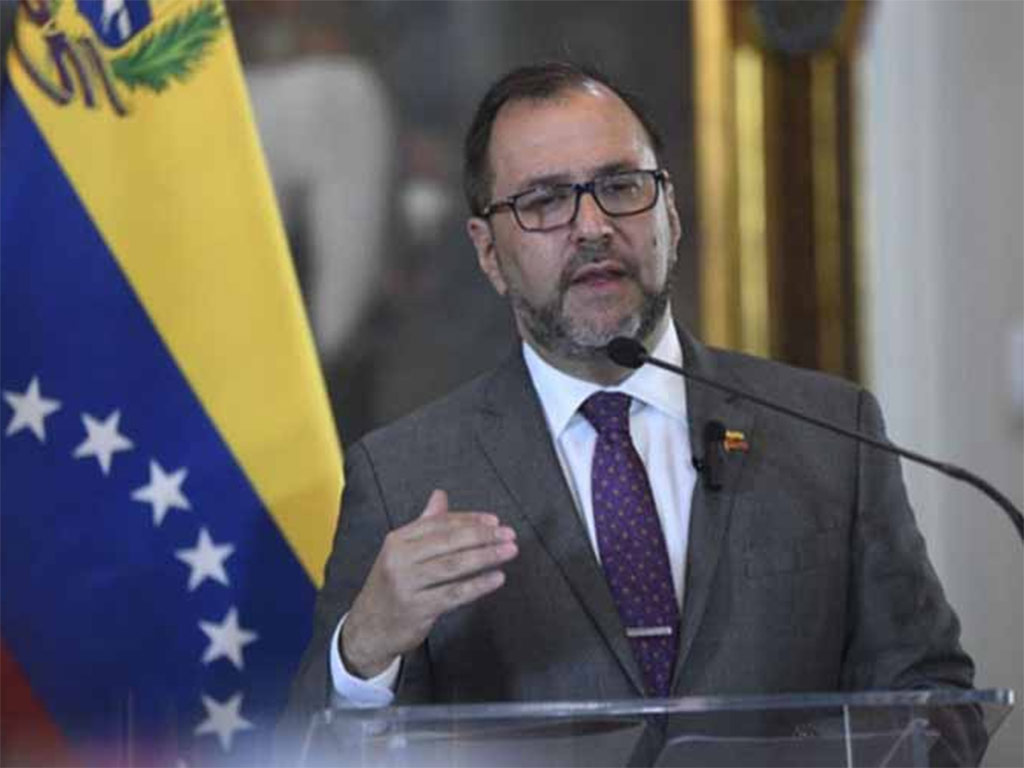
    Venezuelan Foreign Minister Yván Gil delivered a forceful condemnation of unilateral sanctions against his nation during the International Day against Unilateral Coercive Measures. Through his Telegram channel, Gil characterized the 1,042 specific measures targeting Venezuela as criminal acts designed to ‘break the will of a nation that has chosen the path of sovereignty under the leadership of President Nicolas Maduro and the power of the people.’

    The senior diplomat detailed the multifaceted impact of these sanctions, noting they extend beyond harming the Venezuelan population to deliberately disrupting regional solidarity initiatives. Gil specifically cited the PetroCaribe program, an energy cooperation agreement that previously provided discounted oil to Caribbean and Latin American nations, as a casualty of these coercive measures.

    Gil’s statement included a dual demand: the immediate cessation of economic pressure tactics and the removal of military threats hovering over Venezuela. ‘Together, we will defend our sovereignty and the rights of our people!’ the Foreign Minister declared, framing resistance as both national and international imperatives.

    The Venezuelan official broadened his critique to include other nations subjected to economic warfare, particularly highlighting the six-decade United States blockade against Cuba. Gil described the Cuban embargo as an ‘inhumane blockade’ maintained with ‘total impunity’ despite mounting global criticism annually expressed through United Nations votes.

    Gil concluded that the international day serves as a platform to ‘raise our voices against this crime that affects our peoples’ and demand the elimination of coercive measures engineered to provoke economic collapse in sovereign states.
  • Budget 2026 Promises ‘Most People-Centred’ Agenda in Nation’s History, PM Says

    Budget 2026 Promises ‘Most People-Centred’ Agenda in Nation’s History, PM Says

    Prime Minister Gaston Browne has announced a transformative fiscal blueprint for 2026, characterizing it as the most socially conscious budget in Antigua and Barbuda’s history. The comprehensive economic plan, presented under the banner “People-Centered Growth and Development,” represents a strategic shift from economic stabilization to widespread social prosperity.

    Addressing Parliament on Thursday, Browne revealed impressive economic indicators supporting this ambitious agenda. The nation anticipates 5% economic growth in 2026, with gross domestic product approaching $7 billion. Fiscal metrics show remarkable improvement: a primary surplus of $254.9 million, overall surplus of $116.3 million, and debt-to-GDP ratio declining to 61.4%—nearing the Eastern Caribbean Currency Union’s 60% target for the first time.

    The administration’s economic transformation narrative highlights a journey from survival borrowing to surplus generation enabling substantial public investment. Strategic developments in tourism infrastructure, construction projects, housing initiatives, water systems, and port modernization have created broad-based economic momentum.

    Social program enhancements form the budget’s cornerstone. Commitments include fully subsidized university education at the upgraded University of the West Indies Five Islands Campus, government-covered secondary education examination fees starting 2026, and expanded affordable housing options. The measures further incorporate wage and pension increases alongside continued subsidies for essential commodities including fuel, electricity, and staple food items.

    Healthcare receives significant attention with allocated funding for a new $10 million renal treatment center and the revitalization of cancer care facilities. Infrastructure development focuses on road network improvements, enhanced water production capabilities, and climate-resilient construction to address hurricane vulnerabilities.

    While acknowledging persistent global economic challenges, Browne emphasized national resilience achieved through strategic planning and disciplined fiscal management. The Prime Minister urged continued stability, noting that sustained progress requires consistent commitment rather than occurring automatically.

    Ministers will provide detailed departmental breakdowns when parliamentary budget debates commence next week.

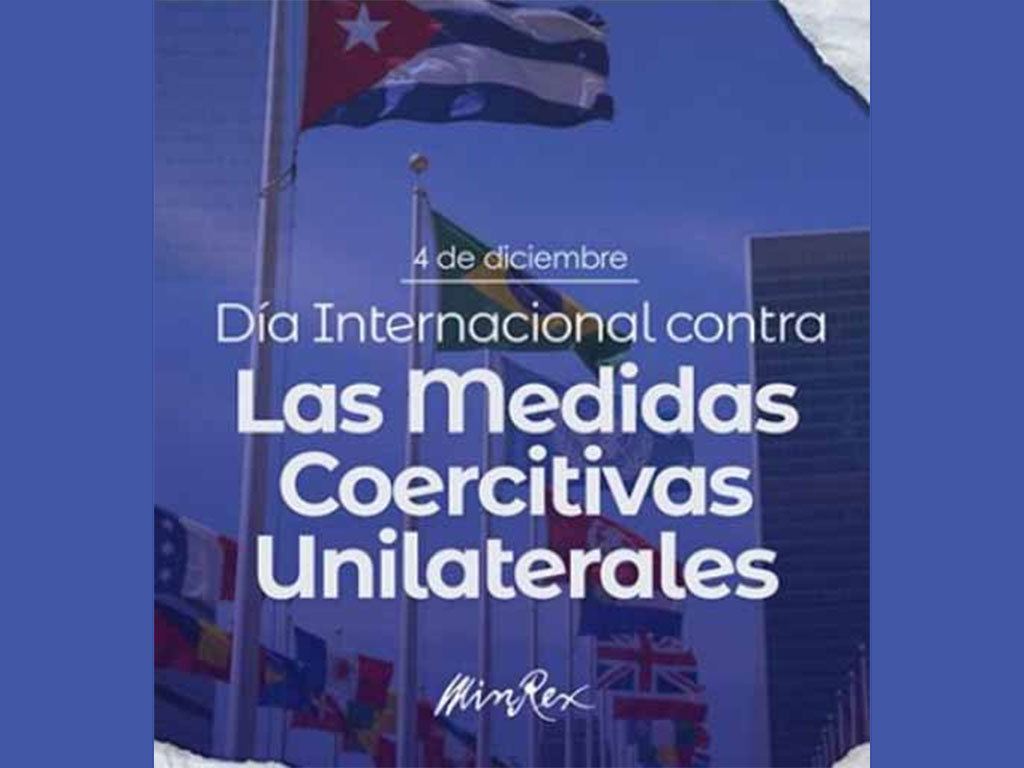
  • Cuba commemorates Day Against Unilateral Coercive Measures

    Cuba commemorates Day Against Unilateral Coercive Measures

    In a forceful diplomatic statement, Cuban officials have launched a renewed condemnation against the longstanding United States economic embargo, characterizing the policy as a deliberate campaign of “economic war and intensified strangulation” against the Cuban populace. The remarks highlighted the daily hardships and systemic challenges faced by ordinary citizens as a direct consequence of the comprehensive sanctions regime.

    Extending beyond national interests, the address expressed Cuba’s firm solidarity with all sovereign states subjected to comparable unilateral coercive measures. These international sanctions were categorically denounced as both “illegal and arbitrary,” representing what was described as a violation of international law and the principles of national self-determination. The rhetoric framed the embargo not merely as a bilateral issue, but as part of a broader pattern of geopolitical pressure tactics employed against independent nations.

    The condemnation underscores the persistent tension in US-Cuba relations and signals Havana’s intent to continue its diplomatic campaign against the embargo on the global stage. This positioning aligns Cuba with other nations critical of the use of economic sanctions as a tool of foreign policy, seeking to build a coalition of support within international forums like the United Nations, where the embargo has been overwhelmingly criticized by the General Assembly.

  • Opposition Leader: 2026 budget disconnected from the people

    Opposition Leader: 2026 budget disconnected from the people

    Grenada’s parliamentary proceedings witnessed intense scrutiny as Opposition Leader Emmalin Pierre delivered a scathing assessment of the 2026 Budget presented by Finance Minister Dennis Cornwall. During the December 4th legislative session, Pierre characterized the EC$1.9 billion fiscal plan as fundamentally disconnected from citizens’ daily realities and indicative of systemic financial mismanagement.

    The opposition leader articulated profound disappointment with the budget’s failure to address critical cost-of-living challenges facing Grenadians. Pierre emphasized that supermarket visits have become ‘painful exercises in survival’ amid skyrocketing electricity bills that force households to choose between basic utilities and essential medications. She particularly highlighted the government’s inadequate response to Hurricane Beryl’s impact in July 2024, demanding urgent assistance for affected communities.

    Economic projections reveal concerning trends, with 2026 forecasted to exceed 2025’s deficit by EC$30.4 million, reaching EC$309.8 million or negative 7.3% of GDP. Pierre noted this represents the second consecutive year of approximately EC$300 million deficits, despite inheriting over EC$500 million in reserves during 2022. The government’s plan to borrow EC$450 million to address the growing deficit raised additional concerns about fiscal sustainability.

    A particularly contentious aspect involves the budget’s new expenditure classification termed ‘initiatives,’ allocating EC$206.7 million alongside recurrent (EC$1.7 billion) and capital (EC$370.4 million) categories. Pierre criticized this as a misleading attempt to portray new project investments totaling EC$577.1 million, arguing it obscures true fiscal priorities rather than addressing public needs.

    The budget debate continues with all Lower House members scheduled to contribute before proceeding to the Upper House. Grenada’s fiscal year runs from January 1 to December 31 annually, with the 2026 budget requiring parliamentary approval before taking effect on New Year’s Day.

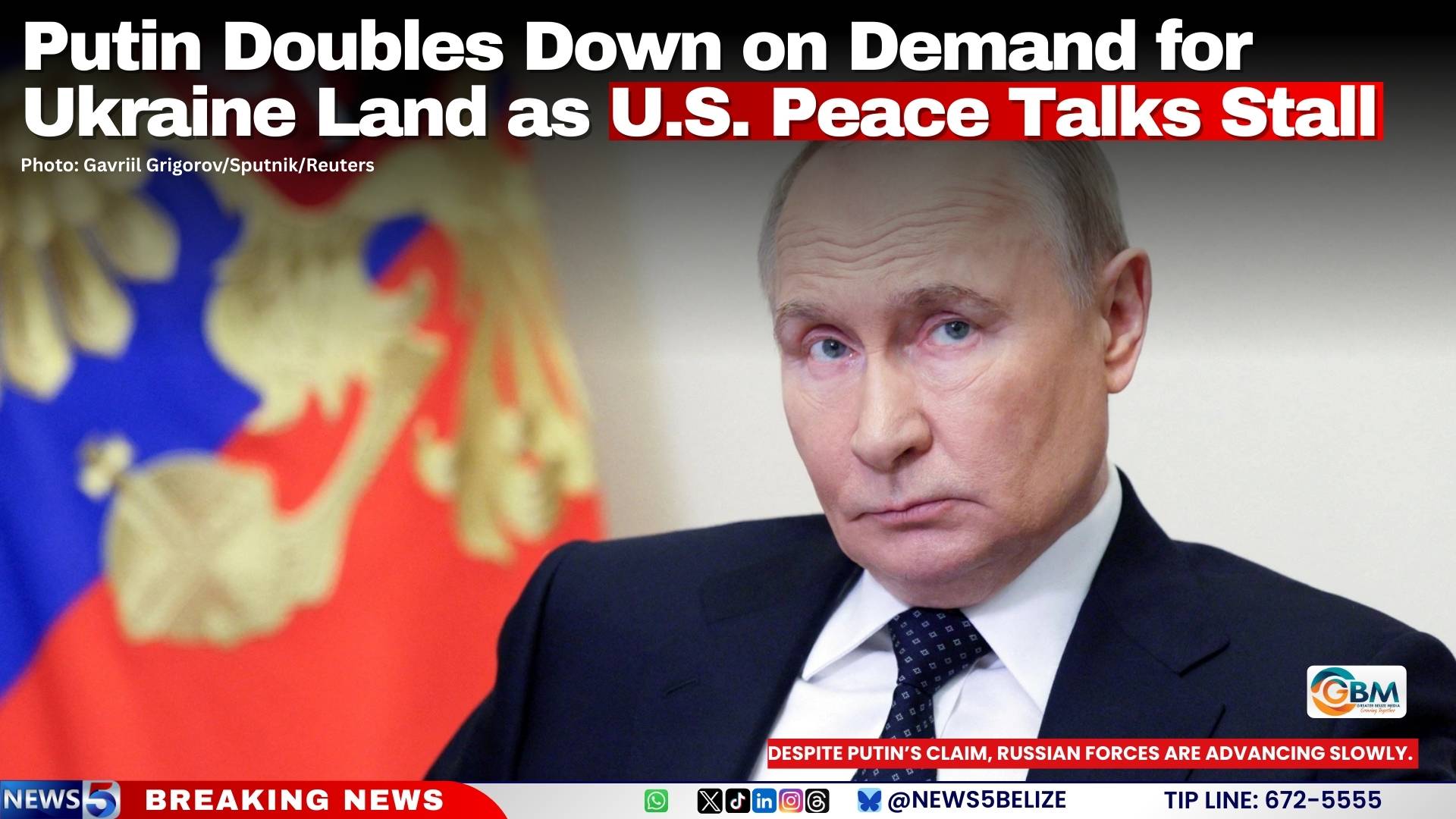
  • Putin Doubles Down on Demand for Ukraine Land as U.S. Peace Talks Stall

    Putin Doubles Down on Demand for Ukraine Land as U.S. Peace Talks Stall

    Russian President Vladimir Putin has intensified his geopolitical stance by reiterating demands for Ukrainian territorial concessions, declaring Russia’s intention to secure complete control over eastern regions through either military or diplomatic channels. This hardened position emerges despite concurrent peace discussions facilitated by American intermediaries with both conflicting nations.

    During a prelude interview with ‘India Today’ preceding his diplomatic engagement with Indian Prime Minister Narendra Modi in New Delhi, Putin affirmed his strategic objectives regarding Ukraine’s Donbas territory. Independent military analysis from the US-based Institute for the War Study suggests Russian forces are progressing at a tactically sluggish pace, projecting potential full control of Donetsk no earlier than August 2027 based on current advancement metrics.

    The geopolitical landscape is further complicated by recent high-level negotiations between Russian officials and a U.S. delegation in Moscow. Putin characterized these discussions as extensive yet contentious, noting substantive disagreements with certain aspects of the American-proposed peace framework. Echoing these sentiments, U.S. President Trump acknowledged the challenging nature of the negotiations while characterizing the Moscow meeting as fundamentally productive, employing the diplomatic adage that ‘it takes two to tango’ to describe the delicate negotiation process.

    Simultaneously, Ukrainian officials are preparing for complementary discussions with U.S. representatives in Miami this week. These parallel negotiations are expected to address deliberations from the Moscow meeting and advance discussions on a comprehensive 28-point peace proposal drafted by American officials. Despite sustained diplomatic engagement between the United States and both nations in recent weeks, no significant breakthroughs have been publicly disclosed, indicating persistent divisions in the peace process.

  • IDA searching for replacement for Belle Garden/Glamorgan

    IDA searching for replacement for Belle Garden/Glamorgan

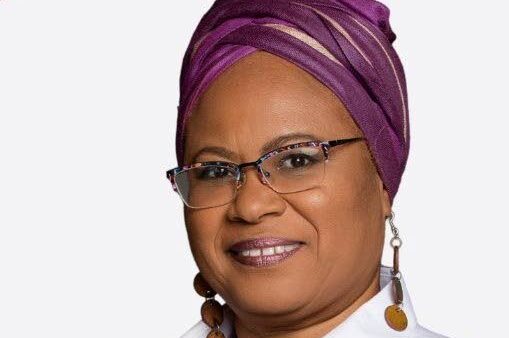
    The Innovative Democratic Alliance (IDA) has terminated its association with prospective candidate Tevin Duke following his criminal conviction for repeatedly violating a protective order. Dr. Denise Tsoiafatt Angus, political leader of the Tobago-based party, confirmed the immediate removal of Duke as their intended representative for the Belle Garden/Glamorgan constituency.

    The development emerged just days after the IDA unveiled its candidate list for the upcoming Tobago House of Assembly (THA) elections scheduled for January 12. Upon learning of Duke’s sentencing on December 3, the party convened an emergency executive meeting to address the situation.

    In an official statement released on December 4, the IDA emphasized its commitment to integrity, accountability, and public safety as core values that necessitated swift action. The party expressed particular concern about the nature of the offense, noting that violations of protective orders involving family safety represent serious breaches of trust.

    The 30-year-old Tobago farmer received a three-month, 24-day prison sentence after pleading guilty to his third violation of a protection order. Magistrate Avion Gill of the Scarborough Second Court handed down the sentence on December 3, with court records indicating Duke had previously served two jail terms for similar offenses.

    The IDA has initiated its internal ethical review process and is currently vetting two potential replacement candidates. Party officials indicated a new candidate for the district would be announced shortly to ensure adequate representation for Belle Garden/Glamorgan constituents.

    While acknowledging the regrettable nature of the incident, the party maintains its focus on the upcoming THA elections, reaffirming its commitment to protecting women, families, and vulnerable individuals across Tobago.

  • Rowley to host radar conversation in Tobago

    Rowley to host radar conversation in Tobago

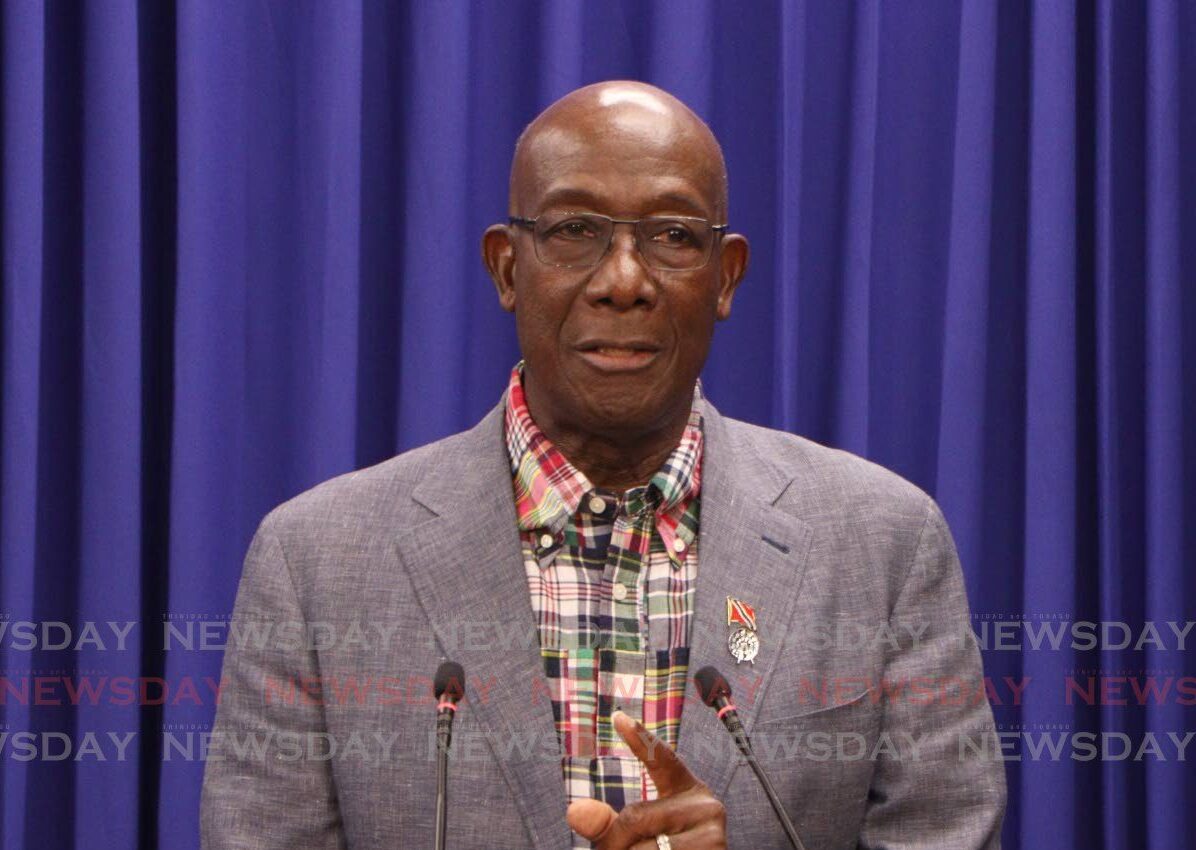
    Former Trinidad and Tobago Prime Minister Dr. Keith Rowley has announced a public forum to address growing concerns regarding the recent installation of a US military radar system at Tobago’s Arthur NR Robinson International Airport. The meeting is scheduled for December 7 at the Mason Hall Community Centre, commencing at 6:30 PM.

    In a December 5 Facebook post, Rowley stated, “Tobago, the conversation continues. In a time of uncertainty, our island deserves clarity.” The former leader pledged to confront difficult questions surrounding the radar system, the Status of Forces Agreement (SOFA) signed with the United States in December 2024 during his administration, and the genuine implications of these developments for Tobago’s security and future.

    The radar installation first came to public attention when current Prime Minister Kamla Persad-Bissessar disclosed its existence on November 27 following a laptop distribution ceremony in Penal. Persad-Bissessar characterized the equipment as essential for enhancing surveillance capabilities against narcotics traffickers operating in regional waters.

    This development occurs within the broader context of increased US military presence throughout the southern Caribbean. Beginning in August, the United States deployed three guided missile destroyers—USS Gravely, Jason Dunham, and Sampson—to the region. The naval contingent has since expanded to include the nuclear attack submarine USS Newport News, amphibious assault vessels, special forces command vessels, the 22nd US Marine Expeditionary Unit, and the aircraft carrier USS Gerald R Ford with its strike group.

    Prime Minister Persad-Bissessar has repeatedly emphasized that Trinidad and Tobago will not serve as a base for military operations against Venezuela, despite having expressed willingness to permit US troop operations if Venezuela encroaches on Guyanese territory. The Prime Minister has publicly endorsed the US military deployment as an anti-narcotics initiative, notwithstanding international criticism of US strikes on alleged drug vessels as extrajudicial killings.

    The situation has revealed political tensions, with Tobago House of Assembly Chief Secretary Farley Augustine claiming exclusion from security discussions despite arguably warranting membership on the National Security Council. Constitutional questions have emerged regarding Augustine’s eligibility for such membership, as former national security minister Gary Griffith contends that only cabinet ministers may participate.

    Meanwhile, Tobago East MP David Thomas has aligned with the government’s position that the radar primarily addresses narcotics trafficking concerns. This alignment occurs despite the absence of a formal coalition between Thomas’s Tobago People’s Party and the governing UNC, highlighting the complex political dynamics surrounding this security development.

  • PM to support Christian-based credit union

    PM to support Christian-based credit union

    In a significant policy announcement, Trinidad and Tobago’s Prime Minister Kamla Persad-Bissessar has pledged governmental support for establishing religious-oriented institutions, including a values-based educational facility and a faith-driven financial cooperative. The declaration came during her keynote address at the Full Gospel Business Men’s Fellowship International (FGBMFI) Christmas gathering on December 4 at the Couva Point Lisas Chamber of Commerce.

    Addressing attendees, Persad-Bissessar framed her return to leadership as divinely guided, quoting biblical scripture James 1:17 to emphasize her perception of divinely bestowed responsibility. She articulated that her administration stands ready to evaluate formal proposals for both a church-administered school emphasizing Christian moral formation and a credit union operating on faith-based principles aimed at community economic empowerment.

    The Prime Minister specifically commended FGBMFI for its extensive outreach efforts, noting their nationwide prayer crusades, crisis support programs for vulnerable families, and ministry extensions into correctional facilities and workplaces. She characterized the organization as a crucial stabilizing force during what she described as ‘a decade of hardship and escalating violence,’ praising their role in reinforcing the nation’s ethical and spiritual underpinnings.

    Persad-Bissessar connected these initiatives to broader national objectives, stating that communities founded on ‘faith, discipline and opportunity’ are essential for building a more resilient and compassionate society. She extended an official invitation to the organization to submit detailed plans for governmental review, promising ‘appropriate care and diligence’ in evaluating potential implementations.

    Concluding with seasonal reflections, the Prime Minister called for renewed commitments to integrity and service, invoking Luke 2:14 to underscore her message of peace and goodwill. She expressed confidence that such faith-anchored institutions could substantially contribute to national moral strengthening and community development.

  • Civil society group urges resistance to US aggression against Venezuela

    Civil society group urges resistance to US aggression against Venezuela

    The Assembly of Caribbean People (ACP) has issued a forceful condemnation of what it characterizes as Washington’s expanding military footprint across the Caribbean basin. In a December 4 declaration, the regional coalition of civil society organizations denounced recent US deployments as evidence of an “imperial agenda” targeting Venezuela and destabilizing regional stability.

    The ACP highlighted concerning military developments, including the positioning of the USS Gerald Ford aircraft carrier strike group—comprising destroyers, amphibious assault vessels, fighter aircraft, B-52 strategic bombers, and nuclear submarines—representing approximately ten percent of US naval capacity. The organization specifically noted heightened activity in the narrow maritime corridor separating Trinidad and Tobago from Venezuela, describing the Caribbean as facing its most volatile period in recent history.

    Further escalation indicators cited include multiple visits by the US Marines’ 22nd Expeditionary Unit to Trinidad within a three-week period, repeated destroyer incursions into the Gulf of Paria, and the installation of US radar systems in Tobago. The ACP dismissed official narratives linking these deployments to counter-narcotics operations, asserting instead that Washington seeks regime change in Venezuela and control over its substantial natural resources.

    The coalition expressed particular alarm over recent aviation restrictions, including Federal Aviation Administration warnings about military operations in Caribbean airspace and President Trump’s declaration of a Venezuelan no-fly zone. These developments, coupled with the designation of Venezuela’s leadership as a Foreign Terrorist Organization, are viewed as creating pretexts for military intervention.

    ACP spokesman David Abdulah called for unified regional resistance, urging Caribbean citizens, governments, and civil society organizations to reject US military activities. “The message must be clear,” Abdulah emphasized, “A US military attack—Not in our name. War in the region—Not in our name.”

    The organization criticized regional governments that have aligned with US interests, specifically referencing Trinidadian Prime Minister Kamla Persad-Bissessar’s public support for aggressive counter-narcotics measures. Such positions, the ACP argued, undermine the Caribbean’s traditional status as a zone of peace.

    While acknowledging resistance from certain CARICOM leaders and grassroots movements, the ACP called for stronger collective opposition to preserve regional sovereignty and prevent military conflict.

  • Padarath, Browne argue over language

    Padarath, Browne argue over language

    A significant political confrontation has erupted in Trinidad and Tobago regarding diplomatic rhetoric surrounding US-Venezuela tensions. Government Minister Barry Padarath has vehemently rejected opposition senator Dr. Amery Browne’s appeal for Prime Minister Kamla Persad-Bissessar to moderate her language concerning the nation’s position on Caribbean geopolitical affairs.

    Padarath, serving as both Minister in the Office of the Prime Minister and Government Whip, issued a formal statement characterizing Browne’s criticism as “a profound mischaracterization of the Prime Minister’s statements” and “a startling display of selective outrage.” The minister accused the opposition People’s National Movement (PNM) of longstanding “political contamination” of national discourse through hostile rhetoric.

    The government’s response highlighted what it described as a pattern of hypocrisy, noting Browne’s silence when former PNM leader Dr. Keith Rowley allegedly used derogatory terms including ‘jamette’ to reference women, made comparisons between golf courses and women, referred to citizens as ‘hyenas,’ and employed racially charged language.

    Padarath established clear conditions for rhetorical moderation, stating the Prime Minister would “cool it” only when specific national security improvements occur: reduction in murders, cessation of illegal firearms flow, dismantling of drug trafficking networks, eradication of human trafficking, and enhanced public safety for all citizens regardless of background.

    In rebuttal, Browne condemned what he characterized as the government’s adoption of “the worst aspects of vicious politics,” citing “gas-lighting, distractions, toxic language, and baseless allegations” as standard practice among governing party officials. The opposition senator expressed concern about governmental indifference to societal polarization exacerbated by discriminatory employment practices and rising food prices, creating palpable tension among the population.