分类: politics

  • ULP X  NDP X  SVG ✓

    ULP X  NDP X  SVG ✓

    In a stunning political reversal, St. Vincent and the Grenadines has witnessed a dramatic shift in governance as the New Democratic Party (NDP) secured a decisive 14-1 victory over the previously dominant Unity Labour Party (ULP) in recent general elections. This electoral outcome marks the conclusion of Prime Minister Ralph Gonsalves’ two-decade leadership and inaugurates the era of Prime Minister Godwin Friday.

    The campaign period revealed sharply contrasting strategies between the competing parties. The NDP executed a policy-forward campaign emphasizing substantive proposals, while the ULP relied heavily on fear-mongering tactics, personal attacks against opposition leadership, and attempts to incite political violence. This approach ultimately backfired spectacularly, alienating even their traditional support base.

    Beyond mere campaign missteps, the ULP’s defeat culminated from years of accumulating controversies. Their administration faced numerous allegations including systematic political victimization, COVID-19 vaccine mandate mishandling, and several high-profile sexual scandals involving party figures. These factors gradually eroded public trust in the long-governing party.

    The election captured unprecedented regional attention, with diaspora Vincentians mounting vigorous get-out-the-vote initiatives and neighboring Caribbean nations closely monitoring the political drama. The contest earned recognition as the most captivating electoral event in the nation’s recent history, rivaled only by the landmark 2001 election that initially brought the ULP to power.

    Journalist Christina Katrina Smith, drawing from her experience documenting Caribbean politics, observes the deeply entrenched tribal nature of Vincentian political culture. The pervasive ‘red versus yellow’ dichotomy has fractured communities, families, and workplaces, creating an environment where political neutrality becomes virtually impossible. Media outlets face automatic categorization based on perceived partisan leanings, complicating objective reporting.

    The central question emerging from this political transition is whether genuine reconciliation can overcome generations of partisan division. While the NDP has pledged inclusive governance focused on elevating living standards and transcending partisan politics, opposition elements already express concerns about potential political victimization under the new administration.

    This transformation represents more than a simple change in government—it offers a critical examination of Caribbean democracy’s nature and the dangers of unquestioning party allegiance. As the nation progresses beyond the Gonsalves era, the fundamental challenge remains: when will national interest finally supersede partisan loyalty in St. Vincent and the Grenadines?
  • High Court quashes appointments of Clerk, Deputy Clerk of HOA

    High Court quashes appointments of Clerk, Deputy Clerk of HOA

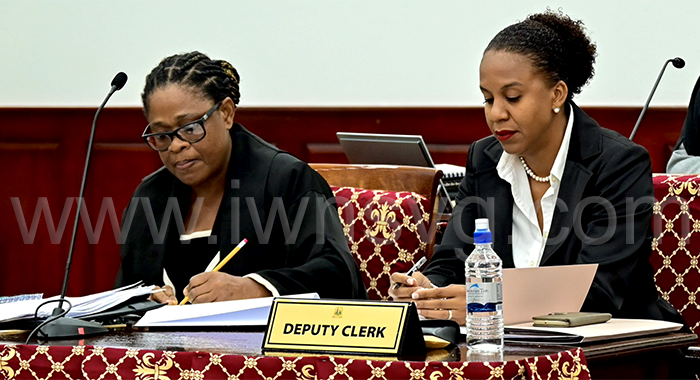
    In a significant judicial rebuke, the High Court has invalidated the controversial 2023 appointments of Deborah Charles as Clerk of the House of Assembly and Simone Williams-Huggins as Deputy Clerk. The ruling represents another legal setback for the recently ousted Unity Labour Party (ULP) administration.

    Presiding Justice Cybelle Cenac-Dantes delivered the landmark judgment on Thursday, upholding Celena McDonald’s challenge against the Public Service Commission’s (PSC) appointment decisions. The court determined that the appointments were fundamentally unlawful, unreasonable, and procedurally flawed.

    The judicial review revealed that the PSC acted unfairly and unlawfully by bypassing McDonald for the Clerk position while improperly selecting Williams-Huggins as Deputy Clerk instead of the qualified candidate. Crucially, the court found that the Commission violated established principles of selection and promotion, specifically Regulation 19 of the PSC Regulations.

    Further compounding the procedural failures, the PSC neglected to advertise the vacant positions of Clerk and Deputy Clerk, thereby breaching Regulation 18 and undermining the fundamental principle of transparency in public service appointments.

    The legal challenge, supported by the Public Service Union with representation from attorney Shirlan “Zita” Barnwell for McDonald, exposed the deeply politicized nature of the appointments. Charles, a former ULP senator and parliamentary secretary who had contested general elections in 2015 and 2020, assumed the Clerk role after Nicole Herbert’s retirement from public service.

    The constitutional controversy emerged prominently during a July 13, 2023 parliamentary session when then-Opposition Leader Godwin Friday (now Prime Minister) raised substantive objections. Friday cited Constitutional Section 35, which explicitly designates the Clerk’s office as a non-partisan public service position, unlike the Speaker’s role which may accommodate partisan members.

    Friday articulated profound concerns regarding Charles’ recent partisan history, noting that her transformation from active political combatant to impartial parliamentary official strained credibility. The opposition leader emphasized that the appointment would inevitably diminish trust in the Clerk’s office among opposition members and potentially compromise parliamentary functionality.

    In response, then-Prime Minister Ralph Gonsalves accused Friday of verbal abuse toward Charles and defended the appointments by citing historical precedents of politically active individuals assuming constitutional offices. This defense ultimately failed to persuade the judicial authorities.

    The ruling continues a pattern of High Court decisions favoring the Public Service Union against the previous administration, highlighting systemic issues in governance during the ULP’s 25-year tenure.

  • PM still hoping for improved communication with Gonsalves

    PM still hoping for improved communication with Gonsalves

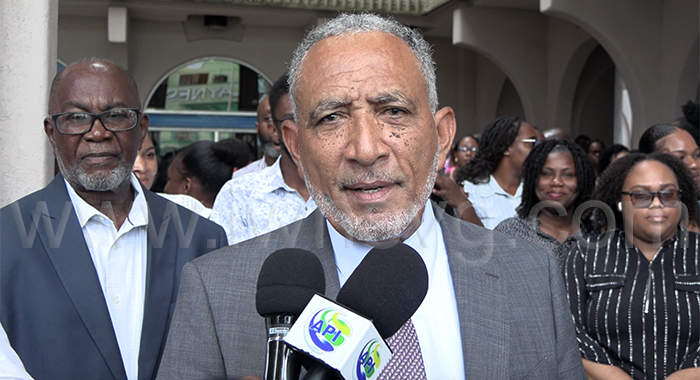
    Newly elected Prime Minister Godwin Friday has revealed a complete absence of communication with his predecessor, Ralph Gonsalves, since assuming office following the November 27 general elections. Speaking to journalists outside the Administrative Complex on Monday, PM Friday expressed hope that this silence would be broken to ensure governmental continuity despite their strained political relationship.

    The communication breakdown dates back to August 2021 when Gonsalves sustained a head injury during protests in Kingstown. The former prime minister attributed this incident to then-Opposition Leader Friday, creating a rift that has persisted through the transition of power.

    Emphasizing the institutional nature of governance, Friday articulated his philosophy of governmental continuity: “It’s not a reinvention when a new administration takes office. This is about passing the baton while maintaining the same fundamental responsibilities. We must move beyond perceived divisions between past and present administrations.”

    The Prime Minister referenced historical precedent, noting that former Prime Minister Sir James Mitchell had engaged in transitional discussions with Gonsalves following the 2001 elections, particularly regarding critical issues like European Union seafood export bans.

    This context gains significance as Gonsalves, now reduced to being the sole elected representative of his Unity Labour Party, recently announced he would assume the role of Opposition Leader. In his first post-election comments on Star Radio, Gonsalves expressed expectations for “the usual courtesies and privileges” afforded to former prime ministers.

    In response to these remarks, PM Friday indicated he would treat the Opposition Leader’s office with constitutional respect rather than political favoritism: “The Office of the Leader of the Opposition isn’t a political party creation but a constitutional position requiring adequate resources and respect to function effectively within our governance structure.”

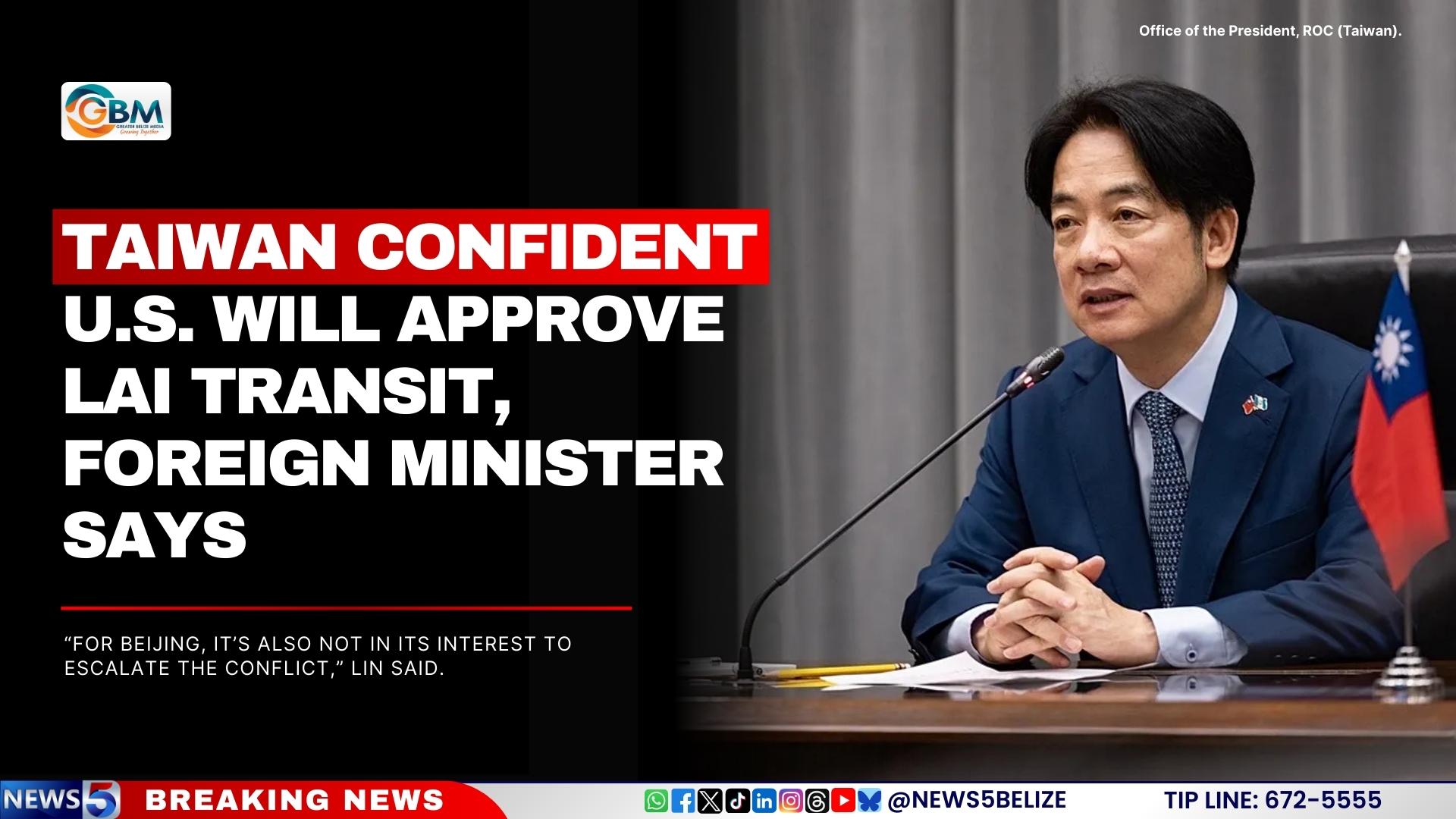
  • Taiwan Confident U.S. Will Approve Lai Transit, Foreign Minister Says

    Taiwan Confident U.S. Will Approve Lai Transit, Foreign Minister Says

    Taiwanese Foreign Minister Lin Chia-lung expressed strong confidence on Monday that the United States would authorize transit arrangements for President William Lai’s upcoming diplomatic journey to Latin America. Minister Lin indicated that ongoing communications between Taipei and Washington have progressed positively, suggesting that stopovers in U.S. territory would not present logistical or diplomatic complications.

    During an exclusive interview, Minister Lin elaborated on the anticipated travel plans, stating, “Based on our constructive dialogue with American counterparts, we maintain optimism that transit through the United States will be facilitated in the coming months, enabling our presidential delegation to proceed with visits to allied nations in Latin America.”

    Beyond bilateral U.S.-Taiwan relations, Minister Lin addressed escalating regional tensions stemming from recent remarks by Japanese Prime Minister Sanae Takaichi regarding potential military involvement in response to Chinese aggression toward Taiwan. The Foreign Minister characterized the current geopolitical climate as potentially requiring “approximately one year to stabilize” and emphasized that no party would benefit from further escalation of hostilities.

    “It would be contrary to Beijing’s strategic interests to intensify this conflict,” Lin asserted, highlighting the mutual disadvantages of heightened military posturing in the Asia-Pacific region. The comments arrive amid increased diplomatic activity and security discussions among regional powers concerning Taiwan’s status and stability.

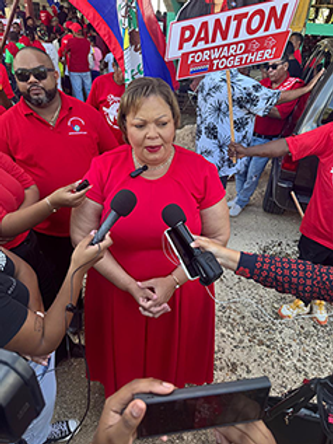
  • Party Leader Panton Poised for Prime Minister

    Party Leader Panton Poised for Prime Minister

    Belizean politics has entered a transformative era with Tracy Panton’s groundbreaking election as the first female leader of a major political party in the nation’s history. On November 30th, at the UDP National Leadership Convention held at Bird’s Isle, Panton received unanimous endorsement from party delegates, marking a definitive turning point after five years of internal strife that had weakened the United Democratic Party’s foundation.

    In her acceptance speech as Opposition Leader, Panton struck a resonant chord of gratitude and determination, addressing thousands of supporters with a powerful message: ‘Rock bottom is not the tomb. It is, my friends, the turning point.’ Her ascent represents not merely a personal achievement but a fundamental disruption of Belize’s longstanding ‘old boys’ club’ political culture.

    The convention results demonstrated overwhelming support for Panton’s leadership slate. Attorney Sheena Pitts achieved a historic victory as the first female party chairman, decisively defeating former National Security Minister John Saldivar (326 votes to 99) and long-serving party member Roosevelt Blades. Businessman John Castillo similarly secured victory over former Labour Commissioner Ivan Williams with 300 votes to 183.

    This political milestone arrives three decades after Belize signed the Beijing Declaration and Platform for Action, which identified twelve critical areas for advancing gender equality. While progress has been made in several domains, two areas remain particularly challenging: eliminating violence against women and increasing female representation in decision-making roles.

    The current parliamentary composition underscores this gender imbalance—only three women sit among 28 elected representatives. Analysis reveals that even when women achieve electoral success, they frequently receive ministerial appointments that don’t reflect their capabilities. Historical patterns show female representatives consistently appointed as ministers of state rather than full ministers, a trend established by former PUP Prime Minister Said Musa in 1998 and continued by UDP leaders including the late Sir Manuel Esquivel and Rt. Hon. Dean Barrow.

    Panton’s leadership embodies the culmination of decades of advocacy by Belize’s Women’s Movement. As a graduate of the Women in Politics (WIP) Project’s third cohort—an initiative that trained 100 women for political participation—she represents the tangible results of systematic investment in female leadership development.

    Regionally, Panton’s achievement aligns with a growing Caribbean trend of female political leadership. From Dominica’s late Prime Minister Dame Eugenia Charles (1980-1995) to contemporary leaders like Trinidad and Tobago’s Kamla Persad-Bissessar and Barbados’s Mia Amor Mottley, women have demonstrated exceptional governance capabilities. Mottley, now serving her second term, has particularly distinguished herself through policy effectiveness and decisive leadership.

    Panton’s leadership philosophy, which she describes as ‘competent, capable and compassionate,’ offers Belize an opportunity to embrace transformative governance that values equality, incorporates diverse perspectives, and champions family-centered policies. Her historic election signals that after thirty years of gradual progress since the Beijing Declaration, Belize may finally be ready to fully embrace women’s leadership in the political sphere.

  • $60 million spent on back pay since 2022 and more to come

    $60 million spent on back pay since 2022 and more to come

    The government of Antigua and Barbuda has announced another significant disbursement of retroactive wages to public servants this month, marking a continued effort to resolve longstanding payroll obligations. Prime Minister Gaston Browne revealed the initiative during his presentation of the national budget for 2026, emphasizing his administration’s commitment to rectifying historical financial debts owed to current and former civil servants.

    Since 2022, over $60 million in overdue wages has been distributed to eligible workers. The upcoming payment round will extend to individuals who exited public service prior to December 2022, ensuring comprehensive coverage of outstanding amounts. Browne characterized these payments as a manifestation of ‘caring leadership’ and ethical governance, acknowledging that employees should not endure prolonged delays for rightfully earned compensation.

    The accumulation of wage arrears originated from previous governments and protracted negotiation stalemates, but the current administration has prioritized addressing these liabilities through improved fiscal management. Browne attributed the capacity to fulfill these obligations to robust revenue performance and budget surpluses, which have created financial flexibility for settling legacy debts.

    Concurrently, the government is implementing structural reforms to the wage negotiation process to prevent future backlog development. These systemic changes aim to establish more efficient settlement timelines and promote greater accountability in public sector payroll management.

    Additional details regarding payment schedules and administrative reforms are anticipated during the resumed budget debate next week, where cabinet ministers are expected to elaborate on the mechanics of the ongoing regularization initiative.

  • Public officers granted half-day ahead of Pierre’s swearing-in

    Public officers granted half-day ahead of Pierre’s swearing-in

    In a move to honor the democratic process and national leadership, the government has announced an early dismissal for all public sector employees at noon on Friday, December 5, 2025. This special half-day holiday coincides with the official swearing-in ceremony of Prime Minister Philip J. Pierre, who is poised to begin his second term in office.

    The Prime Minister’s Office formally disclosed this arrangement, characterizing it as a symbolic gesture that highlights the historical importance of the occasion. The early closure is designed to enable civil servants to either witness or actively participate in the national event, thereby fostering a sense of collective engagement and civic pride.

    While non-essential government operations will pause, the administration has confirmed that all essential services will continue without interruption. Individual ministries and departments have been instructed to implement appropriate staffing plans to maintain critical public services throughout the afternoon.

    Furthermore, the government has extended a recommendation to private sector employers, encouraging them to similarly release their staff early where operationally feasible. This appeal aims to maximize public involvement in what is being promoted as a unifying national moment.

    In an official communication, the government expressed profound appreciation for the dedication of public officers and extended an invitation to all citizens to partake in this celebration of democratic continuity and national unity.

  • Education Gets Largest Share of 2026 Budget Allocations

    Education Gets Largest Share of 2026 Budget Allocations

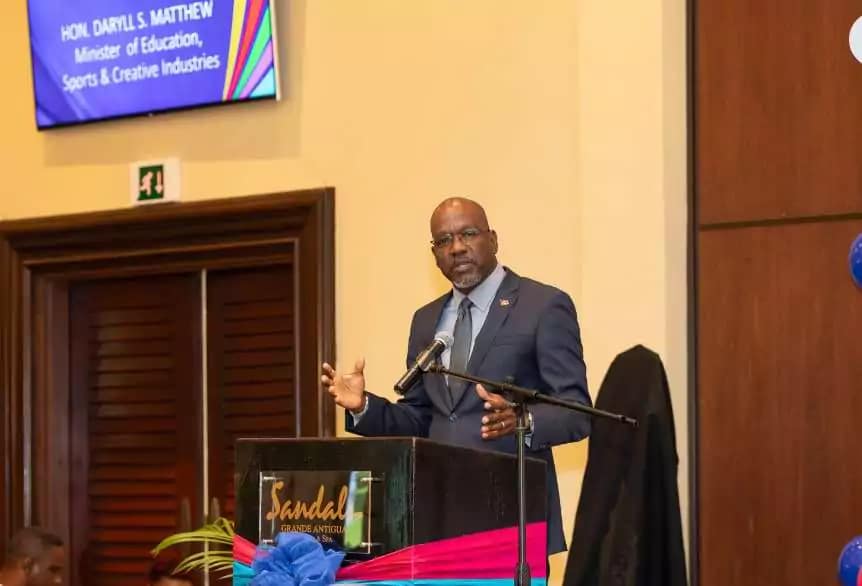
    In a significant parliamentary address on Thursday, Prime Minister Gaston Browne unveiled Antigua and Barbuda’s fiscal blueprint for 2026, positioning education as the cornerstone of the nation’s developmental agenda. The budget presentation revealed a strategic allocation of $220.1 million to the Ministry of Education, Sports and Creative Industries, marking it as the single largest recipient of recurrent expenditure funds. This substantial investment underscores the administration’s dedication to enhancing educational accessibility, particularly through the planned tuition-free initiative at the University of the West Indies Five Islands Campus following necessary infrastructure upgrades.

    The financial distribution further highlights substantial commitments to other critical sectors. The Prime Minister’s Ministry and Ministry of Finance & Corporate Governance secured the second-largest allocation at $196.9 million, followed by $147.5 million designated for the Ministry of Health, Wellness, the Environment and Civil Service Affairs. These funds are poised to bolster healthcare services, facility improvements, and staffing enhancements across the nation.

    Additional major allocations demonstrate a comprehensive approach to national development: $124.6 million for public safety and legal affairs through the Attorney General’s Office, $121.7 million for infrastructure and housing development, and significant funding for tourism ($39.1 million), foreign affairs ($35.5 million), social transformation ($31.9 million), agriculture ($29.5 million), and technology/energy sectors ($15.9 million).

    The broader fiscal framework for 2026 encompasses $1.21 billion in recurrent spending alongside $236.4 million in capital expenditure, with emphasis on infrastructure projects including roadworks and public building renovations. Personnel costs constitute the largest portion of recurrent expenses at $504.5 million for wages and salaries, followed by $336.4 million for pensions and transfers, $231.2 million for goods and services, and $138.4 million allocated for interest payments.

    Prime Minister Browne emphasized that these allocations reflect a government committed to economic stability, sustained growth, and equitable distribution of progress benefits. He noted the projected maintenance of both primary and overall surpluses for the third consecutive year, signaling continued fiscal responsibility. Parliamentary debate on the budget is scheduled to resume next week.

  • Mexico reaffirms call to respect the sovereignty of nations

    Mexico reaffirms call to respect the sovereignty of nations

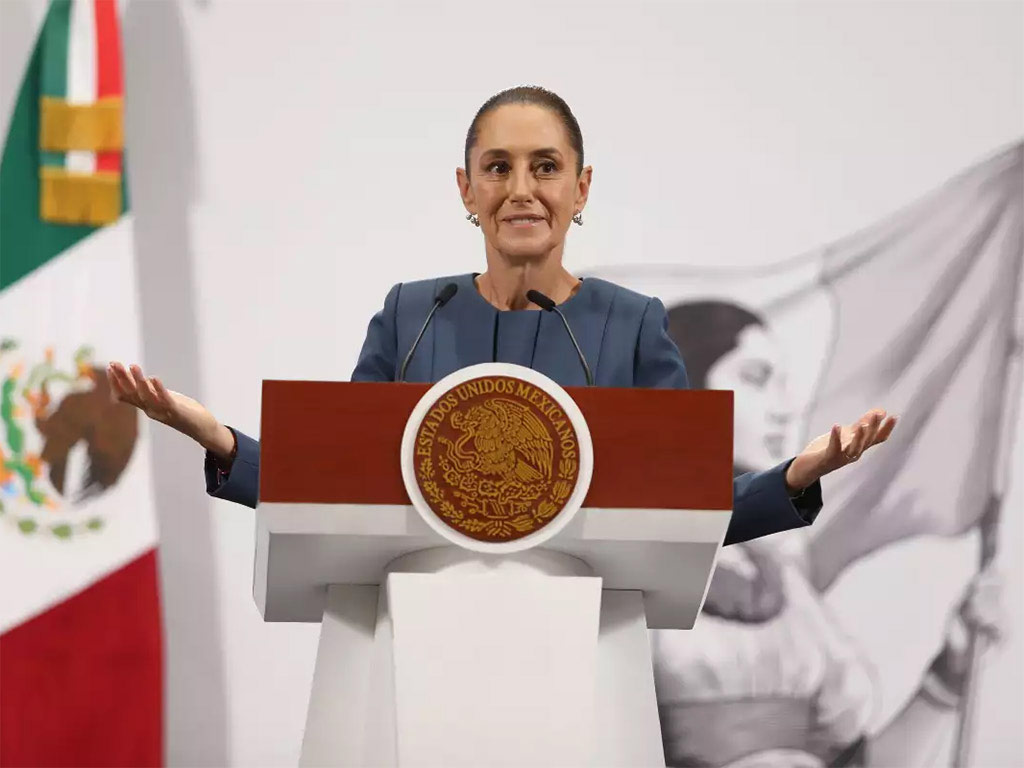
    Mexican President Claudia Sheinbaum has confirmed her intention to address concerns regarding U.S. military activities in the Caribbean and perceived threats toward Caracas during her upcoming meeting with U.S. President Donald Trump. The head of state revealed that this diplomatic encounter will occur alongside Canadian Prime Minister Mark Carney during the World Cup draw festivities in Washington.

    President Sheinbaum emphasized that Trump is fully aware of Mexico’s firm stance on international sovereignty, noting: ‘We believe that international law and the sovereignty and self-determination of nations must be respected.’ She disclosed that during their previous telephone communications, she has consistently articulated Mexico’s commitment to peaceful conflict resolution approaches.

    ‘He knows our position and, if necessary, we will reiterate it,’ Sheinbaum stated definitively. ‘This is a position we maintain both privately and publicly, and it constitutes the constitutional obligation of any Mexican president.’

    This meeting marks the first face-to-face interaction between Sheinbaum and Trump following a year characterized by multiple phone discussions. These communications occurred against a backdrop of controversial policies advanced by the Republican administration concerning immigration reform and trade relations that have significantly impacted North American dynamics.

  • Holness congratulates Pierre, commends Chastanet in post-election message

    Holness congratulates Pierre, commends Chastanet in post-election message

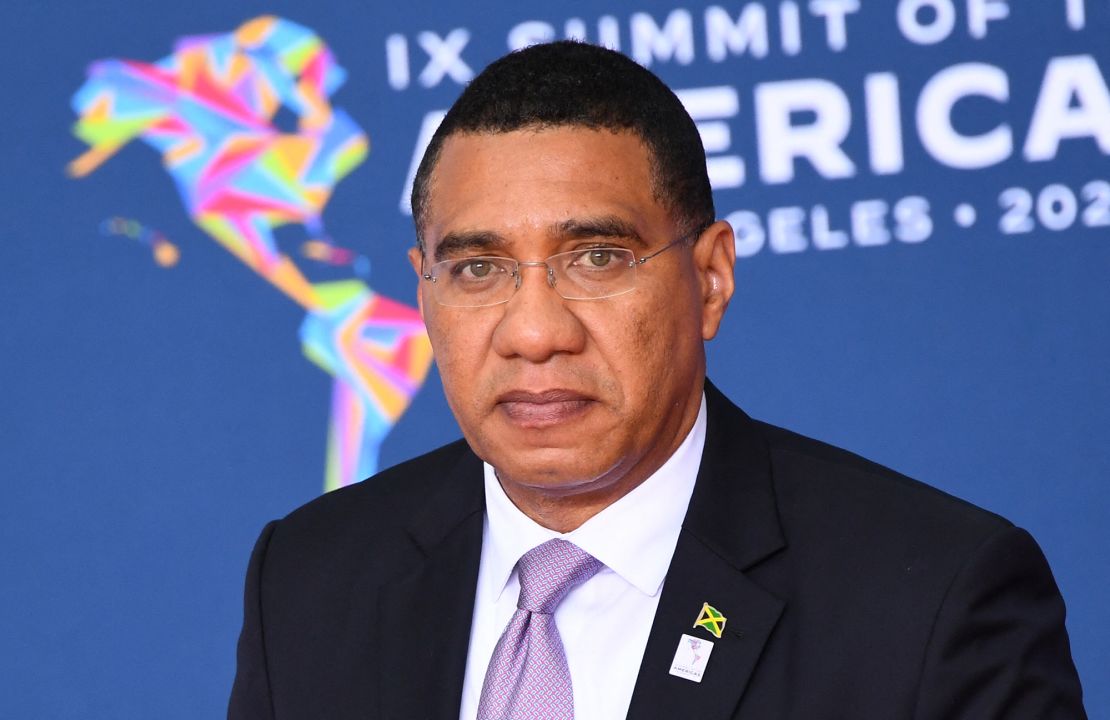
    In a notable display of regional diplomacy, Jamaican Prime Minister Andrew Holness has issued formal congratulations to both the victorious administration and opposition leadership following Saint Lucia’s December 1st general election. Through official social media channels, Holness commended Prime Minister Philip J. Pierre’s re-election while simultaneously acknowledging Opposition Leader Allen Chastanet’s democratic contributions.

    The Jamaican leader emphasized the critical importance of sustained collaboration among Caribbean Community (CARICOM) nations during this period of regional challenges. Holness specifically highlighted shared concerns including climate resilience, post-pandemic economic recovery, and regional security coordination as areas requiring unified leadership.

    In his address to Prime Minister Pierre, Holness underscored the significance of continued partnership between Caribbean governments, noting that ‘regional unity and strong democratic leadership remain essential’ for addressing common challenges. The message reinforced Jamaica’s commitment to multilateral cooperation within the CARICOM framework.

    Separately, Holness recognized Opposition Leader Chastanet’s dedication to democratic principles, stating: ‘I wish to acknowledge Mr. Allen Chastanet for his commitment to the strong democratic traditions of our region and his continued service to the people of St. Lucia.’ The statement extended best wishes for Chastanet’s ongoing political service to both Saint Lucia and the broader Caribbean community.

    This diplomatic outreach occurs amidst increasing regional integration efforts, with Caribbean nations seeking strengthened cooperation on economic, environmental, and security matters. The bilateral exchange between Jamaican and Saint Lucian leadership signals continuing political alignment within the Eastern Caribbean political landscape.