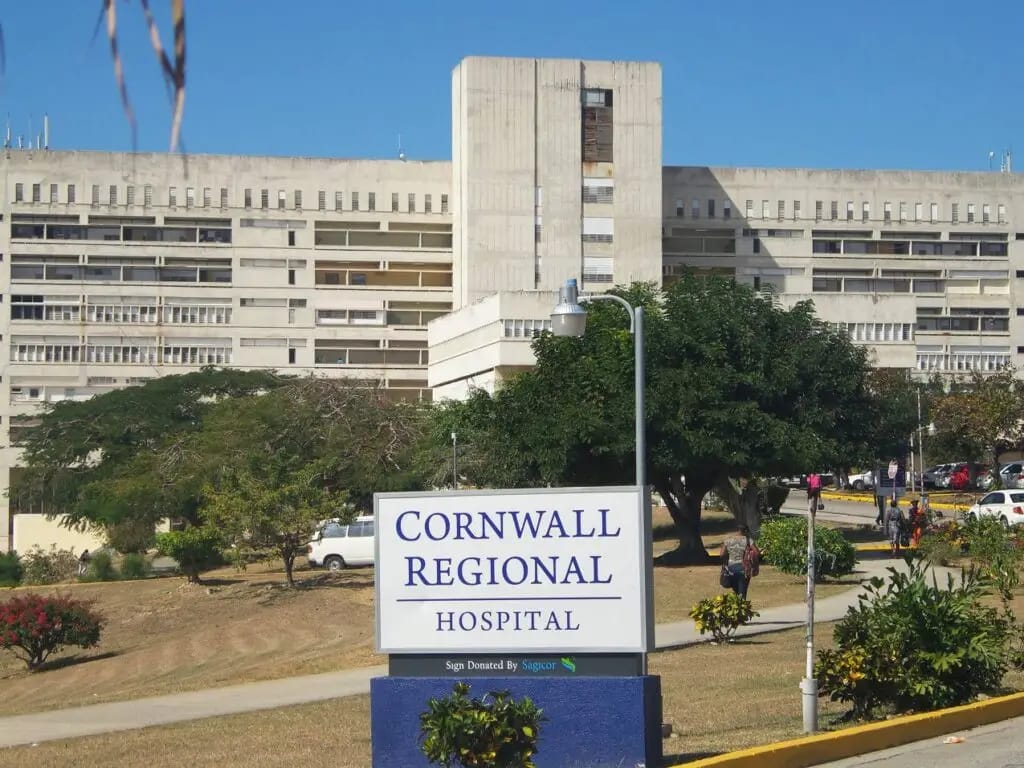
Jamaica’s healthcare infrastructure has been dealt a severe blow following the devastating impact of Category 5 Hurricane Melissa, which struck the island on October 28. At least four major hospitals have sustained significant damage, as confirmed by Dr. Christopher Tufton, Jamaica’s Minister of Health and Wellness. The hurricane made landfall in New Hope, Westmoreland, around midday, unleashing its fury on critical facilities across the island. Among the affected institutions are Noel Holmes Hospital in Hanover, Black River Hospital in St. Elizabeth, Cornwall Regional Hospital in St. James, and Falmouth Hospital in Trelawny. The Cornwall Regional Hospital, in particular, saw substantial damage to its nurses’ quarters, which had been repurposed for other uses. Dr. Tufton noted that relocation efforts are underway, though some are delayed due to ongoing rainfall. He emphasized the fluidity of the situation, stating, ‘A lot is happening, and it’s unfolding as we speak, so it’s hard to give specifics.’ The Ministry of Health and Wellness has activated emergency protocols, with Black River Hospital experiencing severe disruptions to its services. Patients were preemptively relocated as a precautionary measure. The Ministry is collaborating with the Southern Regional Health Authority and parish emergency services to stabilize operations. Despite the challenges, healthcare workers are reportedly working tirelessly to ensure patient care and safety. Social media images reveal extensive damage, including a roof torn off at Savanna-la-Mar Hospital in Westmoreland, further underscoring the hurricane’s destructive force.
分类: health
-
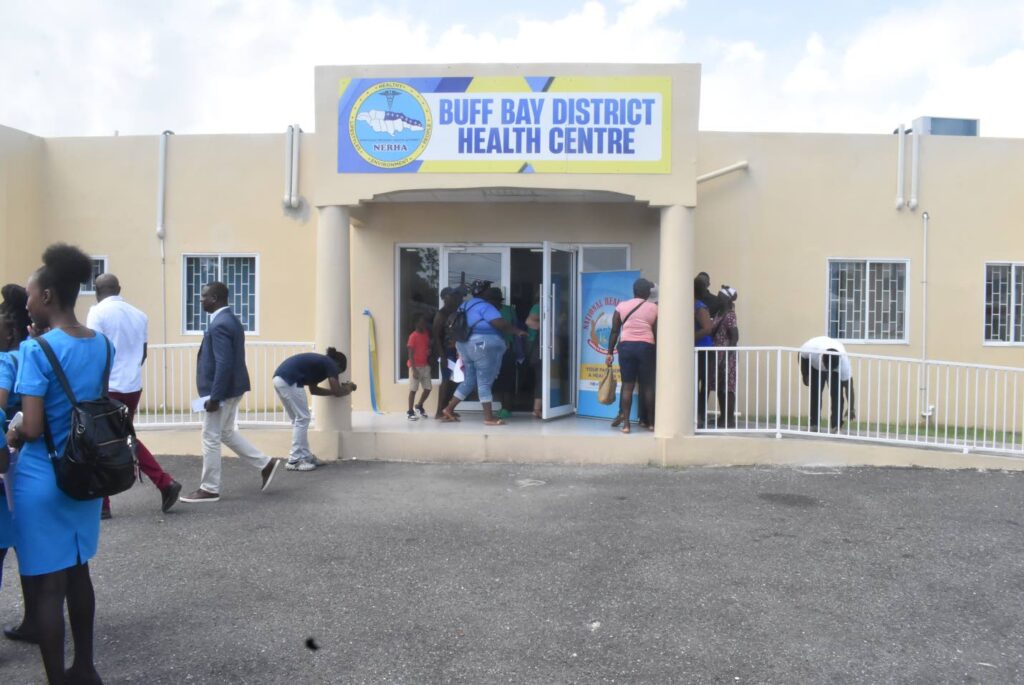
#MelissaAftermath: Some health centres reopen; hospitals in emergency mode
KINGSTON, Jamaica — The South East Regional Health Authority (SERHA) has announced the reopening of numerous health centers across Kingston, St. Andrew, St. Catherine, and St. Thomas as of Thursday. This marks a significant step in restoring healthcare services following recent disruptions. In Kingston and St. Andrew, facilities such as Alpha Dental, Bull Bay Health Centre, and the Community Health & Psychiatry at the University of the West Indies are now operational. Similarly, in St. Catherine, centers like Barton’s Health Centre, Bridgeport Dental Clinic, and Greater Portmore Health Centre have resumed services. St. Thomas residents can now access care at Morant Bay Health Centre, Llandewey Health Centre, and others. All centers are open daily from 8:00 am to 4:00 pm. Additionally, SERHA confirmed that full services are being offered at five major hospitals, including the Kingston Public Hospital and Princess Margaret Hospital. However, other hospitals remain in emergency mode, focusing solely on critical and life-saving care.
-
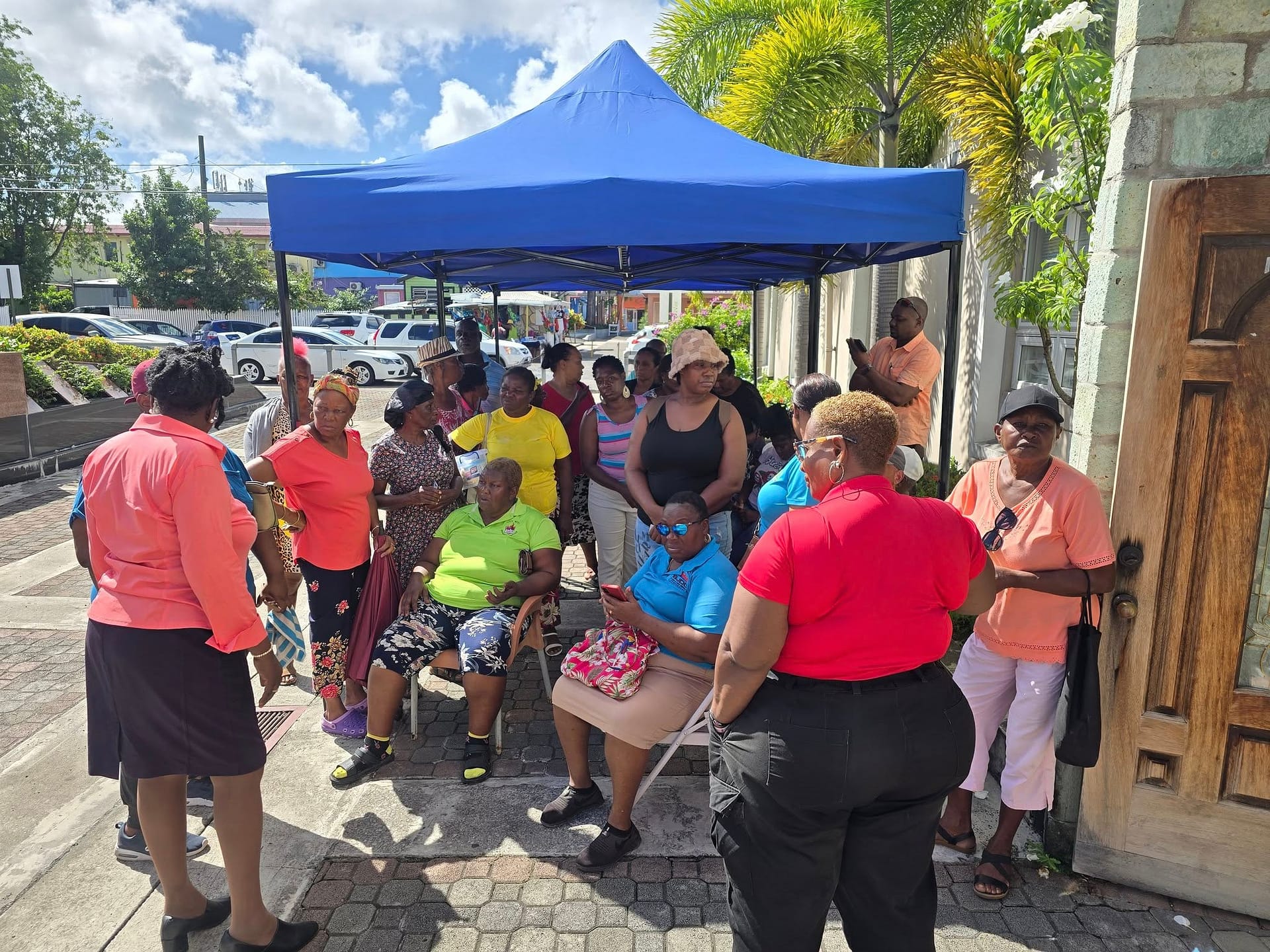
Health Ministry Continues Prescription Glasses Distribution This Week
The Ministry of Health, Wellness, Environment, and Civil Service Affairs has announced the continuation of its prescription glasses distribution program. The initiative, which began earlier this week, will run from Wednesday, October 29, to Friday, October 31, 2025, at the Ministry of Health Headquarters on High Street, St. John’s. Distribution hours are scheduled as follows: October 29 and 30 from 9:00 a.m. to 12:00 p.m. and 2:00 p.m. to 4:00 p.m., and October 31 from 9:00 a.m. to 12:00 p.m. This follows the successful distribution of over 200 pairs of glasses in the initial phase, with a total of more than 500 pairs expected to be distributed by the program’s conclusion. The Ministry encourages all individuals who were prescribed glasses during the Health Fair held in June 2025 at the Multi-Purpose Cultural and Exhibition Centre to collect their eyewear during the specified hours. Recipients are reminded to bring a valid form of identification. This initiative underscores the Ministry’s commitment to promoting equitable access to healthcare and enhancing the quality of life for all citizens through vision care and outreach programs.
-

Pharmacy at St Philip Polyclinic to close October 31 to November 5
The pharmacy at the St Philip Polyclinic will be temporarily shut down from Friday, October 31, 2025, through Wednesday, November 5, 2025, to allow for essential renovation works. The Ministry of Health and Wellness has announced that normal pharmacy operations are scheduled to resume on Thursday, November 6, 2025. During this period, patients who typically utilize the St Philip Polyclinic Pharmacy for prescription refills or other pharmaceutical services are advised to visit any other polyclinic pharmacy or out-patient clinic pharmacy. To ensure seamless service, patients should carry their identification cards and empty medication containers. The Ministry expressed regret for any inconvenience caused and extended gratitude to the public for their patience and understanding as they work to enhance the facility for improved service delivery.
-
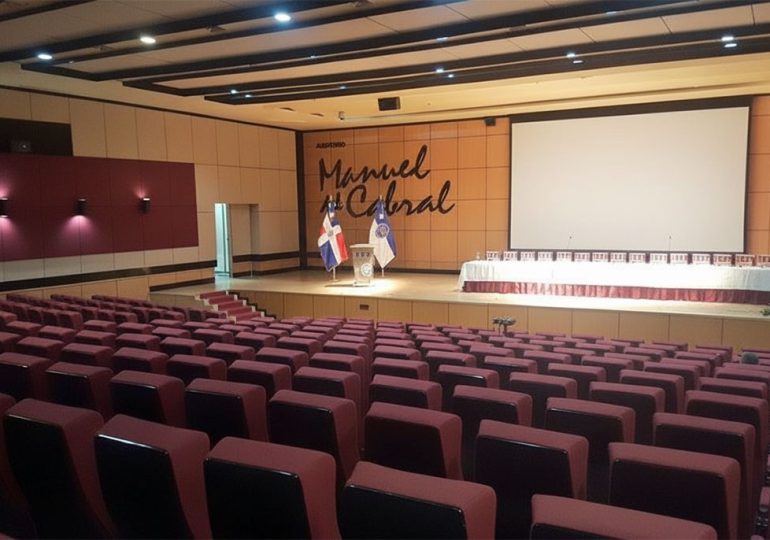
Dominican Republic to host XVIII Latin American Conference on Therapeutic Communities
The Dominican Republic is set to become a pivotal center for knowledge sharing and scientific collaboration in Latin America by hosting the 18th Latin American Conference of Therapeutic Communities (18CLACT). Scheduled for November 5–7, 2025, the event will convene over 50 experts from 16 countries, all dedicated to advancing the care, treatment, and recovery of individuals grappling with substance use disorders (SUD). The conference will be held at the Manuel del Cabral Auditorium in Santo Domingo, organized by the National Drug Council (CND) and the Latin American Federation of Therapeutic Communities (FLACT), with additional support from the Guara Bi Foundation, WestCare Foundation, UASD, and the Ministry of Public Health. The three-day program will feature keynote lectures, research presentations, and specialized panels, emphasizing evidence-based approaches, social inclusion, and dignity in addiction treatment. Notable participants include Public Health Minister Víctor Atallah, CND President Alejandro de Jesús Abreu, and international experts from organizations such as CICAD/OAS, UNODC, WFTC, Proyecto Hombre (Spain), TCA (USA), and Brazil’s DEPAD. Dr. David Patton from the University of Derby (UK) will also contribute virtually, sharing insights on therapeutic community models and rehabilitation policies. The conference will also bring together leaders from the 14 national federations affiliated with FLACT, fostering a robust platform for knowledge exchange and the enhancement of regional public policies. This event underscores the Dominican Republic’s dedication to evidence-based public health strategies, international cooperation, and human-centered approaches to mental health and addiction care.
-
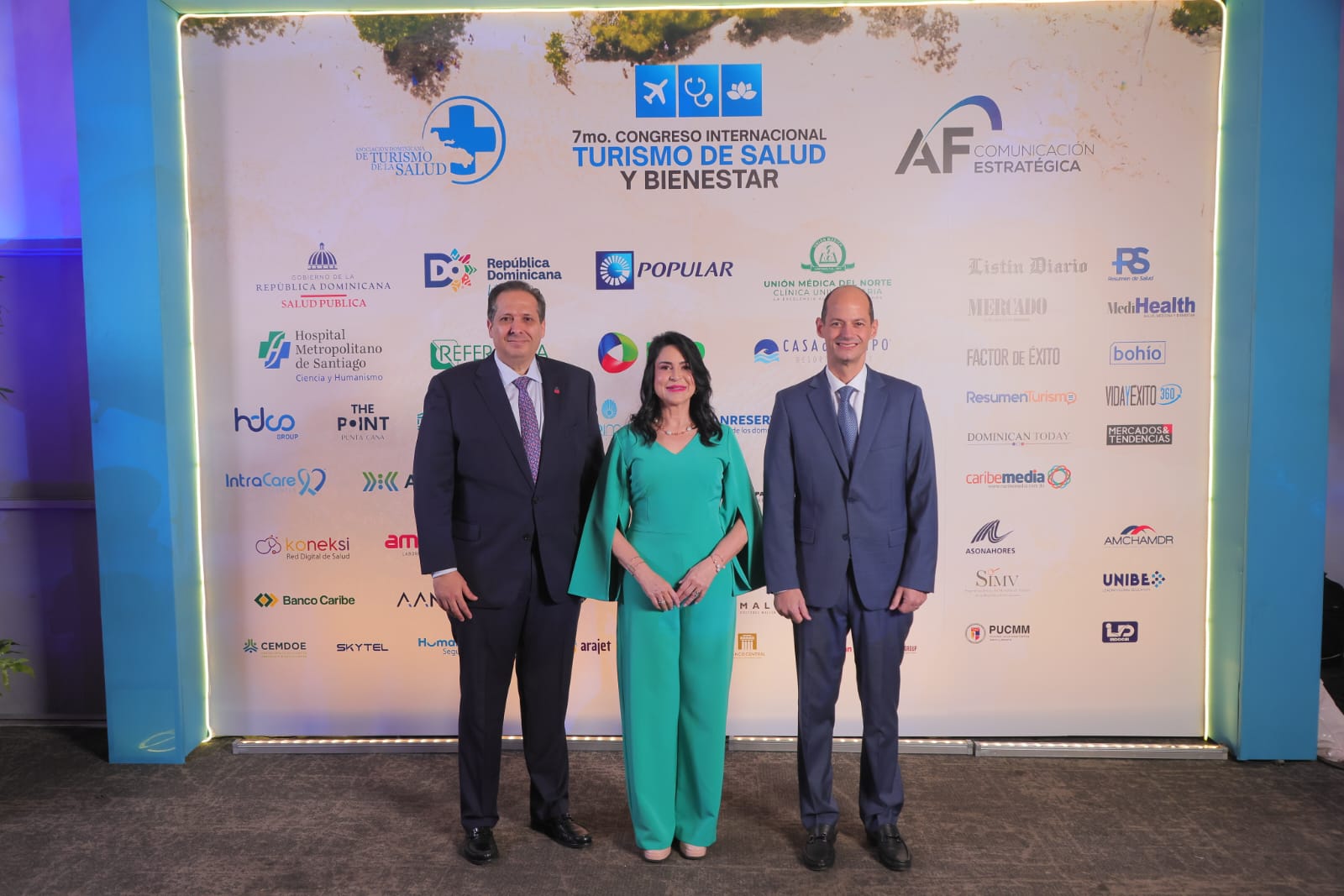
7th International Health and Wellness Tourism Congress positions Dominican Republic as regional leader and #19 worldwide
The Dominican Republic has solidified its position as a global leader in health and wellness tourism following the successful conclusion of the 7th International Congress on Health and Wellness Tourism in Santo Domingo. Recognized by the Medical Tourism Index as one of the top 20 most trusted destinations worldwide, the country continues to dominate the sector in Central America and the Caribbean. The event, organized by the Dominican Association of Health Tourism (ADTS) and AF Comunicación Estratégica, brought together over 35 international experts and garnered support from more than 60 organizations. Public Health Minister Dr. Víctor Atallah inaugurated the congress, which featured insightful discussions on health innovation, international accreditation, hospital design, retirement tourism, artificial intelligence, and personalized wellness. Dr. Alejandro Cambiaso, ADTS president, and Amelia Reyes Mora emphasized the importance of strategic collaboration, communication, and continuous education in enhancing the Dominican Republic’s reputation as a reliable and competitive destination. The congress underscored the significance of regional cooperation, sustainability, and technological innovation in advancing the sector, reaffirming the country’s commitment to an ethical and sustainable model that elevates its global standing in health and wellness tourism.
-
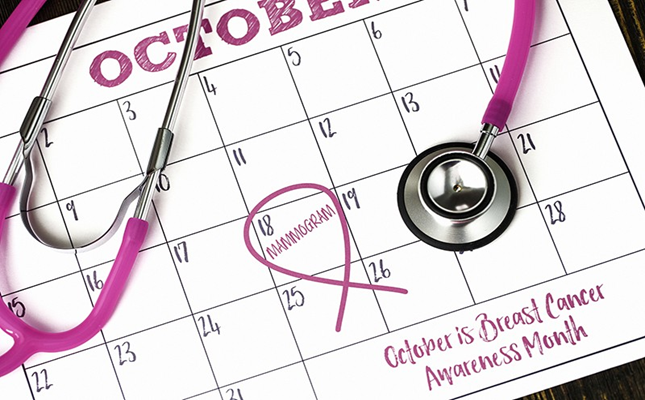
TDC Home and Building Depots Continue to Support Breast Cancer Awareness
In a continued effort to combat breast cancer, TDC Home and Building Depots have reaffirmed their commitment to raising awareness and promoting early detection. Throughout October 2025, the retail chain hosted “Solidarity Saturdays,” offering free breast screenings to the public. These sessions, held in a specially designated “Pink Room” within the stores, provided a safe, private, and confidential environment for both women and men. Conducted by certified health professionals, the initiative also included one-on-one counseling and referral services, emphasizing the critical message that early detection saves lives. Over seventy individuals participated, with some also receiving free mammograms. This annual event is part of TDC’s broader community outreach program, aimed at educating customers and staff about breast cancer symptoms, screening, and treatment options. The initiative underscores the company’s dedication to supporting survivors and inspiring those affected by the disease.
-

Su Aid wil SRD 10 miljoen ophalen voor hematologische zorg SVZ
Stichting Su Aid has unveiled its 11th fundraising initiative, aiming to raise SRD 10 million to support the Hematology Department at Sint Vincentius Hospital (SVZ). The department, which treats patients with conditions such as anemia, blood cancer, and sickle cell disease, is in urgent need of renovation, expansion, and modernization. A significant portion of the funds will be allocated to acquiring state-of-the-art medical equipment to enhance the quality of care. The campaign was officially launched during a press conference at SVZ on Tuesday, where Su Aid and the hospital signed a collaboration agreement. The fundraising drive will run from November 3 to December 21, with donations easily made by sending an SMS to 1919, contributing SRD 25 per message. Hematologist Nicole Oldenstam highlighted that the department has already conducted 3,327 treatments this year, compared to 2,538 in 2024. Annually, approximately 150 sickle cell disease patients are admitted, while blood cancer treatments have surged from 75 in 2023 to 265 in 2024 (as of September). To create a safe and dignified care environment, over €200,000 is required. The plans also include constructing specialized rooms for blood cancer patients, allowing them to spend their final days close to their families if necessary.
-
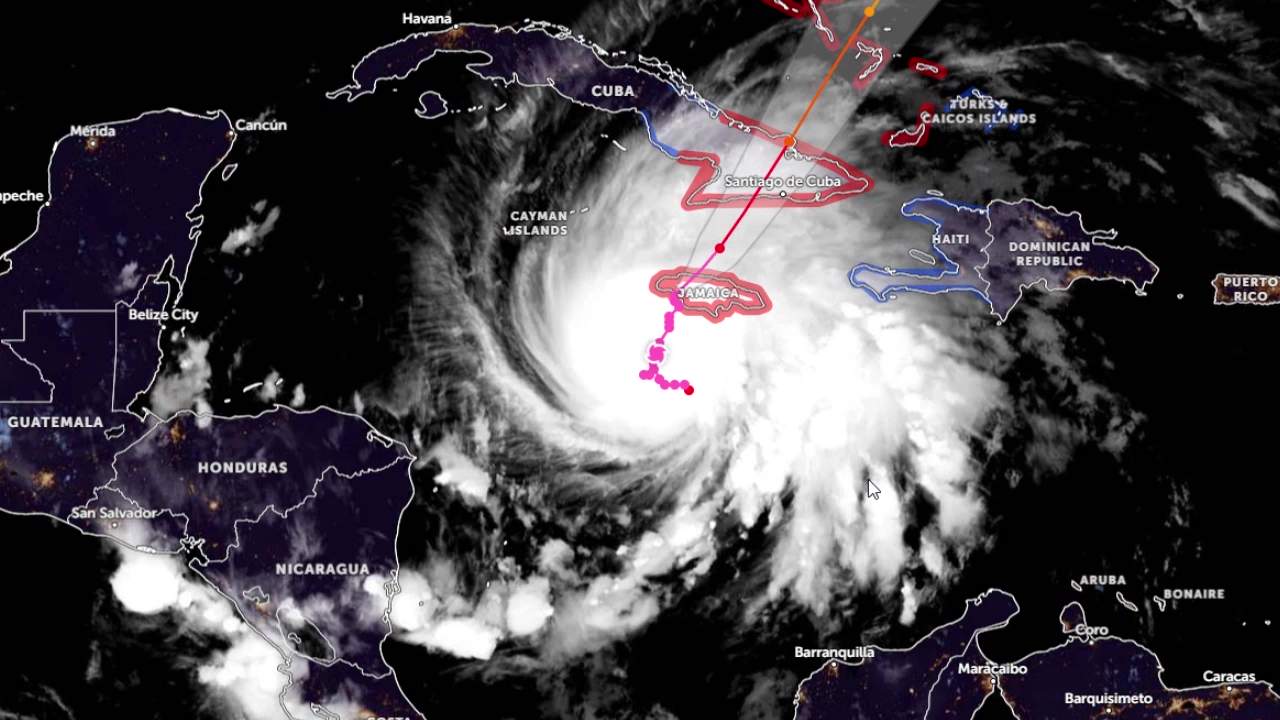
PAHO on High Alert as Melissa Threatens Regional Health Systems
The Pan American Health Organization (PAHO) has escalated its emergency response efforts as Storm Melissa poses a significant threat to health systems across the Caribbean and Central America. Operating from its Washington-based command center, PAHO is coordinating with national health ministries, United Nations agencies, and regional disaster response units to ensure the continuity of essential health services. Emergency medical supplies have been pre-positioned in Haiti, while Panama has stockpiled additional resources. Jamaica has activated its national emergency operations center, and Cuba and the Dominican Republic are preparing for the storm’s impact. Key concerns include potential power and water outages in hospitals, the risk of disease outbreaks in overcrowded shelters, and the escalating mental health needs of displaced populations. PAHO emphasizes that restoring access to safe water and sanitation will be critical in preventing health crises and maintaining care delivery. The organization remains vigilant, providing ongoing support and monitoring as Melissa continues its path through the region.
-

Vicks: How a Father’s Love Became a Cultural Staple
For generations, Vicks VapoRub has been a household staple, a trusted remedy for colds and respiratory ailments. Its origins trace back to 1894, when pharmacist Lunsford Richardson created a blend of aromatic oils and chemicals to ease his son’s breathing during a severe respiratory infection. This humble homemade remedy evolved into the iconic blue jar we know today. During the 1918 influenza pandemic, Vicks gained widespread popularity, cementing its place in homes worldwide. In Belize, Vicks transcends its medicinal purpose, becoming a cultural phenomenon. Whether rubbed on the chest, under the nose, or even on the soles of the feet, Belizeans have embraced Vicks as a versatile and essential remedy. Its influence extends to local culture, referenced in music and comedy as a cure-all. Pharmacist Raul Acevedo explains that Vicks contains camphor, eucalyptus, and menthol, ingredients derived from natural sources like the eucalyptus plant and peppermint tree. Naturopathic Doctor Cornelio Marfield praises the blend for its analgesic and antiviral properties, calling its creator brilliant. Belizeans have developed unique applications for Vicks, from soothing earaches to relieving headaches. Despite recent price increases, its popularity remains unwavering. Vicks is more than a product; it’s a testament to a father’s love and a cultural cornerstone in Belize.