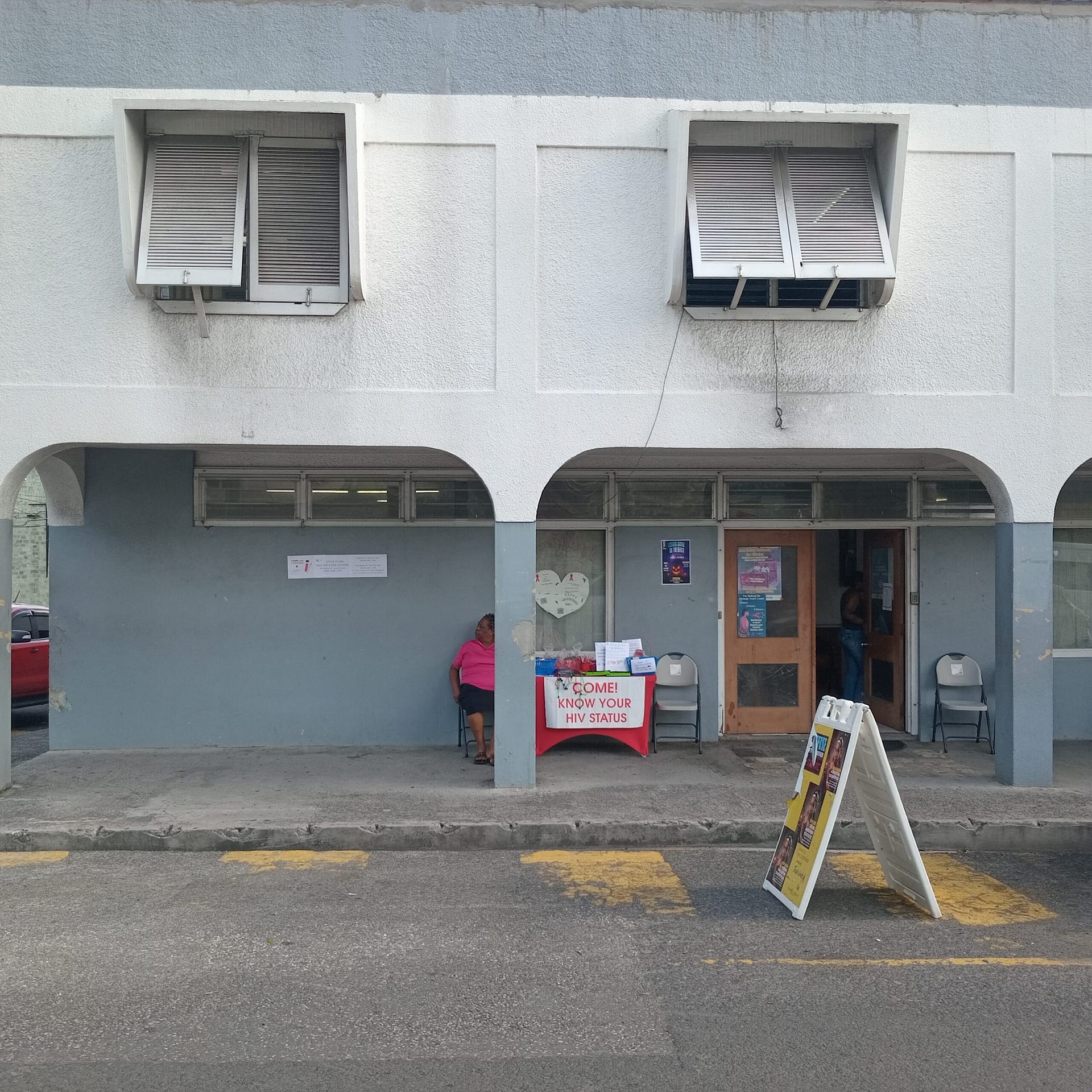
The AIDS Secretariat is gearing up for a robust anti-STI campaign in anticipation of the 2025 World AIDS Day Week of Activities, with two significant events already in the pipeline. The first annual HIV/AIDS Symposium is scheduled for Wednesday, November 26th, starting at 5:30 PM, followed by the National Teens Talk Day on November 28th, which will run from 9:00 AM to 1:00 PM. Both events will take place at the Multi-Purpose Cultural and Exhibition Center. Key topics to be addressed include the facts about HIV/AIDS and STIs, the personal impacts of choices and consequences, navigating social pressures, the intersection of violence, crime, and HIV risks, as well as media literacy and self-esteem. The National Teens Day event will see participation from ten schools, with invitations extended to eight government schools and two private institutions. World AIDS Day itself will be observed on December 1st, 2025.
分类: health
-
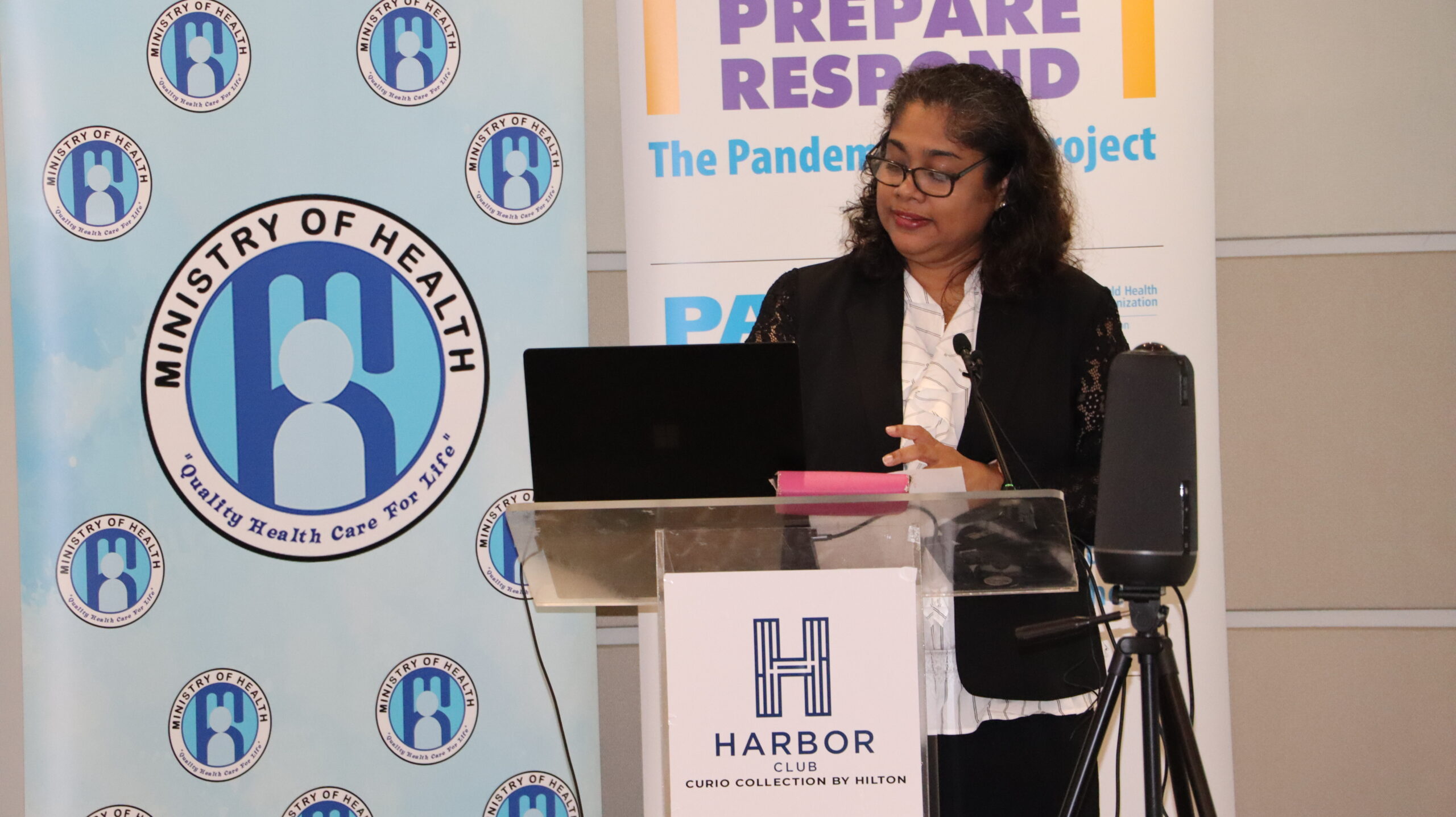
Ministry of Health strengthens defenses with new pandemic preparedness plan
Saint Lucia is taking proactive steps to fortify its defenses against future health crises through the development of a robust Pandemic Preparedness and Response Plan. This initiative was launched during a pivotal three-day workshop from October 21 to 23, organized by the Ministry of Health, Wellness, and Elderly Affairs in partnership with the Pan American Health Organization (PAHO) and the World Health Organization (WHO). The event convened a diverse array of stakeholders, including health professionals, emergency management experts, and key national agencies such as the National Emergency Management Organisation (NEMO), the Customs and Excise Department, and the Saint Lucia Fire Service, underscoring the collaborative nature of pandemic response. The plan aims to enhance the nation’s ability to detect, respond to, and recover from pandemics, with a particular focus on respiratory diseases. Joanne Persaud, PAHO’s Advisor for Health Emergencies, highlighted the urgency of the initiative, noting that the COVID-19 pandemic underscored the need for comprehensive preparedness. She emphasized that the plan leverages the Preparedness and Response for Emerging Threats (PREP) tool, tailored to Saint Lucia’s unique context. Dr. Sharon Belmar-George, Chief Medical Officer, stressed that health emergencies require a whole-of-society approach, building on lessons learned from COVID-19. Once finalized, the plan will serve as a critical roadmap for coordinated national action, ensuring Saint Lucia remains resilient and ready to tackle future public health emergencies effectively.
-
Huisartsen ontvangen voor het eerst in jaren tijdig hun honorarium
For the first time in years, general practitioners (GPs) in the Netherlands have received their fees before the end of the month, marking a significant milestone in the ongoing efforts to improve the healthcare system. This development has been met with widespread satisfaction among GPs, who view it as a positive signal of progress. Dr. Joël Mahabier, a prominent GP, described the timely payment as a “light at the end of the tunnel” for his profession. “After years of waiting, pleading, and sometimes threatening action, we have finally been paid on time. This gives us hope that structural changes are on the horizon,” he stated. Dr. Mahabier emphasized that the prompt payment is not only a financial relief but also a recognition of the critical work GPs perform daily under often challenging conditions. “We are on the frontline of healthcare, and it is heartening to see attention being paid to our situation,” he added. He expressed gratitude to the new director of the State Health Fund (SZF), Rudra Oemraw, for the efficient handling of payments, and to President Jennifer Simons for her involvement in addressing the financial backlog. This step is expected to strengthen the trust between GPs and the government. “If this becomes a regular practice, we can finally focus entirely on our patients without the constant worry about payments,” Dr. Mahabier concluded optimistically.
-

STATEMENT: CARPHA stands in solidarity with the people of Jamaica following the impact of Hurricane Melissa
In the wake of Hurricane Melissa’s catastrophic impact on Jamaica, the Caribbean Public Health Agency (CARPHA) has pledged unwavering support to the nation’s recovery efforts. The hurricane has left a trail of devastation, claiming lives, destroying homes, and disrupting livelihoods, while also posing significant public health risks. CARPHA, the regional public health arm of CARICOM, has reaffirmed its commitment to unity, compassion, and collective action, emphasizing that Jamaica’s plight is a shared concern for the entire Caribbean region.
The aftermath of Hurricane Melissa has introduced a host of public health challenges, including the spread of waterborne and vector-borne diseases, sanitation issues, mental health stressors, and disruptions to essential health services. Recognizing these threats, CARPHA is spearheading a coordinated response through the CARICOM-approved Rapid Response Mechanism (RRM). The agency is collaborating closely with the Caribbean Disaster Emergency Management Agency (CDEMA), Jamaica’s Ministry of Health and Wellness (MOH), the Pan American Health Organization (PAHO), and other regional and international partners to address these pressing needs.
CARPHA’s immediate actions include the provision of critical public health supplies such as rapid testing kits for infectious diseases, medical and personal protective equipment (PPE), and field hospital supplies to mitigate disease outbreaks like dengue, leptospirosis, and gastroenteritis. The agency is also working to ensure that public health remains a central focus in recovery and humanitarian efforts.
Beyond the immediate crisis, CARPHA is committed to supporting Jamaica in strengthening its health security systems, enhancing disaster preparedness, and fostering community resilience. The agency emphasizes the importance of listening to and amplifying the voices of local communities, health workers, and authorities to ensure that interventions are tailored to meet urgent needs.
CARPHA’s solidarity with Jamaica is not merely symbolic but rooted in sustained partnership and actionable support. The agency’s efforts underscore the Caribbean’s resilience and unity in the face of adversity. Together, CARPHA and its partners are dedicated to rebuilding stronger, healthier, and more resilient communities in Jamaica.
-

Flow raises breast cancer awareness, helps victims
Flow Trinidad has demonstrated its commitment to Breast Cancer Awareness Month through two impactful initiatives: donating care packages to the TT Palliative Care Society and participating in the annual Scotiabank Women Against Breast Cancer 5K Walk. These efforts aim to support breast cancer patients, educate the public, and emphasize the critical importance of early detection. The company’s team members contributed hundreds of care packages filled with essential items such as skincare products, personal care supplies, and medical consumables for patients at the Caura Palliative Care Unit. Simone Martin-Sulgan, Vice President and General Manager of Flow Trinidad, highlighted the company’s dedication to community support, stating, ‘We believe in supporting our community not just with words, but with action. By providing care packages and participating in the 5K, we hope to uplift those battling breast cancer and help raise awareness to encourage early screening that can save lives.’ On October 25, over 100 Flow employees joined thousands of participants, including survivors and advocates, in the Scotiabank Women Against Breast Cancer 5K. Breast Cancer Awareness Month, observed globally every October, focuses on promoting screenings and reducing the disease’s risk, which affects 2.3 million women worldwide. Flow Trinidad expressed pride in contributing to this vital cause and reaffirmed its commitment to making a meaningful difference annually.
-

#MelissaAftermath: JMDA, MAJ issue urgent appeal for volunteer doctors at Black River Hospital
KINGSTON, Jamaica — In the wake of Hurricane Melissa’s devastation, the Jamaica Medical Doctors Association (JMDA) and the Medical Association of Jamaica (MAJ), in partnership with the National Emergency Operations Centre (NEOC), have issued an urgent appeal for volunteer medical personnel to support the overwhelmed Black River Hospital in St Elizabeth. The hospital has been grappling with severe challenges since the hurricane struck, leaving its staff exhausted and roads impassable.
-
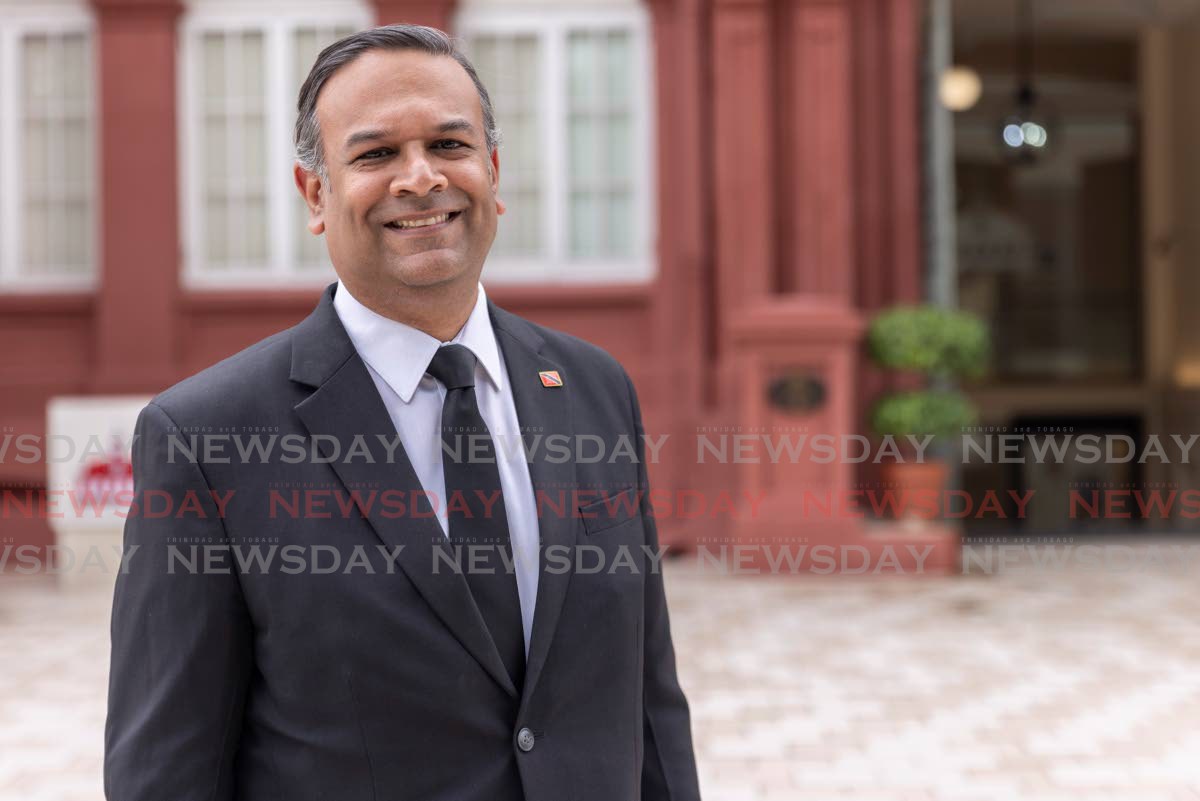
Seecheran: CDAP drugs being reviewed
The Ministry of Health is currently reassessing the medications provided under the Chronic Disease Assistance Programme (CDAP), according to Dr. Rishad Seecheran, Minister in the Ministry of Health. This announcement came in response to a query from Independent Senator Dr. Desiree Murray during a Senate session on October 29. Dr. Seecheran highlighted that the CDAP drug list was recently updated on October 1, now including treatments for glaucoma such as Timolol Maleate 0.5 percent, Pilocarpine two percent, and Pilocarpine four percent. The CDAP technical committee, established by Health Minister Dr. Lackram Bodoe on June 5, is tasked with ensuring the medications are both cost-effective and aligned with clinical guidelines. The committee employs a methodology based on World Health Organisation (WHO) standards and National Disease Burden Profiles to review all identified disease states. Dr. Seecheran also mentioned that future consultations with the Ophthalmological Society are planned to further modernize the drug list while considering cost-effectiveness. In the same session, Labour Minister Leroy Baptiste assured that the government is committed to improving job accessibility for people with disabilities, stating that all positions are open to them.
-

Farmers Urged to Strengthen Biosecurity as Antigua & Barbuda Steps Up Fight Against African Swine Fever
In a decisive move to curb the spread of African Swine Fever (ASF), authorities in Antigua & Barbuda have issued a stern call to farmers to bolster biosecurity measures. The highly contagious viral disease, which poses a significant threat to pig populations, has prompted the government to implement stringent protocols to safeguard the nation’s livestock industry. Farmers are being advised to enhance sanitation practices, restrict farm access, and report any signs of illness in their herds immediately. The government has also ramped up surveillance and public awareness campaigns to ensure early detection and containment of the disease. This proactive approach underscores the country’s commitment to protecting its agricultural sector and preventing economic losses associated with ASF outbreaks.
-
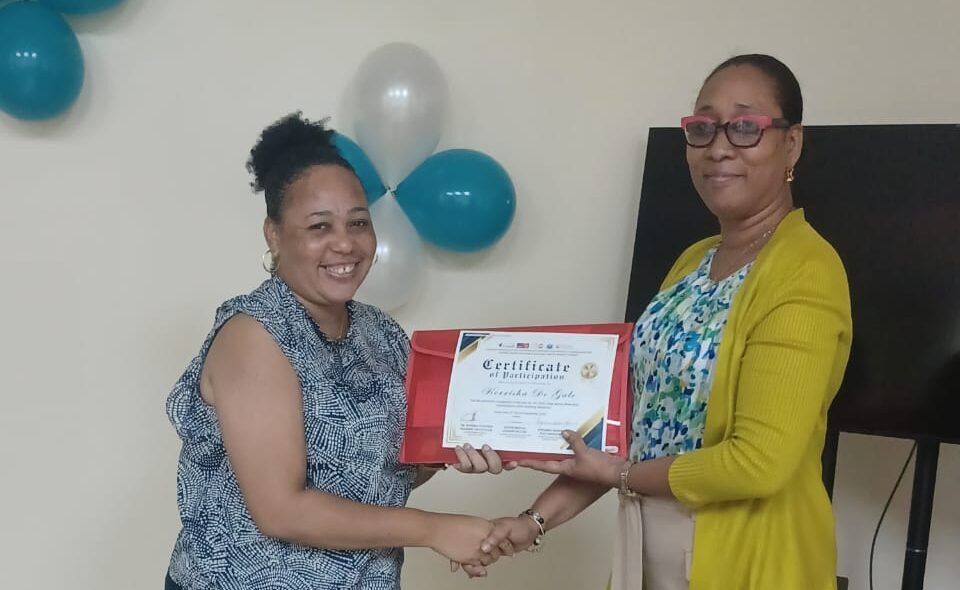
Certification of nurses in Long-Acting Reversible Contraceptives
Grenada has taken a significant step forward in enhancing reproductive health services by certifying 10 district nurses in Long-Acting Reversible Contraceptives (LARCs). This initiative, spearheaded by the Grenada Planned Parenthood Association (GPPA) in collaboration with the Ministry of Health, Wellness and Religious Affairs, aims to provide women with extended contraceptive coverage of up to 10 years at the community level. The certification programme, funded by Global Affairs Canada through the Build Back Equal Project and administered by the UNFPA Sub-Regional Office for the Caribbean, adheres to the protocols established by the Pan American Health Organisation (PAHO). Key contributors to the programme’s design include Consultant Dr Mark Hathaway and Rudolfo Gomez Ponce de Leon, with facilitation by Dr N’Kosha Fletcher and Nurse Lynthia Buckmire. To achieve certification, nurses completed a rigorous training programme, including practical sessions on the insertion of IUDs and Jadelle implants, as well as PAHO online courses. Since its implementation, 227 women have directly benefited from the initiative, and four additional healthcare providers are currently undergoing training, further expanding the team of experts available to serve the community.
-
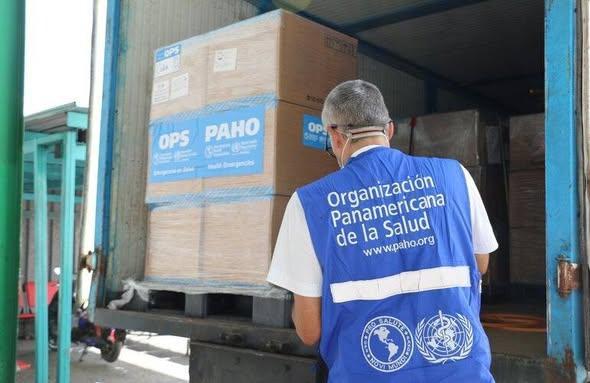
Pan American Health Organization Strategic Reserve in Panama sends aid to those affected by Hurricane Melissa in Cuba
In a significant humanitarian effort, the Pan American Health Organization (PAHO) has dispatched a 2.6-ton shipment of emergency supplies to regions devastated by Hurricane Melissa. The aid, sourced from PAHO’s Strategic Reserve in Panama, includes nine comprehensive emergency kits stocked with essential medicines, surgical supplies, basic medical equipment, and consumables. Additionally, the shipment contains 42,000 chlorine tablets, capable of purifying up to 8 million liters of water, ensuring access to safe drinking water for affected communities. This initiative is part of the Central Emergency Response Fund’s anticipatory action mechanism, designed to provide swift and targeted support in crisis situations. PAHO is collaborating closely with local authorities to assess ongoing needs and expand assistance efforts accordingly. The timely delivery of these critical supplies underscores the organization’s commitment to mitigating the health impacts of natural disasters and safeguarding vulnerable populations.