
Benign prostatic hyperplasia (BPH), a non-cancerous enlargement of the prostate gland, affects nearly all men as they age, with incidence nearing 100% by the age of 90. Dr. Vimal Seetahal, a consultant urologist, is urging men to pay closer attention to this condition, which often goes undiagnosed due to cultural attitudes toward men’s health in the Caribbean. Symptoms include frequent urination, urgency, nocturia, and a weak urinary stream, which many dismiss as a normal part of aging. However, untreated BPH can worsen over time, leading to severe complications. Risk factors include age, genetics, and lifestyle choices such as obesity and diets high in red meat. Diagnosis involves ultrasounds, CT scans, and PSA blood tests. Treatment options range from medication to surgical procedures, including the innovative laser prostatectomy. Dr. Seetahal emphasizes the importance of lifestyle changes, such as reducing alcohol and caffeine intake, exercising, and using natural remedies like saw palmetto, to manage early-stage BPH. He also highlights the need for early detection and a cultural shift in how men approach their health, advocating for routine PSA testing over invasive rectal examinations. Public education and family support are crucial in encouraging men to seek timely medical attention.
分类: health
-

COMMENTARY: Caribbean Gold: Anti-Aging from the Sea
The Caribbean is poised to transform an environmental challenge into a groundbreaking opportunity by harnessing the untapped potential of Sargassum seaweed. Known for its invasive presence on beaches, Sargassum is now gaining recognition as a rich source of bioactive compounds with significant applications in anti-aging and regenerative skincare. Compounds like terpenoids, fucoxanthin, and fucoidan, found in abundance in Sargassum, offer skin-brightening, elasticity-enhancing, and anti-wrinkle properties, making it a valuable resource for the booming global cosmeceutical market, projected to reach $88 billion by 2030. This innovation could not only clean up Caribbean beaches but also position the region as a leader in marine-based wellness and sustainability. The Dominican Republic has already begun exporting Sargassum to Finland for cosmetic and food industry applications, while Barbados, St. Lucia, and Trinidad & Tobago are actively collecting the seaweed for similar purposes. However, challenges such as fragmented governance, limited R&D infrastructure, and brain drain of scientific talent hinder progress. To overcome these barriers, a regional innovation ecosystem is essential, fostering collaboration between academia, industry, and government. By investing in marine science capacity and youth programs, the Caribbean can create jobs, boost economic diversification, and establish itself as a hub for marine-based anti-aging innovation. Flagship products like ‘Ocean Renewal Serum’ and ‘Marine Radiance Cream’ could revolutionize the skincare industry, while eco-tourism initiatives like ‘Rejuvenate Naturally – The Caribbean’s First Anti-Aging Eco-Tourism Sanctuary’ could attract wellness travelers seeking sustainable longevity solutions. This transformative approach not only addresses the Sargassum influx but also builds a legacy of prosperity, wellness, and scientific excellence for the Caribbean.
-

In observance of Dental Health Week 2025
In a powerful address marking Dental Health Week 2025, Dr. Festima Hamlet, Grenada’s Chief Dental Surgeon, highlighted the critical importance of oral health across all stages of life. Observed from November 2 to 8, this year’s theme, ‘Good teeth, good health at any age,’ serves as a poignant reminder that oral health is not confined to youth but is a lifelong commitment and opportunity for all. Dr. Hamlet emphasized the profound connection between oral health and overall well-being, echoing the words of former US Surgeon General Dr. David Satcher, who in 2000 declared that good health is unattainable without proper oral care. This sentiment underscores the necessity of oral hygiene as an essential, non-negotiable aspect of health. The World Health Organization’s 2023 report reveals that over 3.5 billion people worldwide suffer from oral diseases, with tooth loss being particularly prevalent among older adults. This can lead to severe consequences, including malnutrition, diminished self-esteem, and systemic illnesses such as diabetes, cardiovascular diseases, and even Alzheimer’s. Dr. Hamlet called for collective action to bridge this gap through community outreach, education, and policy reform. She stressed the importance of supporting senior citizens in maintaining their oral health, describing their smiles as priceless gifts that embody love, laughter, and resilience. Caregivers and families were urged to view oral care for elders as an act of love and a vital component of healthy aging. By promoting preventative care, accessible dental services, and public education, Dr. Hamlet believes we can empower seniors to preserve their dignity, confidence, and overall well-being. She also emphasized the significance of daily habits like brushing, flossing, and regular dental visits in maintaining a healthy smile. Dr. Hamlet concluded her address by advocating for the protection of smiles that have enriched families and communities for generations, asserting that every smile safeguarded contributes to a healthier, happier, and more resilient society. On behalf of Grenada’s Ministry of Health, she extended her best wishes for a meaningful Dental Health Week.
-

Eerste lichting verpleeghulpen klaar voor inzet in zorgsector
On Friday, 24 participants from the Foundation for Labor Mobilization and Development (SAO) received their certificates for completing Module 1 of the Nursing Assistant Training: Household Care. This milestone officially prepares them to support clients in care institutions and home care settings by creating clean and livable environments. The training, designed as the first step toward becoming a care assistant, targets early school leavers seeking to enter the healthcare sector without immediately pursuing a full nursing education. It focuses on foundational skills such as hygiene, safety, communication, and household support. The graduation ceremony was attended by Deputy Minister of Health, Welfare, and Labor (VWA) Raj Jadnanansing and SAO Director Joyce Lapar. Deputy Minister Jadnanansing praised the initiative, emphasizing the urgent need for well-trained support staff in Suriname’s healthcare sector. He highlighted the program as a valuable investment in local capacity, encouraging participants to continue with Module 2. SAO Director Lapar stressed the importance of placing clients at the center of care, emphasizing professionalism, ethics, and responsibility. The program’s focus on quality improvement aims to strengthen the healthcare sector and enhance employment opportunities for participants. This first cohort of certified nursing assistants marks a significant contribution to both employment and healthcare quality in Suriname.
-
Multiple countries call for mercury dental fillings ban by 2030
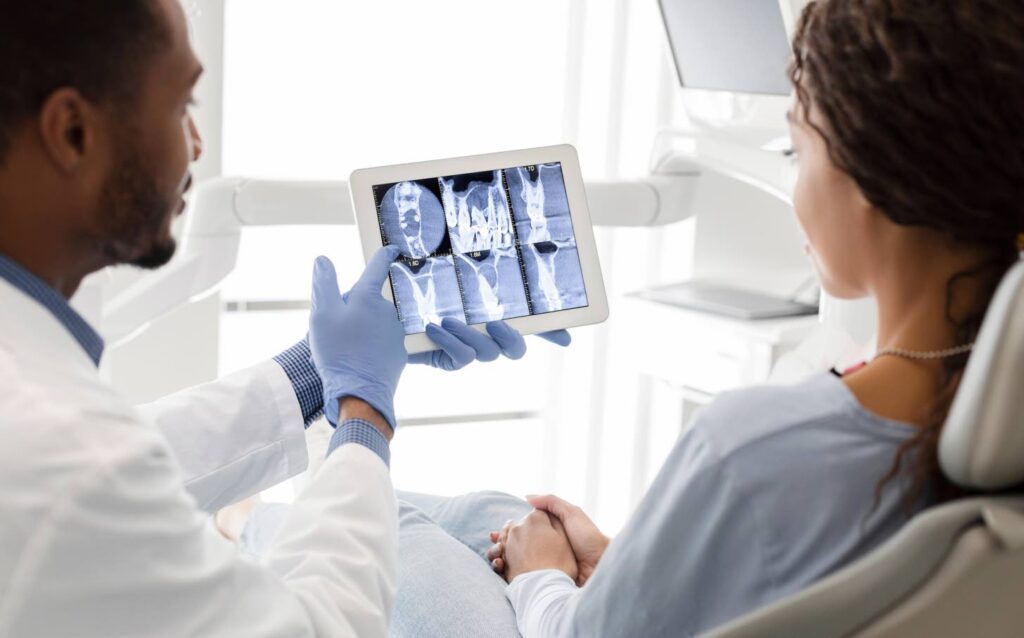
GENEVA, Switzerland – A coalition of nations, spearheaded by the United States, has intensified calls for a global prohibition on mercury-based dental amalgams by 2030. This appeal was made during a pivotal gathering of signatories to the Minamata Convention on Mercury, a treaty aimed at mitigating the adverse effects of this toxic metal on human health and the environment. U.S. Health Secretary Robert F. Kennedy Jr., in a compelling video address to the Geneva conference, underscored the paradox of mercury’s continued use in dental fillings despite its recognized hazards in other applications. ‘It’s inexcusable that governments around the world still allow mercury-based compounds in health care — and safe alternatives exist,’ Kennedy asserted. The World Health Organisation (WHO) has classified mercury as one of the top ten chemicals posing significant public health risks, labeling it as ‘toxic to human health.’ While some nations have already outlawed mercury in dental amalgam, a material used for over 175 years to treat dental caries, a group of African countries is advocating for a more comprehensive ban, including the production, import, and export of mercury-based dental products by 2030. They have proposed a draft amendment to the Minamata Convention, which will be scrutinized during this week’s conference. Burkina Faso’s representative highlighted the infrastructural deficiencies in less affluent countries for managing mercury waste. However, the proposal faces opposition from countries like Britain, Iran, and India. Britain’s delegate argued that 2030 is ‘too soon’ for such a ban, emphasizing the need to consider the cost and durability of alternative materials before phasing out mercury use.
-
NCRHA denies ‘chronic nurse shortage’ at Mt Hope hospital
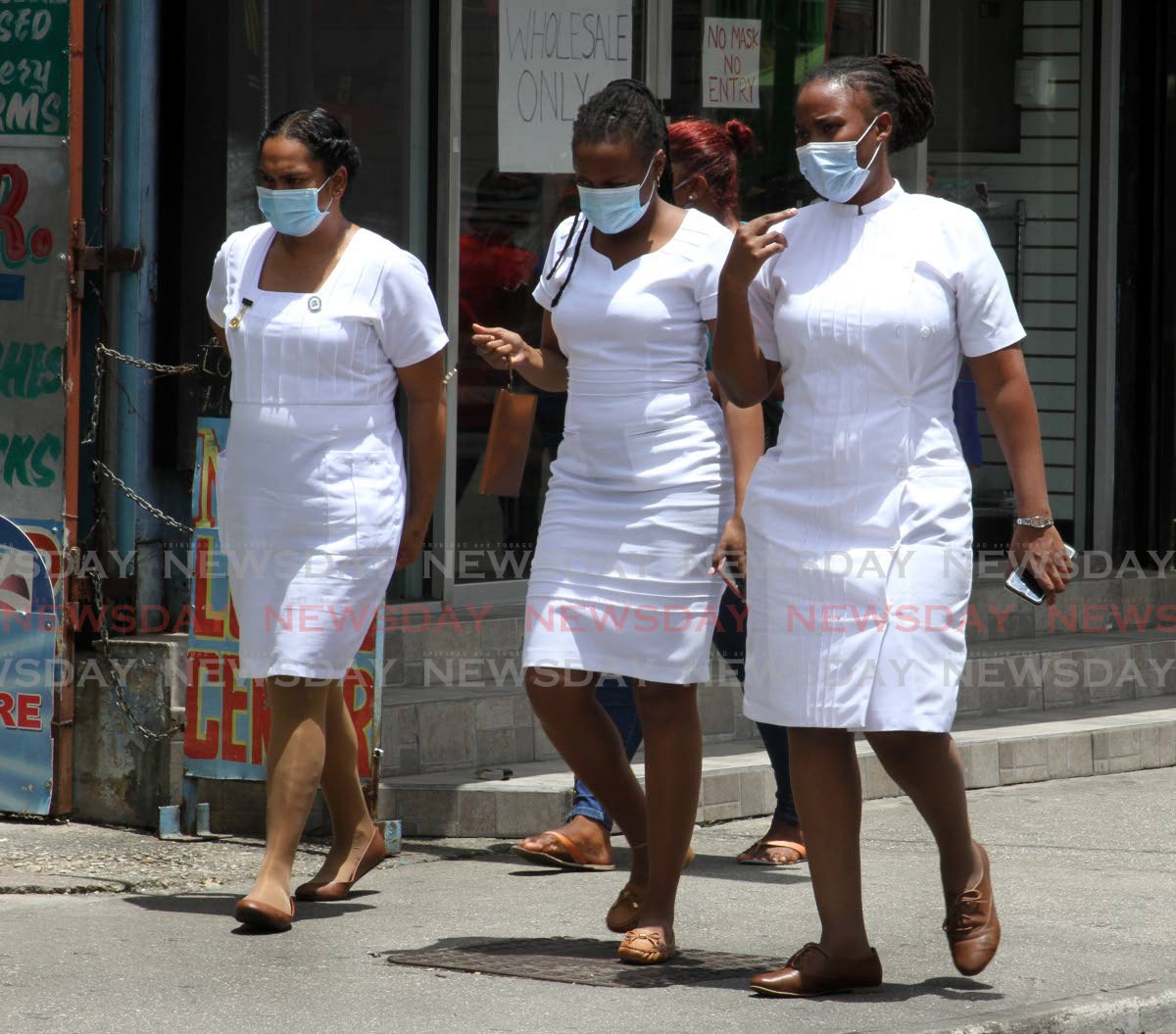
The North Central Regional Health Authority (NCRHA) has attributed the recent staffing crisis at the Eric Williams Medical Science Complex (EWMSC) in Mt Hope to ‘unexpected absenteeism.’ This admission comes in response to allegations made by the TT Registered Nurses Association (TTRNA) on November 2, which highlighted a ‘severe staff shortage’ at the facility. The TTRNA described the issue as ‘chronic,’ exacerbated by management’s reduction of the extra duty pool and a hiring freeze that redirects all new hires through the central government campaign. The association warned nurses against working alone and emphasized the need for at least three registered nurses (RNs) per ward, with two being the absolute minimum for safe care. In a media release, the NCRHA dismissed the TTRNA’s claims as ‘reckless, inaccurate, and misleading,’ but conceded that four wards operated with only one RN on November 1 due to absenteeism. The authority maintained that all other wards had a ‘satisfactory’ nurse-to-patient ratio, though it did not specify the exact figures. The TTRNA countered, stating that the NCRHA’s admission of nurses working alone undermines patient safety, particularly with ratios as high as one nurse to 24 patients. International standards, however, suggest a ratio of one nurse to four or five patients as acceptable, with 1:8 being the safe minimum. Studies from the US National Library of Medicine indicate that low/middle-income countries (LMICs) often face even worse ratios, with one nurse caring for over 25 patients. The NCRHA defended its practices, asserting that patient care and safety remain uncompromised and that recruitment efforts are ongoing, with 345 vacancies advertised for enrolled nursing assistants. Despite these efforts, only 34 qualified candidates have been appointed. The authority expressed its commitment to engaging with stakeholders to strengthen the national health system. Calls to NCRHA chairman Dr. Tim Gopeesingh and TTRNA president Idi Stuart went unanswered, with Stuart visiting EWMSC to assess staffing levels firsthand.
-
Not just ‘madness’: What’s been missed around mental health
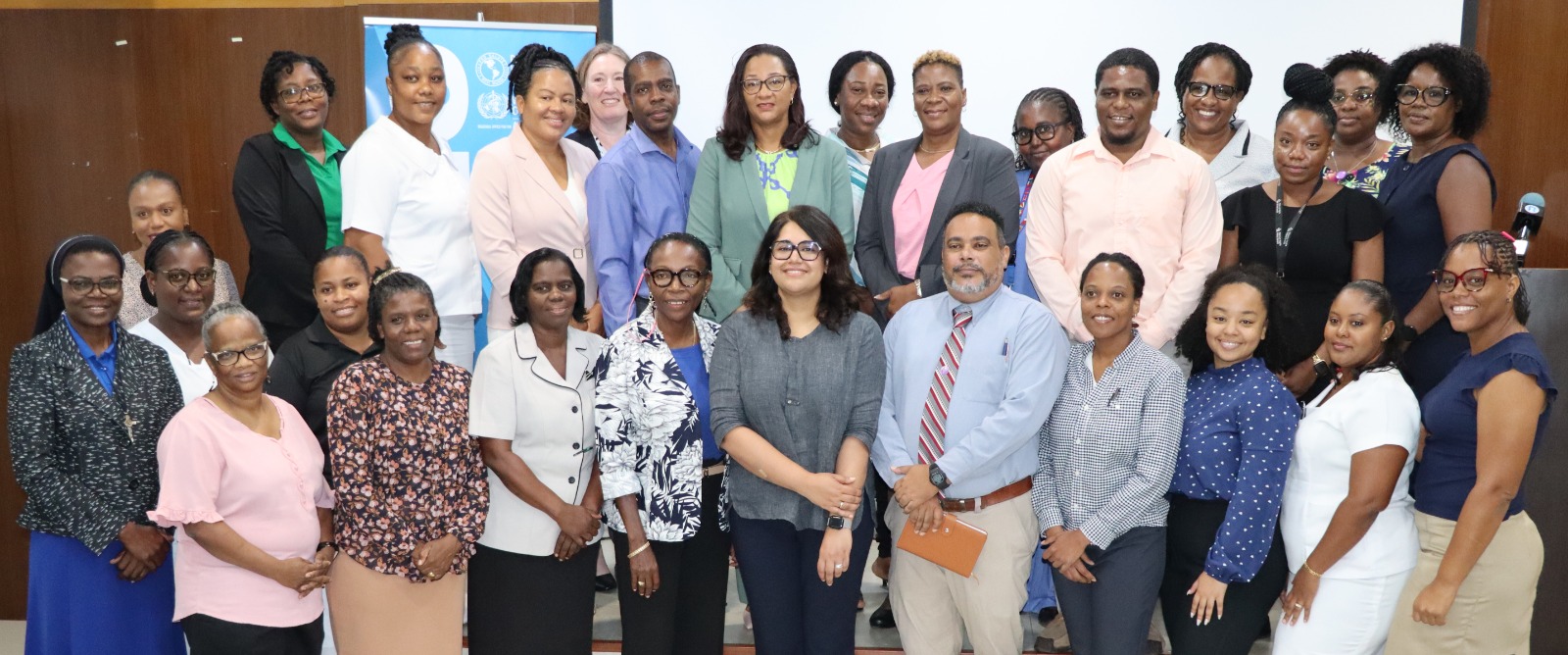
For decades, the phrase ‘Mate just mad’ was a common dismissal of mental health issues in Saint Lucian society, reflecting a lack of understanding and pervasive stigma. However, recent years have seen a gradual shift, with mental health emerging as a critical topic in national discourse. The question arises: Are mental health conditions increasing, or is society finally acknowledging what has long been overlooked?
-
Post-Melissa : 2 tons of medical supplies delivered to the Western Health Directorate
In the aftermath of Hurricane Melissa, which brought devastating floods to Haiti, the Pan American Health Organization/World Health Organization (PAHO/WHO) has stepped up its efforts to assist the Ministry of Public Health and Population (MSPP). The torrential rains have led to tragic consequences, including 31 fatalities, 20 injuries, and 21 individuals still missing as of October 31. Over 1,000 homes have been inundated, 10 health facilities compromised, and more than 15,000 people displaced, now residing in temporary shelters. PAHO/WHO field teams are actively working alongside the MSPP to ensure uninterrupted access to essential health services and to mitigate the risk of disease outbreaks. These teams are conducting assessments in shelters and health facilities across the affected regions to bolster local response capabilities. At the behest of Dr. Bertrand Sinal, MSPP Minister, nearly 2 tons of medical supplies have been dispatched to the West Health Directorate. This crucial delivery was facilitated by the European Union’s Directorate-General for Civil Protection and Humanitarian Aid Operations (ECHO) and the Islamic Medical Association of North America (IMANA), aiming to enhance healthcare provision in the impacted areas. Additionally, medical supplies and WASH (Water, Sanitation, and Hygiene) equipment are being strategically positioned to swiftly address any potential cholera resurgence. Despite these efforts, significant health needs persist, and ongoing support is imperative to aid the affected populations amidst challenging operational conditions. Communication barriers are impeding the flow of information from health facilities and displacement sites, thereby complicating coordination and rapid response efforts. Moreover, obstructed roadways are hampering the land-based delivery of aid, while financial constraints could delay the execution of critical health interventions.
-

From home to surgery
The period leading up to a surgical procedure, whether major or minor, is often fraught with anxiety, fear, and uncertainty. To help patients navigate this challenging phase with confidence, Dr. Daryl Daley, a renowned cosmetic gynecologist and obstetrician, shares invaluable insights and practical tips for a smoother pre-surgical experience.
-
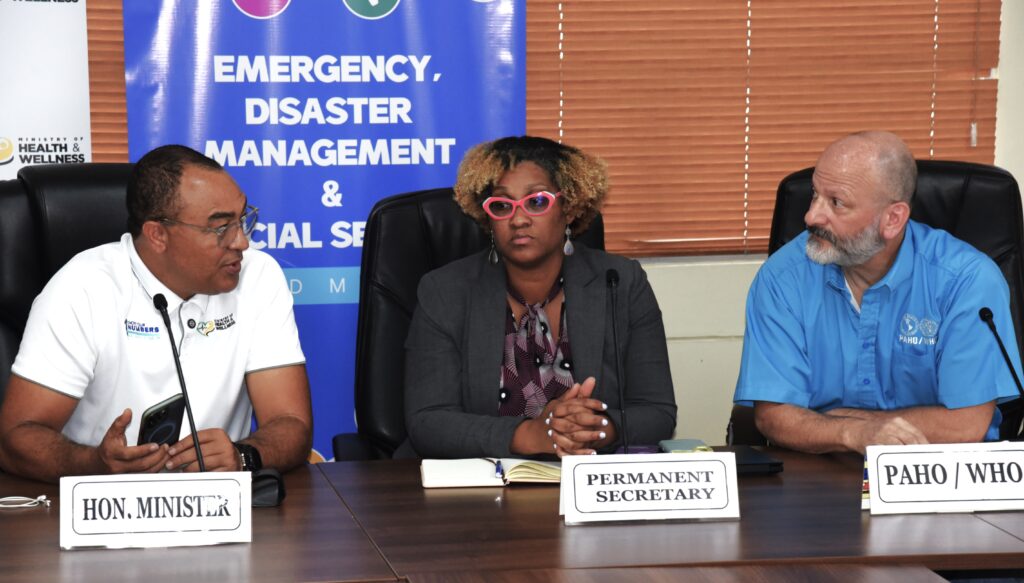
Primary care centre mobilised to support post-hurricane health recovery
In the wake of a devastating hurricane, Jamaica’s Minister of Health and Wellness, Dr. Christopher Tufton, has outlined a strategic plan to leverage primary care facilities in supporting the recovery of the public health system. Speaking at a press conference held at the Health Emergency Operations Centre in New Kingston on Saturday, Dr. Tufton emphasized the critical role these facilities will play in alleviating pressure on hospitals across the five hardest-hit parishes: St. Elizabeth, Westmoreland, Hanover, St. James, and Trelawny.