分类: health

  • NHF spends billions treating conditions linked to obesity, Tufton says

    NHF spends billions treating conditions linked to obesity, Tufton says

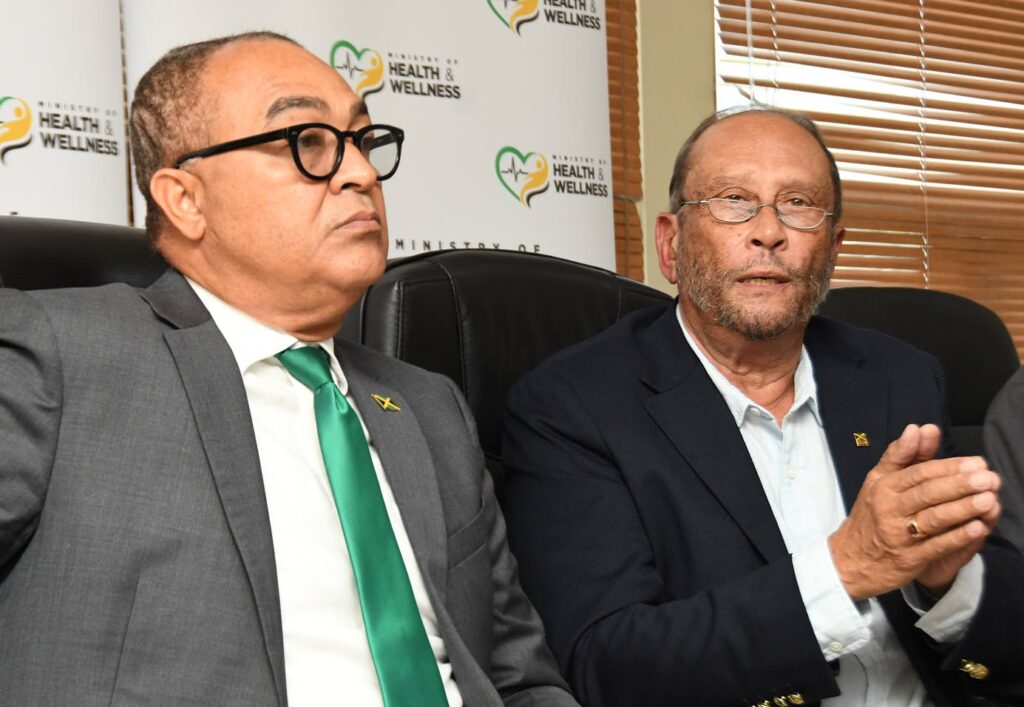
    Jamaican Health Minister Dr. Christopher Tufton has firmly countered claims that the nation’s newly implemented sugar tax unfairly targets low-income populations. Instead, he positions the policy as a necessary measure to address the disproportionate burden of lifestyle diseases already borne by vulnerable communities.

    Speaking at the launch of the National Health Fund (NHF) card benefits expansion in St. Andrew, Dr. Tufton emphasized that preventative strategies, specifically aimed at reducing Jamaica’s high sugar intake, are fundamental to combating a growing public health crisis. He expressed concern that critiques of the Special Consumption Tax (SCT) overlook established scientific evidence connecting excessive sugar consumption to obesity and subsequent chronic, life-altering conditions.

    The tax, set at $0.02 per milliliter, applies to a broad range of non-alcoholic sweetened beverages. This includes sodas, fruit-flavored drinks, and any other sugar-sweetened or artificially sweetened beverages, regardless of whether they are carbonated, non-carbonated, locally produced, or imported.

    Citing staggering figures, the Minister revealed that in the previous year, the NHF expended nearly $7 billion Jamaican dollars treating obesity-related illnesses such as diabetes, cardiovascular disease, and hypertension. He identified free sugars as a primary contributor to this issue, noting Jamaica’s exceptionally high per capita consumption of sugary drinks compared to global averages.

    Dr. Tufton challenged the narrative focusing solely on the tax’s financial impact, urging critics to consider the ‘other side of the equation’: the severe health consequences and economic strain placed on low socioeconomic groups due to these preventable diseases, which in turn increase the financial burden on public health systems like the NHF.

    The Minister clarified that the policy’s objective is twofold: to discourage consumer consumption of high-sugar products and to incentivize beverage manufacturers to reformulate their products to reduce sugar content. While affirming an individual’s right to choose, Dr. Tufton underscored the principle of collective responsibility in shaping public health policy. He concluded that a society facing widespread premature illness suffers from reduced productivity, elevated healthcare costs, and an increased tax burden, creating a scenario with no winners.

  • Medical officer flags violence as preventable strain on Westmoreland health system

    Medical officer flags violence as preventable strain on Westmoreland health system

    WESTMORELAND, Jamaica — The Westmoreland parish healthcare system is facing a severe crisis as escalating violence places unsustainable pressure on medical resources, according to senior health official Dr. Marcia Graham. Addressing the Westmoreland Municipal Corporation during its monthly assembly in Savanna-la-Mar, Graham identified violence as a destructive public health emergency that consistently disrupts hospital functionality and primary care delivery.

    Graham, serving as Medical Officer of Health for Westmoreland, revealed that violence has become one of the most alarming trends monitored by health authorities. Injuries stemming from violent confrontations frequently necessitate complex and prolonged medical interventions, stretching already limited health resources to their breaking point.

    “Many victims require hospitalization, followed by extensive wound management in our primary care facilities after discharge,” Graham explained, detailing how these cases substantially increase the workload for healthcare professionals throughout the parish.

    The medical expert emphasized that violence must be recognized not merely as a criminal justice matter but as a critical public health priority that destabilizes communities and compromises healthcare accessibility. Graham asserted that measurable reductions in violent incidents would directly benefit the healthcare sector’s operational capacity while simultaneously improving community welfare outcomes.

    “By embracing peace as a daily commitment, we can significantly alleviate the burden on our healthcare infrastructure,” Graham stated, appealing to residents to actively participate in creating safer communities. She stressed that collective community action is indispensable for addressing this preventable crisis and ensuring the sustainability of health services across Westmoreland.

  • Sir Lester Bird Medical Centre Adds Ophthalmologist Dr. Carlos Rojas Guédez

    Sir Lester Bird Medical Centre Adds Ophthalmologist Dr. Carlos Rojas Guédez

    In a significant enhancement to its medical services, the Sir Lester Bird Medical Centre has strengthened its ophthalmology department with the appointment of Dr. Carlos Rojas Guédez as a consultant ophthalmologist. This strategic addition to the physician roster marks a pivotal step in the hospital’s ongoing initiative to broaden specialized healthcare access for the community. Dr. Rojas Guédez will provide expert consultations exclusively through the Outpatient Clinic, operating on a referral-based system to ensure coordinated patient care. Individuals seeking to utilize these new specialist services or requiring further details are encouraged to reach out to the medical facility directly. This development is a core component of the institution’s broader agenda to augment clinical capabilities and fortify its infrastructure across various medical specialties, thereby improving overall healthcare delivery and addressing specialized patient needs more effectively within the nation’s primary healthcare institution.

  • Youth Mental Health Fund opens today in Antigua and Barbuda

    Youth Mental Health Fund opens today in Antigua and Barbuda

    Antigua and Barbuda has inaugurated a pioneering Youth Mental Health Fund, marking a significant advancement in psychological support services for the nation’s younger population. Operational from today, this initiative forms the cornerstone of the 2026 Youth Mental Health and Holistic Wellness Access Programme (YMHAP), designed to dismantle financial obstacles that often prevent youth from seeking essential mental healthcare.

    The program’s core mechanism involves distributing specialized vouchers to qualifying individuals and their families, effectively subsidizing a comprehensive range of therapeutic interventions. These encompass individual psychotherapy sessions, family and group counseling, psychiatric consultations, and crucial psychological testing and diagnostic evaluations.

    Eligibility for the subsidized services extends to residents of Antigua and Barbuda between the ages of 6 and 25 who are either currently engaged in or actively seeking mental health support. This broad inclusion criterion ensures a wide-reaching impact across various needs and socioeconomic backgrounds.

    The Antigua and Barbuda Holistic Coalition is spearheading the program’s implementation, with strategic and financial backing provided by the Mill Reef Fund. Coalition representatives emphasize that the program’s fundamental objective is to make mental wellness support not only financially accessible but also dignified and readily available for young people and their families, thereby fostering a more supportive community environment.

    Prospective applicants can now formally seek assistance through the program. The coalition has established a digital portal to streamline the process, with all applications being accepted online at the program’s official website.

  • Antigua Dental Association to Host Oral Health Parade on March 20

    Antigua Dental Association to Host Oral Health Parade on March 20

    The Antigua and Barbuda Dental Association (ABDA) has officially announced a community parade scheduled for Friday, March 20, 2026, in celebration of World Oral Health Day. The event will take place in St. John’s from 10:00 AM to 12:00 PM, inviting public participation to emphasize the critical connection between oral hygiene and overall wellness.

    Under the global theme “A Happy Mouth Is… A Happy Life,” the parade aims to foster community engagement while disseminating vital information about maintaining optimal dental health. Organizers from ABDA have designed the gathering to serve as both an educational platform and a collective demonstration of support for improved oral health practices nationwide.

    World Oral Health Day, observed annually on March 20th, represents an international initiative to underscore the significance of oral hygiene as an integral component of comprehensive healthcare. The ABDA-sponsored parade intends to transform public awareness into actionable health behaviors through community participation and visible advocacy.

    The association emphasizes that this event will create a vibrant, family-friendly atmosphere where participants can learn about preventive dental care while joining healthcare professionals in a unified show of commitment to national wellness. The parade represents one of several initiatives planned by ABDA to address oral health disparities and promote accessible dental education throughout Antigua and Barbuda.

  • A New Wave of Self‑Care Sweeps Belize

    A New Wave of Self‑Care Sweeps Belize

    BELIZE CITY – Amidst accelerating global pace, Belize is witnessing a profound cultural transformation as citizens increasingly prioritize holistic wellness over mere illness treatment. This paradigm shift toward intentional self-care practices is redefining how Belizeans approach quality of life, with establishments like Sea-Shelz spa emerging as sanctuaries for mental and physical rejuvenation.

    Shelby Musa, founder of Sea-Shelz, identified a critical gap in Belize’s healthcare landscape: the neglect of preventive wellness. “When overwhelmed by life’s demands, Belizeans need safe spaces to recenter themselves,” Musa explains. Her facility addresses this through scientifically-backed treatments combining traditional relaxation techniques with modern dermatological technology.

    The wellness experience incorporates multi-sensory therapies including aromatherapy, hydro facials utilizing peptide-infused serums, and targeted massage treatments. These procedures employ medical-grade equipment for deep pore cleansing while simultaneously delivering anti-aging compounds through advanced dermal infusion technology.

    Musa emphasizes the philosophical foundation of this movement: “Wellness represents an intentional journey toward wholeness. If health measures your current state, wellness constitutes the continuous practice of maintaining equilibrium.” This perspective challenges the longstanding perception that self-care constitutes indulgence rather than necessity.

    Clinical massage therapy forms another cornerstone of this approach. Contrary to popular belief, these treatments extend beyond luxury services to address physiological connections between muscle tension and stress-related conditions. “Cephalalgia often manifests from cervical tension,” notes Musa. “Our adaptable sessions—from 15-minute targeted relief to comprehensive treatments—address immediate needs while promoting long-term wellness.

    The emerging consensus among healthcare professionals suggests that Belize’s wellness movement reflects broader global recognition that self-preservation enables fuller life engagement. As preventive care gains institutional validation, facilities like Sea-Shelz are pioneering a new healthcare model that harmonizes traditional relaxation practices with evidence-based therapeutic interventions.

  • Belizean Abroad Aims to Boost Mental‑Health Care

    Belizean Abroad Aims to Boost Mental‑Health Care

    Ron Blake, a Belizean mental health professional residing in England, is spearheading an ambitious initiative to address Belize’s escalating mental health crisis through the establishment of a specialized residential care facility. Having relocated to the UK in 2018, Blake has developed his expertise as a Mental Health Support Officer, observing from abroad the increasing frequency of mental health emergencies and public incidents in his native country.

    Blake’s proposed solution involves creating Monz & RBS Care, a residential home designed to provide 24-hour structured support for individuals facing acute mental health challenges. His vision is informed by firsthand experience with the UK’s mental health system, where he has witnessed patients previously deemed incapable of community reintegration achieve stability and successful recovery through consistent care plans and robust support systems.

    Beyond immediate care provision, Blake’s initiative includes a significant educational component aimed at combating the stigma surrounding mental health conditions in Belize, where awareness and understanding remain developing areas. As a trained Mental Health First Aider working with a business partner, Blake emphasizes dual objectives of direct care provision and community education.

    The project currently faces its most significant hurdle: securing government collaboration. Blake has formally reached out to the Belizean government requesting support, particularly regarding land allocation for facility construction, but awaits an official response. His proposal represents a transnational effort to translate international mental healthcare expertise into tangible solutions for Belize’s specific needs, potentially creating a new model for mental health infrastructure in the country.

  • Ishmael outlines vision for a healthier nation, declares NCD war

    Ishmael outlines vision for a healthier nation, declares NCD war

    Barbados is embarking on a radical transformation of its national healthcare system, with Minister of State Davidson Ishmael announcing a comprehensive strategic overhaul during the Budget debate. The government is allocating over $395 million to shift from a reactive, hospital-centric model to a proactive, community-based wellness approach, marking a significant reprioritization of public health infrastructure.

    A cornerstone of this initiative is the full implementation of a nationwide Health Information System, designed to eliminate longstanding inefficiencies. Minister Ishmael directly addressed the persistent issue of misplaced patient notes and canceled procedures, vowing to make physical record losses obsolete by 2026. This digital modernization will enable seamless patient data transfer across healthcare facilities, remote appointment management, and data-driven policy formulation through advanced analytics.

    Substantial capital investments include a monumental $400 million expansion of the Queen Elizabeth Hospital (QEH), increasing its capacity by 40% with dedicated burns and oncology units. Simultaneously, $185 million is earmarked for upgrading polyclinics into comprehensive Community Health Service hubs, bringing specialized care closer to residential areas.

    The minister declared a “frontal assault” on non-communicable diseases (NCDs), which account for approximately 83% of adult fatalities in Barbados. Citing these as largely preventable conditions linked to lifestyle factors, Ishmael revealed the staggering economic impact—$375 million to $825 million annually spent on NCD treatment. Reducing this burden would free hundreds of millions for reinvestment in education, agriculture, and infrastructure.

    Ishmael challenged citizens to increase physical activity, setting a national target of 10% reduction in inactivity by 2030. While praising budget allocations, he advocated for more aggressive policies making nutritious foods more affordable and accessible, pledging collaboration with the Ministry of Finance to expand the “healthy basket of goods” program.

    The minister also highlighted critical mental health services, revealing that Lifeline Barbados’ 24-hour hotline has fielded over 12,000 calls since inception. He issued a direct appeal to Barbadian men to abandon poor health-seeking behaviors and prioritize preventive screenings rather than waiting for critical health emergencies.

    Framing healthcare as the foundation of national prosperity, Ishmael concluded that “the health of a nation is the wealth of its nation,” positioning this comprehensive reform as essential for Barbados’ future development.

  • Barbadian surgeon offers specialist urology consultations at Bayview Hospital this March

    Barbadian surgeon offers specialist urology consultations at Bayview Hospital this March

    In a significant development for Barbados’ healthcare landscape, Bayview Hospital announces a specialized urology clinic from March 24-26, 2026, featuring London-based consultant Dr. Jonathan Noël. The distinguished Barbadian urological and robotic surgeon from Guy’s and St Thomas’ NHS Foundation Trust will offer comprehensive consultations addressing prostate health, kidney stones, and urinary conditions that frequently remain untreated.

    Dr. Noël’s homecoming represents more than mere medical consultation—it embodies a dedicated mission to bridge healthcare disparities. Having completed advanced training in the UK and United States following his education at the University of the West Indies, the surgeon brings specialized expertise particularly relevant to Caribbean patients. His extensive experience working with diaspora communities in South London provides unique insights into prostate health patterns affecting Caribbean and West African populations.

    The initiative addresses a critical health emergency: prostate cancer ranks as the predominant male cancer throughout the Caribbean, with alarming increases among men under 50. Dr. Noël emphasizes the clinic’s focus on reaching previously underserved populations, particularly those hesitant to initiate conversations about urological health. ‘Many patients delay discussions due to apprehension,’ he notes, ‘yet early engagement fundamentally transforms outcomes.’

    Beyond prostate screening, the clinic provides diagnostic services for kidney stones, hematuria, and urinary incontinence—including specialized attention for female patients. Dr. Noël advocates strongly for proactive intervention: ‘Addressing minor concerns promptly prevents them from evolving into complex medical challenges.’

    The three-day program offers PSA blood testing, results interpretation, and personalized management plans. Perhaps most significantly, it creates a judgment-free environment where patients can discuss sensitive health issues without time constraints—an opportunity rarely available in standard medical appointments.

    With Caribbean cancer rates escalating and diagnoses occurring at progressively younger ages, this initiative represents a timely intervention in regional healthcare. Appointments can be scheduled through Bayview Hospital’s patient care coordination team.

  • CARPHA convenes regional stakeholders for antimicrobial resistance partnership meeting

    CARPHA convenes regional stakeholders for antimicrobial resistance partnership meeting

    PORT OF SPAIN, Trinidad and Tobago – The Caribbean Public Health Agency (CARPHA) convened a landmark regional summit in early March 2026, mobilizing international health organizations to address the escalating crisis of antimicrobial resistance (AMR) throughout the Caribbean region. Held at CARPHA’s headquarters, this strategic gathering united key global health partners to coordinate a reinforced defense against one of modern medicine’s most pressing challenges.

    The high-level meeting, orchestrated by the UK Department of Health and Social Care with financial backing from the Fleming Fund, served as a critical juncture for evaluating current progress and aligning future strategies. Participants included senior representatives from the UK Health Security Agency, the International Centre for Antimicrobial Resistance Solutions, and the Pan American Health Organization/WHO, creating a multidisciplinary coalition against AMR.

    CARPHA’s Executive Director Dr. Lisa Indar underscored the gravity of the situation, stating: ‘Antimicrobial resistance presents a severe and escalating danger to Caribbean health security. Our collaborative partnerships are essential for building regional capabilities to detect, monitor, and counter AMR through coordinated, sustainable approaches.’

    The technical discussions focused on four pivotal areas: enhancing regional laboratory networks, advancing integrated AMR surveillance systems, developing healthcare workforce competencies, and identifying opportunities for combined technical and financial assistance to member states. These conversations addressed specific regional vulnerabilities including limited laboratory infrastructure, professional staffing shortages, and the transnational spread of drug-resistant infections.

    Looking forward, CARPHA and its partners announced plans to expand regional initiatives through broader laboratory services, improved data exchange protocols, and implementation of the One Health framework that interconnected human, animal, and environmental health sectors. The conclusions from this summit will directly influence future investments under the Fleming Fund and other global health security programs, ensuring sustained advancement toward regional resilience against antimicrobial resistance.