分类: health

  • Belize Launches National HIV Self-testing Policy

    Belize Launches National HIV Self-testing Policy

    Belize has emerged as a regional leader in HIV prevention through the groundbreaking launch of its National HIV Self-Testing Policy. This transformative initiative, developed through collaboration between the Belizean government, the Global Fund to Fight AIDS, and non-governmental organizations, represents a strategic shift in the nation’s approach to combating HIV/AIDS.

    The policy directly addresses critical barriers to testing by providing private, accessible alternatives to clinical visits. Health officials emphasize that self-testing kits will empower individuals who previously avoided testing due to stigma or privacy concerns. While self-administered tests serve as initial screening tools, confirmatory testing through healthcare facilities remains essential for diagnosis.

    Minister of Human Development Dolores Balderamos Garcia confirmed full multi-sector approval for the policy, stating it provides “impetus for persons who may not feel comfortable going to a clinic” to access testing discreetly at home. The initiative specifically targets key populations including sexually active youth and men with multiple partners who engage in higher-risk behaviors.

    This policy forms part of Belize’s comprehensive differentiated services delivery model, which includes remarkable healthcare integration. Unlike many nations that maintain separate HIV treatment facilities, Belize offers free testing, treatment, and prevention medications at all public health facilities nationwide.

    The National AIDS Commission is pursuing an aggressive viral suppression strategy amid concerning statistics showing over 200 new HIV cases annually. The program provides three crucial free medications: PrEP (pre-exposure prophylaxis) for HIV-negative individuals, PEP (post-exposure prophylaxis) for emergency prevention within 72 hours of exposure, and full treatment regimens for positive patients.

    Project Manager Fredy Gabb of the Global Fund emphasized the policy’s significance in creating sustainable government-led implementation beyond grant funding cycles. Assistant Deputy Director Joshua Canul noted Belize’s exceptional status as one of few Caribbean nations providing these medications completely free of charge, significantly enhancing prevention capabilities across all demographic groups.

  • Antigua and Barbuda Spends $992 Per Diabetes Patient Amid Rising Regional Burden

    Antigua and Barbuda Spends $992 Per Diabetes Patient Amid Rising Regional Burden

    A comprehensive analysis of diabetes-related healthcare expenditure across the Caribbean Community (CARICOM) reveals dramatic financial disparities in treating the chronic condition. According to data derived from the International Diabetes Federation’s Diabetes Atlas (11th Edition, 2025), per-adult spending on diabetes care varies enormously among member states, ranging from a minimal $242 in Haiti to $2,450 in The Bahamas.

    This financial mapping follows a previous report on the prevalence of the disease, which was found to be highest in Guyana (16.4%) and Belize (14.1%). The analysis indicates that national healthcare spending does not directly correlate with the severity of the diabetes burden within a country. Guyana presents a critical case study; despite leading the region in recent economic growth and having the highest prevalence of diabetes, it allocates only $361 per person for diabetes care—the second-lowest sum in CARICOM. Similarly, Belize, with the second-highest prevalence, spends a moderate $792.

    The significant spending chasm largely mirrors broader differences in national income and the capacity of public health infrastructures. As diabetes rates continue their upward trajectory across the Caribbean, the critical question emerges: will financial investment in treatment, medication, and complication management rise correspondingly? The answer will fundamentally determine the long-term health outcomes for millions of citizens living with the disease in the region.

  • CTUSAB raises alarm over ‘non-functioning’ QEH theatres

    CTUSAB raises alarm over ‘non-functioning’ QEH theatres

    A critical healthcare crisis is unfolding at Barbados’ premier medical institution, the Queen Elizabeth Hospital (QEH), where a significant failure of air-conditioning systems has forced the shutdown of two-thirds of its surgical operating theaters since January. The Congress of Trade Unions and Staff Associations of Barbados (CTUSAB) has sounded the alarm, with General Secretary Dennis De Peiza revealing the issue may have persisted since November, raising grave concerns about patient welfare and potential loss of life due to postponed surgeries.

    The hospital administration confirmed that six of its nine theaters are non-operational. In response, QEH management has implemented contingency measures, optimizing the three functional theaters by extending schedules and increasing flexibility to continue essential procedures. The company responsible for maintenance, TMR, is actively working on a long-term solution, including the installation of new equipment, with efforts underway to restore full capacity as early as this week.

    QEH assures the public that emergency and urgent surgeries have continued uninterrupted, while elective procedures are being actively managed. All affected patients have been contacted with updates, and a dedicated Patient Advice and Liaison Service is available for those awaiting communication.

    Simultaneously, De Peiza highlighted a parallel crisis in the hospital’s Accident and Emergency (A&E) Department, citing ongoing patient flow issues and recent surges. He proposed a strategic reorganization involving the creation of a dedicated trauma center to handle critical cases like gunshot wounds, heart attacks, and strokes separately from less urgent ailments. This model, he argued, would require proper planning, budgetary allocation for immediate staff recruitment, and is exemplified by the existing efficient asthma bay protocol.

    In a related development, Health Minister Senator Lisa Cummins, during Senate debates on the Appropriations Bill, acknowledged systemic challenges, noting that over 20% of A&E patients could be treated elsewhere. She announced a significant allocation of over $30 million dedicated to enhancing patient care across public healthcare facilities, addressing infrastructure gaps and extended operating hours at polyclinics to alleviate pressure on the QEH.

  • Government to lift mask mandate in hospitals on April 1

    Government to lift mask mandate in hospitals on April 1

    NASSAU, BAHAMAS – The Bahamas government has announced the termination of its longstanding mask mandate for healthcare facilities, effective April 1, 2026, marking the final removal of COVID-19 restrictions. Health and Wellness Minister Dr. Michael Darville confirmed the policy shift during a House of Assembly address, characterizing the decision as “a long time coming” after years of pandemic precautions.

    The elimination of mandatory face coverings will be formally enacted through the Health Services COVID-19 (General Amendment) Rules 2026, which specifically revokes Rule Nine of the 2021 emergency regulations. Dr. Darville indicated the policy change aligns with both national health strategy and updated guidance from the Pan American Health Organization.

    “In the abundance of caution emerging from the pandemic and considering increased instances of flu-like viruses, the program was maintained,” Dr. Darville explained. “Finally, we have reached the point where the mask mandate can be lifted.”

    The original mask requirements date to 2020 when the government implemented comprehensive emergency measures requiring facial coverings in public spaces alongside social distancing protocols to combat COVID-19 transmission. While Prime Minister Philip Davis eliminated most mask restrictions in September 2022, healthcare facilities, senior care homes, and specific indoor environments maintained their mandatory masking policies.

    With this latest amendment, individuals will no longer be compelled to wear masks when entering hospitals, clinics, or medical centers, though health officials emphasize that personal choice regarding mask usage remains fully permitted. The move represents the complete normalization of health protocols after nearly six years of pandemic-related regulations.

  • MP Shaw sounds alarm over ambulance shortage at Princess Margaret Hospital

    MP Shaw sounds alarm over ambulance shortage at Princess Margaret Hospital

    ST THOMAS, Jamaica — A severe deficit in ambulance availability at Princess Margaret Hospital in Morant Bay is creating dire circumstances for patients, according to local Member of Parliament Rose Shaw. The St Thomas Eastern representative issued a stark warning on Thursday, highlighting that the absence of reliable medical transport services is exposing vulnerable residents to potentially fatal outcomes.

    Shaw revealed that despite raising this critical issue before Parliament’s Standing Finance Committee twenty days prior, no substantive action has been taken by Health Minister Christopher Tufton’s office. The parliamentary member emphasized that patients are encountering significant obstacles in securing transportation for essential medical tests and emergency treatments, creating dangerous gaps in healthcare accessibility.

    “The current state of affairs is completely unacceptable,” Shaw stated. “We are rapidly approaching a crisis threshold where preventable fatalities may occur if immediate intervention is not implemented. The citizens of St Thomas are entitled to far better healthcare provisions than they are currently receiving.”

    The MP’s statement included an urgent appeal to Minister Tufton, demanding emergency measures to reinstate fully functional ambulance services at the healthcare facility. Shaw emphasized that bureaucratic processes cannot substitute for tangible solutions, asserting that “ambulances cannot operate on good intentions alone.”

    With growing concern over the ministry’s delayed response, Shaw concluded that there remains “no justification for additional postponement” and insisted that “the Ministry of Health must take immediate, concrete action to resolve this life-threatening situation.”

  • Clare Hall Health Center Promotes HPV Awareness in St. John’s

    Clare Hall Health Center Promotes HPV Awareness in St. John’s

    In a proactive public health campaign, medical professionals from Clare Hall Health Center recently mobilized across St. John’s to raise critical awareness about Human Papillomavirus (HPV). The initiative featured an urban outreach where healthcare workers distributed educational materials and initiated conversations with citizens about HPV’s role in cervical cancer development, prevention strategies, and the lifesaving potential of early detection.

    Nurse Gretcene Quallis, speaking at the event, clarified a common medical misconception by delineating the distinct purposes of HPV screening and Pap smear tests. “Whereas a Pap smear identifies existing cancerous or precancerous cervical changes,” she stated, “HPV screening detects the presence of the virus itself—often long before symptoms emerge. Many individuals can harbor HPV asymptomatically for a decade or more, making early viral detection paramount.”

    Health authorities recommend routine HPV screening for adults aged 30 to 65, with negative results warranting rechecks every five years. Positive detections of high-risk strains necessitate further diagnostic procedures, including Pap smears, to assess potential cellular abnormalities.

    Nurse Quallis also underscored prevention through immunization, highlighting the free HPV vaccine available to all adolescents and young adults aged 9–26. The vaccine specifically targets HPV variants most frequently linked to cervical cancer.

    This educational campaign aligns with Antigua and Barbuda’s broader national strategy to eradicate cervical cancer through enhanced public knowledge, accessible vaccination, and systematic early screening programs.

  • The metaphor of Life

    The metaphor of Life

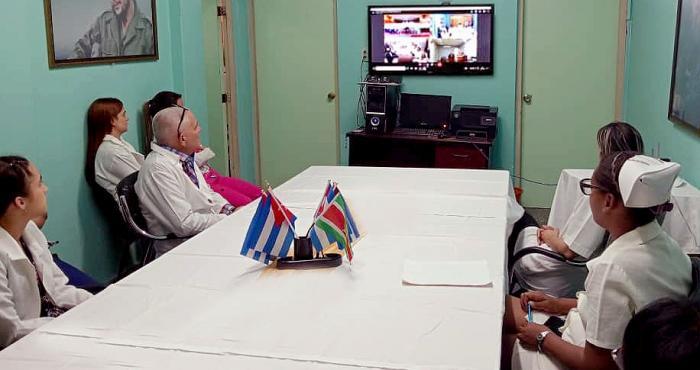
    At Havana’s Juan Manuel Márquez Pediatric Teaching Hospital, medical professionals demonstrate extraordinary resilience amid Cuba’s severe energy crisis and economic constraints. The facility, which serves as a national referral center for specialized pediatric care, continues operating despite regular national power outages that force staff to physically carry patients up seven flights of stairs when elevators fail.

    This remarkable dedication is exemplified through the stories of two teenage patients: 17-year-old Lisnatali, diagnosed with nodular sclerosis Hodgkin’s lymphoma, and 16-year-old Anyeli, battling a rare pregnancy-related cancer. Both girls endure their ‘horribly painful’ treatments with courage and joy, supported by medical staff who face their own profound challenges.

    Dr. Andy Hernández Álvarez, head of pediatric clinical oncology, embodies this commitment. A childhood cancer survivor himself, he understands both sides of the white coat. ‘The professional who stands firm deserves respect,’ he states. ‘We choose to stay despite transportation difficulties, physical exhaustion, and poor sleep.’

    The hospital’s struggles have intensified following tightened economic restrictions and oil embargoes that have forced measures like postponed surgeries and extended waiting lists. Yet the facility remains operational, serving as the country’s primary pediatric unit for burn victims and housing Cuba’s largest oncohematology ward and intensive care unit.

    Recent relief arrived through the Hatuey Project (Health Advocates in Truth, Unity, and Empathy), which delivered crucial donations of cytostatic drugs, antibiotics, antiemetics, medical consumables, and toys. Dr. Hernández emphasized the profound impact: ‘This isn’t just about saving lives but maintaining quality of life. A patient who can tolerate adverse reactions endures more treatments and stays in good spirits.’

    The donation represented more than material support. Miami-based Dr. Nadia Marsh of the Hatuey Project noted: ‘We thank Cuban healthcare workers—you are an inspiration. We see what a people can do when they truly think of the people despite blockade and resource limitations.’

    As Dr. Hernández returns to his rounds, checking on patients receiving chemotherapy and visiting the smiling teenagers playing with their new Parcheesi set, the hospital continues functioning as what he describes as ‘not a building, but a living, beating heart.’

  • Ministry of Health monitoring ChikV cases in the region

    Ministry of Health monitoring ChikV cases in the region

    Barbados’ Ministry of Health and Wellness has escalated its epidemiological monitoring protocols following confirmation of a significant Chikungunya virus (ChikV) outbreak in neighboring Suriname. According to Pan American Health Organization reports, Suriname has documented over 1,100 infections with one fatality as of late February 2026.

    While Barbados maintains zero confirmed cases for 2026 as of March 17th, health authorities revealed the island recorded twelve laboratory-confirmed infections throughout 2025. The viral disease shares transmission vectors with Dengue Fever and Zika through bites from infected Aedes Aegypti mosquitoes, which remain endemic across the island nation.

    Clinical manifestations typically emerge three to seven days post-exposure, though many infections present asymptomatically. Symptomatic cases demonstrate febrile conditions accompanied by headache, musculoskeletal pain, fatigue, and cutaneous rash. Distinguished from similar arboviruses, ChikV infection frequently causes severe polyarthralgia that may persist for months or years in chronic cases.

    Treatment protocols remain supportive rather than curative, focusing on hydration, rest, and symptomatic relief through analgesics and anti-inflammatory medications. No targeted antiviral therapeutics currently exist for Chikungunya management.

    Diagnostic challenges arise from symptom overlap with dengue and influenza. Physicians must obtain venous blood samples within eight days of symptom onset for PCR viral detection, with mandatory inclusion of symptom commencement dates on laboratory requisitions.

    Public health recommendations emphasize:
    – Utilizing protective clothing and insect repellents
    – Installing window screens and mosquito nets
    – Implementing environmental temperature controls to reduce vector activity
    – Conducting property inspections to eliminate breeding sites

    Noting that infected mosquitoes remain contagious throughout their two-to-four-week lifespan, health protocols require insecticide treatment around premises where cases are suspected. Medical practitioners must document patient addresses for environmental investigations to accompany laboratory submissions.

  • The “World’s Deadliest Disease” Can Be Cured, If Treated Early

    The “World’s Deadliest Disease” Can Be Cured, If Treated Early

    Health authorities are issuing a critical alert regarding tuberculosis (TB), the world’s most lethal infectious disease, which continues to claim lives due to persistent public misconceptions. Despite its classification as a historically significant illness, TB remains an active global health threat that demands contemporary attention.

    Medical experts emphasize that tuberculosis is entirely curable when identified during initial stages of infection. Dr. Joshua Canul, Assistant Deputy Director of Belize’s HIV/TB Programme, reports fewer than 100 annual cases in his country, yet notes disproportionate vulnerability among males aged 35-49. This demographic disparity stems from variations in healthcare engagement patterns across gender and age groups.

    The bacterial infection primarily targets pulmonary systems but can metastasize to other organs through airborne transmission. Without medical intervention, each infected individual potentially spreads the pathogen to 15-18 contacts yearly. Characteristic symptoms include prolonged coughing episodes exceeding two weeks, accompanied by fever, nocturnal perspiration, and unexplained weight reduction.

    Dr. Karen Lewis-Bell of the Pan American Health Organization highlights technological advancements in diagnostics. GeneXpert technology now delivers conclusive results within hours, dramatically accelerating treatment initiation and containing community transmission. This rapid testing simultaneously identifies drug-resistant strains, enabling tailored therapeutic approaches.

    While TB maintains its status as the planet’s deadliest infectious disease, officials clarify it doesn’t rank among the most contagious when detected promptly. The medical community identifies social stigma as a substantial obstacle to eradication efforts, particularly since the disease frequently appears in immunocompromised populations including HIV patients. However, physicians stress that any weakened immune system creates vulnerability, and improper treatment inevitably leads to mortality.

  • Urgent Appeal Issued for Blood Donations for Jacqueline Wetherill

    Urgent Appeal Issued for Blood Donations for Jacqueline Wetherill

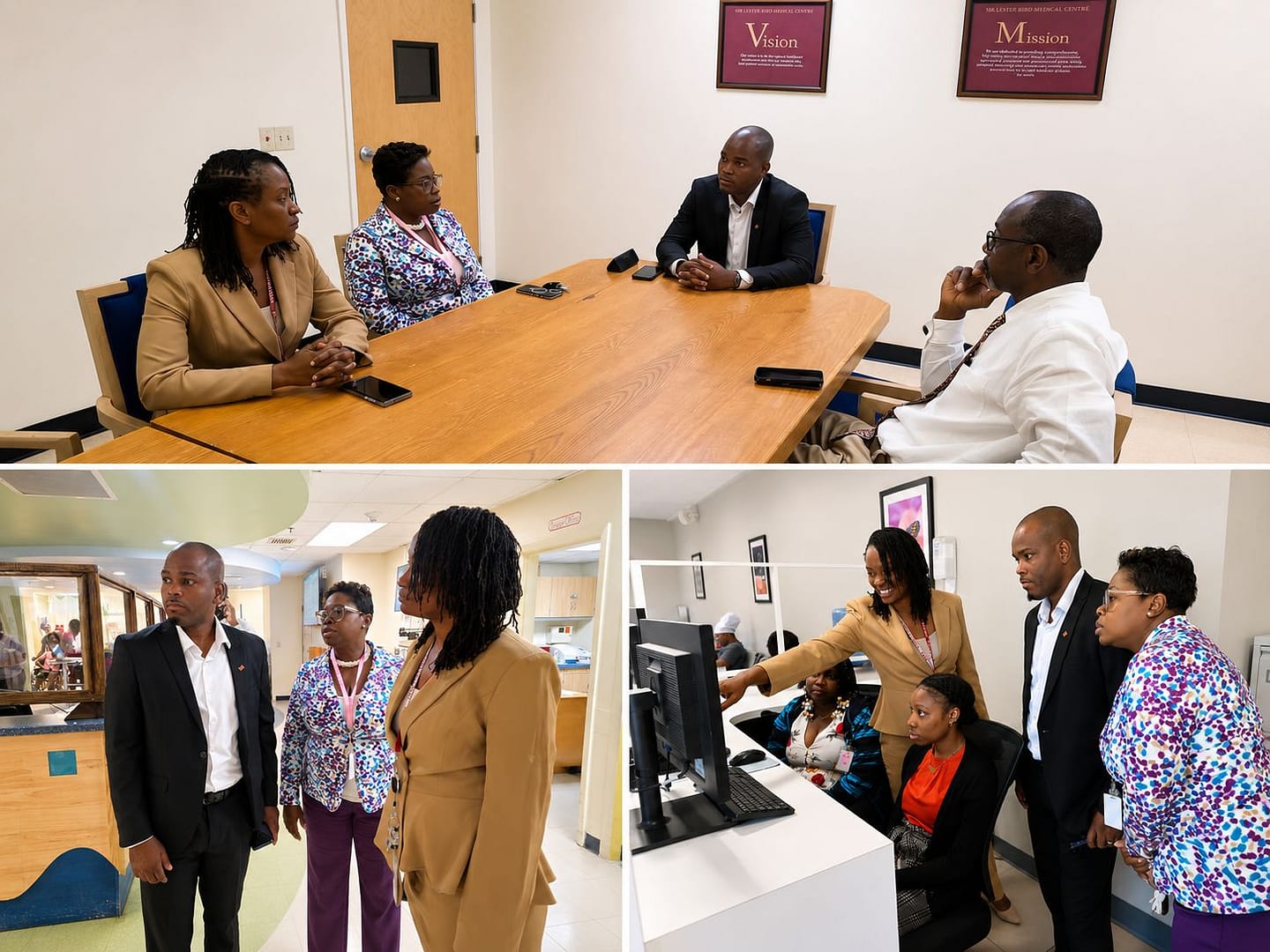
    ST. JOHN’S, Antigua – Health authorities in Antigua have launched an immediate public appeal for blood donations to assist patient Jacqueline Wetherill, who requires urgent medical support. The Sir Lester Bird Medical Centre Blood Bank is accepting donations from all eligible individuals during extended hours from 9:00 AM to 6:00 PM daily.

    Medical organizers emphasize that the situation requires prompt community response, noting that all blood types are acceptable for donation. The appeal targets both regular and first-time donors who meet health requirements, highlighting the critical importance of maintaining blood supplies for emergency medical care.

    The hospital has streamlined its donation process to accommodate the urgent need, ensuring efficient screening and collection procedures. This emergency call demonstrates the vital role community blood donations play in supporting critical healthcare services and individual patient care throughout Antigua’s medical system.