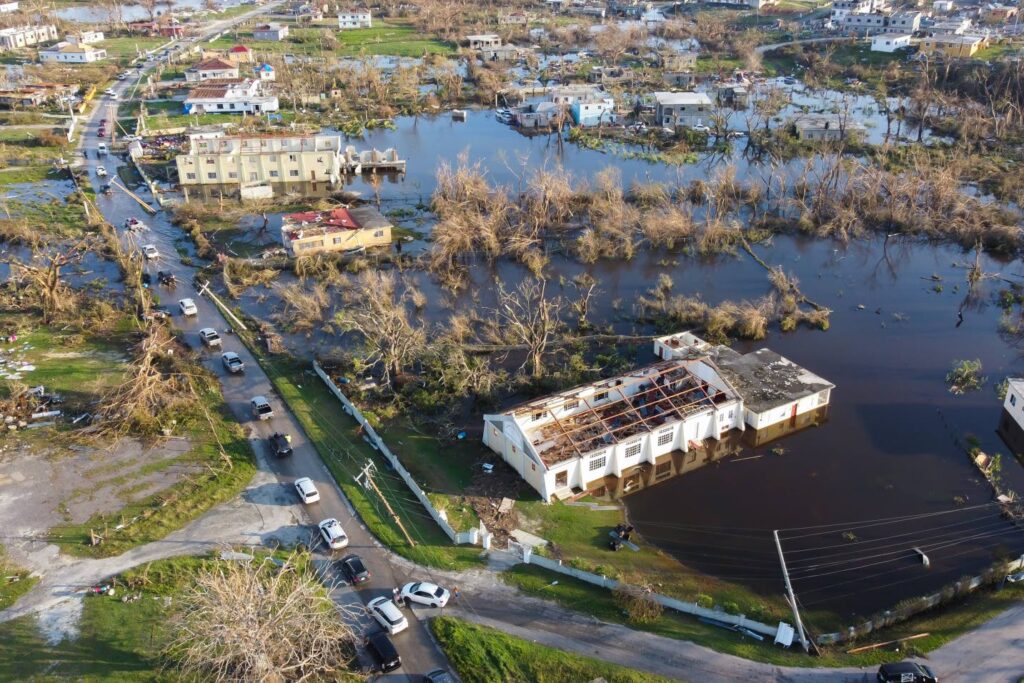
In the wake of Hurricane Melissa, Jamaica’s health authorities have ramped up measures to prevent the spread of water-borne illnesses and other health hazards. Health and Wellness Minister Dr. Christopher Tufton emphasized the critical need to manage dead livestock and contaminated food products, which can rapidly lead to disease outbreaks, foul odors, and water source contamination if not handled properly. Speaking at a webinar titled ‘Let’s talk recovery: Protecting against food and water-borne illnesses after a disaster,’ Tufton detailed the ministry’s collaboration with the veterinary public health unit, the Ministry of Agriculture, and local public health inspectors to remove, bury, or destroy animal carcasses and related waste in accordance with strict national and international standards. Hurricane Melissa, a Category 5 storm, struck western Jamaica on October 28, causing widespread displacement and the deaths of numerous animals, whose remains now pose a significant public health risk. Chief Medical Officer Dr. Jacquiline Bisasor-McKenzie highlighted several post-hurricane factors exacerbating health issues, including power loss, compromised water and food supplies, solid waste accumulation, and overcrowding in shelters. These conditions increase the likelihood of infections and diseases, including food, water-borne, vector-borne, and air-borne illnesses. The hurricane has also severely impacted health facilities across the island, with many hospitals and clinics either partially operational or completely out of service. Efforts are underway to restore healthcare services, including the establishment of field hospitals to address the immediate needs of affected communities.
分类: health
-
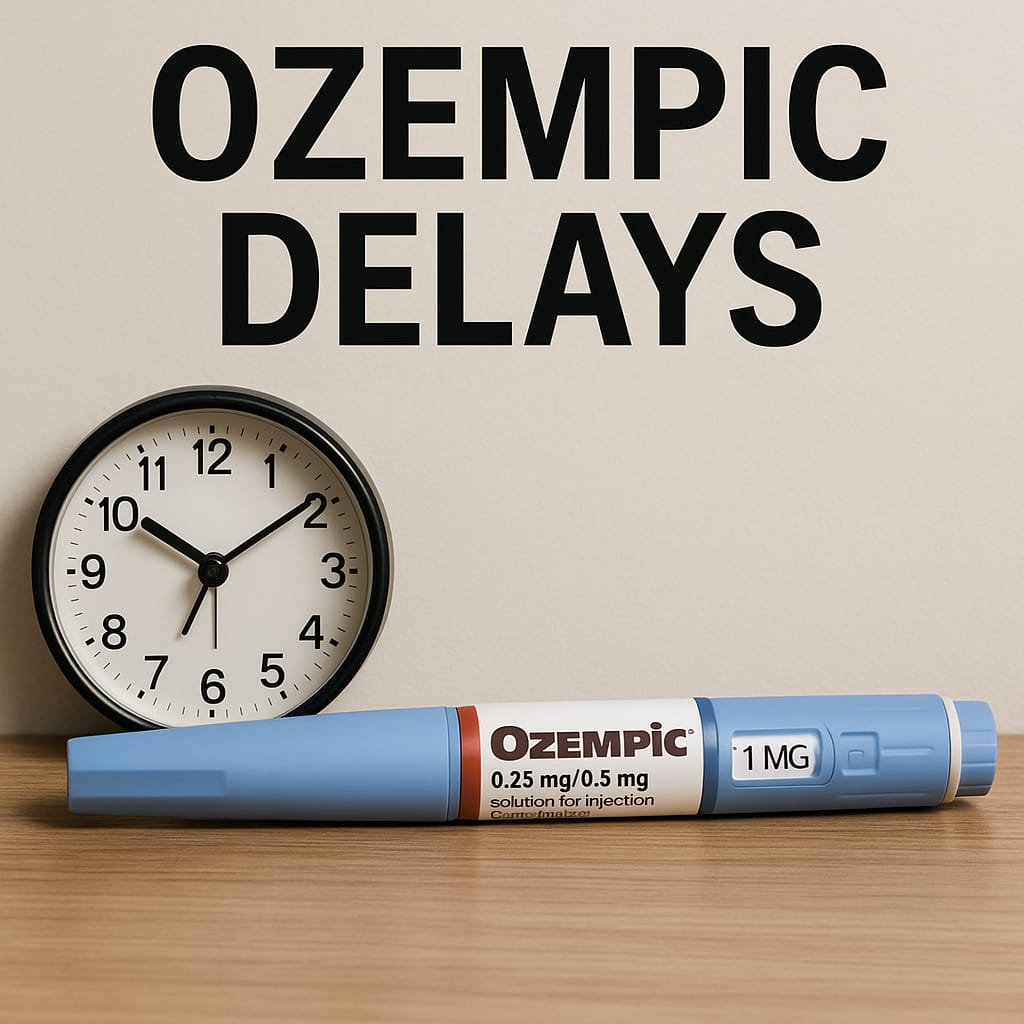
LETTER: Patient Appeals for Urgent Fix to Ozempic Delays at Medical Benefits
As a diabetic patient reliant on the Medical Benefits Scheme (MBS) for essential medication, I have been prescribed Ozempic for the past eight months after other treatments failed to manage my blood sugar effectively. While the medication has been beneficial, the bureaucratic hurdles in accessing it have become a significant burden.
-

Health Authorities Mark World Antimicrobial Resistance (AMR) Awareness Week
The Caribbean Public Health Agency (CARPHA) is actively participating in World Antimicrobial Resistance Awareness Week (WAAW), underscoring its dedication to combating the escalating threat of antimicrobial resistance (AMR). Often termed the ‘silent pandemic,’ AMR occurs when microorganisms like bacteria, viruses, fungi, and parasites no longer respond to medications, rendering infections increasingly difficult or impossible to treat. Aligning with the WAAW 2025 theme, ‘Act Now: Protect Our Present, Secure Our Future,’ CARPHA is advocating for the responsible use of antimicrobials and showcasing the progress made through its Integrated AMR Programme. This initiative, supported by key partners such as the United Kingdom Health Security Agency (UKHSA), the Fleming Fund, and the Pandemic Fund Project, exemplifies regional collaboration. The programme enhances surveillance, laboratory capacity, and coordinated actions across sectors to detect, understand, and respond to AMR in the Caribbean. A significant milestone is the establishment of the Caribbean Antimicrobial Resistance Alliance (CARA), a joint effort between CARPHA and UKHSA, which serves as the technical backbone of CARPHA’s AMR agenda. CARA is advancing AMR Reference laboratory capacity across Trinidad, Jamaica, and Saint Lucia, developing a regional AMR surveillance system, and harmonizing standards and expertise. CARPHA has also expanded its Jamaica and Saint Lucia laboratories as regional reference hubs for AMR testing, reducing delays and improving pathogen detection. Through partnerships with UKHSA, CARPHA has bolstered workforce capacity, receiving technical experts to enhance surveillance, laboratory systems, and emergency response. Additionally, CARPHA, PAHO, and UKHSA have organized regional training workshops on phenotypic testing, molecular testing, and Whole Genome Sequencing (WGS). Dr. Lisa Indar, CARPHA Executive Director, emphasized the urgency of collective action, stating, ‘Antimicrobial resistance threatens the health and development of every Caribbean nation. Success requires responsibility from governments, healthcare providers, veterinarians, farmers, laboratories, and the public.’ CARPHA continues to support Member States in preserving the effectiveness of life-saving medicines through strengthened surveillance, testing capacity, and One Health partnerships. During WAAW, CARPHA urges all stakeholders to champion responsible antimicrobial use and support AMR prevention initiatives.
-
Aandacht voor de gezondheid van de man tijdens Movember**
Men’s health is often overshadowed by societal expectations of strength and resilience, but the reality is stark: men are equally susceptible to illness and often delay seeking medical help. Globally and in Suriname, male health remains an under-discussed issue. To address this, November is dedicated to raising awareness about men’s health, particularly prostate cancer, testicular cancer, and mental well-being, through the international campaign known as Movember or No Shave November.
Movember, a global movement originating in Melbourne, Australia, in 2003, encourages men to grow moustaches throughout November to highlight health issues disproportionately affecting men. The campaign focuses on increasing awareness of prostate and testicular cancer, mental health, suicide prevention, and fundraising for research and improved healthcare for men.
Prostate cancer, the most common cancer among men globally and in Suriname, is a central theme of Movember. The prostate, a small organ below the bladder, plays a vital role in reproduction by producing seminal fluid. In Suriname, approximately 80 new cases are diagnosed annually, primarily in men over 65, though younger men are also at risk, especially those with a family history of the disease.
Early detection is critical, as prostate cancer often presents no symptoms initially. Screening methods include a rectal exam and a PSA (Prostate-Specific Antigen) blood test. If abnormalities are detected, further investigations such as MRI scans and biopsies are conducted. Treatment options vary based on the cancer’s stage, ranging from radiation and hormone therapy to chemotherapy.
While advanced surgical procedures like robot-assisted prostate removal are unavailable in Suriname, the country offers comprehensive care, including specialized urologists, modern diagnostic tools, and multidisciplinary treatment approaches. Men over 50 are advised to discuss screening with their doctors, and those with a family history should consider testing from age 45.
Movember serves as a vital reminder to prioritize men’s health, break taboos, and encourage timely medical intervention. By fostering awareness and proactive healthcare, we can improve the health and quality of life for men in Suriname and beyond.
-

Medisch symposium focust op aanpak chronische nierschade
The 2025 Nephrology Medical Conference, held in Paramaribo, Suriname, convened local and international experts to discuss the latest advancements in the prevention, diagnosis, and treatment of chronic kidney disease (CKD). Sponsored by Kersten Distribution and Nipro, the two-day symposium began on Friday, focusing on the alarming rise of CKD in Suriname, primarily driven by diabetes and hypertension. The event highlighted the profound impact of kidney failure on patients, their families, and the healthcare system, emphasizing the high costs of dialysis and the loss of workforce productivity. Attendees explored early detection methods, innovative treatment approaches to reduce the risk of kidney failure and cardiovascular diseases, and revised national guidelines for healthcare professionals. Training sessions on the safe and responsible use of dialysis equipment were also a key focus. Organizers stressed the importance of knowledge sharing and preventive measures to enhance care for kidney patients and improve life expectancy in Suriname.
-
Three provinces account for 95% of malaria cases
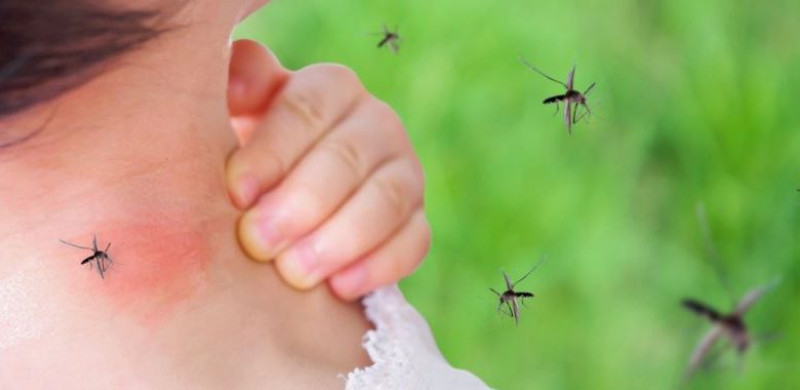
The Dominican Republic is grappling with a significant public health challenge as the Ministry of Public Health (MSP) reports a sharp rise in malaria and dengue cases. As of this year, 46,218 suspected cases of malaria have been recorded, marking a 20% increase compared to the same period in 2024. Despite this alarming rise, confirmed malaria cases have decreased by over 15%, from 962 to 810, with no fatalities reported. The southwestern provinces, including Azua, San Juan, and Elías Piña, remain the primary transmission hotspots, accounting for 95% of cases. The MSP attributes this concentration to the region’s endemic corridor, exacerbated by poverty, inadequate housing, limited access to clean water, and the presence of Anopheles mosquito breeding sites. On the dengue front, health authorities have identified 1,672 suspected cases, 258 confirmed cases, and 15 severe cases, with no deaths reported. The disease predominantly affects school-age and adolescent males, particularly those aged 10 to 19, due to greater outdoor exposure and limited preventive measures. In response, the MSP has urged the public to eliminate mosquito breeding sites, enhance health education, and strengthen community surveillance. Additionally, the country has recorded 144 maternal deaths, with Santo Domingo, Santiago, and La Altagracia reporting the highest numbers. Infant and neonatal deaths have also been noted, with cumulative totals of 1,542 and 1,323, respectively.
-
CARPHA provides medical support to Jamaica following Hurricane Melissa
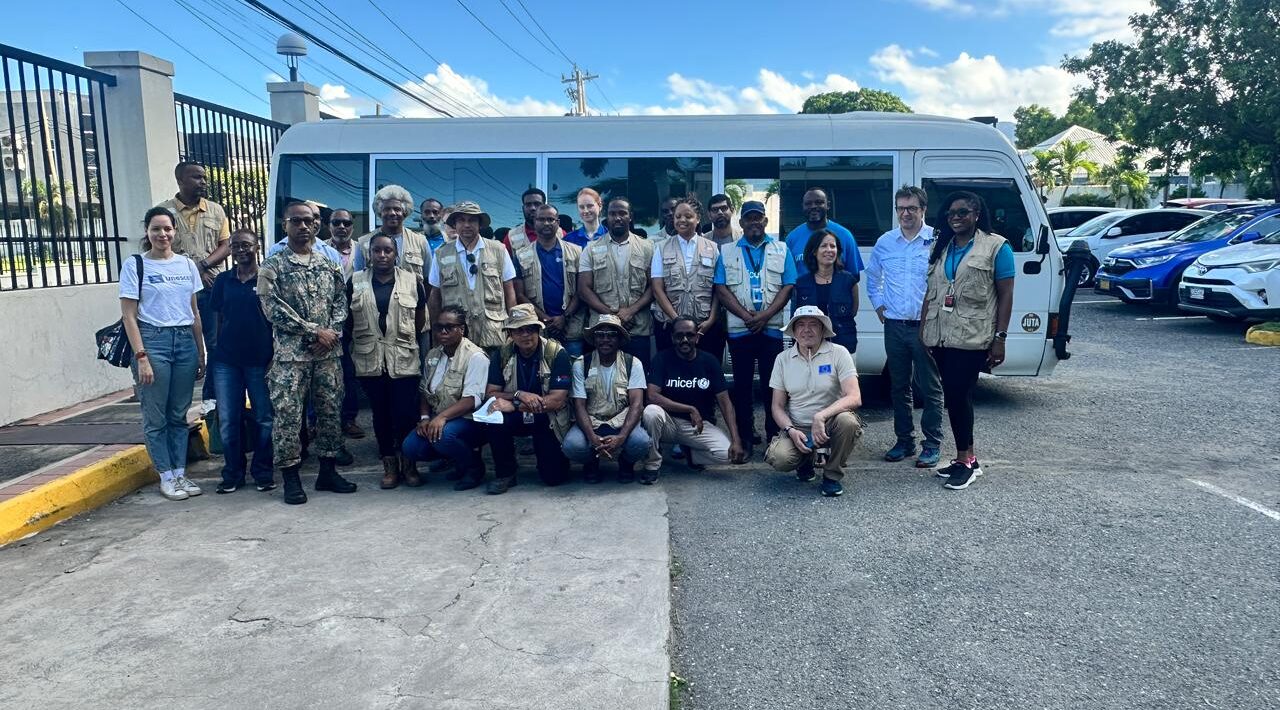
In the wake of Hurricane Melissa’s devastating impact on Jamaica, the Caribbean Public Health Agency (CARPHA) has activated its Incident Management Team – Emergency Response protocol. This initiative, coordinated through the Regional Response Mechanism under the Caribbean Disaster Emergency Management Agency (CDEMA), aims to address the immediate and long-term health needs of the affected population. CARPHA, as the region’s leading public health authority, is focusing on rapid health assessments, disease surveillance, and outbreak prevention to guide recovery strategies.
The response effort is part of a broader, multidisciplinary assessment conducted by the CDEMA-led Rapid Needs Assessment Team (RNAT), which includes experts from various regional and international organizations. These include the Caribbean Broadcasting Union (CBU), Caribbean Development Bank (CDB), and the Pan American Health Organization (PAHO), among others. Field assessments were carried out from November 1 to 5, 2025, in regions such as Westmoreland, St. Elizabeth, and St. Ann, to evaluate health infrastructure and coordinate relief efforts.
CARPHA’s technical support has prioritized several critical areas, including rapid health sector assessments, disease surveillance, and public health risk mitigation. The agency has reported extensive damage to health facilities, including the Black River Hospital in St. Elizabeth and the Savanna-la-Mar Hospital in Westmoreland, which has severely disrupted healthcare delivery and disease surveillance.
Dr. Horace Cox, CARPHA’s Incident Commander, highlighted the increased risk of disease outbreaks such as gastroenteritis, dengue, and leptospirosis due to compromised water and sanitation systems. He emphasized the importance of community engagement in water, sanitation, hygiene (WASH), and vector control to mitigate these risks. CARPHA plans to conduct follow-up assessments in St. Elizabeth, Westmoreland, and Trelawny to monitor progress and provide ongoing support.
The agency is also preparing a second shipment of essential health supplies to Jamaica and will continue its collaboration with the Ministry of Health and Wellness to deliver targeted technical assistance. This effort is financially supported by the Caribbean Development Fund (CDF), reflecting a collective commitment to resilient health systems and disaster preparedness in the Caribbean.
-
Dominican endocrinologist urges personal responsibility in fight against diabetes
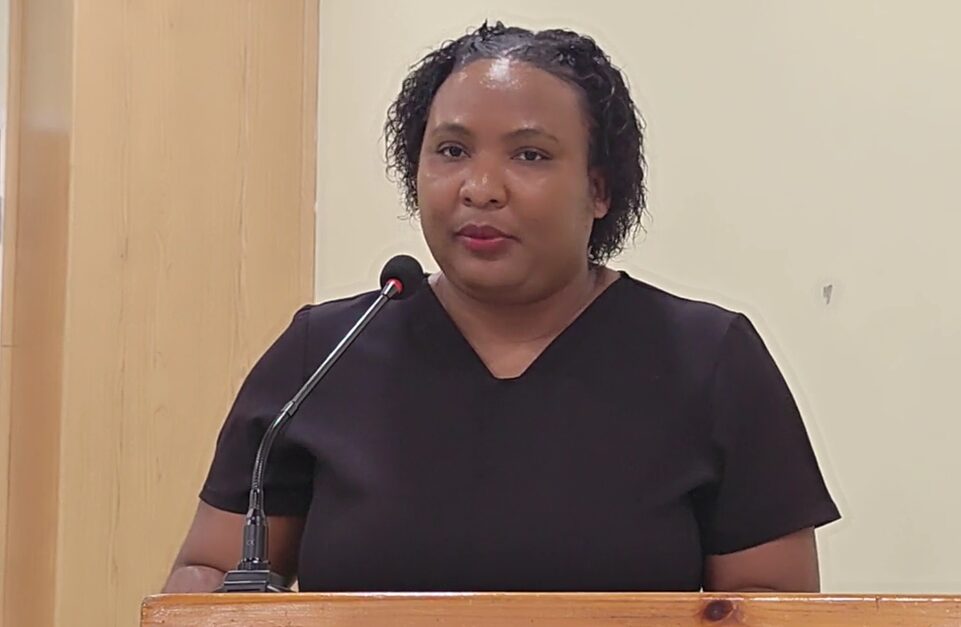
Dr. Natasha Maxime-Esprit, an endocrinologist with Dominica’s Ministry of Health, has issued a compelling call to action for citizens to take greater personal responsibility for their health. Speaking at the Dominica Diabetes Association Conference on November 14, 2025, in recognition of World Diabetes Day, Dr. Maxime-Esprit emphasized the critical role of individual accountability in combating diabetes and other non-communicable diseases (NCDs). Since joining the Ministry in 2022, she has been at the forefront of efforts to prevent, diagnose, and manage endocrine disorders, with diabetes accounting for 75% of her caseload. Each month, she consults with 200 to 300 patients across Dominica, ranging from a three-year-old with type 1 diabetes to a 93-year-old with type 2 diabetes. Dr. Maxime-Esprit underscored that diabetes does not discriminate by age or gender, affecting individuals across all demographics. Her presentation, titled ‘A Call to Personal Responsibility,’ highlighted the importance of knowing one’s health status and making proactive choices. She shared a poignant case of a 35-year-old woman who presented with blurry vision and severe headaches, only to be diagnosed with type 2 diabetes and hypertension. The patient, who had not undergone blood tests since age 18, had been unknowingly diabetic for at least three months, with lifestyle factors exacerbating her condition. Over the past five years, Dominica has recorded approximately 531 new cases of type 2 diabetes, with women constituting the majority and the youngest patient being just 15 years old. The Ministry of Health has ramped up its efforts against NCDs, expanding free specialized clinics, nutrition services, and screening programs. However, Dr. Maxime-Esprit stressed that medical interventions alone are insufficient. She identified unhealthy lifestyles, disregard for health when feeling well, and non-compliance with prescribed treatment as major contributors to diabetes complications, all of which hinge on individual choices. She urged citizens to take simple steps such as regular health checks, purchasing home monitoring devices, and setting aside funds for preventive care. The young woman in the case study is now responding well to treatment, having embraced lifestyle changes and medical guidance. Dr. Maxime-Esprit concluded with a hopeful message, affirming that diabetes is not a death sentence and can be managed with early detection and personal responsibility.
-

CARPHA celebrates global Antimicrobial Resistance (AMR) awareness week: Highlighting regional progress in combatting AMR
The Caribbean Public Health Agency (CARPHA) is at the forefront of the global effort to combat antimicrobial resistance (AMR) during World Antimicrobial Resistance Awareness Week (WAAW) 2025. AMR, often referred to as the ‘silent pandemic,’ poses a significant threat to public health, healthcare systems, and sustainable development worldwide. This phenomenon occurs when microorganisms such as bacteria, viruses, fungi, and parasites evolve to resist the drugs designed to eliminate them, rendering infections increasingly difficult or impossible to treat. CARPHA’s participation in WAAW 2025, themed ‘Act Now: Protect Our Present, Secure Our Future,’ underscores its commitment to promoting responsible antimicrobial use and advancing its Integrated AMR Programme. This initiative, supported by key partners including the UK Health Security Agency (UKHSA), the Fleming Fund, and the Pandemic Fund Project, employs a multi-sectoral approach to enhance regional AMR surveillance, laboratory infrastructure, and coordinated responses. A cornerstone of CARPHA’s efforts is the Caribbean Antimicrobial Resistance Alliance (CARA), which serves as the technical and operational hub for AMR initiatives. CARA is establishing AMR reference laboratories in Trinidad, Jamaica, and Saint Lucia and developing a regional AMR surveillance system to improve data collection, reporting, and analysis. Additionally, CARPHA has prioritized expanding laboratory capacities in Jamaica and Saint Lucia, complementing its existing CARPHA Medical Microbiology Laboratory in Trinidad. These advancements enable faster pathogen detection, reduce diagnostic delays, and improve access to high-quality AMR testing. CARPHA has also focused on workforce development, hosting technical experts and organizing training workshops on phenotypic testing, molecular diagnostics, Whole Genome Sequencing, and AMR surveillance. With substantial funding from the Pandemic Fund and the Fleming Fund, CARPHA is enhancing laboratory upgrades, workforce training, and surveillance integration across the region. Dr. Lisa Indar, CARPHA’s Executive Director, emphasizes the urgency of collective action: ‘Antimicrobial resistance threatens the health and development of every Caribbean nation. Success requires the involvement of governments, healthcare providers, veterinarians, farmers, laboratories, and the public.’ CARPHA continues to expand its surveillance, testing capabilities, and One Health partnerships, urging all stakeholders to champion responsible antimicrobial use and support AMR prevention initiatives.
-
After the storm: Young Jordan’s diabetes struggle
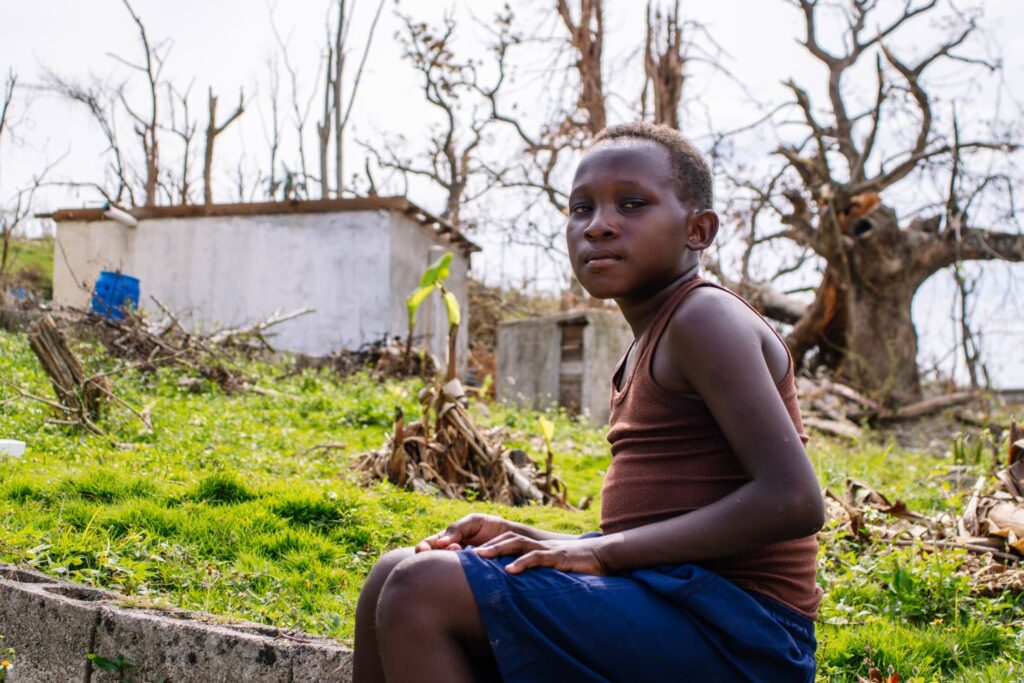
In the aftermath of Hurricane Melissa, 13-year-old Jordan from Whitehouse, Westmoreland, faces unprecedented challenges in managing his type 1 diabetes. The storm’s destruction has disrupted his daily routine, particularly the storage of his life-saving insulin, which must be kept refrigerated between 2°C and 8°C. With power lines down and electricity unavailable, Jordan’s family has resorted to using an igloo filled with ice to preserve the medication. However, ice has become a scarce commodity, putting Jordan and others in a precarious situation as their insulin risks losing its potency.