
The Ministry of Health, Wellness, Environment, and Civil Service Affairs has announced notable advancements in the establishment of the new Sickle Cell Unit. A recent site inspection was led by Minister Sir Molwyn Joseph, accompanied by Dr. Shivon Belle-Jarvis, Director of the Sir Lester Bird Medical Centre, Dr. Edda Hadeed, Head of the Sickle Cell Association, and other key officials. The delegation observed that the infrastructure is nearly complete, with primary preparatory tasks approaching finalization. The facility has been thoroughly cleaned, rooms freshly painted, and beds installed, resulting in a functional five-bed unit at this stage. The Sickle Cell Unit aims to offer comprehensive support for individuals with sickle cell disease, including acute clinical care, patient education, and family counseling services. During the visit, officials discussed the remaining steps needed for the unit’s operational launch, such as finalizing essential equipment, completing staffing arrangements, and conducting specialized training to ensure the clinical team is fully prepared to deliver high-quality care. The Ministry remains on schedule to hand over the unit by the end of the year, with ongoing preparations to ensure staff are equipped to provide optimal and holistic care to sickle cell patients. Minister Joseph emphasized the importance of keeping the public informed and reiterated the Ministry’s dedication to enhancing care for those affected by chronic and inherited blood disorders.
分类: health
-

Working from all areas to address the country’s epidemiological situation
In response to the escalating arbovirus epidemic in Cuba, marked by the simultaneous circulation of chikungunya and dengue viruses, President Miguel Díaz-Canel Bermúdez convened a critical meeting with health experts, scientists, and researchers. The session focused on strategies to reduce mosquito infestation rates, enhance treatment protocols, and mitigate the impact of these diseases on the population. Lorena Vázquez Bello, first deputy director of the Pedro Kourí Institute of Tropical Medicine (IPK), emphasized the importance of understanding chikungunya’s clinical manifestations, which differ significantly from other diseases. She highlighted symptoms such as abrupt high fever, severe arthralgia, and arthritis, which often require hospitalization. Preliminary studies of 32 patients at IPK revealed complications including dehydration, acute confusion in the elderly, and neurological issues. To address these challenges, the Ministry of Public Health (Minsap) has approved 26 studies aimed at developing new products and refining treatment protocols. Ileana Morales Suárez, Minsap’s director of Science and Technological Innovation, noted that ongoing research focuses on chronic joint discomfort post-infection, with targeted health interventions planned for vulnerable groups, particularly the elderly. Additionally, efforts are underway to develop diagnostic tests and repurpose existing products like Jusvinza for chikungunya treatment. The meeting also addressed logistical measures, including the repair of fumigation equipment and the production of repellents. These comprehensive actions underscore Cuba’s commitment to leveraging science, medical care, and industry to counteract the current epidemiological crisis and strengthen arbovirus prevention and treatment.
-

COVID cases rise alongside flu, RSV
Barbados is currently experiencing a significant increase in COVID-19 cases and other respiratory illnesses, according to Chief Medical Officer Dr. Kenneth George. Despite the surge, Dr. George confirmed on Wednesday that there are no plans to reintroduce mandatory mask-wearing. The Ministry of Health is closely monitoring the situation, particularly focusing on vulnerable populations such as the elderly and those with compromised immune systems, who are being urged to take extra precautions. Dr. George explained that the rise in COVID-19 infections has contributed to the spread of other respiratory diseases, including influenza A, rhinovirus, and respiratory syncytial virus (RSV). This uptick aligns with the typical cold and flu season, which begins in November and extends into the early months of the following year. A doctor from a rural polyclinic reported that all 47 patients recently swabbed in a single community tested positive for COVID-19, highlighting the virus’s prevalence. Dr. George emphasized that while COVID-19 remains a concern, it is now ‘in the rear-view mirror,’ and the public has been educated on how to protect themselves. He stressed that specific precautions are necessary for high-risk individuals, but mask mandates will not be reinstated. Data from the Best-dos Santos Public Health Laboratory revealed a 23.8% positivity rate for respiratory illnesses among 2,100 samples tested this year, with cases ranging from infants to individuals in their 90s. The laboratory detected pathogens such as COVID-19, influenza A, and rhinovirus, with a notable increase in RSV cases among very young children. Authorities continue to monitor the situation closely.
-

Ultrabewerkt voedsel vormt groeiend gezondheidsrisico wereldwijd
Ultra-processed foods (UPFs) are increasingly recognized as a significant threat to public health, prompting calls for urgent intervention from international experts. A comprehensive review of scientific studies highlights a dramatic shift in global dietary patterns, with fresh, unprocessed foods being replaced by cheap, heavily processed alternatives. This trend is linked to a heightened risk of chronic conditions such as obesity, diabetes, and even depression. The review, conducted by 43 experts based on 104 long-term studies, identifies associations between UPFs and at least 12 health issues, including cardiovascular disease, kidney disease, and increased mortality. Examples of UPFs include sausages, chips, cookies, sodas, instant soups, ice cream, and many types of supermarket bread. The global consumption of these industrially manufactured products is rising rapidly, leading to poorer overall dietary quality due to excessive sugar, unhealthy fats, and insufficient fiber and protein. Professor Carlos Monteiro of the University of São Paulo, creator of the Nova classification system, emphasizes that UPFs are displacing fresh and minimally processed foods worldwide. Large international food corporations play a pivotal role in this shift, prioritizing profit, aggressive marketing, and political lobbying to avoid stricter health regulations. However, critics of the Nova classification argue that the degree of processing does not solely determine a product’s healthiness. Items like whole-grain bread, breakfast cereals, low-fat yogurt, fish sticks, and baby formula, classified as UPFs, still contain nutrients beneficial to a healthy diet. Statistician Kevin McConway cautions that the observed correlations do not establish causation, and further clinical studies are needed to identify specific components of UPFs contributing to disease. Researchers like Professor Jules Griffin also highlight the benefits of food processing and advocate for more research into its health impacts. Co-author Dr. Phillip Baker of the University of Sydney argues that despite gaps in evidence, immediate action is necessary, akin to global efforts against the tobacco industry. The food industry, meanwhile, maintains that UPFs can be part of a balanced diet, with the Food and Drink Federation noting improvements in recent years, including reduced sugar and salt content. The UK’s Scientific Advisory Committee on Nutrition has described the links between UPFs and adverse health effects as “concerning” but acknowledges uncertainty over whether processing or the unhealthy composition of these products is the primary cause. Current dietary advice remains unchanged: increase consumption of vegetables, fruits, and fiber while limiting sugar, salt, and saturated fats.
-

BOG start nieuwe fase bij 98 -jarig bestaan
The Bureau of Public Health (BOG) in Suriname marked its 98th anniversary on November 18, coinciding with the soft opening of its new headquarters. The event, attended by Health Minister André Misiekaba, highlighted the organization’s pivotal role in the nation’s preventive healthcare system. Minister Misiekaba emphasized that the new building symbolizes BOG’s readiness to confidently embrace the future. ‘This is tangible proof that BOG not only honors its past but is also stepping into the future with conviction,’ he stated. The minister underscored BOG’s foundational role in Suriname’s public health, particularly its Central Laboratory, which played a critical role during the COVID-19 pandemic as the first in the Caribbean to initiate COVID-19 diagnostic capabilities. ‘This achievement was no coincidence but the result of years of dedication,’ Misiekaba added. The new facility, coupled with internal relocations, lays a solid foundation for the decades ahead. The minister also announced an ambitious shift in BOG’s mission, aiming to transform it into Suriname’s leading National Knowledge and Research Institute for Public Health. ‘We are entering a new phase where we will no longer settle for merely recording diseases. BOG must become the intellectual engine behind public health,’ he declared. Acting Director Radjesh Ori reflected on BOG’s evolution over the years, noting its indispensable role in society. ’98 years is a respectable age. BOG has become a household name and is irreplaceable,’ Ori remarked. Minister Misiekaba concluded by emphasizing that true change lies not in infrastructure but in the dedication and expertise of BOG’s staff. Despite ongoing public health challenges, he expressed confidence in the team’s ability to drive scientific transformation. ‘If we embrace this scientific shift, the results—a healthier and more productive Suriname—will be well worth it,’ he said, calling for collective ambition and collaboration to make BOG a proud cornerstone of Surinamese science and public health.
-
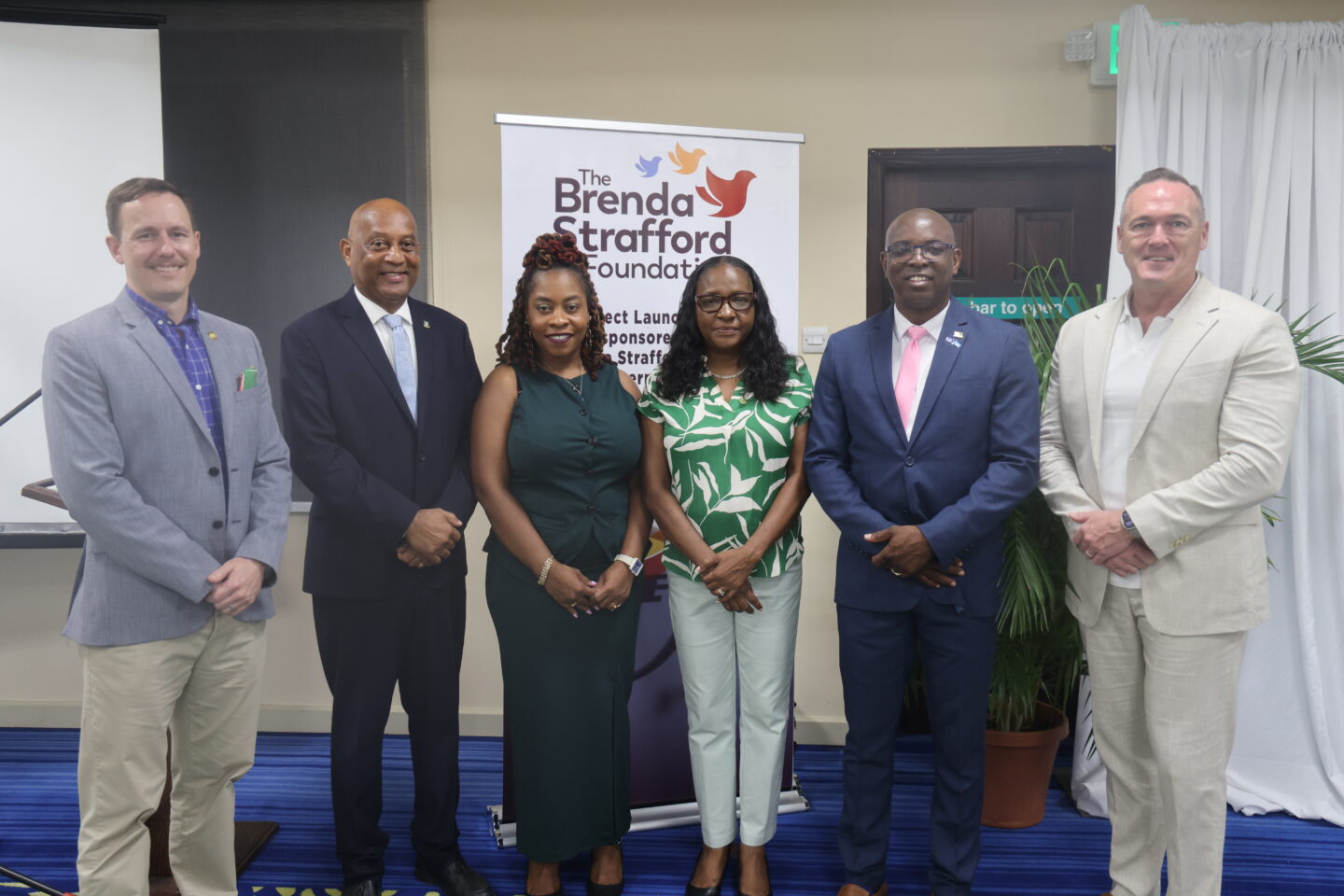
Regional Eye Health Strategic Plan Project launched
On October 23, 2025, the Organisation of Eastern Caribbean States (OECS) Commission, in partnership with the Brenda Strafford Foundation (BSF), unveiled the Regional Eye Health Strategic Plan Project during the 11th Council of Ministers: Health meeting. This initiative, supported by the International Agency for the Prevention of Blindness, aims to address critical challenges in eye care across the region, including limited resources, accessibility, and equity. The project aligns with the OECS Heads of Government’s mandate to establish Centres of Excellence in healthcare. A comprehensive fact-finding assessment will be conducted to evaluate eye care needs and capacities within member states, ensuring the development of an evidence-based Regional Eye Health Strategy. Guided by the World Health Organisation’s “Eye Care in Health Systems: Guide for Action,” the initiative will generate robust data to identify prevalent eye conditions, at-risk populations, and targeted interventions. Honourable Philip Telesford, Grenada’s Minister for Health and incoming Chair of the OECS PPS Board, endorsed the project, describing it as a “blueprint for action” that prioritizes equity and integrated, people-centred care. Sisera Simon, Head of the Human and Social Division at the OECS Commission, emphasized the strategy’s role in fostering long-term health resilience. Tony Weeks, President and CEO of the BSF, highlighted the foundation’s commitment to equitable healthcare access and the collaborative efforts to eliminate preventable blindness. The project’s findings will be showcased at the inaugural Global Summit for Eye Health in Antigua and Barbuda in 2026, aligning with Sustainable Development Goal 3 and OECS Strategic Priority 5: advancing Equity and Inclusion.
-
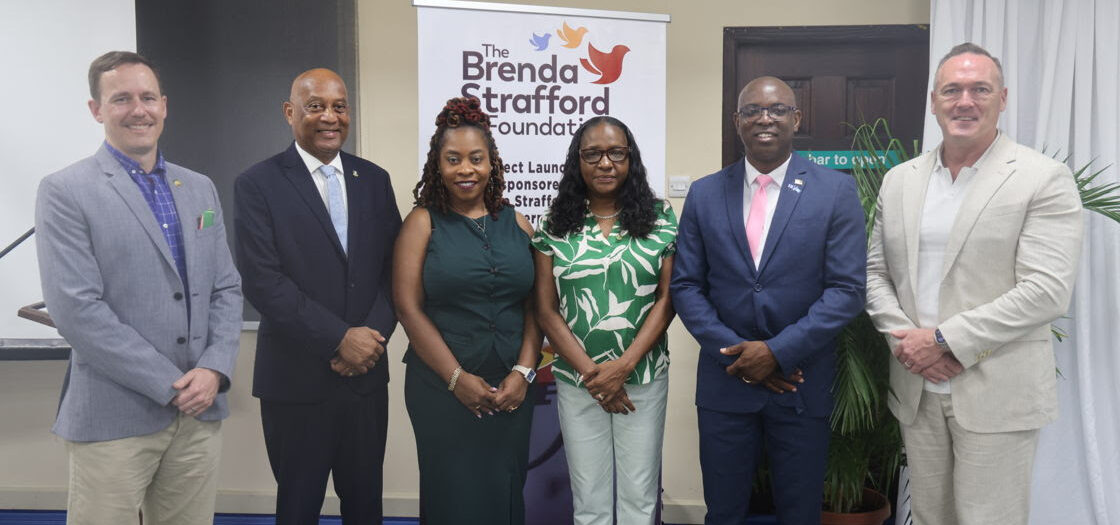
OECS Commission joins Brenda Stafford Foundation to launch regional eye health initiative
On October 23, 2025, the Organization of Eastern Caribbean States (OECS) Commission, in collaboration with the Brenda Strafford Foundation (BSF) and the International Agency for the Prevention of Blindness, unveiled the Regional Eye Health Strategic Plan Initiative during the 11th Council of Ministers: Health meeting. This landmark initiative, sponsored by the BSF, aims to address critical eye care needs across the Caribbean by establishing Centers of Excellence in healthcare, as directed by OECS Heads of Government. The project seeks to overcome resource limitations, enhance access, and promote equity in health services across member nations. A comprehensive assessment conducted by the OECS Commission, with support from the BSF, identified prevalent eye conditions, vulnerable populations, and priority areas for intervention. Drawing inspiration from the World Health Organization’s “Eye Care in Health Systems: Guide for Action,” the initiative will develop an evidence-based strategy aligned with regional and national health priorities. By leveraging detailed epidemiological data, the plan aims to optimize resource allocation and improve health outcomes across the Caribbean. Honourable Philip Telesford, Grenada’s Minister of Health and incoming Chair of the OECS PPS Board, endorsed the project, describing it as a “blueprint for action” that fosters equity and shifts towards a unified, patient-centered approach. Mrs. Sisera Simon, Head of the Human and Social Division at the OECS Commission, emphasized the initiative’s role in strengthening long-term health resilience, calling it a roadmap for measurable goals and collaborative action. Mr. Tony Weeks, President and CEO of the BSF, highlighted the partnership’s four-decade commitment to eye health, noting the region’s determination to eliminate preventable blindness. The initiative aligns with Sustainable Development Goal 3 and OECS Strategic Priority 5, promoting equity and inclusion. Its findings will be presented at the 2026 Global Summit for Eye Health in Antigua and Barbuda.
-
Daily pill helps people lose 10% of weight in 18 months — study
A groundbreaking study published in The Lancet reveals that a new oral weight loss medication, orforglipron, developed by Eli Lilly, could revolutionize obesity treatment. Unlike current injectable GLP-1 agonists such as Ozempic and Mounjaro, this daily pill offers a more convenient and cost-effective alternative. The study, involving over 1,500 adults across 10 countries with obesity and type 2 diabetes, demonstrated that participants taking the highest dose of 36 milligrams lost approximately 10% of their body weight over 72 weeks, compared to just 2% in the placebo group. This aligns with earlier findings showing similar weight loss in non-diabetic individuals. However, the pill’s efficacy still falls short of the 22% weight loss achieved with injectable Mounjaro. Common side effects included nausea, vomiting, constipation, and diarrhea, particularly at higher doses. Lead author Deborah Horn of UTHealth Houston emphasized the potential of this oral medication, which could be available by 2026 at a significantly reduced cost. Injectable GLP-1s currently cost over $1,000 monthly in the U.S., prompting calls for affordable generic versions in low-income countries. Obesity-related illnesses claimed over 3.7 million lives globally in 2021, surpassing deaths from malaria, tuberculosis, and HIV combined. GLP-1 drugs, initially developed for diabetes, are now being explored for their potential to address a broader range of health issues, including heart disease and addiction.
-
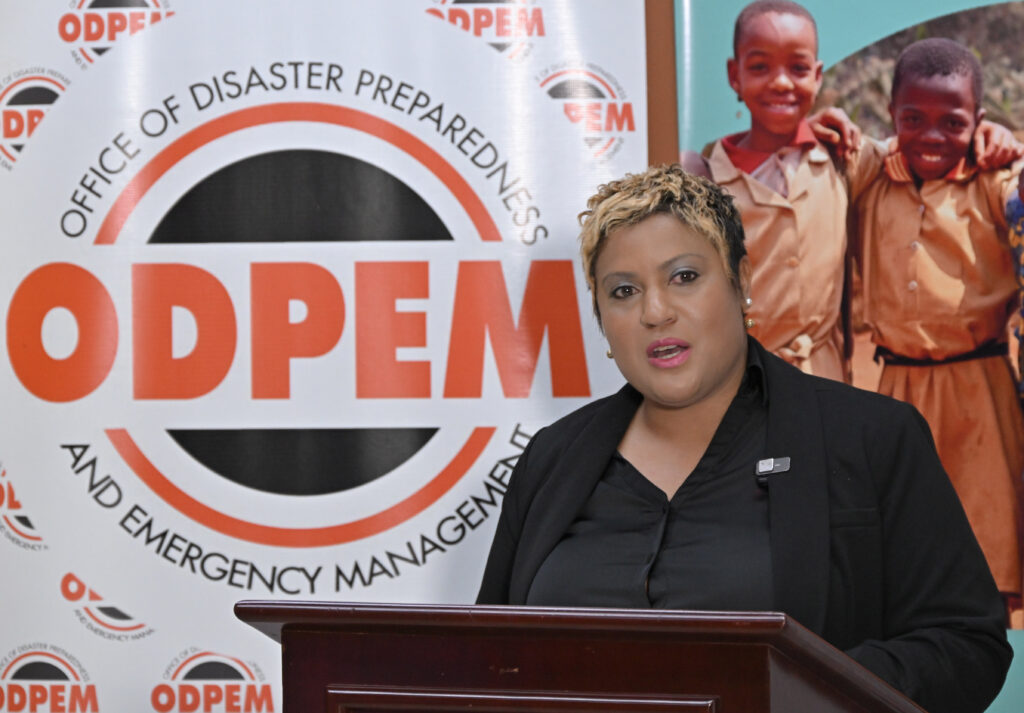
Gov’t intensifying support for pregnant and lactating women to safeguard mothers and newborns
The Jamaican Government is ramping up its initiatives to bolster maternal and child health, ensuring that pregnant and lactating women receive comprehensive care, essential supplies, and vital guidance for safe pregnancies and the healthy development of newborns. Krystal Lee, State Minister in the Ministry of Health and Wellness, announced these efforts during a handover ceremony for WaterStep Bleach Makers at the Office of Disaster Preparedness and Emergency Management (ODPEM) headquarters in New Kingston on Tuesday.
-
Cuba battles virus outbreak despite shortages of food, medicine
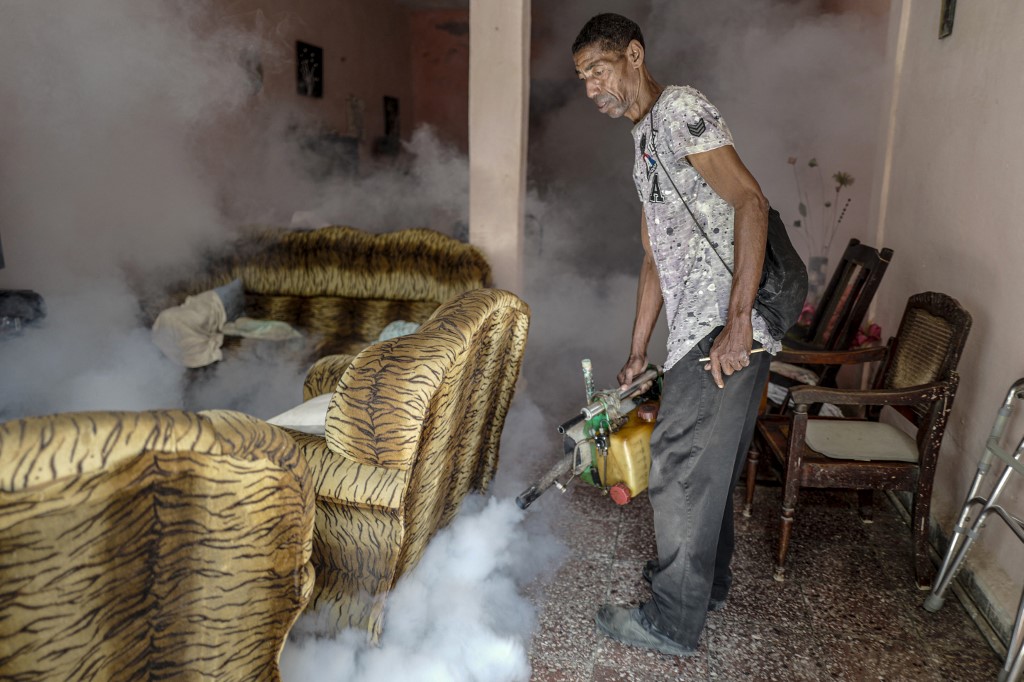
Cuba is currently grappling with a severe outbreak of the chikungunya virus, compounded by an unprecedented economic crisis that has led to shortages of essential resources such as clean water, food, fuel, and medicine. The viral disease, which causes debilitating fever and joint pain, has spread across all 15 provinces of the island nation, affecting millions of residents. Elderly citizens like 81-year-old Pilar Alcantara are particularly vulnerable, with many left to endure the illness without access to basic medical care. The situation is exacerbated by concurrent outbreaks of other mosquito-borne diseases, including dengue, Zika, Oropouche, and yellow fever. Francisco Duran, head of epidemiology at Cuba’s public health ministry, reported that over 47,000 cases of chikungunya were diagnosed in a single week, doubling the previous week’s figures. The economic crisis, worsened by U.S. sanctions and the collapse of the tourism sector during the COVID-19 pandemic, has crippled the country’s healthcare system and mosquito control programs. In Havana’s Jesus Maria neighborhood, garbage piles up on the streets due to fuel shortages, while the eastern regions, recently devastated by Hurricane Melissa, face even more dire conditions. Despite Cuba’s historical expertise in medical and pharmaceutical fields, the current outbreak has spiraled out of control due to poor hygiene, accumulated waste, and inadequate water storage practices. As of Thursday, 20 Cubans were reported to be in critical condition due to chikungunya.