分类: health

  • PAHO: Druggebruikstoornissen nemen sterk toe in de Amerika’s

    PAHO: Druggebruikstoornissen nemen sterk toe in de Amerika’s

    A groundbreaking study from the Pan American Health Organization (PAHO) reveals substance use disorders have emerged as one of the top ten mortality and disability risk factors across the Americas, directly impacting approximately 17.7 million individuals. Published in the Pan American Journal of Public Health, the comprehensive analysis demonstrates the region faces a public health emergency with drug-related mortality rates quadruple the global average.

    In 2021 alone, nearly 78,000 deaths were directly attributable to drug use disorders across the hemisphere. The research, utilizing data from the Global Burden of Disease 2021 study, identifies opioid use disorders as responsible for over 75% of these fatalities, with young males experiencing disproportionately severe impacts. Disability-Adjusted Life Years (DALYs) linked to substance abuse have nearly tripled since 2000, escalating at an alarming annual rate of approximately 5%.

    PAHO Director Jarbas Barbosa emphasized that while “drug use disorders are both preventable and treatable, they increasingly burden families and communities.” He urgently appealed for nations to implement evidence-based prevention strategies, treatment protocols, and harm reduction initiatives, particularly targeting youth and vulnerable populations.

    Regional variations in substance abuse patterns reveal distinct epidemiological profiles. North America confronts a severe crisis driven by synthetic opioids like fentanyl and rising amphetamine disorders, while Caribbean, Central and South American nations grapple primarily with cannabis and cocaine-related disorders. When considering indirect deaths including opioid overdoses, liver cancer, cirrhosis, and drug-related suicides, the total mortality figure reaches approximately 145,515 annually—placing drug use alongside hypertension, obesity, poor nutrition, and tobacco as leading health risk factors.

    The COVID-19 pandemic accelerated substance abuse trends through multiple pathways: heightened psychological stress, disrupted healthcare services, and prolonged social isolation creating ideal conditions for addiction development and relapse.

    PAHO’s recommendations advocate for an integrated public health approach including: enhanced youth-focused prevention programs, expanded access to medication-assisted treatment for opioid disorders, integration of addiction services into primary care and community health systems, improved surveillance mechanisms for synthetic opioids, and gender-responsive interventions addressing rising substance abuse among women.

    The organization highlights WHO-developed screening tools (AUDIT and ASSIST) as cost-effective instruments for early detection and intervention. Renato Oliveira E Souza, head of PAHO’s Mental Health and Substance Use Unit, concluded: “We must position mental health and addiction care as central components of our health systems. Community-based, person-centered services supported by robust public health leadership and evidence-informed national strategies can reverse this alarming trajectory and save thousands of lives across the Americas.”

  • Fond Assau Wellness Centre reopens after SMART rehabilitation works

    Fond Assau Wellness Centre reopens after SMART rehabilitation works

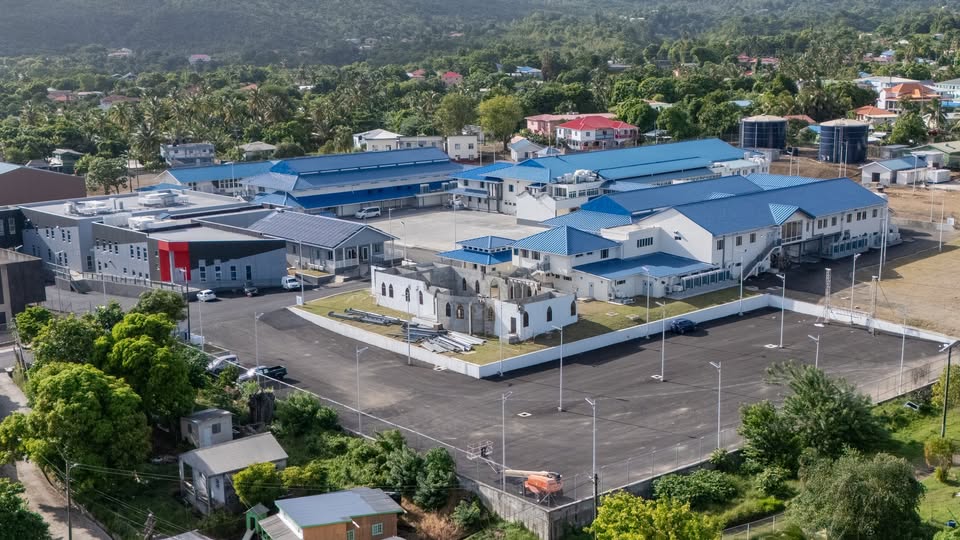
    The Ministry of Health, Wellness and Nutrition has officially reopened the Fond Assau Wellness Centre following a comprehensive SMART rehabilitation initiative under the OECS Regional Health Project. The facility now features significant upgrades designed to improve service delivery and patient comfort while enhancing emergency preparedness.

    Health Minister Moses Jn Baptiste led an inspection tour alongside Babonneau Parliamentary Representative John Paul Estephane, Permanent Secretary Jenny Daniel, and senior health officials. The delegation examined the newly implemented features that transform the center into a resilient healthcare facility capable of effectively managing public health emergencies and disaster scenarios.

    Permanent Secretary Daniel emphasized the critical importance of firsthand evaluation, stating: ‘Visiting the rehabilitated facility allows us to directly assess the improvements and recognize their substantial value in enhancing healthcare delivery for local residents.’

    The renovation represents a strategic investment in community health infrastructure, with the OECS Regional Health Project providing essential technical and financial support for the modernization initiative. The center will operate Monday through Friday from 8:00 a.m. to 4:30 p.m., serving the Fond Assau community with upgraded medical services.

    The Ministry reaffirmed its ongoing commitment to modernizing healthcare facilities across Saint Lucia, prioritizing infrastructure improvements that directly enhance patient experiences and service quality while building climate-resilient health systems aligned with regional development goals.

  • Drug Use Disorders Rising Across the Americas, PAHO Warns

    Drug Use Disorders Rising Across the Americas, PAHO Warns

    A comprehensive new report from the Pan American Health Organization (PAHO) reveals an escalating public health emergency across the Americas, with drug use disorders emerging as a critical threat to regional wellbeing. The study identifies these disorders among the top ten causes of mortality and disability throughout the hemisphere, signaling an urgent need for coordinated intervention.

    According to the 2021 data, approximately 17.7 million individuals throughout the Americas were living with substance use disorders, with nearly 78,000 fatalities directly attributed to these conditions. This staggering death rate exceeds global averages by approximately 400%, highlighting the disproportionate impact on the Western Hemisphere.

    The crisis is predominantly driven by opioid consumption, accounting for over three-quarters of all drug-related fatalities. Powerful synthetic opioids, particularly fentanyl, have contributed significantly to this alarming trend. While young adult males remain the most affected demographic, researchers note a concerning rise in mortality rates among women in recent years.

    Disability metrics paint an equally troubling picture. Disability-adjusted life years, which quantify years lost to premature death or impaired health, nearly tripled between 2000 and 2021, indicating substantially reduced quality of life for affected populations.

    Regional analysis reveals distinct patterns across the hemisphere. North America experiences rapid escalation of opioid and amphetamine use, exacerbated by the COVID-19 pandemic. Meanwhile, Caribbean, Central American, and South American nations contend primarily with cannabis and cocaine-related disorders.

    The broader impact extends beyond direct overdose deaths. PAHO estimates over 145,000 fatalities in 2021 were connected to drug use through associated causes including liver disease, cancer, and suicide. This places substance abuse alongside hypertension, obesity, poor nutrition, and tobacco as a premier public health risk factor.

    PAHO emphasizes that evidence-based interventions could prevent and treat these disorders, but notes critical shortages in service availability across many member states. The organization advocates for expanded youth prevention initiatives, improved access to treatment and harm reduction services, and integration of substance use care into primary healthcare systems.

    Enhanced surveillance mechanisms feature prominently among PAHO’s recommendations, particularly for tracking synthetic drugs and polydrug use patterns. The report also stresses the need for gender-responsive approaches as the crisis increasingly affects women.

    Public health experts warn that without immediate, coordinated action to strengthen mental health and addiction services, drug-related mortality and disability will continue their alarming upward trajectory across the Americas.

  • No Unusual Increase in Mosquito‑Borne Diseases, Public Health Surveillance Confirms

    No Unusual Increase in Mosquito‑Borne Diseases, Public Health Surveillance Confirms

    The Ministry of Health, Wellness, Environment and Civil Service Affairs in Antigua and Barbuda has issued a public advisory confirming the absence of unusual mosquito-borne disease outbreaks across the nation. Through comprehensive national surveillance systems, health authorities maintain constant monitoring of diseases including Dengue, Zika, Chikungunya, Yellow Fever, and Oropouche virus, with all indicators currently reflecting normal baseline levels.

    Epidemiological data reveals that Dengue Fever, historically the most prevalent mosquito-transmitted illness in the region, has returned to expected parameters following heightened activity in 2023. Surveillance confirms no documented Dengue cases thus far in 2026. Similarly, other arboviral diseases demonstrate minimal transmission, with Zika virus recording only two instances in 2025 and zero detections this year. No cases of Chikungunya, Yellow Fever, or Oropouche virus have been identified during the same monitoring period.

    Despite the stable epidemiological situation, health officials emphasize that disease prevention remains a shared communal responsibility. Vector control operations continue through systematic inspections, larval source reduction initiatives, and targeted intervention measures. These efforts are enhanced through coordinated waste management and environmental sanitation programs conducted in partnership with national agencies.

    The Ministry urges citizens to implement robust household protective measures including elimination of standing water sources, secure covering of water storage containers, and proper disposal of potential mosquito breeding materials. Public cooperation with vector control teams during routine inspections is strongly encouraged.

    Health authorities assure residents that surveillance mechanisms remain fully operational, with commitments to immediate official communication should disease activity patterns change. The Ministry extended gratitude to the public for their ongoing collaboration in safeguarding community health across Antigua and Barbuda.

  • Zorg voor kinderen die stotteren wordt versterkt

    Zorg voor kinderen die stotteren wordt versterkt

    A significant advancement in speech therapy services is unfolding across the Dutch Caribbean region as specialized training programs enhance care for children who stutter. Suriname currently hosts an intensive professional development course bringing together speech therapists from Suriname, Curaçao, and Aruba with the primary objective of improving support systems for young stutterers and their families.

    Fifteen speech therapists from Suriname are participating in the ‘Stuttering in Children’ certification program, while seven colleagues from Curaçao and Aruba are attending via virtual platforms. The training is conducted by certified stuttering therapists Irma Uijterlinde and Liesbeth Zoontjens, who traveled specifically to Suriname to deliver the specialized curriculum according to therapist Gracia Nelson.

    Zoontjens emphasized the critical need for expanded expertise, noting that only three specialized stuttering therapists currently serve the entire Dutch Caribbean population. ‘With improved knowledge and techniques, speech therapists can provide more targeted guidance to both children who stutter and their parents,’ she explained. Uijterlinde reinforced the importance of early intervention, stating: ‘The sooner a child receives appropriate help, the greater their chances of recovery and normal developmental progression.’

    Medical statistics indicate that approximately 1% of the general population experiences stuttering conditions. The phenomenon is more prevalent among young children, with about 8% of children under six years old undergoing a stuttering phase. Notably, one quarter of these children will develop persistent stuttering patterns without professional intervention. Timely therapeutic support can substantially reduce the long-term impact on communication abilities and social development.

    The comprehensive curriculum addresses multiple facets of stuttering management, including diagnostic procedures, parental guidance strategies, and collaborative approaches with educational institutions. The initial training days focus on therapeutic techniques for children under six years old, followed by specialized modules addressing the needs of children aged six to twelve years. A follow-up session is scheduled for March to reinforce learning outcomes and clinical applications.

    The professional development initiative commenced Monday at the Association of Medici building and will continue through January 17th, representing a concerted effort to address regional healthcare disparities in speech pathology services.

  • Important Update on Registration for Free Dental Services – Great Shape Inc. 1,000 Smiles

    Important Update on Registration for Free Dental Services – Great Shape Inc. 1,000 Smiles

    The Ministry of Health, Wellness, Environment and Civil Services has announced significant modifications to the registration protocol for the upcoming Great Shape Inc. – 1,000 Smiles Free Dental Initiative. This collaborative effort between the Ministry and the Sandals Foundation will implement revised procedures for its 2026 program.

    Pre-registration activities have been relocated exclusively to the Multipurpose Cultural and Exhibition Centre, occurring on Thursday, January 15th and Friday, January 16th, 2026. Registration hours are scheduled from 9:00 a.m. to 12:00 noon, resuming from 1:00 p.m. to 3:00 p.m. daily. This centralized approach replaces the previously announced registration at six public health clinics.

    Individuals who obtained registration forms from the clinics must return completed documents to their original collection points by 12:00 noon on January 16th, 2026. Forms submitted after this deadline will be deemed invalid for program consideration.

    Successful registrants will receive dental treatments on Monday, January 19th and Tuesday, January 20th, 2026. No new registrations will be processed on the initial treatment day. However, commencing Tuesday, January 20th, new registrations will be accepted at the Multipurpose Cultural and Exhibition Centre from 11:00 a.m. to 4:00 p.m., operating simultaneously with clinical services.

    The comprehensive dental program will provide essential services including dental fillings, root canal treatments, tooth extractions, and professional dental cleanings. The initiative will run weekdays from January 19th through January 30th, 2026, with operating hours from 8:00 a.m. to 4:00 p.m.

    The Ministry expresses gratitude for public cooperation and urges interested participants to adhere to these updated procedures to ensure access to these complimentary dental services.

  • Minister Baptiste puts nutrition at heart of government agenda

    Minister Baptiste puts nutrition at heart of government agenda

    In a significant move to reshape national health priorities, Saint Lucia’s Minister for Health and Wellness Moses Jn Baptiste has declared nutrition the central pillar of governmental policy. The minister’s directive emerged during a high-level strategic convening at Bay Gardens Hotel, where he instructed senior ministry officials, hospital executives, and regional partners to integrate nutritional considerations into all governmental operations.

    The ministerial gathering, designed to synchronize objectives for the 2026/2027 period, served as a platform for establishing cohesive understanding of the ministry’s mandate. Permanent Secretary Jenny Daniel characterized the meeting as providing crucial insights into the ministry’s accomplishments over the past quadrennium, current healthcare conditions in Saint Lucia, and policy formulations required for future strategic development.

    Minister Jn Baptiste emphasized the critical importance of interdepartmental collaboration, stating: “We intend to collaborate with all ministries and government departments to ensure nutritional excellence permeates every facet of our work.” The minister further elaborated on governmental objectives, revealing that campaign manifesto commitments would serve as the definitive blueprint for the health sector’s trajectory over the upcoming five-year period.

    Among the pressing challenges confronting the ministry remains the complex relocation of St Jude Hospital, identified as one of the most urgent logistical undertakings for the current administrative term. Minister Jn Baptiste expressed particular satisfaction with the substantive discussions that characterized the strategic session, indicating robust engagement from all participating stakeholders.

  • Study finds drug use disorders are a major and growing public health problem

    Study finds drug use disorders are a major and growing public health problem

    The Americas confront an escalating public health emergency as drug use disorders surge to become one of the region’s top ten mortality risk factors, according to groundbreaking research published in the Pan American Journal of Public Health. The comprehensive analysis reveals a crisis disproportionately devastating young male populations while increasingly affecting women across the hemisphere.

    Recent epidemiological data from the Global Burden of Disease Study 2021 indicates approximately 17.7 million individuals throughout the Americas currently live with substance use disorders. These conditions claimed nearly 78,000 lives in 2021 alone—a mortality rate astonishingly four times higher than worldwide averages. The research identifies opioid addiction as the primary driver, accounting for over 75% of all drug-related fatalities.

    The investigation uncovered alarming acceleration in disability-adjusted life years (DALYs) linked to substance misuse, which have nearly tripled since 2000. This represents an average annual increase of approximately 5%, with young adults—particularly males—bearing the heaviest burden. Meanwhile, rising mortality among women signals expanding demographic impacts requiring urgent attention.

    Regional patterns reveal stark contrasts in substance prevalence. North America experiences severe crises involving synthetic opioids like fentanyl alongside amphetamines, while Caribbean, Central American, and South American nations grapple primarily with cannabis and cocaine disorders. The COVID-19 pandemic exacerbated these trends through heightened stress, service disruptions, and social isolation that intensified existing vulnerabilities.

    PAHO Director Dr. Jarbas Barbosa emphasized the preventable nature of this crisis: “These disorders represent both preventable and treatable conditions, yet they increasingly devastate families and communities throughout our Region. Countries must rapidly expand evidence-based prevention, treatment, and harm reduction services—particularly for youth and high-risk populations.”

    The study estimates drug use contributed to 145,515 total deaths in 2021 through overdose, liver cancer, cirrhosis, and suicide. This places substance misuse alongside hypertension, obesity, dietary risks, and tobacco among the region’s most significant health threats.

    PAHO officials urge immediate implementation of integrated strategies including: enhanced youth prevention programs, expanded access to medication-assisted treatment, integration of substance services into primary healthcare, improved surveillance for emerging synthetic drugs, and gender-responsive approaches addressing rising female mortality.

    Dr. Renato Oliveira E Souza, head of PAHO’s Mental Health and Substance Use Unit, advocated for systemic reform: “We must position mental health and substance care at the core of our health systems. Community-based, people-centered services supported by robust public health leadership and epidemiologically-informed national strategies can reverse these trends and preserve thousands of lives across the Americas.”

  • Trinidad and Tobago Newsday – Thursday January 15th 2026

    Trinidad and Tobago Newsday – Thursday January 15th 2026

    The global dietary supplement market is undergoing significant transformation as regulatory bodies and health organizations intensify their examination of product safety and efficacy. This burgeoning industry, valued at over $150 billion worldwide, has experienced unprecedented growth driven by increasing consumer focus on wellness and preventive healthcare.

    Recent developments have highlighted critical challenges within the supplement sector, including quality control inconsistencies, misleading marketing claims, and potential interactions with prescription medications. Health authorities are now implementing stricter guidelines for supplement manufacturing, labeling requirements, and adverse event reporting systems to enhance consumer protection.

    The scientific community continues to debate the actual health benefits of various supplements, with some studies demonstrating positive outcomes while others show limited effectiveness. Medical professionals emphasize that supplements should complement rather than replace balanced nutrition and conventional medical treatments.

    Consumer education has become a priority, with health organizations developing resources to help individuals make informed decisions about supplement usage. The industry’s future will likely see increased transparency, improved quality standards, and more evidence-based approaches to product development and marketing.

  • More inmates, officers quarantined for chickenpox at MSP

    More inmates, officers quarantined for chickenpox at MSP

    A concerning varicella virus outbreak continues to spread through Trinidad and Tobago’s Maximum Security Prison in Arouca, with health authorities confirming five additional inmate infections and a sixth prison officer diagnosis. Acting Prisons Commissioner Carlos Corraspe disclosed that the facility has now managed approximately 80 cases over 65 days since the initial infection was detected on November 11th.

    The correctional institution currently maintains 40 infected inmates in specialized containment units, while 43 previously affected prisoners have completed treatment and returned to the general population. The outbreak has shown concerning growth patterns over the past fortnight, with 29 active inmate cases recorded as of January 10th.

    Prison authorities have implemented comprehensive containment protocols including medical screening by infirmary staff, hourly sanitization of communal areas, and dedicated isolation facilities where confirmed cases undergo 21-day quarantine periods. Inmates must receive medical clearance from the Prisons Medical Officer before reintegration into general population areas.

    As proactive prevention, the Prison Service initiated a voluntary vaccination drive on January 15th targeting approximately 2,500 officers across multiple facilities. Initial participation saw 75 officers inoculated by midday, with the program continuing through subsequent days. Commissioner Corraspe emphasized that officers with prior chickenpox infections or previous vaccinations don’t require additional immunization due to built immunity.

    The institution has distributed appropriate Personal Protective Equipment including approved masks and gloves to staff members. Health management strategies are being coordinated with the Prisons Medical Officer, Prison Health Services, Ministry of Health, and the County Medical Officer of Health for St. George to contain the viral spread.