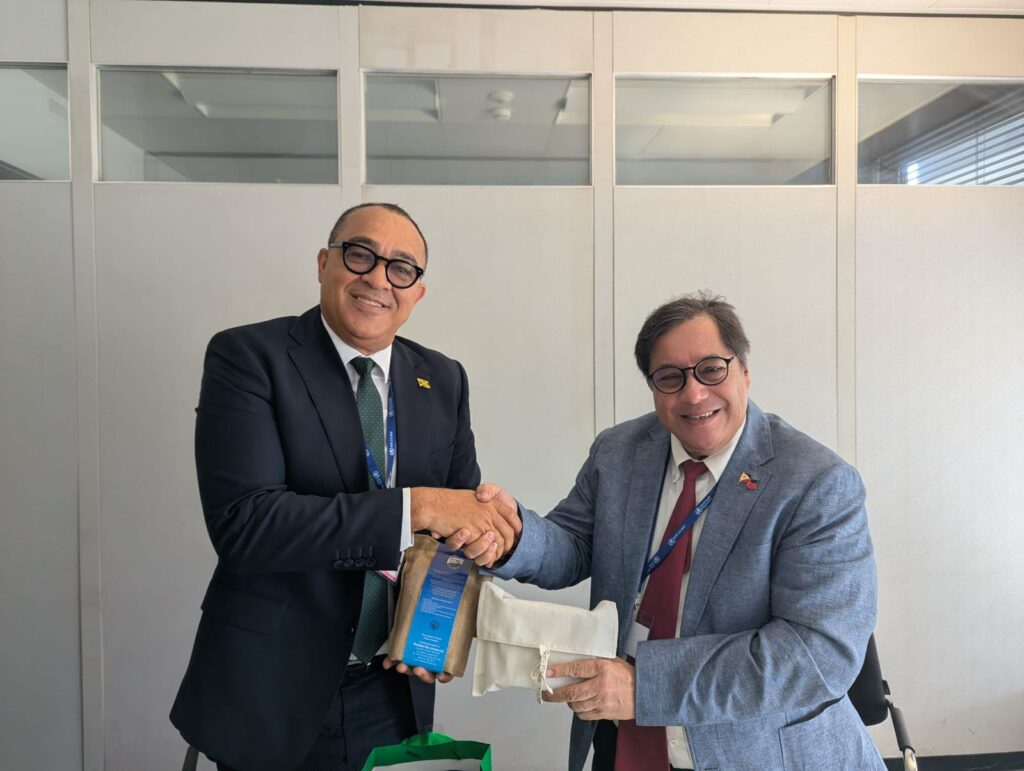
KINGSTON, Jamaica – As global health leaders gathered in Geneva for the 79th World Health Assembly (WHA), Jamaica’s Minister of Health and Wellness Dr Christopher Tufton leveraged the high-profile global forum to advance a pressing domestic priority: addressing crippling shortages of specialist nursing staff across the island’s public health system. On the sidelines of the assembly, Tufton held targeted bilateral negotiations and signed landmark memorandums of understanding (MOUs) with health ministers from Ghana, India, and the Philippines, laying out a multi-pronged framework to fill critical gaps and upskill local nursing workforces. Under the terms of these new agreements, imported specialist nurses will be recruited to fill urgent vacant posts across Jamaica, while Jamaican nursing professionals will also gain expanded access to remote specialized training from partner institutions. Outlining one key infrastructure investment tied to the deal, Tufton announced plans to launch a dedicated nursing simulation center in Jamaica, where local clinicians will complete hands-on training modules delivered remotely by international partners. This builds on ongoing diplomatic engagement: Tufton completed an official working visit to the Philippines last year to lay groundwork for the partnership, and a technical delegation from Manila is scheduled to travel to Jamaica in the coming month to finalize implementation details. Talks are also progressing with Apollo Hospitals, India’s largest private multi-specialty healthcare network, to facilitate recruitment of additional specialist clinical staff. A senior Apollo management team met with Jamaica’s health ministry earlier this month to advance negotiations, building on a 2002 joint communiqué between the two parties that has now moved to the active implementation stage for both nurse recruitment and local workforce training. In a May 12 sectoral budget address to Jamaica’s House of Representatives, Tufton detailed the severity of the country’s specialist nursing shortage, listing 12 high-need areas that require immediate staffing: critical and intensive care, oncology, paediatrics, accident and emergency, nephrology and renal dialysis, ophthalmology, neonatology, midwifery, psychiatry, burn care, and cardiothoracic care. The government is pursuing multiple parallel pathways to close the gap, beyond the new bilateral agreements with Ghana, India, and the Philippines. This year alone, 100 local Jamaican specialist nurses are on track to complete their required training and enter the workforce. More than 70 nurses have already completed interviews through a targeted diaspora recruitment drive, with successful candidates expected to begin assignments at public health facilities across the island over the coming quarter. Additionally, 48 nurses and doctors who received Barry Wint Memorial Scholarships will be deployed to understaffed public facilities once they complete their academic programs. To streamline all these international recruitment and training initiatives, Jamaica’s health ministry has launched a new dedicated International Recruitment Unit, which will act as the central coordinating body for all bilateral recruitment partnerships and diaspora hiring efforts. “This unit will focus on mitigating critical workforce shortages, particularly in specialised fields,” Tufton explained. “The unit will also assist in coordinating partnerships for training that involves cross border agreements.” Alongside workforce expansion, the ministry is also investing in local training infrastructure, upgrading in-house training facilities in partnership with the Kingston School of Nursing to expand both in-person and remote course offerings. Expanded hospital facilities across the island will also create additional clinical rotation spaces to support the training of new nursing staff. Parallel to Jamaica’s domestic workforce initiatives, WHA delegates took a major global public health action on Thursday, approving a landmark resolution formally recognizing steatotic liver disease (SLD) – a chronic condition previously known as non-alcoholic fatty liver disease – as a fast-growing contributor to the global noncommunicable disease (NCD) burden. The resolution notes that an estimated 1.7 billion people worldwide live with SLD, making it one of the fastest-increasing causes of chronic liver disease globally. SLD is closely linked to common metabolic conditions including obesity, type 2 diabetes, and cardiovascular disease, while alcohol-related liver damage remains a major secondary contributor to the overall global SLD burden. Without timely prevention and clinical intervention, SLD can progress to irreversible liver fibrosis, cirrhosis, and liver cancer, placing growing strain on health systems in both low- and high-income countries. The WHA resolution calls on all WHO member states to integrate SLD screening and management into national NCD control strategies, strengthen primary health care capacity to address the condition, improve population-level disease surveillance, and raise public awareness of SLD risk factors. It also urges governments to pursue cross-ministerial, multisectoral action to address shared NCD risk factors that drive SLD growth, including unhealthy diets, sedentary lifestyles, and harmful alcohol use. Finally, the resolution calls for expanded access to prevention, screening, diagnosis, and treatment services, with targeted outreach to high-risk populations including children and adolescents.
分类: health
-

Health officials to brief media on BA flight at LPIA
A developing public health incident is unfolding at Lynden Pindling International Airport in The Bahamas, where an inbound British Airways commercial flight has been detained over potential Ebola exposure risks. Health authorities are preparing to hold a formal press briefing on site Wednesday evening to share updated details on the situation, after reports emerged that two passengers on the flight had recently visited regions currently grappling with Ebola transmission.
Journalists have already assembled at the airport, waiting for official confirmation and further guidance from the Bahamian Ministry of Health and Wellness and other interagency response teams. As the investigation continues, the government of the neighboring Cayman Islands has released an official public statement addressing the incident, confirming they are aware of the widespread reports that the London-origin flight was being held in Bahamian territory over what has been described as a serious public health threat.
According to the Cayman Islands government statement, all passengers and crew aboard the detained aircraft are currently undergoing comprehensive health screening by Bahamian public health officials. Critically, the statement confirmed that multiple Cayman Islands residents are among the passengers, including Rolston Anglin—who holds two senior cabinet positions as Minister for Finance and Economic Development and Minister for Education and Training.
Cayman public health officials have moved quickly to reassure the local population, emphasizing that there is no immediate public health risk to the Cayman Islands at this stage of the response. They have urged residents to avoid unsubstantiated rumor and unnecessary speculation, noting that cross-border authorities are actively monitoring the situation minute-by-minute as screening and testing procedures are completed.
-

Free Eyeglasses Shipment Arriving Under Prime Minister’s Vision Initiative
In a major push to eliminate preventable and correctable vision impairment across the twin-island nation, a delivery of donated free eyeglasses is on track to reach Antigua and Barbuda in the coming days. This shipment forms a core component of the Prime Minister’s Vision Initiative, an ongoing public health program rolled out by the national government to expand accessible eye care for all residents.
Maurice Merchant, the country’s Director General of Communications, shared the latest update during a post-Cabinet media briefing held Thursday. He confirmed that the national initiative is implemented in close collaboration with two global non-profits focused on vision health: Restoring Vision and Vision Spring. This cross-sector partnership is part of a broader expansion of eye care services led by Antigua and Barbuda’s Ministry of Health, which has brought on board both regional and international stakeholders to scale impact.
The announcement of the incoming shipment followed a formal progress presentation to Cabinet by Health Minister Michael Joseph. During the presentation, Joseph also highlighted parallel work underway by a visiting specialist team from the Trinidad Eye Hospital, which is currently providing advanced ophthalmological services across Antigua and Barbuda. According to Merchant, this visiting surgical mission is projected to complete more than 400 life-changing eye procedures this year for local patients living with a range of vision-impairing conditions.
A key long-term goal of the Prime Minister’s Vision Initiative is to build a network of community-focused “blind-free zone” centers across Antigua and Barbuda. These local hubs will bring vision screening and corrective care directly to community members, eliminating barriers to access for rural and underserved populations. Beyond community-based care, the program has also extended its reach into the national education system, with plans to conduct comprehensive vision screenings for 10,000 students total: 6,000 primary school pupils and 4,000 secondary school students.
Merchant emphasized that the government prioritizes early vision screening and intervention as a critical public health and education investment. Timely diagnosis and corrective care do not only improve long-term vision outcomes for young people – they also directly support stronger educational performance, ensuring that students with treatable vision issues can fully participate in learning and reach their academic potential.
-
Psychische aandoeningen nemen wereldwijd toe, ook in Suriname
New data emerging ahead of the World Health Organization’s 79th World Health Assembly in Geneva has put a stark spotlight on the escalating global mental health crisis, with Suriname standing out as one of the hardest-hit nations worldwide. As of 2021, the South American country recorded a suicide rate of 22.3 deaths per 100,000 residents, placing it 7th on the global list of highest suicide rates. That year alone, 148 suicides were officially registered, accounting for nearly 4% of all deaths in the country. For Suriname’s population aged 15 to 39, suicide is the second leading cause of death, a trend that mirrors alarming patterns across the broader Caribbean region. Neighboring Guyana leads the region with an even higher rate of 26.4 suicides per 100,000 people.
-

Antigua and Barbuda Marks World Hypertension Day With Call for Early Detection and Better Blood Pressure Control
The twin-island nation of Antigua and Barbuda has officially joined the global observation of World Hypertension Day, with public health leaders and medical professionals across the country issuing a urgent collective call to prioritize early screening and sustained, effective control of high blood pressure.
This annual awareness event, which centers on addressing one of the most prevalent preventable chronic conditions globally, has brought renewed attention to the silent public health threat that hypertension poses in Antigua and Barbuda. Local health authorities point out that high blood pressure often shows no obvious visible symptoms in its early stages, yet it is a leading risk factor for life-threatening conditions including stroke, heart attack, kidney failure and long-term cardiovascular damage that disproportionately impacts working-age and older populations across the Caribbean.
During a series of community outreach and education events held to mark the day, public health teams hosted free blood pressure testing clinics in neighborhood centers, rural clinics and public marketplaces across both Antigua and Barbuda. These events were designed to remove barriers to access for residents who may not regularly seek preventive care, providing not only free screenings but also tailored guidance on lifestyle adjustments, including balanced diet, regular physical activity, reduced sodium intake and stress management, that can help prevent or manage elevated blood pressure. Health officials also emphasized that for people already diagnosed with hypertension, consistent adherence to prescribed medication and regular check-ups with healthcare providers is critical to keeping the condition under control and avoiding severe complications.
In official statements marking the day, Antigua and Barbuda’s Ministry of Health highlighted that expanding access to routine blood pressure screenings across primary care facilities is a key part of the government’s ongoing public health strategy, aimed at reducing national rates of preventable cardiovascular disease and improving overall population health outcomes. The ministry also noted that community awareness initiatives like the events held for World Hypertension Day play a vital role in encouraging residents to take proactive steps to monitor their blood pressure, address risk factors early, and engage with the healthcare system before the condition progresses to a dangerous stage. Public health advocates added that tackling hypertension requires a whole-society approach, with workplaces, community organizations and families all playing a part in promoting healthy habits and encouraging regular check-ups to keep the condition in check.
-
Ebola remains a concern in Central Africa, as WHO declares international health emergency
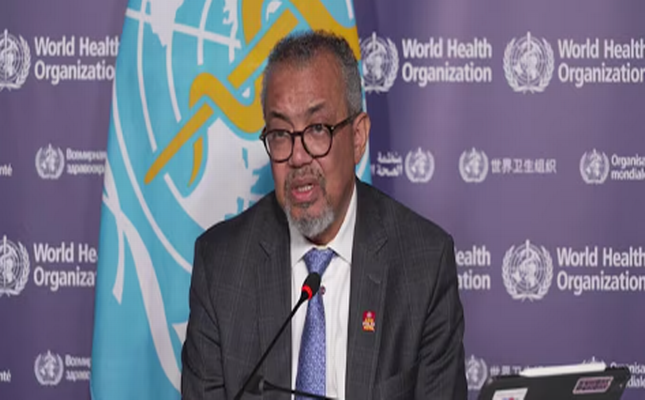
In an unprecedented, urgent move announced Wednesday, World Health Organization Director-General Dr. Tedros Adhanom Ghebreyesus has formally designated the growing Ebola outbreak across the Democratic Republic of Congo (DRC) and Uganda as a Public Health Emergency of International Concern (PHEIC), marking the first time a WHO chief has issued this highest global alert before convening the organization’s formal Emergency Committee under international health rules.
The declaration comes as confirmed infections, deaths, and geographic spread of the virus accelerate, with the pathogen now reaching densely populated urban centers across the two Central African nations. Speaking at a press briefing, Dr. Tedros explained the early declaration followed direct consultations with the DRC and Ugandan health ministers, and was driven by the critical need for immediate coordinated international intervention to curb the outbreak’s expansion. Officials were quick to clarify that the outbreak has not been upgraded to a pandemic emergency, the top tier of alert under the International Health Regulations (IHR), a position the WHO Emergency Committee affirmed after convening following the formal declaration.
As of the latest update from global health authorities, 51 confirmed Ebola cases have been documented in the DRC, concentrated primarily in the conflict-stricken northern provinces of Ituri and North Kivu, including the major urban hubs of Bunia and Goma. WHO analysts warn that the actual caseload is almost certainly far higher than official counts, as the virus is believed to have been circulating undetected for weeks before the outbreak was identified. Uganda has also reported two confirmed cases, both linked to travel from the DRC, in its capital city Kampala, including one fatality. Most recently, an American citizen working in the DRC tested positive for the virus and was evacuated to Germany for specialized medical care.
Beyond confirmed infections, nearly 600 additional suspected cases and 139 suspected deaths are currently under investigation, numbers that health officials expect to rise in the coming weeks. Multiple risk factors have deepened global concern over the outbreak. Unlike previous Ebola events, this outbreak is driven by the Bundibugyo Ebola strain, for which no widely approved vaccines or targeted treatments currently exist, leaving frontline healthcare workers with limited tools to combat the disease.
The outbreak has already spread beyond isolated rural areas to multiple urban centers, creating conditions for far faster person-to-person transmission. Compounding this risk, ongoing transmission has been documented within healthcare facilities, resulting in infections and deaths among frontline medical staff, a dangerous sign that safety protocols in local health settings are currently insufficient to stop spread.
Regional instability and population movement have further amplified transmission risks. Ituri province, the epicenter of the outbreak, has seen a sharp escalation of armed conflict since late 2025, with fighting over the past two months displacing more than 100,000 people. The region is also a major commercial mining hub, leading to constant cross-border and cross-regional movement of workers and residents that health experts say can quickly carry the virus to new areas.
Currently, WHO assesses the outbreak’s risk as high at both the national and regional levels, while rating the overall global risk as low. Dr. Tedros emphasized that the confluence of dangerous risk factors left no room for delay, noting that immediate coordinated international action is required to prevent unnecessary loss of life and scale up an effective global response to the unfolding crisis.
-

Government Pushes Ahead with HPV Vaccine Despite Church’s Opposition
A heated public health debate is unfolding in Belize, where the national Cabinet has maintained its unwavering commitment to expanding a free nationwide school-based HPV vaccination program, despite growing opposition from the country’s Catholic Diocesan Schools network. The controversial policy emerged as a top priority during this week’s Cabinet meeting, where senior officials reaffirmed the initiative’s life-saving public health purpose.
HPV, or human papillomavirus, infection is the leading cause of cervical cancer, a persistent and pressing public health challenge in Belize that continues to claim lives across the country. Government health officials frame the vaccination program as a proactive, evidence-based intervention to cut rates of HPV-related cancers and diseases for generations to come.
In comments to reporters following the closed-door meeting, Prime Minister John Briceño publicly backed the program, pushing past concerns raised by religious opponents. Opening with a lighthearted quip to defuse tension, Briceño quickly turned to the serious core of the issue, stating: “On a serious note, again we brought it up in Cabinet and we are seriously concerned. But, we are supporting our young women, our young girls and women to have access to this vaccine. It is protecting them against cervical cancer, so we support that.”
Currently implemented under the oversight of Belize’s Ministry of Health and Wellness, the program provides free HPV doses to eligible children at public schools and community health centers across the country. The initiative specifically targets young people between the ages of 10 and 14, an age range public health experts identify as optimal for the vaccine, as it provides protection before individuals become sexually active and exposed to HPV.
The pushback from Catholic Diocesan Schools has injected new urgency into the national conversation, turning what was a routine public health rollout into a high-profile national debate. Even as religious institutions raise objections, government leaders have emphasized that protecting the long-term health of Belize’s youth remains their top priority, with no plans to pause or reverse the program’s expansion.
-
Fonseca Recovering Well After Heart Surgery, PM Reassures Nation
Two weeks following a successful triple bypass heart procedure, Belize’s Foreign Affairs Minister Francis Fonseca is experiencing steady, encouraging recovery, according to Prime Minister John Briceño, who shared the latest public health update on the senior cabinet member Thursday evening. The operation was carried out at Belize’s leading Karl Heusner Memorial Hospital, where Fonseca has remained since the procedure to monitor his progress.
Prime Minister Briceño, who has maintained consistent communication with Fonseca throughout his post-operative care, told reporters that the minister’s recovery is unfolding exactly as medical teams projected. In a lighthearted anecdote shared during the press briefing, Briceño noted that he visited Fonseca just days after the surgery earlier that week, and found the minister calm and relaxed. “I went to see him Friday after the surgery and he looks quite relaxed. I was kind of joking with him that some of us they should be able to put us to sleep for three days and we could relax a little bit,” Briceño said.
When pressed by reporters for a timeline on when the foreign minister would resume his official government duties, Briceño emphasized that Fonseca’s full recovery takes priority over any immediate work demands. “Well, we don’t know yet. What I am telling him, his health comes first. Once he feels he is well enough to come back to work, because we certainly need help,” the prime minister added, noting he plans to check in on Fonseca with another visit in the coming days.
This public update comes as part of standard transparency for senior government officials, addressing public curiosity about the health of one of Belize’s top cabinet leaders. This article is adapted from a televised evening newscast transcript.
-
Heart & Stroke Foundation hosts Wellness Fair
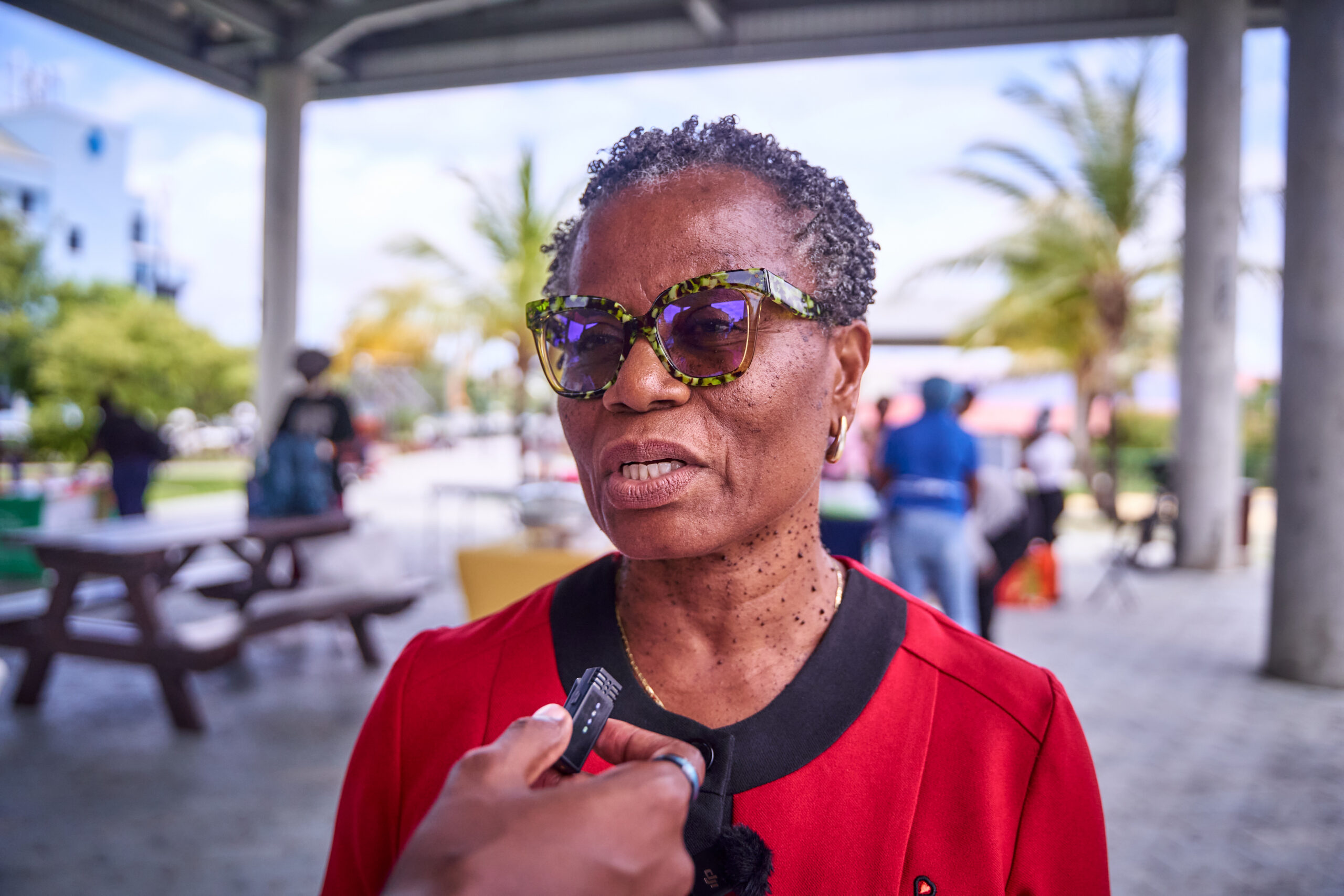
Against a backdrop of persistently high rates of noncommunicable diseases (NCDs) across Barbados, a leading local health organization is stepping up efforts to empower residents to take ownership of their personal wellness, urging regular self-monitoring of key vital health indicators. The call to action came from Greta Yearwood, chief executive officer of the Heart & Stroke Foundation of Barbados Inc, during a public Health and Wellness Fair held Wednesday at Bridgetown’s iconic Golden Square Freedom Park. The community event was organized as a key companion activity to World Hypertension Day, which was observed globally the previous Sunday. In comments to reporters on the sidelines of the gathering, Yearwood outlined that the foundation had partnered with a range of local health vendors and major pharmaceutical companies to host the fair, with a dual mission of boosting public understanding of hypertension and promoting long-term healthy lifestyle habits across the island nation. One of the core priorities of the outreach event, Yearwood emphasized, is to close the persistent knowledge gap around personal health metrics, a gap that experts warn contributes to Barbados’ ongoing NCD crisis. Many residents remain unaware of their key health readings – numbers that can act as early warning signs for life-threatening cardiovascular and metabolic conditions, the CEO explained. “Our core goal right now is meeting people where they are, building awareness and helping every Barbadian understand their personal health numbers, especially when it comes to hypertension,” Yearwood told media. A startling share of the local population still cannot name their blood pressure reading, she noted, and many also lack up-to-date information about their blood sugar and cholesterol levels – three key markers that predict risk for heart disease, stroke and diabetes, the leading causes of death in Barbados. Even after years of sustained public education campaigns targeting preventive health, Yearwood acknowledged that uptake of free and low-cost screening opportunities remains far lower than public health officials would like. “Even though we consistently spread this message, I still find that too many people are not taking the opportunity to get screened whenever the chance is available,” she said, doubling down on her urgent plea: “All of us need to take our health numbers seriously.” Beyond routine screening, Yearwood also highlighted the critical role of dietary changes in cutting NCD risk, calling on residents to prioritize healthier eating habits by cutting back on processed salt and added sugar in daily diets. The CEO also shared positive progress around the foundation’s work to support the government’s national School Nutrition Policy, a framework introduced to instill healthy habits in children and adolescents from a young age. Yearwood reported that buy-in from food and beverage vendors operating in and around schools has continued to grow steadily, even as the policy rolls out gradually across the country. “We’ve been educating vendors on the importance of this policy, and more and more are coming on board every month,” she explained. “Of course, not every organization moves at the same pace, but we are steadily seeing more partners commit to doing the right thing. Vendors are increasingly understanding the serious public health risks tied to promoting unhealthy food and drink products to young people, and they are stepping up to align with the policy’s goals.” The foundation’s outreach comes as Barbados, like many small island developing states, continues to grapple with a growing NCD burden that strains public health systems and reduces life expectancy for residents. Public health officials have identified preventive community outreach and individual health empowerment as core strategies to reverse current trends.
-
Delta flight returns to Santiago after midair medical emergency affects passengers
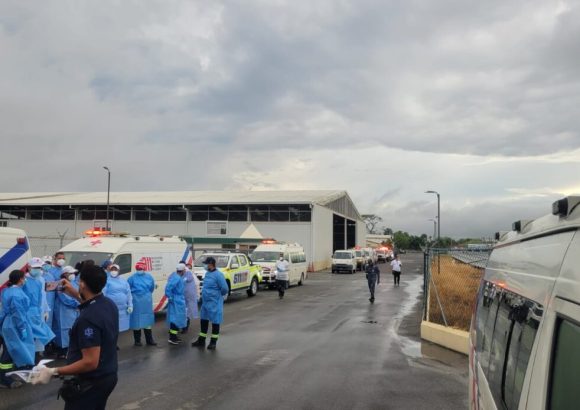
A routine commercial flight from Santiago, Dominican Republic to New York City took an unexpected turn Wednesday afternoon when a sudden outbreak of passenger illness forced the aircraft to make an emergency return to its origin airport. Delta Air Lines Flight 1822, an Airbus A321 carrying 192 passengers bound for New York’s John F. Kennedy International Airport, departed Cibao International Airport at 2:45 p.m. local time. Minutes into the journey, the cabin environment took a worrying turn: multiple passengers reported a strange, unidentifiable odor permeating the aircraft, before dozens of people began experiencing sudden adverse health reactions, including simultaneous vomiting.
By approximately 5:15 p.m., flight crew made the critical decision to declare an in-flight emergency and divert back to Santiago as a precautionary measure, prioritizing the safety of all people on board. Airport emergency protocols were activated immediately following the alert, and the jetliner touched down safely at Cibao International at 5:41 p.m., with no catastrophic events occurring during the landing. The incident had already sparked widespread panic and anxiety among passengers and crew mid-flight, so local medical teams were standing by to deliver on-site care as soon as the plane cleared the runway.
The Dominican Republic’s Ministry of Public Health confirmed that coordinated emergency response efforts were launched immediately after the aircraft landed. The response operation was led by the country’s Emergency Operations Center and the Ministry of Health’s Vice Ministry of Risk Management, with on-the-ground support from the Santiago III Provincial Health Directorate, National Health Service, Directorate of Out-of-Hospital Emergency Care, and multiple other local and national agencies.
Per official health updates, 12 passengers who developed acute respiratory symptoms were transferred to local hospitals for mandatory medical evaluation. The majority of affected passengers on board received treatment for anxiety, panic attacks, and mild breathing difficulties at the airport, and were discharged shortly after evaluation. As of the latest update, four people remain in local health facilities for ongoing medical observation, and all four are currently in stable condition.
Authorities have moved quickly to reassure the public, stating that no evidence has yet been found to indicate this incident poses a broader public health risk to the Dominican Republic or the aviation community. Formal investigations and multi-agency technical evaluations are currently ongoing to pinpoint the source of the mysterious odor and the root cause of the reported medical symptoms.
In the wake of the diversion, Delta Air Lines has activated its passenger support protocols, and has begun rebooking all affected passengers on alternate flights to New York to minimize travel disruption. The involved Airbus A321 will remain grounded in Santiago until full safety inspections are completed by the airline’s specialized maintenance team.