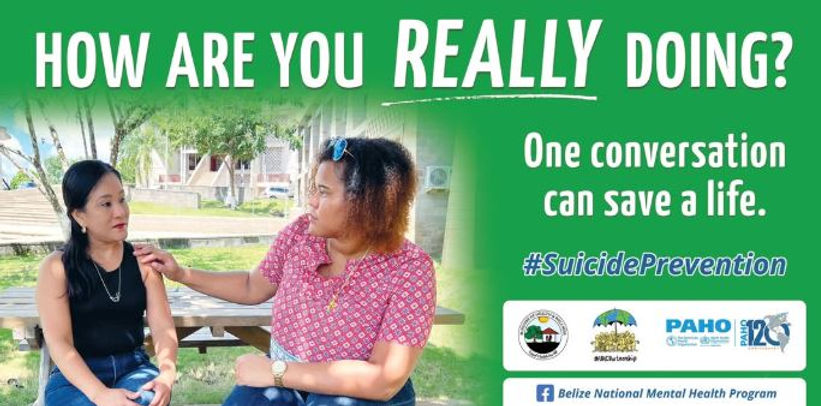
Across the Americas, suicide among adolescents and young adults is climbing at an alarming rate that has sent public health leaders sounding the alarm over systemic gaps in mental health access and prevention. New collaborative research from the Pan American Health Organization (PAHO), published in *The Lancet Regional Health – Americas*, delivers a stark statistical portrait of the crisis: in 2021 alone, more than 18,000 young people between the ages of 10 and 24 died by suicide in the region. Over the 21-year study period from 2000 to 2021, youth suicide rates jumped 38%, cementing suicide as the third leading cause of death for this age group across the hemisphere. What makes this trend particularly worrying for health experts is that the rate of increase among young people is outpacing growth in suicide rates among the general population. While men and young males still account for 75% of all youth suicide deaths, the rate of increase among girls and young women has accelerated far faster than their male counterparts. Most striking of all, the most dramatic surge in suicide deaths has occurred among children just 10 to 14 years old, a demographic that was rarely centered in mental health conversations decades ago. PAHO Director Jarbas Barbosa framed the study’s findings as a critical wake-up call for governments and public health systems across the region. “This steady increase among children and young people leaves no room for delay,” Barbosa emphasized, noting that the crisis exposes an urgent need to build robust prevention infrastructure and deliver early, targeted support to at-risk youth before crisis hits. Researchers have pinpointed a set of interconnected driving forces behind the rising trend. Modern pressures have pushed the onset of common mental health conditions including depression and anxiety to younger ages, while growing rates of substance abuse, pervasive cyberbullying, overwhelming social achievement pressure, and prolonged exposure to toxic, harmful online environments have compounded risks for young people. Easy access to lethal means of self-harm also stands out as a major modifiable risk factor that public health systems have yet to fully address. Crucially, public health officials stress that nearly all of these risk factors can be mitigated or treated if caught early. The report lays out a clear set of actionable recommendations, including expanding school-based mental health literacy and support programs, scaling up low-barrier emotional counseling services, implementing universal early mental health screening for youth, and strengthening community-led intervention networks to reach at-risk young people who may fall through the cracks of formal care. The analysis drew on mortality data from 35 countries compiled by the World Health Organization, tracking the rise from a regional rate of 5.7 deaths per 100,000 young people in 2000 to 7.84 per 100,000 in 2021. Disparities across the region are also stark, with North America and several parts of South America recording some of the highest youth suicide mortality rates. The crisis is not limited to larger nations: it has hit small countries like Belize particularly hard, where local mental health experts have documented deeply troubling upward trends among local adolescents. UNICEF Belize data shows that annual attempted suicide rates among 15 to 19-year-olds rose 39% each year between 2014 and 2016, and by 2017, the rate had nearly tripled compared to the start of the decade. This age group now has the highest rate of suicide attempts in the entire country. Alongside the regional risk factors, UNICEF has identified widespread community violence, chronic exposure to trauma, and limited access to substance abuse support as key stressors affecting Belizean youth. Systemic barriers remain a major hurdle: mental health services are severely underfunded and geographically limited across much of the country, leaving most young people unable to access affordable, confidential support when they need it most. Even more recent data tracking Belizean trends from 2019 to 2023 confirms that suicide and non-fatal suicide attempts have grown into one of the country’s most pressing unaddressed public health challenges. In response to this hemisphere-wide crisis, PAHO has launched a new Regional Suicide Prevention Initiative set to roll out in 2025. The initiative is designed to support member states in strengthening national suicide prevention strategies, expanding access to affordable youth-focused mental health care, and reducing the persistent social stigma that prevents many young people from seeking help before it is too late. Health leaders across the region stress that suicide is preventable, and reversing the current upward trend will require coordinated, cross-sector collaboration between national governments, school systems, local communities, and family units. For anyone experiencing suicidal thoughts or emotional distress, or anyone who is worried about a loved one, public health officials emphasize that reaching out to a trusted friend, family member, qualified health professional, or local mental health service can be life-saving.
分类: health
-

CARPHA Says Ebola Risk to Caribbean Low
Three days after the World Health Organization (WHO) categorized the ongoing Ebola outbreak in the Democratic Republic of the Congo and Uganda as a Public Health Emergency of International Concern (PHEIC) on May 16, 2026, the Caribbean Public Health Agency (CARPHA) released a regional risk assessment from its Port of Spain headquarters, confirming that the threat of Ebola reaching Caribbean nations remains low while mandating heightened preparedness across all member states.
The current outbreak is driven by the Bundibugyo Ebola strain, a variant that, while carrying a historically lower fatality rate than better-known Ebola strains, still causes severe, life-threatening illness in affected patients. Critically, no licensed vaccines or targeted treatments currently exist for this specific strain. Public health experts clarify that transmission only occurs through close, direct physical contact with bodily fluids from a symptomatic infected individual, or contact with materials contaminated by the virus. Symptoms develop between 2 and 21 days after exposure, and present as fever, intense headache, muscle ache, extreme fatigue, sore throat, vomiting, diarrhea, abdominal pain, and in some instances, unexplained bleeding or bruising. Individuals only become contagious after symptoms begin to manifest.
CARPHA Executive Director Dr. Lisa Indar noted that the region’s central role as a major global travel hub creates the primary pathway for potential virus introduction: an infected traveler entering a Caribbean country. To mitigate this risk, CARPHA has implemented a multi-layered, proactive monitoring framework designed to deliver early warning of emerging threats, while supporting individual member states in strengthening their capacity for rapid detection, verification, and response to potential cases.
To track the evolving outbreak, CARPHA leverages a suite of integrated regional surveillance tools, including the Tourism and Health Information System, the Caribbean Vessel Surveillance System, national syndromic monitoring via the District Health Information System, and social listening analytics through the Talkwalker platform. In a pre-emptive move on May 18, CARPHA partnered with the Caribbean Community Implementation Agency for Crime and Security to reactivate an advanced electronic border screening system. This tool is tailored to flag and review travel histories of passengers arriving from or transiting through the affected African regions, all without creating unnecessary disruptions to daily travel and commercial trade across the Caribbean.
-

Ariza Credit Union promotes staff wellness
As part of global observances for Hypertension Awareness Month, Grenada-based Ariza Credit Union has partnered with the country’s Ministry of Health to roll out community-focused health clinics across all its branch locations, marking the centerpiece of the organization’s annual Know Your Numbers Week held from May 11 to 15, 2026. The flagship screening event was held on Friday, May 15, bringing free preventive health services directly to credit union staff and member-owners. Dedicated nursing stations were set up at three of the union’s highest-traffic locations: the Grand Anse, Bruce Street, and Carriacou branches, where attendees could access three core preventive tests at no cost: blood pressure monitoring for hypertension, body mass index (BMI) assessments to flag weight-related health risks, and diabetes screenings.
Organized through Ariza Credit Union’s Human Resources Unit, the large-scale screening initiative forms a core part of the financial institution’s ongoing, holistic workplace health and wellness strategy, which has been expanded in recent years to address both physical and mental wellbeing for all team members. Keriann St Louis-Telesford, Executive of Human Resources at Ariza, emphasized that the organization’s commitment to worker health extends far beyond basic employment benefits. “We care about our staff in a holistic way. Their well-being is our priority, which is why we made the testing available to them,” she explained.
Beyond the one-week screening event, Ariza Credit Union maintains a year-round roster of wellness programming designed to support long-term healthy habits for its workforce. Three times weekly, the organization hosts guided after-work dancercise and general exercise sessions on its premises, led by certified, well-regarded local fitness professionals. To address growing awareness of workplace mental health needs, the institution also runs a unique monthly Mental Health Day initiative, which requires all staff to step away from their daily tasks for 30 minutes to participate in guided relaxation and restorative activities.
Leadership at Ariza Credit Union holds that investing in a comprehensive workplace wellness culture delivers dual benefits: it supports longer, healthier lives for employees, while also cultivating a more productive, collaborative and supportive work environment for the entire organization. To wrap up Know Your Numbers Week, the institution issued a public call to action, encouraging all its staff, members, and members of the wider Grenadian community to take proactive control of their cardiovascular and overall health. The guidance urged consistent adoption of healthy lifestyle habits, regular at-home and clinical blood pressure monitoring, and ongoing participation in free and low-cost preventive health checks to catch chronic conditions early when they are most treatable.
This report was featured in NOW Grenada, which notes it holds no responsibility for opinions, statements, or media content shared by contributing organizations, and provides a channel for the public to report any abusive content hosted on its platform.
-
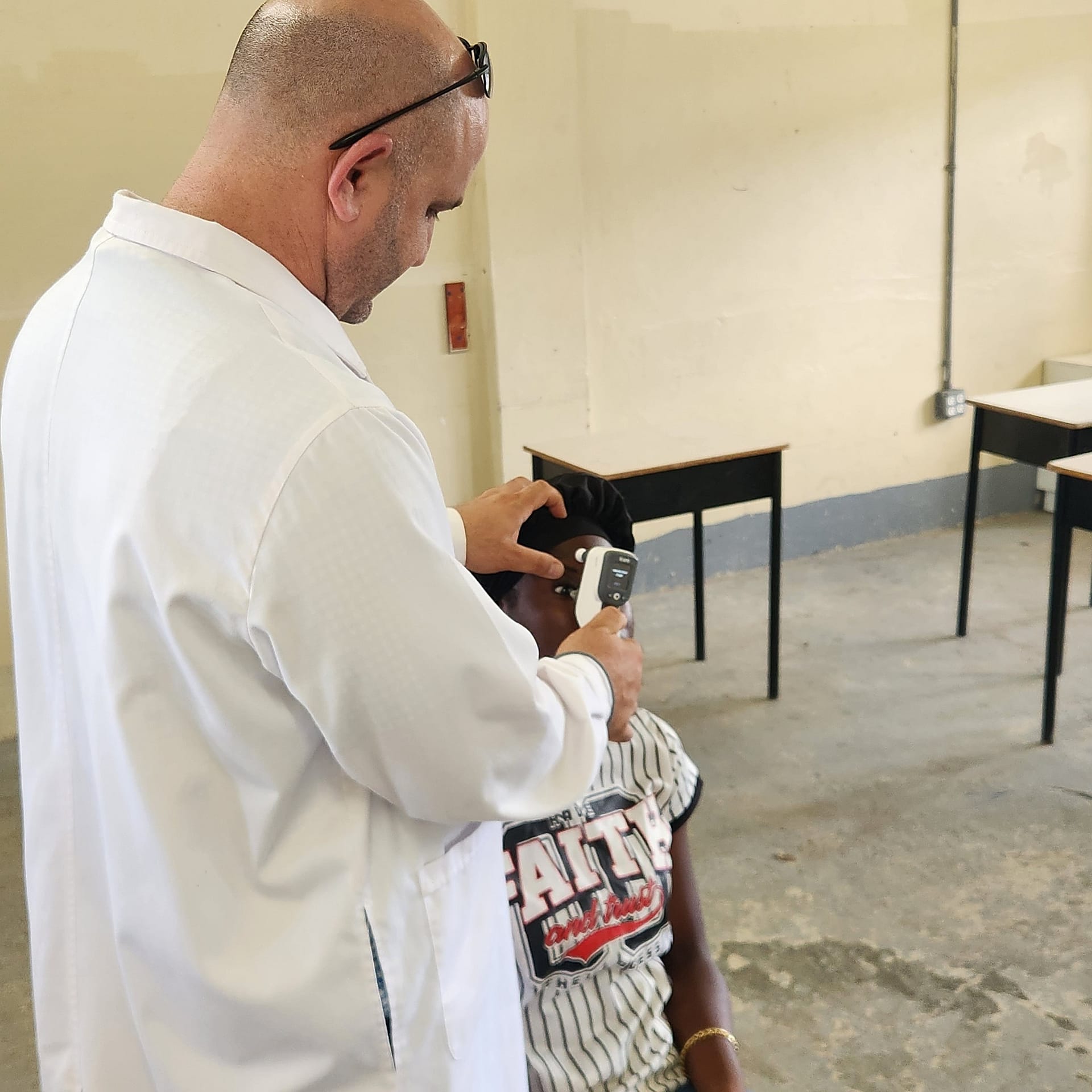
Antigua to Screen 10,000 Students Under Expanded Eye Care Programme
Antigua and Barbuda is rolling out a major expansion of its national eye care initiative this year, bringing accessible vision services to thousands of residents across the country. The multi-faceted program combines free surgical interventions for adults and widespread vision screenings for school-aged students, addressing unmet eye health needs through a network of regional and international collaborations.
Details of the scaled-up effort were shared publicly by Director General of Communications Maurice Merchant during an official post-Cabinet media briefing held on Thursday. Merchant told reporters that Cabinet recently received a detailed update from Health Minister Michael Joseph, who outlined how new and existing partnerships with regional health institutions and global non-profits are enabling the expansion of local ophthalmological services.
At the heart of the surgical component of the program is a long-standing collaborative partnership between Antigua and Barbuda’s Sir Lester Bird Medical Centre, the local Medical Benefits Scheme, and the Trinidad Eye Hospital. Merchant confirmed that a team of specialized ophthalmic doctors from the Trinidad-based institution is already on the ground in Antigua and Barbuda, performing procedures and delivering a range of essential eye care services to local patients. This year’s medical mission is projected to complete more than 400 free eye surgeries for people living with a wide array of vision-impairing conditions, many of whom would otherwise face barriers to accessing costly specialized care.
In a new addition to the national program, organizers have added a nationwide school-based vision screening campaign designed to catch undiagnosed vision problems in young people at the earliest possible stage. In total, 10,000 students across Antigua will receive comprehensive eye exams: 6,000 enrolled in primary schools and an additional 4,000 attending secondary schools. Early detection of visual impairments is a critical public health goal, as untreated vision issues often create barriers to learning and can hold back academic progress. The screening initiative aims to connect students who need care with prompt treatment and corrective support, ultimately boosting long-term educational outcomes for young people across the nation.
Complementing the surgical and screening components of the program is a donation of free corrective eyewear arranged through the Prime Minister’s Vision Initiative, another collaborative effort with international non-governmental organizations focused on global eye health, including Restoring Vision and Vision Spring. Merchant announced that the first shipment of donated eyeglasses is scheduled to arrive in the country between the end of this week and the beginning of next, ensuring that patients and students who need corrective lenses will have access to them at no cost.
-
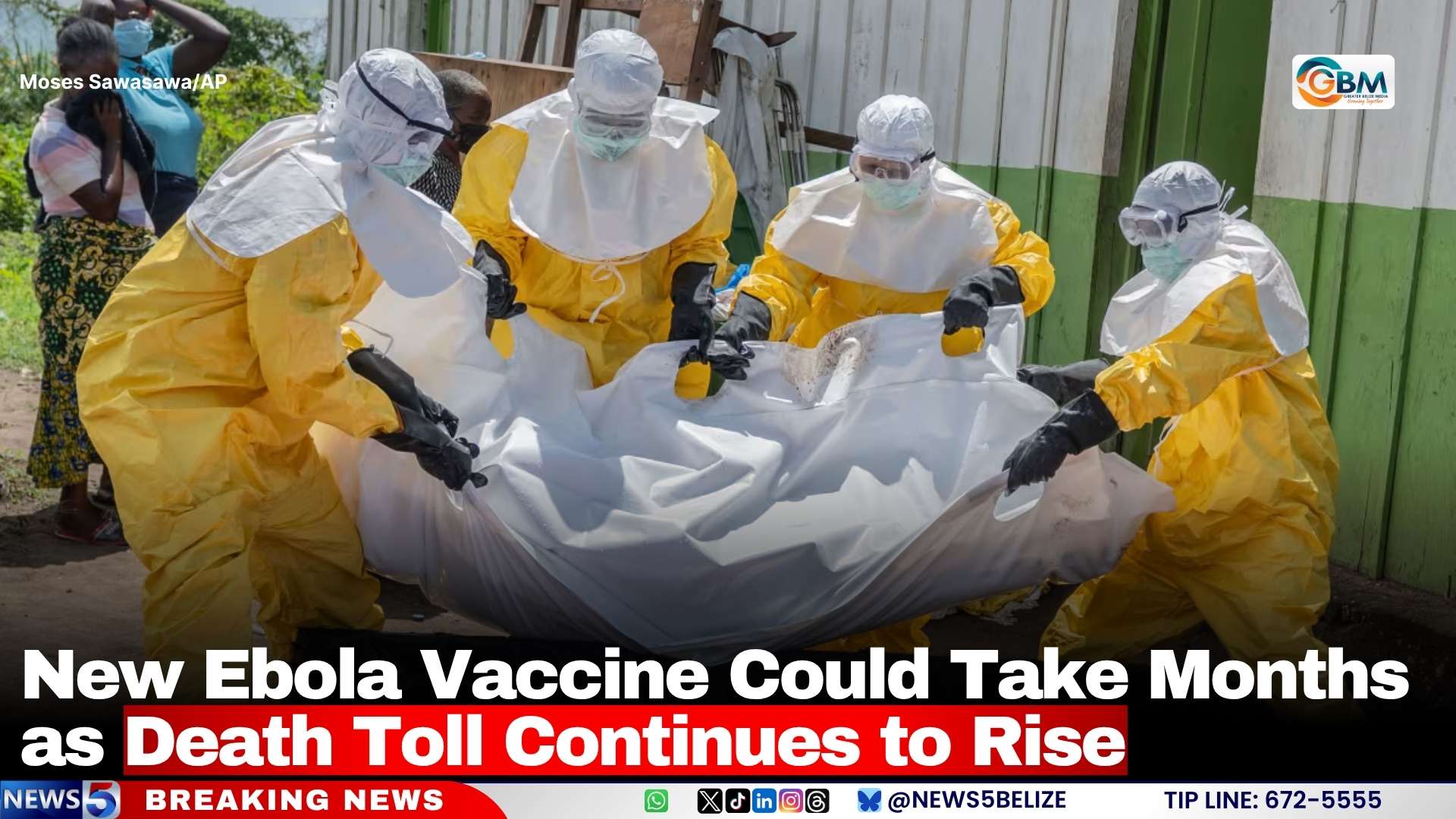
New Ebola Vaccine Could Take Months as Death Toll Continues to Rise
An ongoing outbreak of the rare Bundibugyo strain of Ebola, expanding across the northeastern Democratic Republic of the Congo (DRC) and into neighboring Uganda, has pushed regional health systems to a breaking point, with the World Health Organization (WHO) confirming that a targeted vaccine could take as long as nine months to deploy.
As of the latest official update from May 21, 2026, the outbreak has been linked to more than 600 suspected infections and at least 139 suspected deaths. Of these cases, 51 have been laboratory-confirmed in the DRC, with an additional two confirmed cases recorded on Ugandan territory. The spread of the virus into urban population centers and across international borders has triggered widespread regional alarm, with Ugandan health authorities currently holding more than 100 exposed individuals under active quarantine.
Health experts warn that no vaccine or specific antiviral treatment for the Bundibugyo strain has yet received full regulatory approval, a gap that the Africa Centres for Disease Control and Prevention (Africa CDC) blames not on scientific limitations, but on systemic political and financial neglect of infectious disease threats that primarily impact low-income African regions. In a blunt rebuke of global health inequities, the agency noted that if the virus posed a primary threat to wealthy nations in North America or Europe, medical countermeasures would almost certainly already exist. This critique echoes the pattern seen during the 2014 West African Ebola outbreak, when global urgency only surged after a U.S. doctor contracted the virus—despite thousands of African deaths having already occurred without coordinated international support.
Two experimental vaccine candidates are currently in early development, but neither has completed the full sequence of clinical trials required for emergency authorization. With a documented case fatality rate as high as 50%, the strain poses a severe risk to vulnerable communities and frontline health workers. WHO Director-General Tedros Adhanom Ghebreyesus emphasized that the situation remains deeply concerning, and expects confirmed case counts to climb in the coming weeks as surveillance teams expand contact tracing and testing across affected areas.
While the WHO has officially designated the outbreak a Public Health Emergency of International Concern (PHEIC), the highest global alert level for such events, the agency stressed that the outbreak has not yet reached pandemic status, and the overall risk to global populations outside the affected region remains low.
-

Digemaps introduces national surveillance programs for meat safety
In a major step forward for public health protection and food system upgrading in the Dominican Republic, the General Directorate of Medicines, Food and Health Products (Digemaps) has officially unveiled the National Programs for the Control of Pathogens and Chemical Residues, a cross-sector initiative focused on tightening regulatory oversight of domestic meat products.
The launch ceremony took place at the headquarters of the Dominican Agribusiness Board (JAD), with critical technical backing provided by the Dominican Agribusiness Laboratory (LAD). What sets this new program apart from previous regulatory efforts is its collaborative structure, which unites government public health agencies and private agri-food stakeholders to close gaps in health surveillance and quality control across every link of the nation’s meat supply chain.
Per Digemaps’ official program framework, the core mission of the initiative is to guarantee that all meat products reaching Dominican consumers for human consumption are free of dangerous pathogens, unregulated chemical residues, and banned substances. To achieve this goal, the program has rolled out upgraded sanitary inspections, expanded microbiological monitoring routines, and standardized sampling protocols that match current international food safety benchmarks.
During the launch event, regulatory and technical officials presented a full set of updated technical and regulatory guidelines. These documents outline standardized procedures for on-site inspections, mandatory microbiological testing, and ongoing surveillance targeting high-risk pathogens that commonly cause foodborne illness, including Salmonella, E. coli O157:H7, Shiga toxin-producing E. coli (STECs), and Listeria monocytogenes. Beyond microbial hazards, the program also establishes rigorous new testing requirements for veterinary drug residues, agricultural pesticides, and other unintended chemical contaminants that can enter meat products during production and processing.
A series of expert-led technical sessions covered a range of critical implementation topics, from designing and executing robust microbiological control systems and the standardized N60 sampling method, to implementing proactive hazard prevention measures in meat processing facilities and establishing clear response protocols for when testing returns positive results for hazardous contaminants.
Digemaps officials outlined the far-reaching benefits the program is expected to deliver. Beyond upgrading consumer protection, the initiative will strengthen the overall national meat inspection system, improve end-to-end product traceability, boost public confidence in domestic meat products, and increase the global competitiveness of the Dominican Republic’s livestock and meat processing sector in both local and export markets.
For their part, JAD and LAD leadership reaffirmed their long-term commitment to supporting national food safety efforts and advancing the technical development of the Dominican agribusiness sector, emphasizing that stronger quality assurance and public health monitoring systems are foundational to the industry’s sustainable growth.
-
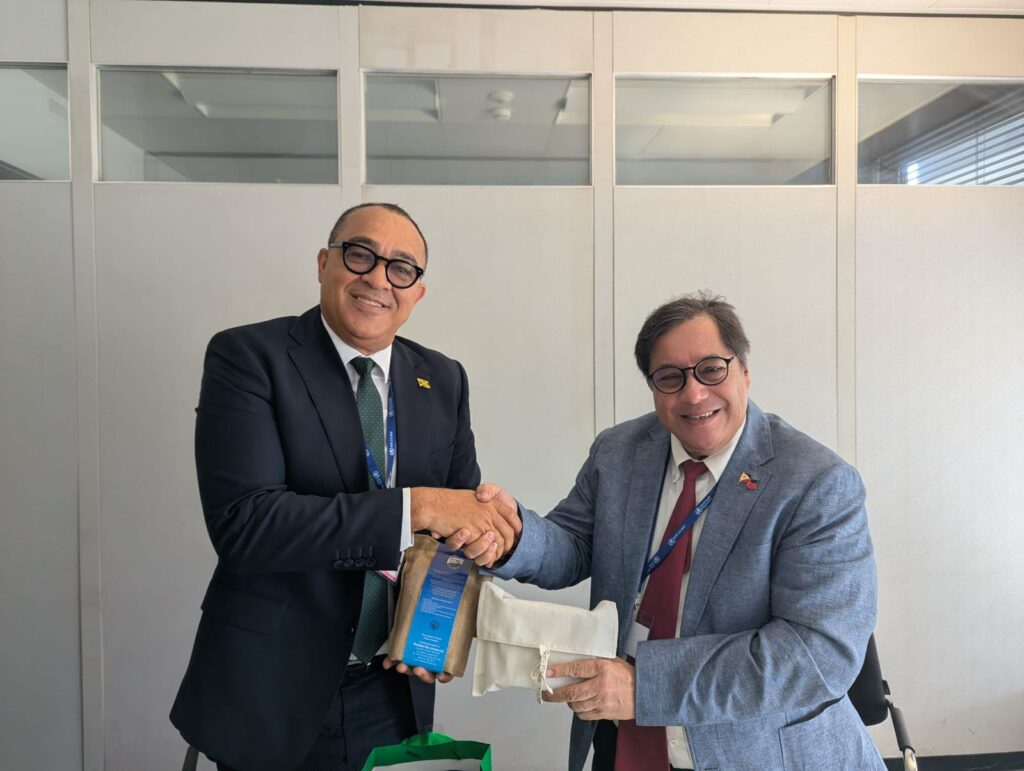
Tufton pushes ahead with recruitment agenda
KINGSTON, Jamaica – As global health leaders gathered in Geneva for the 79th World Health Assembly (WHA), Jamaica’s Minister of Health and Wellness Dr Christopher Tufton leveraged the high-profile global forum to advance a pressing domestic priority: addressing crippling shortages of specialist nursing staff across the island’s public health system. On the sidelines of the assembly, Tufton held targeted bilateral negotiations and signed landmark memorandums of understanding (MOUs) with health ministers from Ghana, India, and the Philippines, laying out a multi-pronged framework to fill critical gaps and upskill local nursing workforces. Under the terms of these new agreements, imported specialist nurses will be recruited to fill urgent vacant posts across Jamaica, while Jamaican nursing professionals will also gain expanded access to remote specialized training from partner institutions. Outlining one key infrastructure investment tied to the deal, Tufton announced plans to launch a dedicated nursing simulation center in Jamaica, where local clinicians will complete hands-on training modules delivered remotely by international partners. This builds on ongoing diplomatic engagement: Tufton completed an official working visit to the Philippines last year to lay groundwork for the partnership, and a technical delegation from Manila is scheduled to travel to Jamaica in the coming month to finalize implementation details. Talks are also progressing with Apollo Hospitals, India’s largest private multi-specialty healthcare network, to facilitate recruitment of additional specialist clinical staff. A senior Apollo management team met with Jamaica’s health ministry earlier this month to advance negotiations, building on a 2002 joint communiqué between the two parties that has now moved to the active implementation stage for both nurse recruitment and local workforce training. In a May 12 sectoral budget address to Jamaica’s House of Representatives, Tufton detailed the severity of the country’s specialist nursing shortage, listing 12 high-need areas that require immediate staffing: critical and intensive care, oncology, paediatrics, accident and emergency, nephrology and renal dialysis, ophthalmology, neonatology, midwifery, psychiatry, burn care, and cardiothoracic care. The government is pursuing multiple parallel pathways to close the gap, beyond the new bilateral agreements with Ghana, India, and the Philippines. This year alone, 100 local Jamaican specialist nurses are on track to complete their required training and enter the workforce. More than 70 nurses have already completed interviews through a targeted diaspora recruitment drive, with successful candidates expected to begin assignments at public health facilities across the island over the coming quarter. Additionally, 48 nurses and doctors who received Barry Wint Memorial Scholarships will be deployed to understaffed public facilities once they complete their academic programs. To streamline all these international recruitment and training initiatives, Jamaica’s health ministry has launched a new dedicated International Recruitment Unit, which will act as the central coordinating body for all bilateral recruitment partnerships and diaspora hiring efforts. “This unit will focus on mitigating critical workforce shortages, particularly in specialised fields,” Tufton explained. “The unit will also assist in coordinating partnerships for training that involves cross border agreements.” Alongside workforce expansion, the ministry is also investing in local training infrastructure, upgrading in-house training facilities in partnership with the Kingston School of Nursing to expand both in-person and remote course offerings. Expanded hospital facilities across the island will also create additional clinical rotation spaces to support the training of new nursing staff. Parallel to Jamaica’s domestic workforce initiatives, WHA delegates took a major global public health action on Thursday, approving a landmark resolution formally recognizing steatotic liver disease (SLD) – a chronic condition previously known as non-alcoholic fatty liver disease – as a fast-growing contributor to the global noncommunicable disease (NCD) burden. The resolution notes that an estimated 1.7 billion people worldwide live with SLD, making it one of the fastest-increasing causes of chronic liver disease globally. SLD is closely linked to common metabolic conditions including obesity, type 2 diabetes, and cardiovascular disease, while alcohol-related liver damage remains a major secondary contributor to the overall global SLD burden. Without timely prevention and clinical intervention, SLD can progress to irreversible liver fibrosis, cirrhosis, and liver cancer, placing growing strain on health systems in both low- and high-income countries. The WHA resolution calls on all WHO member states to integrate SLD screening and management into national NCD control strategies, strengthen primary health care capacity to address the condition, improve population-level disease surveillance, and raise public awareness of SLD risk factors. It also urges governments to pursue cross-ministerial, multisectoral action to address shared NCD risk factors that drive SLD growth, including unhealthy diets, sedentary lifestyles, and harmful alcohol use. Finally, the resolution calls for expanded access to prevention, screening, diagnosis, and treatment services, with targeted outreach to high-risk populations including children and adolescents.
-

Health officials to brief media on BA flight at LPIA
A developing public health incident is unfolding at Lynden Pindling International Airport in The Bahamas, where an inbound British Airways commercial flight has been detained over potential Ebola exposure risks. Health authorities are preparing to hold a formal press briefing on site Wednesday evening to share updated details on the situation, after reports emerged that two passengers on the flight had recently visited regions currently grappling with Ebola transmission.
Journalists have already assembled at the airport, waiting for official confirmation and further guidance from the Bahamian Ministry of Health and Wellness and other interagency response teams. As the investigation continues, the government of the neighboring Cayman Islands has released an official public statement addressing the incident, confirming they are aware of the widespread reports that the London-origin flight was being held in Bahamian territory over what has been described as a serious public health threat.
According to the Cayman Islands government statement, all passengers and crew aboard the detained aircraft are currently undergoing comprehensive health screening by Bahamian public health officials. Critically, the statement confirmed that multiple Cayman Islands residents are among the passengers, including Rolston Anglin—who holds two senior cabinet positions as Minister for Finance and Economic Development and Minister for Education and Training.
Cayman public health officials have moved quickly to reassure the local population, emphasizing that there is no immediate public health risk to the Cayman Islands at this stage of the response. They have urged residents to avoid unsubstantiated rumor and unnecessary speculation, noting that cross-border authorities are actively monitoring the situation minute-by-minute as screening and testing procedures are completed.
-

Dominican Ministry of Public Health says respiratory virus circulation remains within expected levels
Public health officials in the Dominican Republic have announced that COVID-19 and other common seasonal respiratory viruses are continuing to circulate at stable, expected levels, with no active epidemiological alerts currently in effect across the country.
Released as part of the official update for Epidemiological Week 18, the latest bulletin from the nation’s Ministry of Public Health outlines that continuous active surveillance is already in place for key circulating pathogens, including SARS-CoV-2, influenza A(H3N2) and influenza A(H1N1). This proactive monitoring system is designed to flag any sudden shifts in virus transmission patterns that could require a public health response.
to ensure public access to care, the ministry has confirmed that complimentary COVID-19 testing remains widely available for Dominican residents at the National Needle Industry (Inaguja) parking lot, located directly behind the Ministry of Health’s central headquarters. Health officials have also issued a series of public reminders emphasizing core preventive habits to reduce the spread of respiratory illness: frequent handwashing, covering coughs and sneezes to contain respiratory droplets, avoiding close contact with people displaying virus symptoms, maintaining consistent air flow in enclosed indoor spaces, and seeking prompt medical attention if symptoms persist or worsen. The guidance specifically prioritizes COVID-19 vaccination for high-risk groups, including adults over 65, pregnant people, and individuals living with chronic underlying health conditions.
Beyond respiratory virus surveillance, the latest epidemiological report highlights notable progress in controlling multiple other endemic and infectious diseases across the nation. Compared to the same period in 2025, confirmed malaria cases have plummeted by 84%, with only 78 positive cases recorded nationwide in 2026 to date. Dengue fever transmission also remains well under control, with just 93 confirmed cases recorded across the country. Most notably, no confirmed cholera cases or cholera-related deaths have been reported in the Dominican Republic at any point in 2026.
Despite these positive outcomes, public health teams are maintaining heightened vigilance for leptospirosis, a bacterial infection that has already reached 117 confirmed cases in 2026. During the 18th epidemiological week alone, officials recorded nine new confirmed cases and two deaths linked to the disease. Health authorities explained that recent heavy rainfall and current environmental conditions across the country have created favorable conditions for leptospirosis transmission, so ongoing prevention and targeted control operations will continue to be prioritized across high-risk regions.
-
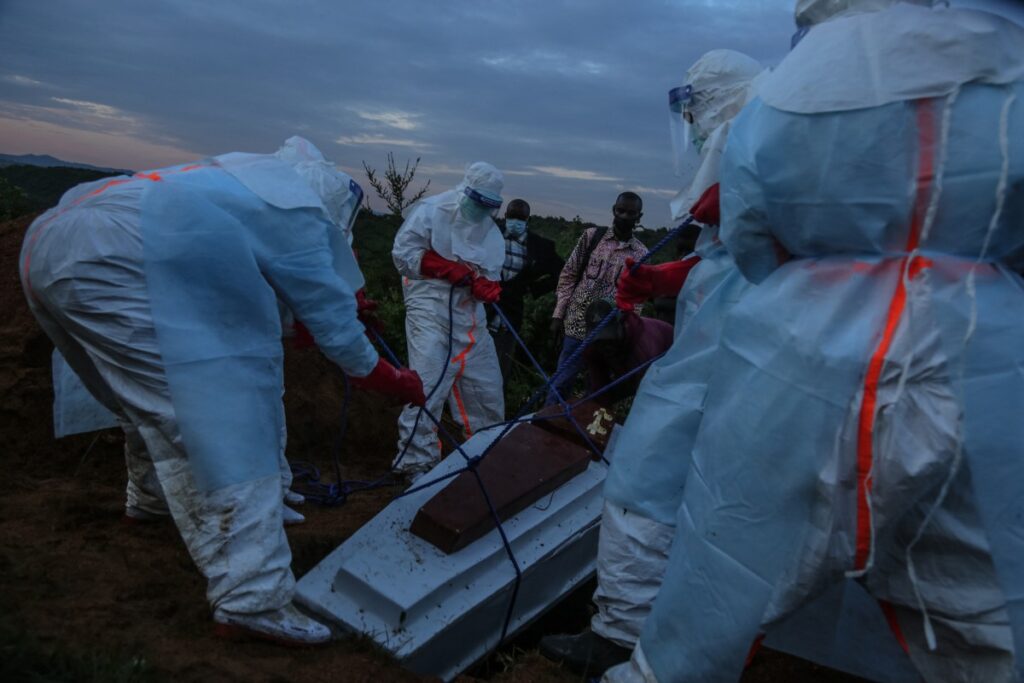
Ebola risk upgraded to ‘very high’ in DR Congo — WHO chief
GENEVA, SWITZERLAND — In an updated official briefing held Friday, the World Health Organization (WHO) announced a critical escalation of its public health risk assessment for the ongoing Ebola outbreak in the Democratic Republic of the Congo (DRC), raising the national-level threat from high to very high.
Speaking to reporters at the organization’s Geneva headquarters, WHO Director-General Tedros Adhanom Ghebreyesus outlined the tiered risk breakdown: while the national threat now stands at very high, the risk of regional cross-border spread remains categorized as high, and the global risk level stays at low.
As of the latest update, outbreak data reveals a stark gap between confirmed and suspected infections that points to significant underreporting. So far, 82 cases have been laboratory-confirmed, with seven recorded deaths among confirmed patients. However, Tedros emphasized that the true scale of the epidemic is far larger, with nearly 750 suspected cases and 177 suspected fatalities across affected areas of the country.
“The Ebola outbreak in the Democratic Republic of the Congo is spreading rapidly,” Tedros told the assembled press, confirming the urgent need for expanded response efforts.
Neighboring Uganda has so far seen a contained impact, with only two confirmed cases traced back to cross-border travel from the DRC, one of which resulted in death. The situation in Uganda remains currently stable, per WHO’s assessment.
A major complicating factor slowing the global public health response, Tedros noted, is persistent violence and widespread insecurity in affected regions of the DRC. Unrest has blocked aid workers from accessing hard-hit communities, delayed diagnostic testing, and hindered the implementation of life-saving containment measures that could slow the outbreak’s advance.