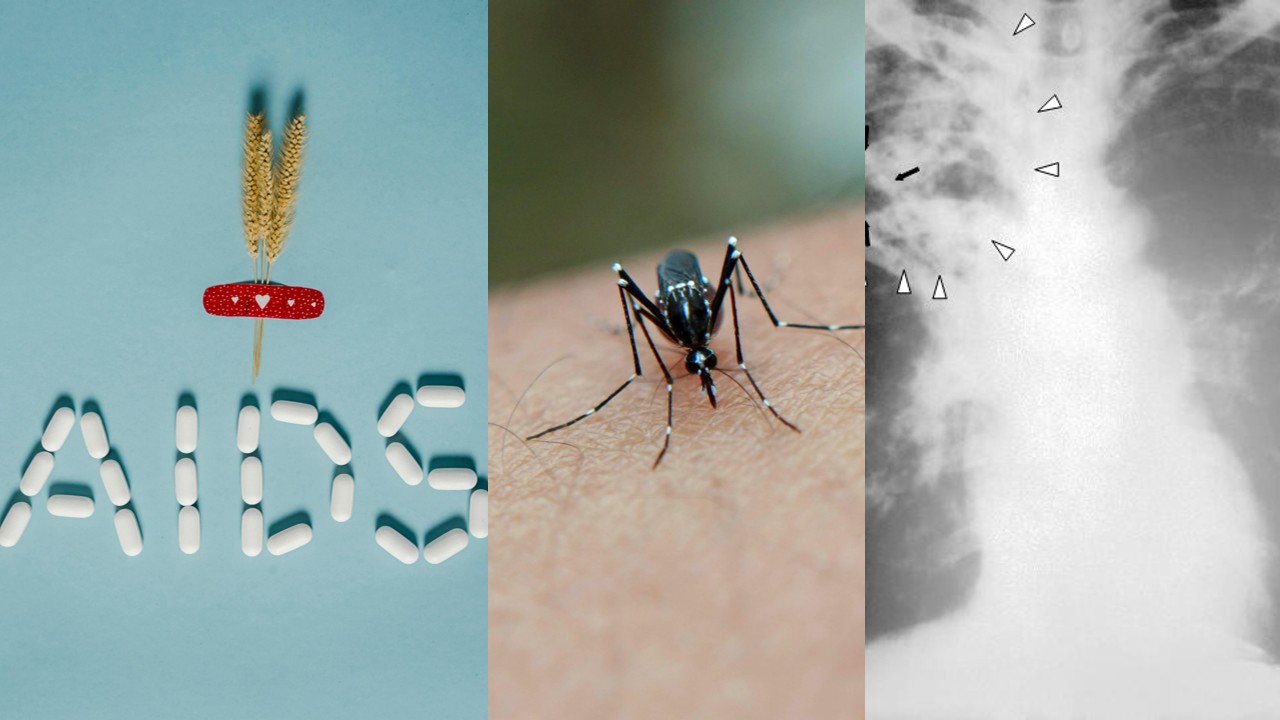
The 8th replenishment conference of the Global Fund to Fight AIDS, Tuberculosis, and Malaria concluded in Johannesburg with pledges totaling less than the ambitious $18 billion target. Despite this shortfall, the event underscored the critical need for global solidarity and sustained investment in health initiatives. Ndidi Okonkwo Nwuneli, CEO of the ONE Campaign, acknowledged the financial gap but praised the continued prioritization of lifesaving health programs by many world leaders. She emphasized that while innovations to combat these diseases exist, they require robust funding and political will to achieve transformative impact. Adrian Lovett, Executive Director for the UK, Middle East, and Asia Pacific at the ONE Campaign, highlighted the historic significance of hosting the conference in Africa, a region deeply affected by these diseases. However, he expressed concern over reduced or delayed pledges from major donors, including France, Japan, and the European Commission, urging governments to intensify their efforts. Since its inception in 2002, the Global Fund has saved 70 million lives and reduced deaths from AIDS, tuberculosis, and malaria by 63%. The current replenishment aims to secure $18 billion to save an additional 23 million lives and prevent 400 million infections between 2027 and 2029. The Johannesburg conference, the first of its kind held in Africa, symbolized the continent’s pivotal role in combating these diseases and showcased a spirit of international collaboration despite global challenges. Updates on pledges can be tracked via ONE Data’s replenishment tracker.
分类: health
-

Young leader for diabetes urges Dominicans to prioritize health and wellness
Royette Charles, a prominent figure in Dominica’s health sector, is leading a powerful campaign to raise awareness about diabetes and promote healthier lifestyles. As an Executive Member of the Dominica Diabetes Association, Young Leader for Diabetes, and Pharmacy Technician, Ms. Charles is dedicated to inspiring hope among individuals living with diabetes while encouraging the broader population to adopt preventive measures. She emphasizes that diabetes is a serious health condition requiring consistent effort, discipline, and proactive lifestyle changes. Ms. Charles advocates for balanced routines, including healthier dietary choices, regular physical activity, and sustainable wellness habits. She also highlights the importance of empowering those already diagnosed to manage their condition effectively through proper monitoring and education. In her recent media address, she stressed the critical role of understanding how to use testing supplies correctly, noting that effective management of diabetes can significantly enhance quality of life and overall well-being.
-

Medicinal Cannabis Authority Establishes Committee to Address Substance Misuse in Schools
The Antigua and Barbuda Medicinal Cannabis Authority (MCA) has taken decisive action to address the growing issue of substance misuse among students by establishing a specialized committee. This initiative underscores the MCA’s dual commitment to fostering a regulated medicinal cannabis industry while safeguarding public health. During its statutory meeting on November 20, 2025, the MCA Board expressed grave concerns over increasing reports of substance abuse in schools and resolved to tackle the issue head-on.
-
UK-Caribbean mission unites health leaders to boost innovation and regulation
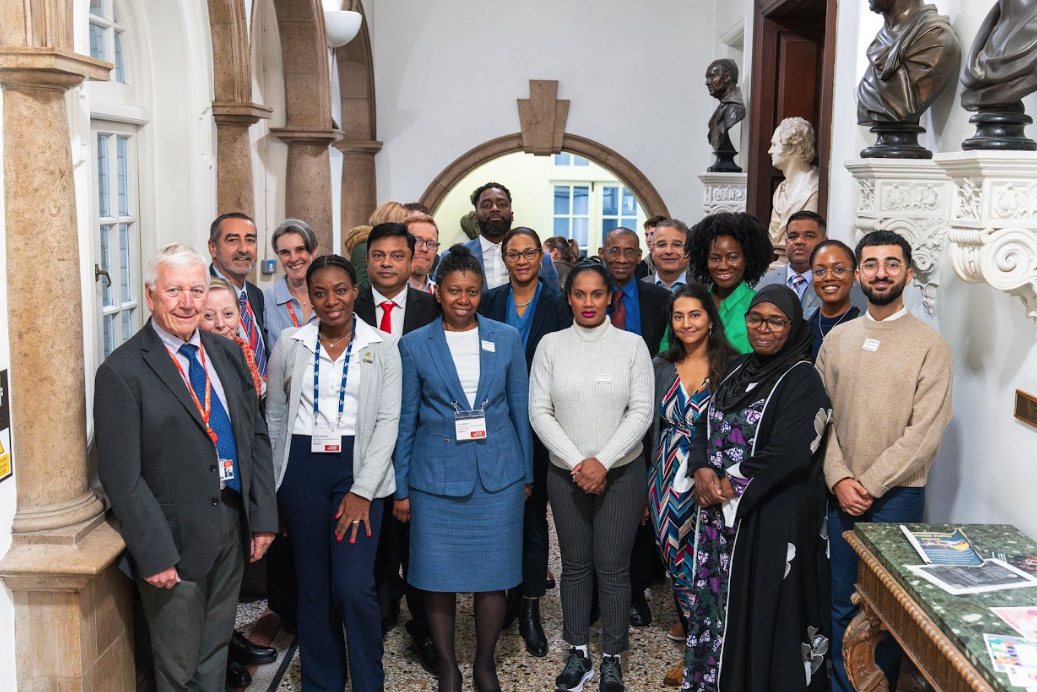
Senior health officials from Barbados and other Caribbean nations recently participated in the inaugural UK-Caribbean Life Sciences and Regulatory Trade Mission in London, hosted by the UK Department for Business and Trade (DBT). This four-day event aimed to bolster the modernization of healthcare systems across the Caribbean, focusing on improving access to safe medicines and enhancing regulatory frameworks. The mission provided a platform for Caribbean regulators to engage with leading UK institutions, including the Medicines and Healthcare products Regulatory Agency (MHRA), the National Institute for Health and Care Excellence (NICE), King’s College London, and the Centre for Innovation in Regulatory Science (CIRS). Key discussions centered on streamlining drug registration, adopting international standards, improving regulatory efficiency, and integrating digital technologies into health systems. UK High Commissioner to Barbados and the Eastern Caribbean, Simon Mustard, emphasized the broader impact of this collaboration, stating that it strengthens health systems, drives economic growth, and fosters long-term partnerships. D’Jamila Ward, Regional Trade Director for the Commonwealth Caribbean at DBT, highlighted the mission’s significance in addressing regulatory challenges and improving access to essential medicines. Barbados was represented by Lindsay Bynoe, assistant director and pharmacist at the Barbados Drug Service, and Maryam Karga-Hinds, interim director general of the Barbados Medical Products Authority, who underscored the country’s commitment to advancing pharmaceutical regulation and regional collaboration. Karga-Hinds reflected on the mission, noting that it has deepened partnerships and strengthened knowledge to ensure equitable access to safe, effective medical products for all Caribbean citizens. This initiative highlights the UK’s commitment to partnering with Caribbean nations to strengthen health systems, foster innovation, and improve patient outcomes, paving the way for future collaborations on regulatory reform, investment opportunities, and digital health integration.
-
Major Workshop Wraps Up, Teaching Teams How to Prevent Dengue and Other Diseases
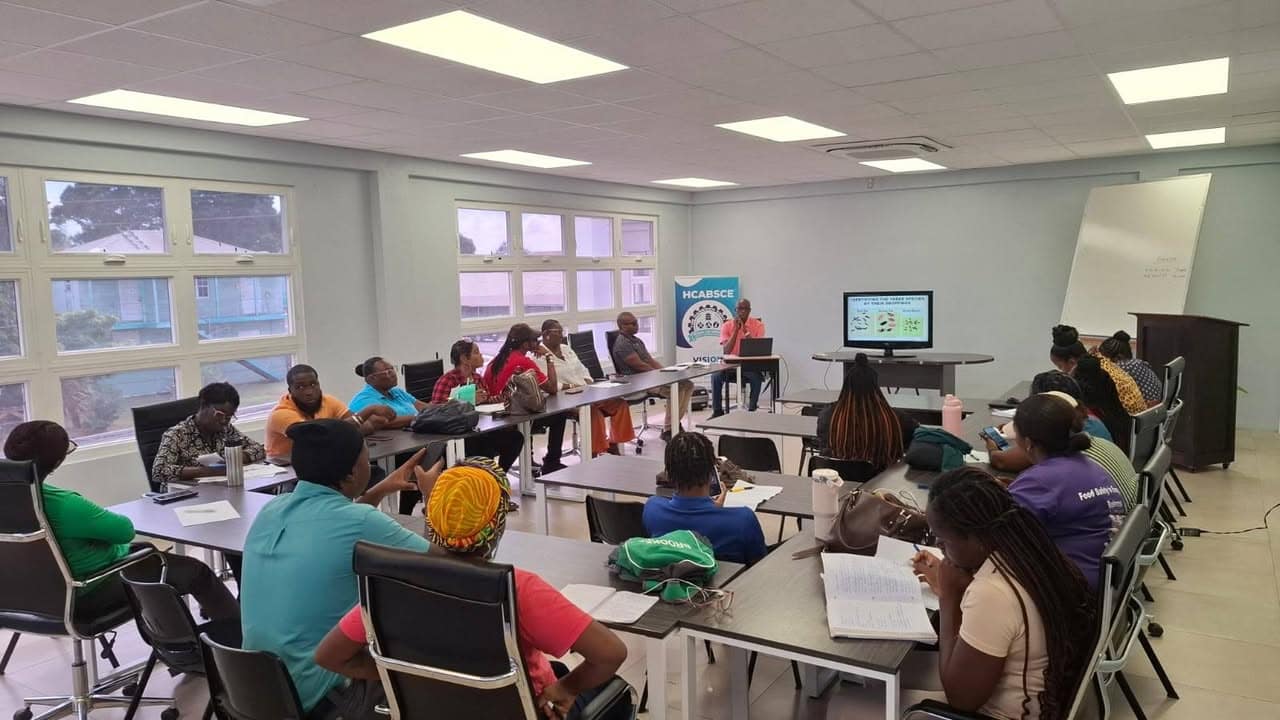
A two-week workshop titled ‘Building Resilient Communities: Integrating Public Health Strategies for Vector Control, Epidemiological Surveillance, and Disease Prevention in Response to Climate Change’ recently concluded in Antigua and Barbuda. The event, organized by the Central Board of Health (CBH) and sponsored by the Organisation of Eastern Caribbean States (OECS) Direct Relief Programme, aimed to enhance public health resilience against vector-borne diseases exacerbated by climate change. Held at the Harrison Centre in Tomlinson, the workshop trained 115 participants, including Public Health Inspectors and Environmental Health aides. Due to the high number of attendees, the program was divided into four segments, with two sessions specifically dedicated to mosquito control, which attracted the largest audience. Facilitated by former Chief Health Inspector Lionel Michael, the training emphasized vector control strategies, including educational, physical, biological, chemical, and environmental measures. Key topics included the proper use of personal protective equipment (PPE), alternative fogging techniques, and the impact of climatic conditions on vector control. Deputy Chief Health Inspector Daryl Spencer highlighted the workshop’s goal of strengthening capacity in vector control and providing formal training for new staff. Michael provided in-depth insights into the Aedes aegypti mosquito, the primary vector for dengue fever, discussing its characteristics, replication, transmission, and symptoms. Dengue fever, prevalent in Latin America and the Caribbean, accounts for over 92% of global cases, with symptoms including high fever, headache, joint pain, and nausea. The workshop underscored the importance of community responsibility in public health, emphasizing that government efforts alone are insufficient to combat vector-borne diseases. Participants were encouraged to adopt proactive measures, such as eliminating mosquito breeding grounds and maintaining proper sanitation, to mitigate the spread of diseases.
-
Gaza’s health system has collapsed due to Israeli aggression
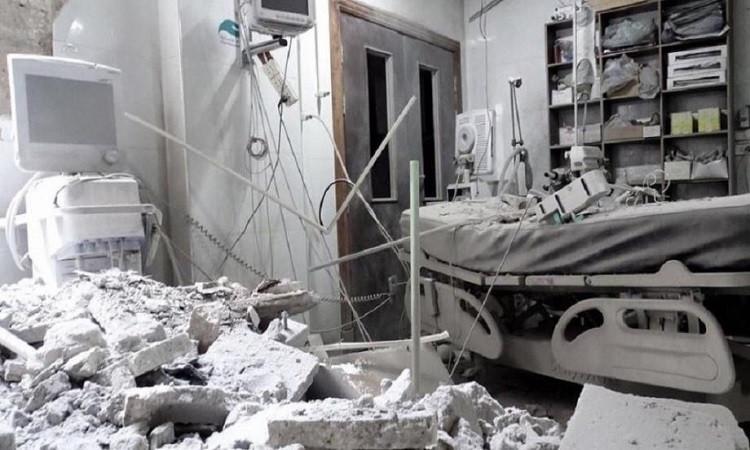
The healthcare system in Gaza is facing an unprecedented crisis, as described by Munir Al-Barsh, the Director General of the Ministry of Health in the Palestinian coastal enclave. With a population exceeding two million, Gaza’s hospitals are grappling with severe shortages of essential resources, including medicines and medical supplies. Al-Barsh revealed that 84% of basic medicines and 40% of emergency medicines are unavailable, while the lack of medical supplies has surpassed 71%. Critical items such as gauze and medical solutions are in critically short supply, with reserves expected to last only a month. This scarcity is severely impeding the delivery of primary healthcare services. Additionally, the healthcare infrastructure is collapsing due to inconsistent fuel supplies, which are essential for powering health facilities. Communications systems have failed, and laboratories are nearly entirely shut down. Despite a recent truce and Israel’s commitment to allow aid, only five trucks carrying medical supplies enter Gaza weekly—a starkly insufficient amount to address the dire needs of the population. The situation underscores the urgent need for international intervention to prevent a full-scale humanitarian disaster.
-
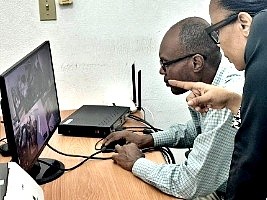
Nippes : Strengthening of security at the Central of inputs and medication
The Nippes Health Directorate (DSNI) in Haiti has launched a comprehensive initiative to bolster the security, transparency, and efficiency of managing medical supplies and medications for healthcare institutions across the department. Spearheaded by Dr. Esther Ceus Dumont, the Departmental Health Director, the initiative includes structural upgrades and enhanced oversight at the Departmental Supply Center (CDAI), a critical hub for storing essential health products provided by the Ministry of Health and its partners.
To further strengthen security, the DSNI has introduced a dedicated video surveillance operator to continuously monitor activities at the CDAI, supplementing the existing camera system. This measure ensures round-the-clock vigilance and safeguards the integrity of medical supplies. Dr. Dumont also convened a meeting with CDAI staff to emphasize the importance of individual and collective responsibility in managing health resources, stressing the need for professionalism and transparency.
Additional measures include upgrading the monitoring system, enhancing physical security around the facility, and providing ongoing staff training on ethical and technical aspects of supply management. These efforts aim to establish stricter controls, improve traceability, and create a secure working environment, ensuring that health products are effectively distributed to institutions and ultimately benefit the local population.
-

Leptospirosis outbreak declared in Jamaica
Jamaica is currently grappling with a significant outbreak of leptospirosis in the aftermath of Hurricane Melissa, as confirmed by Health Minister Dr. Christopher Tufton. The minister revealed that six suspected deaths have been reported, with nine confirmed cases and 28 suspected or probable cases identified between October 30 and November 20. This surge in cases marks a stark increase compared to the two to 21 cases recorded over the previous 34 months. Dr. Tufton attributed the outbreak to the conditions created by Hurricane Melissa, which heightened the risk of exposure to contaminated water and soil. Leptospirosis, a disease typically transmitted through contact with urine or bodily fluids of infected animals, has now been detected in eight parishes: St Ann, St Mary, St James, Hanover, Westmoreland, St Elizabeth, St Catherine, and Trelawny. The health minister emphasized the urgent need for public awareness and preventive measures to curb the spread of the disease.
-

First US Human Case of ‘Rare Bird Flu Strain’ Confirmed in Washington
Health authorities in Washington have reported the first human case of the rare H5N5 bird flu strain in the United States in nearly a year. The patient, an elderly individual with pre-existing health conditions, was hospitalized in early November after exhibiting symptoms such as high fever, confusion, and respiratory distress. This marks the first instance of the H5N5 strain being detected in humans, although it has previously been identified in animals. State epidemiologist Scott Lindquist emphasized the severity of the patient’s condition during a briefing, as reported by The Washington Post. Officials have assured the public that the risk of widespread transmission remains low. The patient maintains a mixed backyard flock that had contact with wild birds, prompting state and federal agencies to investigate the source of the infection. Health authorities have confirmed no additional cases of H5N5 infection beyond the initial patient. Bird flu, which originates in wild aquatic birds, can spread to poultry and occasionally mammals. Human infections are rare and typically result from direct exposure to infected animals. Cases often increase during colder months as migratory birds facilitate the spread of the virus.
-

SRC urges vigilance over food safety
KINGSTON, Jamaica — In the wake of Hurricane Melissa, the Scientific Research Council (SRC) has issued a stern warning to Jamaicans about the increased risks of gastroenteritis and other food and water-borne illnesses. Ray-Anne Shaw Phillips, team leader of the SRC’s analytical services department, emphasized the need for heightened vigilance, particularly regarding symptoms such as vomiting, diarrhea, stomach cramps, and severe dehydration. She advised those experiencing prolonged symptoms to seek immediate medical attention.
The aftermath of the hurricane has also raised concerns about leptospirosis, a bacterial infection that can spread through contaminated water. Shaw Phillips highlighted the dangers of floodwater, which often contains a hazardous mix of pesticides, chemicals, oil, human and animal waste, and decaying matter. This toxic combination creates an ideal environment for microbial growth, posing significant health risks.
To mitigate these risks, the SRC recommends discarding any food that may have come into contact with floodwater, even if it was stored in plastic or cardboard containers. The council also urges the public to treat water before consumption by boiling it or using disinfectants. Additionally, the SRC offers accredited testing services for food and water supplies, including checks for E. coli, coliforms, turbidity, and pH levels.
As Jamaica continues its recovery efforts, the SRC remains committed to supporting residents, businesses, and community groups in ensuring the safety of their food and water supplies. Those in need of testing services can contact the council via telephone at (876) 927-1771, email at edoffice@src.gov.jm, or through their website and social media channels.
Shaw Phillips expressed empathy for those affected by the hurricane and stressed the importance of vigilance during the recovery process. ‘After a hurricane, there is always increased public health risk,’ she said. ‘We must ensure that we do not exacerbate the situation by consuming contaminated items.’