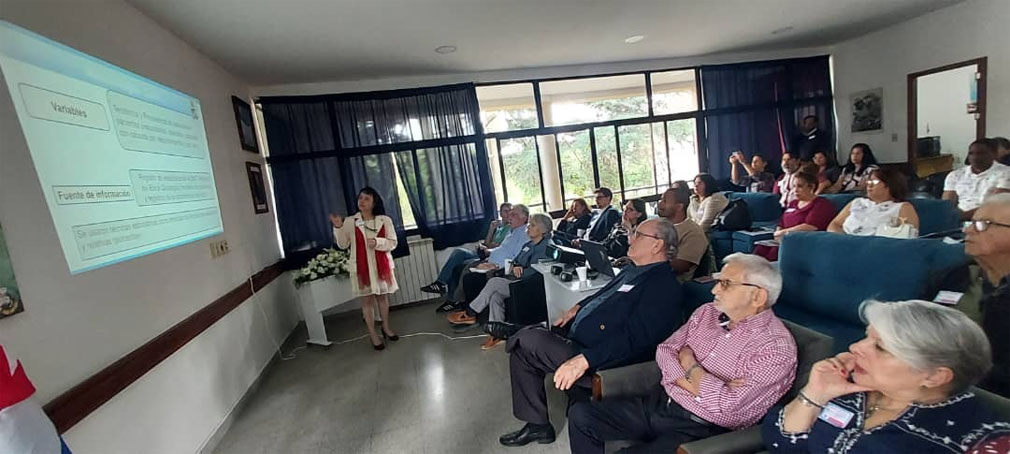
Cuba’s contributions to global ophthalmological care have reached remarkable milestones, with over 119,000 surgeries performed, more than 900,000 consultations conducted, and over 200,000 patients screened. Among these achievements, the oculoplastic service stands out, addressing both vision-related issues and cosmetic surgeries. Despite being a national reference center, the hospital has only one Cuban surgeon specializing in this field. Cuban and Uruguayan specialists have collaborated extensively, sharing expertise on topics such as visual health, technology, healthcare-associated infection prevention, age-related macular degeneration, and intraocular lens calculation. Dr. Adan Gonzalez, one of the more than 600 Uruguayan doctors who graduated from Cuba’s Latin American School of Medicine, emphasized the humanitarian nature of Cuba’s health cooperation. However, Antonio Pardo, the Charge d’Affaires of the Cuban embassy, denounced the US government’s attempts to undermine and discredit this cooperation. Pardo highlighted that Cuba’s ophthalmological brigade faces ongoing pressure from Washington in countries where it provides medical services.
分类: health
-
People with leptospirosis symptoms urged to seek immediate medical attention
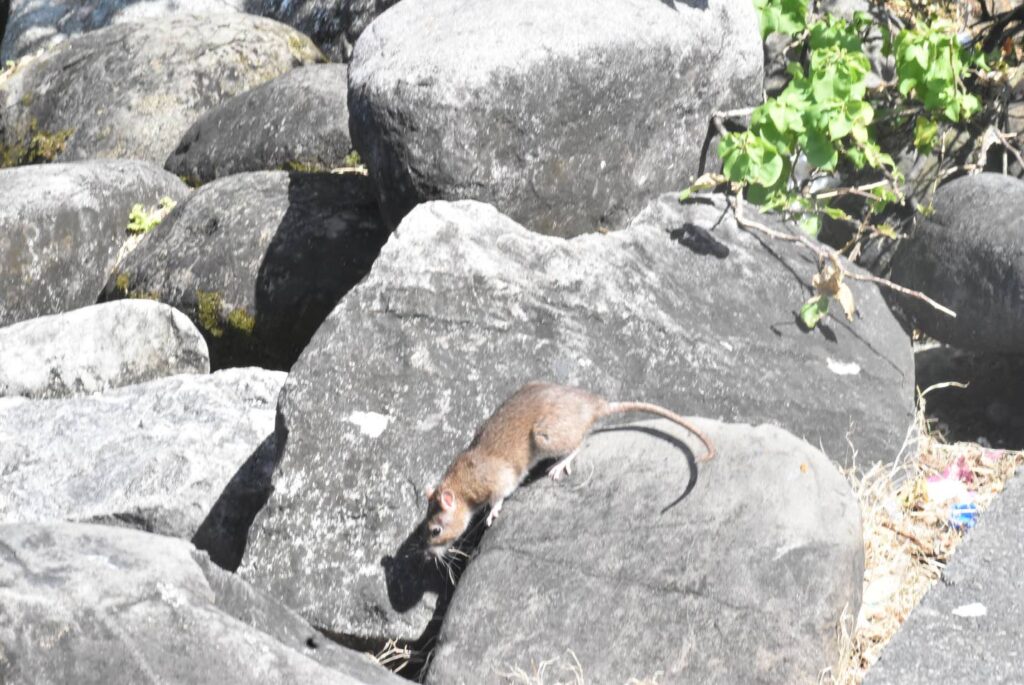
Jamaica is grappling with a surge in leptospirosis cases following the devastation caused by Hurricane Melissa, prompting health officials to issue urgent warnings to the public. Dr. Karen Webster Kerr, the National Epidemiologist, has emphasized the need for immediate medical attention for anyone exhibiting symptoms of the disease. Health and Wellness Minister Dr. Christopher Tufton confirmed the outbreak during a press conference on Friday, revealing that confirmed and suspected cases have been reported across eight parishes, including St. Elizabeth, St. Catherine, Hanover, Westmoreland, Trelawny, St. Ann, St. James, and St. Mary. Between October 30 and November 20, there have been nine confirmed cases, 28 suspected cases, and six suspected deaths linked to the illness. Leptospirosis, a bacterial infection transmitted through contact with water or soil contaminated by the urine of infected animals, particularly rodents, presents initially with mild, flu-like symptoms such as high fever, headache, chills, and muscle aches. However, severe cases can lead to kidney or liver failure, internal bleeding, and even death if untreated. Dr. Webster Kerr highlighted that advanced symptoms include coughing up blood, blood in stool, inflammation around the heart, irregular heartbeat, fatigue, shortness of breath, and swollen feet. Treatment often involves intravenous fluids and, in severe cases, intensive care. The outbreak has been exacerbated by stagnant water left in communities after the hurricane, creating ideal conditions for the Leptospira bacteria to thrive. Residents are advised to avoid contact with standing water, especially farmers and those with open wounds. Meanwhile, Dr. Webster Kerr reassured the public that there is no outbreak of gastroenteritis, and influenza cases, while increasing seasonally, remain below epidemic levels. COVID-19 activity is also low, with minimal respiratory virus circulation. Chief Medical Officer Dr. Jacquiline Bisasor-McKenzie reported that 60% to 75% of health centers in the most affected parishes—Trelawny, St. James, Hanover, Westmoreland, and St. Elizabeth—have resumed normal operations.
-
Carpha: One Health system will mitigate post-disaster diseases
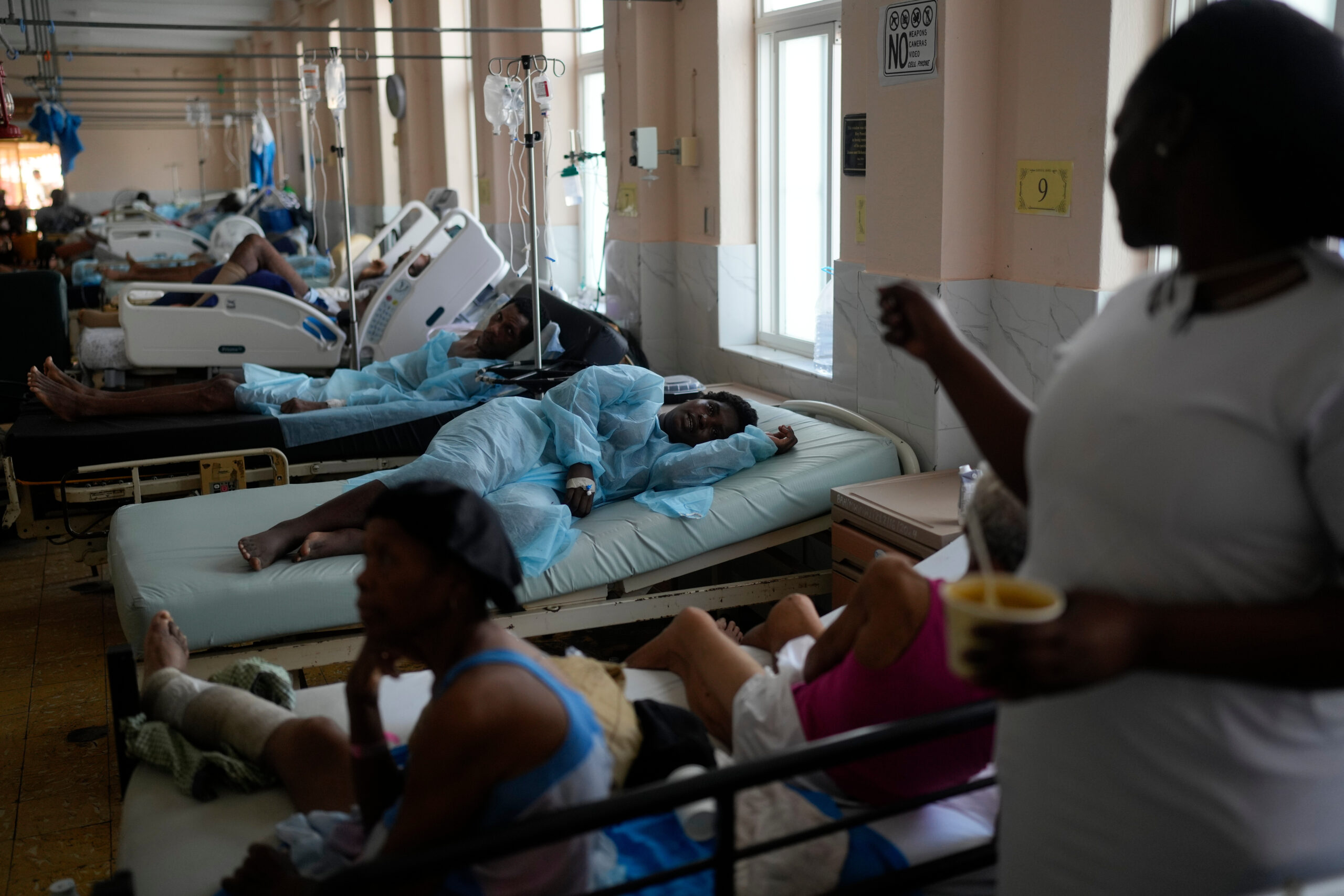
The Caribbean region is grappling with increased risks of foodborne, waterborne, and zoonotic diseases in the aftermath of Hurricane Melissa, which struck Jamaica on October 30. Dr. Lisa Indar, Executive Director of the Caribbean Public Health Agency (Carpha), emphasized the urgent need for robust One Health systems that integrate human, animal, and environmental health. Speaking at Carpha’s Regional Pandemic Fund workshop in Port of Spain on November 24, she highlighted the strain on health systems caused by disasters and outbreaks. ‘The disruption of water, food, and sanitation infrastructure significantly raises the risk of disease,’ she noted. Jamaica is also managing a vector-borne outbreak, underscoring the link between extreme weather events and communicable diseases. Dr. Indar stressed the importance of preemptive One Health coordination, which Carpha has been advancing through regional collaboration. In early 2024, Carpha convened experts from public health, veterinary medicine, agriculture, and other fields to develop a unified action plan. This initiative has led to the creation of the Regional One Health Foodborne Diseases and Zoonotic Action Plan, updated national plans, and a SharePoint platform for real-time information sharing. Carpha’s next steps include operationalizing its Integrated One Health Surveillance Platform and enhancing agency coordination through simulation exercises. Ian Ho-a-shu, Senior Health Specialist at the Inter-American Development Bank (IDB), praised Carpha’s efforts, emphasizing the importance of surveillance technology and workforce development in building resilience. He highlighted IDB’s support for emergency responses, including post-Hurricane Melissa aid in Jamaica. Carpha’s achievements over the past two years demonstrate the region’s capacity to combat emerging health threats, with a clear goal of reducing the impact of pandemics in the Caribbean.
-
Doctors urge early cancer screening to save lives
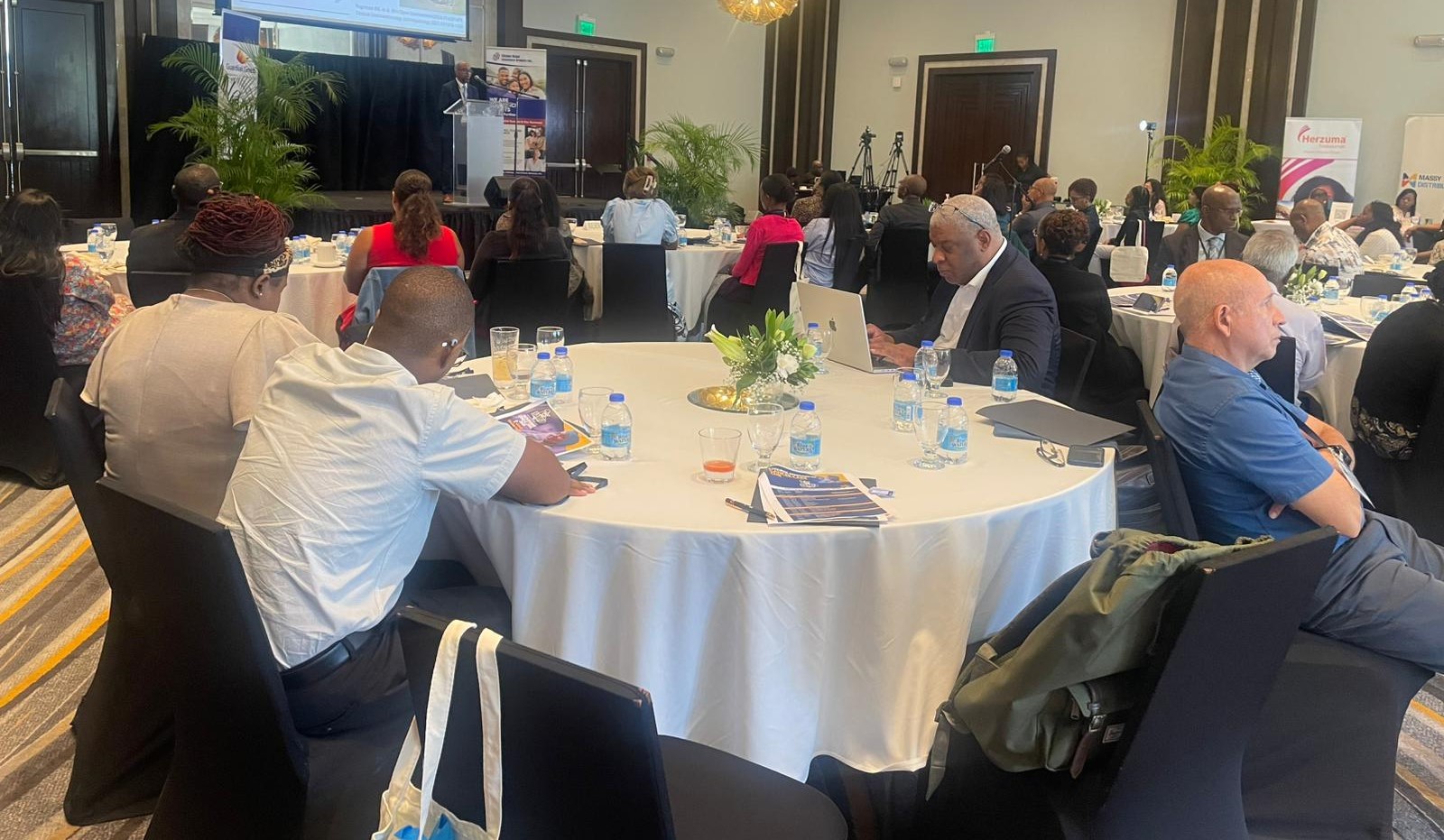
The Barbados Association of Medical Practitioners (BAMP) convened its annual conference this Saturday, focusing on the critical theme ‘A Holistic Approach to Cancer Care.’ The two-day event gathered prominent medical experts who underscored the alarming trend of Barbadians presenting with cancer at advanced stages. Consultant urologist Dr. Paul Rouse delivered a compelling presentation, revealing that Barbados continues to experience disproportionately high prostate cancer mortality rates. He emphasized that relying solely on symptoms is insufficient, stating, ‘Some patients have symptoms; some don’t. The absence of symptoms does not mean the absence of disease.’ Dr. Rouse advocated for Prostate-Specific Antigen (PSA) testing, noting that early detection significantly enhances treatment outcomes. ‘Detecting the disease at an asymptomatic stage is crucial. Implementing lifestyle changes, medical management, or surgical interventions can dramatically improve prognosis,’ he explained. While PSA testing is not flawless, advancements in diagnostic tools have significantly improved accuracy. Dr. Rouse also highlighted the availability of advanced urological care in Barbados, reducing the need for patients to seek treatment abroad. Consultant gastroenterologist Dr. Avenello Maynard echoed the urgency of early detection, citing global and local statistics. ‘In 2022, over 1.9 million people were diagnosed with colorectal cancer, making it the second leading cause of cancer-related deaths globally. Barbados faces a high incidence and mortality rate, particularly among males,’ he said. Dr. Maynard stressed that early diagnosis is life-saving, as colorectal cancer typically develops over 10 to 20 years, allowing for less invasive treatment options. General surgeon Dr. Ian Lewis addressed breast cancer, the most common cancer among Barbadian women, emphasizing the importance of early detection. He discussed how digital mammography, combined with proper breast compression and skilled interpretation, has improved detection rates. ‘Screening is secondary prevention, aimed at identifying disease before symptoms appear,’ he stated. Dr. Lewis also highlighted the evolution of mammography technology and the importance of understanding breast density for accurate detection. He urged women to adhere to recommended screening schedules, noting that mammography remains the most effective tool for reducing breast cancer mortality. ‘The earlier we detect it, the better the outcome,’ he concluded.
-
Still grieving — and still asking questions
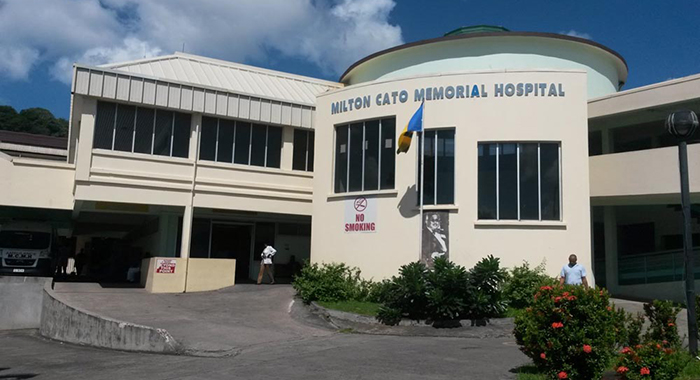
For nine months, I have been grappling with the loss of my father and the circumstances surrounding his death. While death is inevitable, the manner in which it occurs is not. My father was admitted to the hospital on a Saturday night, battling diabetes, hypertension, and other complications. I was later informed that the medication he received exacerbated his kidney issues, yet I was repeatedly assured his kidney function was ‘OK.’ The ambiguity of that term remains unresolved to this day. Upon returning home on Wednesday, I immediately sought answers, consulting doctor friends and advocating for clarity. What I discovered was deeply troubling: the hospital lacked basic supplies, such as plasters and the correct glucose percentage to stabilize his blood sugar. Despite my efforts, critical procedures were delayed. My father needed an ultrasound of his heart, but the paperwork was mishandled, and the responsible doctor had left for private practice. By Thursday night, his kidneys were failing, and his creatinine levels were rising. The next morning, we were called to sign papers for dialysis, but it was too late. My father was rushed to the ICU, where I was told his kidneys were beyond recovery, and multiple organ failure had set in. I was finally given answers, but they came far too late. The pain of reliving this ordeal is immense. My father deserved better care, and so do countless others who rely on a healthcare system plagued by resource limitations and inconsistent standards. My grief continues, not only for my father but for those who lack advocates in their most vulnerable moments.
-

CBH Hails Rodent Awareness A Success After Nationwide Campaign
The Central Board of Health (CBH) in Antigua and Barbuda has successfully concluded its Rodent Awareness Week, a comprehensive initiative aimed at educating the public on rodent control and effective waste management practices. The campaign, which spanned across various communities, emphasized the importance of maintaining clean environments to curb rodent infestations. Residents and businesses were actively engaged, with CBH teams deploying traps in key areas such as Grays Farm, Browne’s Avenue, Potters, St John’s Village, Point, and St John’s City to monitor rodent activity. The Board highlighted the crucial role of community cooperation in obtaining precise data. Additionally, CBH expressed gratitude to local businesses, including Perry Bay Supermarket, Townhouse Mega Store, Chase Supermarket, Woods Complex, and those at Judgement Square, for providing spaces for public demonstrations. Deeming the campaign a triumph, CBH announced plans to commence preparations for the next Rodent Awareness Week, slated for 2026.
-
Doctor explains Confirmed: There is an outbreak of influenza A and B viruses: What is it, how is it spread, and how is it treated?
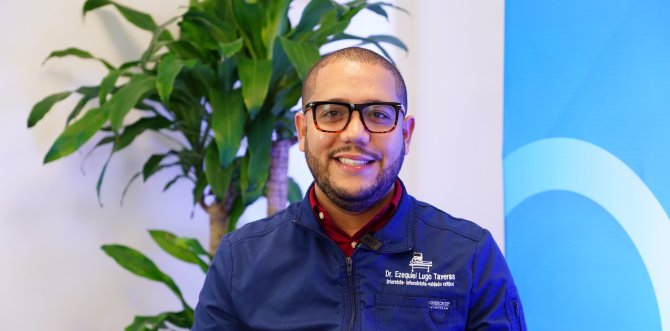
As winter sets in, the Dominican Republic is grappling with a notable rise in respiratory viruses, particularly influenza A and B, which are responsible for the flu. This seasonal spike has prompted concerns about the nature of the disease, its transmission, and effective treatment strategies, especially as thousands of Dominicans are already affected. Dr. Ezequiel Lugo, an internist and intensive care physician, explained to HOY newspaper that influenza is an acute viral infection primarily caused by the influenza virus, with types A and B being the most prevalent. Common symptoms include fever, muscle and head pain, cough, and nasal congestion or discharge. Transmission occurs through close contact with an infected individual exhibiting symptoms such as fever, general malaise, nasal congestion, sore throat, cough, or headache. While influenza often resembles a common cold, it can escalate to pneumonia and cause severe complications, particularly in children and the elderly. Treatment focuses on symptom management, with antiviral medications recommended within the first 72 hours of diagnosis to reduce complication risks. Dr. Lugo emphasized preventive measures, including mask-wearing, proper hand hygiene, and maintaining well-ventilated spaces. He also highlighted the importance of the influenza vaccine as the most effective tool for preventing severe cases, urging annual vaccination, especially for children and senior citizens. Dr. Lugo concluded by advising the public to seek medical attention promptly if symptoms arise.
-
Only one quarter of colorectal cancer detected through screening
Barbados faces a critical challenge in the early detection of colorectal cancer, with only 25% of cases identified through screening, according to Dr. Lalitha Sripathi, an oncologist and head of the Oncology Department at Queen Elizabeth Hospital. Speaking at the Barbados Association of Medical Practitioners’ (BAMP) annual conference, Dr. Sripathi revealed that despite accessible testing services, public participation remains alarmingly low. The majority of cases are diagnosed at advanced stages, significantly reducing treatment efficacy. Colorectal cancer is one of the island’s top three most prevalent cancers, alongside prostate and breast cancer, collectively accounting for a quarter of all deaths in Barbados. Over the past decade, the nation has witnessed a steady rise in cancer incidence, with the Barbados National Cancer Registry reporting over 1,100 new cases and 700 cancer-related deaths in 2022 alone. Dr. Sripathi attributed the low screening rates partly to the stigma surrounding colonoscopies, which are perceived as invasive. To combat this, she advocated for greater promotion of the Fecal Immunochemical Test (FIT), a non-invasive, cost-effective alternative that can be conducted at home. She stressed the importance of linking screening to timely follow-up care, emphasizing that early detection must be paired with prompt treatment to improve outcomes. Dr. Sripathi also called for the establishment of standardized, nationwide screening pathways to enhance colorectal cancer management and save lives.
-

New palliative care plans under discussion, but Barbados still without active system
Barbados is taking significant steps toward establishing a structured palliative care service, as revealed by Dr. Carlos Chase, Director of Medical Services at Queen Elizabeth Hospital (QEH). Speaking at the Barbados Association of Medical Practitioners’ (BAMP) annual conference, Dr. Chase highlighted that palliative care remains an evolving concept within the nation’s healthcare system. He announced that QEH teams will convene next week to discuss the framework’s structure, including staffing solutions, given the current shortage of oncologists. However, he acknowledged that Barbados has yet to implement a fully functional palliative care system.
-
Radiation therapy to resume soon in Barbados
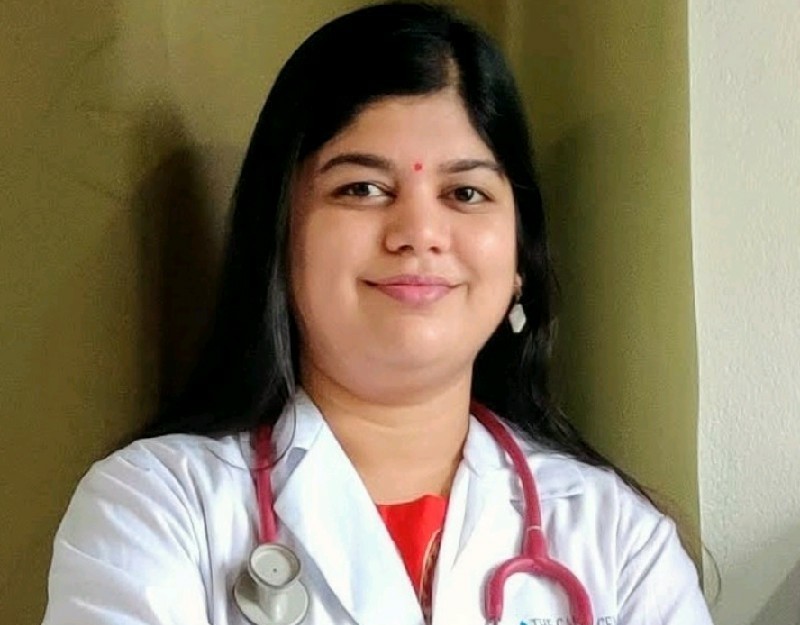
Barbados is set to enhance its cancer care capabilities with the reactivation of upgraded radiation therapy facilities at the Queen Elizabeth Hospital (QEH). The hospital’s new Halcyon linear accelerator, described as a high-end machine, promises advanced radiation treatments with improved imaging, accuracy, and speed. This development, highlighted by oncologist Dr. Lalitha Sripathi during the Barbados Association of Medical Practitioners’ (BAMP) annual conference, marks a critical step in addressing the island’s growing cancer burden. However, Dr. Sripathi emphasized that technology alone is insufficient. She advocated for a holistic approach to cancer care, encompassing medical, emotional, social, and spiritual support for patients.